 Скачать презентацию A Values-based Approach to Campaigns and Communications Tim
7f2dcbad9452e6a2cf6e17b217899dd8.ppt
- Количество слайдов: 33



A Values-based Approach to Campaigns and Communications Tim Kasser Tom Crompton
Values & Goals • Guiding principles in life • Affect people’s attitudes towards particular objects and policies • Orient people to engage in particular behaviors • Many different types of values and goals exist
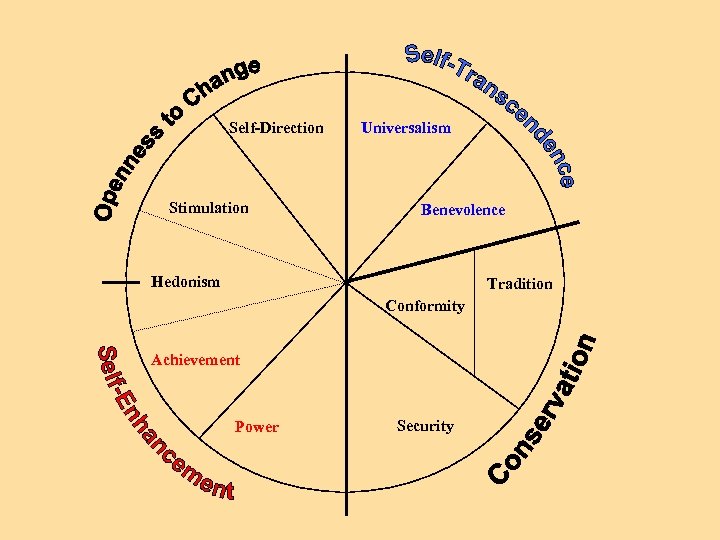
Values & Goals • Organized in systems • Validated in many nations around world • Some values are compatible, others in conflict • Data can be represented with circumplex models – Compatible values are next to each other – Conflicting values are on opposite sides
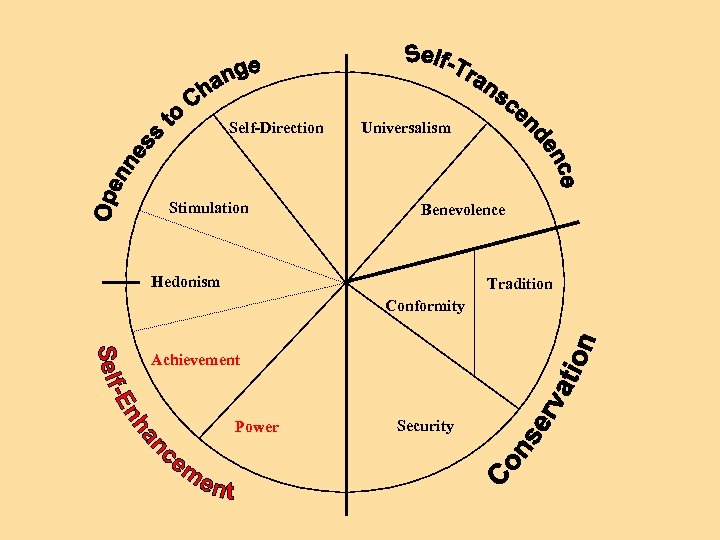
Self-Direction Stimulation Universalism Benevolence Hedonism Tradition Conformity Achievement Power Security
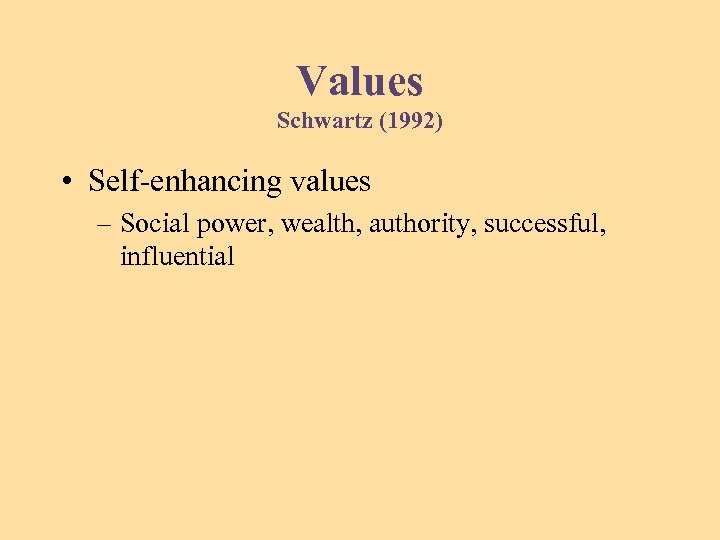
Values Schwartz (1992) • Self-enhancing values – Social power, wealth, authority, successful, influential
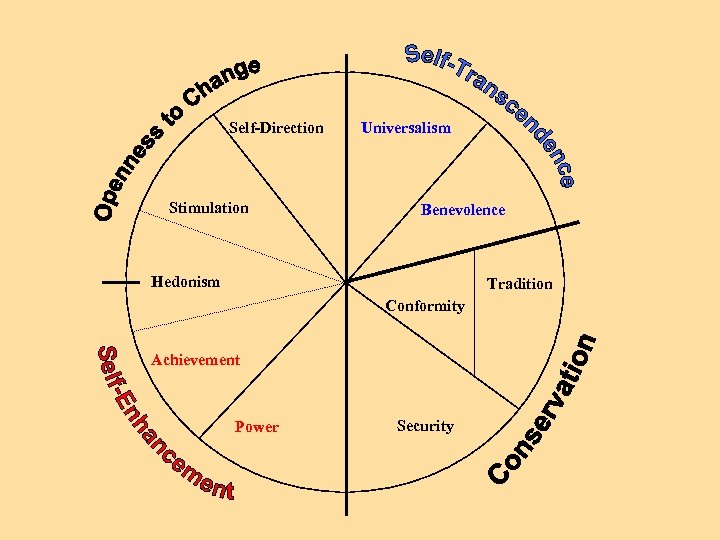
Self-Direction Stimulation Universalism Benevolence Hedonism Tradition Conformity Achievement Power Security
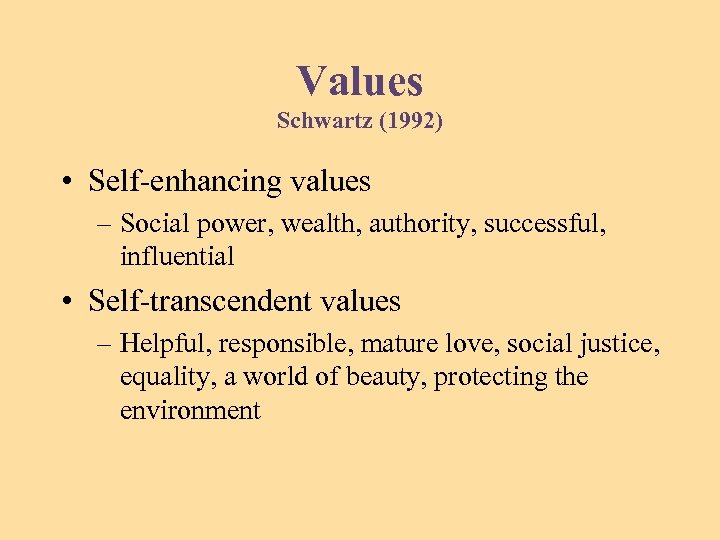
Values Schwartz (1992) • Self-enhancing values – Social power, wealth, authority, successful, influential • Self-transcendent values – Helpful, responsible, mature love, social justice, equality, a world of beauty, protecting the environment
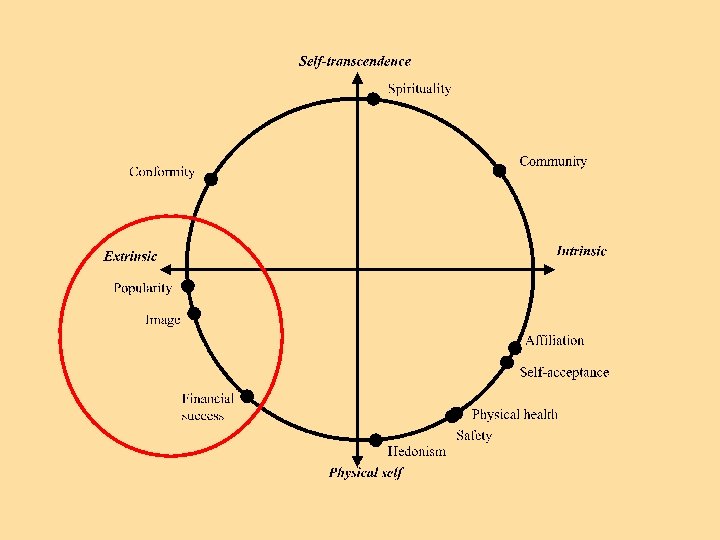
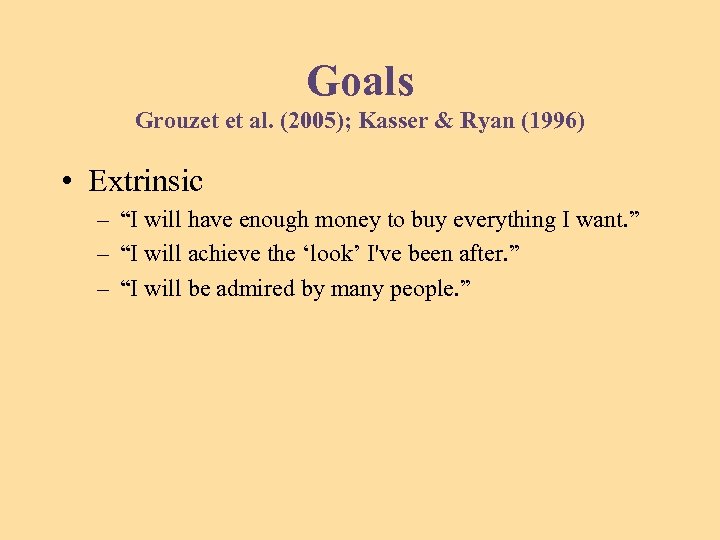
Goals Grouzet et al. (2005); Kasser & Ryan (1996) • Extrinsic – “I will have enough money to buy everything I want. ” – “I will achieve the ‘look’ I've been after. ” – “I will be admired by many people. ”
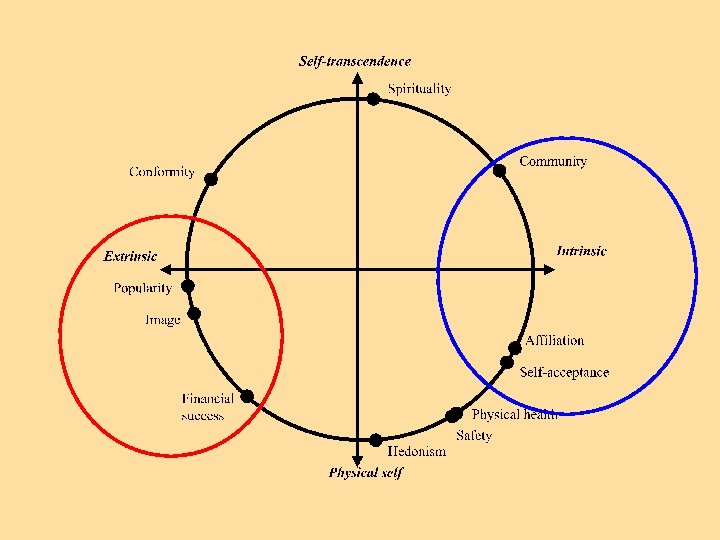
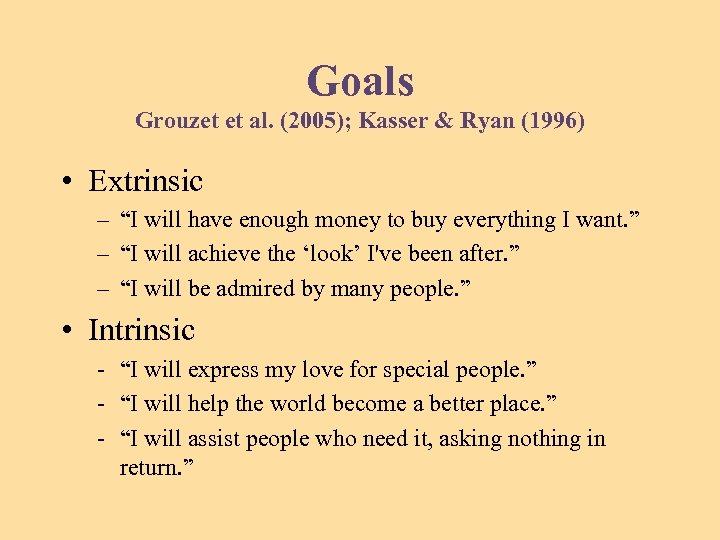
Goals Grouzet et al. (2005); Kasser & Ryan (1996) • Extrinsic – “I will have enough money to buy everything I want. ” – “I will achieve the ‘look’ I've been after. ” – “I will be admired by many people. ” • Intrinsic - “I will express my love for special people. ” - “I will help the world become a better place. ” - “I will assist people who need it, asking nothing in return. ”
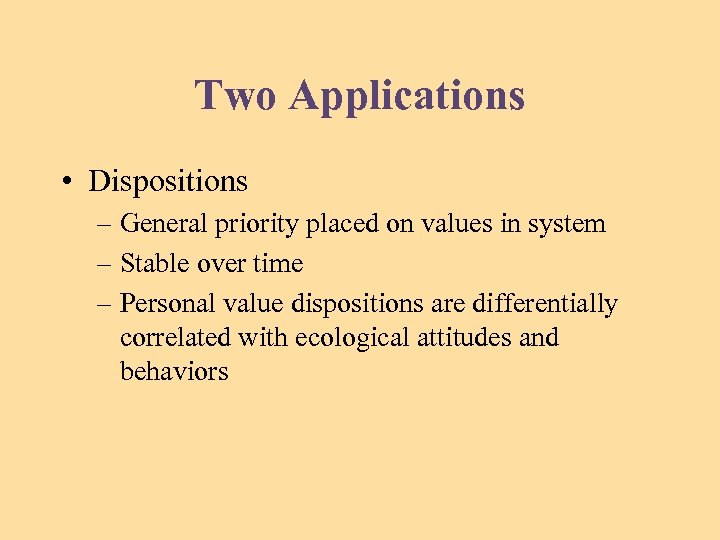
Two Applications • Dispositions – General priority placed on values in system – Stable over time – Personal value dispositions are differentially correlated with ecological attitudes and behaviors
Eco-Attitudes • Attitudes towards the environment – Good (2007); Saunders & Munro (2000) • Concern about effects of environmental damage on other people, animals, and future generations – Schultz et al. (2005)
Eco-Behaviors • Amount of forest harvested in social dilemma games – Sheldon & Mc. Gregor (2000) • Frequency of riding bikes, recycling, re-use, etc. – Gatersleben et al. (in prep. ); Kasser (2005); Richins & Dawson (1992) • Size of Ecological Footprint – 400 N Americans – transportation, housing, food – Brown & Kasser (2005)
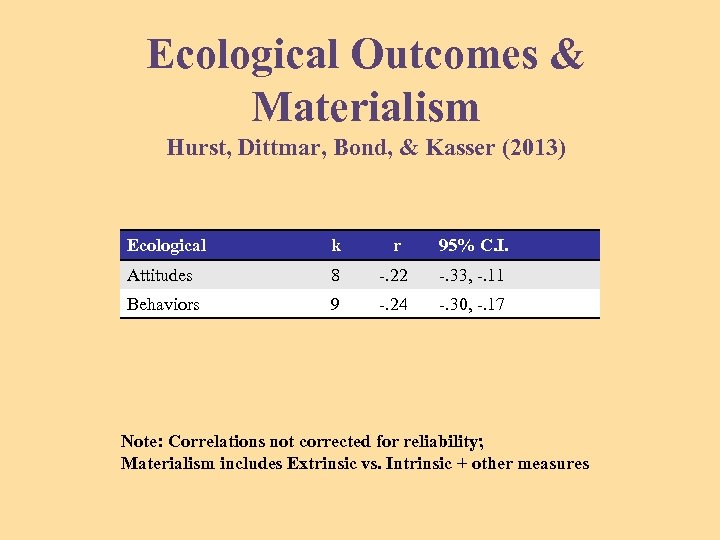
Ecological Outcomes & Materialism Hurst, Dittmar, Bond, & Kasser (2013) Ecological k r 95% C. I. Attitudes 8 -. 22 -. 33, -. 11 Behaviors 9 -. 24 -. 30, -. 17 Note: Correlations not corrected for reliability; Materialism includes Extrinsic vs. Intrinsic + other measures
Two Applications • Dispositions • Activation of values: – Bleed-over effect – activation supports and encourages attitudes and behaviors consistent with those values – See-saw effect – activation suppresses and discourages attitudes and behaviors in conflict with those values
Self-Direction Stimulation Universalism Benevolence Hedonism Tradition Conformity Achievement Power Security
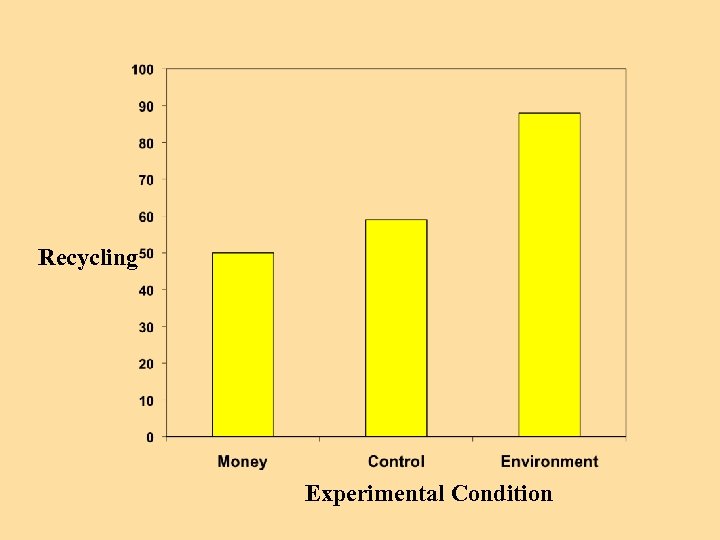
Activation of Eco-Behavior Vansteenkiste et al. (2004) • Belgian education students • Asked to read a text on recycling framed as: – Helping the community (intrinsic) – Saving money (extrinsic) • Compared to those given Extrinsic frames, those given Intrinsic frames: – Learned material more deeply – Were more likely to visit library to learn more – Were more likely to go on later trip to recycling plant
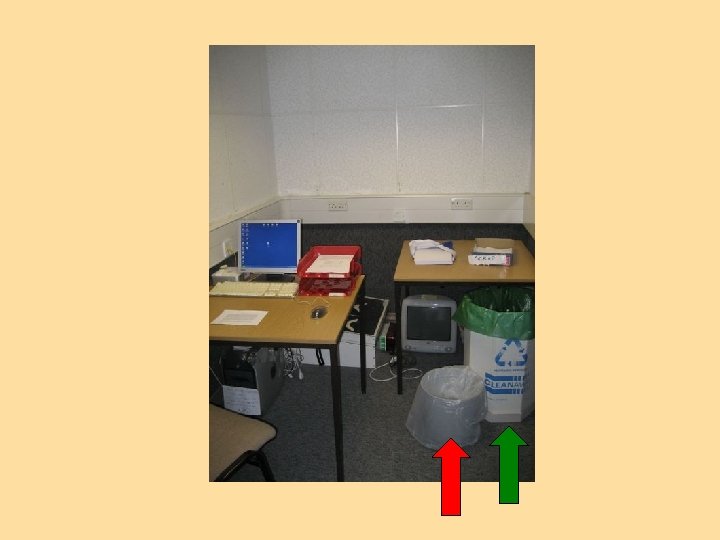
Activation of Eco-Behavior Maio et al. (2011) • Students completed survey about extent to which car sharing – Saves money – Protects the environment • Then designed logo & disposed of draft drawings
Recycling Experimental Condition
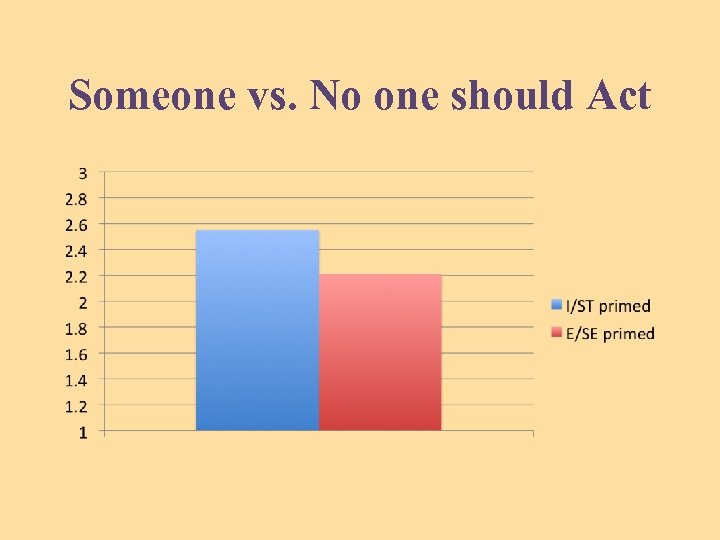
Influencing E/SE People Chilton et al. (2011) • Screened > 700 UK adults and chose 30 people scoring in top 10% on SE Values • Came to lab and wrote about reasons why 3 values were important – E/SE values: Popularity, image, wealth – I/ST values: Acceptance, affiliation, broadminded
Influencing E/SE People Chilton et al. (2011) • Underwent standardized interview on four topics – Climate change & Loss of UK countryside – Child mortality in developing nations & Poverty among UK children • Linguist naïve to primes coded interviews
Someone vs. No one should Act
Use of language – E/SE Primed • P 007 – “Mm, what would motivate me? I suppose money if there was a financial incentive to be more proactive…I do tend to switch things off but that’s more a case of me saving money in electricity than thinking oh that’s gonna help the world. ”
Use of language – I/ST Primed • P 026 – “I do think that the earth and the environment is precious and valuable. . . I think it should be at the top of the political agenda…I think that the world that we pass on to the next generation, you know, is, is our responsibility. ”

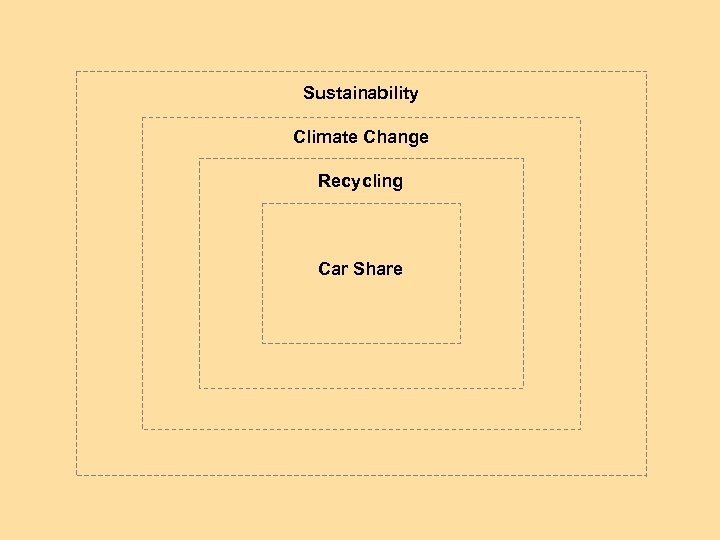
Sustainability Climate Change Recycling Car Share
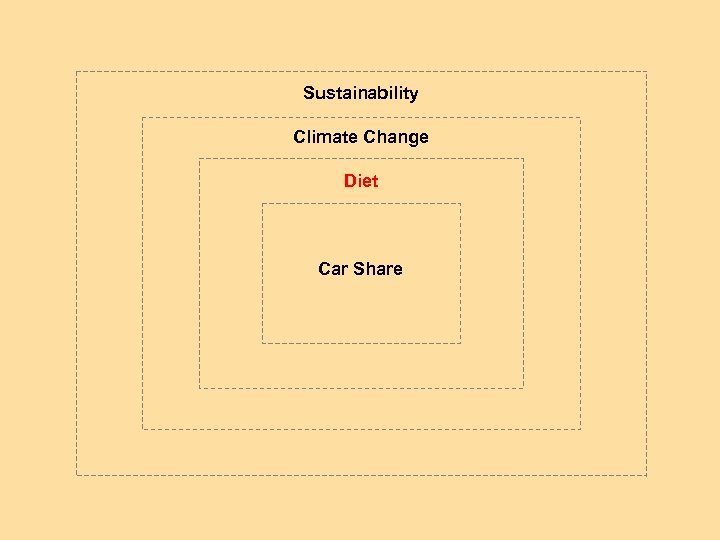
Sustainability Climate Change Diet Car Share
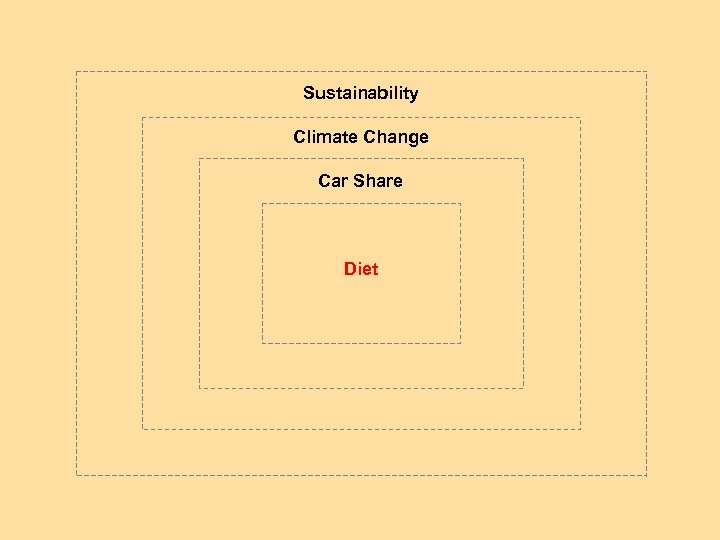
Sustainability Climate Change Car Share Diet
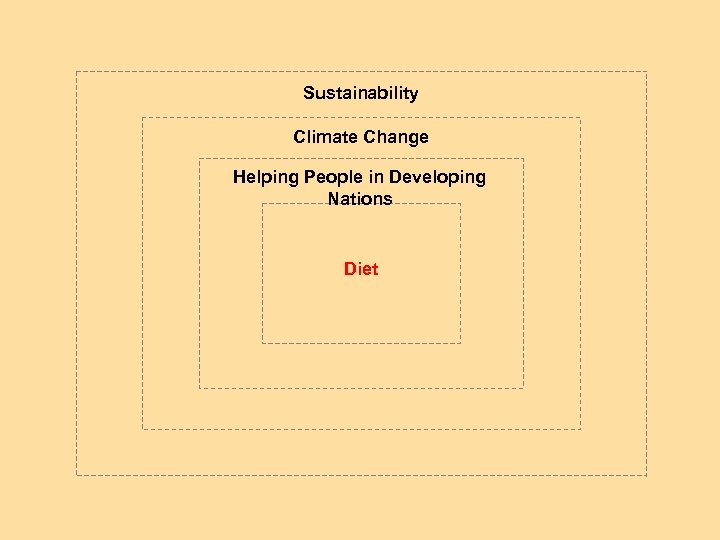
Sustainability Climate Change Helping People in Developing Nations Diet
Summary • Rather than focus on rewards, punishments, and E/ST goals • Focus on encouraging and activating Intrinsic/Self-transcendent Values

Thanks!
Скачать презентацию A Values-based Approach to Campaigns and Communications Tim
7f2dcbad9452e6a2cf6e17b217899dd8.ppt