 Скачать презентацию A Trip to Remember Heathrow Airport A
A Trip to Remember.pptx
- Количество слайдов: 82



A Trip to Remember
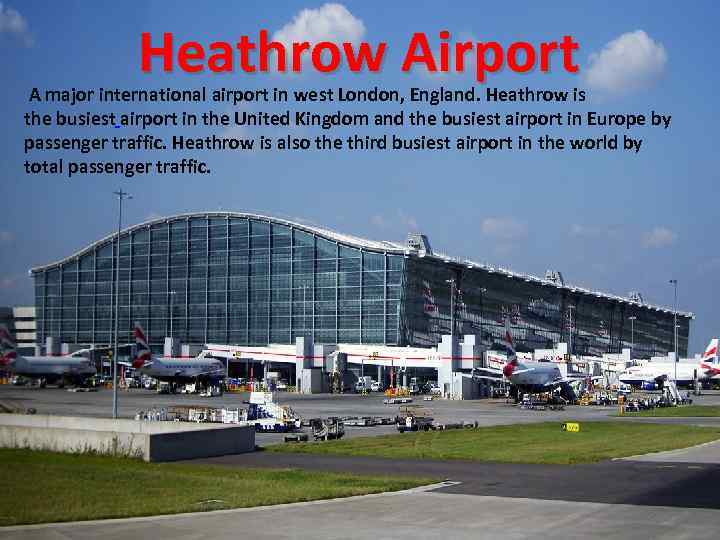
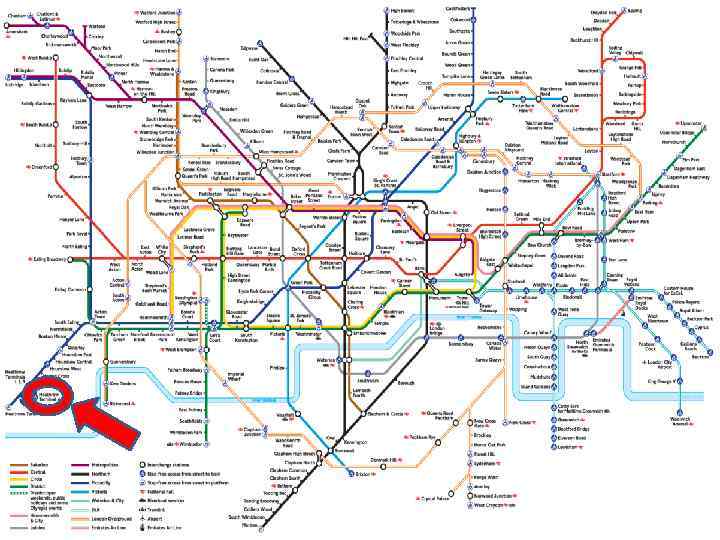
Heathrow Airport A major international airport in west London, England. Heathrow is the busiest airport in the United Kingdom and the busiest airport in Europe by passenger traffic. Heathrow is also the third busiest airport in the world by total passenger traffic.
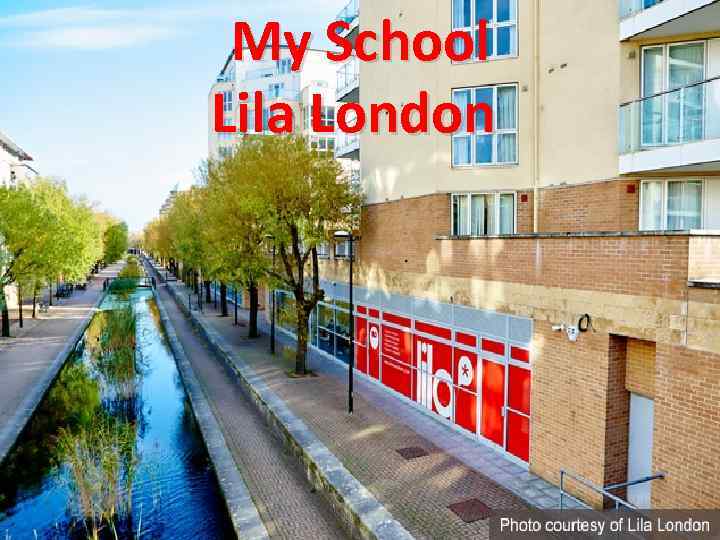
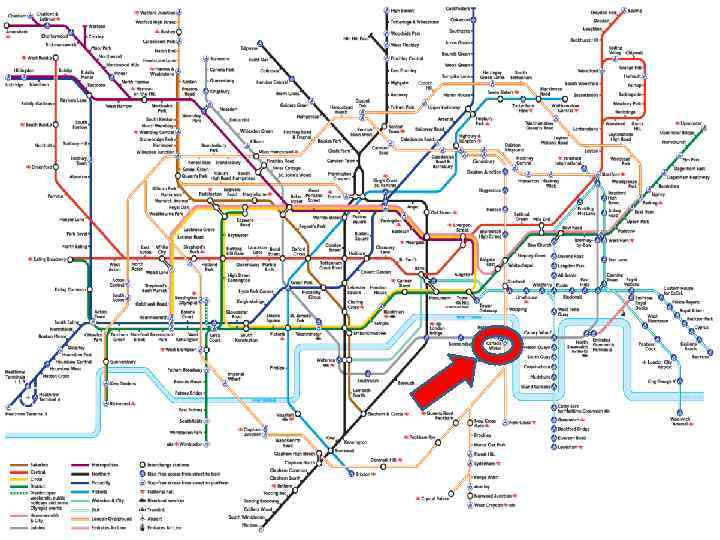
My School Lila London
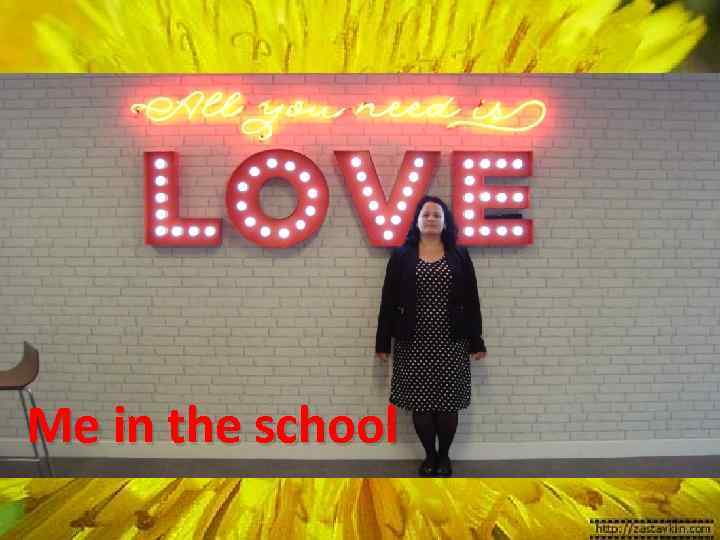
Me in the school
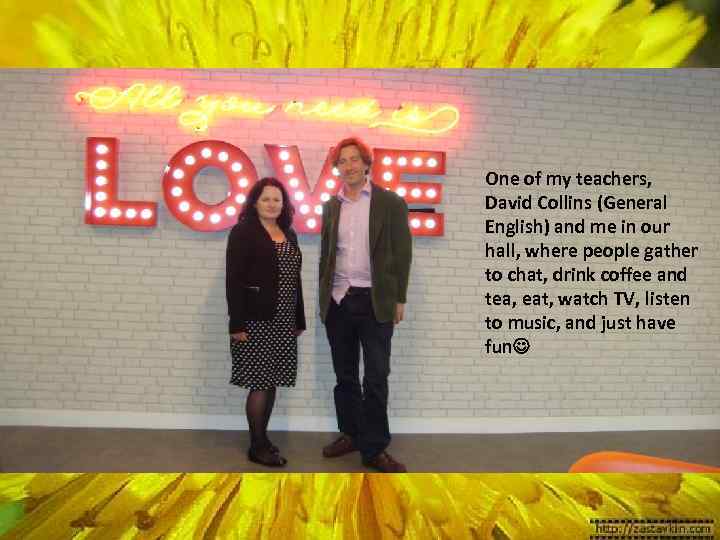
One of my teachers, David Collins (General English) and me in our hall, where people gather to chat, drink coffee and tea, eat, watch TV, listen to music, and just have fun
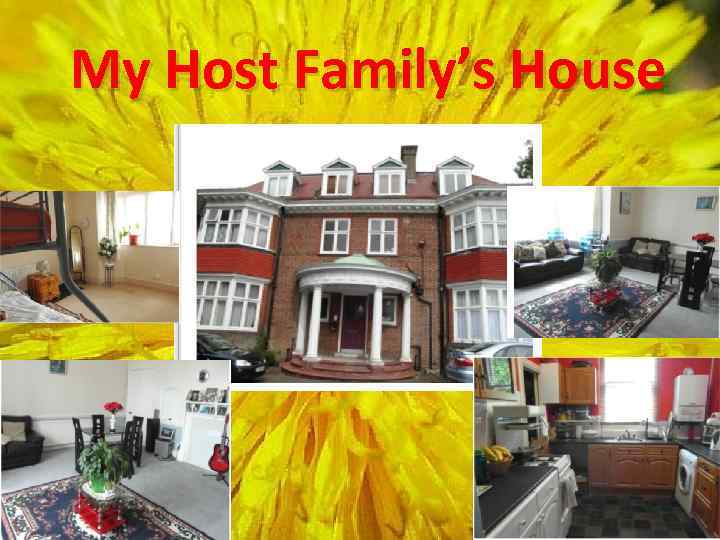
My Host Family’s House
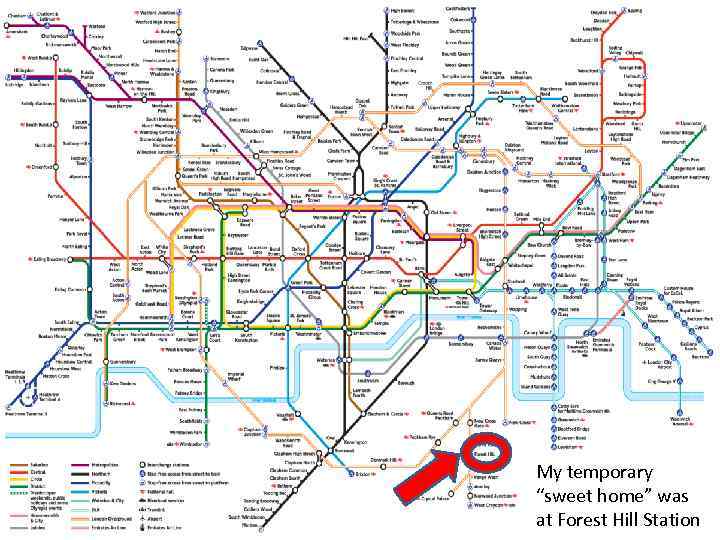
My temporary “sweet home” was at Forest Hill Station
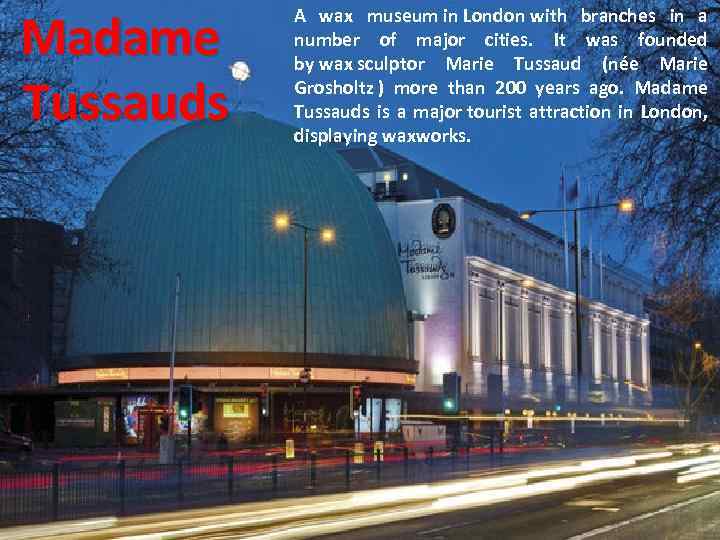
Madame Tussauds A wax museum in London with branches in a number of major cities. It was founded by wax sculptor Marie Tussaud (née Marie Grosholtz ) more than 200 years ago. Madame Tussauds is a major tourist attraction in London, displaying waxworks.
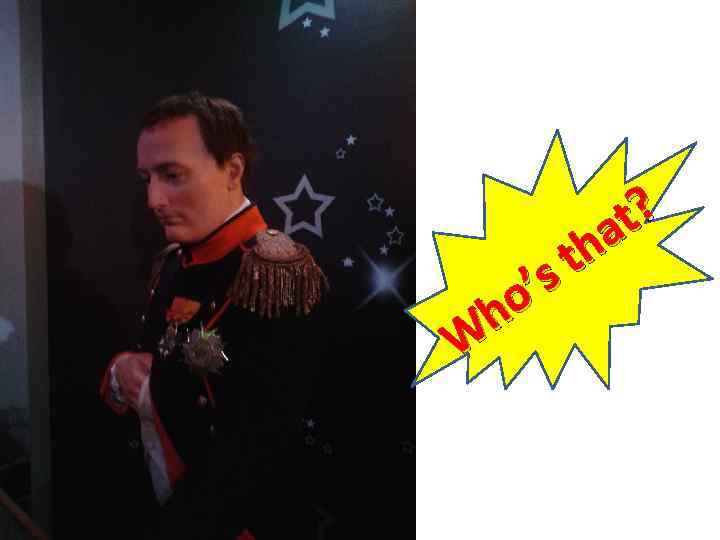
t? a th s ’ o h W
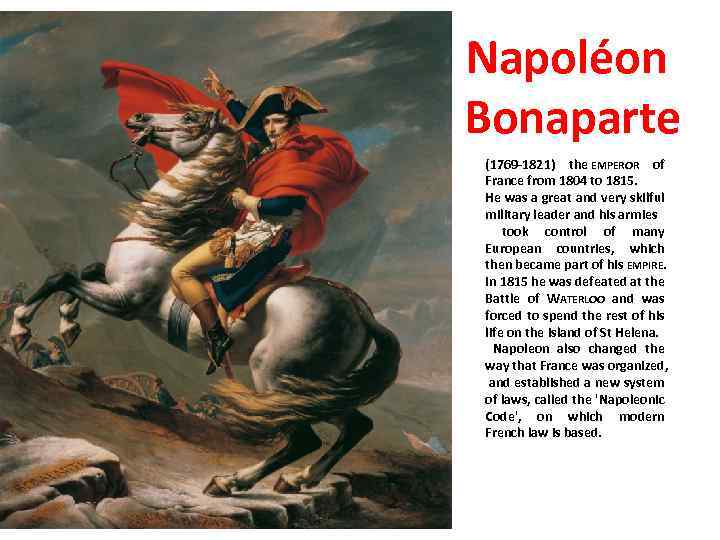
Napoléon Bonaparte (1769 -1821) the EMPEROR of France from 1804 to 1815. He was a great and very skilful military leader and his armies took control of many European countries, which then became part of his EMPIRE. In 1815 he was defeated at the Battle of WATERLOO and was forced to spend the rest of his life on the island of St Helena. Napoleon also changed the way that France was organized, and established a new system of laws, called the 'Napoleonic Code', on which modern French law is based.
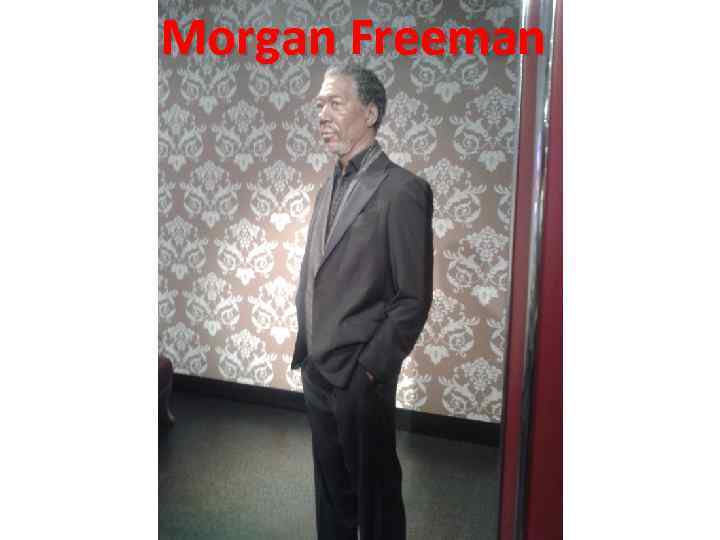
Morgan Freeman
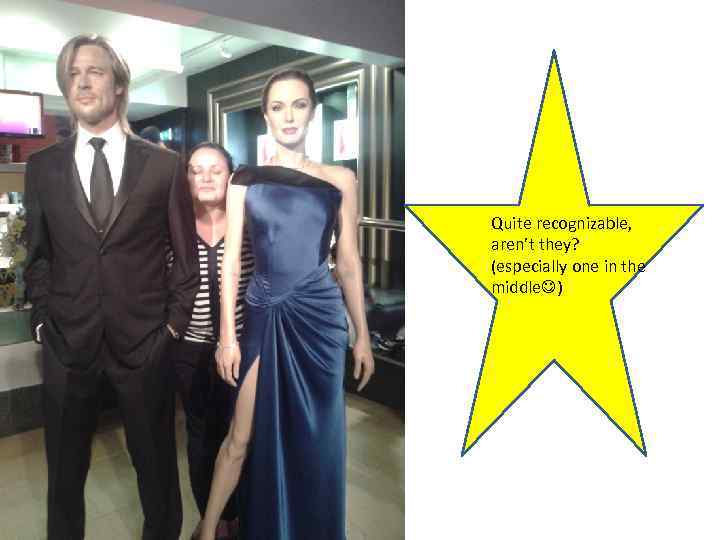
Quite recognizable, aren’t they? (especially one in the middle )
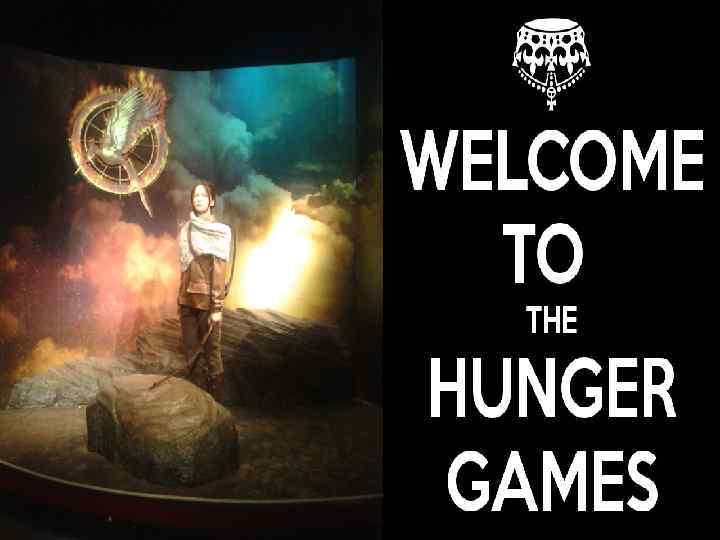
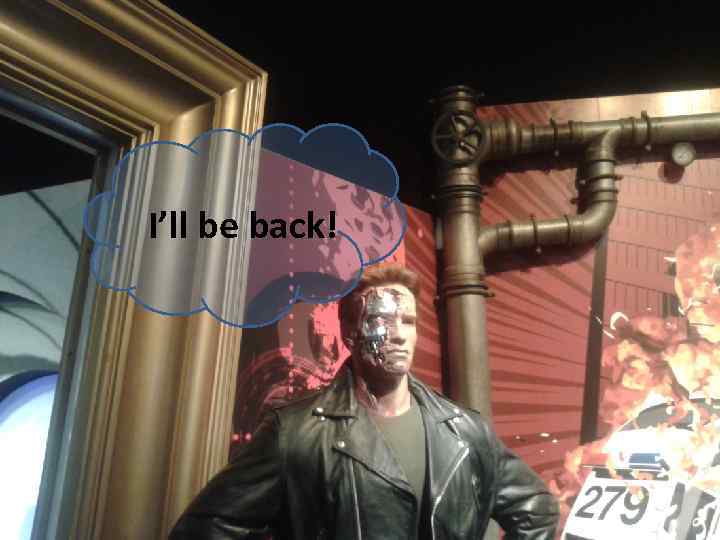
I’ll be back!
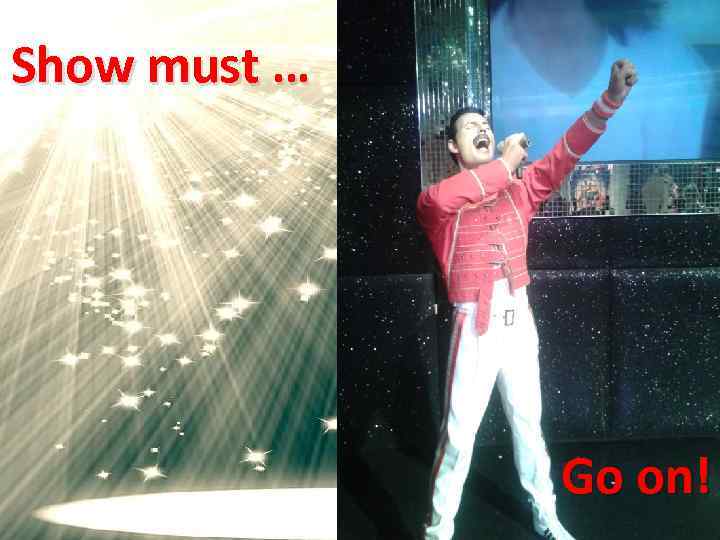
Show must … Go on!
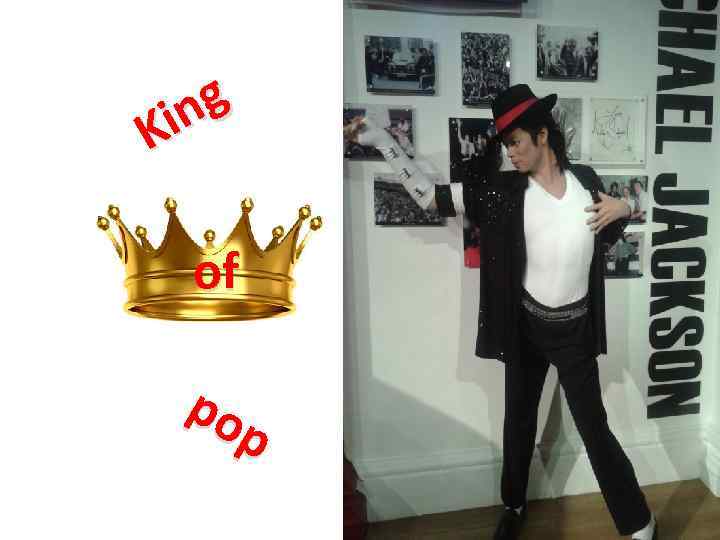
g in K of pop
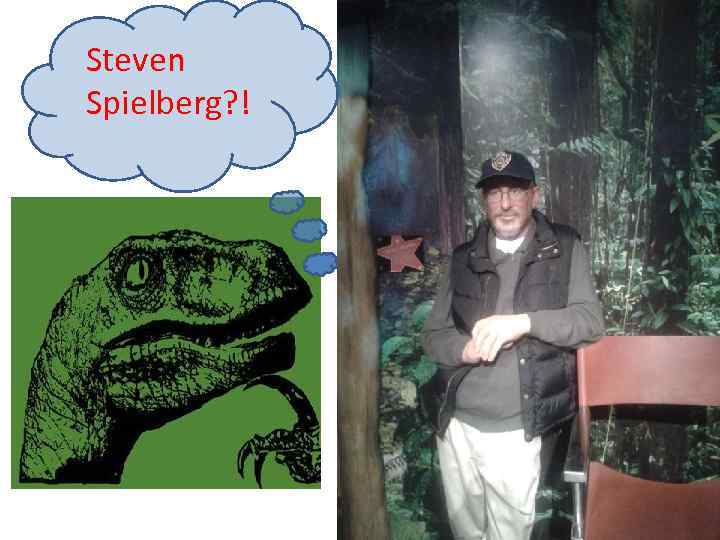
Steven Spielberg? !
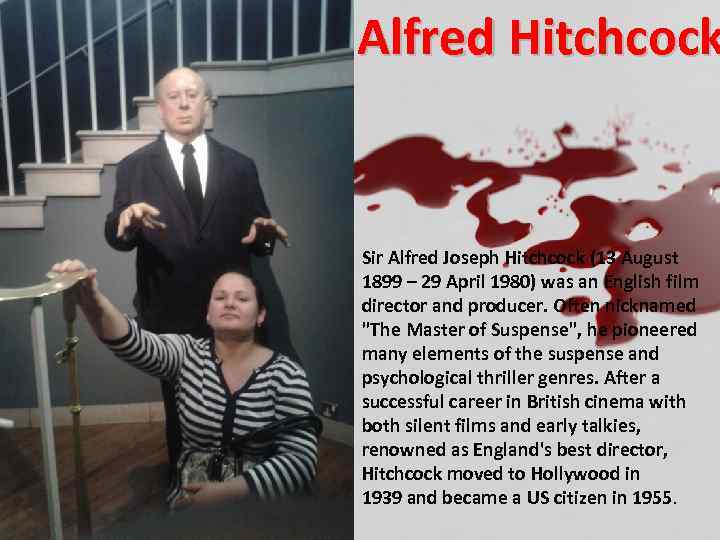
Alfred Hitchcock Sir Alfred Joseph Hitchcock (13 August 1899 – 29 April 1980) was an English film director and producer. Often nicknamed "The Master of Suspense", he pioneered many elements of the suspense and psychological thriller genres. After a successful career in British cinema with both silent films and early talkies, renowned as England's best director, Hitchcock moved to Hollywood in 1939 and became a US citizen in 1955.
The Most Famous English Monarchs

Henry V (1387 - 1422) Henry V was one of the great warrior kings of medieval England, famous for his victory against the French at the Battle of Agincourt (one of the greatest English victories in the Hundred Years’War).

Henry VIII (1491 -1547) Henry Tudor, son of Henry VII of England Elizabeth York, was born at the royal residence, Greenwich Palace, on June 28, 1491. Following the death of his brother, Arthur, he became Henry VIII, king of England. He married six times, beheaded two of his wives and was the main instigator of the English Reformation. His only surviving son, Edward VI, succeeded him after his death on January 28, 1547.

Charles I (1600 - 1649) Charles I was king of England, Scotland Ireland, whose conflicts with parliament led to civil war and his eventual execution.

Queen Victoria (1819 - 1901) Victoria was the longest reigning British monarch (1837 - 1901)and the figurehead of a vast empire. She oversaw huge changes in British society and gave her name to an age.

I’m being received by the Queen

On 9 September 2015, Elizabeth II will surpass the reign of her great-greatgrandmother Victoria, thus, becoming the longest reigning monarch in Britain!

A man of genius… Can you identify him by his looks?

Oscar Wilde William Shakespeare

Madame Tussaud at work Supposedly she’s holding a dead head to make a death mask.

Nelson’s Column Trafalgar Square The National Gallery In the center of Trafalgar Square stands London's most famous monument: Nelson's Column. The monument was built in 1843 as a tribute to Admiral Horatio Lord Nelson, who defeated the French fleet at the Battle of Trafalgar in 1805.

Italian Renaissance Art In the National Gallery The National Gallery is one of London's most important museums. It has an impressive collection of paintings covering the period between 1260 and 1900, with works from virtually all renowned artists of the era.


The Tower of London


The White Tower The oldest part of the fortress is the so-called White Tower, which was completed in 1097. This keep was long the tallest building in London at 27. 4 meters (90 ft). Its walls are 4. 6 meter wide. The tower was whitewashed during the reign of Henry III (1207 -1272), which gave the tower's facade its white appearance. Ever since the tower has been known as White Tower. The building has four domed turrets at each corner. Three of them have a square shape, the other is round, due to its spiral staircase. The round turret was long used as an observatory.

Torture & Executions in the Tower Scavenger’s daughter Rack

Anne’s Fortress Anne Boleyn

Queen Anne


The most famous tourist attraction in the Tower of London is the collection of Crown Jewels that has been on display here since the seventeenth century, during the reign of Charles II. Most of the jewels were created around the year 1660, when the monarchy was reinstalled. The majority of the older crown jewels were destroyed by Oliver Cromwell. The jewels can be found in the Jewel House, which is part of the Waterloo Barracks just north of the White Tower. Some of the highlights of the collection are the 530 carat First Star of Africa, which is set in the Imperial State Crown Scepter of the Cross; the Imperial State Crown with more than 2800 diamonds and the famous Koh-INoor, a 105 carat diamond.

Tower of London Guards


The Line of Kings This exhibition is located on the entrance floor of the White Tower. It exists for over 300 years, displaying arms and royal armour, life-sized wooden horses and figures of kings.

Henry VIII’s armour

Again the armour of his…

Charles I’s armour

It was once worn by William the Conqueror

The carved wood faces of the monarchs Henry VIII Charles I William the Conqueror Elizabeth I

Dragon made of armour and weapons

The Royal Mint coin press History of the Royal Mint At the end of the 13 th century the Royal Mint moved to the Tower of London and expanded, although there had been mints operating in London since Roman times. 1278 -1279 - The Royal Mint was located at the Tower of London 1509 -1547 - Under Henry VIII local production of coins was brought to an end. The Royal Mint became the only authority for the production of coinage 1662 - The process of manually striking coins was replaced with the screw press and the horse-driven rolling mill By the turn of the 19 th century - The Royal Mint's facilities occupied almost the entire outer ward of the Tower 1810 - The last coins were struck at the Tower and the Royal Mint relocated to Little Tower Hill 1968 - The Royal Mint moved to Llantrisant, South Wales.

Time for fun: )

The London Eye In the daytime at night

The Mad Hatter & me

Yodas live in Trafalgar Square By the way, the person wearing Yoda costume is leaning only against the rod!

St James’s Park Every year millions of Londoners and tourists visit St James's Park, the oldest of the capital's eight Royal Parks. The park includes The Mall (a road in London between Buckingham Palace and Trafalgar Square, used by the British Royal Family on public occasions) and Horse Guards Parade (a large parade ground in central London) and is at the heart of ceremonial London, providing the setting for spectacular pageants including the annual Trooping the Colour (a ceremony performed by regiments of the British and Commonwealth armies).


The Tudor Rose Thistle (the national symbol of Scotland) (the national symbol of England) The Shamrock (the national symbol of Ireland)


The Tower Bridge (built 1886– 1894) is a combined bascule and suspension bridge (разводной висячий мост) in London. The bridge crosses the River Thames close to the Tower of London and has become an iconic symbol of London. Its Victorian Gothic style stems from a law that forced the designers to create a structure that would be in harmony with the nearby Tower of London.


In front of the Tower The Shard is a modern glass skyscraper in London. At the time of its completion in 2012 it was Europe's tallest building. The observatory on the 72 nd floor offers some spectacular 360 degree views of the city.

The Houses of Parliament, also known as the Palace of Westminster, is the seat of the two parliamentary houses of the United Kingdom: the House of Lords and the House of Commons. The most famous feature of the Houses of Parliament is its clock tower, known as Big Ben.


The Clock Tower of the Palace of Westminster - officially named Saint Stephen's Tower - is commonly known as the Big Ben. The tower is one of London's most famous landmarks. Big Ben The clock inside the tower was the world's largest when it was installed in the middle of the nineteenth century. The name Big Ben actually refers to the clock's hour bell, the largest of the clock's five bells. The other four are used as quarter bells.

My agent Nataliya Stephens, her cute son and me at the Odeon


If you want an English language & sightseeing tour abroad, don’t hesitate to get in touch with Nataliya Stephens!
Скачать презентацию A Trip to Remember Heathrow Airport A
A Trip to Remember.pptx