 Скачать презентацию A Pragmatic Approach to the Sustainable Management of
d982515df4eceed3643207ce52966c1f.ppt
- Количество слайдов: 31



A Pragmatic Approach to the Sustainable Management of LMEs Di Jin Woods Hole Oceanographic Institution Outline • Key management issues • A framework for management policy analysis • Five case studies
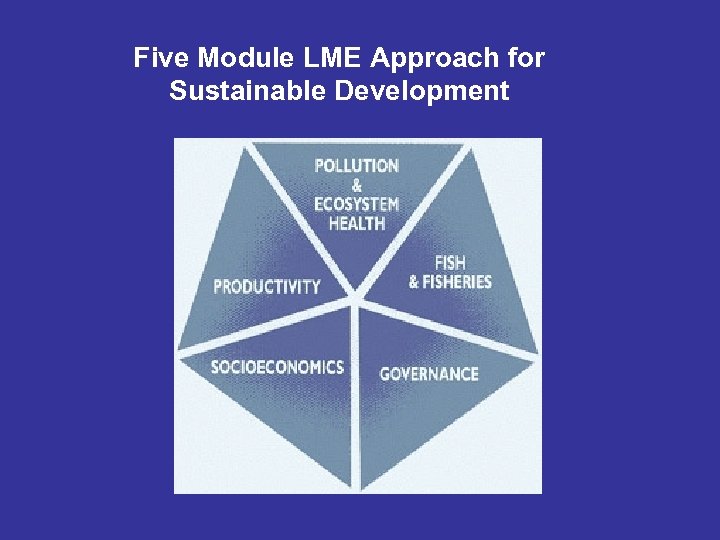
Five Module LME Approach for Sustainable Development
Socioeconomics
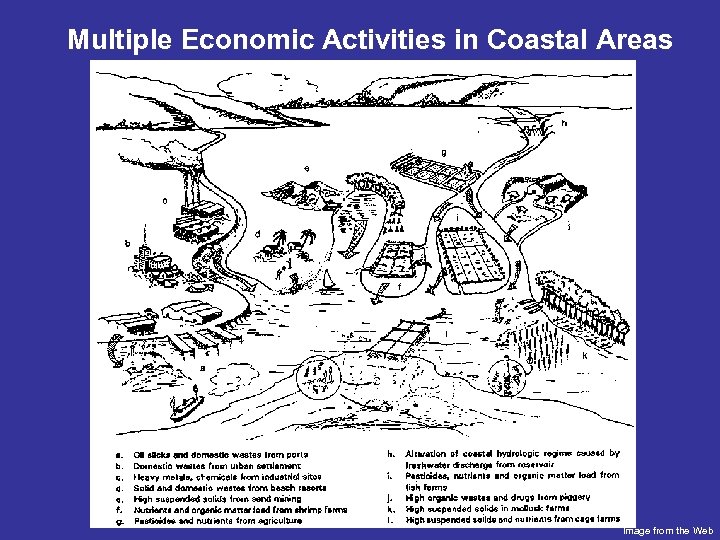
Multiple Economic Activities in Coastal Areas Image from the Web
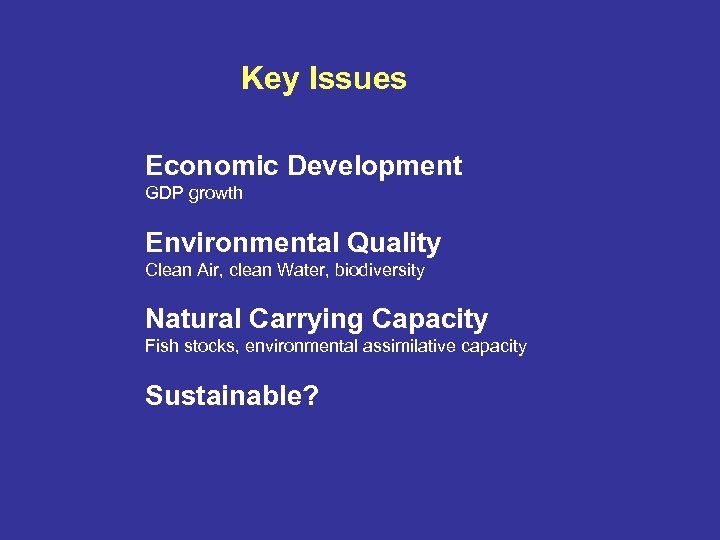
Key Issues Economic Development GDP growth Environmental Quality Clean Air, clean Water, biodiversity Natural Carrying Capacity Fish stocks, environmental assimilative capacity Sustainable?
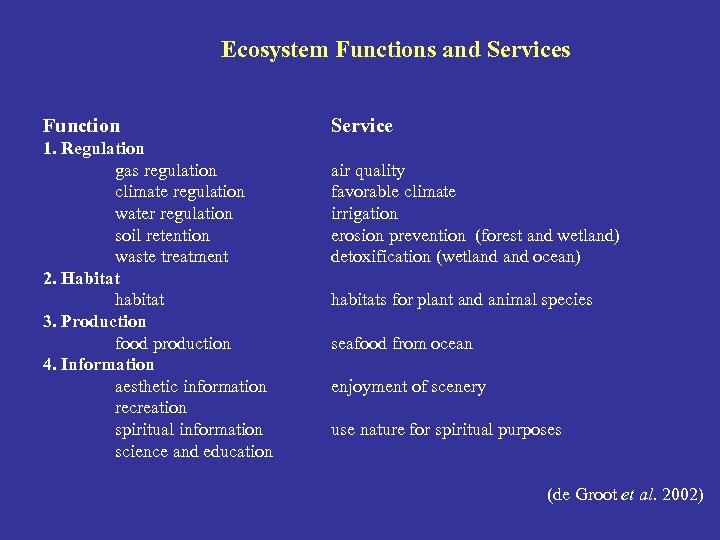
Ecosystem Functions and Services Function 1. Regulation gas regulation climate regulation water regulation soil retention waste treatment 2. Habitat habitat 3. Production food production 4. Information aesthetic information recreation spiritual information science and education Service air quality favorable climate irrigation erosion prevention (forest and wetland) detoxification (wetland ocean) habitats for plant and animal species seafood from ocean enjoyment of scenery use nature for spiritual purposes (de Groot et al. 2002)
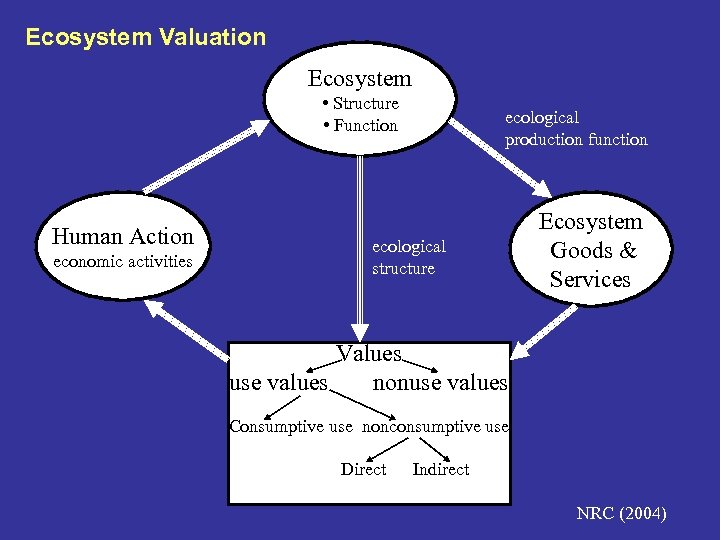
Ecosystem Valuation Ecosystem • Structure • Function Human Action economic activities ecological production function ecological structure Ecosystem Goods & Services Values use values nonuse values Consumptive use nonconsumptive use Direct Indirect NRC (2004)
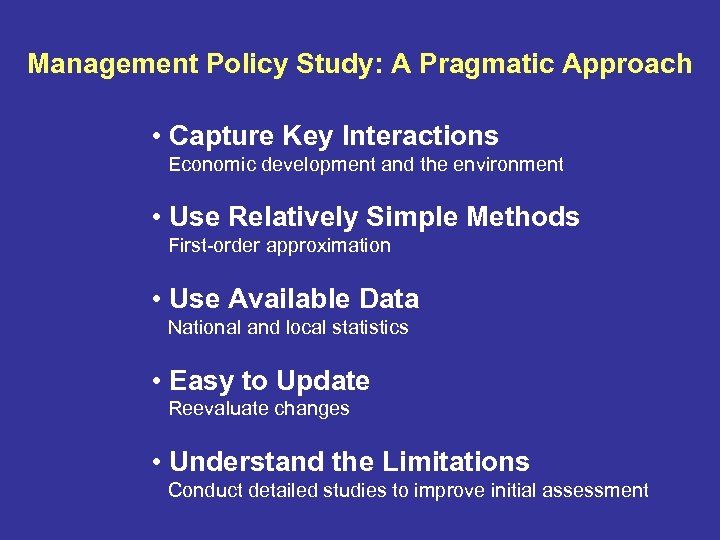
Management Policy Study: A Pragmatic Approach • Capture Key Interactions Economic development and the environment • Use Relatively Simple Methods First-order approximation • Use Available Data National and local statistics • Easy to Update Reevaluate changes • Understand the Limitations Conduct detailed studies to improve initial assessment
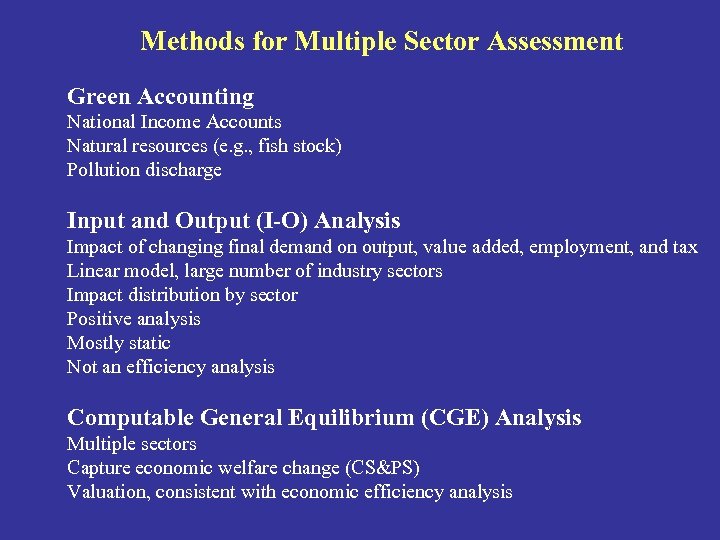
Methods for Multiple Sector Assessment Green Accounting National Income Accounts Natural resources (e. g. , fish stock) Pollution discharge Input and Output (I-O) Analysis Impact of changing final demand on output, value added, employment, and tax Linear model, large number of industry sectors Impact distribution by sector Positive analysis Mostly static Not an efficiency analysis Computable General Equilibrium (CGE) Analysis Multiple sectors Capture economic welfare change (CS&PS) Valuation, consistent with economic efficiency analysis
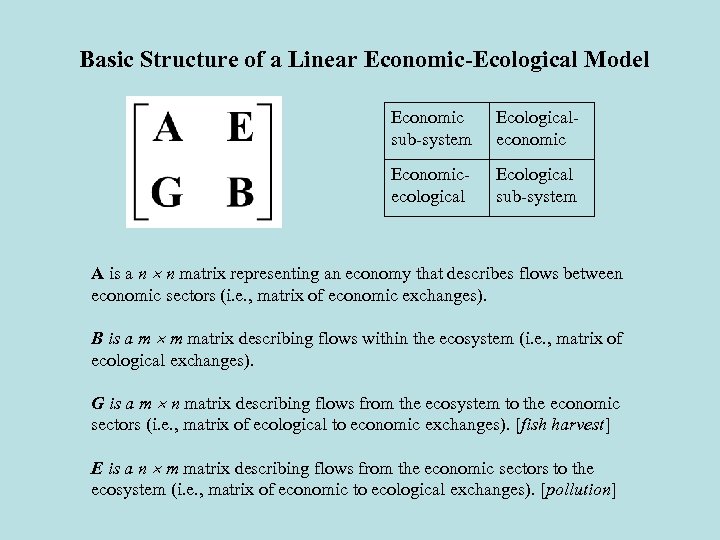
Basic Structure of a Linear Economic-Ecological Model Economic sub-system Ecologicaleconomic Economicecological Ecological sub-system A is a n n matrix representing an economy that describes flows between economic sectors (i. e. , matrix of economic exchanges). B is a m m matrix describing flows within the ecosystem (i. e. , matrix of ecological exchanges). G is a m n matrix describing flows from the ecosystem to the economic sectors (i. e. , matrix of ecological to economic exchanges). [fish harvest] E is a n m matrix describing flows from the economic sectors to the ecosystem (i. e. , matrix of economic to ecological exchanges). [pollution]
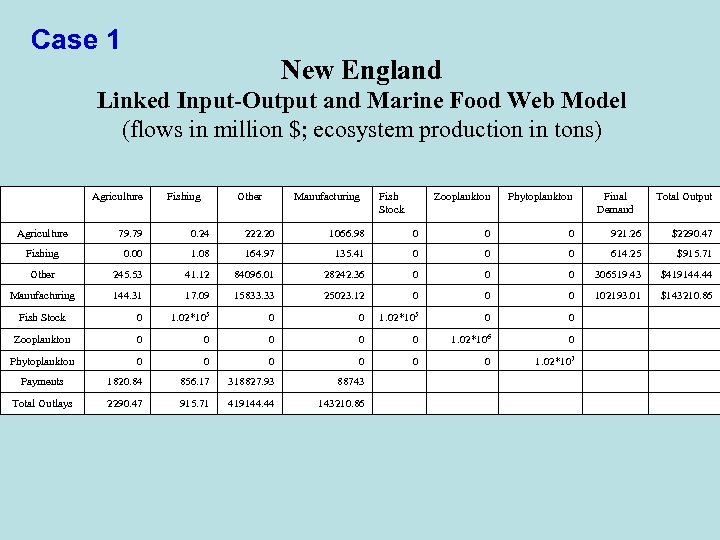
Case 1 New England Linked Input-Output and Marine Food Web Model (flows in million $; ecosystem production in tons) Agriculture Fishing Other Manufacturing Fish Stock Zooplankton Phytoplankton Final Demand Total Output Agriculture 79. 79 0. 24 222. 20 1066. 98 0 0 0 921. 26 $2290. 47 Fishing 0. 00 1. 08 164. 97 135. 41 0 0 0 614. 25 $915. 71 Other 245. 53 41. 12 84096. 01 28242. 36 0 0 0 306519. 43 $419144. 44 Manufacturing 144. 31 17. 09 15833. 33 25023. 12 0 0 0 102193. 01 $143210. 86 Fish Stock 0 1. 02*105 0 0 Zooplankton 0 0 0 1. 02*106 0 Phytoplankton 0 0 0 1. 02*107 Payments 1820. 84 856. 17 318827. 93 88743 Total Outlays 2290. 47 915. 71 419144. 44 143210. 86
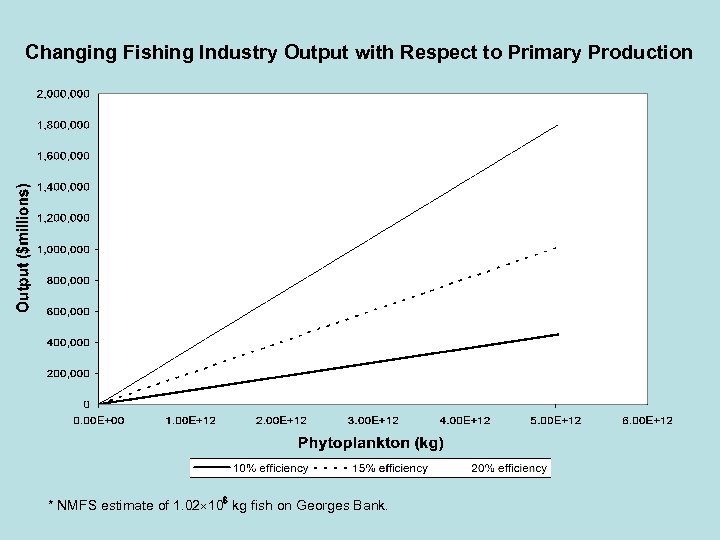
Changing Fishing Industry Output with Respect to Primary Production * NMFS estimate of 1. 02 108 kg fish on Georges Bank.
Case 2 A Global Analysis: Accounting for Economic Activities in Large Marine Ecosystem
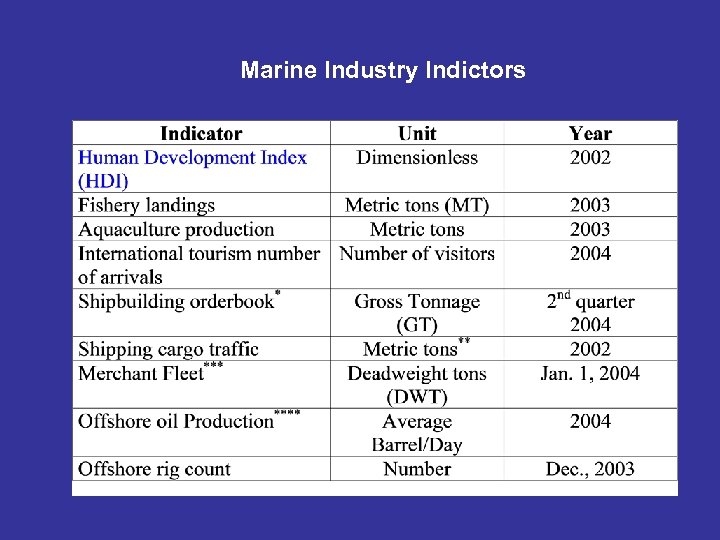
Marine Industry Indictors
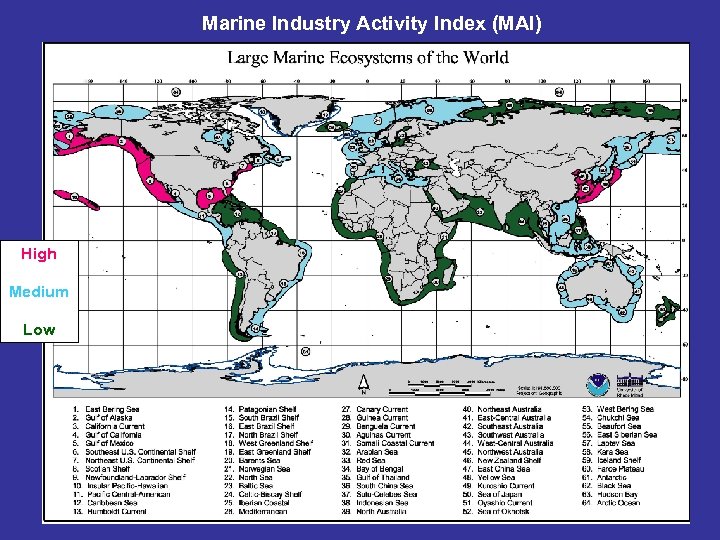
Marine Industry Activity Index (MAI) High Medium Low
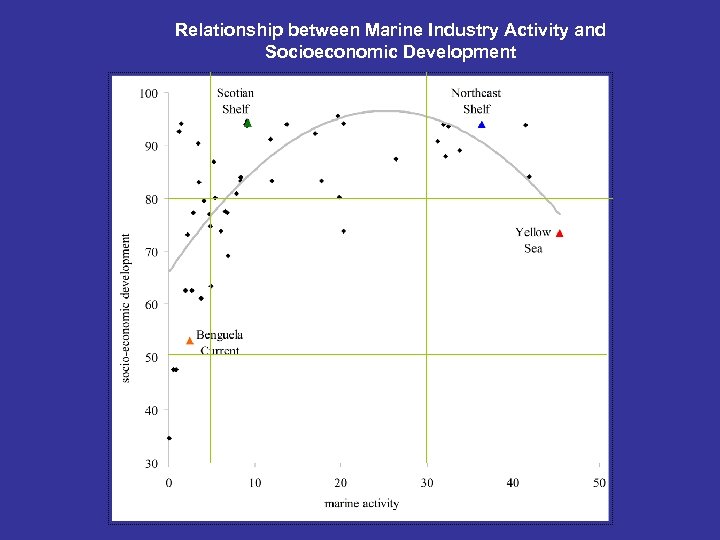
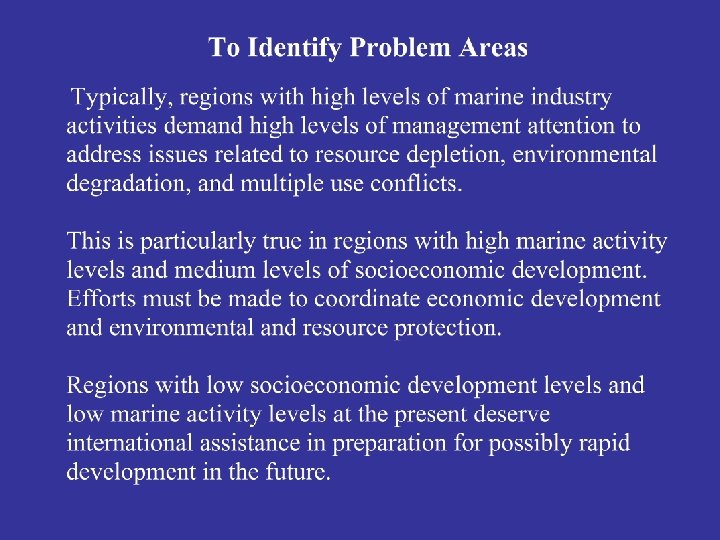
Relationship between Marine Industry Activity and Socioeconomic Development
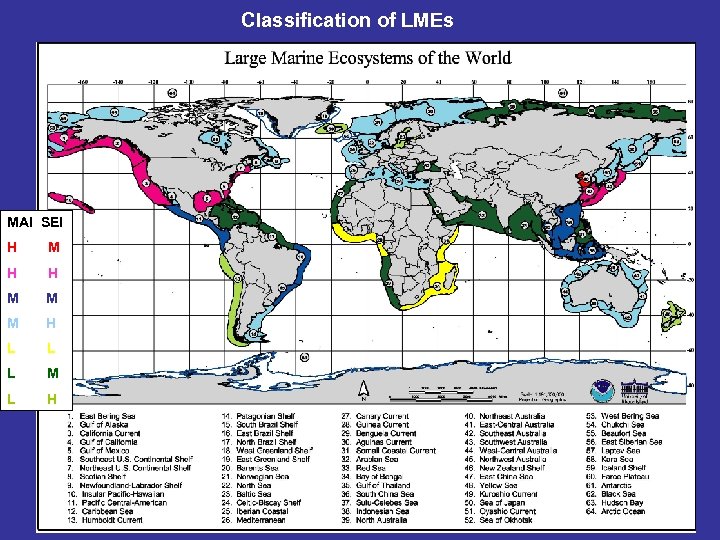
Classification of LMEs MAI SEI H M H H M M M H L L L M L H
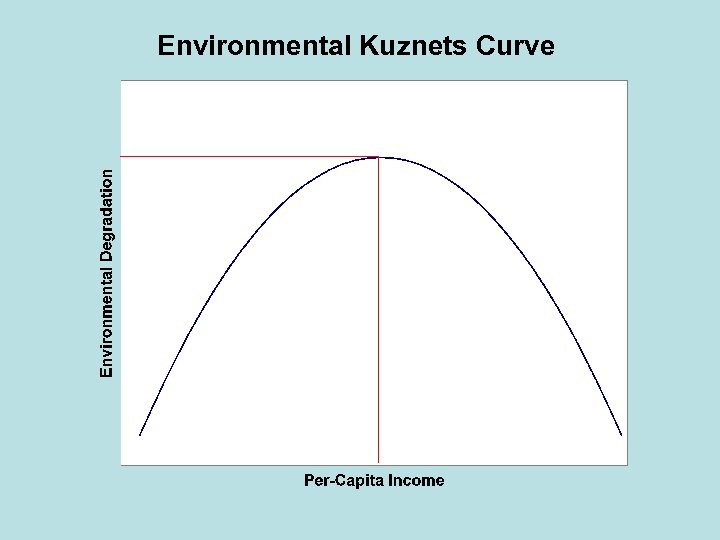
Environmental Kuznets Curve
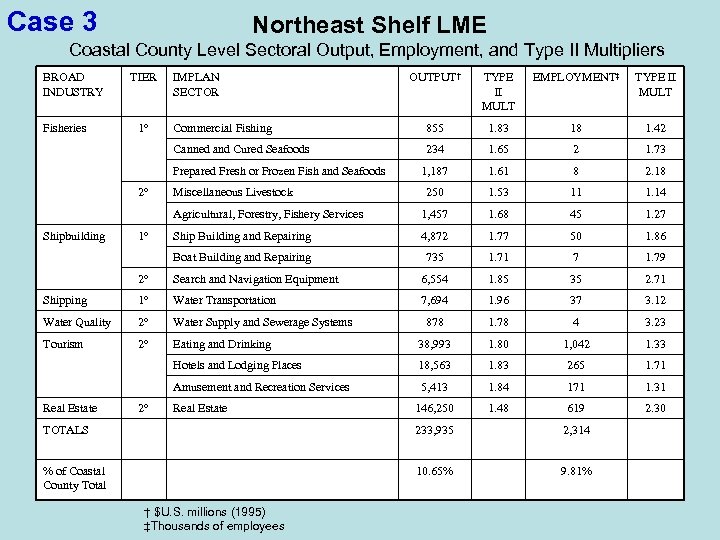
Case 3 Northeast Shelf LME Coastal County Level Sectoral Output, Employment, and Type II Multipliers BROAD INDUSTRY TYPE II MULT EMPLOYMENT‡ TYPE II MULT Commercial Fishing 855 1. 83 18 1. 42 234 1. 65 2 1. 73 1, 187 1. 61 8 2. 18 250 1. 53 11 1. 14 Agricultural, Forestry, Fishery Services 1, 457 1. 68 45 1. 27 Ship Building and Repairing 4, 872 1. 77 50 1. 86 Boat Building and Repairing 1 OUTPUT† Canned and Cured Seafoods Fisheries TIER IMPLAN SECTOR 735 1. 71 7 1. 79 Prepared Fresh or Frozen Fish and Seafoods 2 Shipbuilding 1 Miscellaneous Livestock 2 Search and Navigation Equipment 6, 554 1. 85 35 2. 71 Shipping 1 Water Transportation 7, 694 1. 96 37 3. 12 Water Quality 2 Water Supply and Sewerage Systems 878 1. 78 4 3. 23 Tourism 2 Eating and Drinking 38, 993 1. 80 1, 042 1. 33 Hotels and Lodging Places 18, 563 1. 83 265 1. 71 Amusement and Recreation Services 5, 413 1. 84 171 1. 31 146, 250 1. 48 619 2. 30 Real Estate 2 Real Estate TOTALS 233, 935 2, 314 % of Coastal County Total 10. 65% 9. 81% † $U. S. millions (1995) ‡Thousands of employees
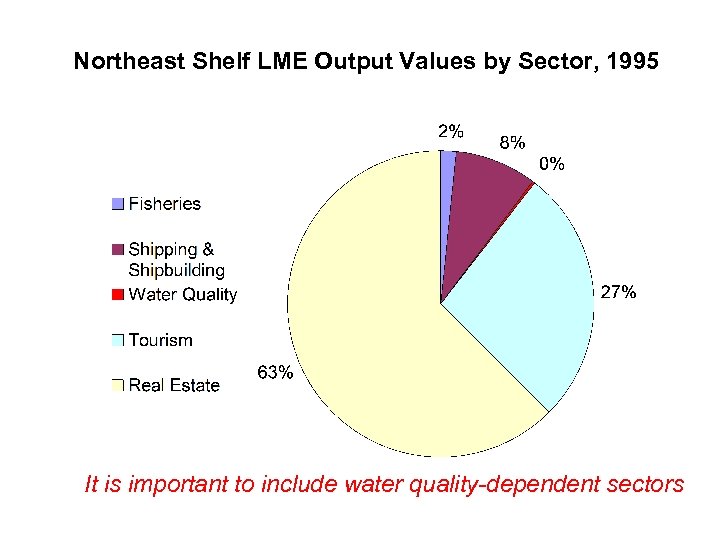
Northeast Shelf LME Output Values by Sector, 1995 It is important to include water quality-dependent sectors
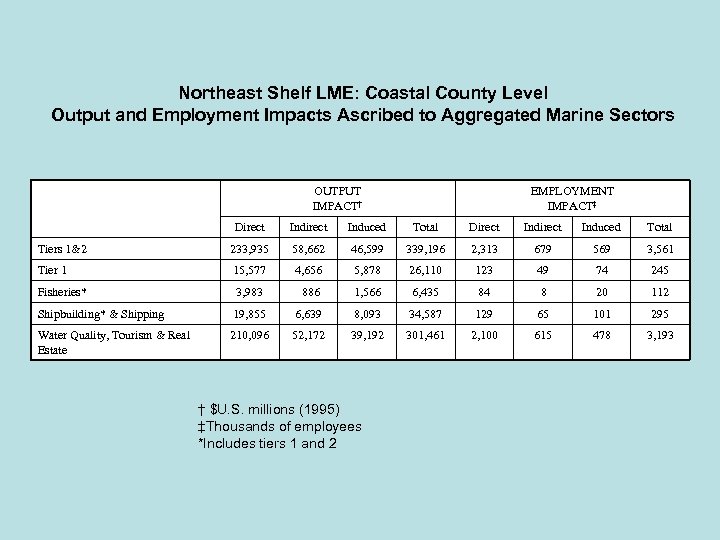
Northeast Shelf LME: Coastal County Level Output and Employment Impacts Ascribed to Aggregated Marine Sectors OUTPUT IMPACT† EMPLOYMENT IMPACT‡ Direct Indirect Induced Total Tiers 1&2 233, 935 58, 662 46, 599 339, 196 2, 313 679 569 3, 561 Tier 1 15, 577 4, 656 5, 878 26, 110 123 49 74 245 Fisheries* 3, 983 886 1, 566 6, 435 84 8 20 112 Shipbuilding* & Shipping 19, 855 6, 639 8, 093 34, 587 129 65 101 295 Water Quality, Tourism & Real Estate 210, 096 52, 172 39, 192 301, 461 2, 100 615 478 3, 193 † $U. S. millions (1995) ‡Thousands of employees *Includes tiers 1 and 2
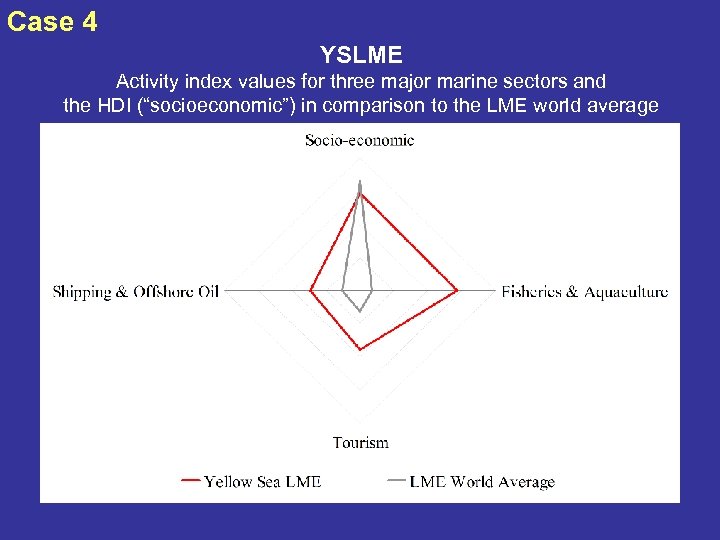
Case 4 YSLME Activity index values for three major marine sectors and the HDI (“socioeconomic”) in comparison to the LME world average
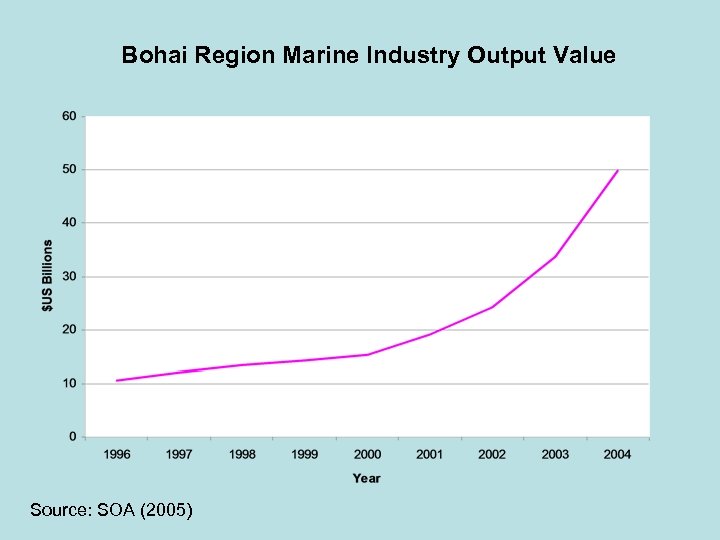
Bohai Region Marine Industry Output Value Source: SOA (2005)
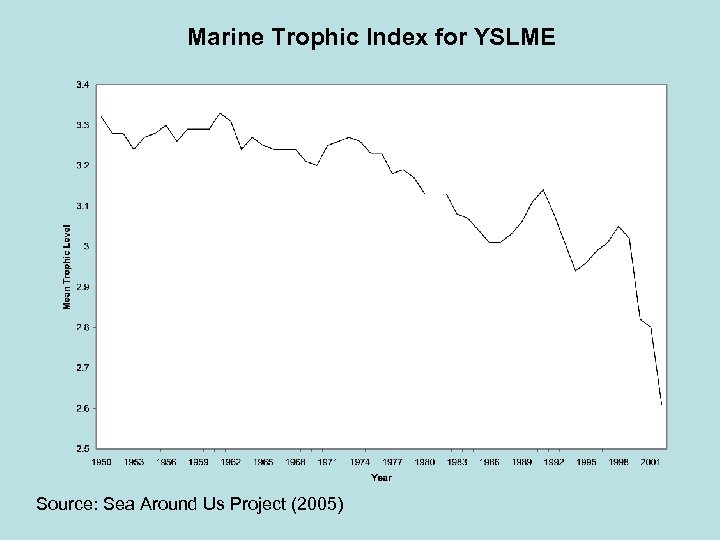
Marine Trophic Index for YSLME Source: Sea Around Us Project (2005)
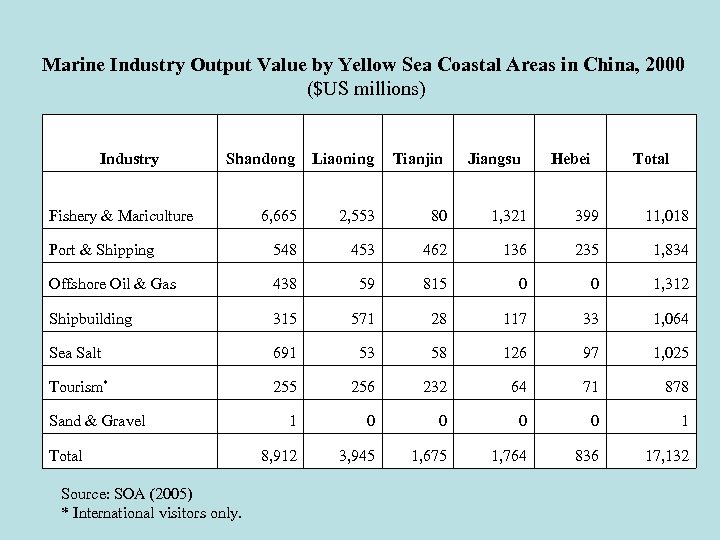
Marine Industry Output Value by Yellow Sea Coastal Areas in China, 2000 ($US millions) Industry Shandong Liaoning Tianjin 6, 665 2, 553 80 1, 321 399 11, 018 Port & Shipping 548 453 462 136 235 1, 834 Offshore Oil & Gas 438 59 815 0 0 1, 312 Shipbuilding 315 571 28 117 33 1, 064 Sea Salt 691 53 58 126 97 1, 025 Tourism* 255 256 232 64 71 878 1 0 0 1 8, 912 3, 945 1, 675 1, 764 836 17, 132 Fishery & Mariculture Sand & Gravel Total Source: SOA (2005) * International visitors only. Jiangsu Hebei Total
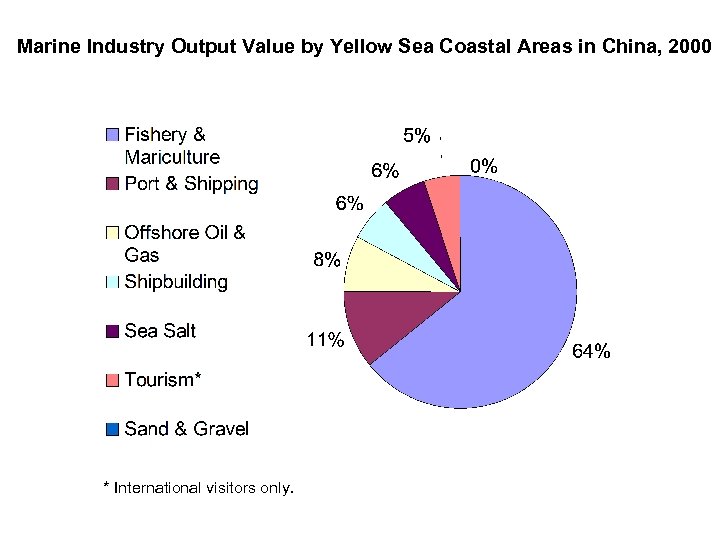
Marine Industry Output Value by Yellow Sea Coastal Areas in China, 2000 * International visitors only.
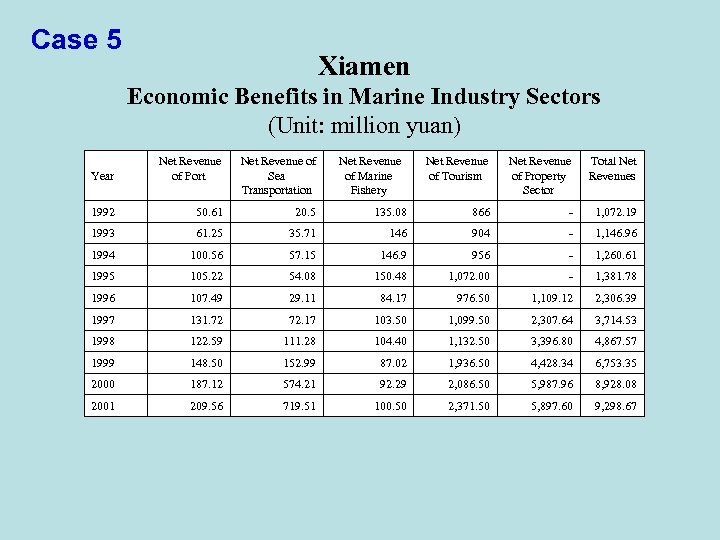
Case 5 Xiamen Economic Benefits in Marine Industry Sectors (Unit: million yuan) Net Revenue of Port Net Revenue of Sea Transportation Net Revenue of Marine Fishery Net Revenue of Tourism Net Revenue of Property Sector Total Net Revenues 1992 50. 61 20. 5 135. 08 866 - 1, 072. 19 1993 61. 25 35. 71 146 904 - 1, 146. 96 1994 100. 56 57. 15 146. 9 956 - 1, 260. 61 1995 105. 22 54. 08 150. 48 1, 072. 00 - 1, 381. 78 1996 107. 49 29. 11 84. 17 976. 50 1, 109. 12 2, 306. 39 1997 131. 72 72. 17 103. 50 1, 099. 50 2, 307. 64 3, 714. 53 1998 122. 59 111. 28 104. 40 1, 132. 50 3, 396. 80 4, 867. 57 1999 148. 50 152. 99 87. 02 1, 936. 50 4, 428. 34 6, 753. 35 2000 187. 12 574. 21 92. 29 2, 086. 50 5, 987. 96 8, 928. 08 2001 209. 56 719. 51 100. 50 2, 371. 50 5, 897. 60 9, 298. 67 Year
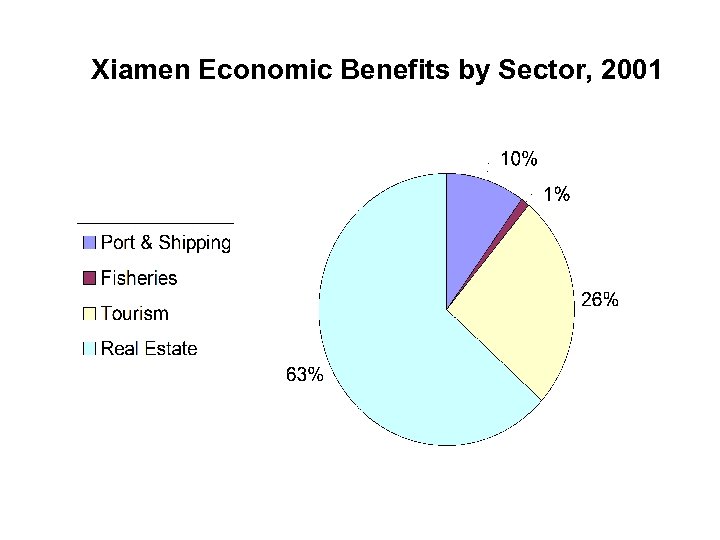
Xiamen Economic Benefits by Sector, 2001
Research Team Porter Hoagland (WHOI) Di Jin (WHOI) Tracey Dalton (URI) Eric Thunberg (NOAA) Scott Steinback (NOAA) Mary Schumacher (WHOI) Roger Goldsmith (WHOI) Jennifer Skilbred (Duke U. ) Chris Vonderweidt (Duke U. ) Sukjae Kwon (KORDI) Yumi Kim (KORDI) Benrong Peng (Xiamen U. ) Huasheng Hong (Xiamen U. ) Xiongzhi Xue (Xiamen U. ) Publications Hoagland, P. and D. Jin. 2006. Accounting for Economic Activities in Large Marine Ecosystem and Regional Seas. UNEP Regional Seas Reports and Studies No. 181. ISBN: 978 -92 -807 -2748 -7. United Nations Environment Programme, GPA Coordination Office, Hague, The Netherlands. Jin, D. , P. Hoagland T. M. Dalton. 2003. Linking economic and ecological models for a marine ecosystem. Ecological Economics 46(3): 367 -385. Hoagland, P. , D. Jin, E. Thunberg and S. Steinback. 2005. Economic activity associated with the Northeast Shelf Large Marine Ecosystem: application of an input‑output approach. Pages 157 -179 in T. Hennessey and J. Sutinen, eds. Sustaining Large Marine Ecosystems: The Human Dimension. Elsevier Science. Peng, B. , H. Hong, X. Xue and D. Jin. 2006. On the measurement of socioeconomic benefits of integrated coastal management (ICM): application to Xiamen, China. Ocean and Coastal Management 49(3 -4): 93109.
Скачать презентацию A Pragmatic Approach to the Sustainable Management of
d982515df4eceed3643207ce52966c1f.ppt