 Скачать презентацию A P World History Unit Two 600 B
5eef08945568633687abf800b604646e.ppt
- Количество слайдов: 38



A. P. World History Unit Two: 600 B. C. E. to 600 C. E.
Unit Two Key Concepts Key Concept #1: The Development and Codification of Religious and Cultural Traditions Key Concept #2: The Development of States and Empires Key Concept #3: Emergence of Trans-regional Networks of Communication and Exchange
Key Concept 2. 1 The Development and Codification of Religious and Cultural Traditions
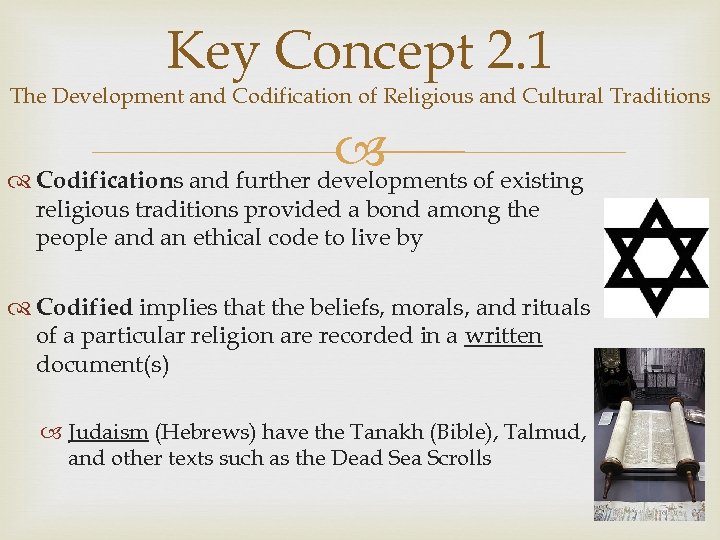
Key Concept 2. 1 The Development and Codification of Religious and Cultural Traditions Codifications and further developments of existing religious traditions provided a bond among the people and an ethical code to live by Codified implies that the beliefs, morals, and rituals of a particular religion are recorded in a written document(s) Judaism (Hebrews) have the Tanakh (Bible), Talmud, and other texts such as the Dead Sea Scrolls
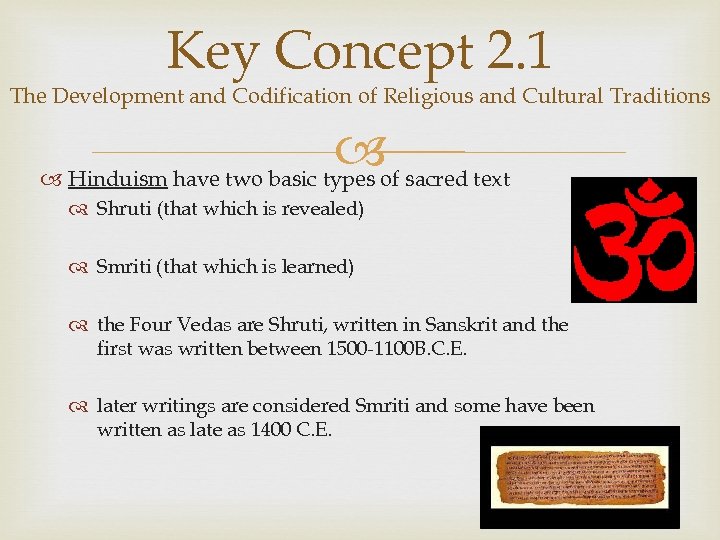
Key Concept 2. 1 The Development and Codification of Religious and Cultural Traditions of sacred text Hinduism have two basic types Shruti (that which is revealed) Smriti (that which is learned) the Four Vedas are Shruti, written in Sanskrit and the first was written between 1500 -1100 B. C. E. later writings are considered Smriti and some have been written as late as 1400 C. E.
Key Concept 2. 1 The Development and Codification of Religious and Cultural Traditions Judaism (Monotheistic) was developed with the codification of the Hebrew Scriptures, which also reflected the influence of Mesopotamian cultural and legal traditions Abraham was a citizen of Ur (Sumerian) before traveling to the Levant (Promised Land) Rules and Laws written out in the Hebrew Scriptures similar to the Code of Hammurabi Themes from the Epic of Gilgamesh and other myths and legends of Mesopotamia can be found in the Hebrew Scriptures (and consequently the Christian Bible) Examples: Noah and the Flood / Genesis and the Garden of Eden
Key Concept 2. 1 The Development and Codification of Religious and Cultural Traditions (8 th Babylonian (5 Century BCE), th Century BCE), The Assyrian and Romans (1 st Century BCE-3 rd Century CE) conquered various Jewish states at different points in time These conquests contributed to the growth of Jewish diasporic communities around the Mediterranean and Middle East Desporic = The term diaspora comes from an ancient Greek word meaning "to scatter about. " People scatter from their homeland to places across the globe, spreading their culture as they go. The Bible refers to the Diaspora of Jews exiled from Israel by the Babylonians
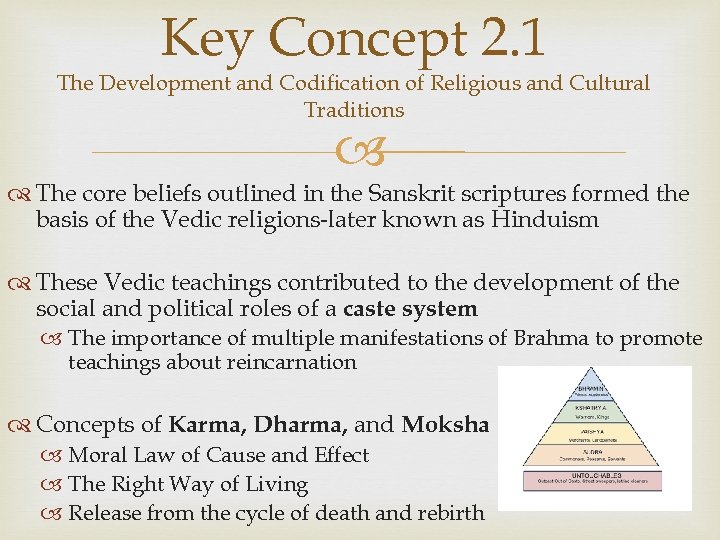
Key Concept 2. 1 The Development and Codification of Religious and Cultural Traditions The core beliefs outlined in the Sanskrit scriptures formed the basis of the Vedic religions-later known as Hinduism These Vedic teachings contributed to the development of the social and political roles of a caste system The importance of multiple manifestations of Brahma to promote teachings about reincarnation Concepts of Karma, Dharma, and Moksha Moral Law of Cause and Effect The Right Way of Living Release from the cycle of death and rebirth
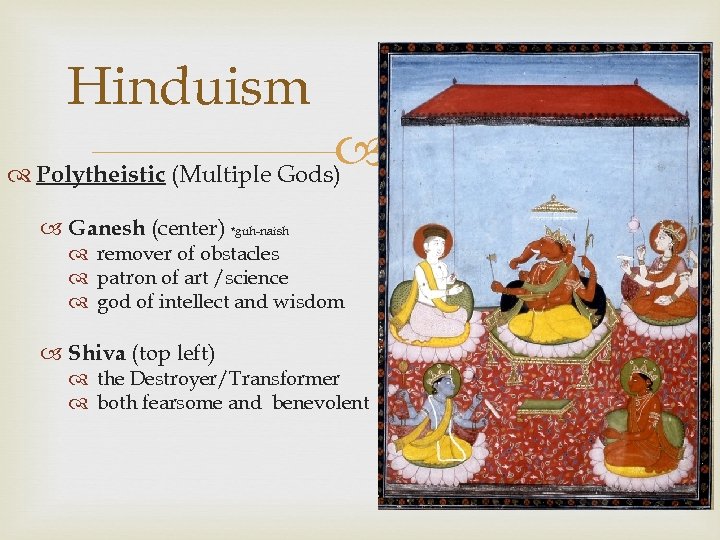
Hinduism Polytheistic (Multiple Gods) Ganesh (center) *guh-naish remover of obstacles patron of art /science god of intellect and wisdom Shiva (top left) the Destroyer/Transformer both fearsome and benevolent
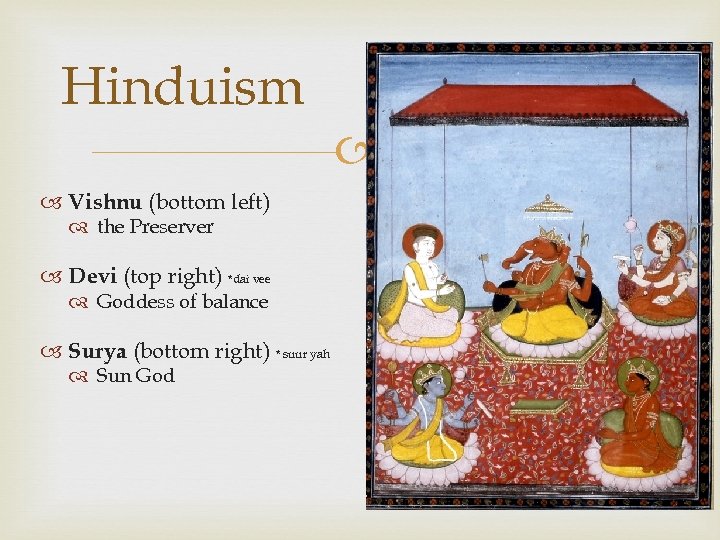
Hinduism Vishnu (bottom left) the Preserver Devi (top right) *dai vee Goddess of balance Surya (bottom right) * suur yah Sun God
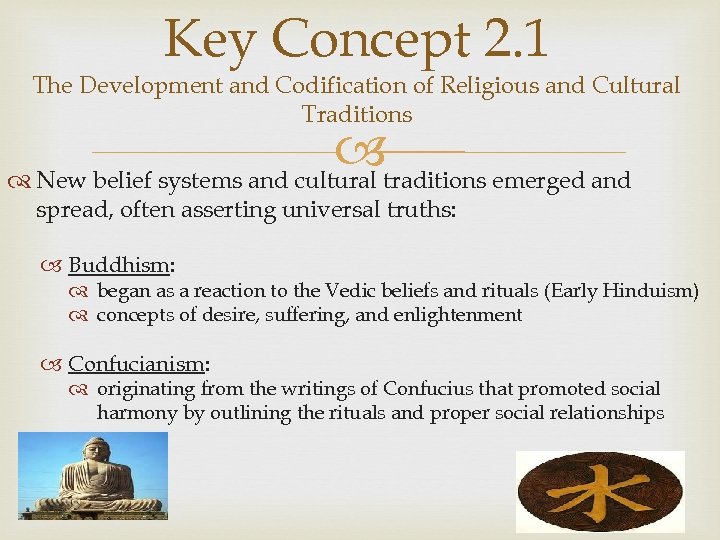
Key Concept 2. 1 The Development and Codification of Religious and Cultural Traditions traditions emerged and New belief systems and cultural spread, often asserting universal truths: Buddhism: began as a reaction to the Vedic beliefs and rituals (Early Hinduism) concepts of desire, suffering, and enlightenment Confucianism: originating from the writings of Confucius that promoted social harmony by outlining the rituals and proper social relationships
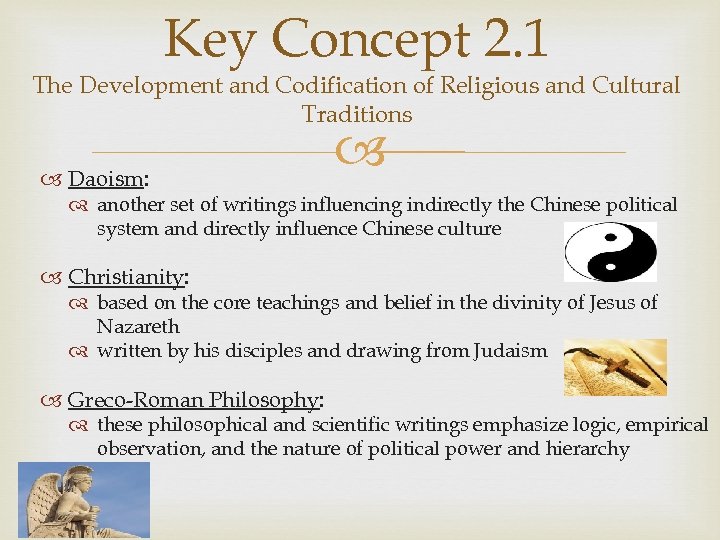
Key Concept 2. 1 The Development and Codification of Religious and Cultural Traditions Daoism: another set of writings influencing indirectly the Chinese political system and directly influence Chinese culture Christianity: based on the core teachings and belief in the divinity of Jesus of Nazareth written by his disciples and drawing from Judaism Greco-Roman Philosophy: these philosophical and scientific writings emphasize logic, empirical observation, and the nature of political power and hierarchy
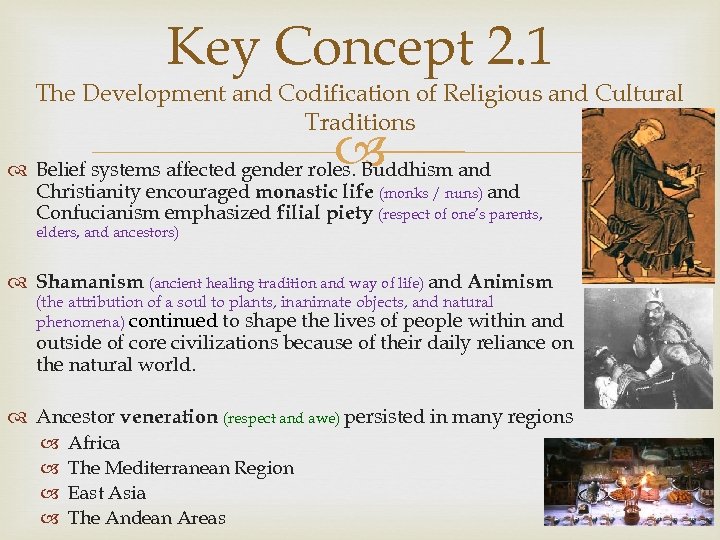
Key Concept 2. 1 The Development and Codification of Religious and Cultural Traditions Belief systems affected gender roles. Buddhism and Christianity encouraged monastic life (monks / nuns) and Confucianism emphasized filial piety (respect of one’s parents, elders, and ancestors) Shamanism (ancient healing tradition and way of life) and Animism (the attribution of a soul to plants, inanimate objects, and natural phenomena) continued to shape the lives of people within and outside of core civilizations because of their daily reliance on the natural world. Ancestor veneration (respect and awe) persisted in many regions Africa The Mediterranean Region East Asia The Andean Areas
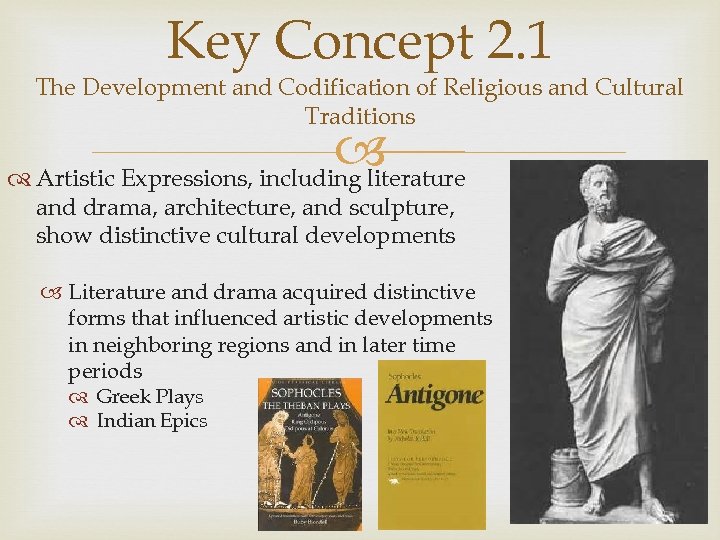
Key Concept 2. 1 The Development and Codification of Religious and Cultural Traditions Artistic Expressions, including literature and drama, architecture, and sculpture, show distinctive cultural developments Literature and drama acquired distinctive forms that influenced artistic developments in neighboring regions and in later time periods Greek Plays Indian Epics
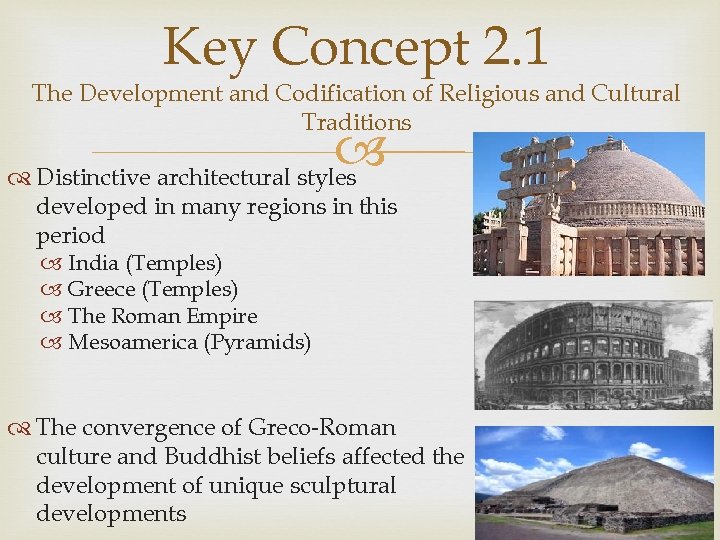
Key Concept 2. 1 The Development and Codification of Religious and Cultural Traditions Distinctive architectural styles developed in many regions in this period India (Temples) Greece (Temples) The Roman Empire Mesoamerica (Pyramids) The convergence of Greco-Roman culture and Buddhist beliefs affected the development of unique sculptural developments
Key Concept 2. 2 The Development of States and Empires
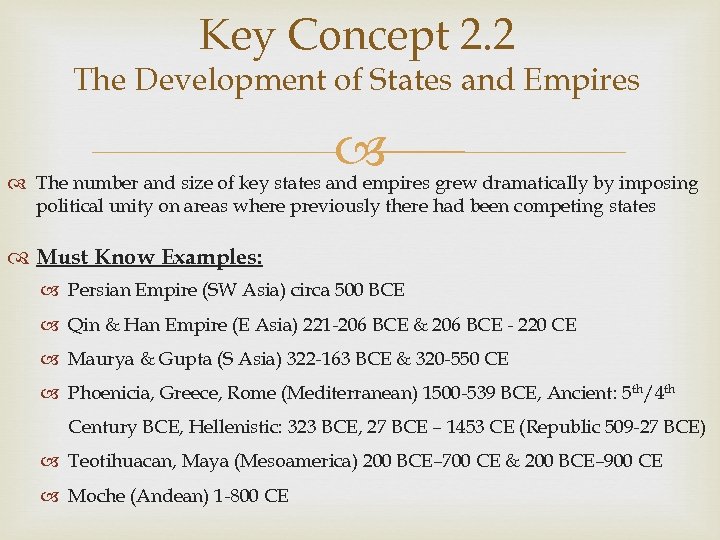
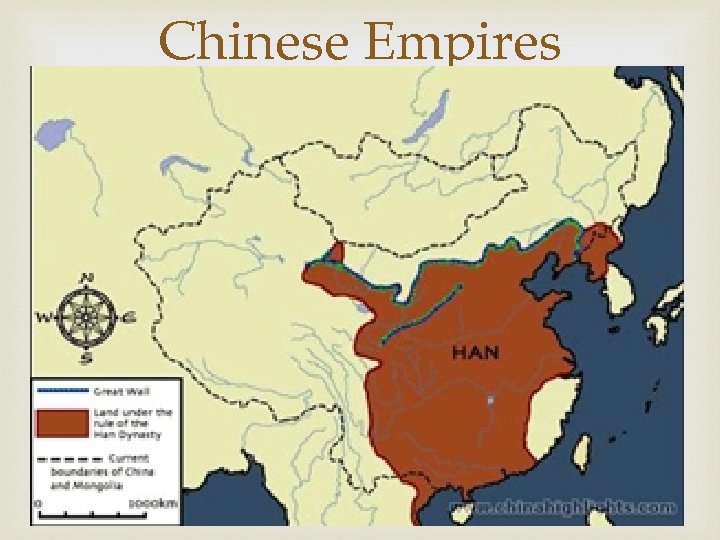
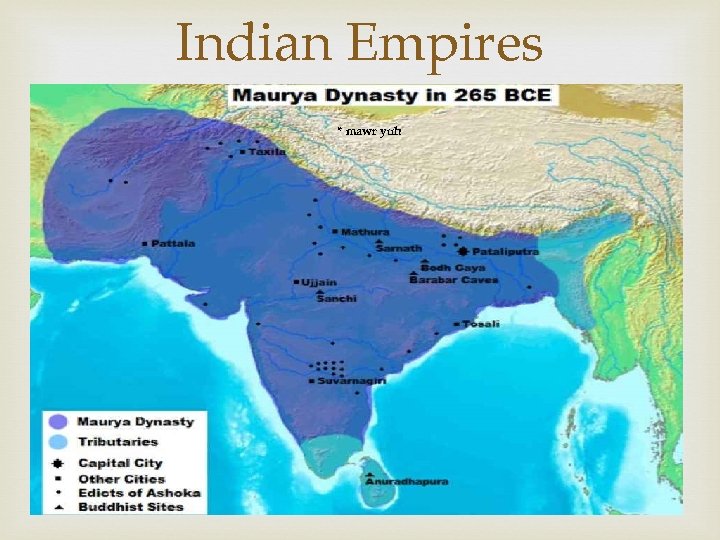
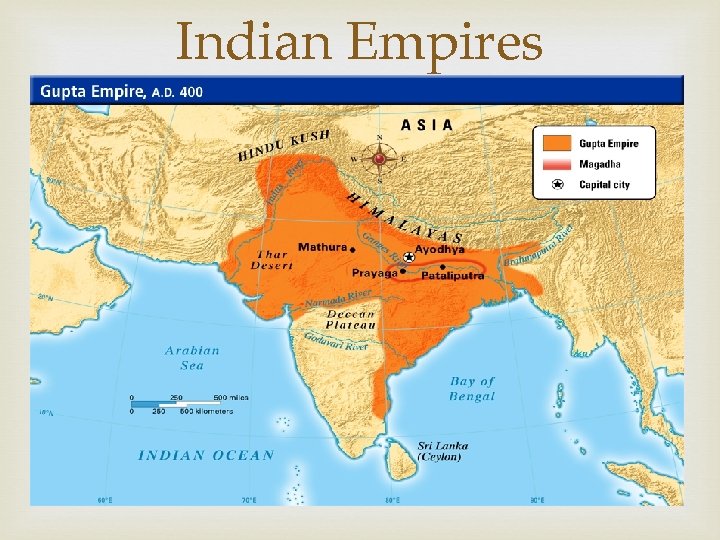
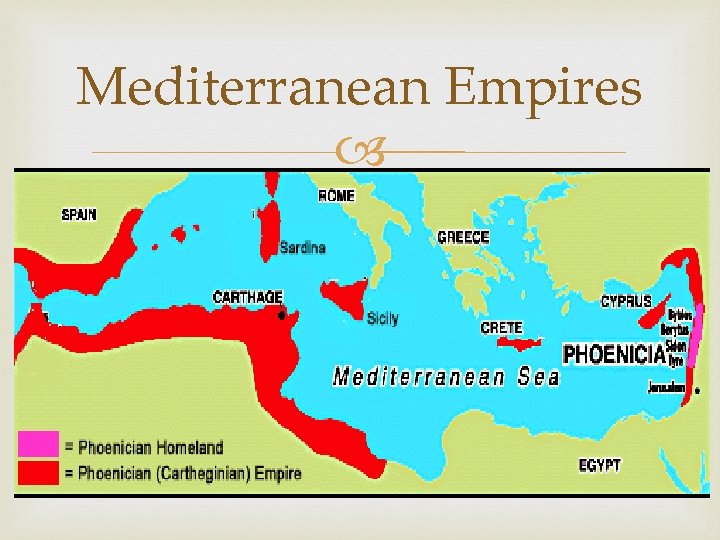
Key Concept 2. 2 The Development of States and Empires The number and size of key states and empires grew dramatically by imposing political unity on areas where previously there had been competing states Must Know Examples: Persian Empire (SW Asia) circa 500 BCE Qin & Han Empire (E Asia) 221 -206 BCE & 206 BCE - 220 CE Maurya & Gupta (S Asia) 322 -163 BCE & 320 -550 CE Phoenicia, Greece, Rome (Mediterranean) 1500 -539 BCE, Ancient: 5 th/4 th Century BCE, Hellenistic: 323 BCE, 27 BCE – 1453 CE (Republic 509 -27 BCE) Teotihuacan, Maya (Mesoamerica) 200 BCE– 700 CE & 200 BCE– 900 CE Moche (Andean) 1 -800 CE
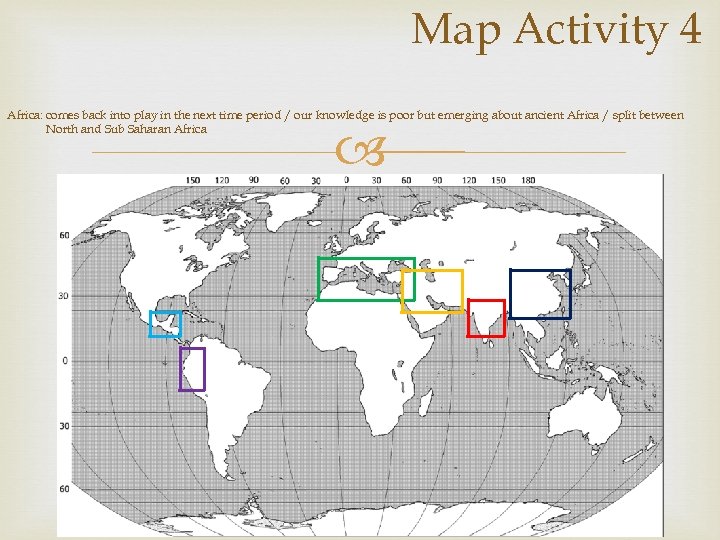
Map Activity 4 Africa: comes back into play in the next time period / our knowledge is poor but emerging about ancient Africa / split between North and Sub Saharan Africa
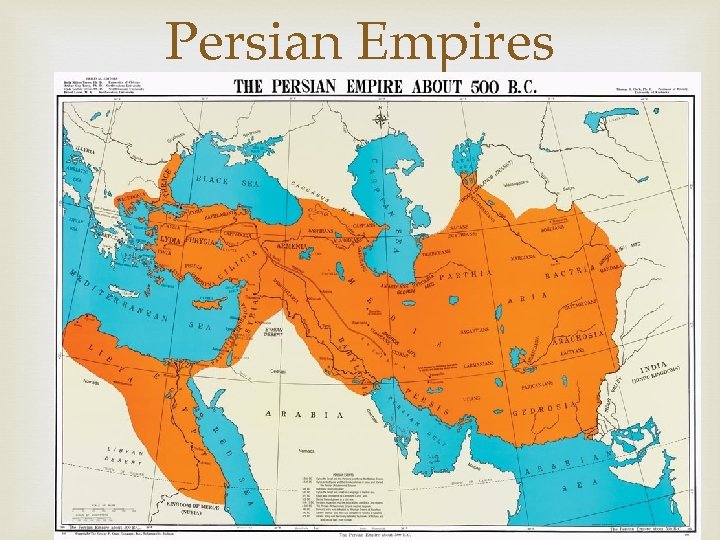
Persian Empires
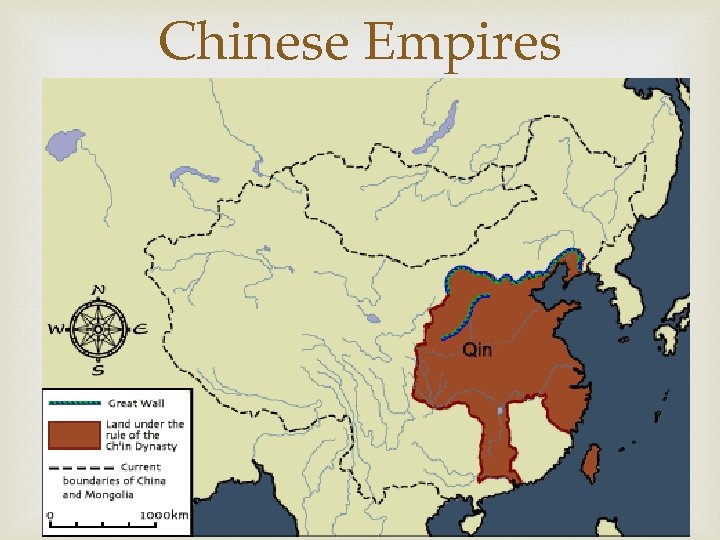
Chinese Empires
Chinese Empires
Indian Empires * mawr yuh
Indian Empires
Mediterranean Empires
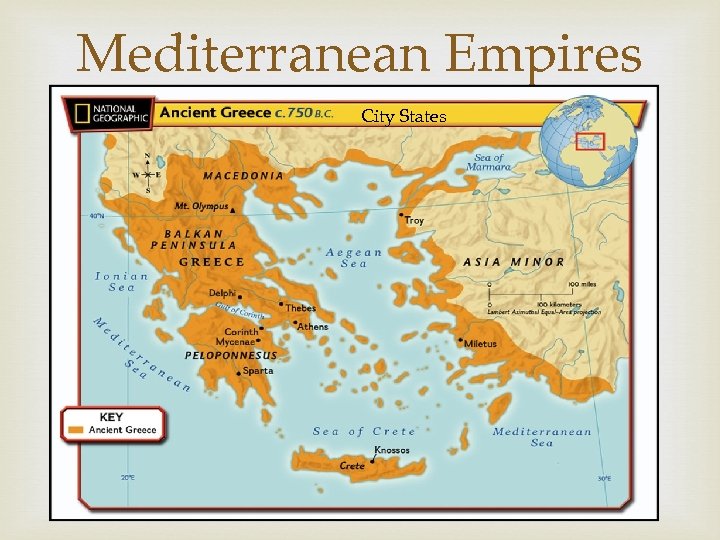
Mediterranean Empires City States
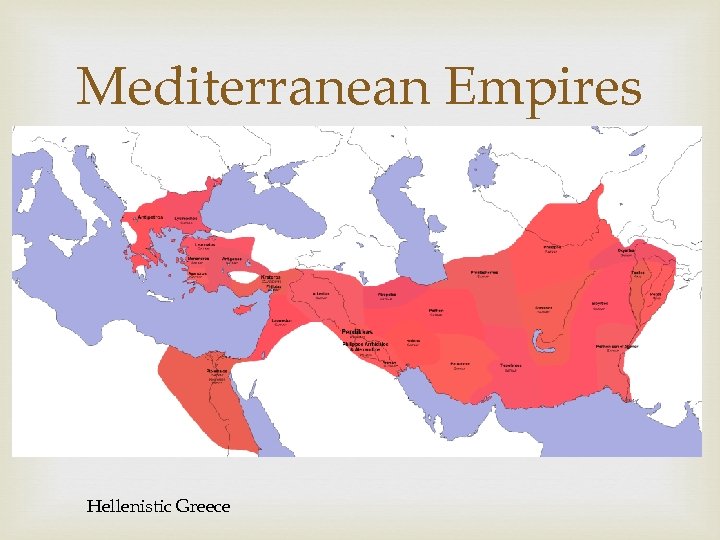
Mediterranean Empires Hellenistic Greece
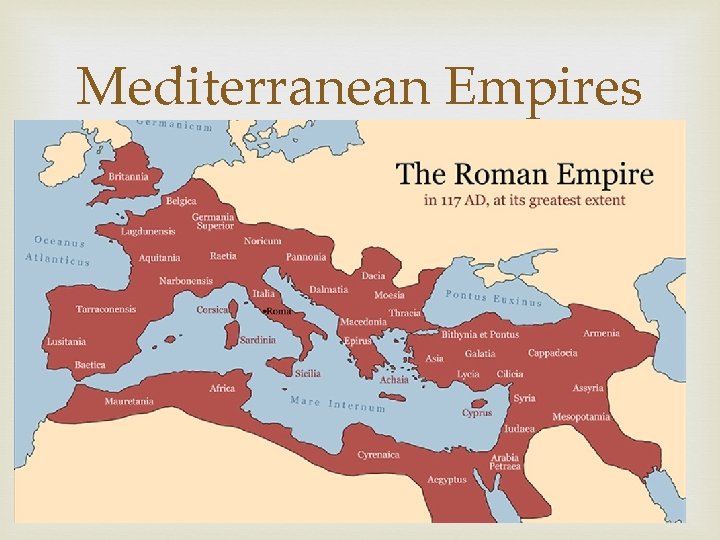
Mediterranean Empires
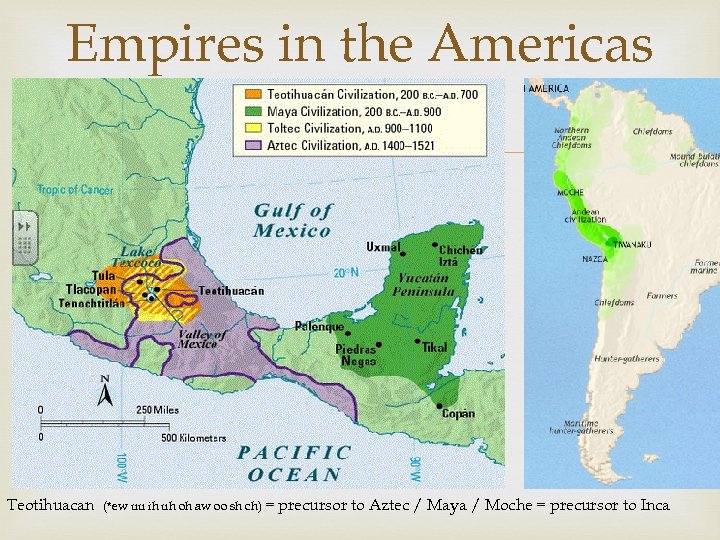
Empires in the Americas Teotihuacan (*ew uu ih uh oh aw oo sh ch) = precursor to Aztec / Maya / Moche = precursor to Inca
Key Concept 2. 2 The Development of States and Empires techniques of imperial Empires and states developed new administration based, in part, on the success of earlier political forms Organization of Subjects: Creation of regional administrative regions within empires. Some of these are highly centralized while others rely on elaborate legal systems and bureaucracies. Imperial governments projected military power over larger areas using a variety of techniques Diplomacy Developing Supply Lines Building Fortifications, Defensive Walls, and Roads Drawing new groups of military officers and soldiers from the local populations or conquered peoples
Key Concept 2. 2 The Development of States and Empires Much of the success of the empires rested on their promotion of trade and economic integration by building and maintaining roads and issuing currencies Cities served as centers of trade, public performance of religious rituals, and political administration for states and empires Imperial societies relied on a range of methods to maintain the production of food and provide rewards for the loyalty of the elites Corvee (forced labor system) Slavery Rents and tributes Peasant Communities Family and household production
Key Concept 2. 2 The Development of States and Empires create political, cultural, and administrative difficulties, which eventually led to their decline, collapse, and transformation into successor empires or states. The Roman, Han, Persian, Mauryan, and Gupta all experience these difficulties due to: A. Excessive mobilization of resources, imperial governments caused environmental damage and generated social tensions and economic difficulties by concentrating too much wealth in the hands of elites. Deforestation Example Handout. B. External problems resulted from security issues along their frontiers including the threat of invasions. Fall of Empires Handout.
Key Concept 2. 3 Emergence of Trans-regional Networks of Communication and Exchange
Key Concept 2. 3 Emergence of Trans-regional Networks of Communication and Exchange 1. Land water routes became the basis for trans-regional trade, communication, and exchange networks in the Eastern Hemisphere 2. New technologies facilitated long-distance communication and exchange 3. Alongside the trade in goods, the exchange of people, technology, religious and cultural beliefs, food crops, domesticated animals, and disease pathogens developed
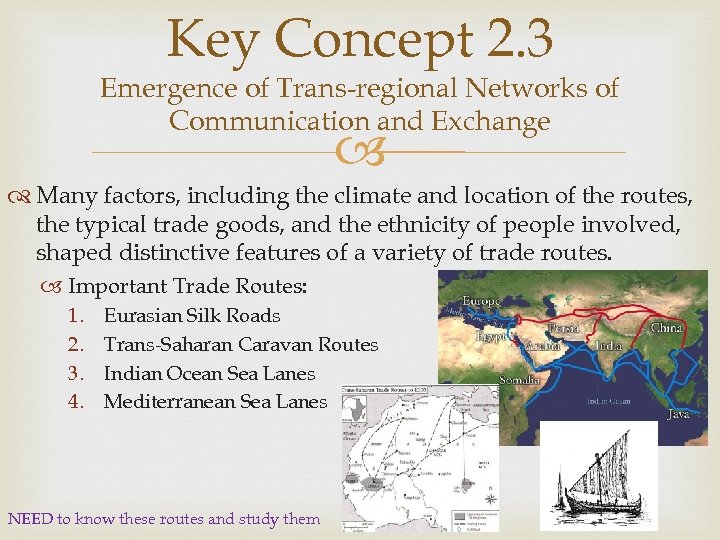
Key Concept 2. 3 Emergence of Trans-regional Networks of Communication and Exchange Many factors, including the climate and location of the routes, the typical trade goods, and the ethnicity of people involved, shaped distinctive features of a variety of trade routes. Important Trade Routes: 1. 2. 3. 4. Eurasian Silk Roads Trans-Saharan Caravan Routes Indian Ocean Sea Lanes Mediterranean Sea Lanes NEED to know these routes and study them
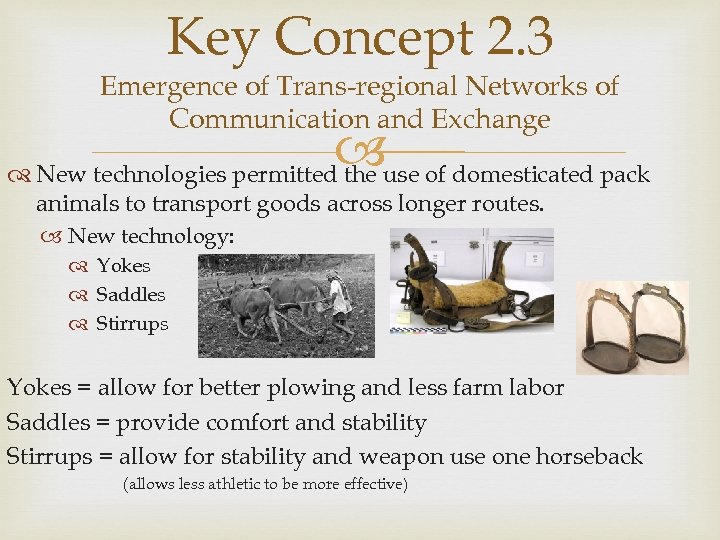
Key Concept 2. 3 Emergence of Trans-regional Networks of Communication and Exchange use of domesticated pack New technologies permitted the animals to transport goods across longer routes. New technology: Yokes Saddles Stirrups Yokes = allow for better plowing and less farm labor Saddles = provide comfort and stability Stirrups = allow for stability and weapon use one horseback (allows less athletic to be more effective)
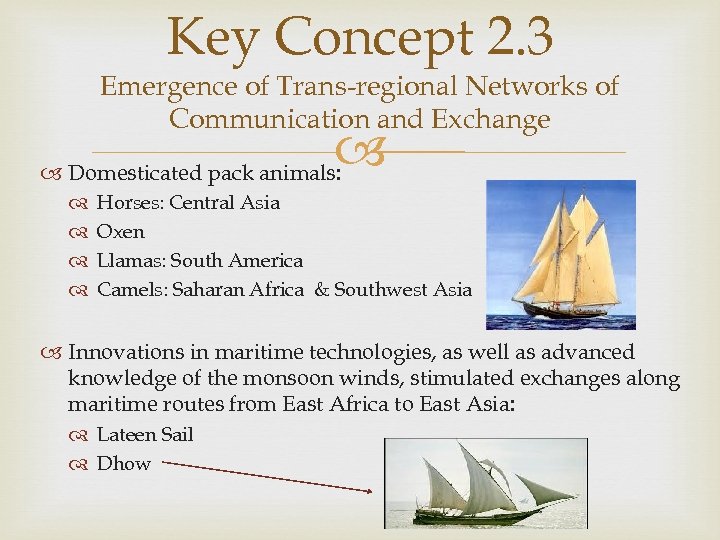
Key Concept 2. 3 Emergence of Trans-regional Networks of Communication and Exchange Domesticated pack animals: Horses: Central Asia Oxen Llamas: South America Camels: Saharan Africa & Southwest Asia Innovations in maritime technologies, as well as advanced knowledge of the monsoon winds, stimulated exchanges along maritime routes from East Africa to East Asia: Lateen Sail Dhow
Key Concept 2. 3 Emergence of Trans-regional Networks of Communication and Exchange The spread of crops, including rice and cotton from South Asia to the Middle East, encouraged changes in farming and irrigation techniques The Qanat system (*Ka nat) = Persian Irrigation System The spread of disease pathogens diminished urban populations and contributed to the decline of some empires The Roman Empire The Chinese Empire Religious and cultural traditions were transformed as they spread. Examples of transformed religious and cultural traditions: Christianity Hinduism Buddhism
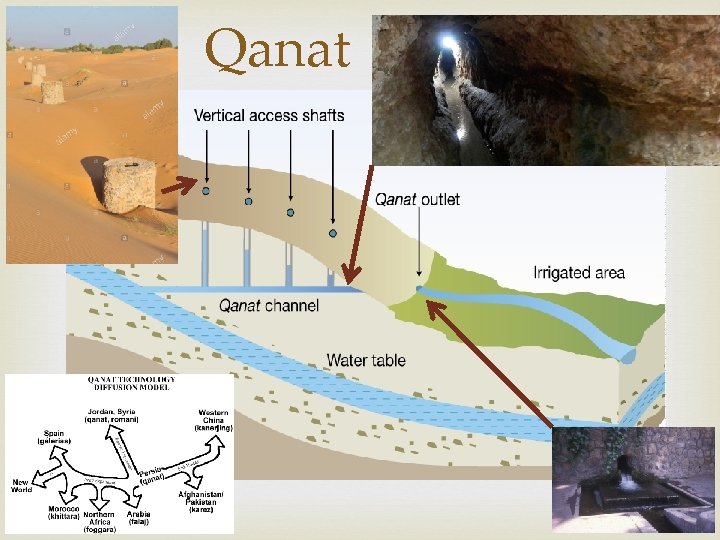
Qanat
Скачать презентацию A P World History Unit Two 600 B
5eef08945568633687abf800b604646e.ppt