Скачать презентацию 7 July 2014 The WTO Trade Facilitation
b0eb21c70af1f86076cb29d536fadc48.ppt
- Количество слайдов: 20
 7 July 2014
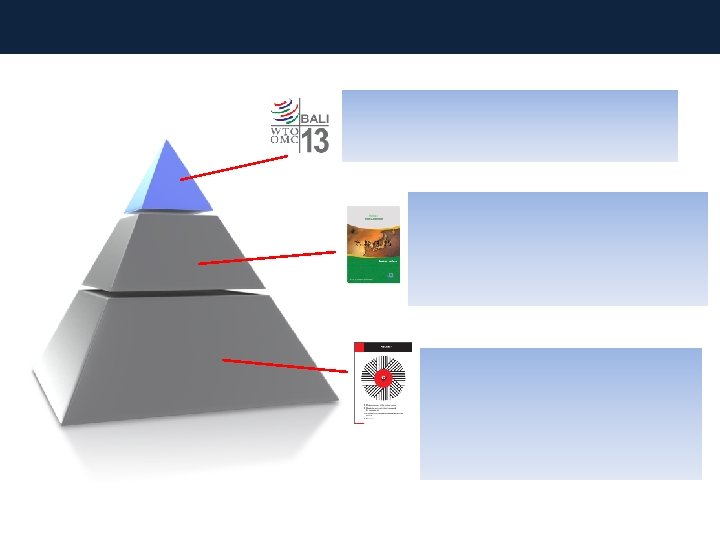
 The WTO Trade Facilitation Agreement(TFA) contains 13 Articles regarding Trade Facilitation in Section I and special and differential (S&D) treatment for developing countries and Least. Developed Countries in Section II. It deals almost entirely with Customs-related topics but foresees cooperation with other agencies (CBM).
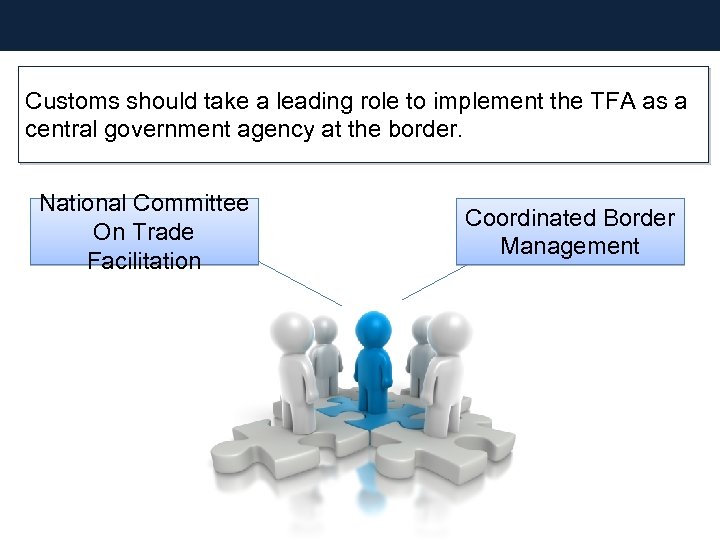 Customs should take a leading role to implement the TFA as a central government agency at the border. National Committee On Trade Facilitation Coordinated Border Management
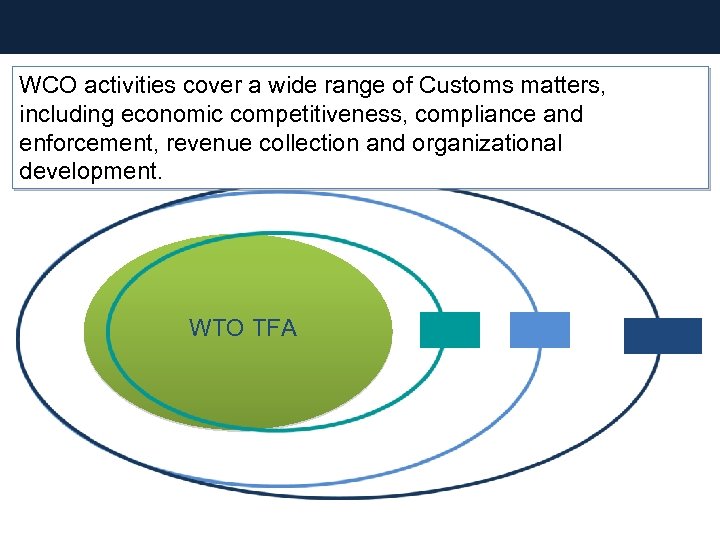 WCO activities cover a wide range of Customs matters, including economic competitiveness, compliance and enforcement, revenue collection and organizational development. WTO TFA
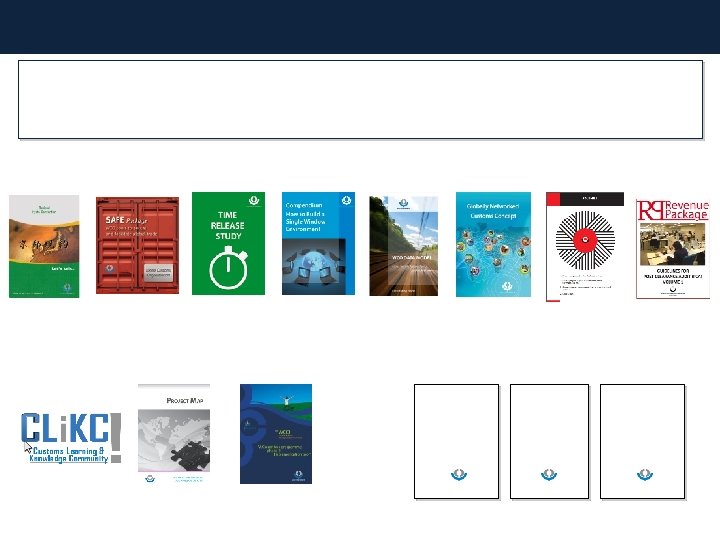
 Tailor-made technical assistance and capacity building Harmonized implementation based on WCO’s global standards Effective coordination among all stakeholders Beneficial for developing and least developed countries, all government agencies, donor institutions and private sector
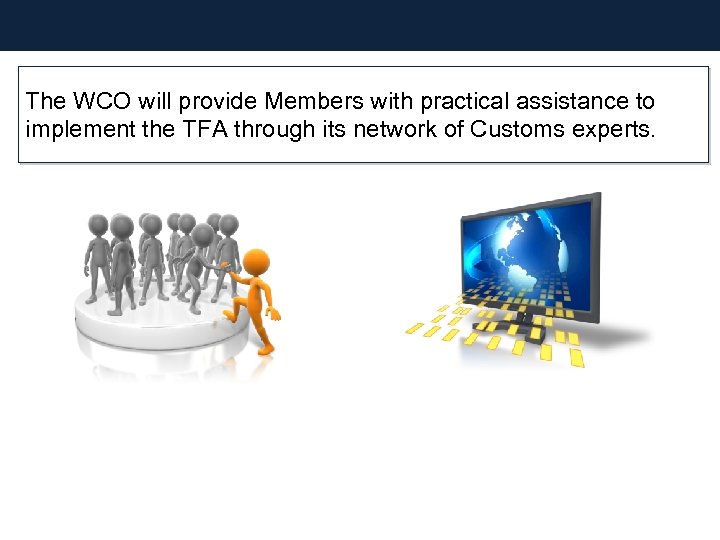 The WCO will provide Members with practical assistance to implement the TFA through its network of Customs experts.
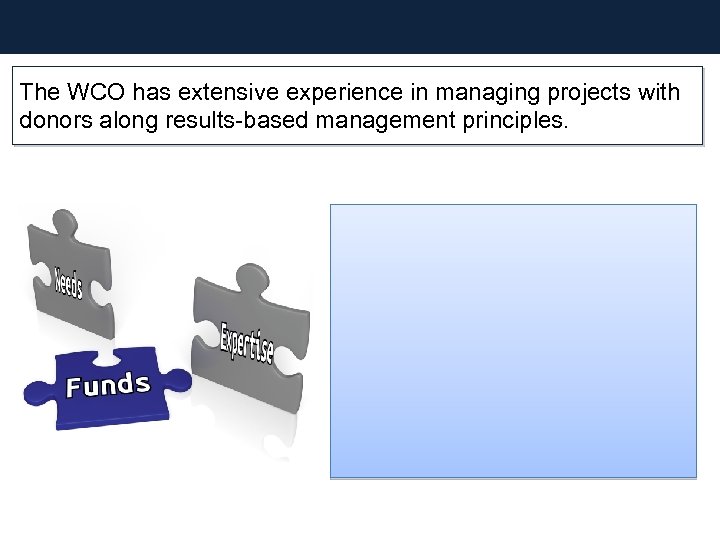 The WCO has extensive experience in managing projects with donors along results-based management principles.
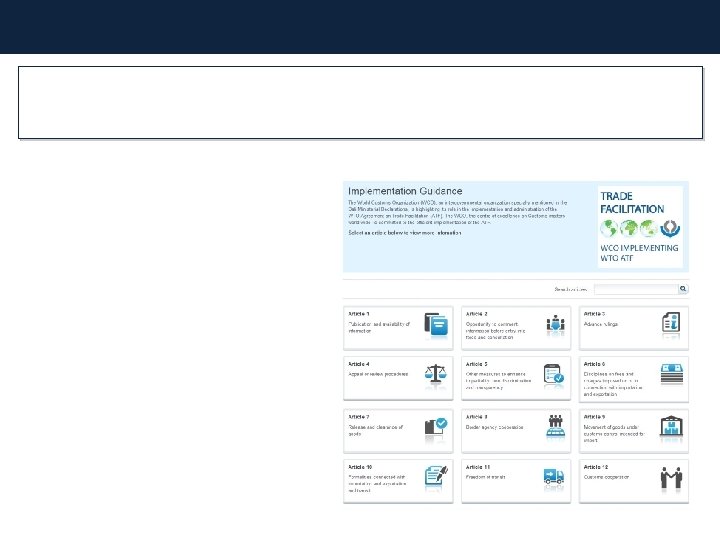
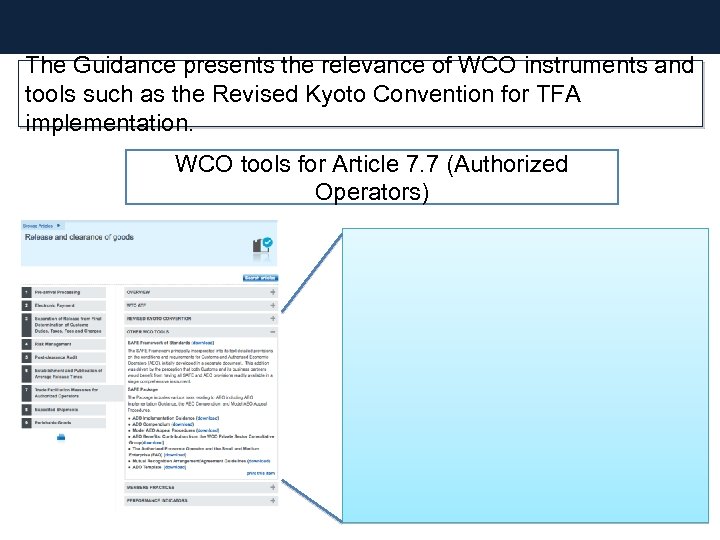 The Guidance presents the relevance of WCO instruments and tools such as the Revised Kyoto Convention for TFA implementation. WCO tools for Article 7. 7 (Authorized Operators)
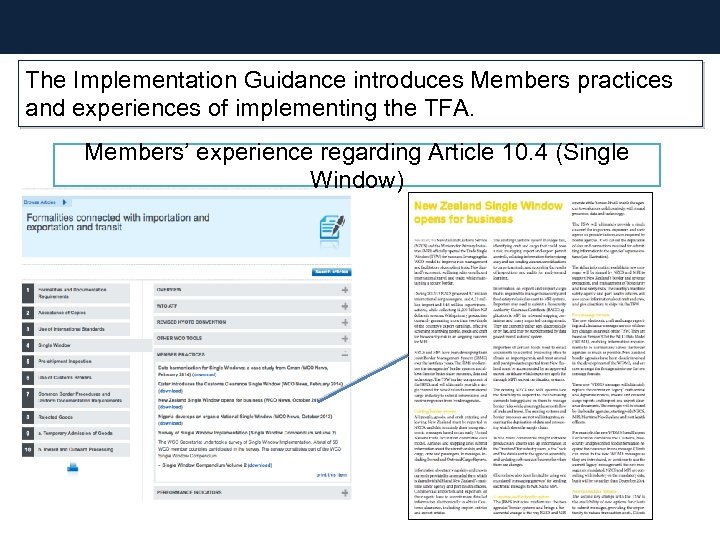 The Implementation Guidance introduces Members practices and experiences of implementing the TFA. Members’ experience regarding Article 10. 4 (Single Window)