 Скачать презентацию 4 Books The Birth of the Mass Media
85e680df354cf1ed0740bf0fa8489ed3.ppt
- Количество слайдов: 46



4 Books The Birth of the Mass Media
The Development of the Book and Mass Communication Books allowed: § the spread of ideas § the standardization of language and spelling § the creation of mass culture Also helped bring about major social changes.
Early Books and Writing: § Writing is thought to have originated around 3500 B. C. in the Middle East, in either Egypt or Mesopotamia. § Reading and writing allowed information to be stored and preserved. § Reading and writing were elite skills held by people called scribes.
• Pictograph—earliest form of writing was the which consisted of pictures of objects painted on rock walls. • Ideograph—an abstract symbol that stands for an object or an idea: § Are more formalized than a pictograph. § One symbol stands for each object or idea. § Languages such as Chinese, Korean, and Japanese still make use of ideographs. § Street signs still make use of.
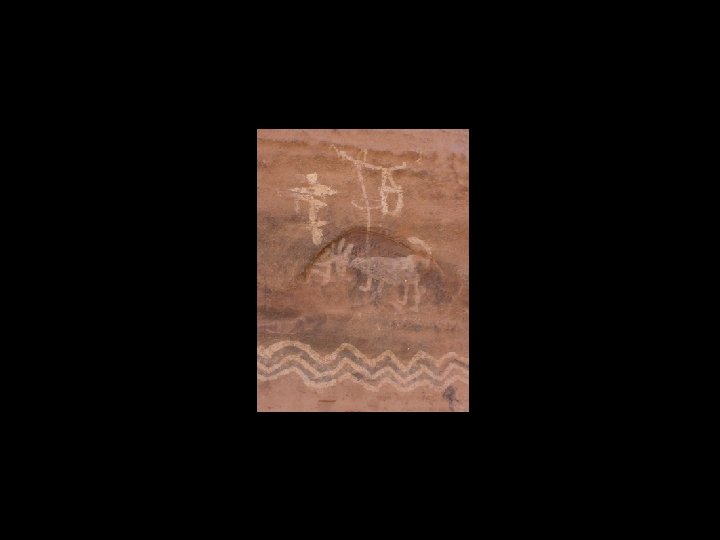
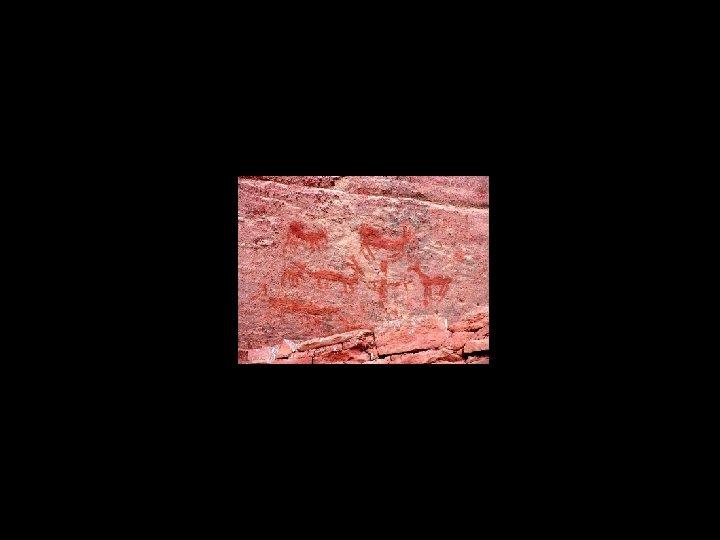
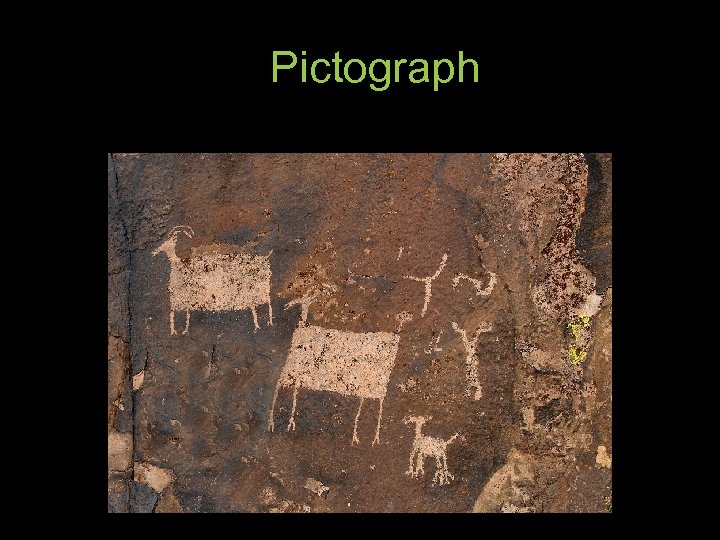
Pictograph

Ideograph
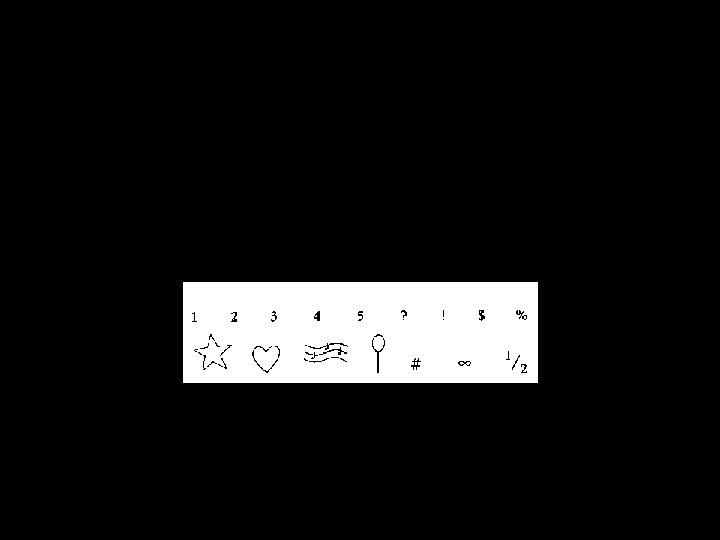
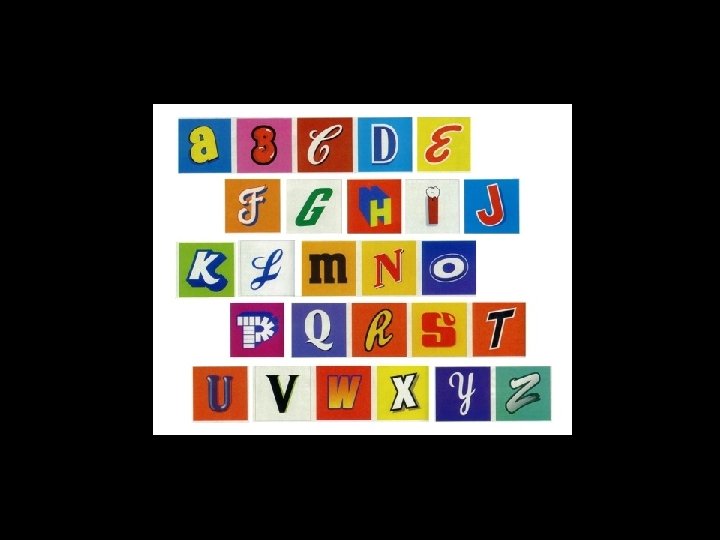
§ Phonography—a system of writing in which symbols stand for spoken sounds rather than for objects or ideas; developed around 2000 B. C. § Alphabets—letters representing individual sounds; were developed between 1700 B. C. and 1500 B. C.
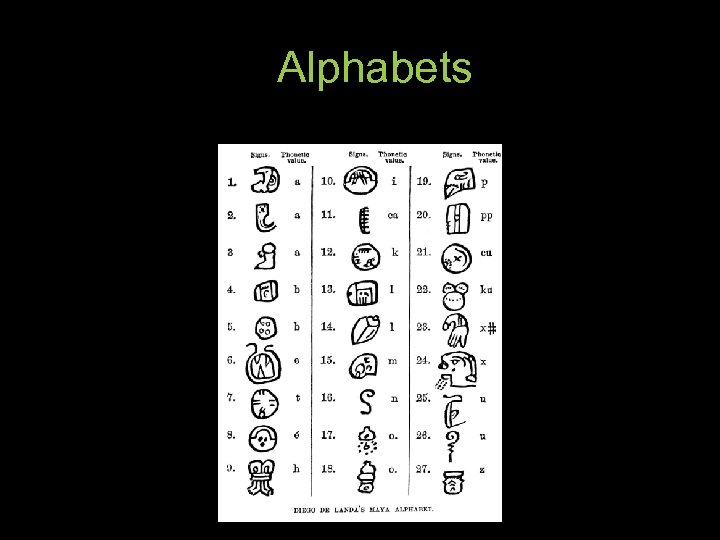
Alphabets
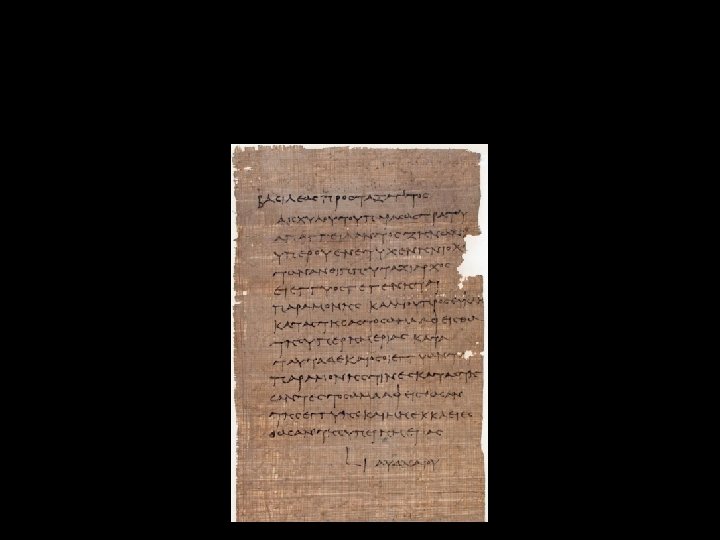
§ The Development of Paper o Papyrus—a primitive form of paper made from the papyrus reed: • developed by the Egyptians around 3100 • tended to crumble or be eaten by bugs o Parchment—made from the skin of goats or sheep: • replaced papyrus because it was more durable o Paper—made from cotton rags or wood: • invented by the Chinese sometime between 240 and 105 B. C. • spread throughout Europe during the 1300 s, replaced parchment in the 1500 s.
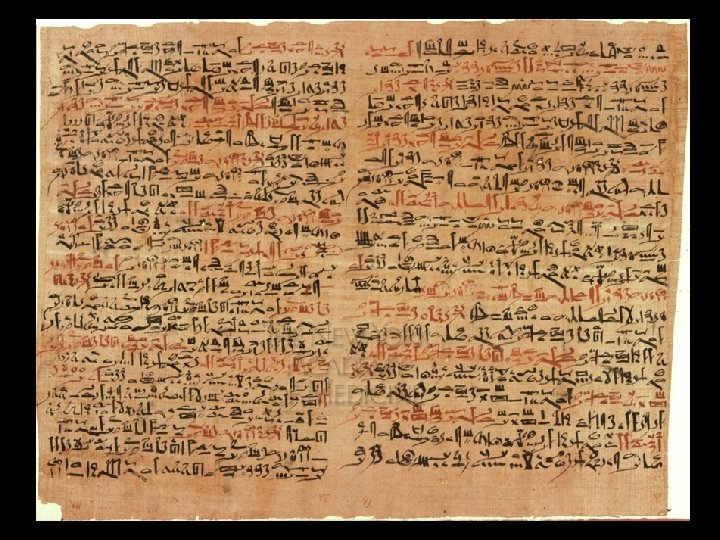
Papyrus
Books before the Era of Printing: § Most books in Europe were religious texts handcopied by monks, produced in the scriptoria, or copying rooms of monasteries. § Rise of literacy in the thirteenth century increased demand for books. § Demand for books greatly exceeded production.
Books before the Era of Printing (cont. ): § Books were still hand-copied one at a time: • Geoffrey Chaucer’s The Canterbury Tales § By the fourteenth century books were becoming relatively common. § Illuminated manuscripts—religious texts embellished with pictures and elaborate calligraphy: • aided in the transmission of the message to nonliterate audiences

The Development of the Printing Press • Printing was invented in China toward the end of the second century: § Images were carved into blocks of wood. § Woodcuts could not be reproduced rapidly. • Between 1050 and 1200 both the Chinese and the Koreans developed the idea of movable type: § With thousands of separate ideographs, printing was not practical.
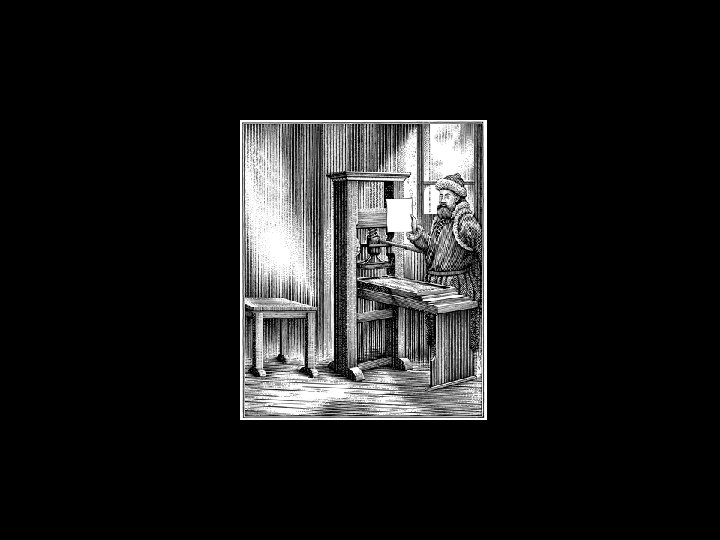
• Johannes Gutenberg: § first European to develop movable type § developed the first practical printing press by modifying a winepress • Typemold—enabled printers to make multiple, identical copies of a single letter. • Font—originally referred to a particular size and style of type: § today it refers to specific typefaces § mass-produced type became available by 1600 s
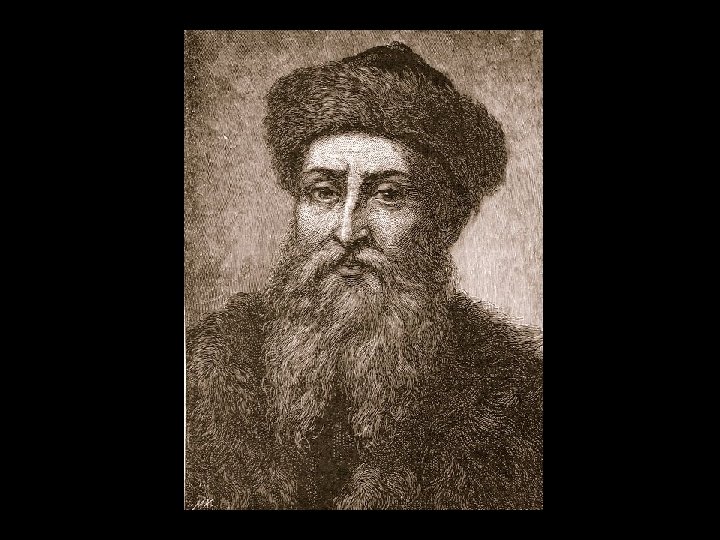
Gutenberg
• Books and Standardized Language § William Caxton (1422– 1491) helped establish the rules for the English language: • worked to standardize word usage, grammar, punctuation, and spelling • published books in English rather than in Latin § Martin Luther: • translated the New Testament of the Bible into German in 1522
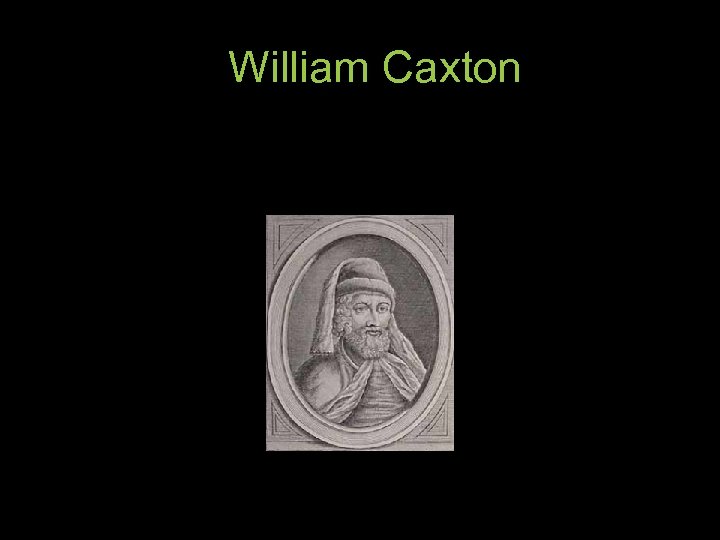
William Caxton
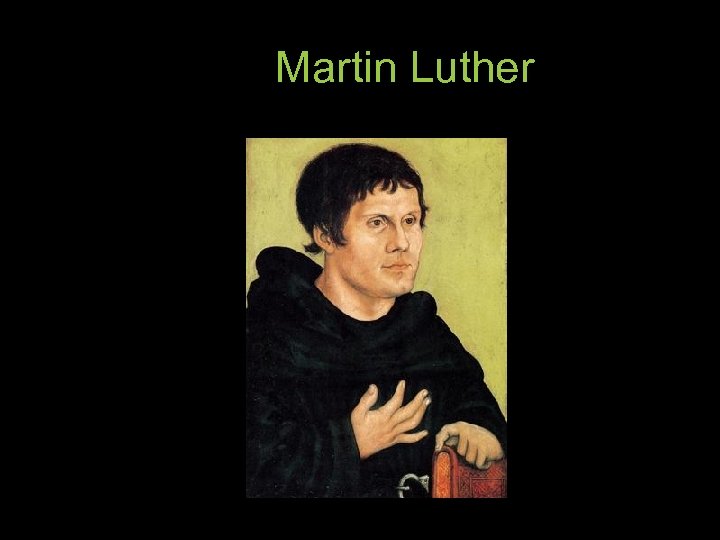
Martin Luther
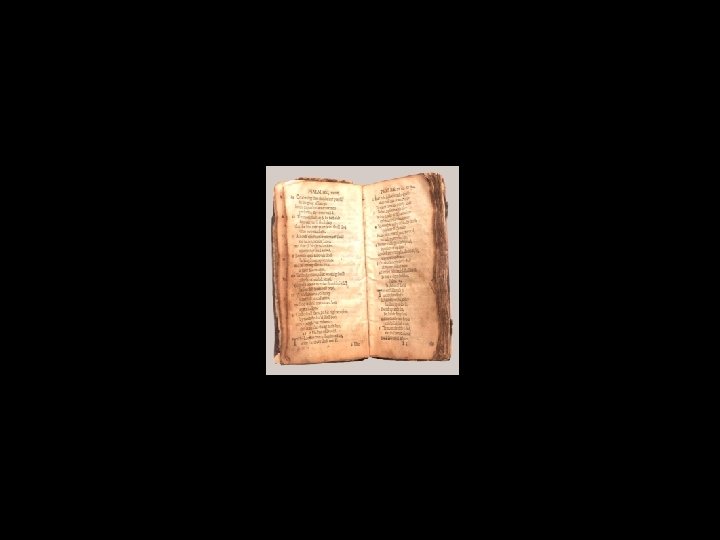
• Books in the New World: § First printing press in the New World was set up by the Spanish in Mexico City in 1539. § Printing in North America began in 1640— Whole Booke of Psalmes. § Benjamin Franklin (1731) established one of the colonies’ early circulating (or subscription) libraries in Philadelphia.
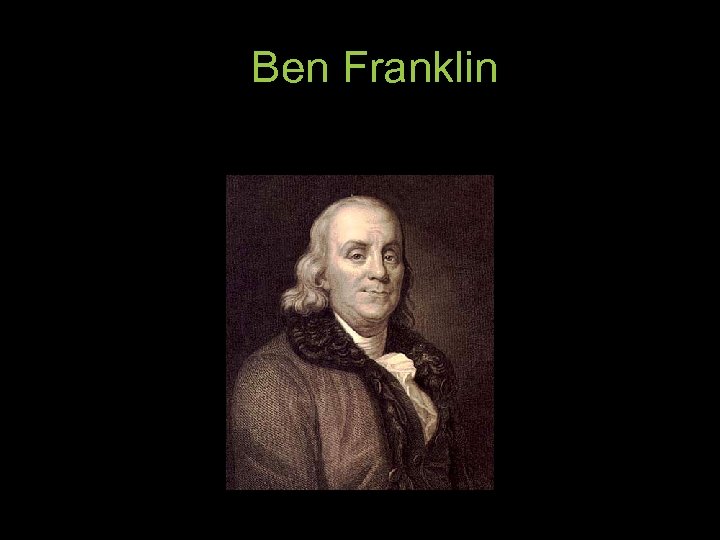
Ben Franklin
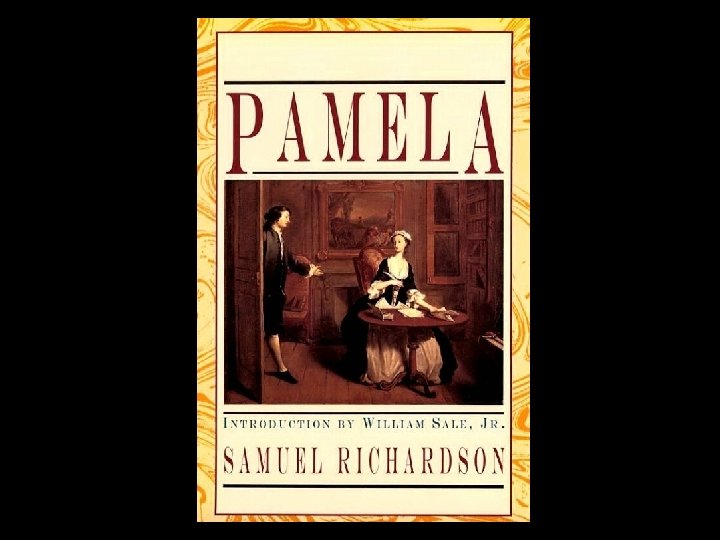
• Benjamin Franklin’s lending library: § Patrons had to pay 40 shillings initially, then 10 shillings a year to continue borrowing volumes. § Franklin’s patrons were businessmen and tradesmen. § Nonreligious books that sold well included books on agriculture and animal husbandry, science, surveying, and the military. • Samuel Richardson’s Pamela, published in 1740, was the first English novel.

Samuel Richardson
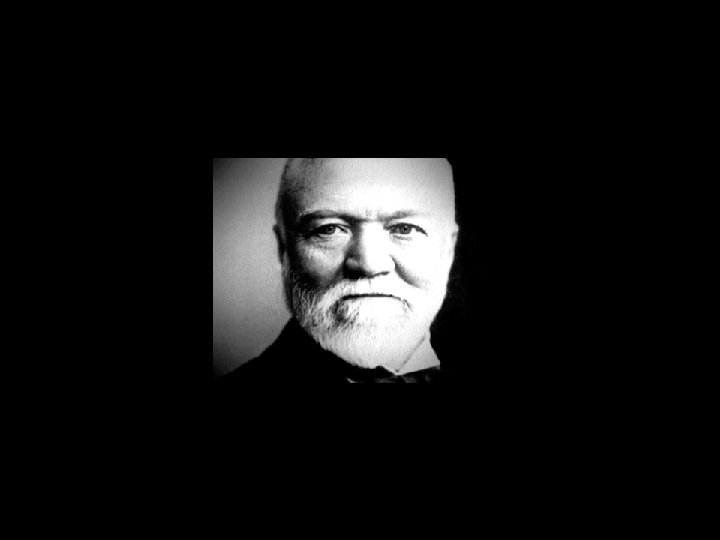
The Development of Large-Scale, Mass-Produced Books • Andrew Carnegie financed the construction of nearly 1, 700 public libraries from 1900 to 1917. • Serial novels—published in installments, popular in the 1830 s and 1840 s: § less expensive than a whole book § steady flow of income for publishers • Dime novels—first paperbacks, heroic action stories that celebrated democratic ideals: § popular in the Civil War era, morale boosters
• The steam-powered rotary press, invented in 1814, could print as many as 16, 000 sections per day. • In 1885, the Mergenthaler Linotypesetting machine was introduced: § Allowed a compositor to type at a keyboard rather than pick each letter out by hand, thus further speeding up the printing process.
Buying and Selling Books • In 2005, Amazon. com— 3. 7 million titles available: § giant superstores carry 50, 000 to 150, 000 titles. • Publishers—companies that buy manuscripts from authors and turn them into books: § 20 companies publish nearly 80% of all books today § regional publishers are buying up small, independent publishing houses § international conglomerates buying up major national publishing companies
§ The top five publishers in the world are: 1. Mc. Graw-Hill 2. Random House 3. Harcourt Education 4. Verlagsgruppe Georg von Holtzbrinck 5. Scholastic
§ University and small presses—publish books that serve a limited geographic or subject area or an academic discipline § Vanity presses—print books with the author paying all the costs of publication and distribution: • very little return for authors § The Government Printing Office—One of the nation’s biggest publishers: • most of its titles are government reports (9/11 Commission Report was a best-seller) • Authors: § responsible for original manuscript, and all changes leading up to the proof—the print-ready copy of the book
• Booksellers: § The Ingram Book Group—nation’s largest book wholesaler: • distributes 175 million books and audiobooks to more than 30, 000 retail outlets § Barnes & Noble’s revenues total more than $5 billion a year: • in the United States, operates under the Barnes & Noble and B. Dalton names, along with Barnesandnoble. com • controls about 17 % of the retail book business in the United States
• The Textbook Business: § Barnes & Noble did more than $1. 5 billion in business in 2005 through its more than 500 campus bookstores. § Stores give the schools they’re associated with a cut of the sales. § With used textbooks, neither the publisher nor the author get a cut of the sales, only the bookstore.
Books and Culture • Great Books versus Popular Books: § The 1850 s saw the publication of Nathaniel Hawthorne’s The Scarlet Letter, Herman Melville’s Moby-Dick, and Walt Whitman’s Leaves of Grass. § All were outsold by domestic novels—books written by and for women that told of women who overcame tremendous hardships and ended up in prosperous middle -class homes.
§ 54. 9% of all popular paperback fiction sold in America are categorized as romances. § Classics continue to sell: • Catcher in the Rye, sells about 250, 000 copies a year. • The Lord of the Rings, initially published in England in 1954, has now sold more than 100 million copies (11 million in 2002 alone).
• Harry Potter Breaks the New York Times Best-Seller List: § February 2000—first three Harry Potter books were all on the hardback fiction list § Publishers’ complained—books aimed at children were overshadowing authors writing for an adult audience § New York Times created a separate best-seller list for children’s books: • eventually created three new children’s lists § Harry Potter had positive effects on the sales of similar books and increased the number of actively reading children.
Books and Censorship • Book Banning: § In the U. S. most book censorship efforts are local in scope. § Judy Blume: • ten books on the Publishers Weekly’s list of the top 200 children’s paperbacks of all times • controversial topics include adolescence • message that banning sends to young people upsets Blume
§ Salman Rushdie: • released the The Satanic Verses in 1988 • Satanic Verses banned in India in the fall of 1988; caused rioting in Pakistan in 1989 • received a death sentence, or fatwa, from Iran’s Ayatollah Khomeini for the book’s blasphemous content • forced into hiding by fatwa • was never attacked, but several people connected to Rushdie and the book were killed or injured
The Future of Books • Books and the Long Tail: § Amazon. com began operations in July 1995. § The Web was the only practical way to offer the variety that the company sought. § The Amazon site tracks customers’ interests through using cookies. § Readers likely to use the Internet and have computer access. § Finding books online can be easier than finding them in a bookstore.
• Electronic Publishing and Printing-on-Demand § Electronic distribution has also become a popular format: • allows customers to download titles § Electronic Textbooks: • have an advantage over print editions, since textbooks tend to be updated frequently • provides for flexibility, still have some challenges § Printing-on-Demand: • physical book isn’t printed until it’s ordered • requires banks of large-capacity printers
Скачать презентацию 4 Books The Birth of the Mass Media
85e680df354cf1ed0740bf0fa8489ed3.ppt