

3. For profit companies Zhanat Alimanov, assistant









 Скачать презентацию 3. For profit companies Zhanat Alimanov, assistant
3.+For+profit.ppt
- Количество слайдов: 45
3. For profit companies Zhanat Alimanov, assistant professor
Home assignment 5 8. Statute on State Enterprise 9. Statute on Non- Commercial Organizations n Revise Chapters 2, 9 & 10, Civil Code
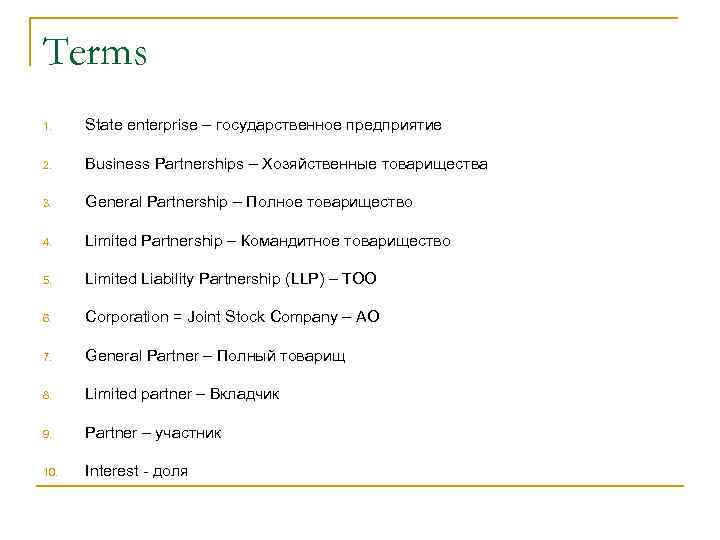
Terms 1. State enterprise – государственное предприятие 2. Business Partnerships – Хозяйственные товарищества 3. General Partnership – Полное товарищество 4. Limited Partnership – Командитное товарищество 5. Limited Liability Partnership (LLP) – ТОО 6. Corporation = Joint Stock Company – АО 7. General Partner – Полный товарищ 8. Limited partner – Вкладчик 9. Partner – участник 10. Interest - доля
Plan (Peculiarities of organizational forms) 4. Sale of Interest to the Third Parties 5. Sale of Interest to the Company itself 6. Forced Sale of Interest 7. Liabilities of Companies for the debts of its Owners
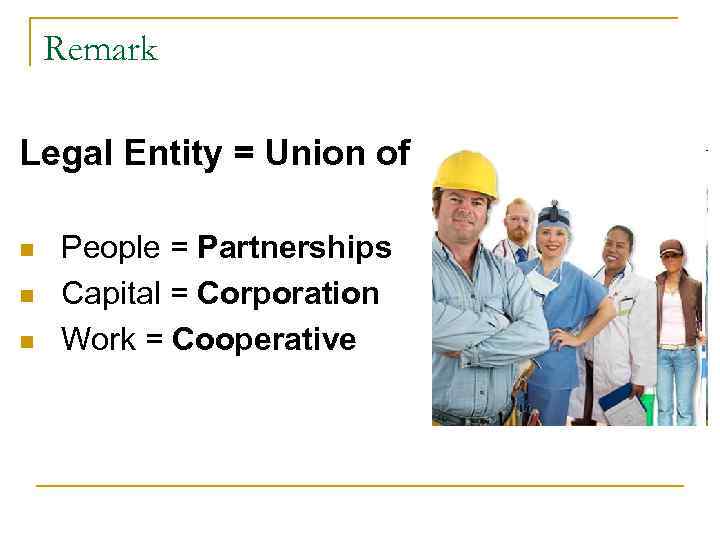
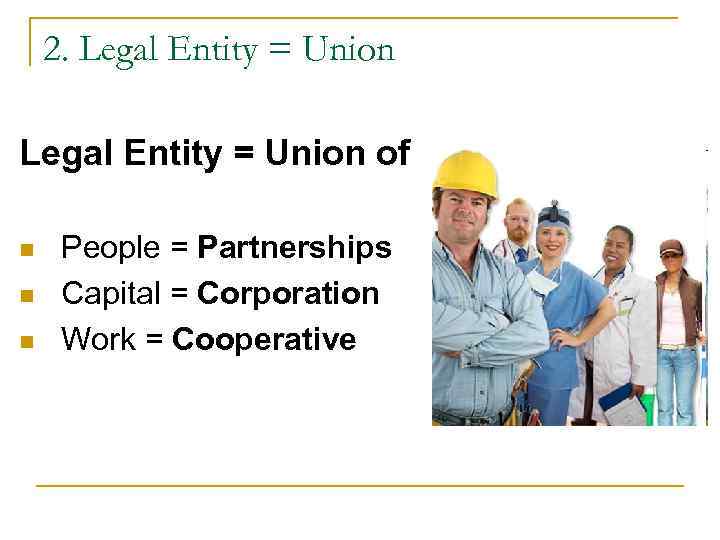
Remark Legal Entity = Union of n People = Partnerships n Capital = Corporation n Work = Cooperative
Remark General Limited LLP / Corporation Partnership Additional (Коммандитное liability товарищество) Partnership Owners General Partners Shareholders Partners (полные (участники) (акционеры) (Полные товарищи) & товарищи) Limited Partners (вкладчики) Stake Interest Shares (доля) (акции) Who can Owners only Outsiders (co Outsiders manage (general partners) стороны)
5. Sale of Interest/Shares to the Third Parties
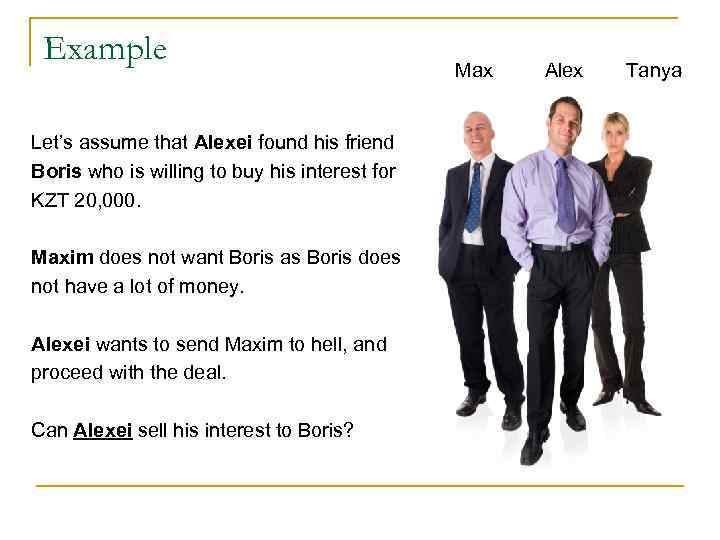
Example Max Alex Tanya Let’s assume that Alexei found his friend Boris who is willing to buy his interest for KZT 20, 000. Maxim does not want Boris as Boris does not have a lot of money. Alexei wants to send Maxim to hell, and proceed with the deal. Can Alexei sell his interest to Boris?
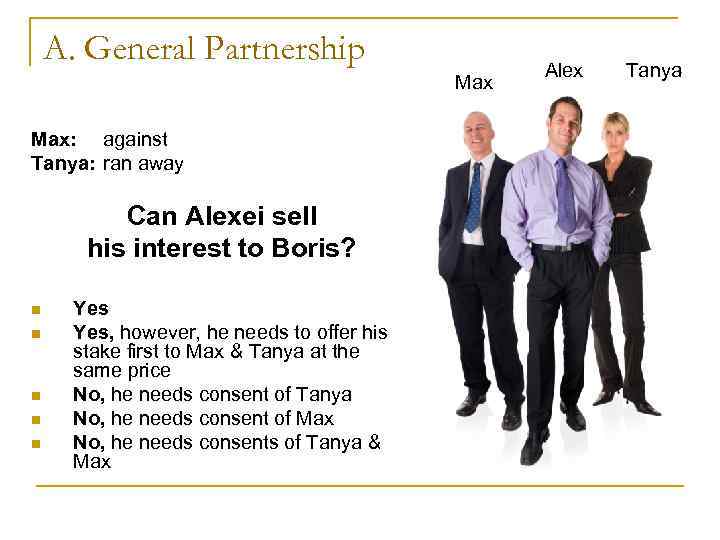
A. General Partnership Alex Tanya Max: against Tanya: ran away Can Alexei sell his interest to Boris? n Yes, however, he needs to offer his stake first to Max & Tanya at the same price n No, he needs consent of Tanya n No, he needs consent of Max n No, he needs consents of Tanya & Max
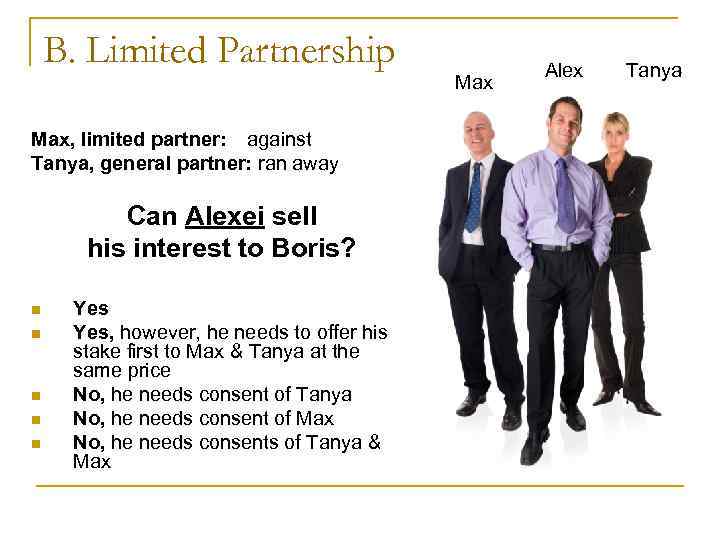
B. Limited Partnership Alex Tanya Max Max, limited partner: against Tanya, general partner: ran away Can Alexei sell his interest to Boris? n Yes, however, he needs to offer his stake first to Max & Tanya at the same price n No, he needs consent of Tanya n No, he needs consent of Max n No, he needs consents of Tanya & Max
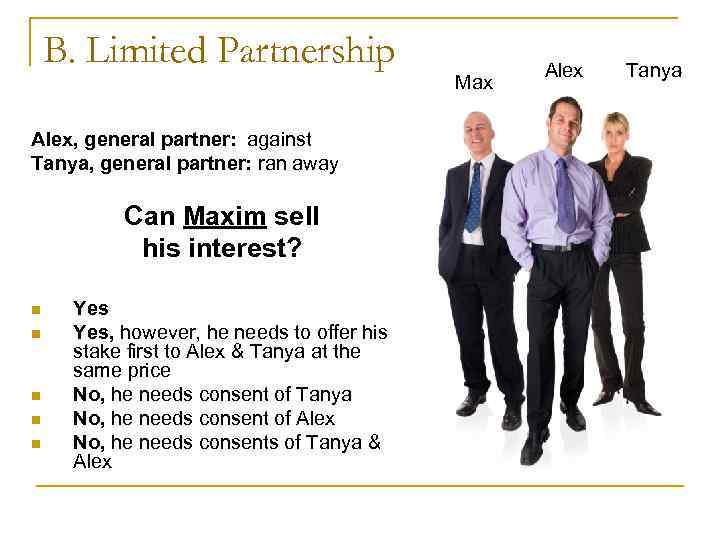
B. Limited Partnership Alex Tanya Max Alex, general partner: against Tanya, general partner: ran away Can Maxim sell his interest? n Yes, however, he needs to offer his stake first to Alex & Tanya at the same price n No, he needs consent of Tanya n No, he needs consent of Alex n No, he needs consents of Tanya & Alex
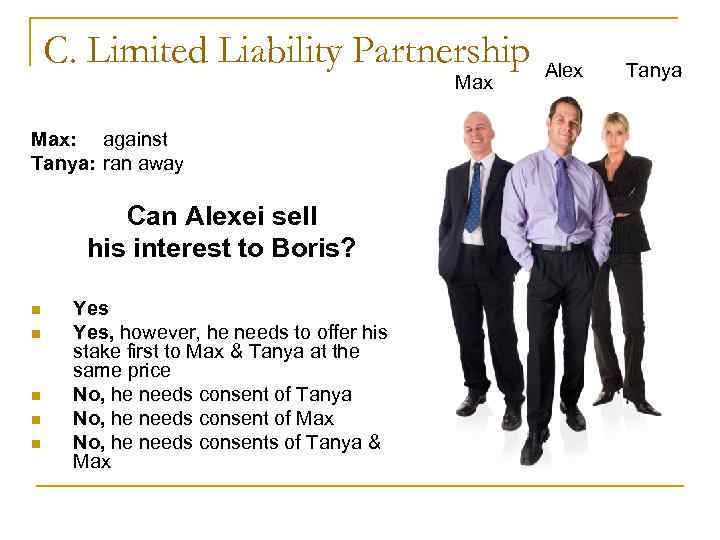
C. Limited Liability Partnership Alex Tanya Max Max: against Tanya: ran away Can Alexei sell his interest to Boris? n Yes, however, he needs to offer his stake first to Max & Tanya at the same price n No, he needs consent of Tanya n No, he needs consent of Max n No, he needs consents of Tanya & Max
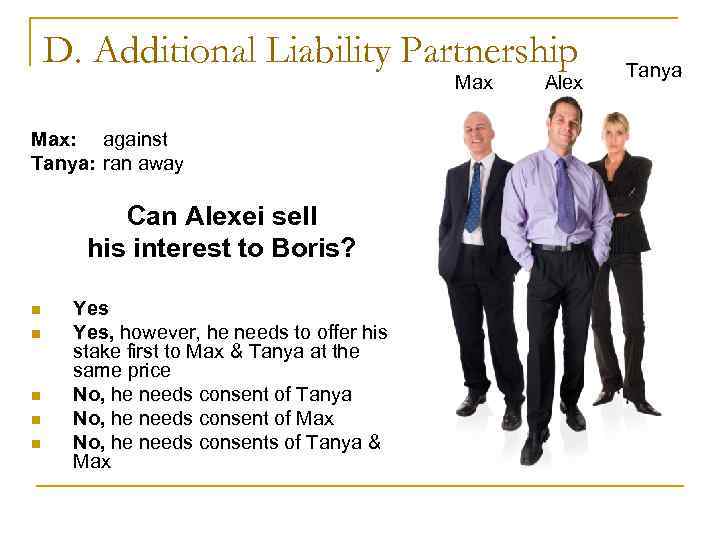
D. Additional Liability Partnership Tanya Max Alex Max: against Tanya: ran away Can Alexei sell his interest to Boris? n Yes, however, he needs to offer his stake first to Max & Tanya at the same price n No, he needs consent of Tanya n No, he needs consent of Max n No, he needs consents of Tanya & Max
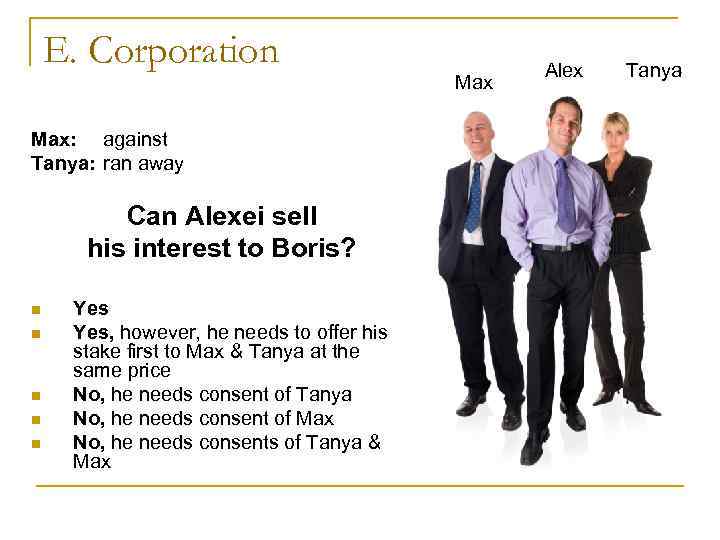
E. Corporation Alex Tanya Max Max: against Tanya: ran away Can Alexei sell his interest to Boris? n Yes, however, he needs to offer his stake first to Max & Tanya at the same price n No, he needs consent of Tanya n No, he needs consent of Max n No, he needs consents of Tanya & Max
5. Sale of Interest/Shares to the Company itself
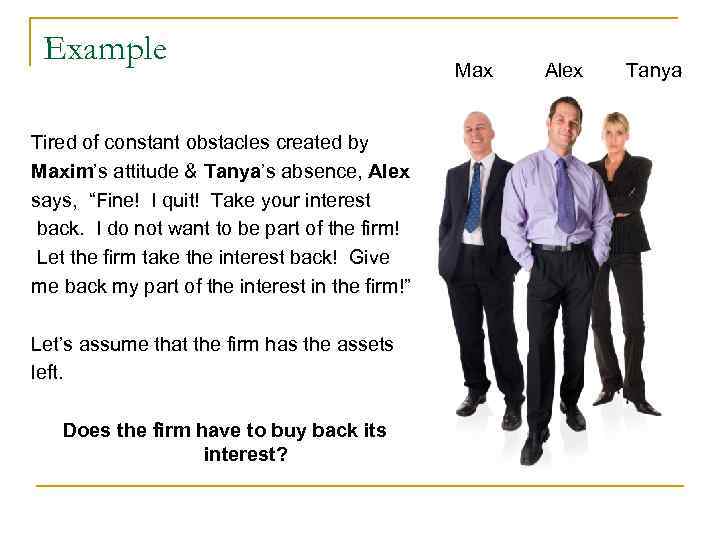
Example Max Alex Tanya Tired of constant obstacles created by Maxim’s attitude & Tanya’s absence, Alex says, “Fine! I quit! Take your interest back. I do not want to be part of the firm! Let the firm take the interest back! Give me back my part of the interest in the firm!” Let’s assume that the firm has the assets left. Does the firm have to buy back its interest?
A. General Partnership Alex Tanya Max Does the firm have to buy back its interest? 1. Yes, provided he notifies other partners on 6 months prior notice 2. Yes, there is no need for prior notice. 3. No.
B. Limited Partnership Alex Tanya Max Alex is general partner. Does the firm have to buy back its interest? 1. Yes, provided he notifies other partners on 6 months prior notice 2. Yes, there is no need for prior notice. 3. No.
C. Limited Liability Partnership Alex Tanya Max Alex is general partner. Does the firm have to buy back its interest? 1. Yes, provided he notifies other partners on 6 months prior notice 2. Yes, there is no need for prior notice. 3. No.
D. Additional Liability Partnership Alex Tanya Max Alex is general partner. Does the firm have to buy back its interest? 1. Yes, provided he notifies other partners on 6 months prior notice 2. Yes, there is no need for prior notice. 3. No.
E. Corporation Alex Tanya Max Alex is general partner. Does the firm have to buy back its interest? 1. Yes, provided he notifies other partners on 6 months prior notice 2. Yes, there is no need for prior notice. 3. No.
6. Forced Sale of Interest/Shares against the will of owner
Example Max Alex Tanya Let’s assume that everything is fine with the law firm. In fact, the firm is very good. However, Alex as a professional is very bad. He made a bad job on a few contracts, and now the firm is facing a huge liability suit in the amount of KZT 1 bln. Can Max & Tanya get rid of Alex as a partner/shareholder? Alex does not want to leave.
A. General Partnership Tanya Max Alex: against Max & Tanya: do not want him as a partner Can Max & Tanya get rid of Alex as a partner/shareholder? n Yes, through the court, provided there is (1) decision of all partners, and (2) good reason n Yes, through the court, provided there is (1) decision of the General Meeting, and (2) Alex grossly violated his obligations to the Partnership. n No, not against his will
B. Limited Partnership Tanya Max Alex: against Max & Tanya: do not want him as a partner Can Max & Tanya get rid of Alex as a partner/shareholder? n Yes, through the court, provided there is (1) decision of all partners, and (2) good reason n Yes, through the court, provided there is (1) decision of the General Meeting, and (2) Alex grossly violated his obligations to the Partnership. n No, not against his will
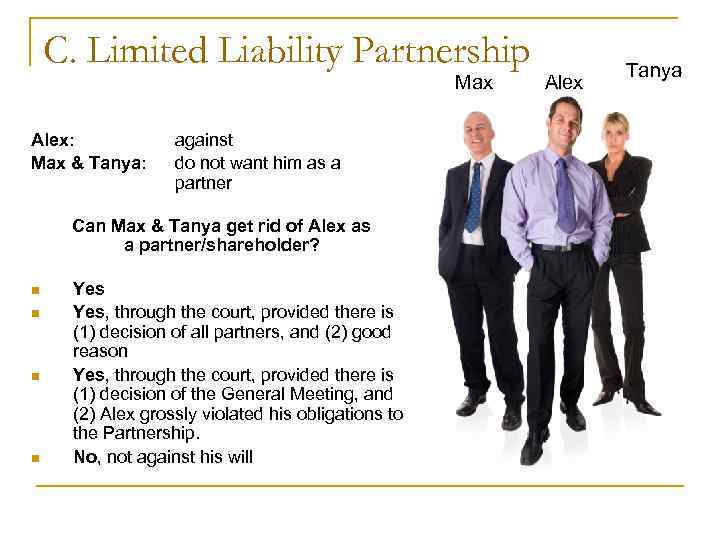
C. Limited Liability Partnership Tanya Max Alex: against Max & Tanya: do not want him as a partner Can Max & Tanya get rid of Alex as a partner/shareholder? n Yes, through the court, provided there is (1) decision of all partners, and (2) good reason n Yes, through the court, provided there is (1) decision of the General Meeting, and (2) Alex grossly violated his obligations to the Partnership. n No, not against his will
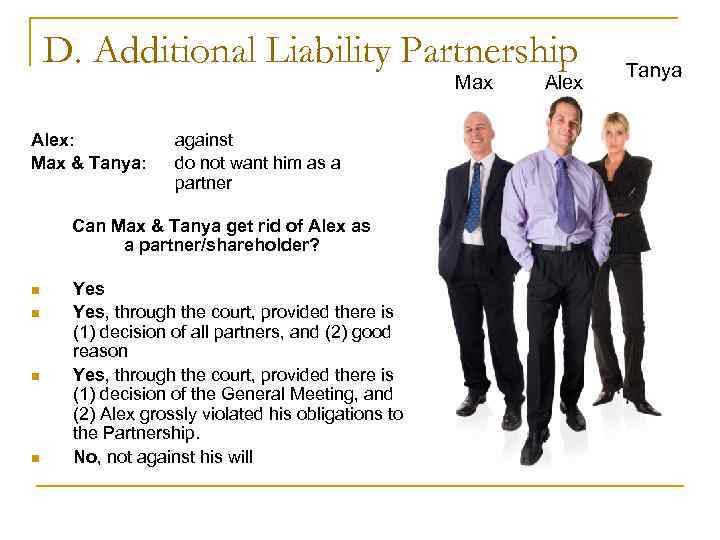
D. Additional Liability Partnership Tanya Max Alex: against Max & Tanya: do not want him as a partner Can Max & Tanya get rid of Alex as a partner/shareholder? n Yes, through the court, provided there is (1) decision of all partners, and (2) good reason n Yes, through the court, provided there is (1) decision of the General Meeting, and (2) Alex grossly violated his obligations to the Partnership. n No, not against his will
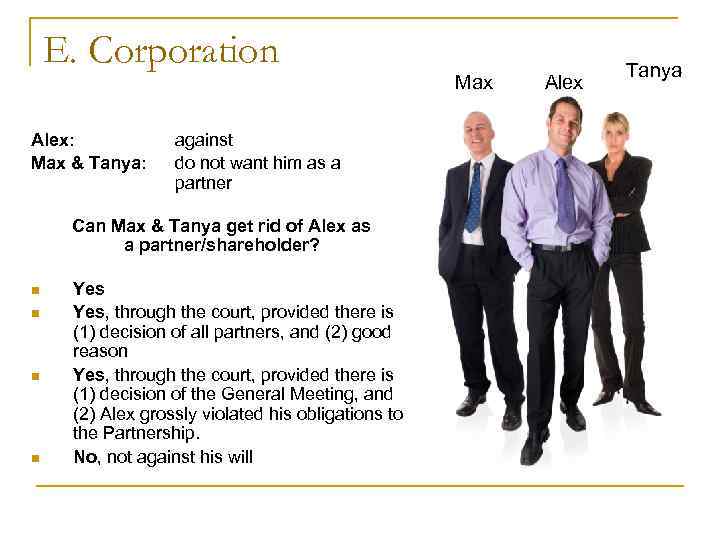
E. Corporation Tanya Max Alex: against Max & Tanya: do not want him as a partner Can Max & Tanya get rid of Alex as a partner/shareholder? n Yes, through the court, provided there is (1) decision of all partners, and (2) good reason n Yes, through the court, provided there is (1) decision of the General Meeting, and (2) Alex grossly violated his obligations to the Partnership. n No, not against his will
7. Liability of Companies for the debts of the Owners
Example Max Alex Tanya Let’s assume now that the firm is really fine, and it is Alex who has lots of debts. The creditors come to the firm, and demand to pay Alex’s debt is 50 mln, and the firm net assets are 50 mln. Alex owns 20% of it. Is the firm liable for the debts of Alex?
A. General Partnership Max Alex Tanya Alex’s debt: 50 mln. Firm’s net assets: 50 mln. Alex’s stake: 20% Is the firm liable for the debts of Alex? n Nothing n 10 mln. , that is 20% of 50 mln debt. n 50 mln.
B. Limited Partnership Max Alex Tanya Alex: general partner Alex’s debt: 50 mln. Firm’s net assets: 50 mln. Alex’s stake: 20% Is the firm liable for the debts of Alex? n Nothing n 10 mln. , that is 20% of 50 mln debt. n 50 mln.
B. Limited Partnership Max Alex Tanya Alex: limited partner Alex’s debt: 50 mln. Firm’s net assets: 50 mln. Alex’s stake: 20% Firagainst Is the firm liable for the debts of Alex? n Nothing n 10 mln. , that is 20% of 50 mln debt. n 50 mln.
C. Limited Liability Partnership Max Alex Tanya Alex’s debt: 50 mln. Firm’s net assets: 50 mln. Alex’s stake: 20% Firagainst Is the firm liable for the debts of Alex? n Nothing n 10 mln. , that is 20% of 50 mln debt. n 50 mln.
D. Additional Liability Partnership Max Alex Tanya Alex’s debt: 50 mln. Firm’s net assets: 50 mln. Alex’s stake: 20% Firagainst Is the firm liable for the debts of Alex? n Nothing n 10 mln. , that is 20% of 50 mln debt. n 50 mln.
E. Corporation Max Alex Tanya Alex’s debt: 50 mln. Firm’s net assets: 50 mln. Alex’s stake: 20% Firagainst Is the firm liable for the debts of Alex? n Nothing n 10 mln. , that is 20% of 50 mln debt. n 50 mln.
2. Legal Entity = Union of n People = Partnerships n Capital = Corporation n Work = Cooperative
Practice Questions
Example Stariko raises KZT 1 bln. capital by issuing: (1) Bonds (облигации); or (2) Equity or common shares (обычные акции). Aibek bought these securities. What are the differences?
Problem 1. Voting 2. Assets vs. liabilities 3. Order of claim
Problem 1 Let’s assume that we have transportation company Shipco. Property Structure Assets: USD 300 mln. Is it likely that it will receive the loan of USD 30 mln?
Problem 1 Let’s assume that we have transportation company Shipco. Property Structure Assets: USD 300 mln. Liabilities: USD 390 mln. They made losses this year, and they urgently need additional 30 mln. to launch one important project. How legally can they solve the problem?
Problem 2 (Risks) Let’s assume that there is a KZ oil company called Oilco. It would like to obtain a loan of USD 100 mln. Let’s assume that Bank A is willing to give them the loan at 11% interest.
Problem 2 (Risks) The structure of the interest is the following: (1) Country risk - 5% (2) Price risk – 3% (3) Default risk – 1% (4) 2% are the rest. How legally can they reduce the risk, i. e. , reduce the interest?
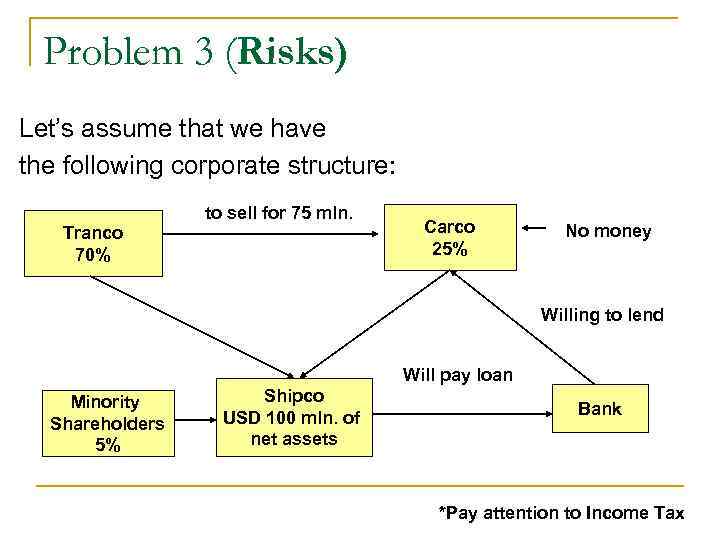
Problem 3 (Risks) Let’s assume that we have the following corporate structure: to sell for 75 mln. Tranco Carco No money 70% 25% Willing to lend Will pay loan Minority Shipco Bank Shareholders USD 100 mln. of 5% net assets *Pay attention to Income Tax