


 Скачать презентацию 2 Studying the Earth From Manned Spacecraft Dr
69e6af11b38d73f7a970d6aa7ab5d065.ppt
- Количество слайдов: 102
 #2 Studying the Earth From Manned Spacecraft? Dr. William Muehlberger January 28, 2000 Produced by and for Hot Science - Cool Talks by the Environmental Science Institute. We request that the use of these materials include an acknowledgement of the presenter and Hot Science - Cool Talks by the Environmental Science Institute at UT Austin. We hope you find these materials educational and enjoyable.
 Outline I Introduction II Rivers, Deltas, Estuaries III Capes IV Reef-forming Environments V Lakes and Rivers VI Faults -San Andreas VII Africa, Mediterranean VIII Volcanoes IX ‘Lake Clinton’ X Algeria XI Human Influence I: Irrigation XII Human Influence II: Deforestation XIII Atmospheric-Oceanic Interactions XIV More Faults XV Plate Boundaries XVI Spacecraft XVII Moonset XVIII Exercises XIX Citations Outline
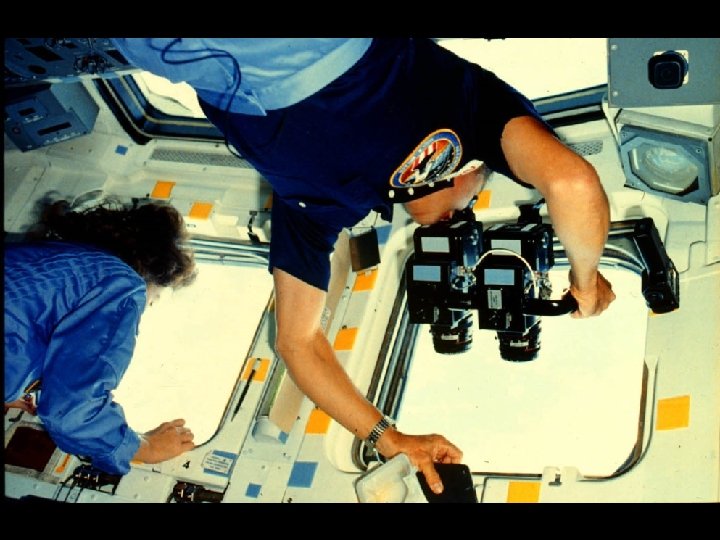
 I Introduction This presentation will show you a sampling of the thousands of images taken of Earth from manned spacecraft. You will see images of plate boundaries, atmosphere-ocean interactions, rivers and mountains, as well as the results of anthropogenic influences on Earth’s systems. We hope you will complete this program with a new-found interest in how the Earth works. The site listed below contains all hand-held photography taken from orbit. Enjoy. http: //eol. jsc. nasa. gov
 51 A-08 -0008
 II River, Deltas, Estuaries
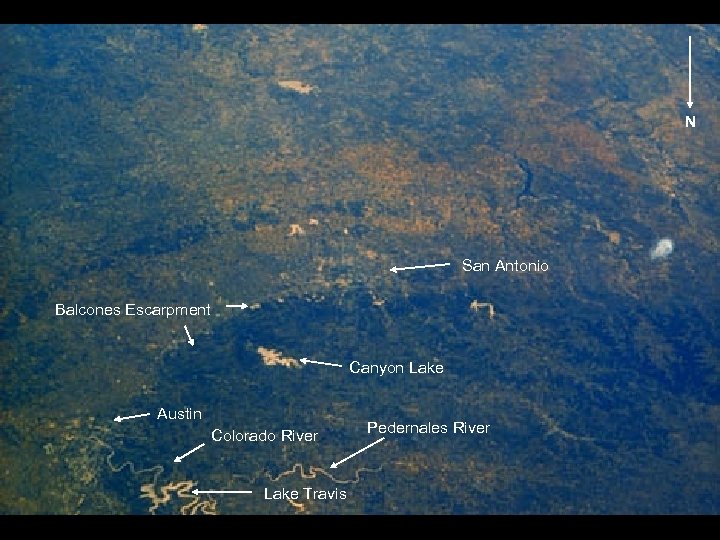 34 -79 -014 N San Antonio Balcones Escarpment Canyon Lake Austin Colorado River Lake Travis Pedernales River
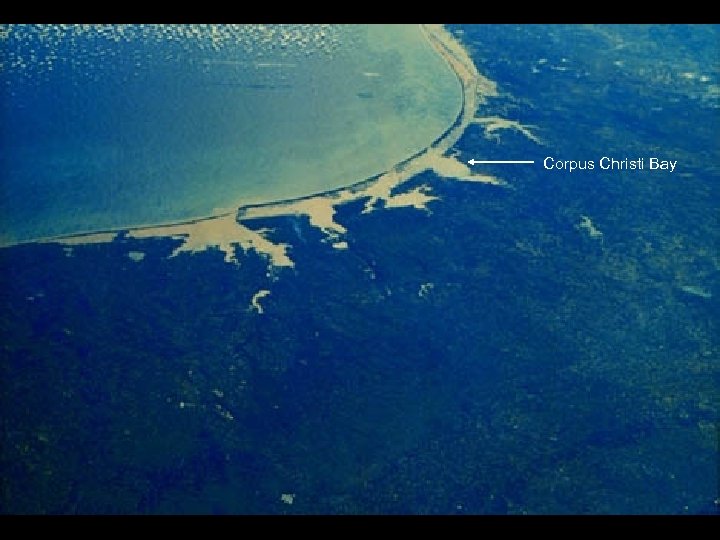 34 -79 -017 Corpus Christi Bay
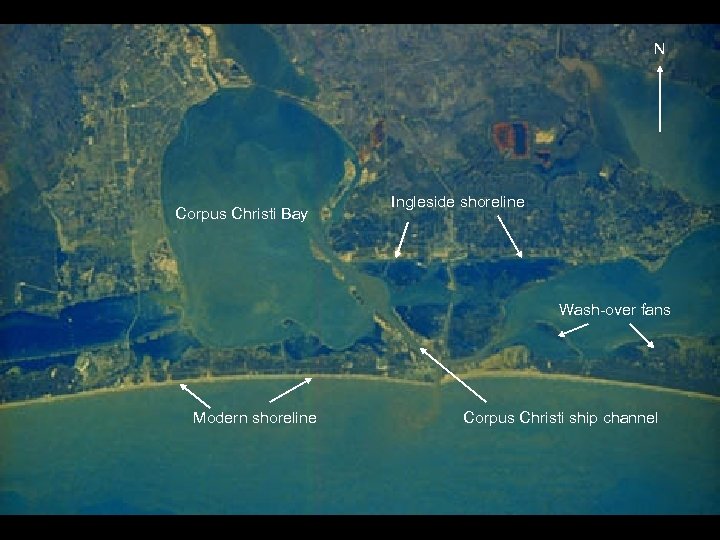 N 61 A-48 -070 Corpus Christi Bay Ingleside shoreline Wash-over fans Modern shoreline Corpus Christi ship channel
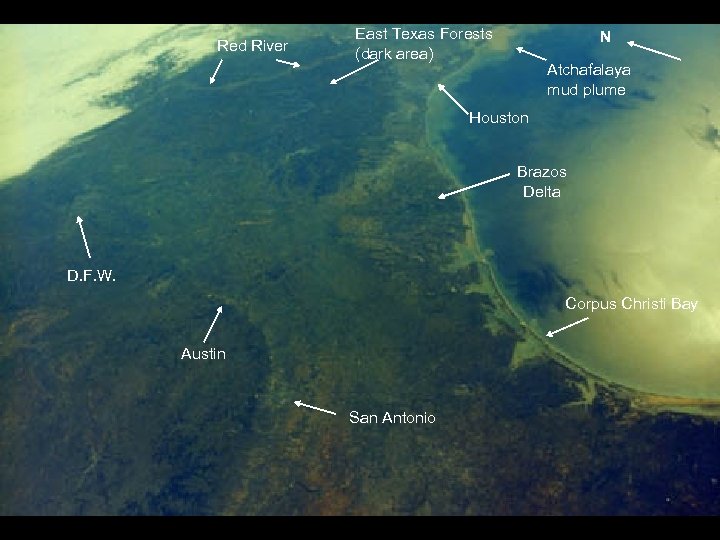 Red River East Texas Forests (dark area) 41 C-51 -2415 N Atchafalaya mud plume Houston Brazos Delta D. F. W. Corpus Christi Bay Austin San Antonio
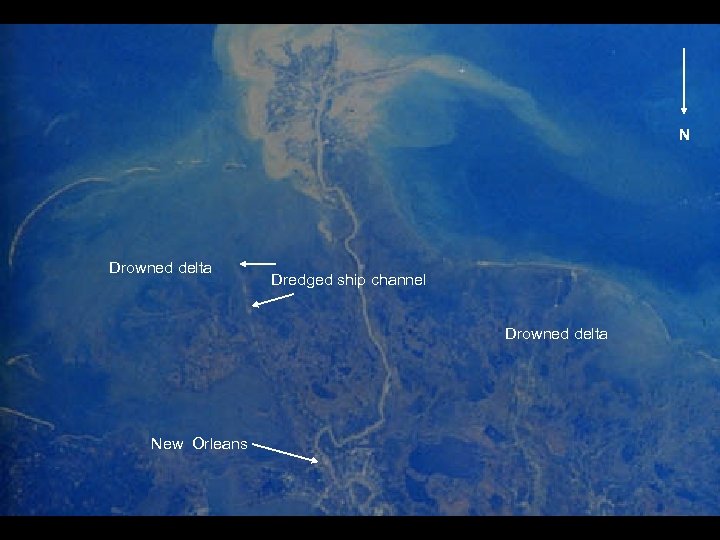 27 -45 -002 N Drowned delta Dredged ship channel Drowned delta New Orleans
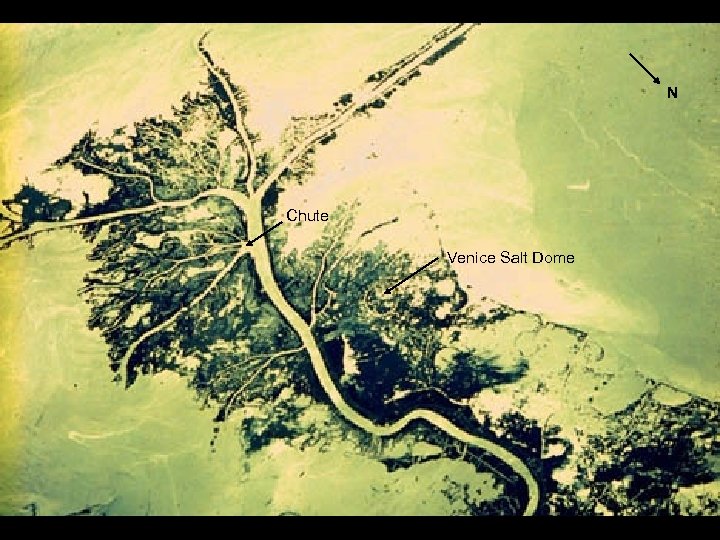 34 -74 -002 Chute Venice Salt Dome N
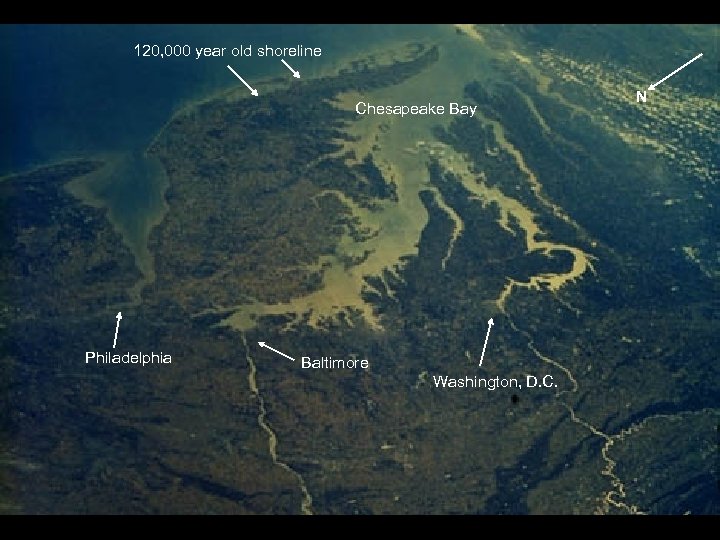 120, 000 year old shoreline NM 23 -705 -299 Chesapeake Bay Philadelphia Baltimore Washington, D. C. N
 III Capes
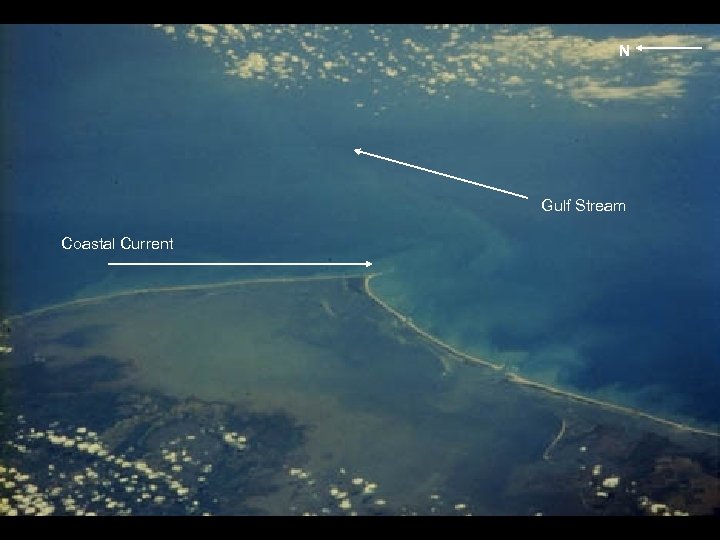 N 90 -750 -086 Gulf Stream Coastal Current
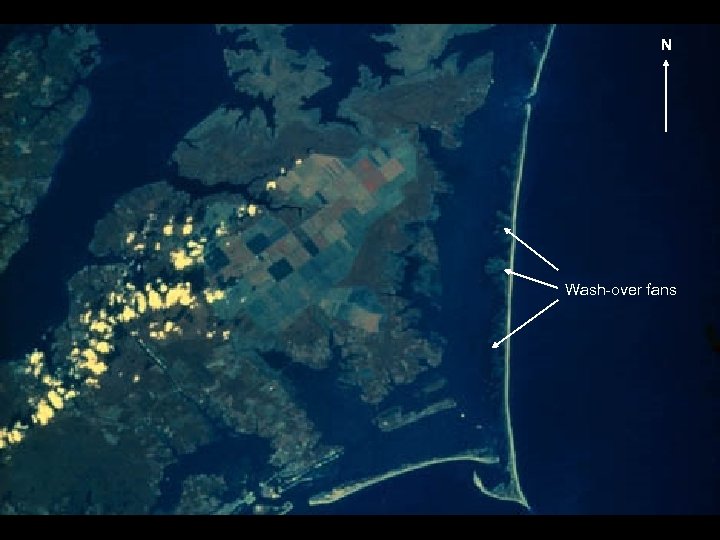 N 58 -111 -015 Wash-over fans
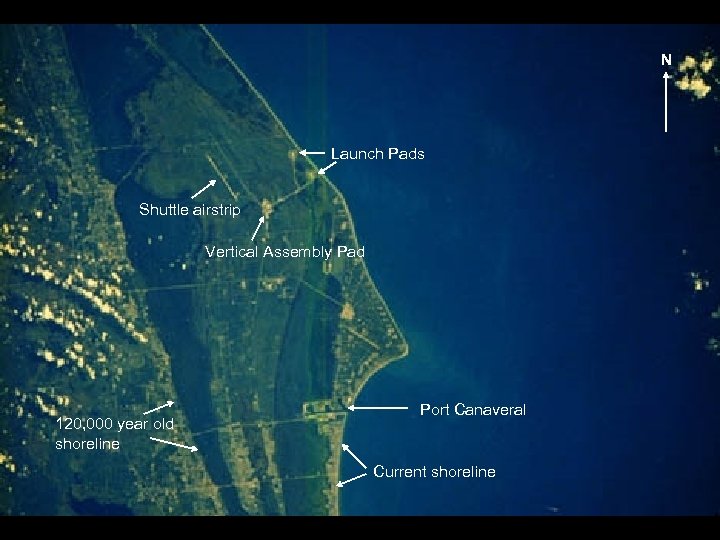 N 43 -84 -031 Launch Pads Shuttle airstrip Vertical Assembly Pad 120, 000 year old shoreline Port Canaveral Current shoreline
 IV Reef-Forming Environments IV Reef-forming Environments
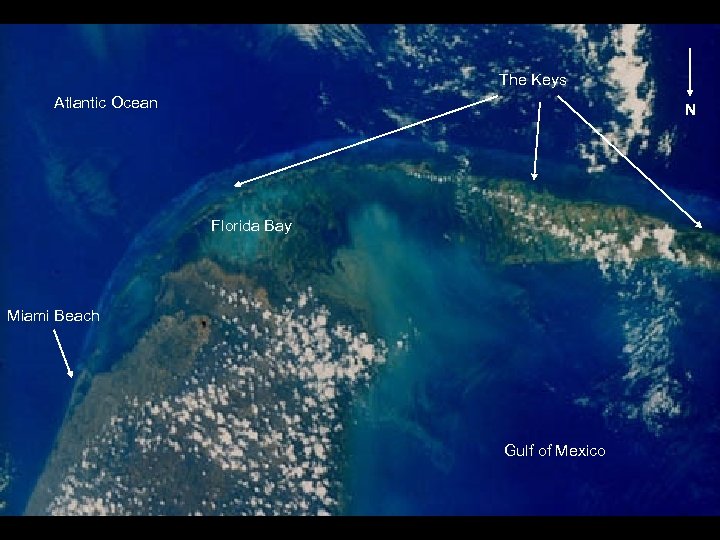 49 -79 -54 Atlantic Ocean The Keys N Florida Bay Miami Beach Gulf of Mexico
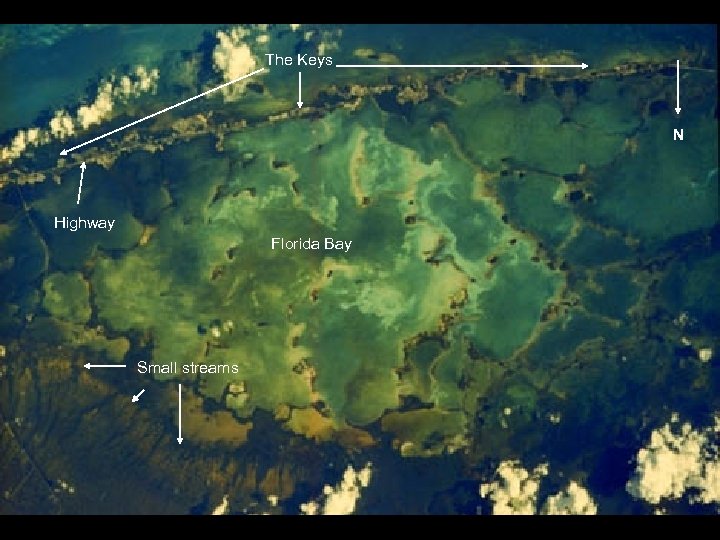 The Keys 41 G-33 -062 N Highway Florida Bay Small streams
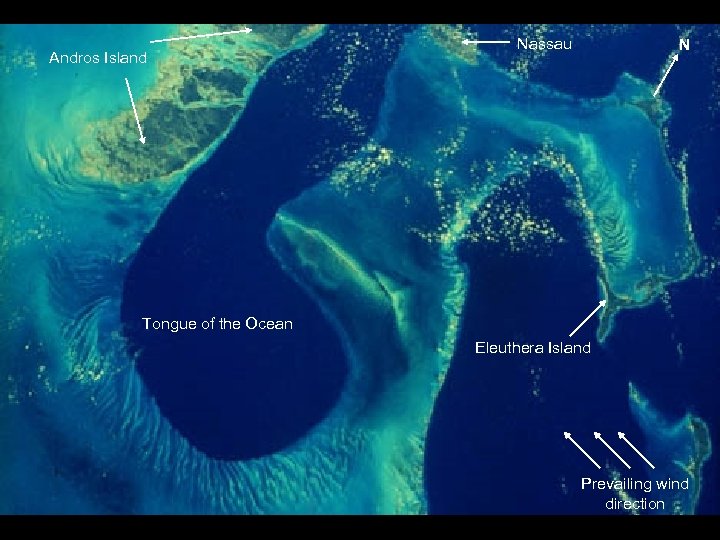 Nassau Andros Island N 29 -90 -012 Tongue of the Ocean Eleuthera Island Prevailing wind direction
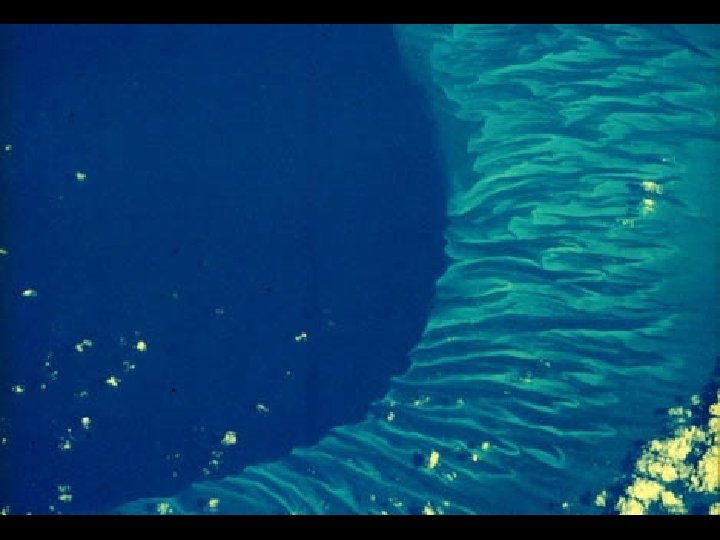 51 A-45 -003
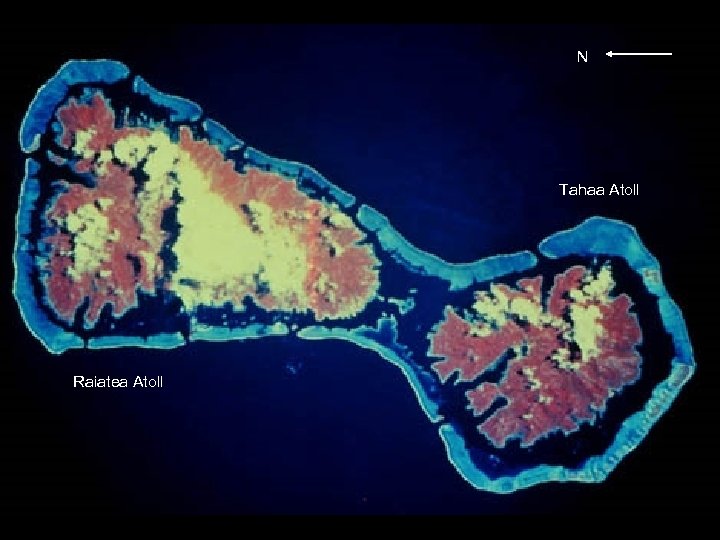 N 68 -204 -062 Tahaa Atoll Raiatea Atoll
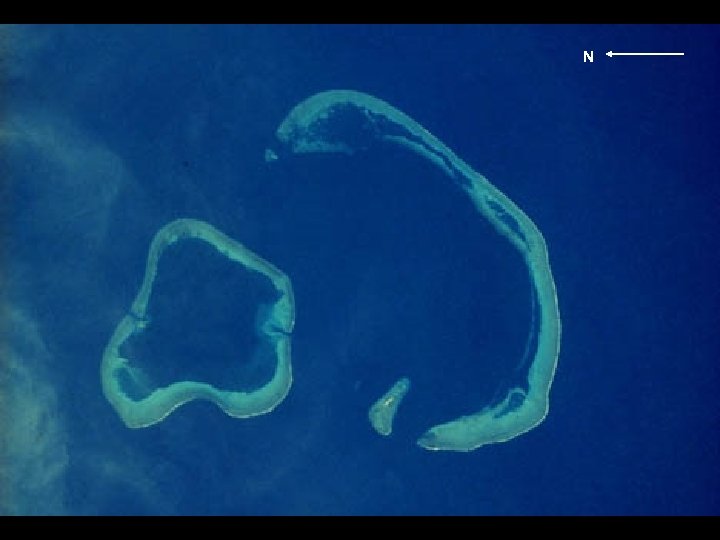 N 26 -46 -OA
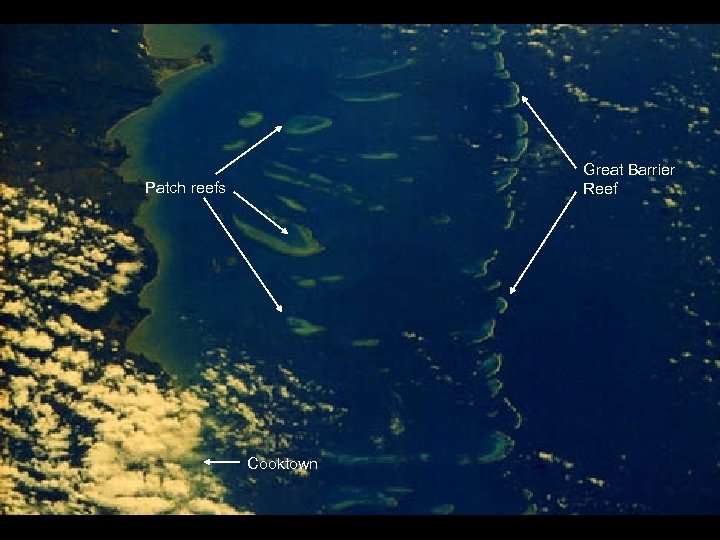 51 F-35 -016 Great Barrier Reef Patch reefs Cooktown
 V Lakes and Rivers
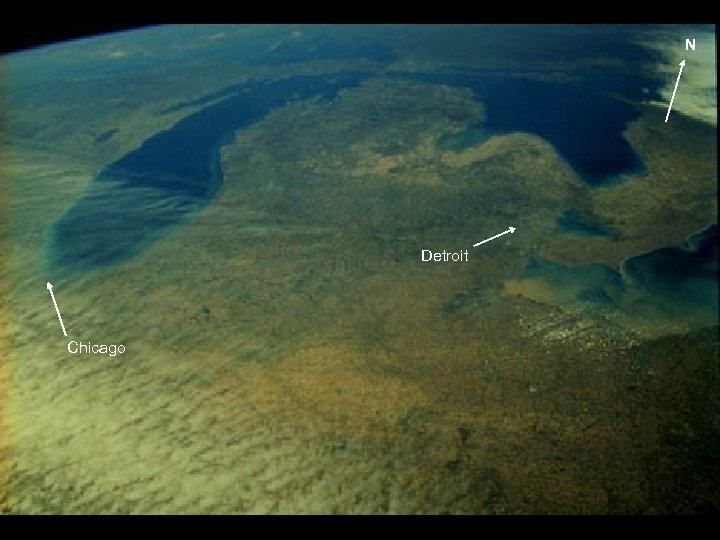 N 90 -746 -056 Detroit Chicago
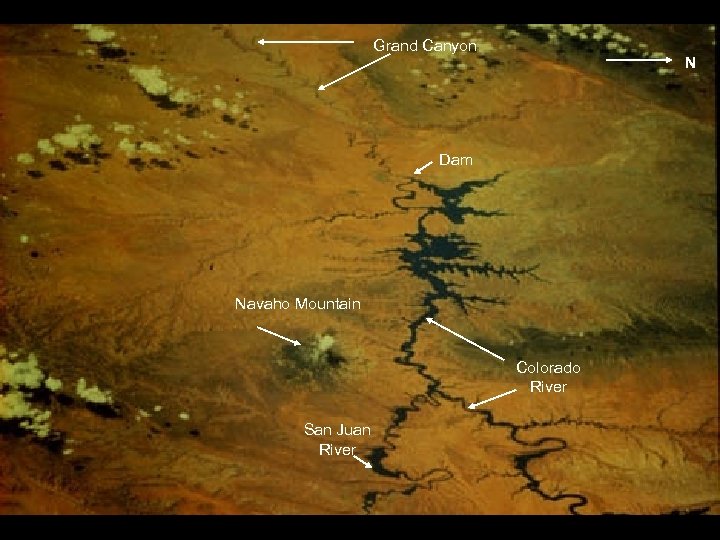 Grand Canyon N 90 -734 -069 Dam Navaho Mountain Colorado River San Juan River
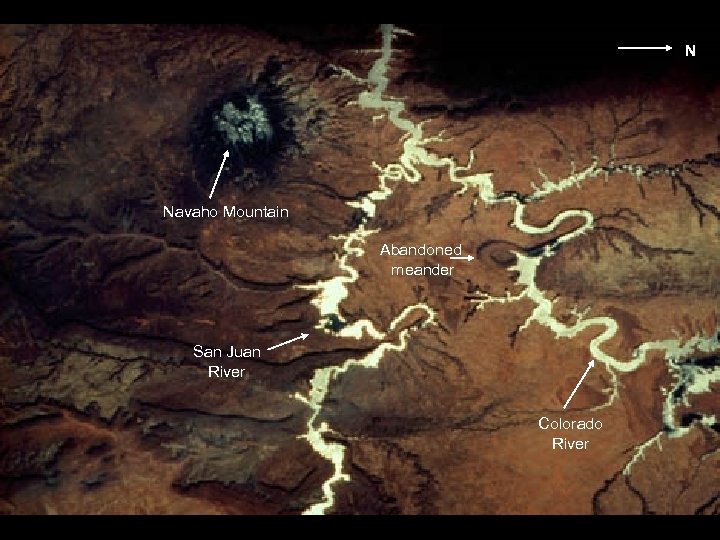 N 90 -755 -055 Navaho Mountain Abandoned meander San Juan River Colorado River
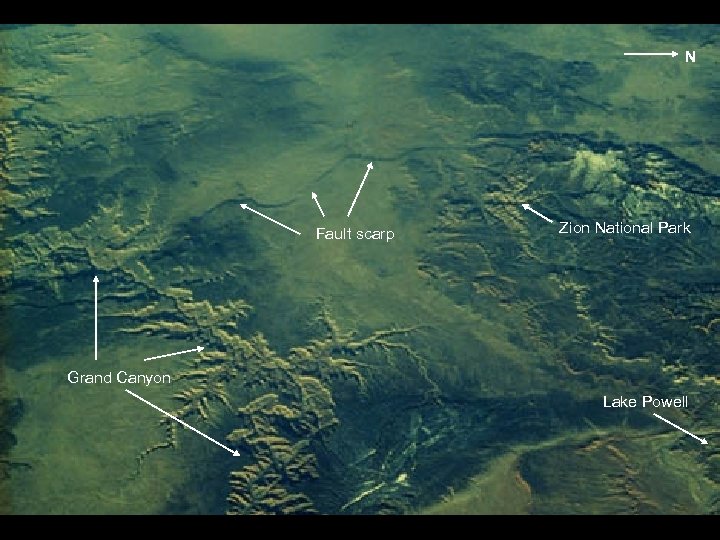 N 27 -45 -018 Fault scarp Zion National Park Grand Canyon Lake Powell
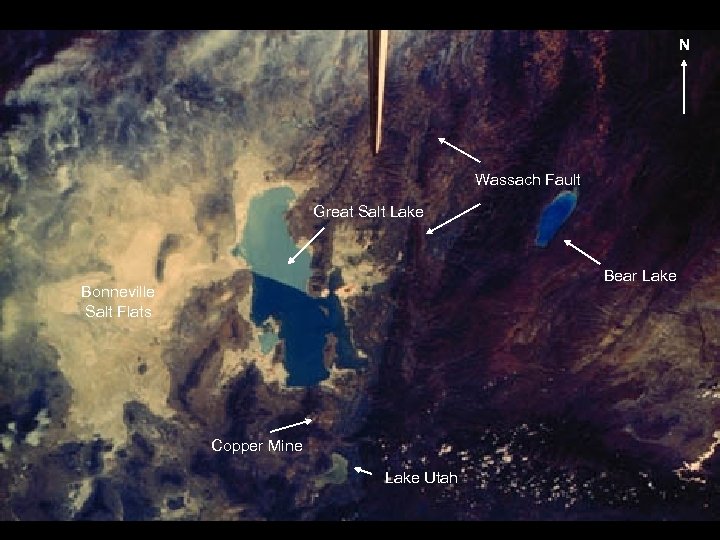 N 47 -151 -481 Wassach Fault Great Salt Lake Bear Lake Bonneville Salt Flats Copper Mine Lake Utah
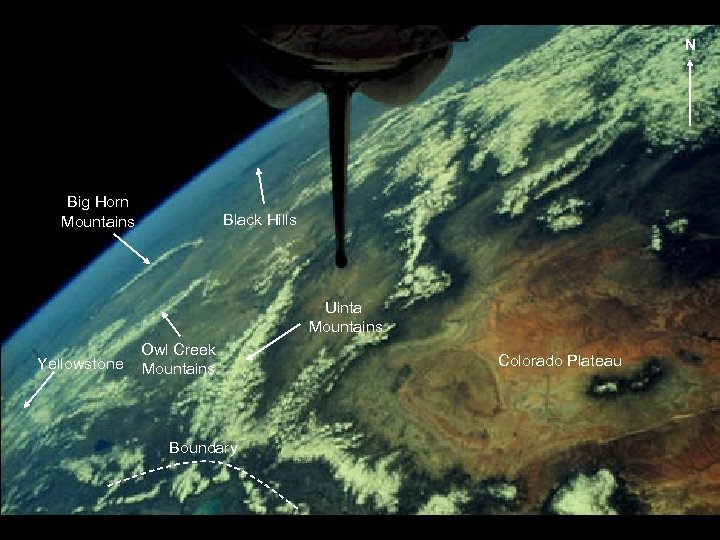 N 90 -754 -026 Big Horn Mountains Black Hills Uinta Mountains Yellowstone Owl Creek Mountains Boundary Colorado Plateau
 VI Fault - San Andreas VI Faults - San Andreas
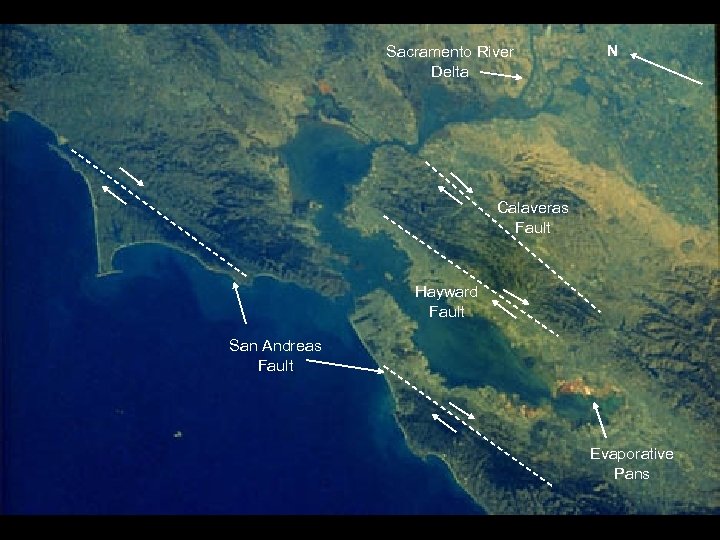 Sacramento River Delta 61 A-46 -039 N Calaveras Fault Hayward Fault San Andreas Fault Evaporative Pans
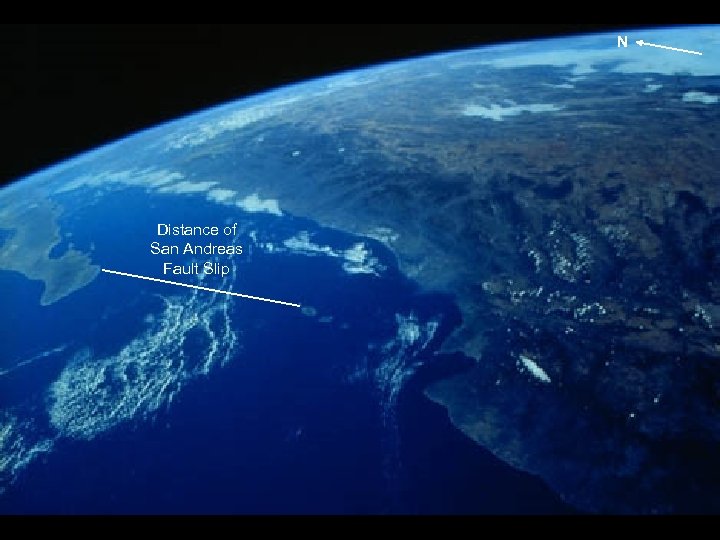 N 81 -711 -048 Distance of San Andreas Fault Slip
 VII Africa, Mediterranean
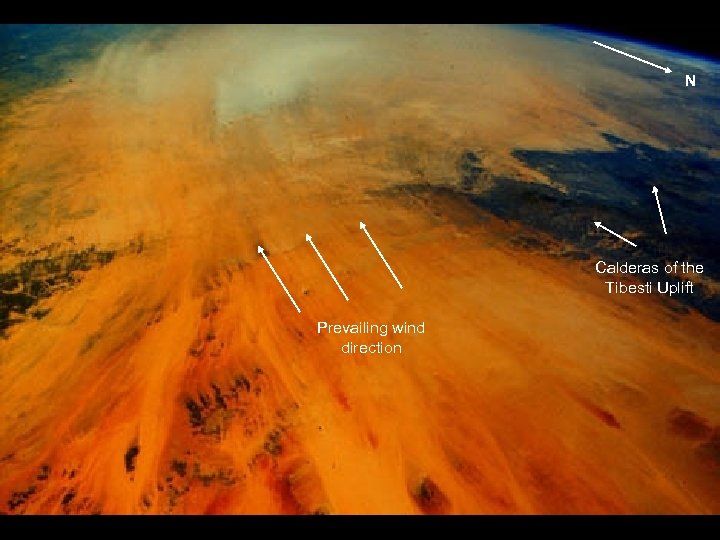 26 -43 -098 N Calderas of the Tibesti Uplift Prevailing wind direction
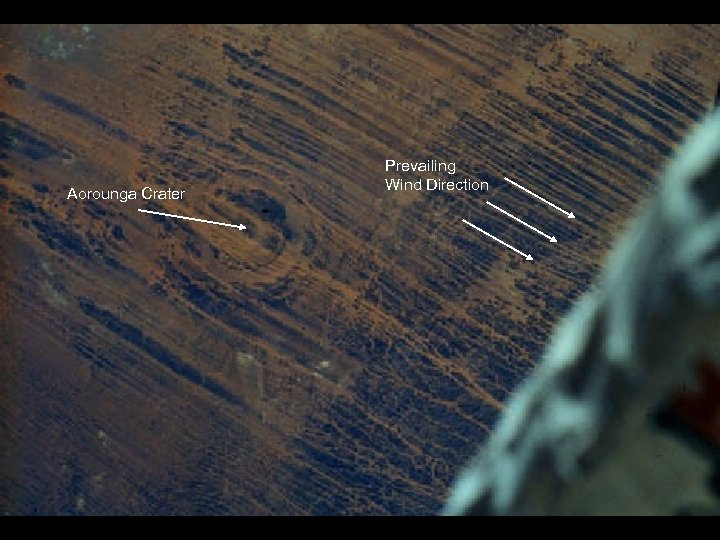 57 -92 -004 Aorounga Crater Prevailing Wind Direction
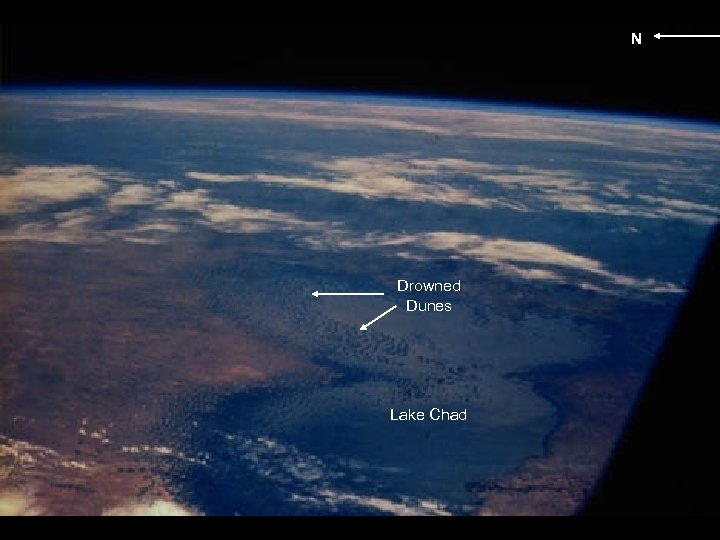 N AS 7 -08 -1932 Drowned Dunes Lake Chad
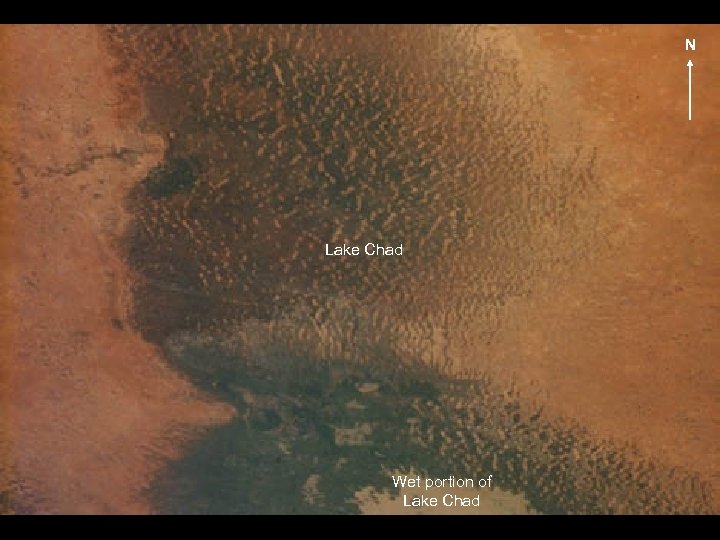 N 05 -39 -1022 Lake Chad Wet portion of Lake Chad
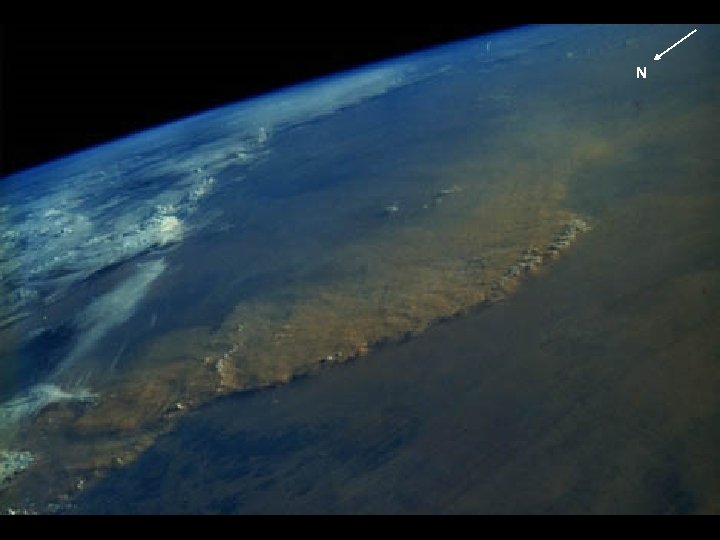 49 -92 -070 N
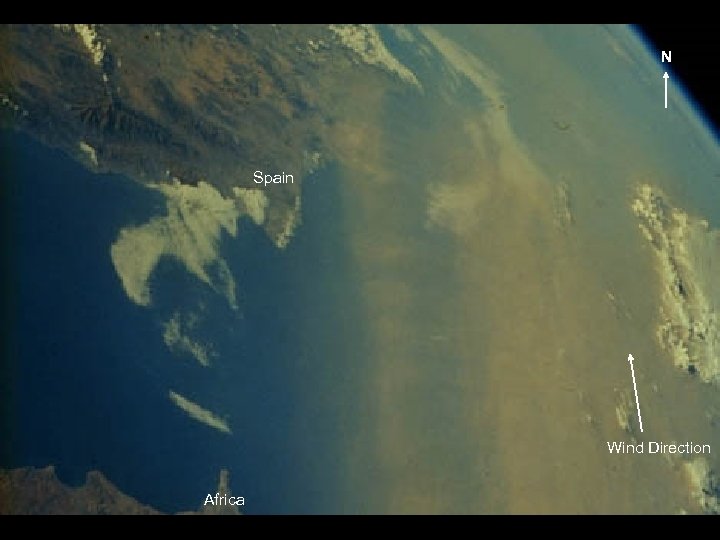 N NASA 5 -708 -047 Spain Wind Direction Africa
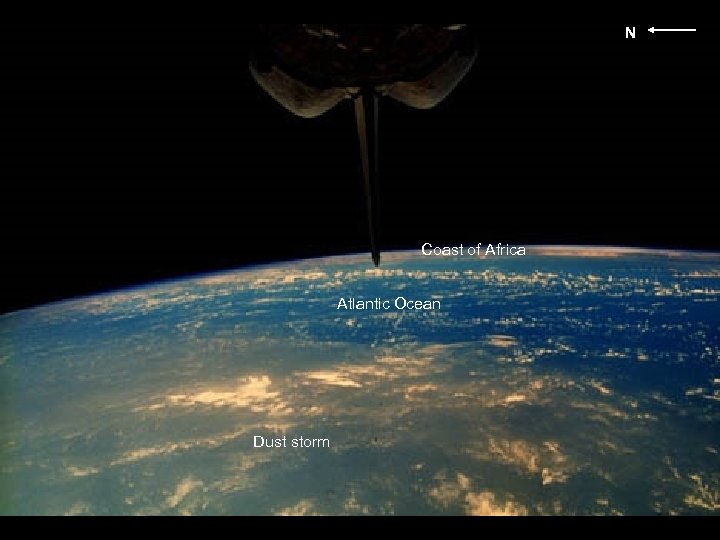 N 43 -96 -004 Coast of Africa Atlantic Ocean Dust storm
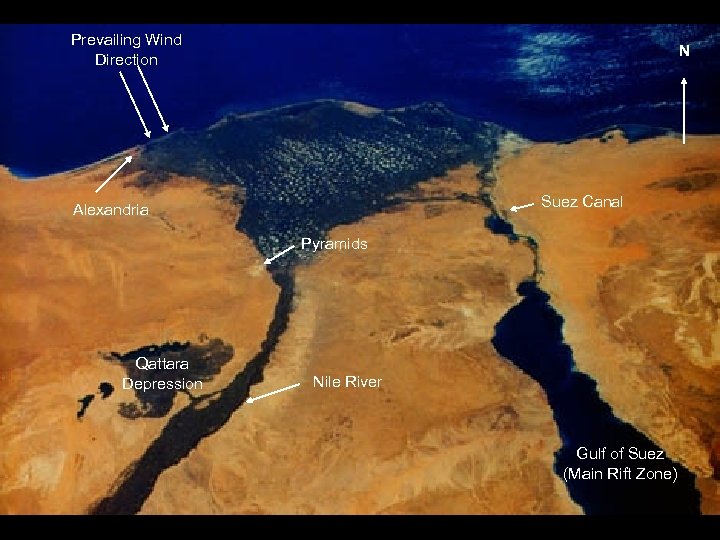 Prevailing Wind Direction N 40 -78 -084 Suez Canal Alexandria Pyramids Qattara Depression Nile River Gulf of Suez (Main Rift Zone)
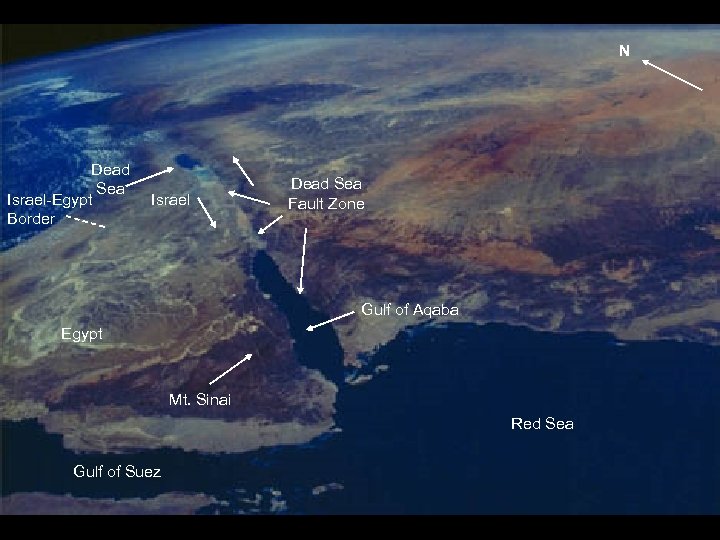 N 43 -94 -078 Dead Sea Israel-Egypt Border Israel Dead Sea Fault Zone Gulf of Aqaba Egypt Mt. Sinai Red Sea Gulf of Suez
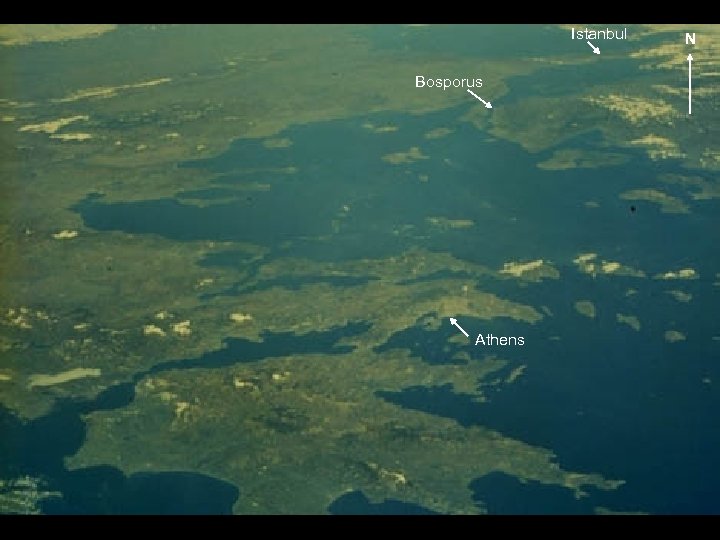 Istanbul NASA 6 -712 -0598 Bosporus Athens N
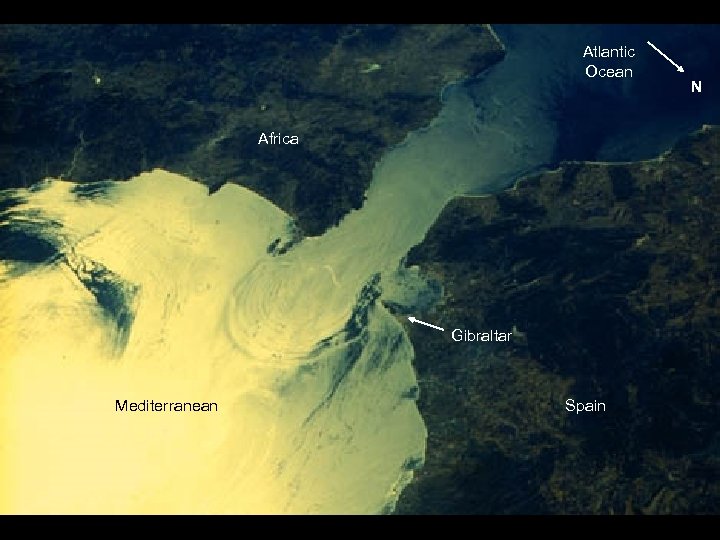 41 G-34 -080 Atlantic Ocean Africa Gibraltar Mediterranean Spain N
 VIII Volcanoes
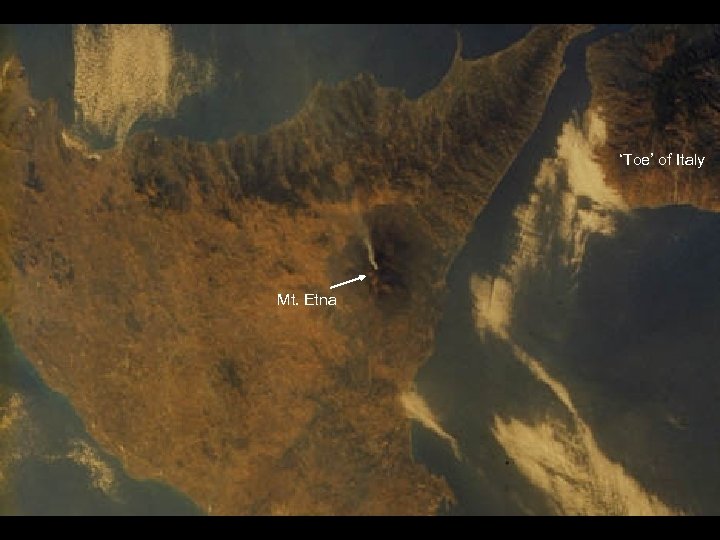 58 -72 -080 ‘Toe’ of Italy Mt. Etna
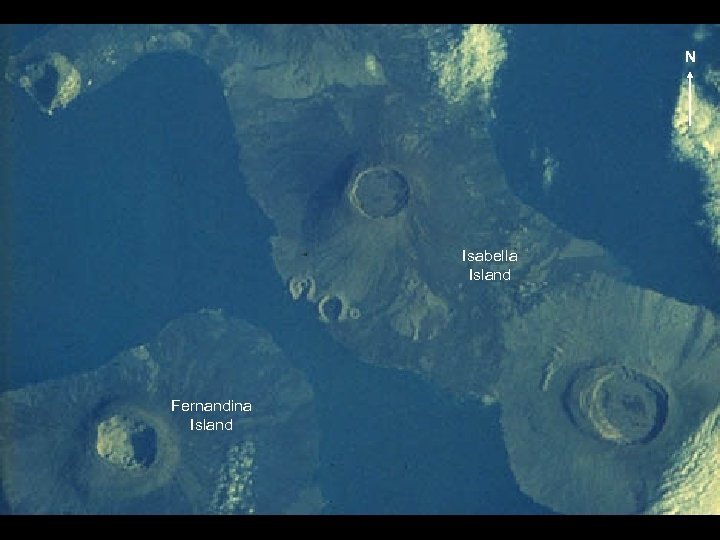 N 27 -77 -018 Isabella Island Fernandina Island
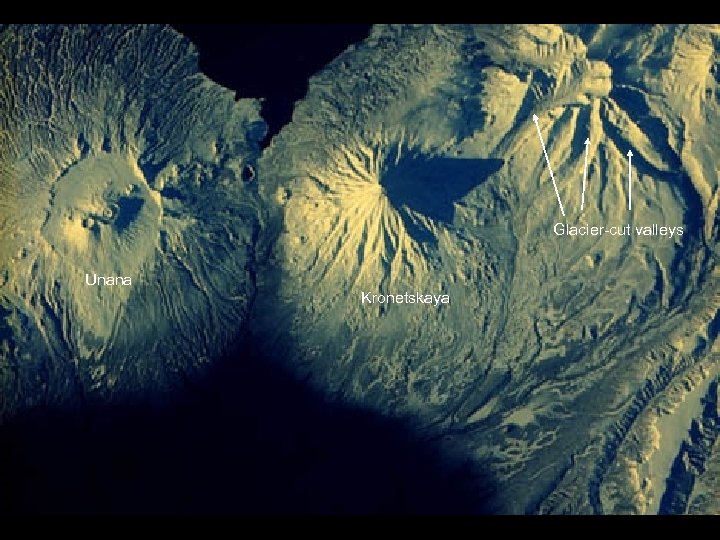 61 A-45 -98 Glacier-cut valleys Unana Kronetskaya
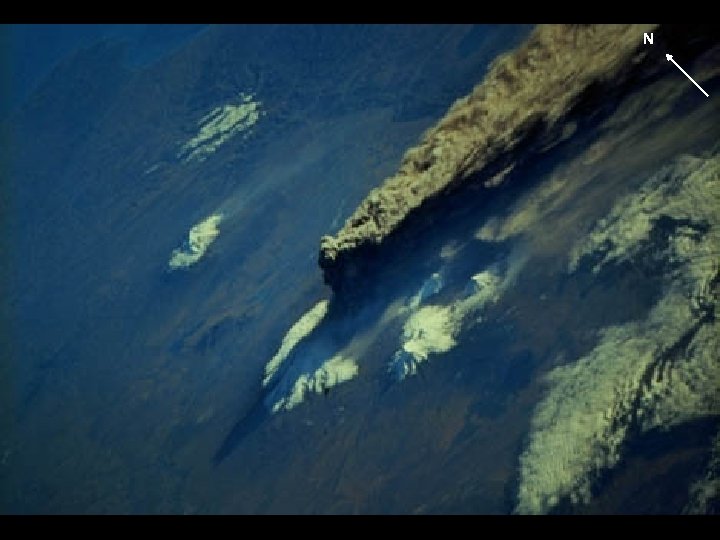 N 68 -214 -011
 IX ‘Lake Clinton’
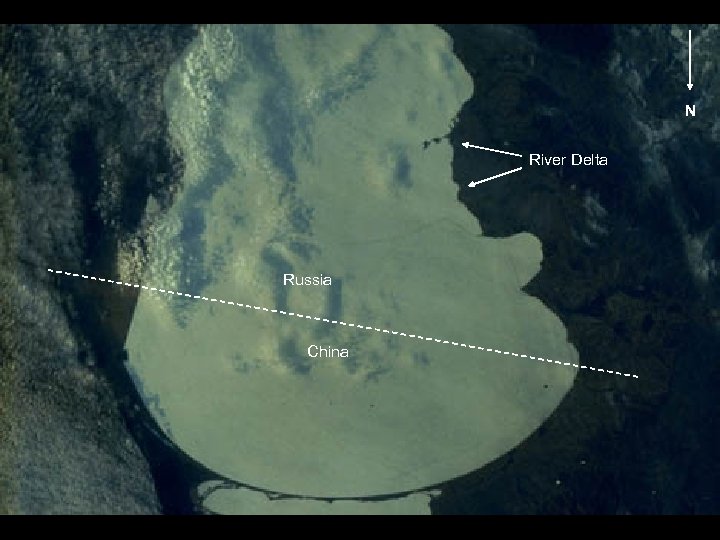 56 -81 -048 N River Delta Russia China
 X Algeria
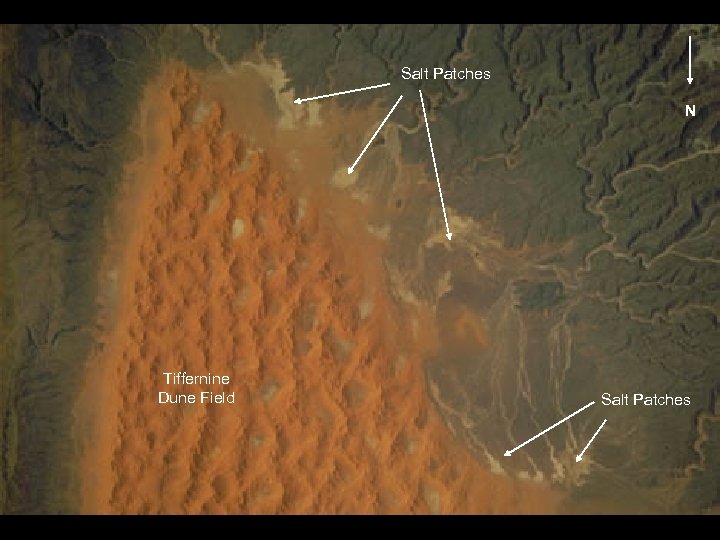 Salt Patches 70 -705 -094 Tiffernine Dune Field N Salt Patches
 XI Human Influence I: Irrigation
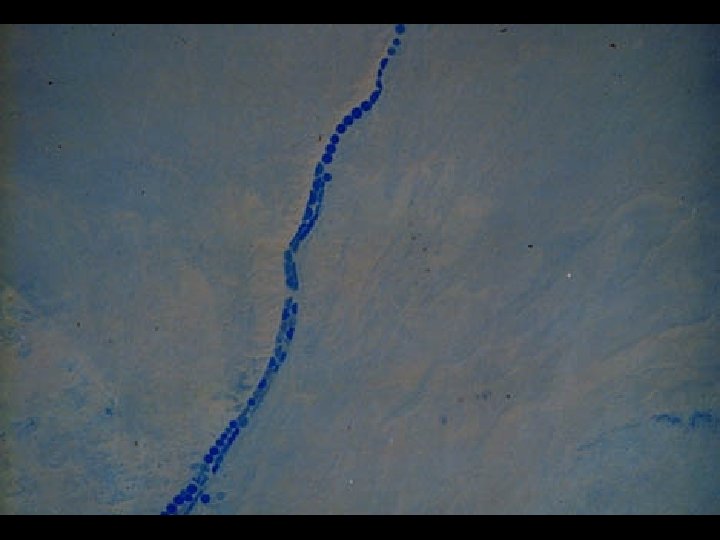 34 -78 -083
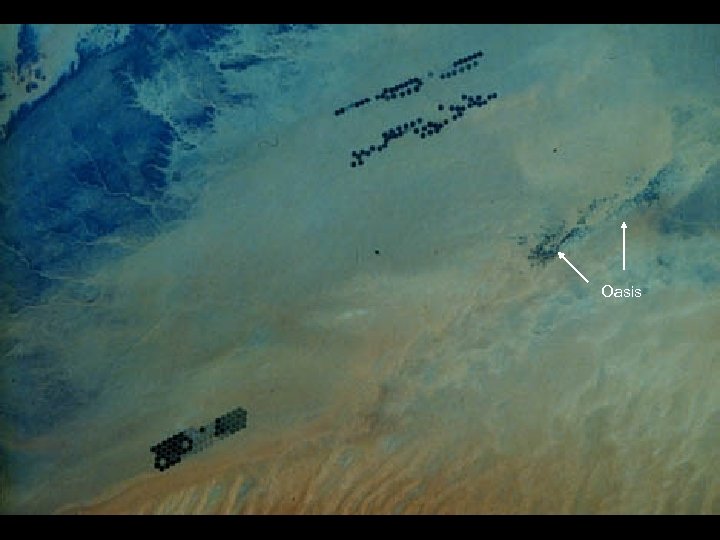 37 -82 -001 Oasis
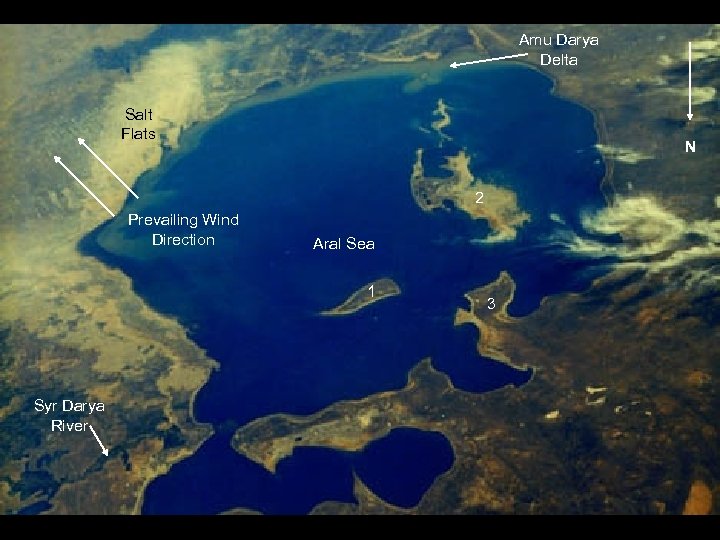 Amu Darya Delta Salt Flats 51 F- 36 -059 N 2 Prevailing Wind Direction Aral Sea 1 Syr Darya River 3
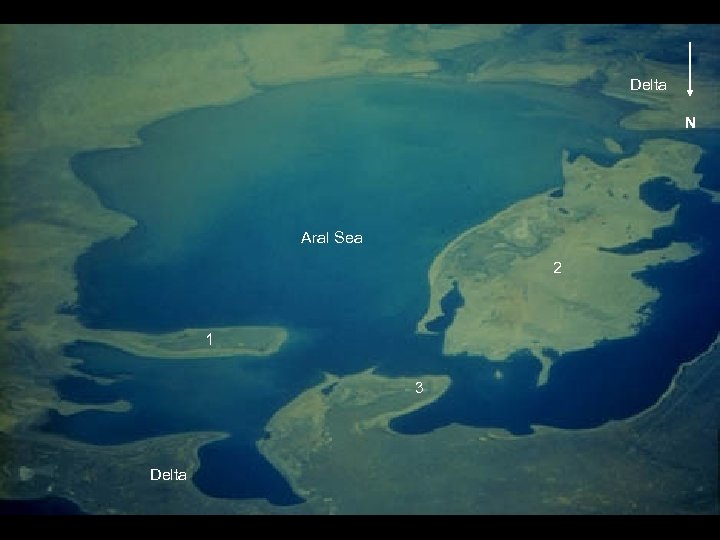 91 -714 -090 Delta N Aral Sea 2 1 3 Delta
 XII Human Influence II: Deforestation
 N 51 I-39 -042
 Andes Mountains N 41 D-40 -022
 51 G-34 -061 Rondonia
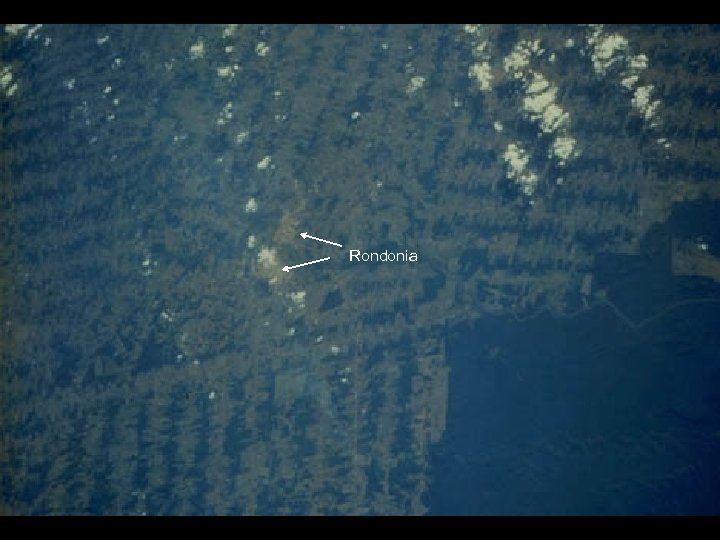 070 -701 -055 Rondonia
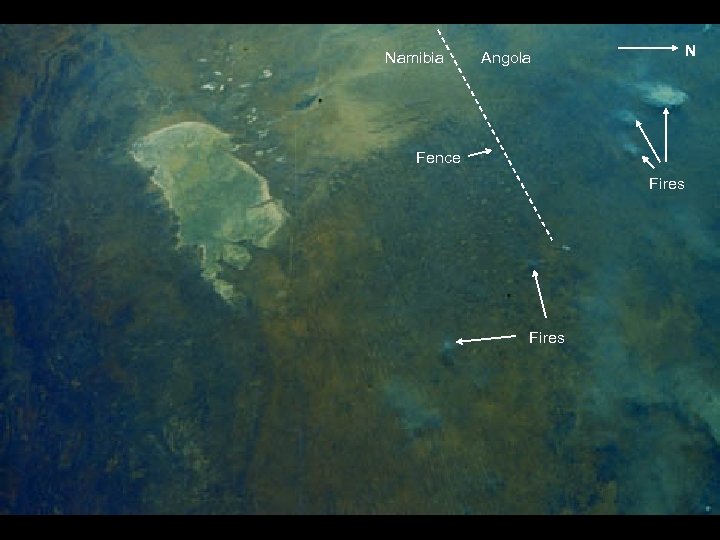 Namibia N Angola 41 D-37 -0067 Fence Fires
 XIII Atmospheric-Oceanic Interactions
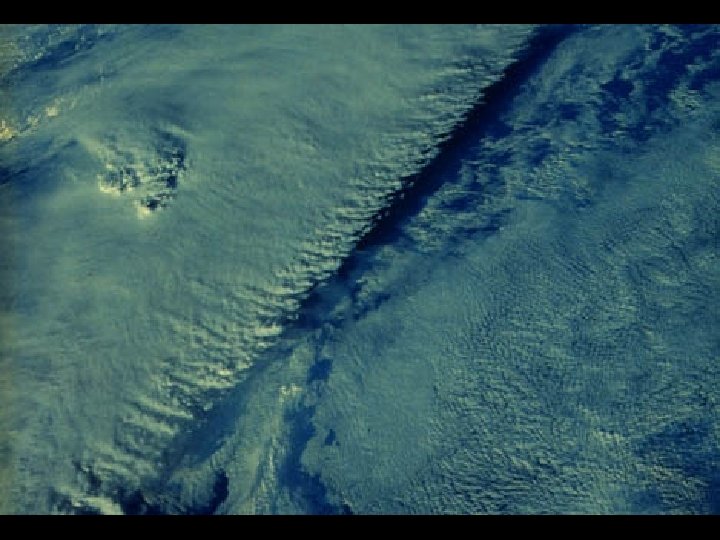 61 B-41 -54 B
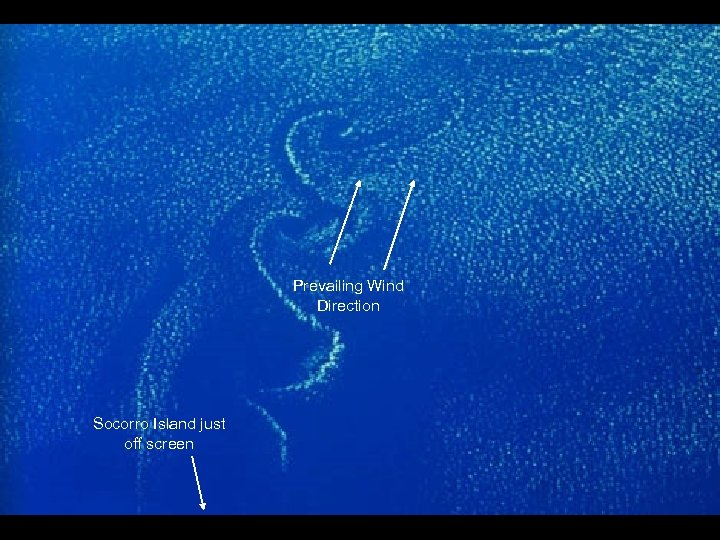 49 -76 -02 Prevailing Wind Direction Socorro Island just off screen
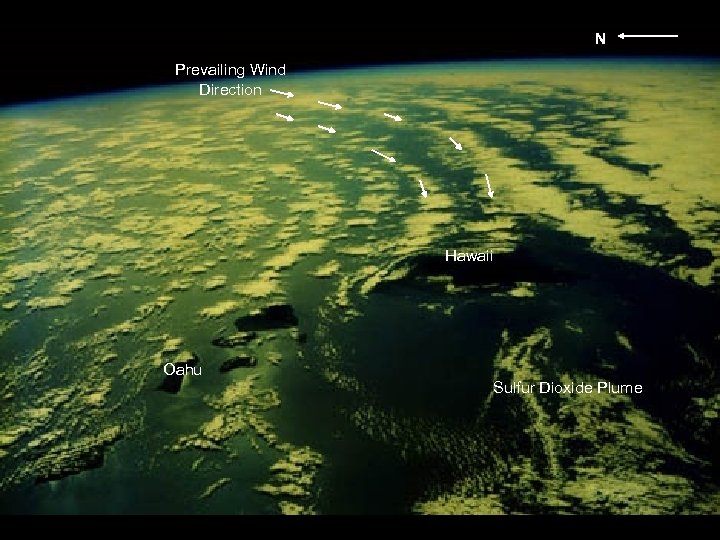 N Prevailing Wind Direction 51 G-47 -014 Hawaii Oahu Sulfur Dioxide Plume
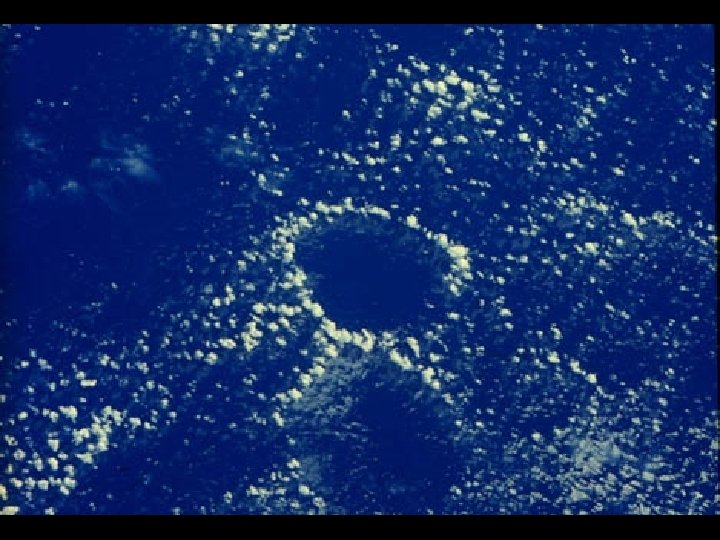 61 C-49 -31
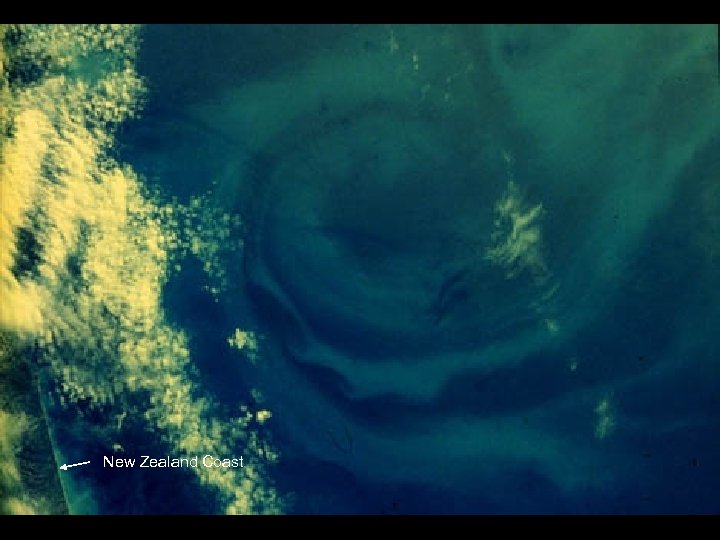 61 A-50 -020 New Zealand Coast
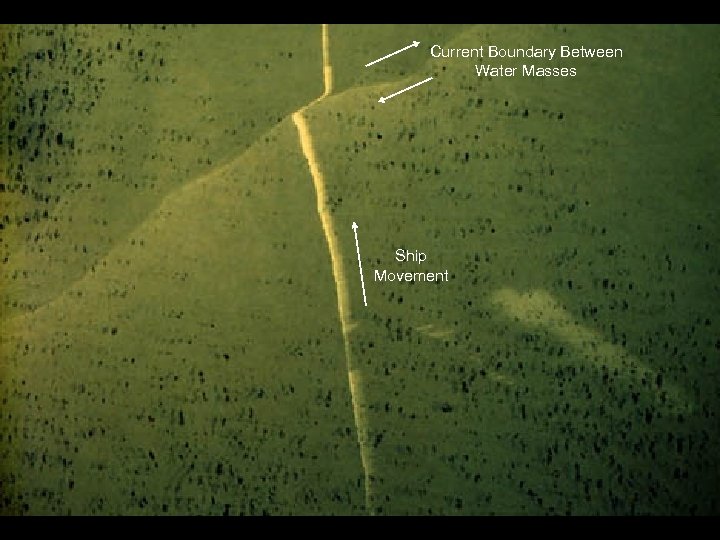 Current Boundary Between Water Masses 51 I-42 -041 Ship Movement
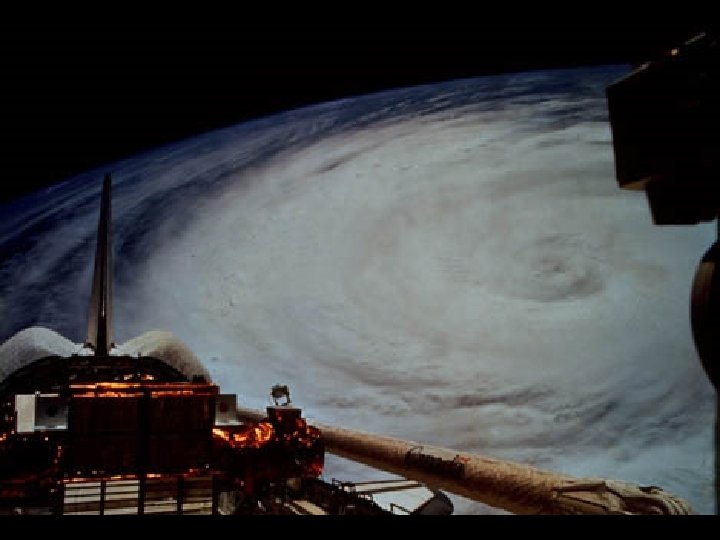 69 -709 -013
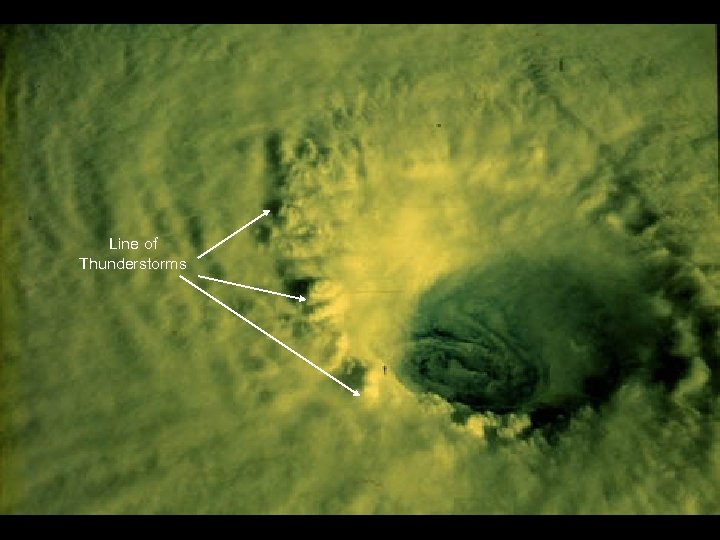 51 I-37 -078 Line of Thunderstorms
 XIV More Faults
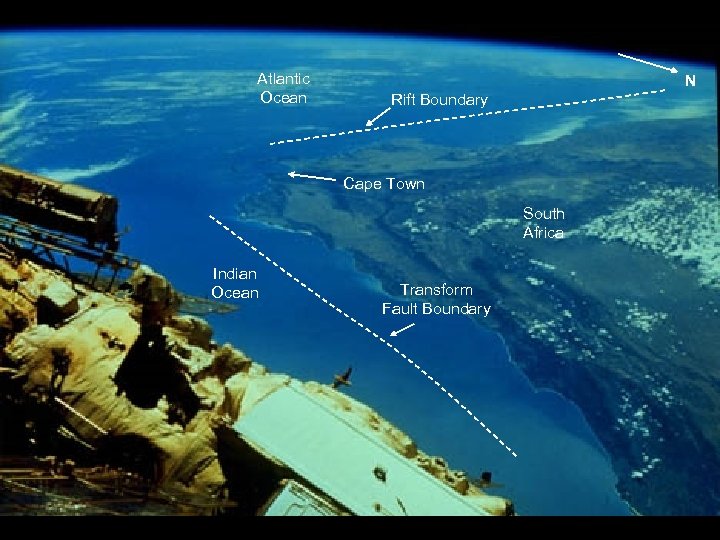 Atlantic Ocean 81 -720 -052 N Rift Boundary Cape Town South Africa Indian Ocean Transform Fault Boundary
 XV Plate Boundaries
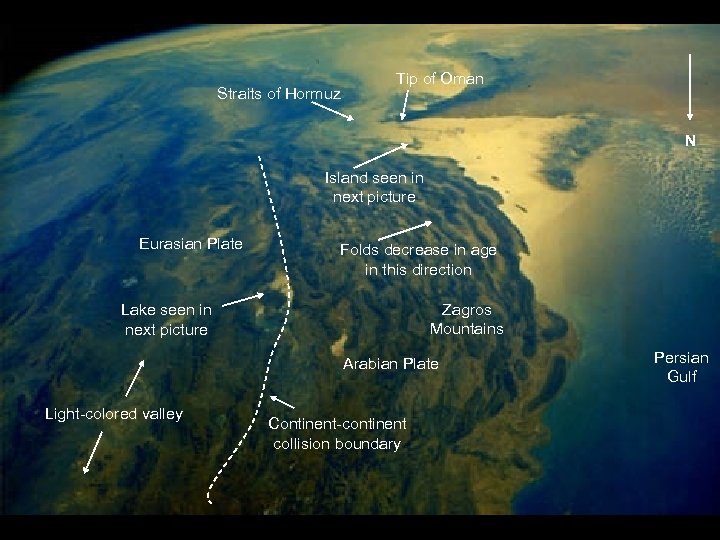 Tip of Oman 27 -152 -006 Straits of Hormuz N Island seen in next picture Eurasian Plate Folds decrease in age in this direction Zagros Mountains Lake seen in next picture Arabian Plate Light-colored valley Continent-continent collision boundary Persian Gulf
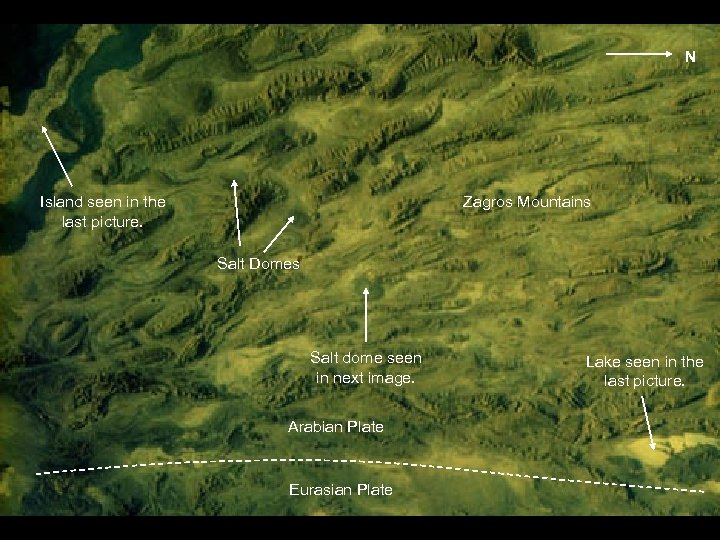 N 27 -44 -015 Zagros Mountains Island seen in the last picture. Salt Domes Salt dome seen in next image. Arabian Plate Eurasian Plate Lake seen in the last picture.
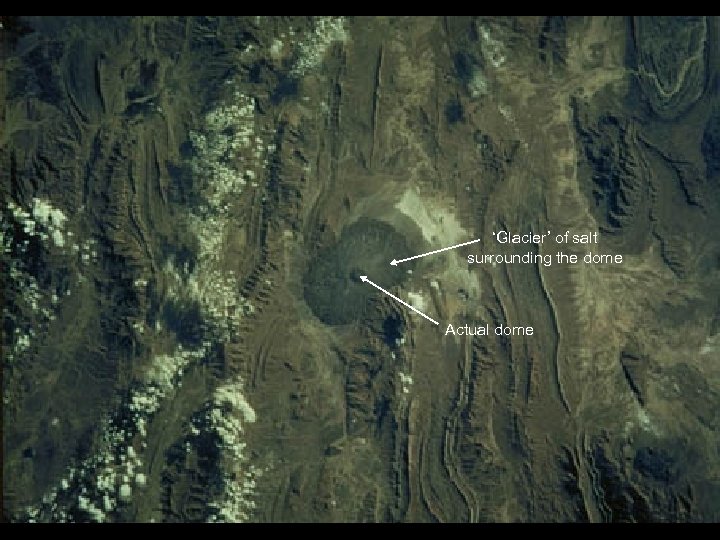 80 -733 -027 ‘Glacier’ of salt surrounding the dome Actual dome
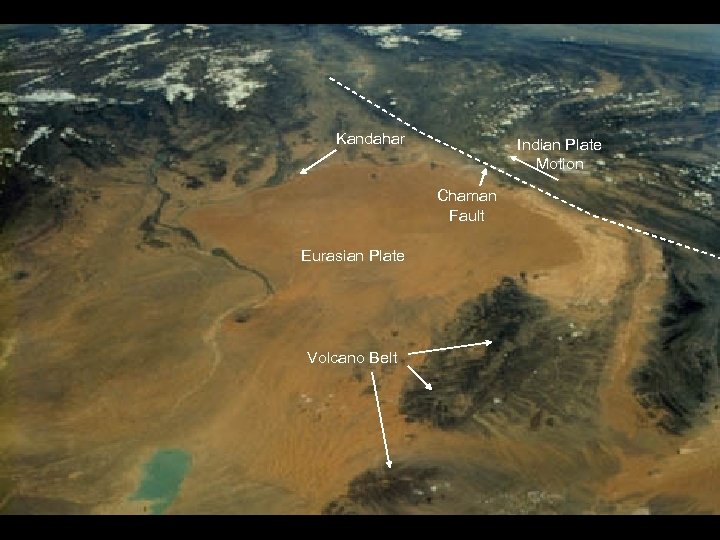 84 -701 -047 Kandahar Indian Plate Motion Chaman Fault Eurasian Plate Volcano Belt
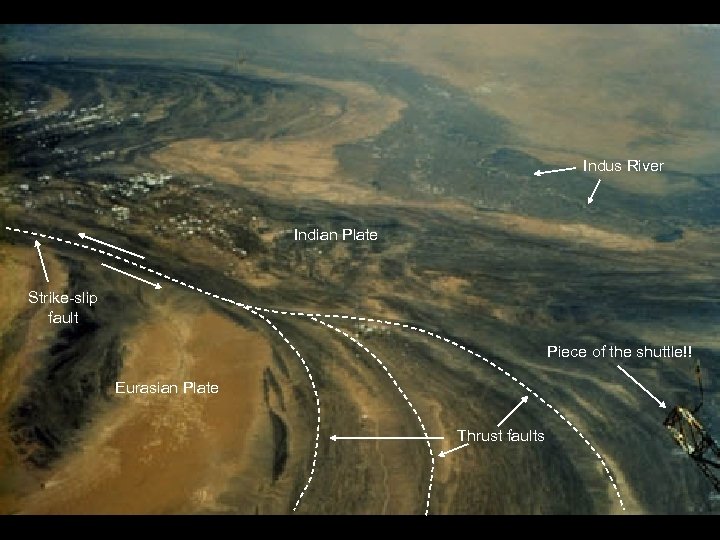 84 -701 -050 Indus River Indian Plate Strike-slip fault Piece of the shuttle!! Eurasian Plate Thrust faults
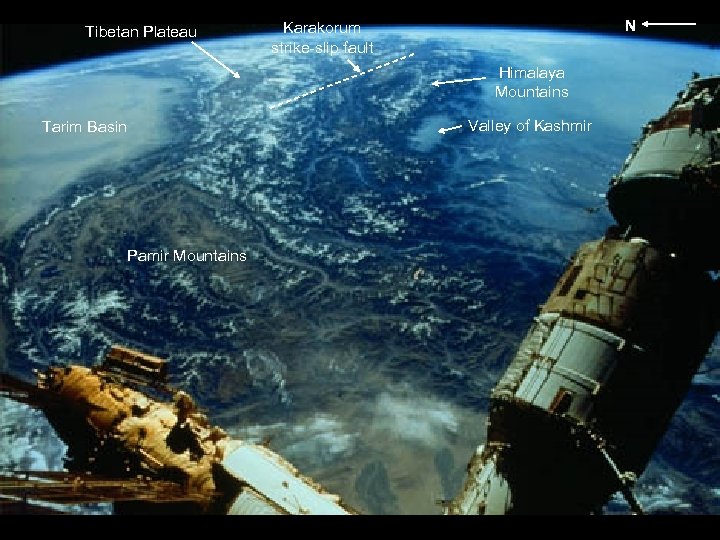 Tibetan Plateau Tarim Basin Pamir Mountains N Karakorum strike-slip fault 79 -789 -075 Himalaya Mountains Valley of Kashmir
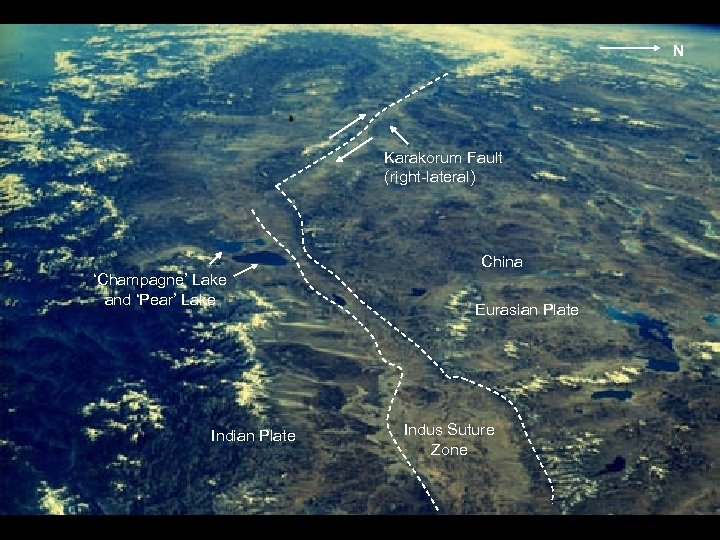 N 17 -31 -052 Karakorum Fault (right-lateral) China ‘Champagne’ Lake and ‘Pear’ Lake Indian Plate Eurasian Plate Indus Suture Zone
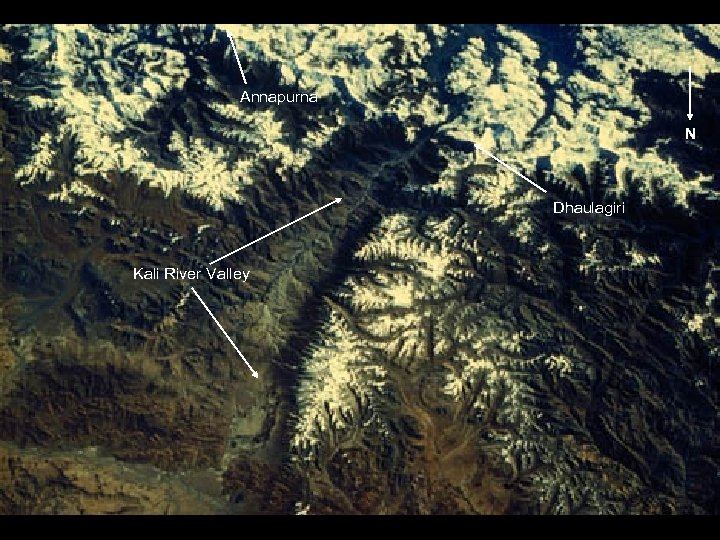 17 -31 -047 Annapurna N Dhaulagiri Kali River Valley
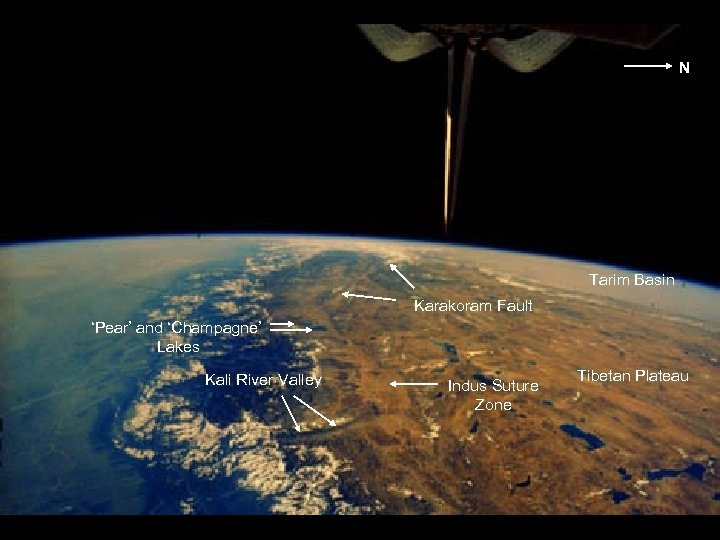 N 17 -120 -022 Tarim Basin Karakoram Fault ‘Pear’ and ‘Champagne’ Lakes Kali River Valley Indus Suture Zone Tibetan Plateau
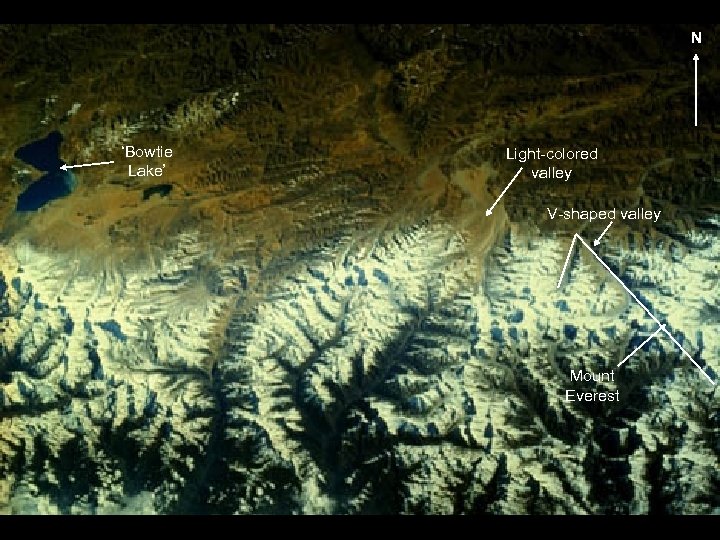 N 55 -95 -004 ‘Bowtie Lake’ Light-colored valley V-shaped valley Mount Everest
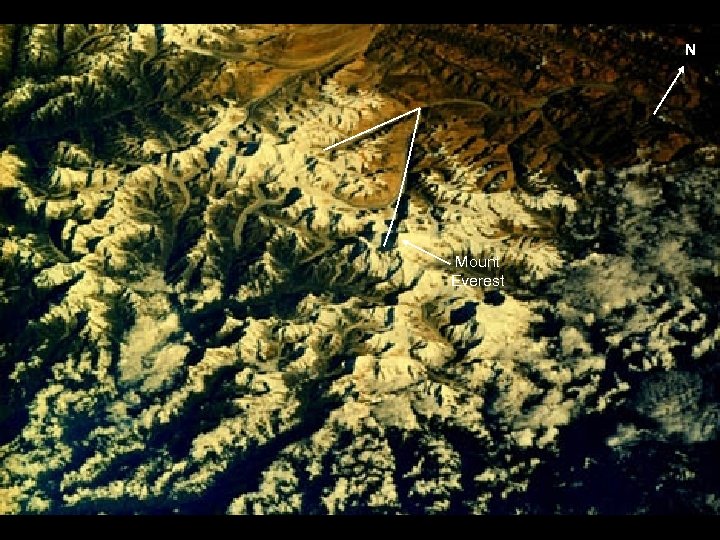 N 26 -34 -006 Mount Everest
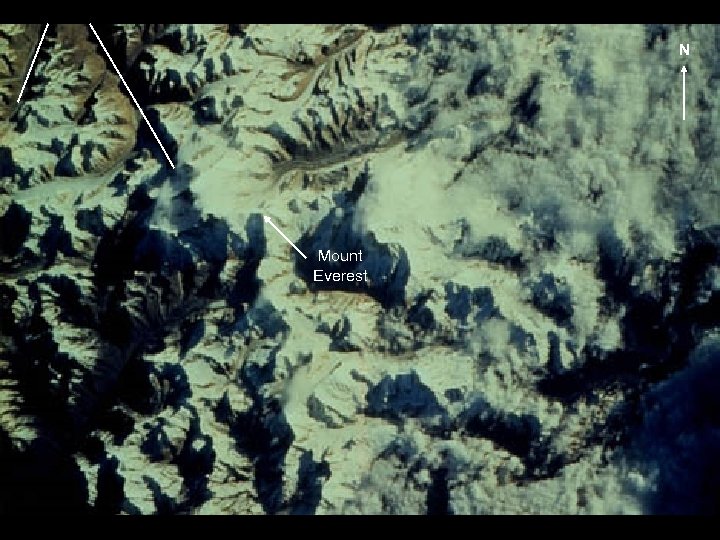 N 90 -719 -020 Mount Everest
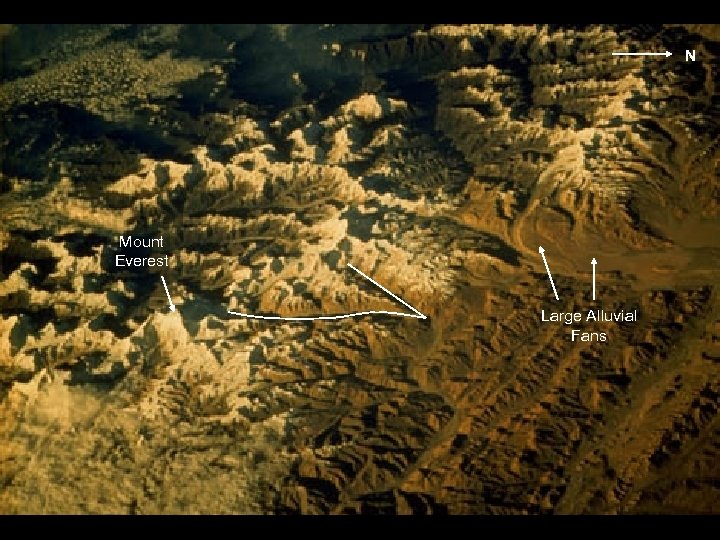 N 58 -101 -022 Mount Everest Large Alluvial Fans
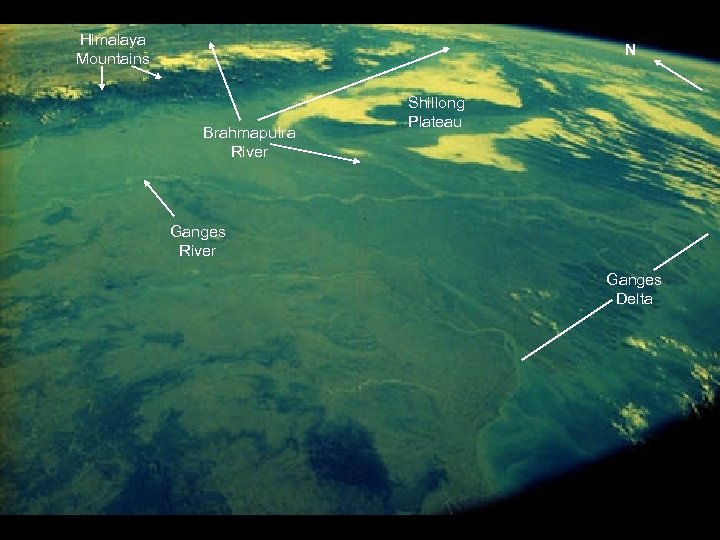 Himalaya Mountains N 27 -37 -021 Brahmaputra River Shillong Plateau Ganges River Ganges Delta
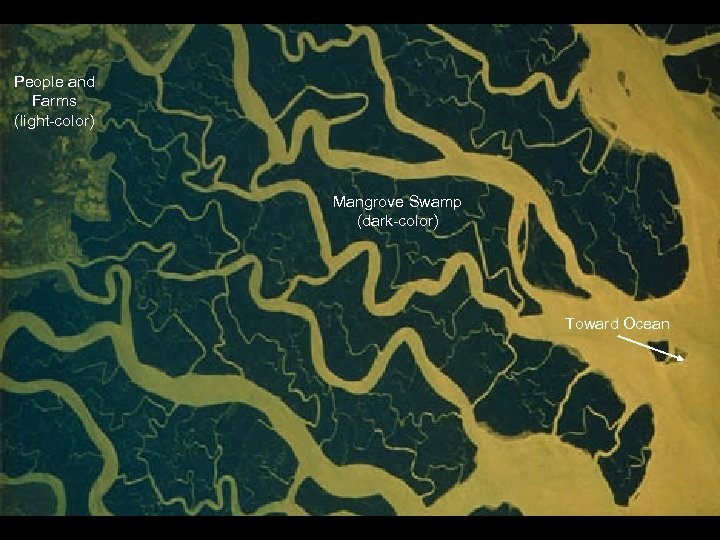 People and Farms (light-color) 87 -707 -092 Mangrove Swamp (dark-color) Toward Ocean
 XVI Spacecraft
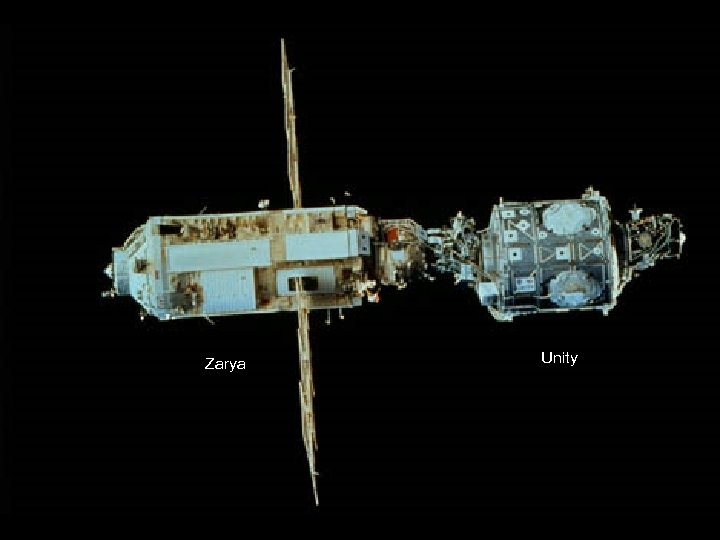 88 -703 -019 Zarya Unity
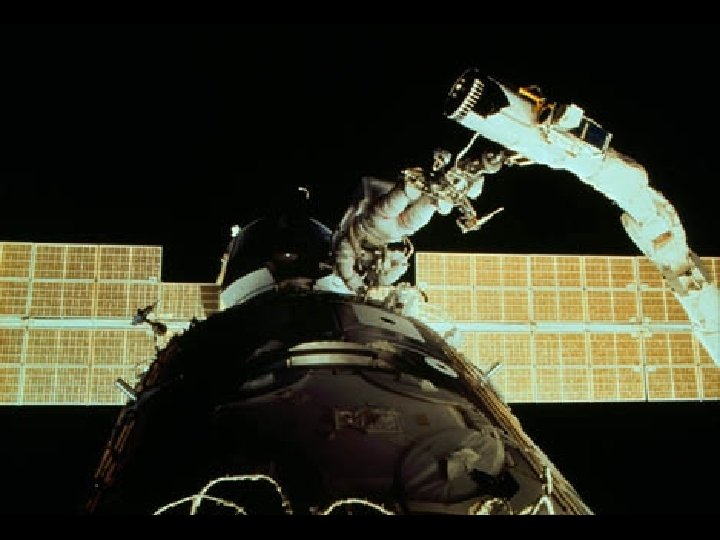 88 -737 -062
 XVII Moonset
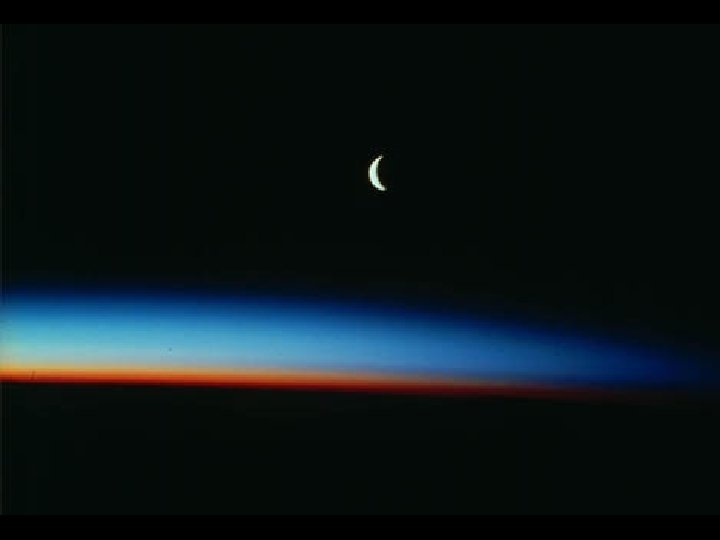 NASA 6 -708 -068 A
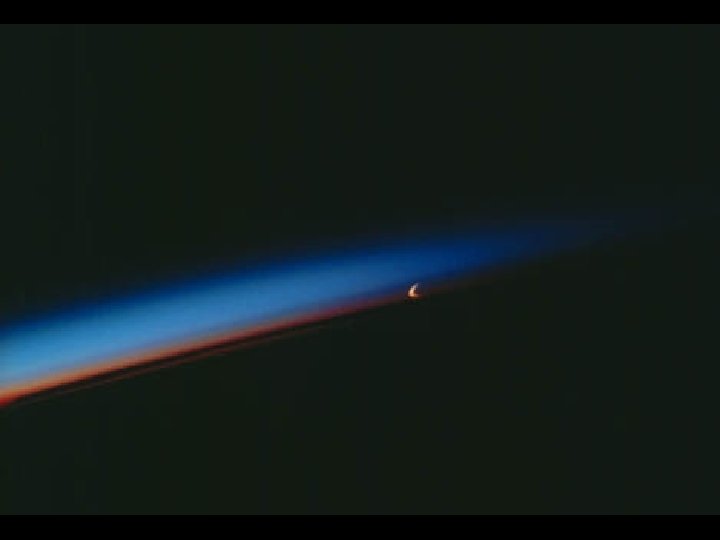 NASA 6 -708 -068 C
 XVIII Exercises Water Cycle: • • • Where do we find freshwater? (rivers; lakes; groundwater; glaciers) Where do we find saltwater? (oceans; lakes with closed basins, i. e. , the Great Salt Lake) What are common sources of freshwater for drinking water and agriculture? (rivers; lakes; groundwater) What is the source of drinking water for Austin? (Colorado River water) What is the source of drinking water for San Antonio? (Edwards Aquifer) Discuss some advantages and disadvantages to the use of surface water versus groundwater as a drinking water resource. (River water availability will depend on recent precipitation history and thus may be undependable. This is one reason for the dams on the Colorado River water is more likely to carry diseases and thus must be carefully processed by a water treatment plant. Groundwater in some places is a finite resource, where water is extracted, but it is not replenished [i. e. , the Ogalalla Aquifer]. Thus the groundwater is mined, and once pumped it is gone. Once polluted, and aquifer is extremely difficult to clean-up. ) XVIII Exercises Rock Cycle: • • • Discuss one aspect of the rock cycle described in this presentation, weathering transportation and deposition of sediment. (see http: //www. science. ubc. ca/~geol 202/rock_cycle/rockcycle. html) Where does weathering occur? (soils, bare rock, beneath glaciers) How is water involved with chemical weathering? (Some minerals partially dissolve in liquid water forming dissolved ions and new minerals, clay minerals for example; this reaction is more rapid at warmer temperatures. ) How are glaciers involved with physical weathering? (Flowing ice incorporates rock pieces and scrapes these pieces of rock against the bedrock and physically disaggregates a rock, forming fine particles. ) What are the products of weathering? (dissolved chemicals, new minerals, and smaller pieces of preexisting minerals [sand for example]). Where do these products of weathering end up? (in lakes, oceans, beaches, etc. , transported by the action of wind and water) For any given image in this presentation, determine what part(s) of the rock cycle or water cycle we are viewing.
 XIX Citations Bates, R. L. and Jackson, J. A. (eds. ), 1980. Glossary of Geology, 2 nd Edition. American Geological Institute, Virginia. Monroe, J. S. and Wicander, R. (eds. ), 1997. The Changing Earth: Exploring Geology and Evolution, 2 nd Edition. West / Wadsworth, California. Montgomery, C. W. , 2000. Environmental Geology, Updated 5 th Edition. Mc. Graw-Hill, Boston. Prothero D. R. and Schwab, F. (eds. ), 1996. Sedimentary Geology: An Introduction to Sedimentary Rocks and Stratigraphy. W. H. Freeman and Company, New York.
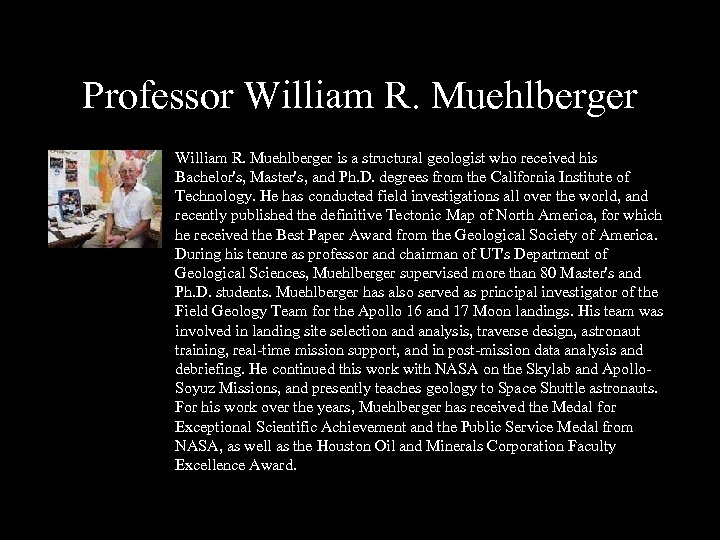 Professor William R. Muehlberger is a structural geologist who received his Bachelor's, Master's, and Ph. D. degrees from the California Institute of Technology. He has conducted field investigations all over the world, and recently published the definitive Tectonic Map of North America, for which he received the Best Paper Award from the Geological Society of America. During his tenure as professor and chairman of UT's Department of Geological Sciences, Muehlberger supervised more than 80 Master's and Ph. D. students. Muehlberger has also served as principal investigator of the Field Geology Team for the Apollo 16 and 17 Moon landings. His team was involved in landing site selection and analysis, traverse design, astronaut training, real-time mission support, and in post-mission data analysis and debriefing. He continued this work with NASA on the Skylab and Apollo. Soyuz Missions, and presently teaches geology to Space Shuttle astronauts. For his work over the years, Muehlberger has received the Medal for Exceptional Scientific Achievement and the Public Service Medal from NASA, as well as the Houston Oil and Minerals Corporation Faculty Excellence Award.