


 Скачать презентацию 1991 2011 A 20 Year History of
61614034719ea635f73f687353cb3a73.ppt
- Количество слайдов: 23
 1991 – 2011: A 20 Year History of Biofuels policy and the impact on the Recreational Marine Industry Biofuels Thom Dammrich, NMMA 1
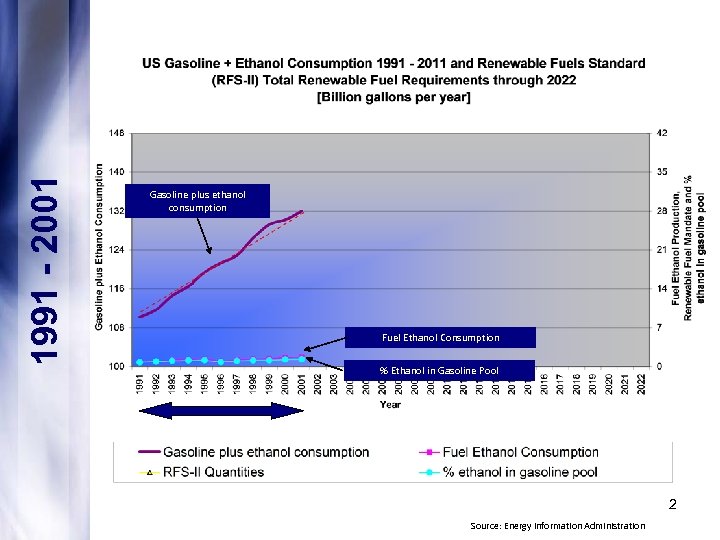 1991 - 2001 Gasoline plus ethanol consumption Fuel Ethanol Consumption % Ethanol in Gasoline Pool 2 Source: Energy Information Administration
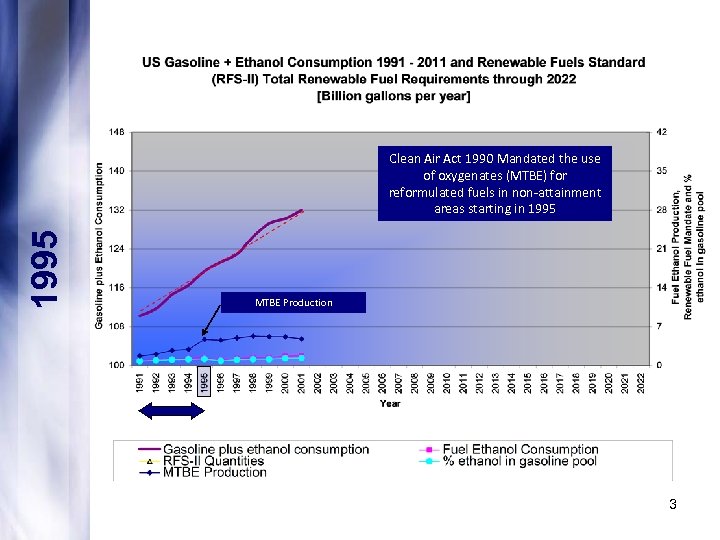 1995 Clean Air Act 1990 Mandated the use of oxygenates (MTBE) for reformulated fuels in non-attainment areas starting in 1995 MTBE Production 3
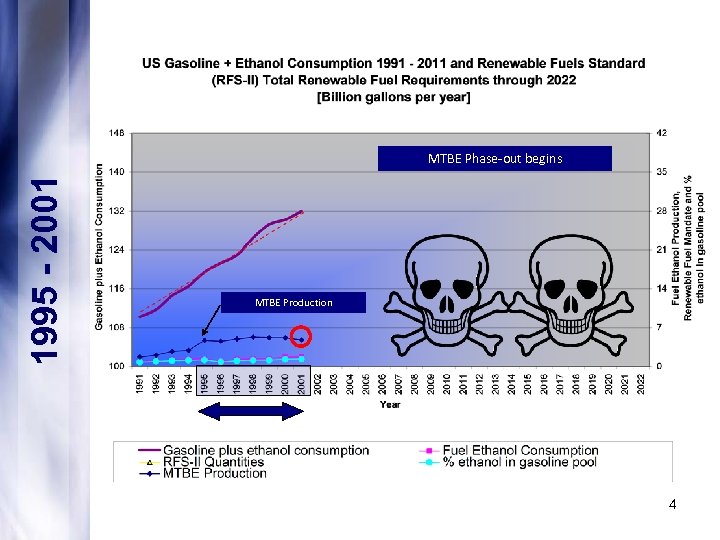 1995 - 2001 MTBE Phase-out begins MTBE Production 4
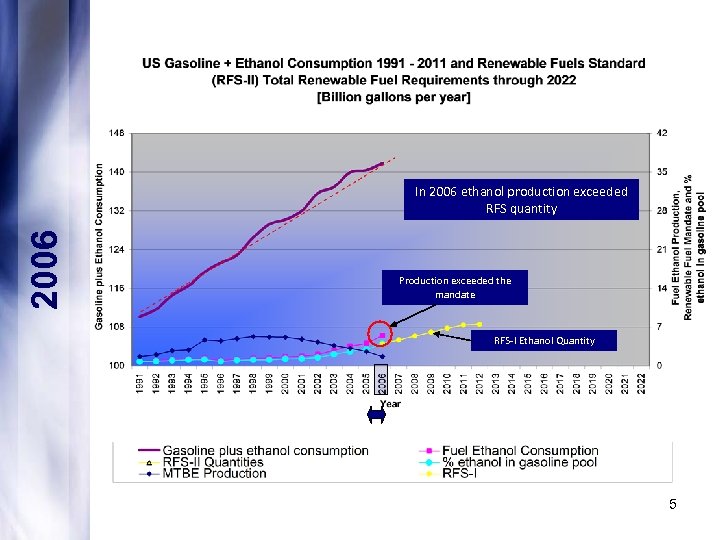 2006 In 2006 ethanol production exceeded RFS quantity Production exceeded the mandate RFS-I Ethanol Quantity 5
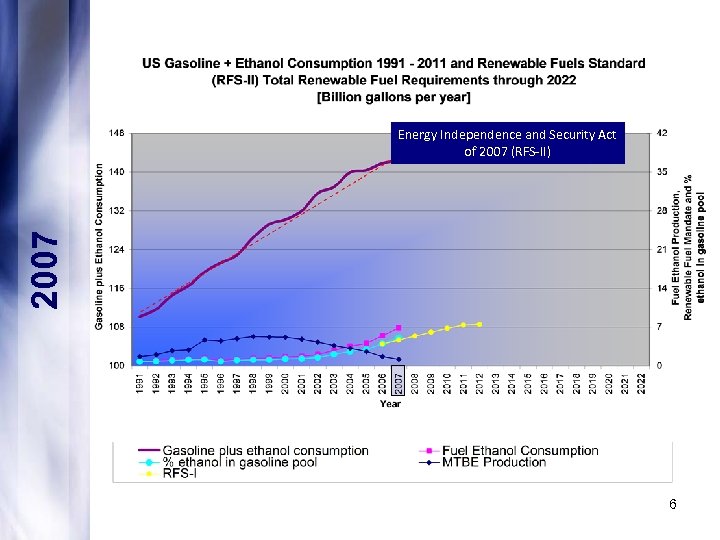 2007 Energy Independence and Security Act of 2007 (RFS-II) 6
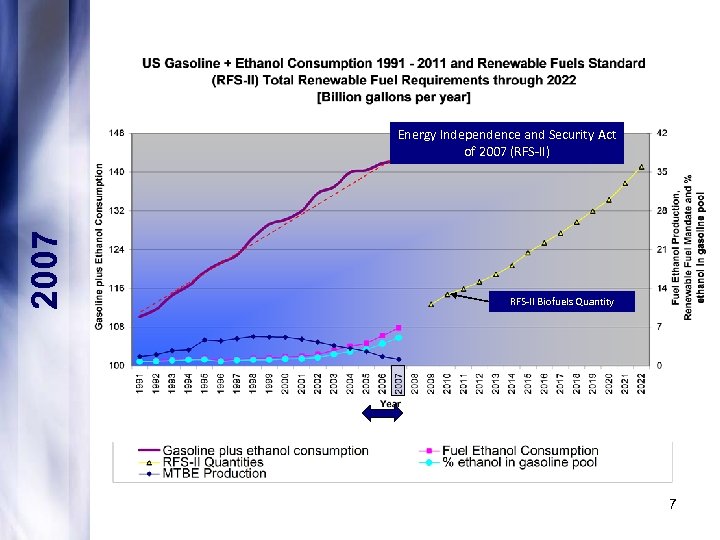 2007 Energy Independence and Security Act of 2007 (RFS-II) RFS-II Biofuels Quantity 7
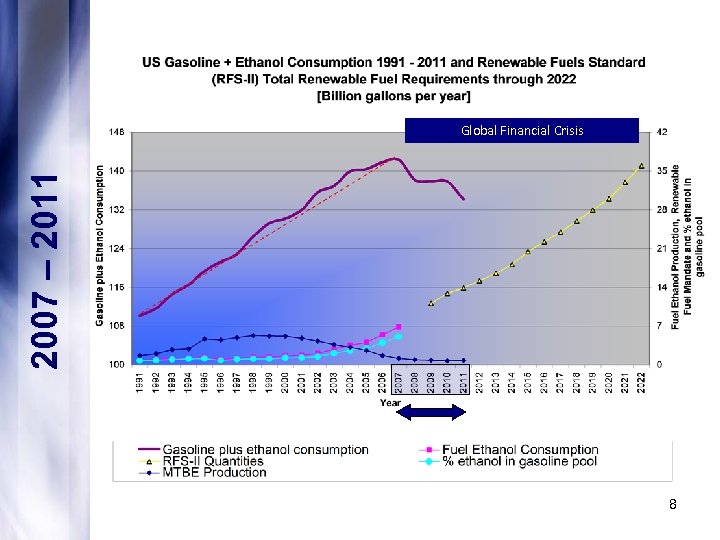 2007 – 2011 Global Financial Crisis 8
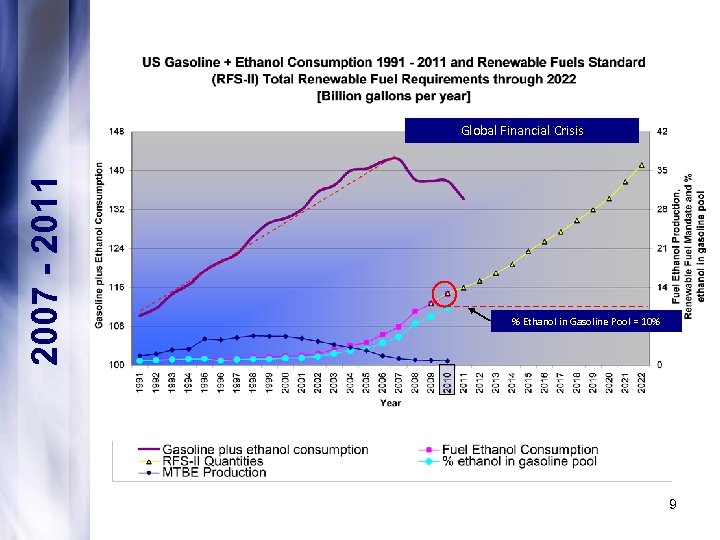 2007 - 2011 Global Financial Crisis % Ethanol in Gasoline Pool = 10% 9
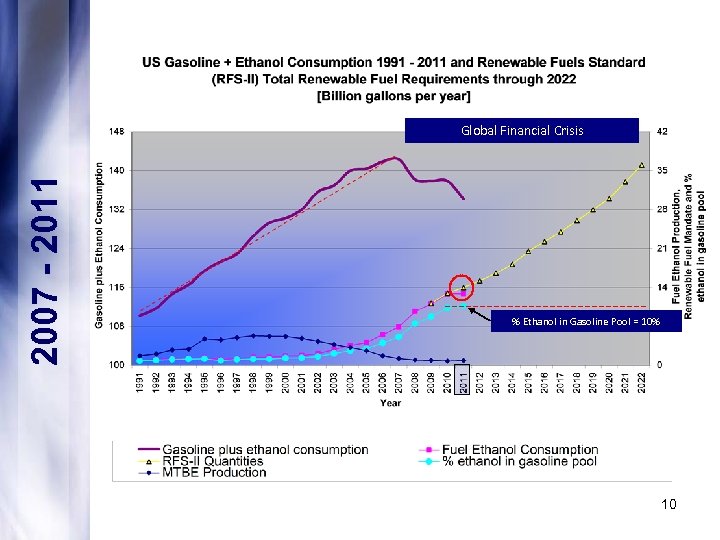 2007 - 2011 Global Financial Crisis % Ethanol in Gasoline Pool = 10% 10
 A DOE Funded Mercury Marine and Volvo Penta study of the effects of running 15% ethanol concentration in current production 4 -stroke engines and “legacy” 2 -stroke engines – Verado 300 hp Outboard – Mercury Marine – 9. 9 hp four stroke outboard- Mercury Marine – 200 HP EFI 2. 5 L 2 Stroke- Mercury Marine – 4. 3 Liter Volvo Penta Inboard Engine
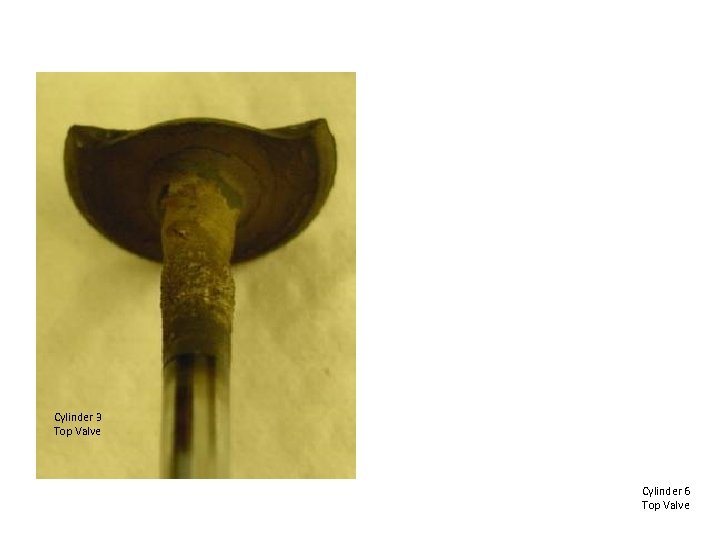 Cylinder 3 Top Valve Cylinder 6 Top Valve
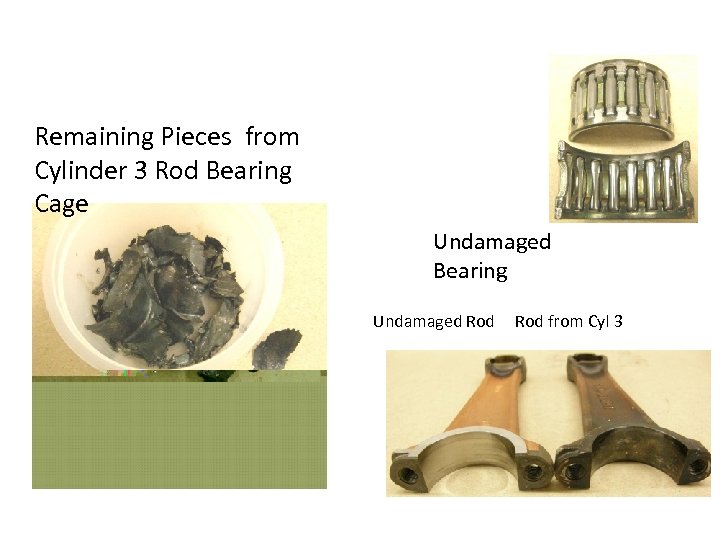 Remaining Pieces from Cylinder 3 Rod Bearing Cage Undamaged Bearing Undamaged Rod from Cyl 3
 5. Solutions The US Market was saturated with ethanol in 2010. The industry cannot continue to grow beyond that of exports. – Solutions: • Quickly start consuming more gasoline (ridiculous) • Realign the RFS to match the new fuel demand reality (unlikely - does nothing to address the growth of the ethanol industry) • Raise the amount of ethanol allowed in gasoline (E 15 waiver request granted – source of much debate, will cause issues) • Explore other alternative fuels that can better satisfy the RFS volumes without affecting millions of existing engines 14
 What is Butanol? • A four carbon alcohol (C 4 H 9 OH), colorless, neutral liquid of medium volatility with a characteristic banana-like odor. • Traditionally petrochemical derived Generally used to make other chemicals, or used as a solvent or an ingredient in formulated products such as cosmetics. 15
 Butanol Properties: • Butanol 99, 800 BTU/gallon • Gasoline 116, 000 BTU/gallon • Approximately 86% of the energy content of gasoline • Ethanol 76, 300 BTU/gallon (68% of the energy content of gasoline) 16
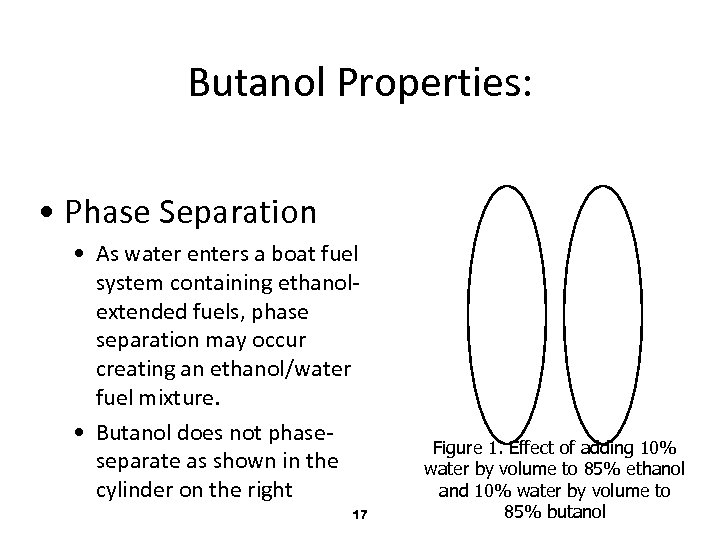 Butanol Properties: • Phase Separation • As water enters a boat fuel system containing ethanolextended fuels, phase separation may occur creating an ethanol/water fuel mixture. • Butanol does not phaseseparate as shown in the cylinder on the right 17 Figure 1. Effect of adding 10% water by volume to 85% ethanol and 10% water by volume to 85% butanol
 Butanol Introduction: • Less susceptible to phase separation means butanol could be successfully delivered in existing pipelines • Eliminates need for splash-blending • Least corrosive of alcohols • Higher energy content – can be blended into gasoline at higher percentages than ethanol 18
 Purpose of Testing: • To evaluate the effect of butanol-extended fuels in a harsh marine environment and to see if there is a better alternative to ethanolextended fuels 19
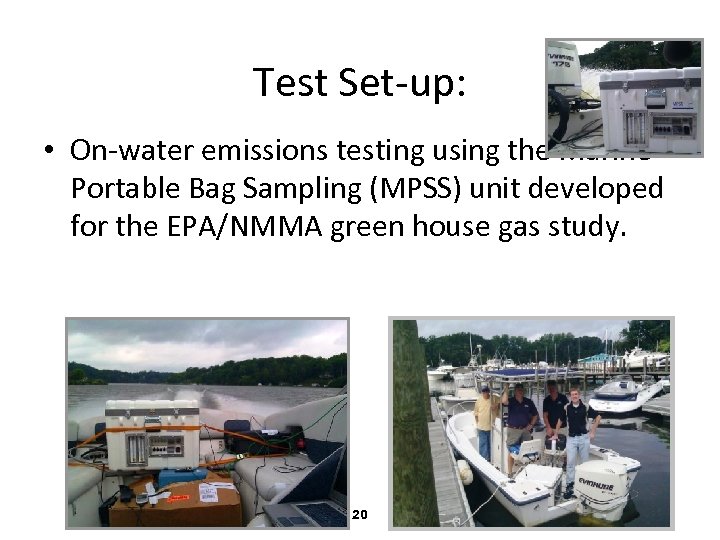 Test Set-up: • On-water emissions testing using the Marine Portable Bag Sampling (MPSS) unit developed for the EPA/NMMA green house gas study. 20
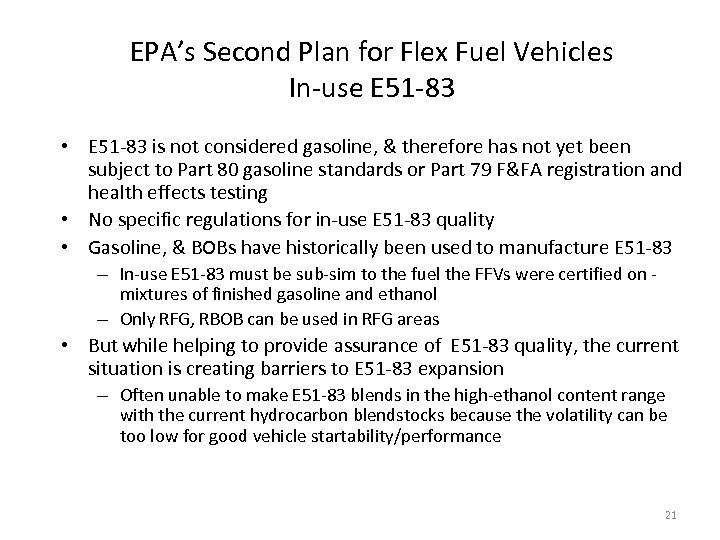 EPA’s Second Plan for Flex Fuel Vehicles In-use E 51 -83 • E 51 -83 is not considered gasoline, & therefore has not yet been subject to Part 80 gasoline standards or Part 79 F&FA registration and health effects testing • No specific regulations for in-use E 51 -83 quality • Gasoline, & BOBs have historically been used to manufacture E 51 -83 – In-use E 51 -83 must be sub-sim to the fuel the FFVs were certified on mixtures of finished gasoline and ethanol – Only RFG, RBOB can be used in RFG areas • But while helping to provide assurance of E 51 -83 quality, the current situation is creating barriers to E 51 -83 expansion – Often unable to make E 51 -83 blends in the high-ethanol content range with the current hydrocarbon blendstocks because the volatility can be too low for good vehicle startability/performance 21
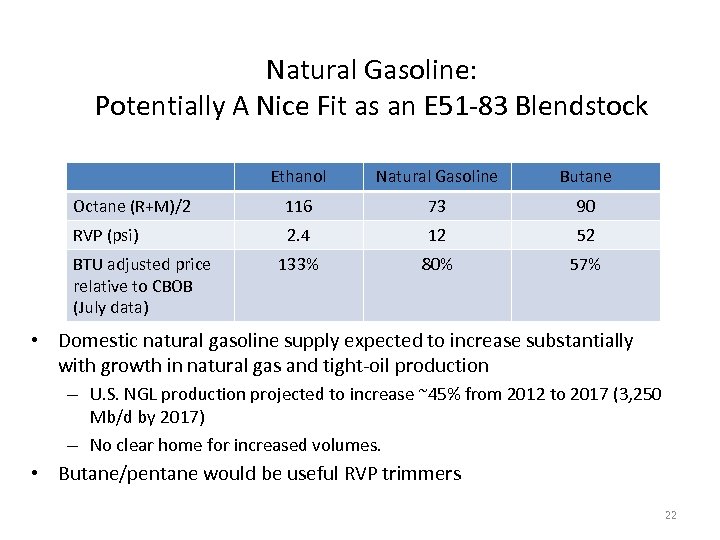 Natural Gasoline: Potentially A Nice Fit as an E 51 -83 Blendstock Ethanol Natural Gasoline Butane Octane (R+M)/2 116 73 90 RVP (psi) 2. 4 12 52 133% 80% 57% BTU adjusted price relative to CBOB (July data) • Domestic natural gasoline supply expected to increase substantially with growth in natural gas and tight-oil production – U. S. NGL production projected to increase ~45% from 2012 to 2017 (3, 250 Mb/d by 2017) – No clear home for increased volumes. • Butane/pentane would be useful RVP trimmers 22
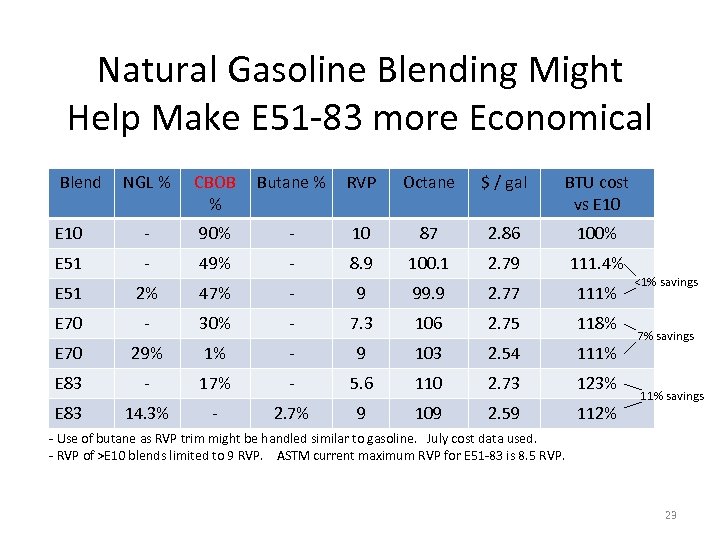 Natural Gasoline Blending Might Help Make E 51 -83 more Economical Blend NGL % CBOB % Butane % RVP Octane $ / gal BTU cost vs E 10 - 90% - 10 87 2. 86 100% E 51 - 49% - 8. 9 100. 1 2. 79 111. 4% E 51 2% 47% - 9 99. 9 2. 77 111% E 70 - 30% - 7. 3 106 2. 75 118% E 70 29% 1% - 9 103 2. 54 111% E 83 - 17% - 5. 6 110 2. 73 123% E 83 14. 3% - 2. 7% 9 109 2. 59 112% <1% savings 7% savings 11% savings - Use of butane as RVP trim might be handled similar to gasoline. July cost data used. - RVP of >E 10 blends limited to 9 RVP. ASTM current maximum RVP for E 51 -83 is 8. 5 RVP. 23