 Скачать презентацию 1936 Penguin Books becomes the first
2016, Sep 9, 1935.pptx
- Количество слайдов: 112




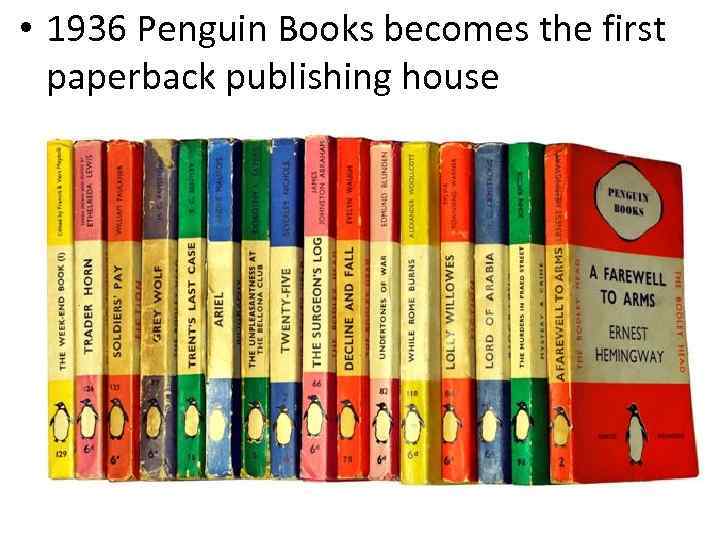
• 1936 Penguin Books becomes the first paperback publishing house
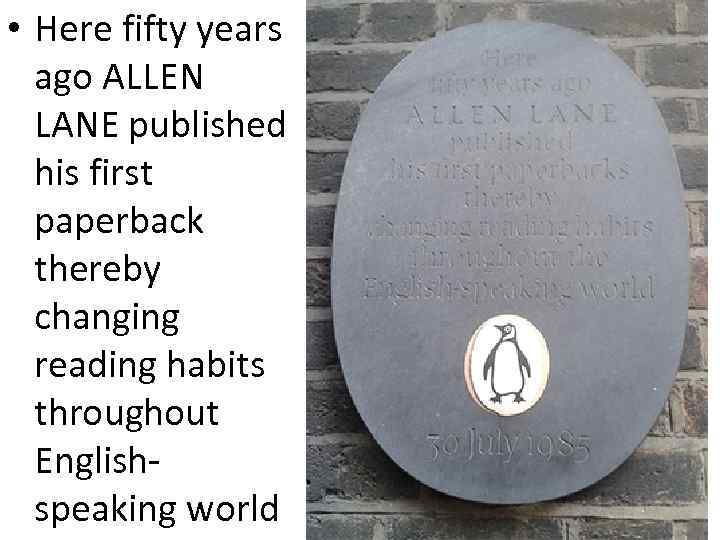
• Here fifty years ago ALLEN LANE published his first paperback thereby changing reading habits throughout Englishspeaking world
• In 1934, returning from a weekend in Devon, he was aggravated to find nothing in the station bookstall that was worth reading on the journey back to London. He thought of the possibility of republishing readable high-quality fiction and non-fiction titles in paperback at the astonishingly low price of sixpence each (then the cost of a packet of ten cigarettes).
• After initial success, Lane opens Penguin Books company on New Year Eve in 1936. • In 1937 he starts another line of paperbacks called Pelicans, which were the collection of non-fiction pieces.
• Did you prefer hard or paperback books? • In what media do you prefer to read books these days? Why? • How do you think paperbacks changed the reading habits?
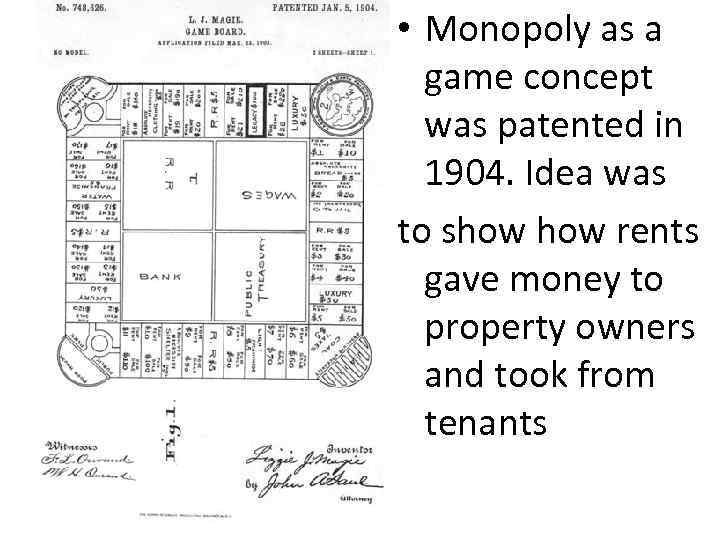
• Monopoly as a game concept was patented in 1904. Idea was to show rents gave money to property owners and took from tenants
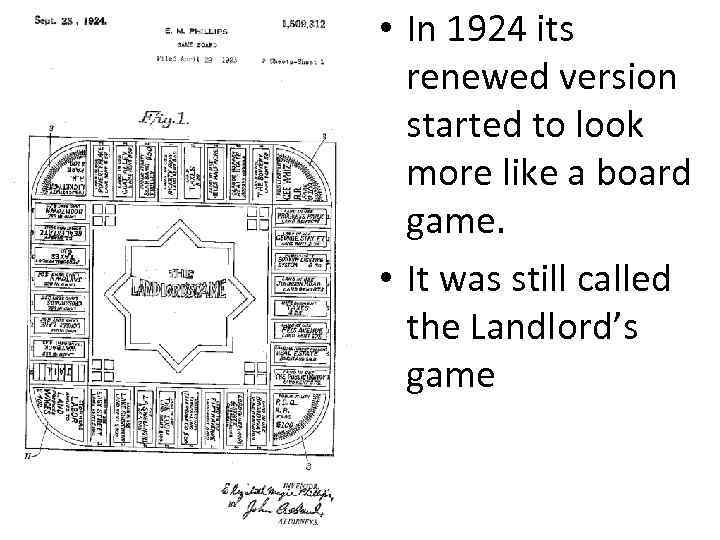
• In 1924 its renewed version started to look more like a board game. • It was still called the Landlord’s game
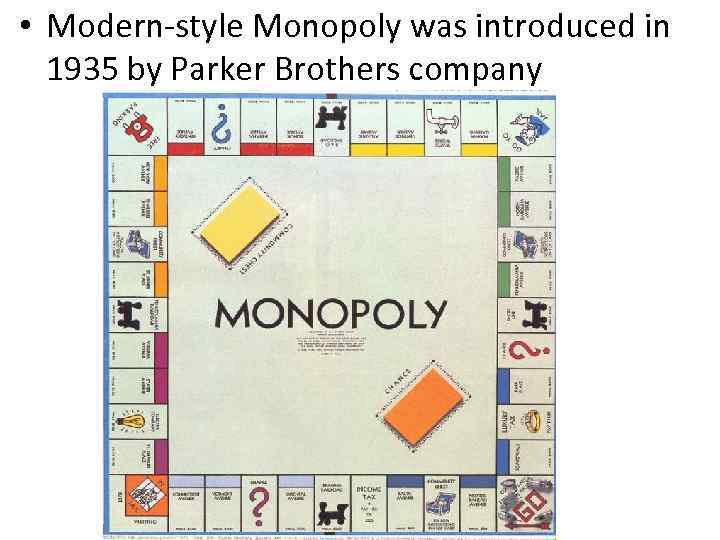
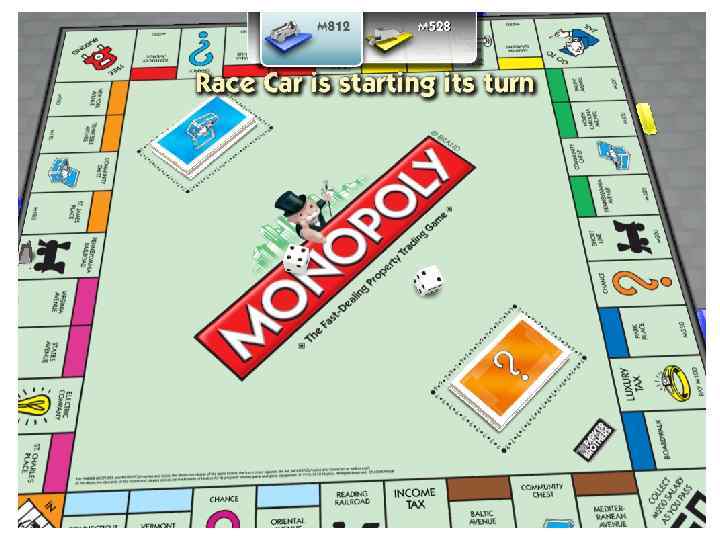
• Modern-style Monopoly was introduced in 1935 by Parker Brothers company
• Have you ever played Monopoly? • Did you win often? • What do you think about learning economy while playing board game, is it possible?

• Frank Lloyd Wright designs Fallingwater

• Built as a vacation house for Kaufmann family, the Fallingwater is considered: • the best all-time work of American architecture, by American Institute of Architects • one of the 28 places "to visit before you die” by Smithsonian magazine • National Historic Landmark of US
• What is the most beautiful piece of architecture you have seen? • Do you like modern style or more classic style in architecture? • Who is your favorite architect? • What other pieces of architectural art can you name?

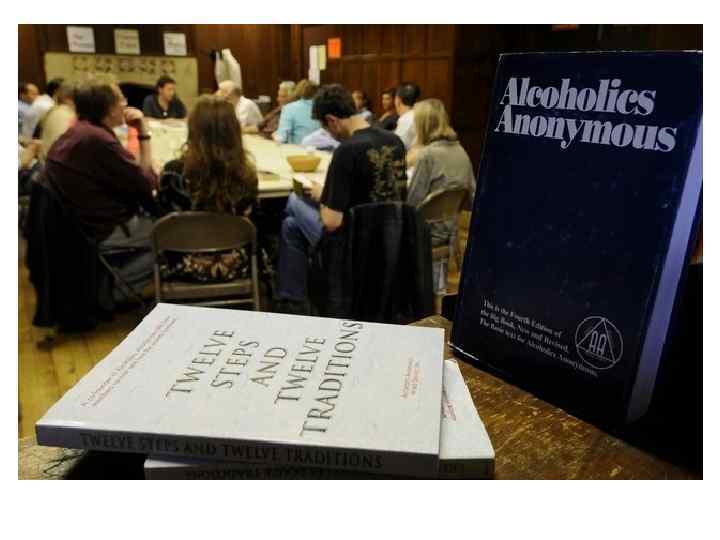
• 1935 Alcoholics Anonymous founded
• Bill Wilson and Bob Smith developed AA's Twelve Step program of spiritual and character development. • The Traditions recommend that members and groups remain anonymous in public media, altruistically helping other alcoholics and avoiding official affiliations with other organization.
• According to AA's 2014 membership survey: • 27% of members have been sober less than one year, • 24% have 1– 5 years sober, • 13% have 5– 10 years, • 14% have 10– 20 years, and • 22% have more than 20 years sober
• There have been arguments that some AA groups “apply the disease model to all problem drinkers, whether or not they are "full-blown" alcoholics”.
• Is the alcohol problem any less these days since 1935? • Is it possible to achieve moderation in drinking? • Would you address drinking with a “disease model”? • What would you advise people, who want to stop drinking?
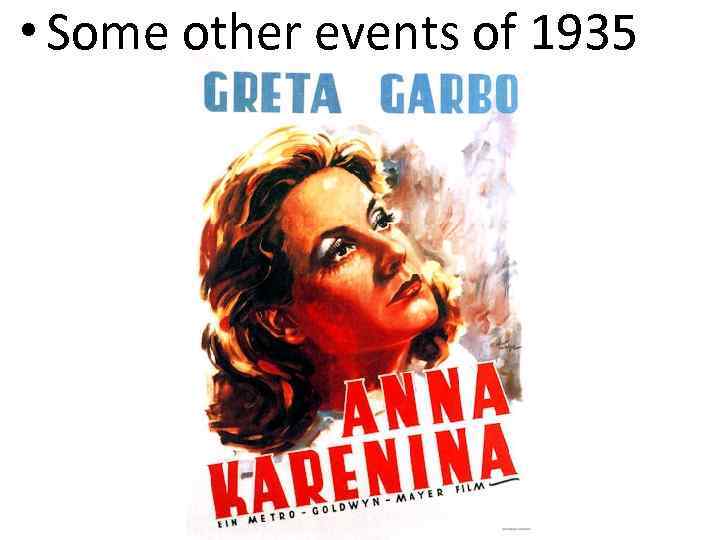
• Some other events of 1935
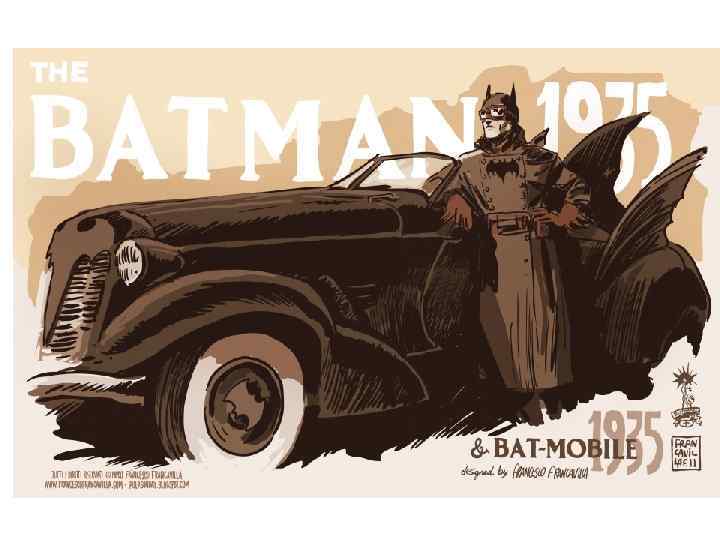
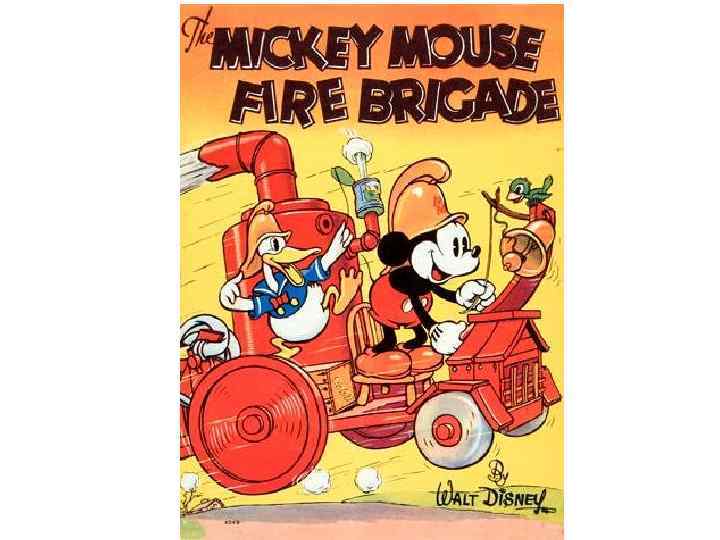
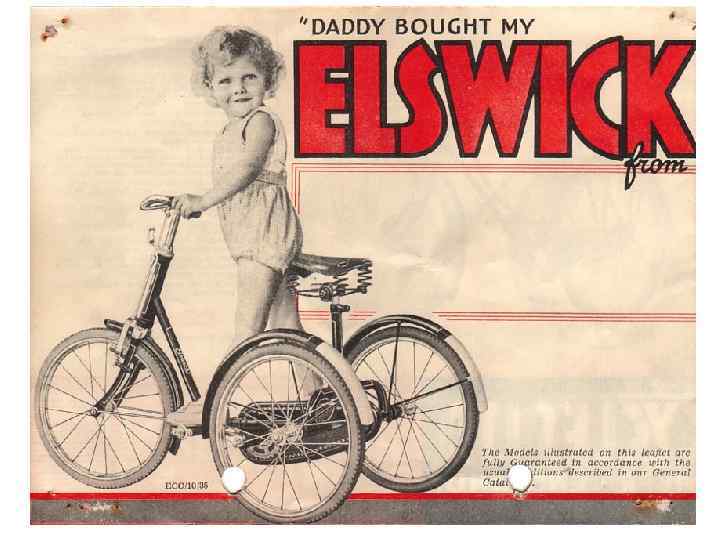
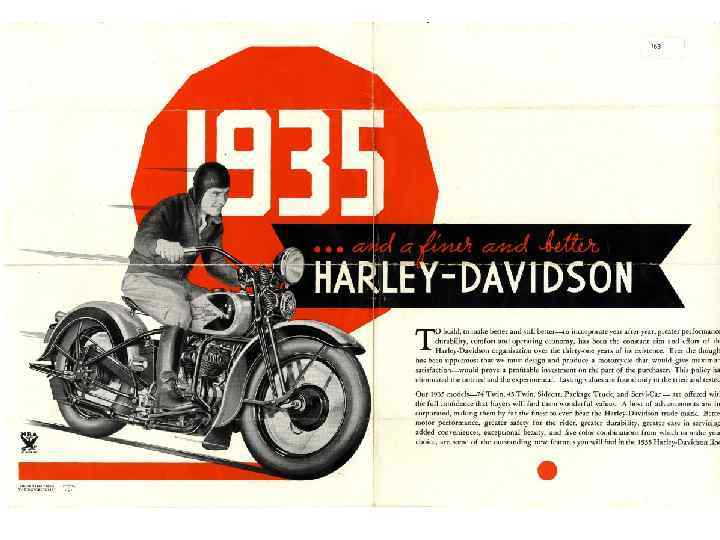
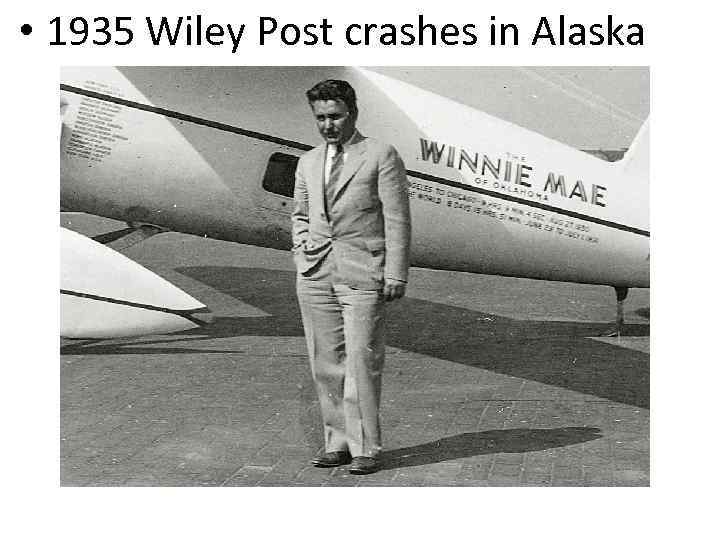
• 1935 Wiley Post crashes in Alaska
• July, 1933 – Wiley becomes the first man in the world to fly around our planet solo without navigator in 7 days. • 2 years before in 1931 he made the same journey with navigator for 8 days
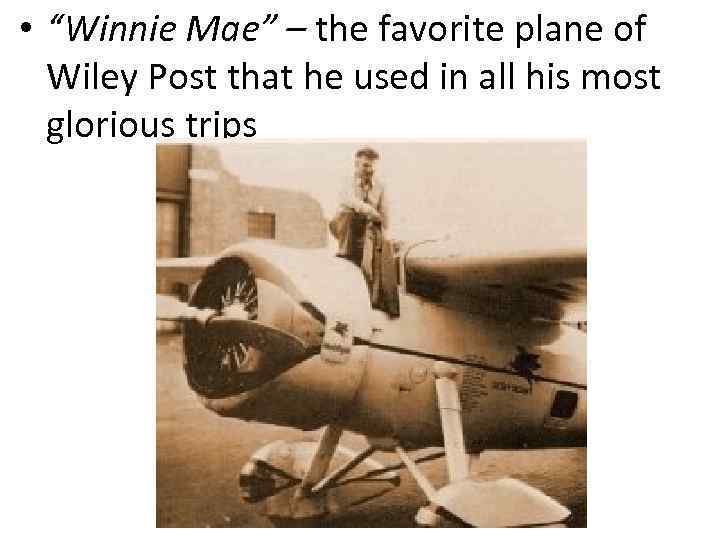
• “Winnie Mae” – the favorite plane of Wiley Post that he used in all his most glorious trips
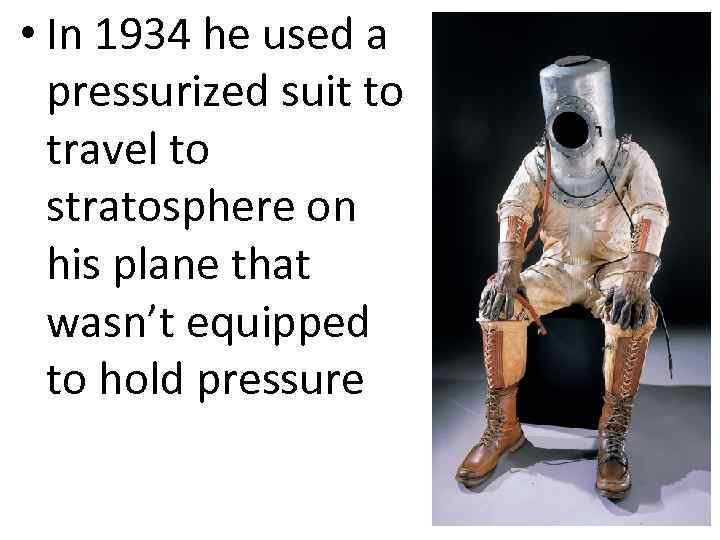
• In 1934 he used a pressurized suit to travel to stratosphere on his plane that wasn’t equipped to hold pressure
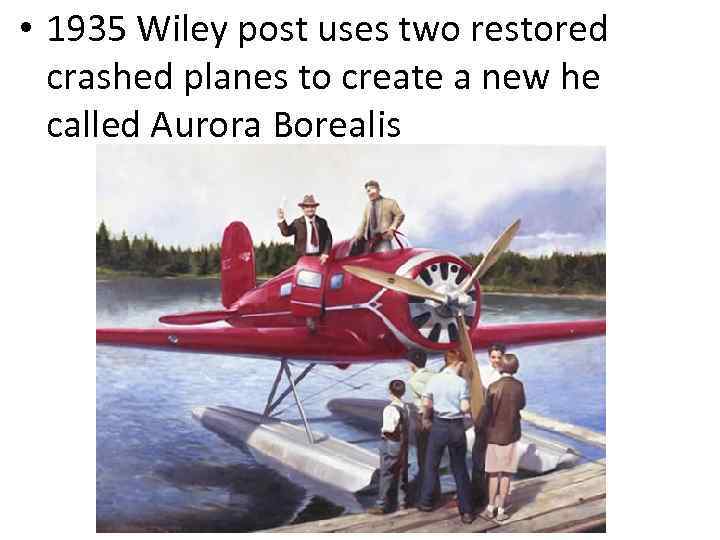
• 1935 Wiley post uses two restored crashed planes to create a new he called Aurora Borealis
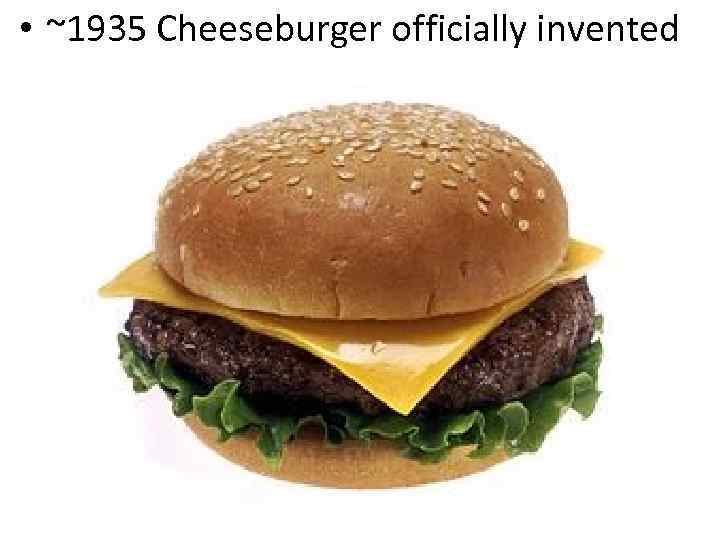
• ~1935 Cheeseburger officially invented
• There is a certain competition for the name of cheeseburger inventor, since several cooks around the States are reported to have started making it around the same time.
• One claim goes to Lionel Sternberger, who first added cheese to hamburger in 1926, in Pasadena, California • Another goes to O'Dell Los Angeles restaurant which had 25 cent cheeseburger in 1928 menu
• Kaelin's Restaurant in Louisville, Kentucky, said it invented the cheeseburger in 1934 • In 1935 a trademark for the name "cheeseburger" was awarded to Louis Ballast of the Humpty Drive-In in Denver, Colorado.
• Do you eat fast food? If yes, what’s your favorite? • What fast food restaurants do you know or frequent in our city? Would you recommend them? • Why is fast food popular and how did it become popular?
• Is there any difference between fast food and junk food? • Where do you usually eat out? Why? • Are you counting calories for what you eat?
• Why are people so concerned about eating fast food, what is so bad about it? • Is pizza and/or sushi also fast food?
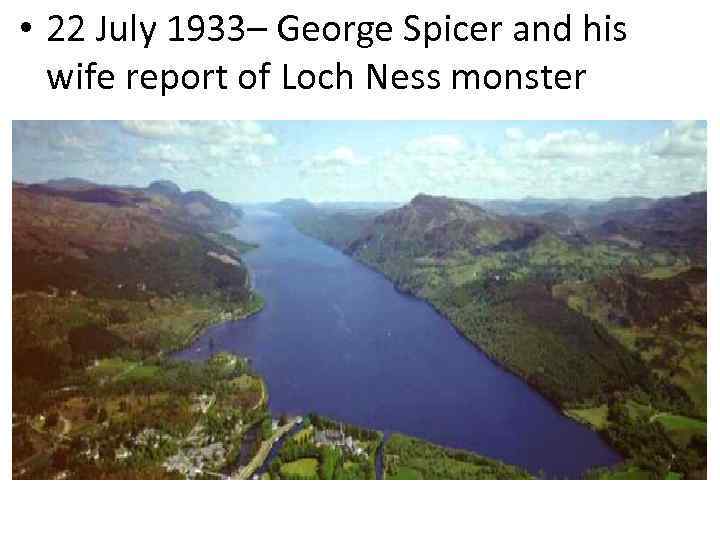
• 22 July 1933– George Spicer and his wife report of Loch Ness monster
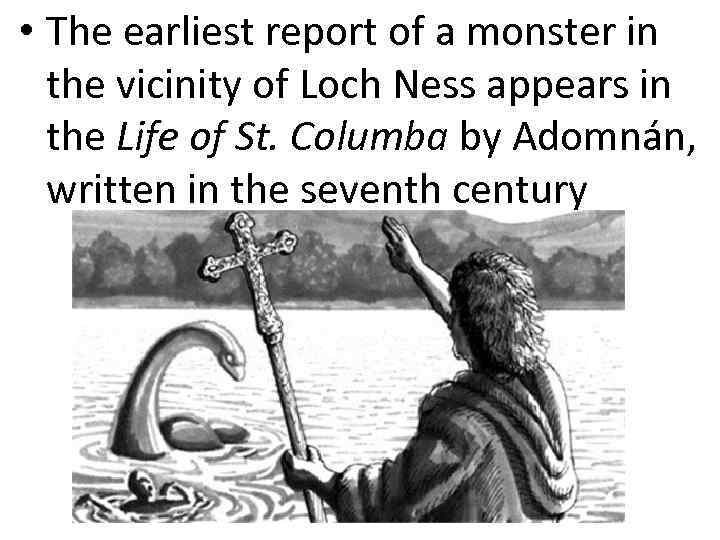
• The earliest report of a monster in the vicinity of Loch Ness appears in the Life of St. Columba by Adomnán, written in the seventh century
• 22 July 1933, when George Spicer and his wife saw "a most extraordinary form of animal" cross the road in front of their car
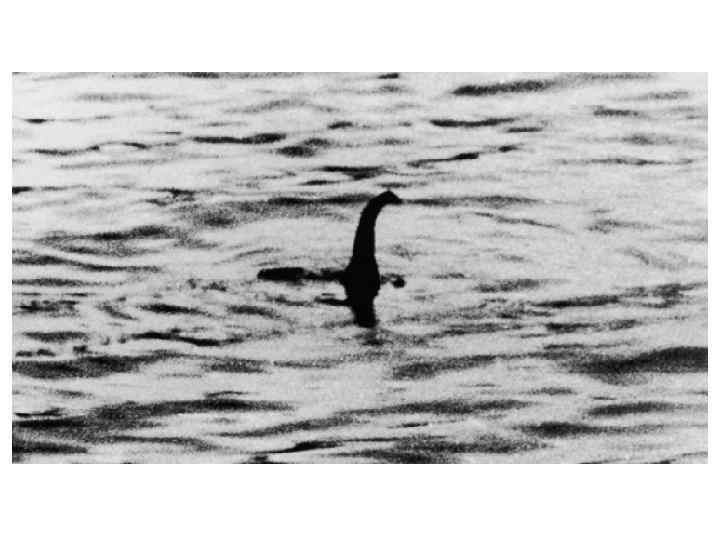
• 1934 Surgeon's photograph made by Robert Kenneth Wilson. • It is a matter of many discussions, since ripple analysis of the full photograph indicated that the object was small, about 60 to 90 cm long (an arm)
• In December 1975 Sunday Telegraph published article about Marmaduke Wetherell, a reporter for Daily Mail who first created fake footprints of Nessie. • Then, to have revenge on the paper, he used a toy submarine and a wooden neck to fake a Nessie for the famous photo.
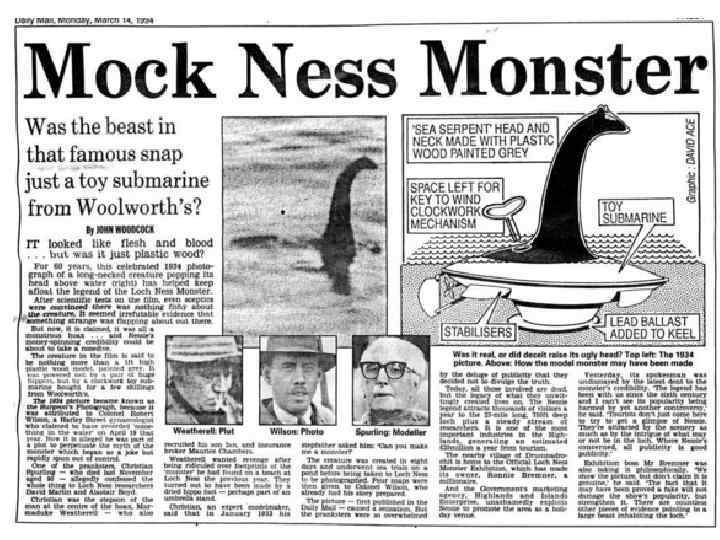
• Most of the Nessians argue, that even if one picture is proved to be a fake, it doesn’t mean all others are fake too
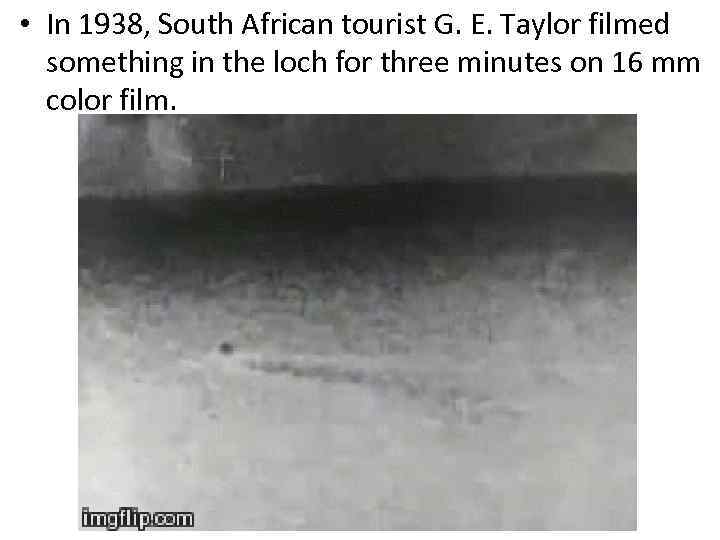
• In 1938, South African tourist G. E. Taylor filmed something in the loch for three minutes on 16 mm color film.
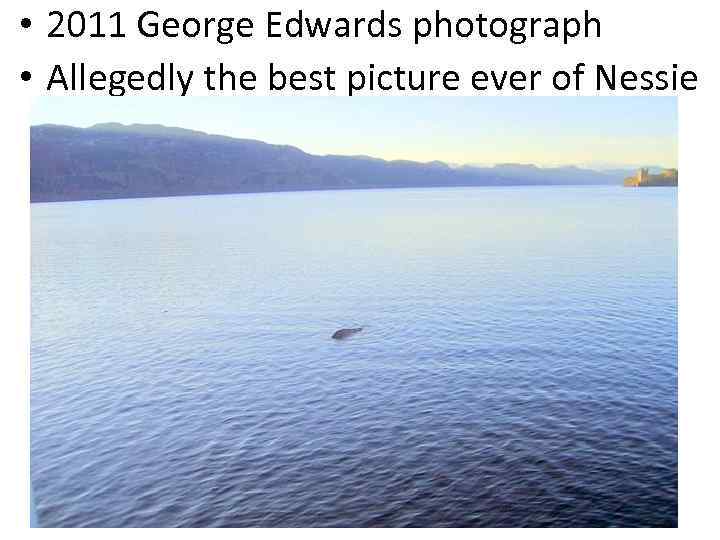
• 2011 George Edwards photograph • Allegedly the best picture ever of Nessie
• Cryptozoology – is the (pseudo)science that deals with anecdotal creatures and tries to prove them right or wrong, as well as uncovers fake articles, pictures, etc. • Cryptids – are the creatures, investigated by this science
• Do you believe in Nessie? Does it still linger in the murky waters of Loch Ness?
• What other mythical creatures do you know or have you heard of? Do you think they are living by our side?

• Do you know of any cryptids, living in your country?
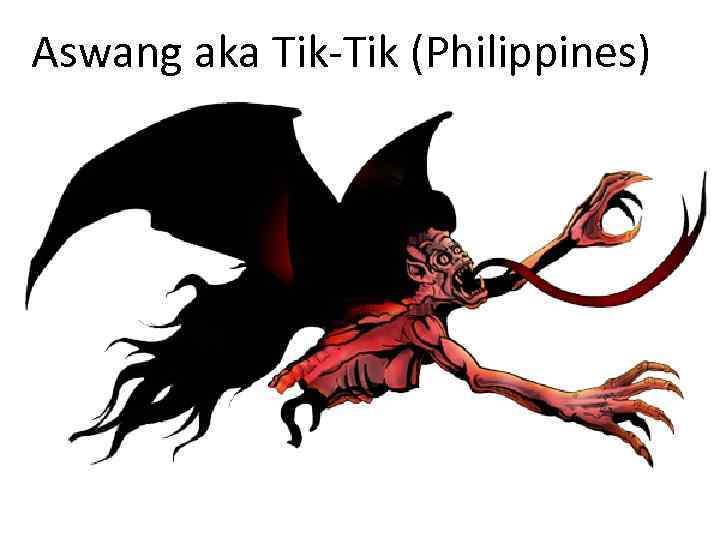
Aswang aka Tik-Tik (Philippines)
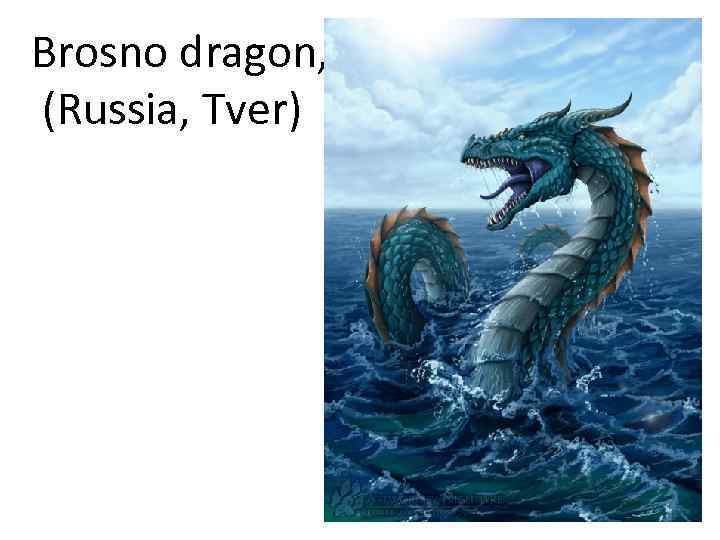
Brosno dragon, (Russia, Tver)
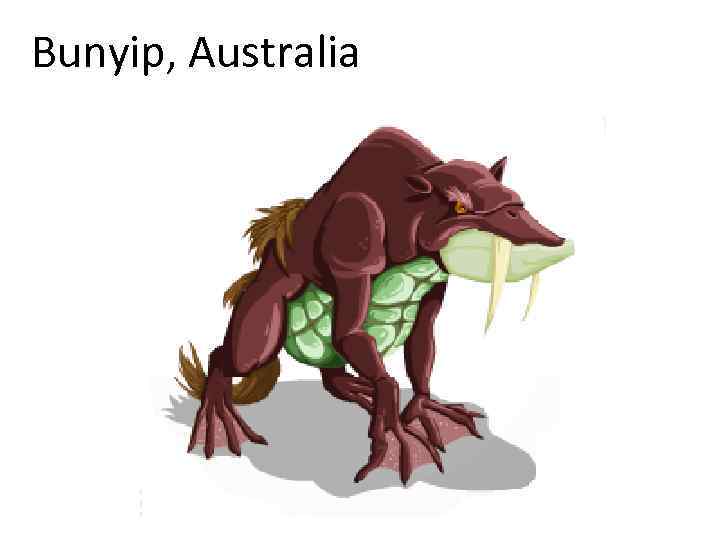
Bunyip, Australia
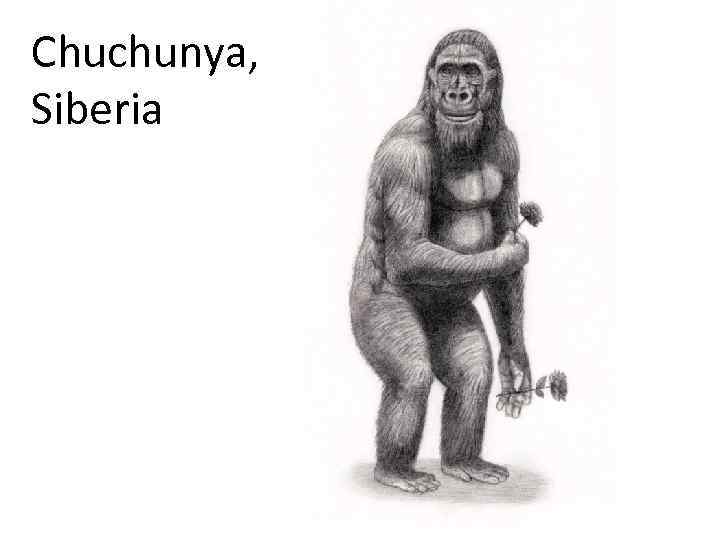
Chuchunya, Siberia
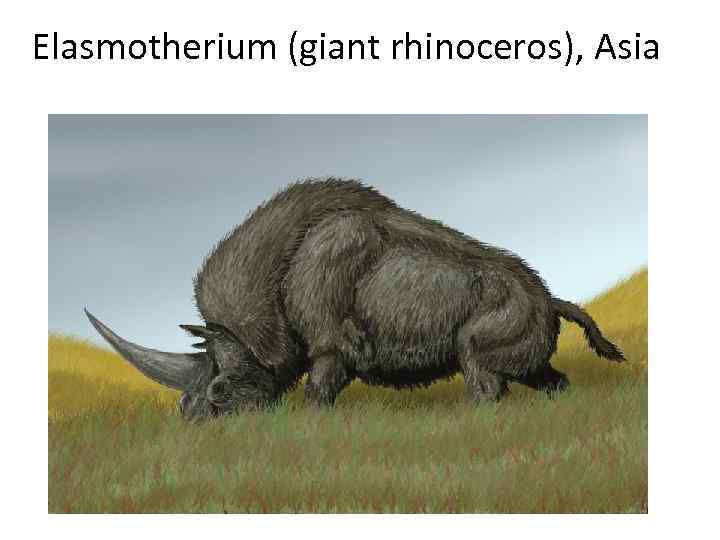
Elasmotherium (giant rhinoceros), Asia
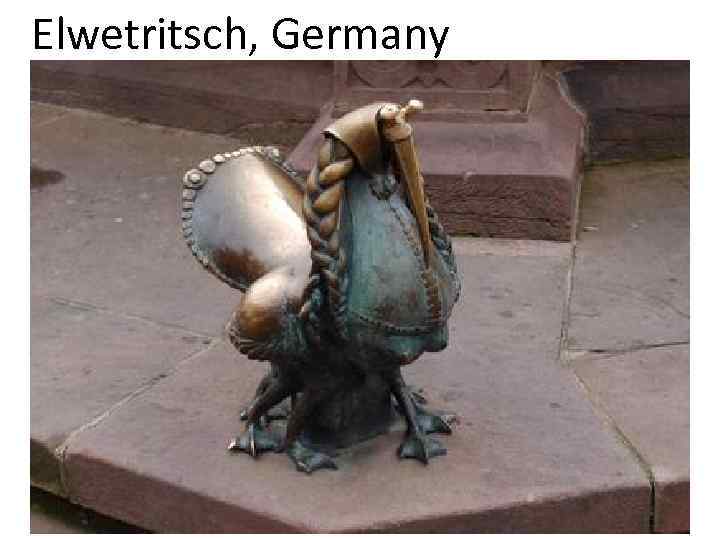
Elwetritsch, Germany
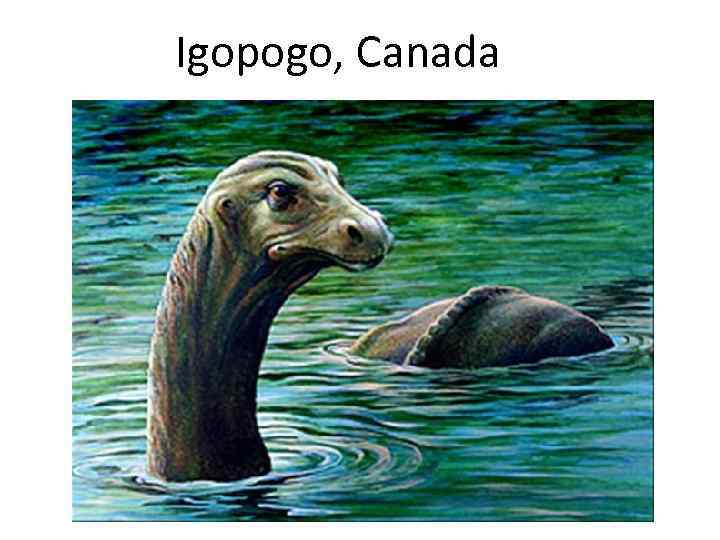
Igopogo, Canada
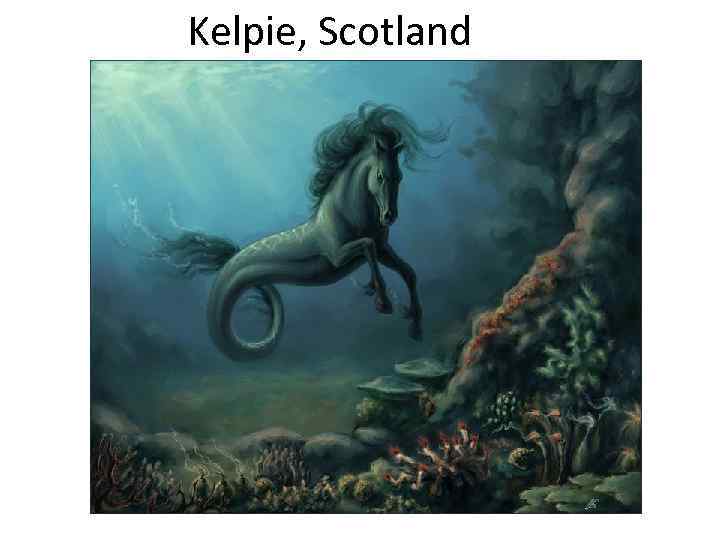
Kelpie, Scotland
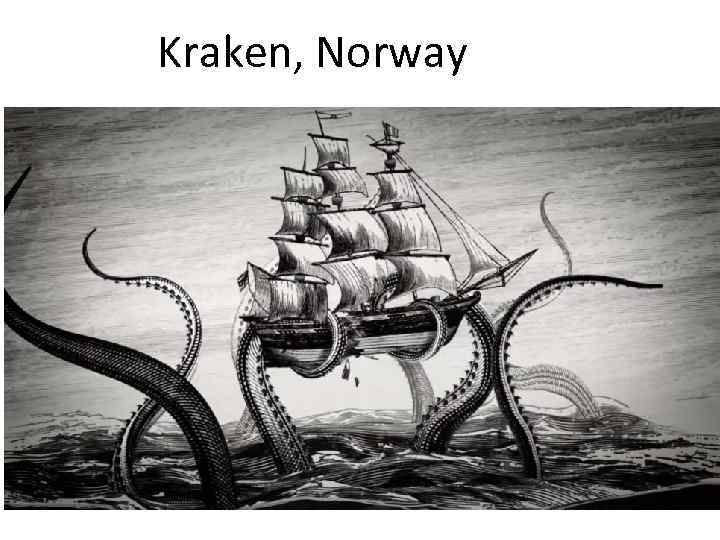
Kraken, Norway
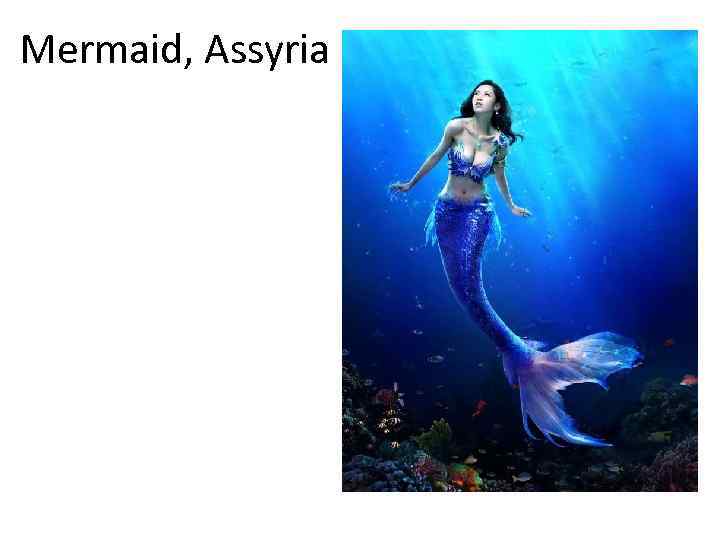
Mermaid, Assyria
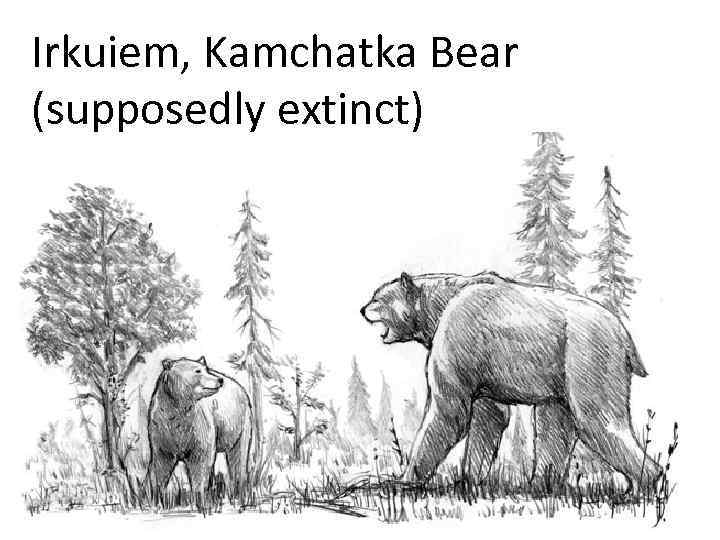
Irkuiem, Kamchatka Bear (supposedly extinct)
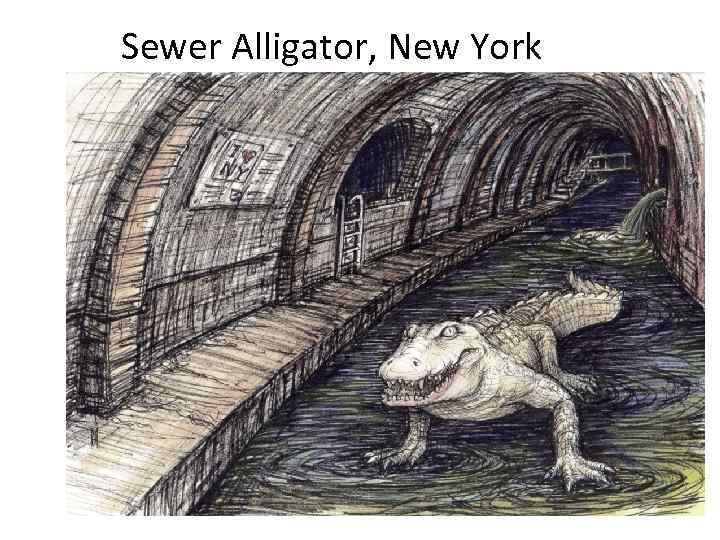
Sewer Alligator, New York
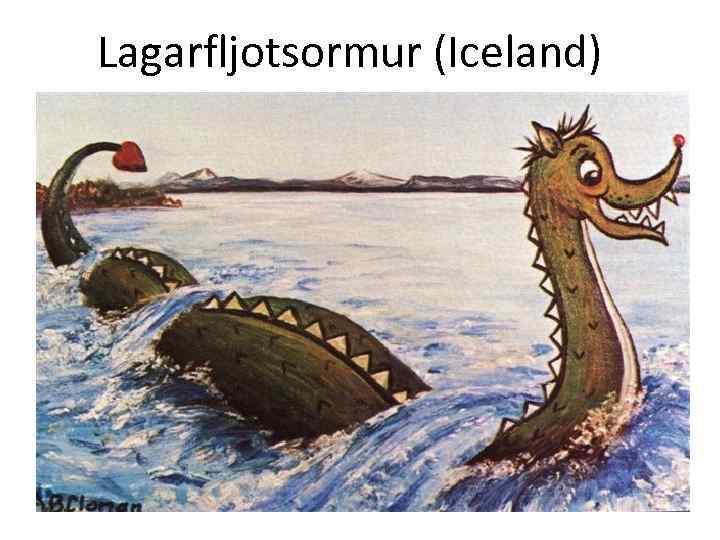
Lagarfljotsormur (Iceland)
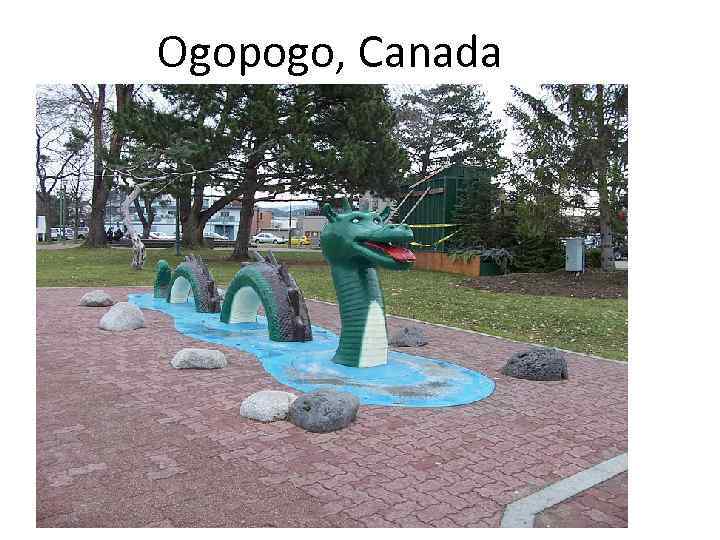
Ogopogo, Canada
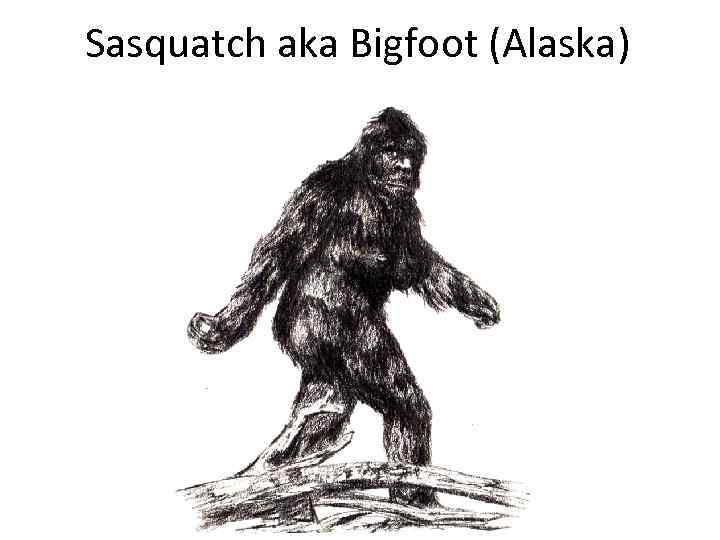
Sasquatch aka Bigfoot (Alaska)

Yeti (Tibet)
• Why do you think there are so many stories about monsters all over the world?
• Do vampires and ghosts exist?

• Could you ever spend the night at a cemetery?

• If you had the chance to spend the night in a haunted house would you?
• Can demons take over control of a person? (Possession? ) How?
• Does the job of a ghostbuster attract you?
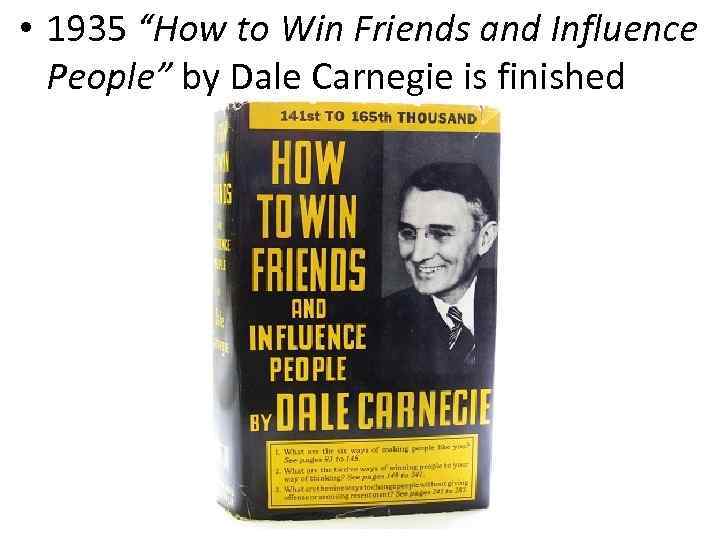
• 1935 “How to Win Friends and Influence People” by Dale Carnegie is finished
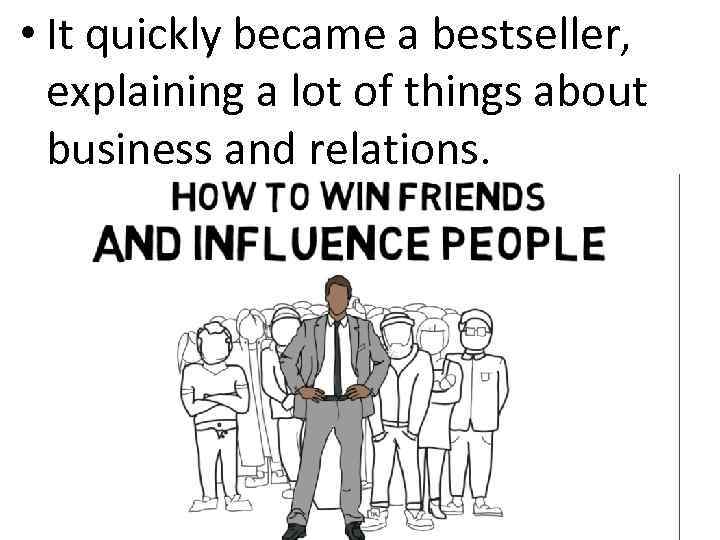
• It quickly became a bestseller, explaining a lot of things about business and relations.
• Fundamental Techniques in Handling People • Don't criticize, condemn, or complain. • • Give honest and sincere appreciation. • • Arouse in the other person an eager want.
• Six Ways to Make People Like You • Become genuinely interested in other people. • Smile. • Remember that a person's name is, to that person, the sweetest and most important sound in any language. • Be a good listener. Encourage others to talk about themselves. • Talk in terms of the other person's interest. • Make the other person feel important – and do it sincerely.
• Twelve Ways to Win People to Your Way of Thinking • The only way to get the best of an argument is to avoid it. • Show respect for the other person's opinions. Never say "You're wrong. “ • If you're wrong, admit it quickly and emphatically. • Begin in a friendly way. • Start with questions to which the other person will answer yes. • Let the other person do a great deal of the talking.
• Let the other person feel the idea is his or hers. • Try honestly to see things from the other person's point of view. • Be sympathetic with the other person's ideas and desires. • Appeal to the nobler motives. • Dramatize your ideas. • Throw down a challenge.
• How to Win Friends and Influence People became one of the most successful books in American history • The book has sold over 30 million copies worldwide since • A recent Library of Congress survey ranked Carnegie's volume as the seventh most influential book in American history.
• Have you ever read anything by Carnegie? • Why do you think his book is so popular?
• Do you think there any other shortcuts to become popular and a good leader? What would you advise?
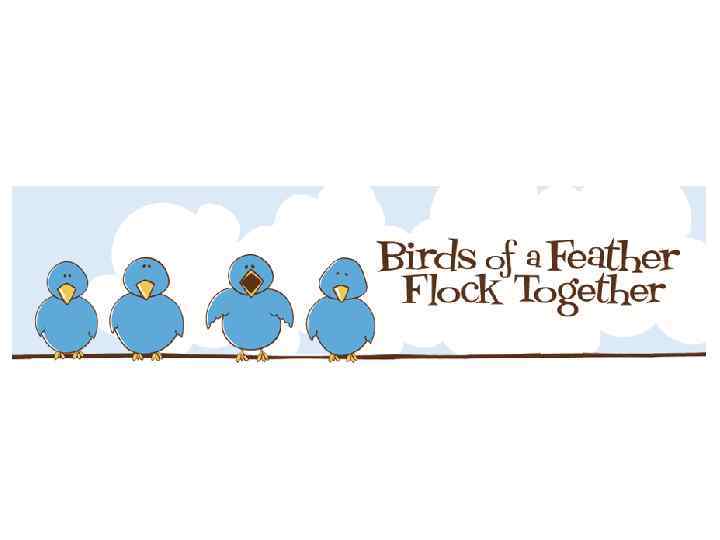

…together they sing for joy; for eye to eye they see the return of the Lord to Zion
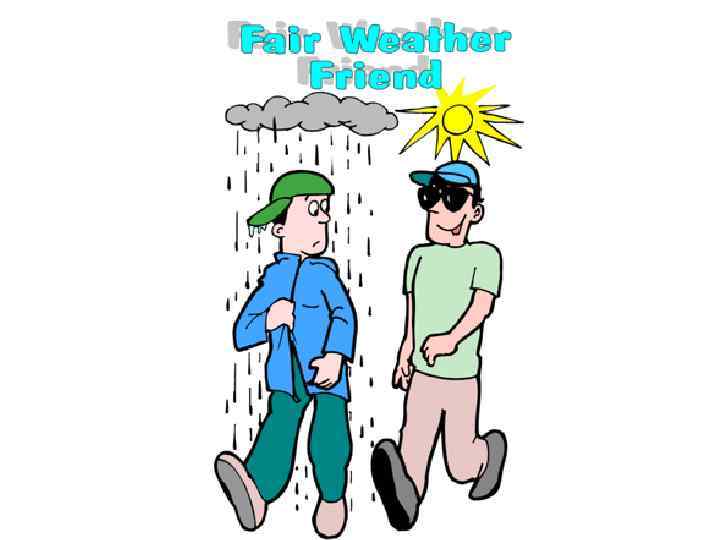
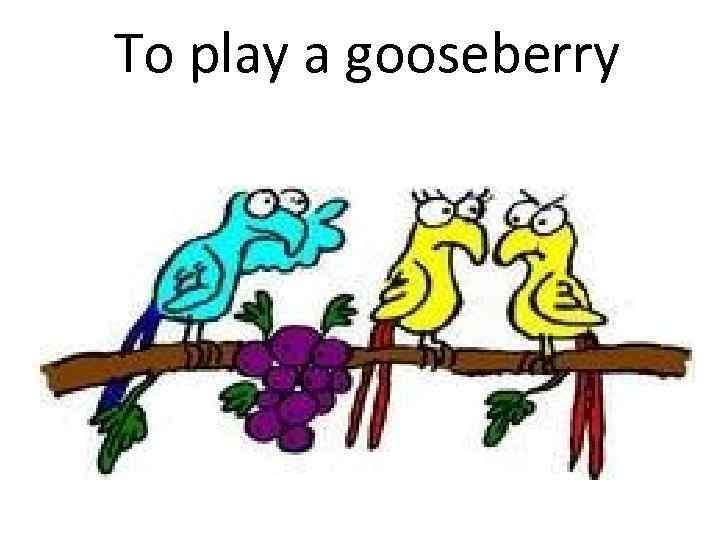
To play a gooseberry
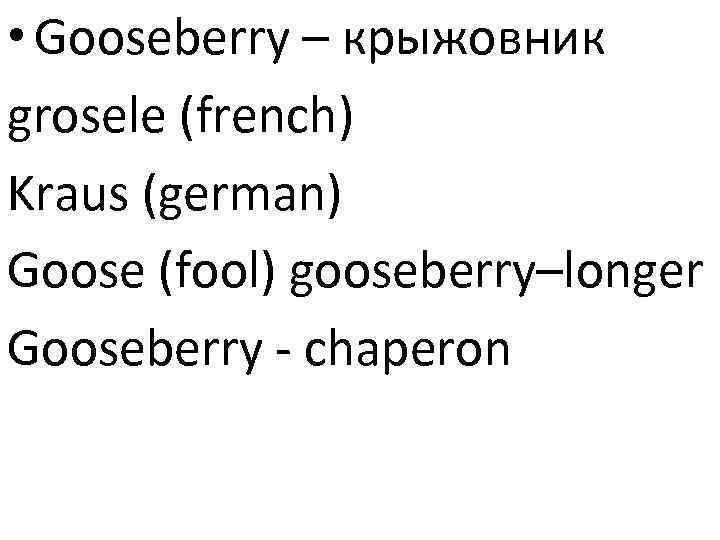
• Gooseberry – крыжовник grosele (french) Kraus (german) Goose (fool) gooseberry–longer Gooseberry - chaperon
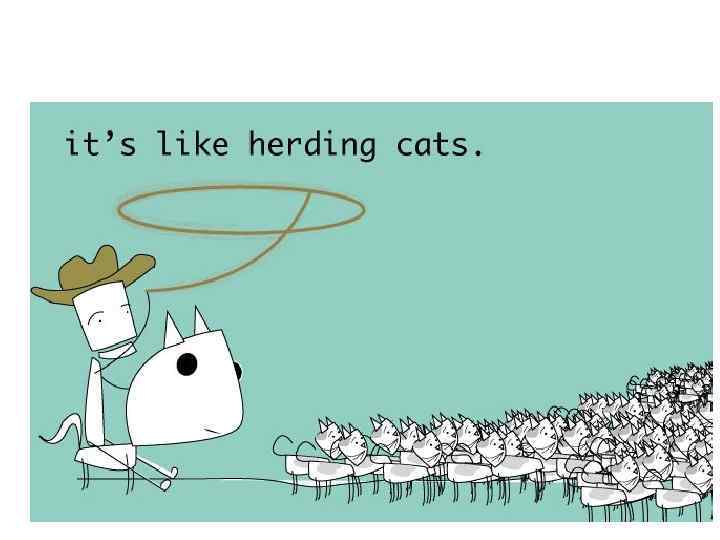
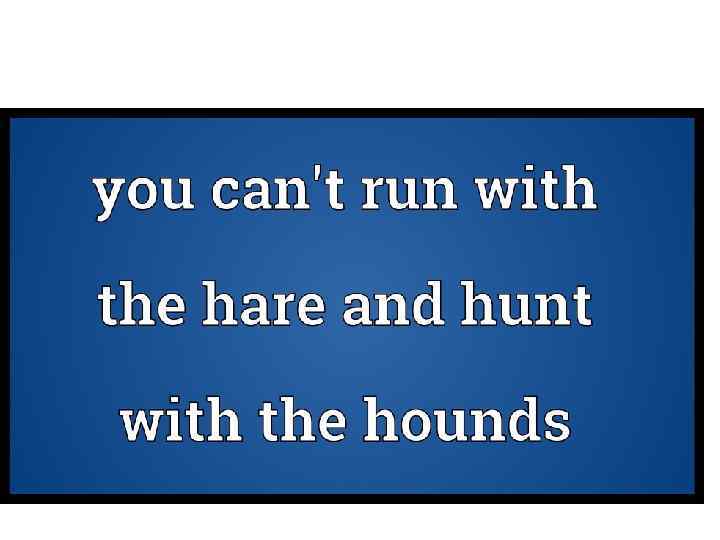

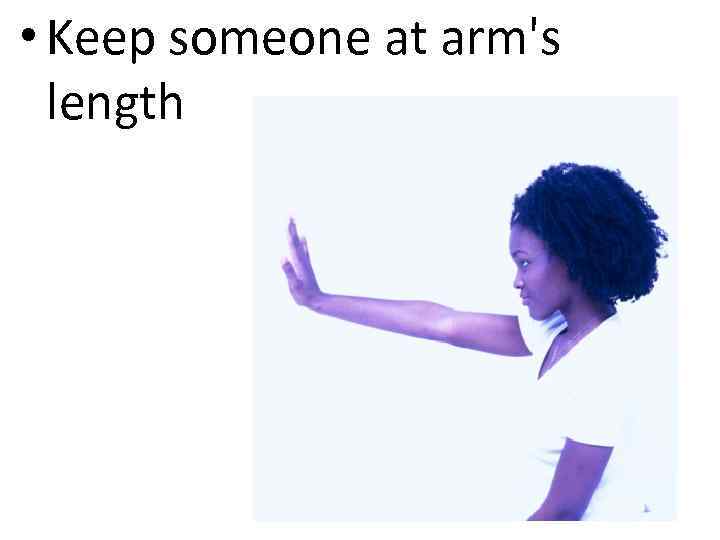
• Keep someone at arm's length

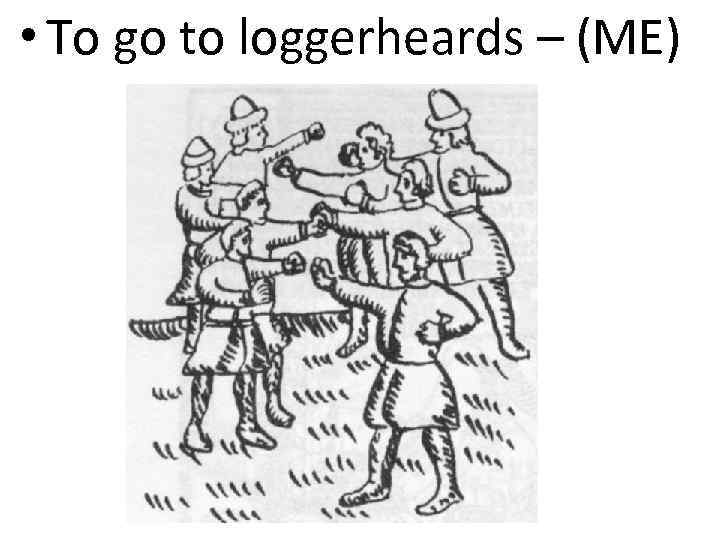
• To go to loggerheards – (ME)
• Do you have many friends? Do you keep in touch much? • Is it hard to become your friend? Why?
• Do you have a best friend? • Do you tell your best friend everything?
• How much time should good and best friends spend with each other? • Could you keep a pen-pal friendship with the person whom you have never met?
• Why do some people have very few friends and some have hundreds? • How can friends help in your life?
• Do you think the meaning of friendship has changed since 1935? How? • Do your parents have lots of friends?
• Has a friend ever let you down? • What do you usually do with your friends?
• Do you think it is a good idea to borrow money from a friend? Why? • What is the best time for making new friends?
• Does the age gap matter for you when you make friends? • Do you think it would be possible for you still be friends with an ex-boyfriend or ex-girlfriend?
• To what extent can you be friends with your child or a parent? • Do you fight with your friends?
• Do you have different groups of friends who never meet one another? • Are you a different 'self' with each group?
• What qualities help you to have good relationships with others? • Do you think famous people have many friends? Why?
• There is a saying that "to lose a friend you need to start sharing a flat with him/her". Do you agree? Why/Why not?
• What is a friend-zone? Have you ever been friend-zoned? • What type of people do you get along with best?
• Do you trust all of your friends? Why? • What do you do when you have a misunderstanding with your friend?
Скачать презентацию 1936 Penguin Books becomes the first
2016, Sep 9, 1935.pptx