


 Скачать презентацию 19 -24 August 2012 Mini-symposium Mechanics of natural
6a6d048ff88b1301538484655ab84828.ppt
- Количество слайдов: 42
 19 -24 August, 2012 Mini-symposium "Mechanics of natural disasters" at the 23 rd International Congress of Theoretical and Applied Mechanics, Beijing Storm surges: Phenomena, modelling and scenarios Hans von Storch Institute of Coastal Research Helmholtz-Zentrum Geesthacht Germany
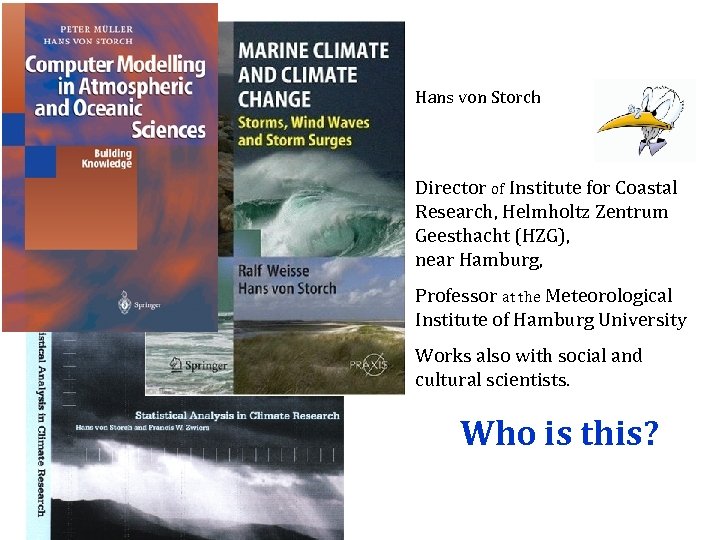 Hans von Storch Director of Institute for Coastal Research, Helmholtz Zentrum Geesthacht (HZG), near Hamburg, Professor at the Meteorological Institute of Hamburg University Works also with social and cultural scientists. Who is this?
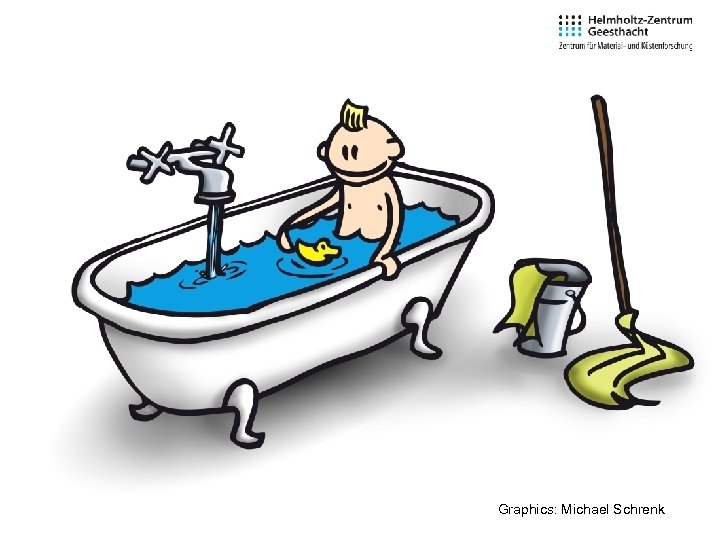
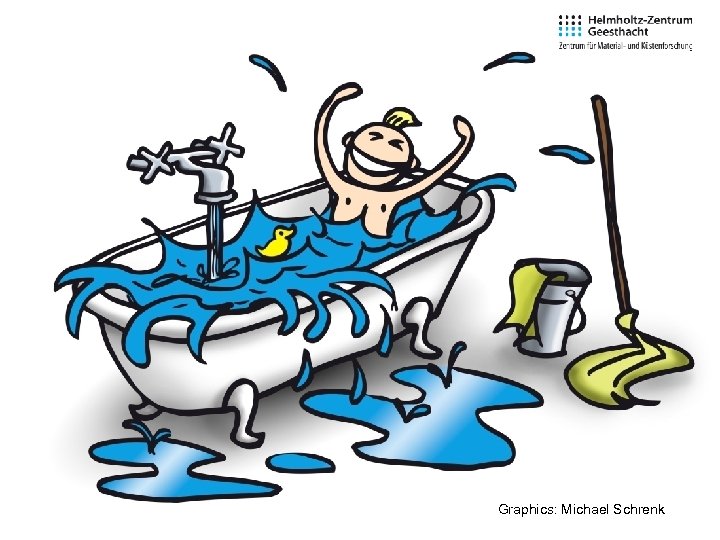
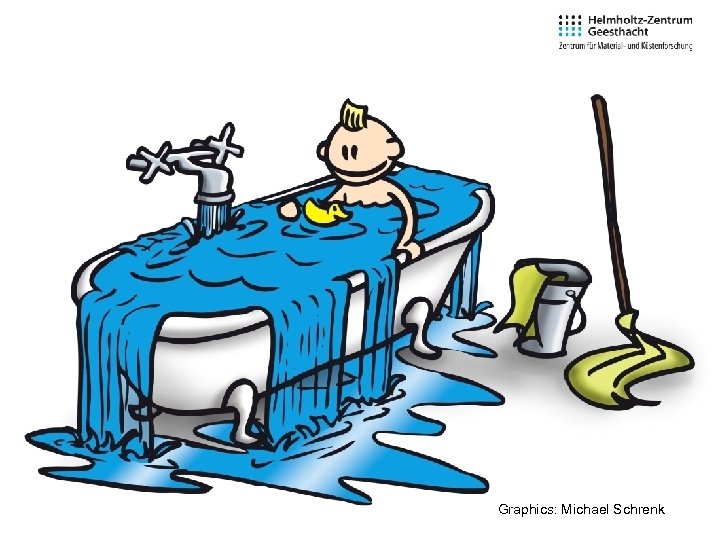
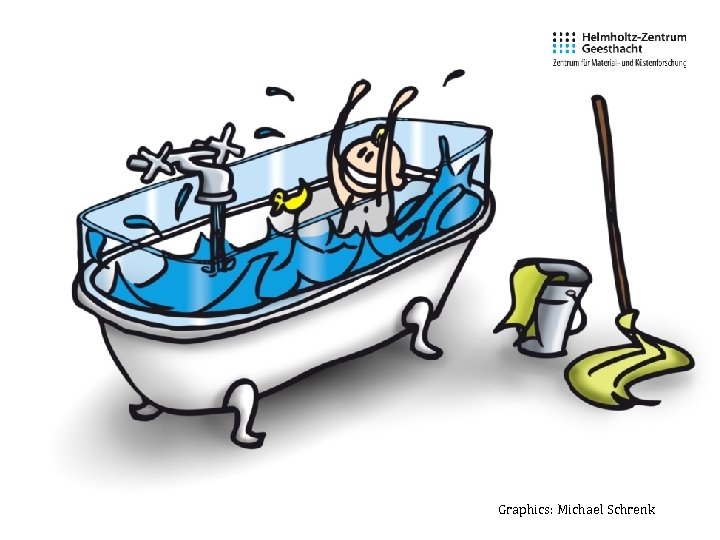
 Overview 1. Storm surges – global phenomenon, with regional manifestation. 2. Physics of storm surges: The kid in the bathtub 3. The case of the German Bight 4. Modelling storm surges 5. Examples for attribution of causes for changing storm surge risk
 Overview 1. Storm surges – global phenomenon, with regional manifestation. 2. Physics of storm surges: The kid in the bathtub 3. The case of the German Bight 4. Modelling storm surges 5. Examples for attribution of causes for changing storm surge risk

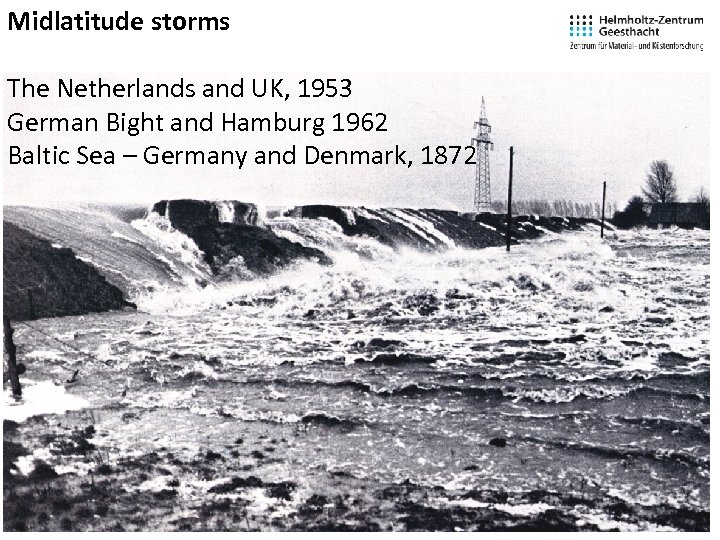 Midlatitude storms The Netherlands and UK, 1953 German Bight and Hamburg 1962 Baltic Sea – Germany and Denmark, 1872
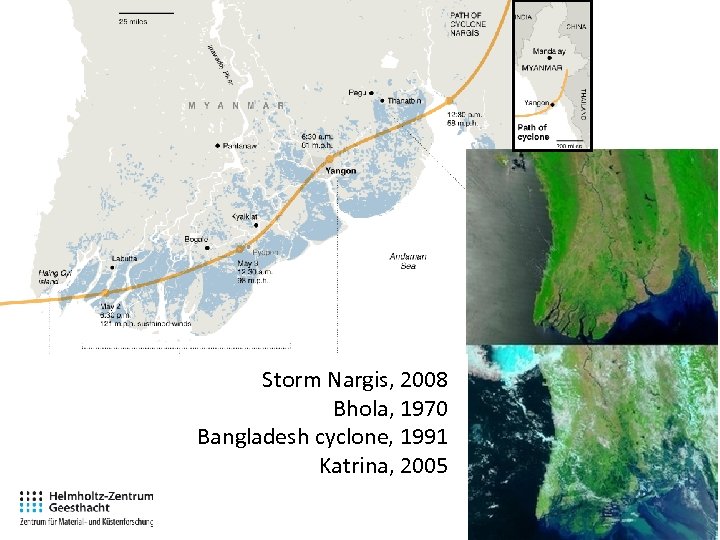 Storm Nargis, 2008 Bhola, 1970 Bangladesh cyclone, 1991 Katrina, 2005
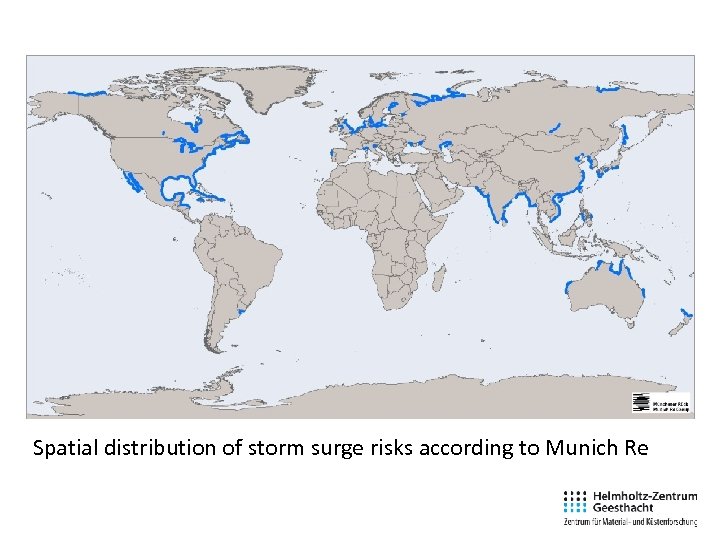 Spatial distribution of storm surge risks according to Munich Re
 Scientific Issues a) Physics of storm surges b) Prediction of storm surges c) Coastal defense – new options d) Disaster management – new options e) Changing risks – Climate change and other factors
 Overview 1. Storm surges – global phenomenon, with regional manifestation. 2. Physics of storm surges: The kid in the bathtub 3. The case of the German Bight 4. Modelling storm surges 5. Examples for attribution of causes for changing storm surge risk
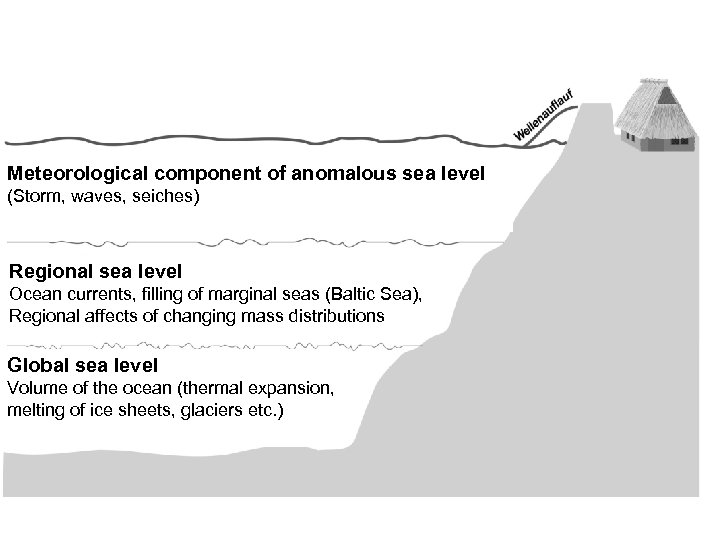 Meteorological component of anomalous sea level (Storm, waves, seiches) Regional sea level Ocean currents, filling of marginal seas (Baltic Sea), Regional affects of changing mass distributions Global sea level Volume of the ocean (thermal expansion, melting of ice sheets, glaciers etc. )
 Graphics: Michael Schrenk
 Graphics: Michael Schrenk
 Graphics: Michael Schrenk
 Graphics: Michael Schrenk
 Graphics: Michael Schrenk
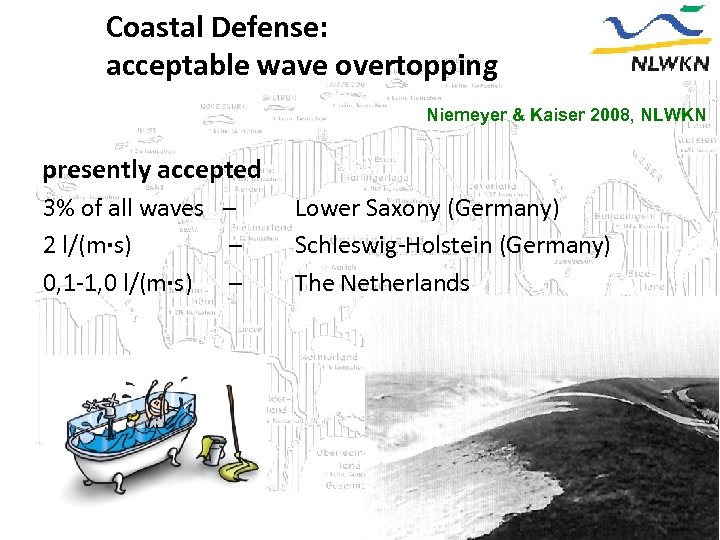 Coastal Defense: acceptable wave overtopping Niemeyer & Kaiser 2008, NLWKN presently accepted 3% of all waves – 2 l/(m∙s) – 0, 1 -1, 0 l/(m∙s) – Lower Saxony (Germany) Schleswig-Holstein (Germany) The Netherlands
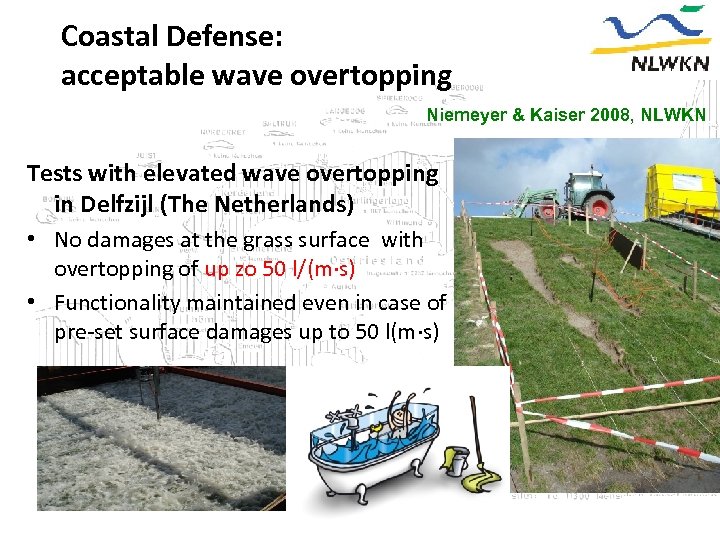 Coastal Defense: acceptable wave overtopping Niemeyer & Kaiser 2008, NLWKN Tests with elevated wave overtopping in Delfzijl (The Netherlands) • No damages at the grass surface with overtopping of up zo 50 l/(m∙s) • Functionality maintained even in case of pre-set surface damages up to 50 l(m∙s)
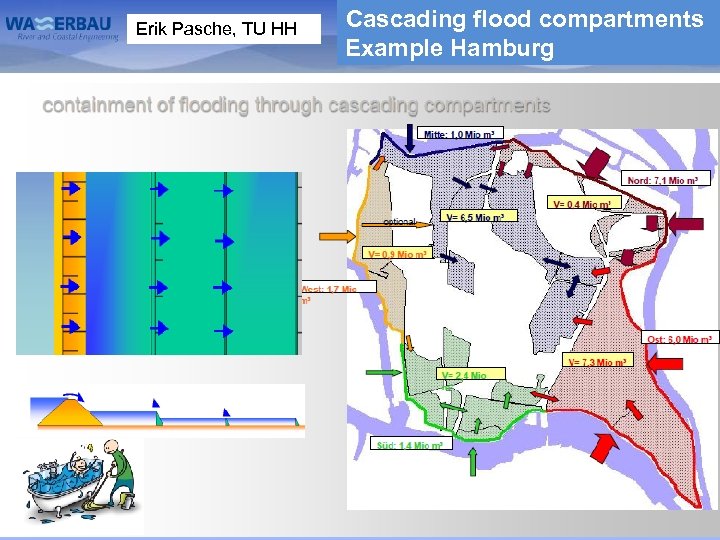 Erik Pasche, TU HH Cascading flood compartments Example Hamburg
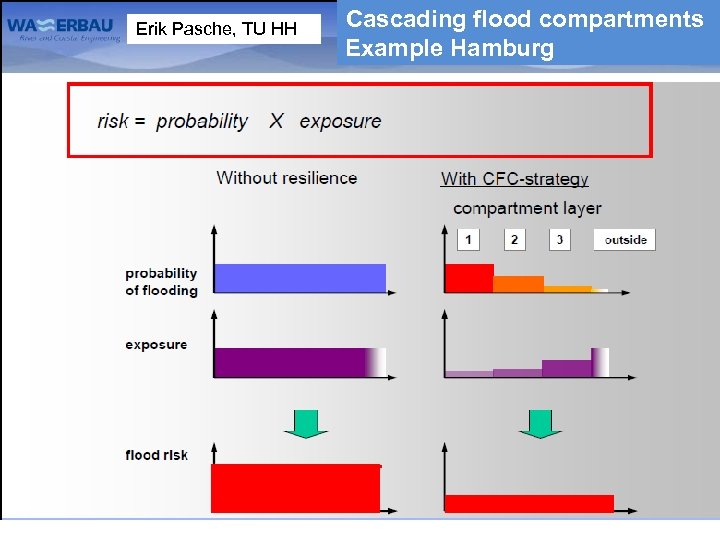 Erik Pasche, TU HH Cascading flood compartments Example Hamburg
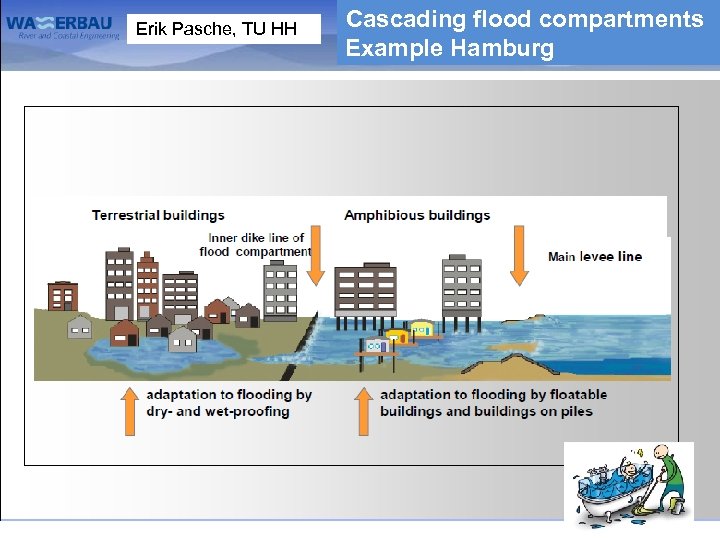 Erik Pasche, TU HH Cascading flood compartments Example Hamburg
 Overview 1. Storm surges – global phenomenon, with regional manifestation. 2. Physics of storm surges: The kid in the bathtub 3. The case of the German Bight 4. Modelling storm surges 5. Examples for attribution of causes for changing storm surge risk
![[m] Albrecht et al. , 2010 Increase of sea level in the German Bight](https://present5.com/presentation/6a6d048ff88b1301538484655ab84828/image-24.jpg "[m] Albrecht et al. , 2010 Increase of sea level in the German Bight") [m] Albrecht et al. , 2010 Increase of sea level in the German Bight
[m] Albrecht et al. , 2010 Increase of sea level in the German Bight
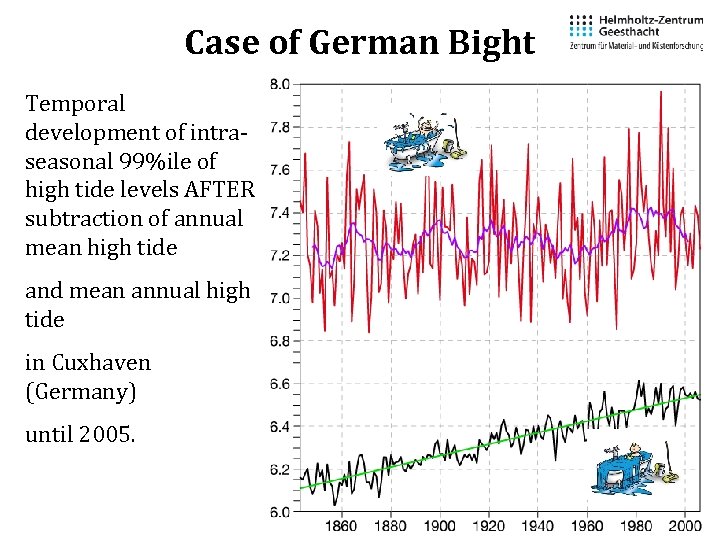 Case of German Bight Temporal development of intraseasonal 99%ile of high tide levels AFTER subtraction of annual mean high tide and mean annual high tide in Cuxhaven (Germany) until 2005.
 Overview 1. Storm surges – global phenomenon, with regional manifestation. 2. Physics of storm surges: The kid in the bathtub 3. The case of the German Bight 4. Modelling storm surges 5. The case of Hamburg – assessment and options
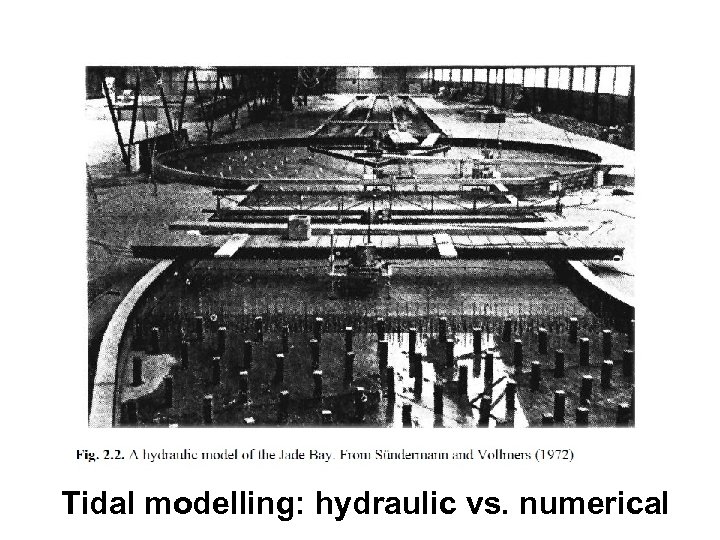 Tidal modelling: hydraulic vs. numerical
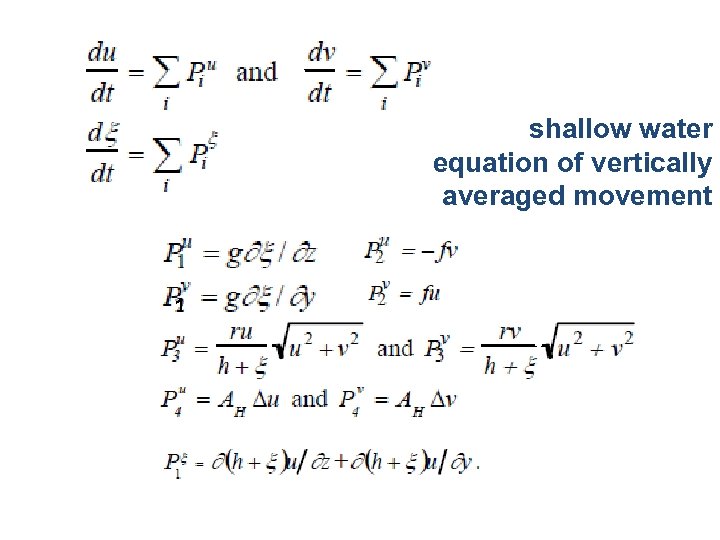 shallow water equation of vertically averaged movement 1
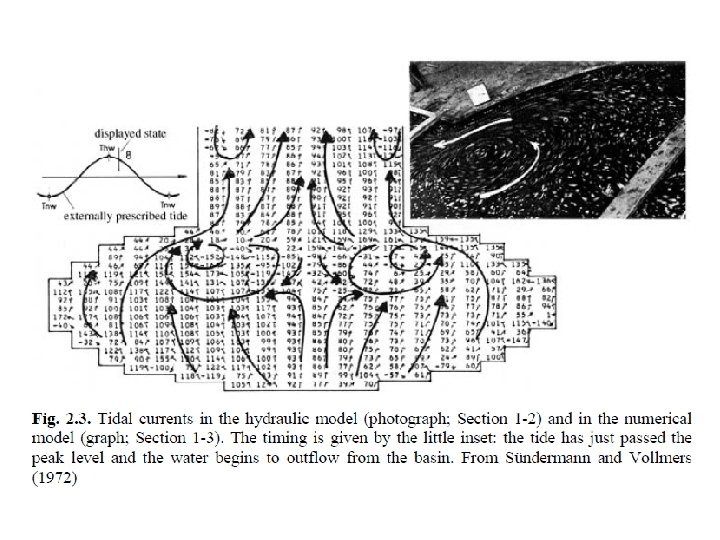
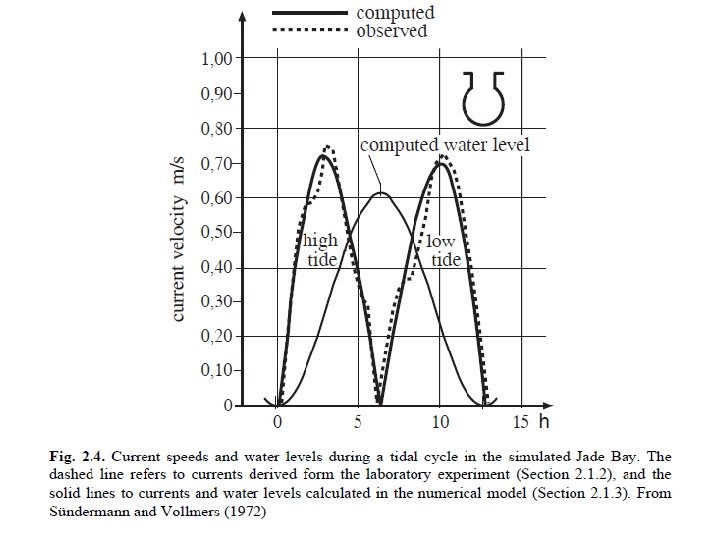
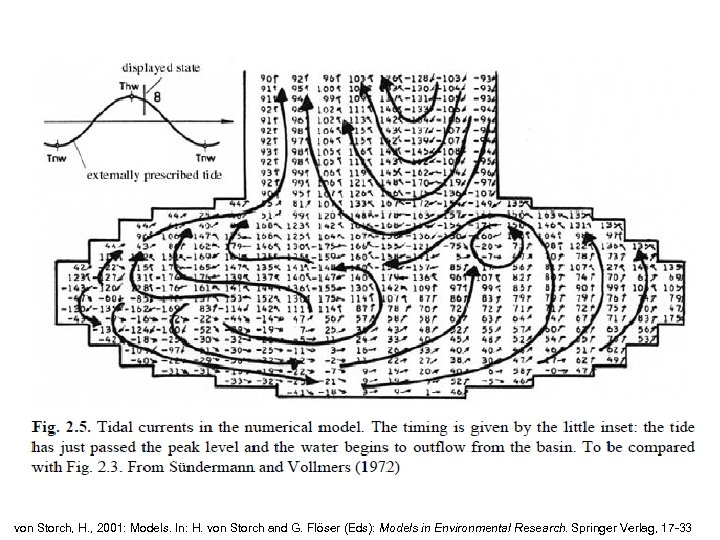 von Storch, H. , 2001: Models. In: H. von Storch and G. Flöser (Eds): Models in Environmental Research. Springer Verlag, 17 -33
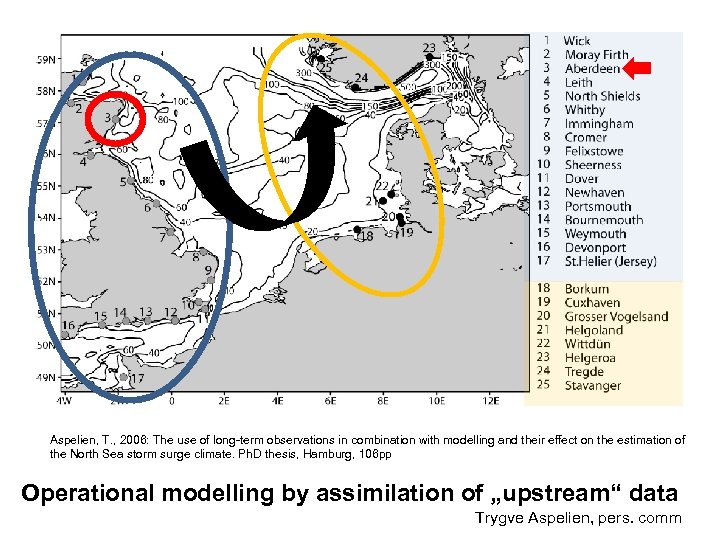 Aspelien, T. , 2006: The use of long-term observations in combination with modelling and their effect on the estimation of the North Sea storm surge climate. Ph. D thesis, Hamburg, 106 pp Operational modelling by assimilation of „upstream“ data Trygve Aspelien, pers. comm
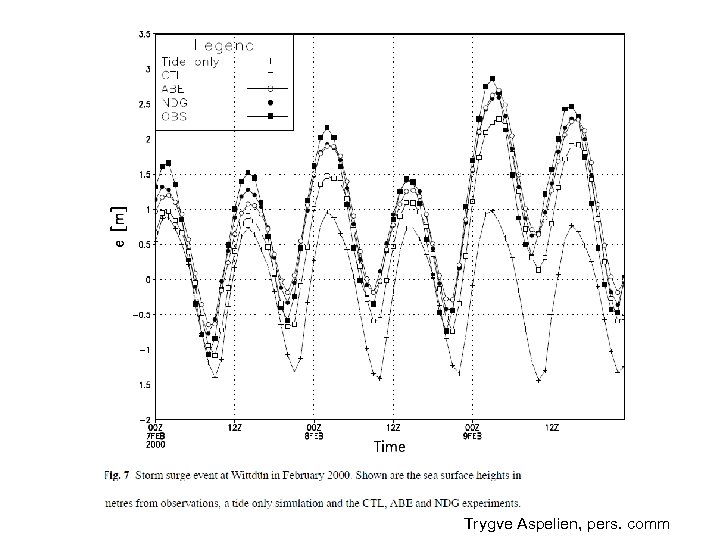 Trygve Aspelien, pers. comm
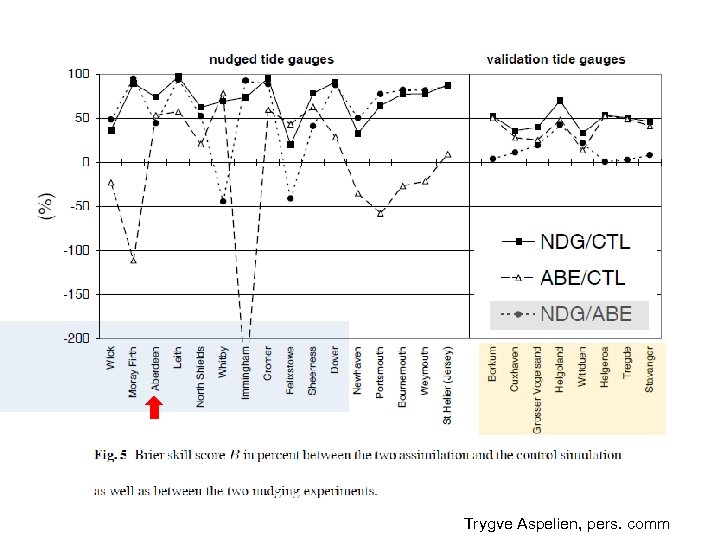 Trygve Aspelien, pers. comm
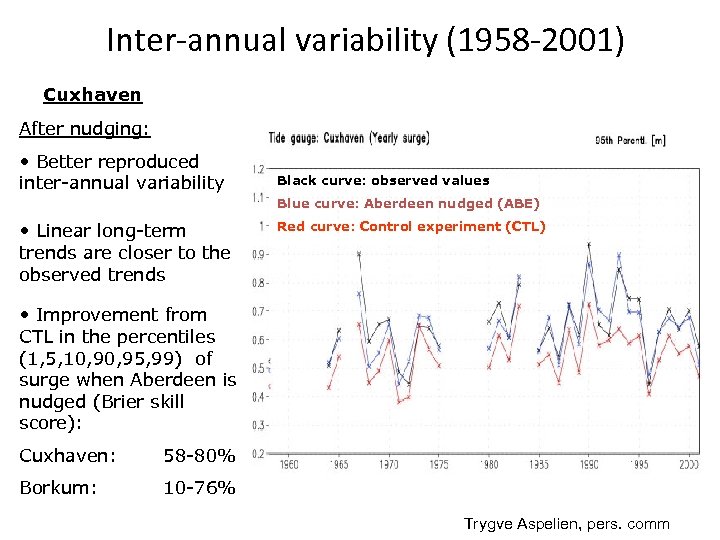 Inter-annual variability (1958 -2001) Cuxhaven After nudging: • Better reproduced inter-annual variability Black curve: observed values Blue curve: Aberdeen nudged (ABE) • Linear long-term trends are closer to the observed trends Red curve: Control experiment (CTL) • Improvement from CTL in the percentiles (1, 5, 10, 95, 99) of surge when Aberdeen is nudged (Brier skill score): Cuxhaven: 58 -80% Borkum: 10 -76% Trygve Aspelien, pers. comm
 Overview 1. Storm surges – global phenomenon, with regional manifestation. 2. Physics of storm surges: The kid in the bathtub 3. The case of the German Bight 4. Modelling storm surges 5. Examples for attribution of causes for changing storm surge risk
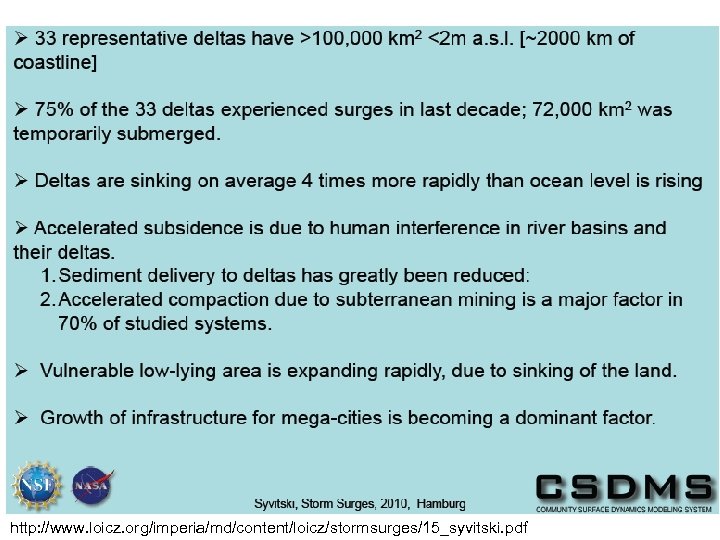 http: //www. loicz. org/imperia/md/content/loicz/stormsurges/15_syvitski. pdf
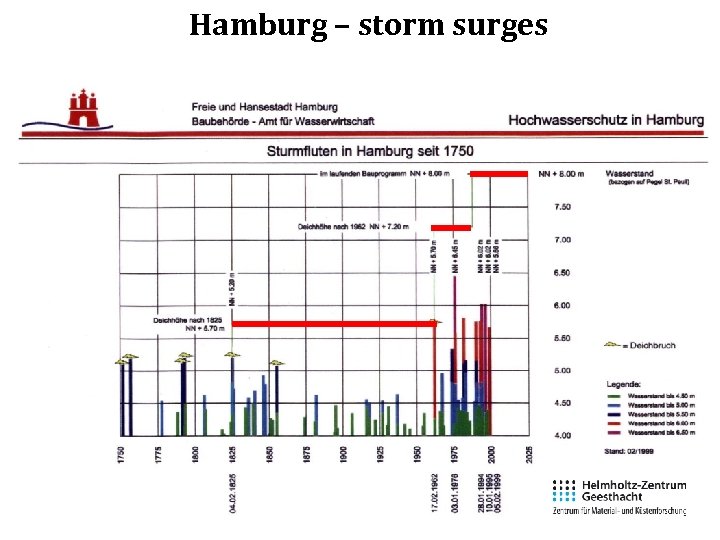 Hamburg – storm surges
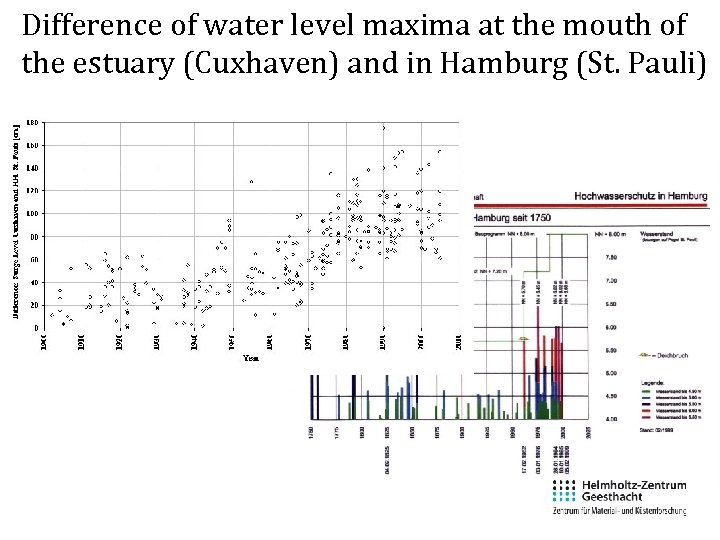 Difference of water level maxima at the mouth of the estuary (Cuxhaven) and in Hamburg (St. Pauli)
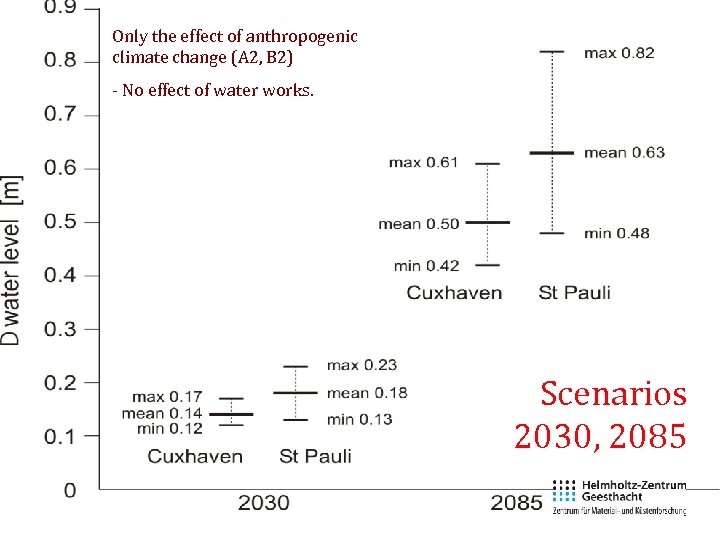 Only the effect of anthropogenic climate change (A 2, B 2) - No effect of water works. Scenarios 2030, 2085
 Conclusions • Storm surges are a serious issue • Storm surges are an interesting issue. • Storm surges is a global phenomenon but usually considered on a regional or even local scale. • Issues relate to the phenomenon, prediction, risk management, disaster management and dealing with changing conditions • The phenomenon allows for efficient description (risk statistics, forecast) by numerical modeling • Risks are changing due to geophysical conditions (sea level, wind statistics), delta sinking (resource extraction) and water works (dredging shipping lanes, coastal protection) • Storm surges is a societal issue, which needs transdisciplinary attention.
 Hans von Storch hvonstorch@web. de