


 Скачать презентацию 11 1 А Ecology including humans and the
2017-18 Ecosystems in the local area.pptx
- Количество слайдов: 30
 11. 1 А: Ecology, including humans and the environment. Microbiology and Biotechnology Topic: Ecosystems in the local area Nutrition in Microorganisms
 Lesson Objectives • Define ecosystem and the terms associated with it. • Examine the components and functions of different ecosystems. Understand the significance of statistics in ecological research. Differentiate between research hypothesis and statistical hypothesis
 Activity - Station • Give definitions for the following terms ü Area ü Niche ü Food web ü Food chain ü Ecosystem ü Community ü Population
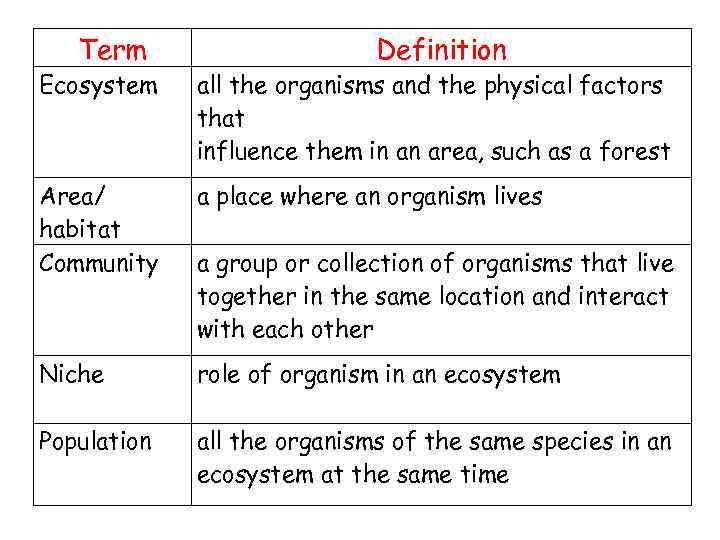 Term Definition Ecosystem all the organisms and the physical factors that influence them in an area, such as a forest Area/ habitat Community a place where an organism lives Niche role of organism in an ecosystem Population all the organisms of the same species in an ecosystem at the same time a group or collection of organisms that live together in the same location and interact with each other
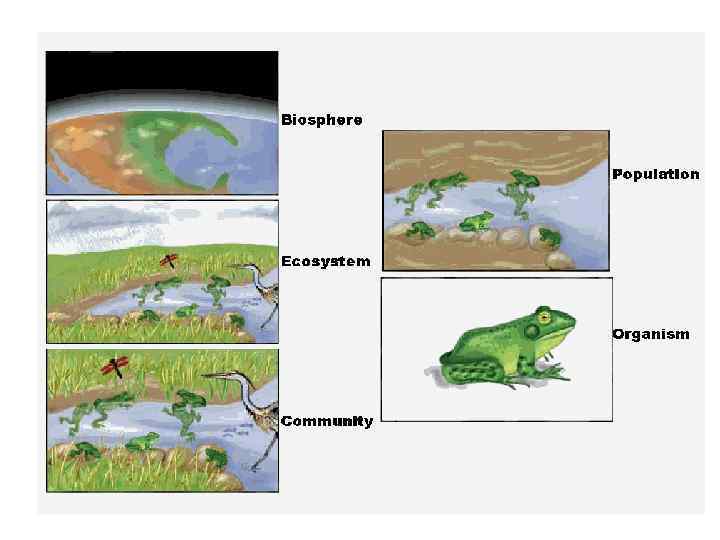
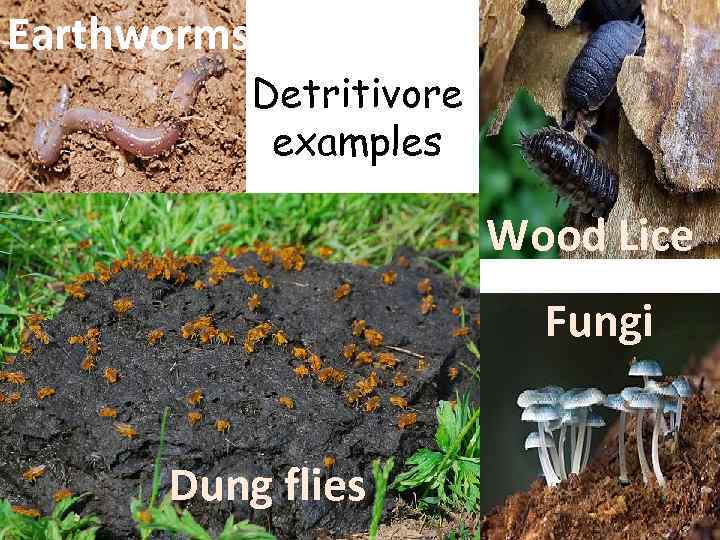 Earthworms Detritivore examples Wood Lice Fungi Dung flies
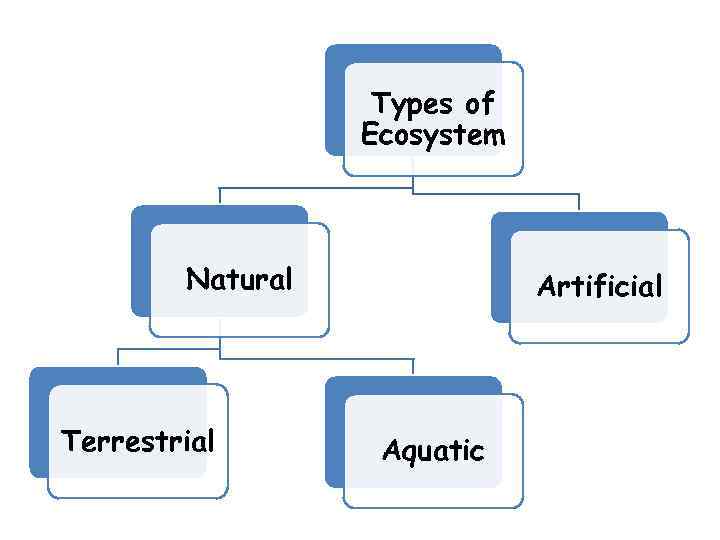 Types of Ecosystem Natural Terrestrial Artificial Aquatic
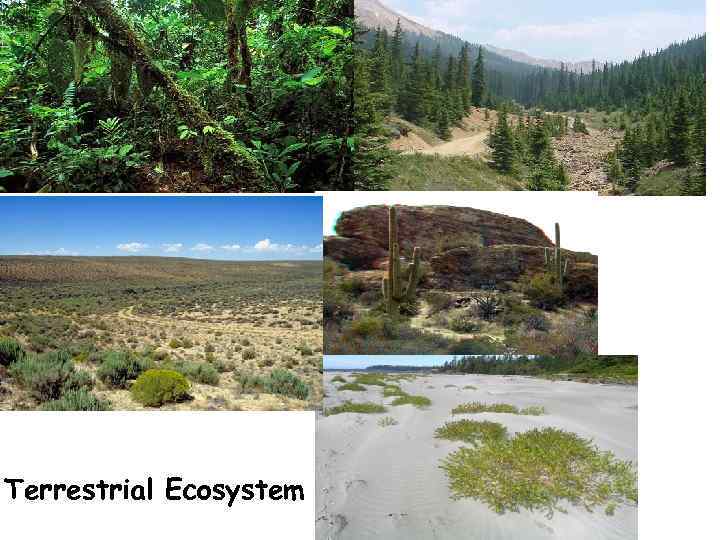 Terrestrial Ecosystem
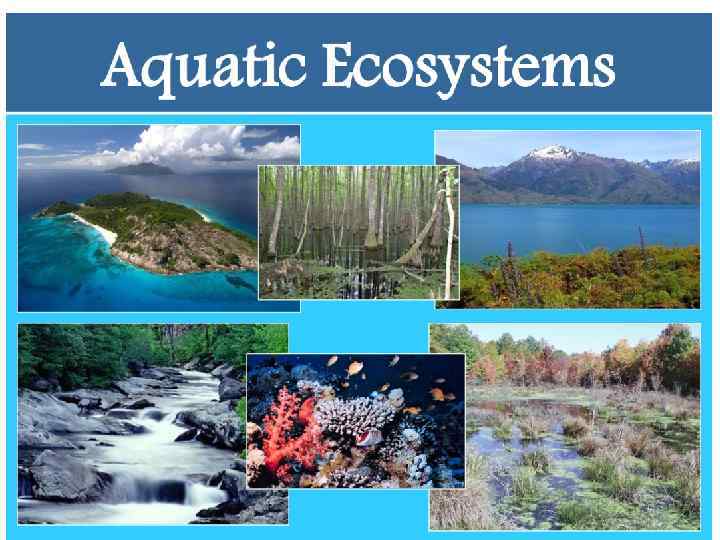
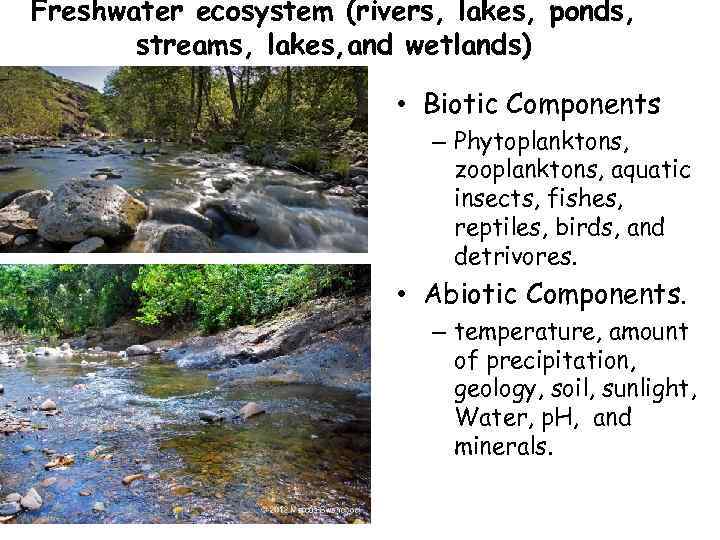 Freshwater ecosystem (rivers, lakes, ponds, streams, lakes, and wetlands) • Biotic Components – Phytoplanktons, zooplanktons, aquatic insects, fishes, reptiles, birds, and detrivores. • Abiotic Components. – temperature, amount of precipitation, geology, soil, sunlight, Water, p. H, and minerals.
 Functions of the freshwater ecosystem • Source of food. • It supports the other terrestrial system by providing water. • Purifies water supplies • Store flood waters, • Generate electricity with hydropower, • Produce building materials such as timber and clay bricks, • Provide places for recreation and attractions for tourists, and • Deliver sand to replenish coastal beaches.
 Group Activity • Group 1: Steppe ecosystem • Group 2: Band (Strip) Pine Forests ecosystem. • Group 3: Irtysh river ecosystem. • Group 4: Marsh/swamp ecosystem.
 What is research?
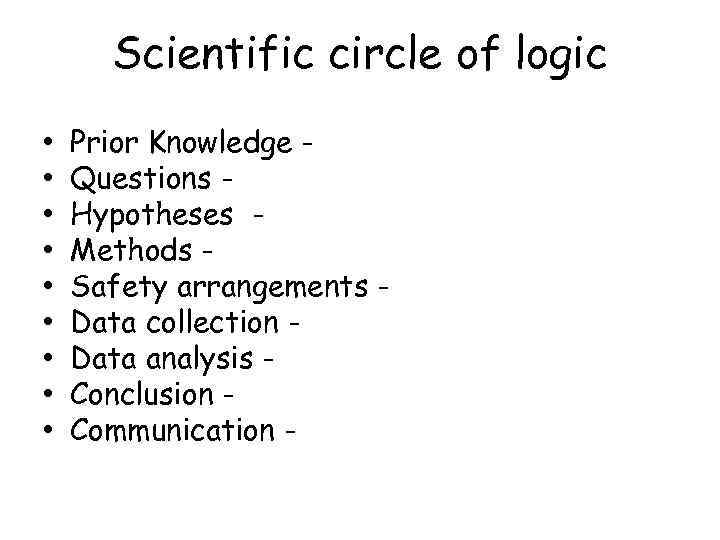 Scientific circle of logic • • • Prior Knowledge Questions Hypotheses Methods Safety arrangements Data collection Data analysis Conclusion Communication -
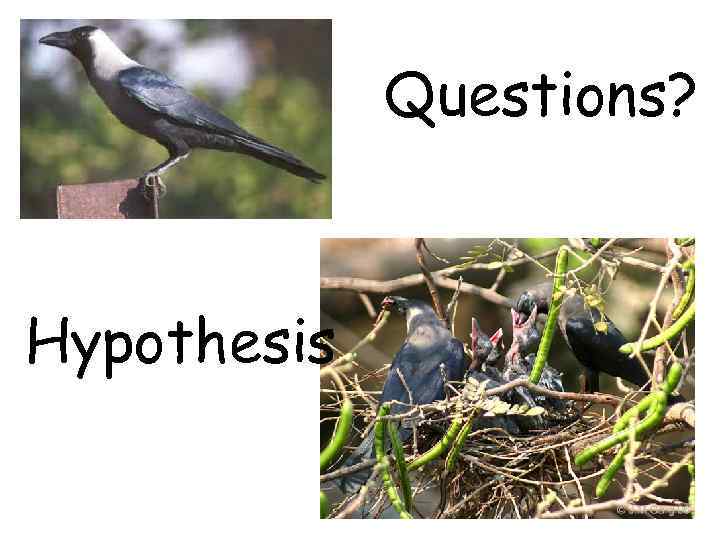 Questions? Hypothesis
 Hypotheses • A proposed explanation for a phenomenon based on your observations. • A scientific hypothesis must be testable and based on previous observations or extensions of scientific theories.
 Types • Research Hypotheses • Statistical hypotheses. Null hypotheses (H 0). Alternate hypotheses (Ha).
 Research Hypotheses • A prediction of study outcomes. • Often a statement of the expected relationship between two or more variables.
 Statistical Hypotheses • Statement that you want to test. • A statistical hypothesis test is a method of making statistical decisions using experimental data. • The goal of statistical hypothesis testing is to estimate the probability of getting your observed results under the null hypothesis.
 Null hypotheses (H 0) Always – there is no difference The null hypothesis is not rejected unless there is strong evidence against it. Alternate Hypotheses (Ha) Always – there is a difference.
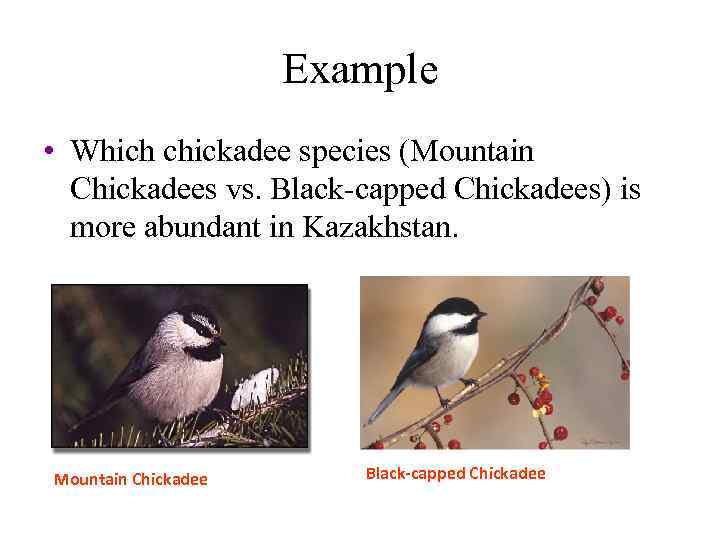 Example • Which chickadee species (Mountain Chickadees vs. Black-capped Chickadees) is more abundant in Kazakhstan. Mountain Chickadee Black-capped Chickadee
 Hypotheses Research Hypothesis More Mtn. Chickadees because they are more associated with conifer habitats Statistical Hypotheses Null Hypothesis Ho – No difference in abundance of the 2 sp. Alternate Hypothesis Ha – There IS a difference in abundance
 Area
Area
 Niche
Niche
 Food web
 Food chain
 Ecosystem
 Community
 Population