


 Скачать презентацию 1 Welcome Thanks for joining us ITRC s
eca6c5efdace2c2f789253964456367d.ppt
- Количество слайдов: 89
 1 Welcome – Thanks for joining us. ITRC’s Internet-based Training Program Performance-Based Environmental Management Improving Environmental Site Remediation Through Performance-Based Environmental Management (RPO-7, 2007) This training is co-sponsored by the US EPA Technology Innovation and Field Services Division (TIFSD)
 2 ITRC Disclaimer and Copyright Although the information in this ITRC training is believed to be reliable and accurate, the training and all material set forth within are provided without warranties of any kind, either express or implied, including but not limited to warranties of the accuracy, currency, or completeness of information contained in the training or the suitability of the information contained in the training for any particular purpose. ITRC recommends consulting applicable standards, laws, regulations, suppliers of materials, and material safety data sheets for information concerning safety and health risks and precautions and compliance with then-applicable laws and regulations. ECOS, ERIS, and ITRC shall not be liable for any direct, incidental, special, consequential, or punitive damages arising out of the use of any information, apparatus, method, or process discussed in ITRC training, including claims for damages arising out of any conflict between this the training and any laws, regulations, and/or ordinances. ECOS, ERIS, and ITRC do not endorse or recommend the use of, nor do they attempt to determine the merits of, any specific technology or technology provider through ITRC training or publication of guidance documents or any other ITRC document. Copyright 2007 Interstate Technology & Regulatory Council, 444 North Capitol Street, NW, Suite 445, Washington, DC 20001
 3 ITRC (www. itrcweb. org) – Shaping the Future of Regulatory Acceptance u u Host organization Network • State regulators u • • § All 50 states and DC • Federal partners u DOE DOD EPA • ITRC Industry Affiliates Program Wide variety of topics Technologies Approaches Contaminants Sites Products • Technical and regulatory guidance documents • Internet-based and classroom training • Academia • Community stakeholders
 4 ITRC Course Topics Planned for 2010 – More information at www. itrcweb. org Popular courses from 2009 u u u u New in 2010 u Decision Framework for Decontamination and Decommissioning of Applying Attenuation Radiologically-Contaminated Facilities Processes to Metals Enhanced Attenuation of Chlorinated Organics and Radionuclides In Situ Bioremediation of Chlorinated Ethene u LNAPL Part 3: DNAPL Source Zones Evaluating LNAPL Part 1: An Improved Understanding of Remedial Technologies for Achieving Project LNAPL Behavior in the Subsurface Goals LNAPL Part 2: LNAPL Characterization and u Mining Waste Recoverability u Remediation Risk Perchlorate Remediation Technologies Management: An Performance-based Environmental Management Approach to Effective Phytotechnologies Remedial Decisions Protocol for Use of Five Passive Samplers and More Protective Quality Consideration for Munitions Response Cleanups Survey of Munitions Response Technologies Determination/Application of Risk-Based Values ITRC 2 -day Classroom Training: Use of Risk Assessment in Vapor Intrusion Pathway Management of Contaminated Sites
 5 Performance-Based Environmental Management (PBEM) Logistical Reminders • Phone line audience ü Keep phone on mute ü *6 to mute, *7 to un-mute to ask question during designated periods ü Do NOT put call on hold • Simulcast audience ü Use at the top of each slide to submit questions • Course time = 2¼ hours Presentation Overview • • Introduction PBEM components Questions & answers PBEM implementation Case studies Links to additional resources Your feedback Questions & answers
 6 Meet the ITRC Instructors Tom O’Neill Pamela J. Baxter NJ Dept of Env. Protection Trenton, New Jersey 609 -292 -2150 tom. o’neill@ dep. state. nj. us US EPA Region 2 New York, New York 212 -637 -4416 baxter. pamela@epa. gov Mike Rafferty Sriram Madabhushi S. S. Papadopulos & Associates San Francisco, California 415 -896 -9000 x 202 mrafferty@sspa. com ITRC Program Advisor San Antonio, Texas 803 -446 -0607 madabhushi_sriram@ bah. com
 7 What We Will Talk About… u Basic concepts of performance-based environmental management (PBEM) • • u What is PBEM? How and when to use it? Benefits of using PBEM Case studies Regulators’ concerns described in Association of State and Territorial Solid Waste Management Officials (ASTSWMO) white paper
 8 What We Will Talk About… u Why should you care? u When to use and when not to use performance-based contracting (PBC)? • PBEM is being proposed and implemented at many sites • Considered a best management practice • Limitations of PBCs • Caution: PBCs are not a panacea for all sites u Tech Reg document on: Improving Environmental Site Remediation Through Performance-Based Environmental Management (RPO-7, 2007)
 9 Performance-Based Environmental Management (PBEM) Presentation Overview Introduction PBEM Components PBEM Implementation and Case Studies Q&A
 10 Performance-Based Environmental Management (PBEM) Presentation Overview Introduction • Definition • Goals and Benefits • Regulatory Concerns • Related Concepts • Systematic Planning • Effective Communication • Social Capital PBEM Components PBEM Implementation and Case Studies Q&A
 11 Definition u What is performance-based environmental management (PBEM) • PBEM is a strategic, goal-oriented uncertainty management methodology that is implemented through effective planning and timely decision-logic that focuses on the desired end results • Promotes accelerated attainment of cleanup objective in an efficient process
 12 From RPO Perspective u Relationship of PBEM to • Remediation Process Optimization (RPO) • Performance-based contracting (PBC) u RPO-1 document “Remediation Process Optimization: Identifying Opportunities for Enhanced and More Efficient Site Remediation” and the associated Internet-based training available in the www. clu-in. org archive
 13 Benefits u u u Everyone following the same ‘already agreed upon’ plan of action Promote cleanup efficiencies Expedite decision-making and minimizes risks Increase cleanup rates Reach site goals
 14 Regulatory Concerns with PBEM & PBC u u u Unknown process with limited assurances Government staff shortages to provide rapid responses Loss of government oversight Lack of consensus on exit strategy Ineffective communications Need for PBEM Memorandum of Agreement (MOA) with regulators
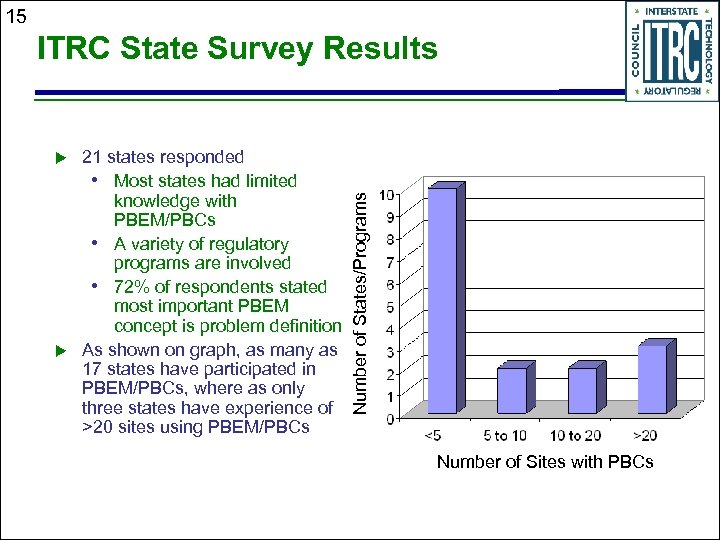 15 u u 21 states responded • Most states had limited knowledge with PBEM/PBCs • A variety of regulatory programs are involved • 72% of respondents stated most important PBEM concept is problem definition As shown on graph, as many as 17 states have participated in PBEM/PBCs, where as only three states have experience of >20 sites using PBEM/PBCs Number of States/Programs ITRC State Survey Results Number of Sites with PBCs
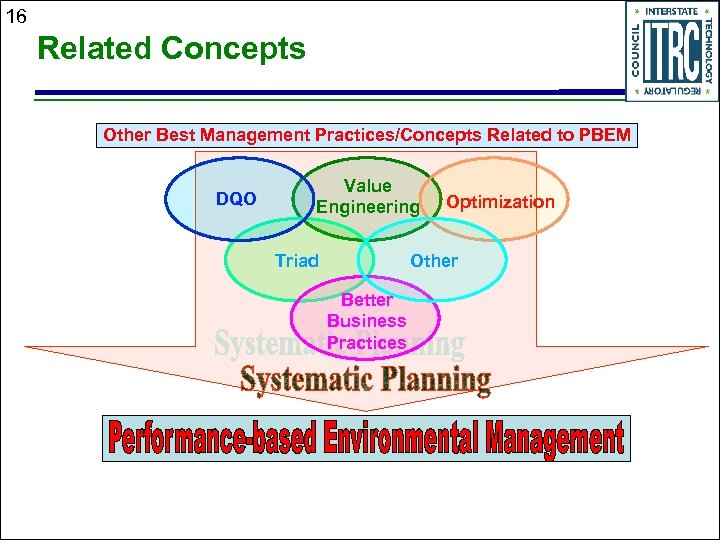 16 Related Concepts Other Best Management Practices/Concepts Related to PBEM DQO Value Engineering Triad Optimization Other Better Business Practices
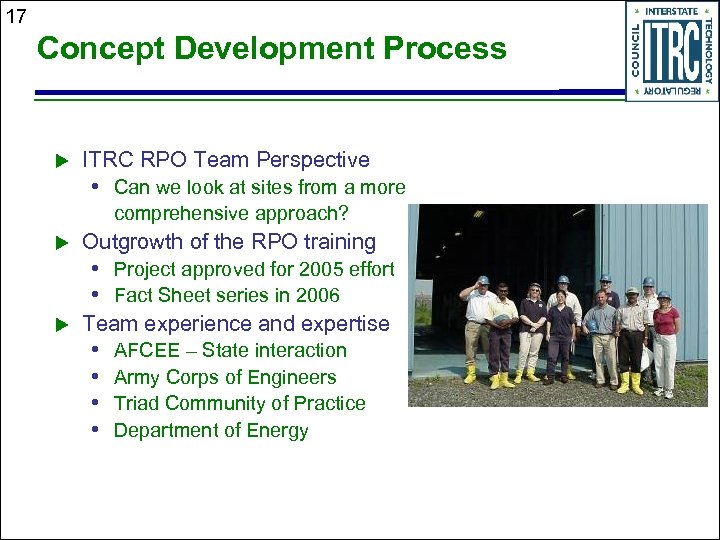 17 Concept Development Process u ITRC RPO Team Perspective • Can we look at sites from a more comprehensive approach? u Outgrowth of the RPO training • Project approved for 2005 effort • Fact Sheet series in 2006 u Team experience and expertise • • AFCEE – State interaction Army Corps of Engineers Triad Community of Practice Department of Energy
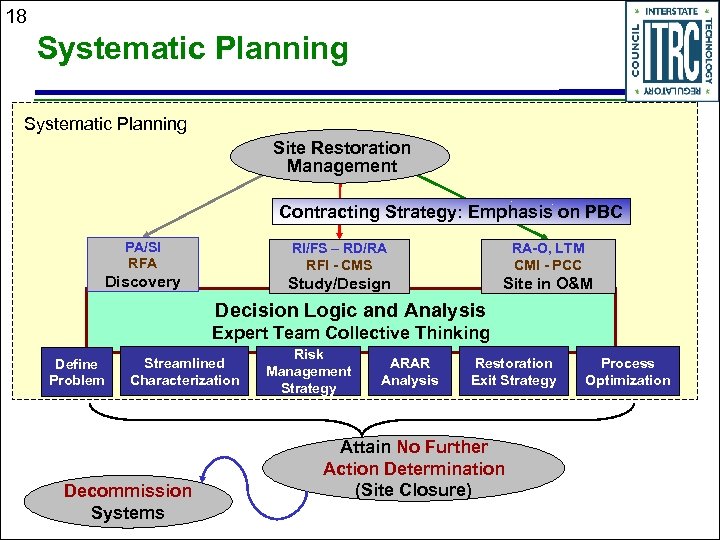 18 Systematic Planning Site Restoration Management Contracting Strategy: Emphasis on PBC PA/SI RFA RI/FS – RD/RA RFI - CMS Study/Design Discovery RA-O, LTM CMI - PCC Site in O&M Decision Logic and Analysis Expert Team Collective Thinking Define Problem Streamlined Characterization Decommission Systems Risk Management Strategy ARAR Analysis Restoration Exit Strategy Attain No Further Action Determination (Site Closure) Process Optimization
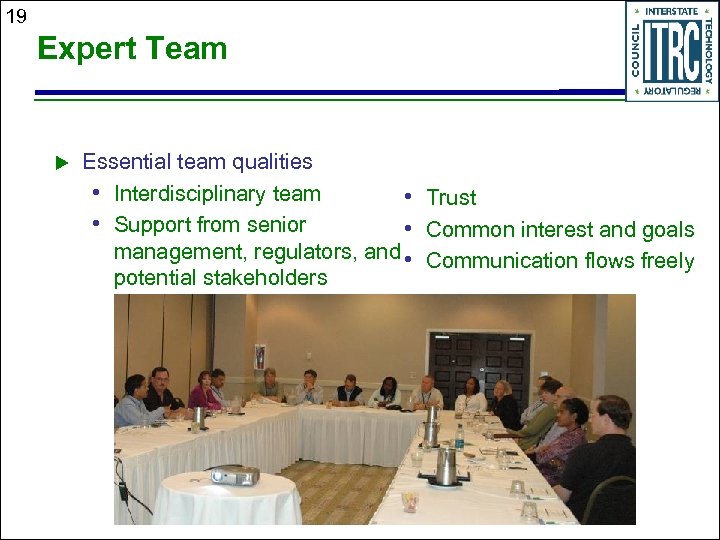 19 Expert Team u Essential team qualities • Interdisciplinary team • Trust • Support from senior • Common interest and goals management, regulators, and • Communication flows freely potential stakeholders
 20 Effective Communications u u u Ensure timeliness and accuracy Promote trust between management, team, and stakeholders Use best available communications technologies Interact with community Explain risk
 21 Social Capital u Social Capital • Ensure all parties understand each others concerns • Win-win solutions u Stakeholder • Include all stakeholders at appropriate decision points • Utilize communication tools
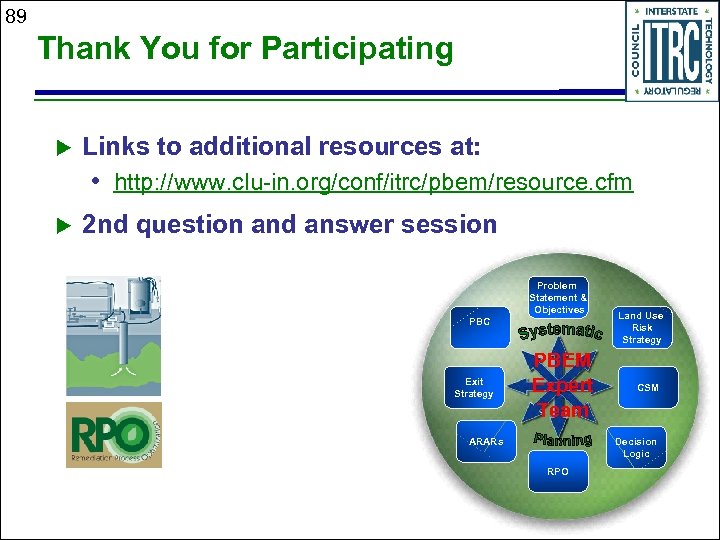
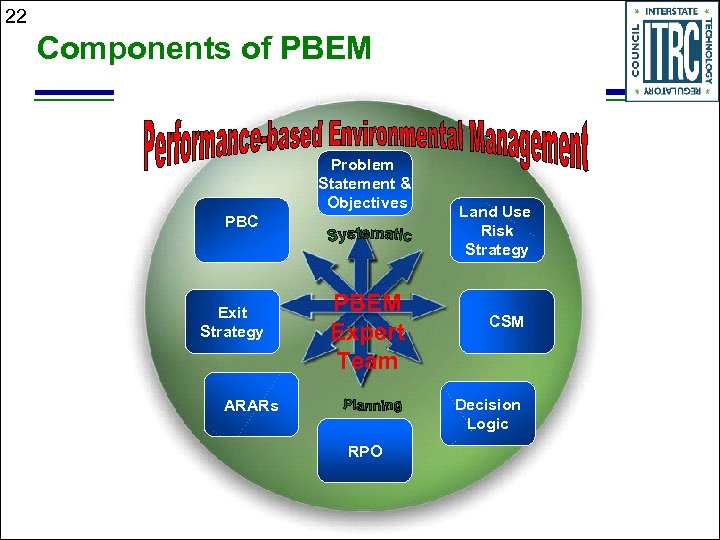 22 Components of PBEM Problem Statement & Objectives PBC RP O Exit Strategy PBEM Expert Team Land Use Risk Strategy CSM Decision Logic ARARs RPO
 23 Performance-Based Environmental Management (PBEM) Presentation Overview Introduction PBEM Components • Problem Statement and Objectives • Land Use Risk Strategy • Conceptual Site Model (CSM) • Decision Logic • Remediation Process Optimization (RPO) • ARARs • Exit Strategy • Performance-based Contracting (PBC) PBEM Implementation and Case Studies Q&A
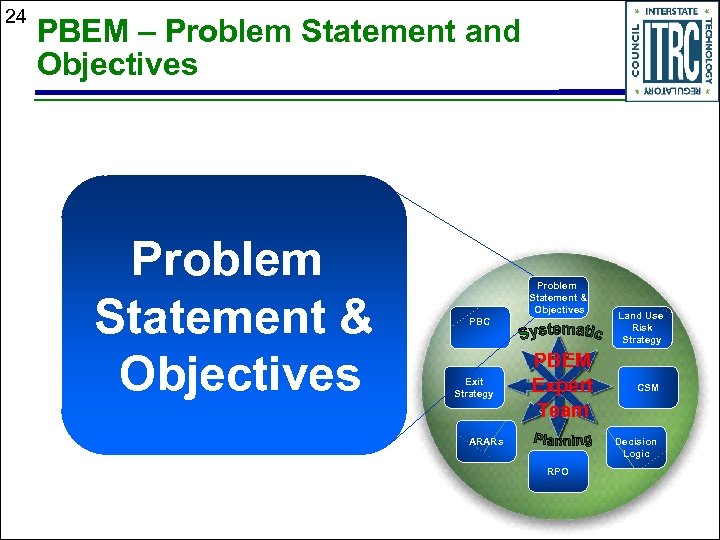 24 PBEM – Problem Statement and Objectives Problem Statement & Objectives PBC Exit Strategy PBEM Expert Team Land Use Risk Strategy CSM Decision Logic ARARs RPO
 25 PBEM – Problem Statement and Objectives (continued) u u u u Develop performance objectives Define conditions at the site Explain reasons for remediation Understand regulatory and political issues Establish a site timeline Identify uncertainties Develop a detailed schedule of the project Verify and update goals as needed
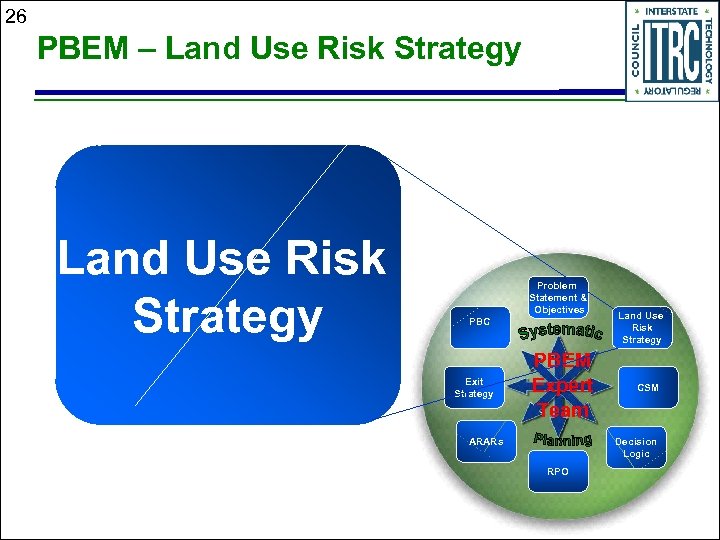 26 PBEM – Land Use Risk Strategy Problem Statement & Objectives PBC Exit Strategy PBEM Expert Team Land Use Risk Strategy CSM Decision Logic ARARs RPO
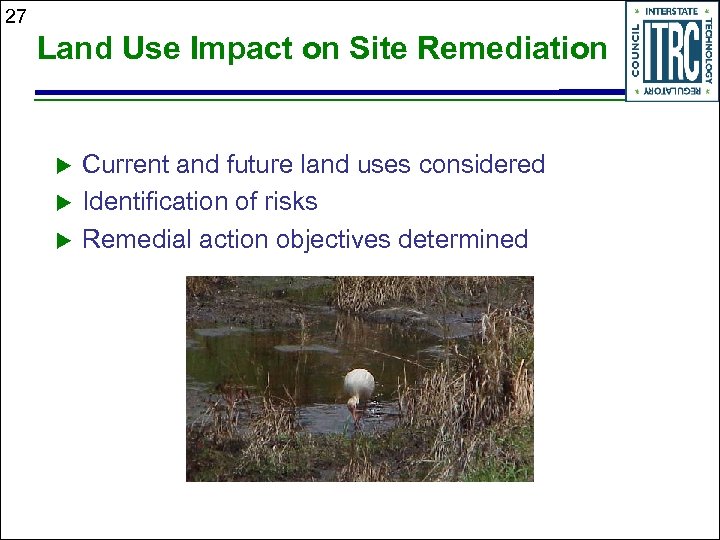 27 Land Use Impact on Site Remediation u u u Current and future land uses considered Identification of risks Remedial action objectives determined
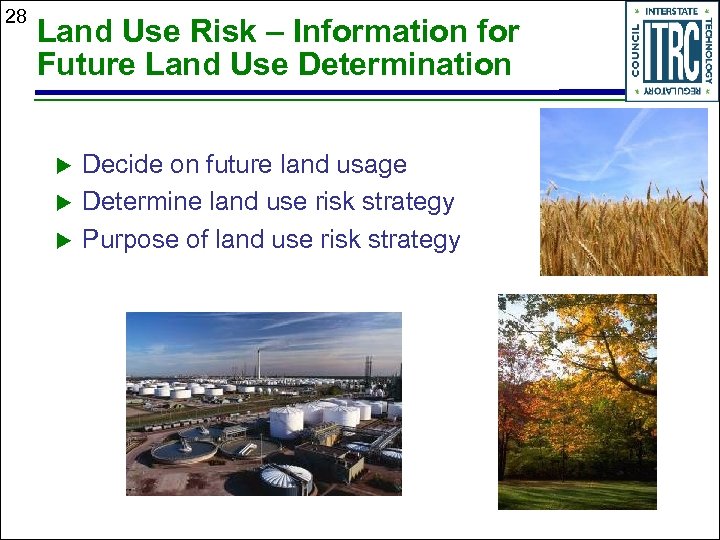 28 Land Use Risk – Information for Future Land Use Determination u u u Decide on future land usage Determine land use risk strategy Purpose of land use risk strategy
 29 Land Use – Remedial Action Objectives (RAOs) u u Specific goals to protect human health and the environment Usually developed in the remediation investigation (RI) and feasibility (FS) phase of a project Foundation upon which remedial action cleanup alternatives are developed Developed considering • • Exposure routes Human, ecological, and environmental receptors Protection of groundwater resources Potential future land use
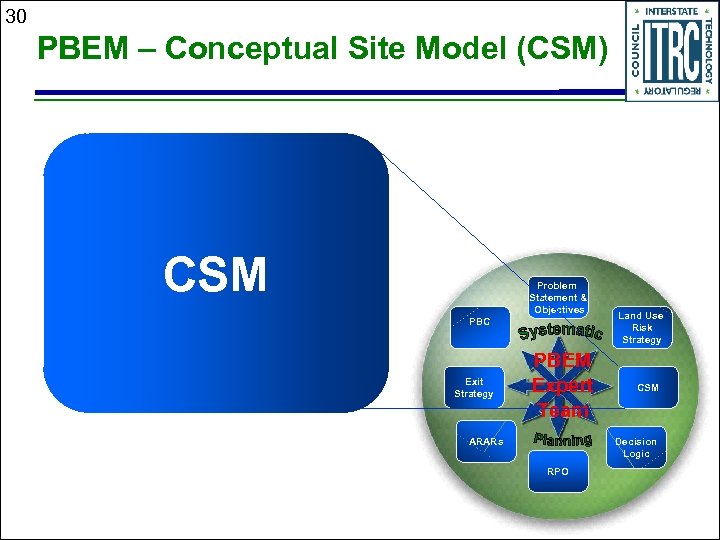 30 PBEM – Conceptual Site Model (CSM) CSM Problem Statement & Objectives PBC Exit Strategy PBEM Expert Team Land Use Risk Strategy CSM Decision Logic ARARs RPO
 31 PBEM – Conceptual Site Model (CSM) (continued) u Develop conceptual site model (CSM) • Focus on data collection from site investigation phases, bench/pilot studies, monitoring events and confirmatory sampling • Compile and interpret data for CSM • Periodically update the CSM u Use CSM for site decision making • Information from CSM can be used throughout the project life cycle
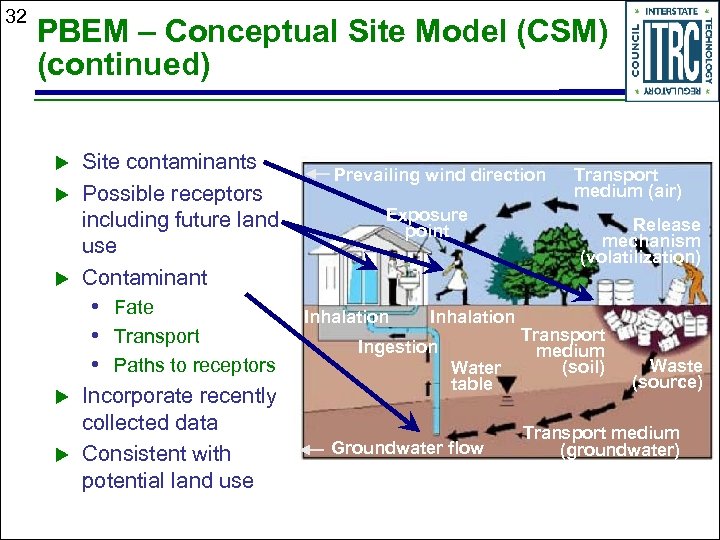 32 PBEM – Conceptual Site Model (CSM) (continued) u u u Site contaminants Possible receptors including future land use Contaminant • Fate • Transport • Paths to receptors u u Incorporate recently collected data Consistent with potential land use Prevailing wind direction Exposure point Inhalation Ingestion Water table Groundwater flow Transport medium (air) Release mechanism (volatilization) Transport medium (soil) Waste (source) Transport medium (groundwater)
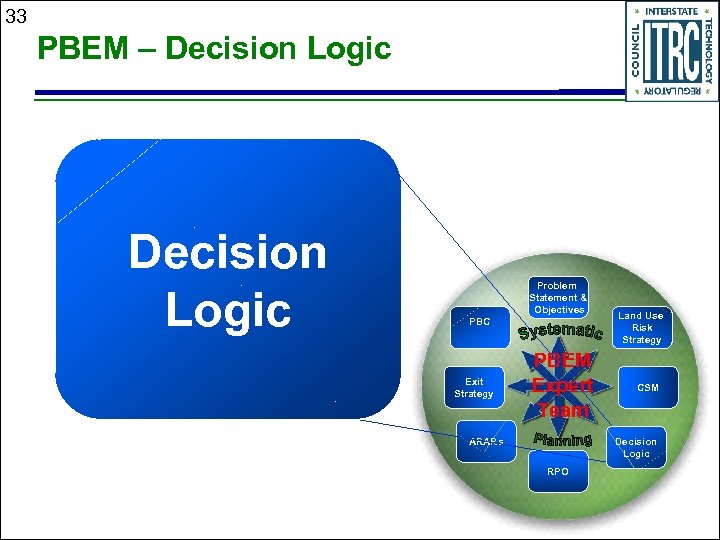 33 PBEM – Decision Logic Problem Statement & Objectives PBC Exit Strategy PBEM Expert Team Land Use Risk Strategy CSM Decision Logic ARARs RPO
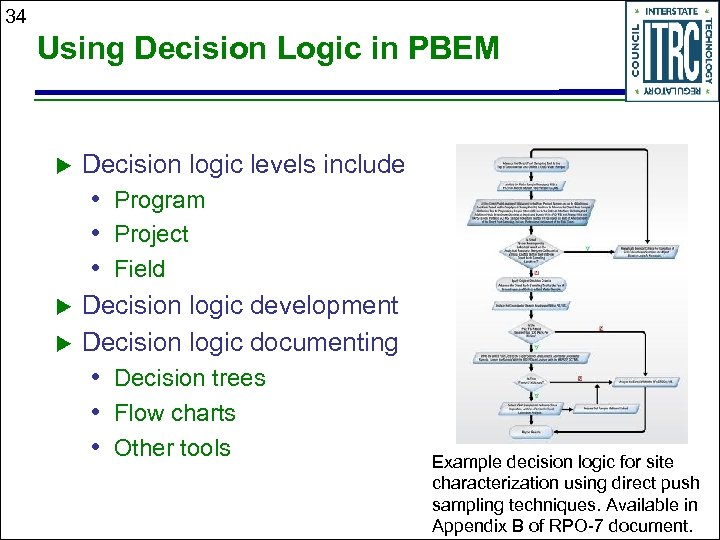 34 Using Decision Logic in PBEM u Decision logic levels include • Program • Project • Field u u Decision logic development Decision logic documenting • Decision trees • Flow charts • Other tools Example decision logic for site characterization using direct push sampling techniques. Available in Appendix B of RPO-7 document.
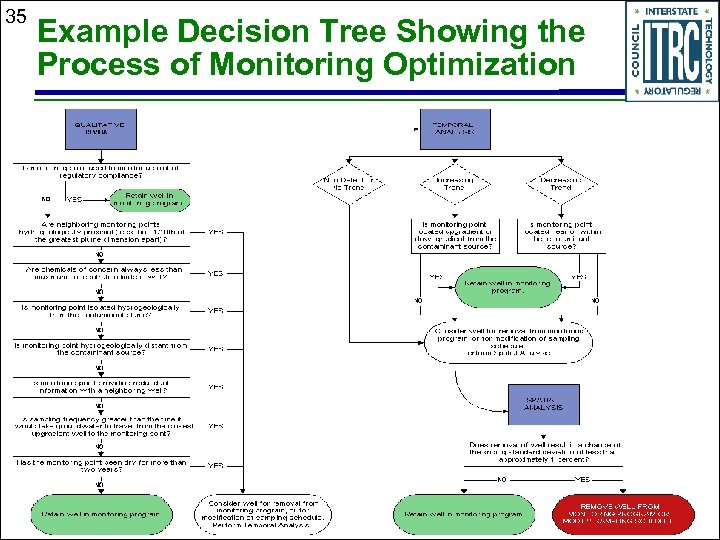 35 Example Decision Tree Showing the Process of Monitoring Optimization
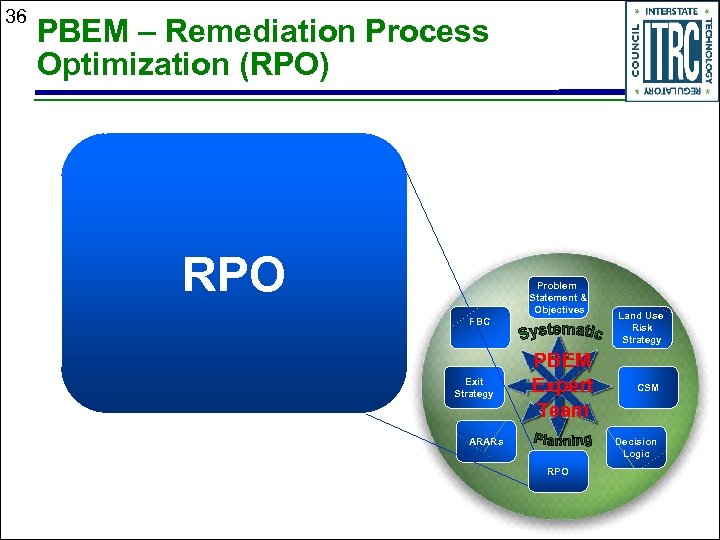 36 PBEM – Remediation Process Optimization (RPO) RPO Problem Statement & Objectives PBC Exit Strategy PBEM Expert Team Land Use Risk Strategy CSM Decision Logic ARARs RPO
 37 PBEM – Remediation Process Optimization (RPO) u u u External look at optimizing current remediation Goal to save time and resources Enhance protection More common in practice RPO-1 document “Remediation Process Optimization: Identifying Opportunities for Enhanced and More Efficient Site Remediation” and the associated Internet-based training
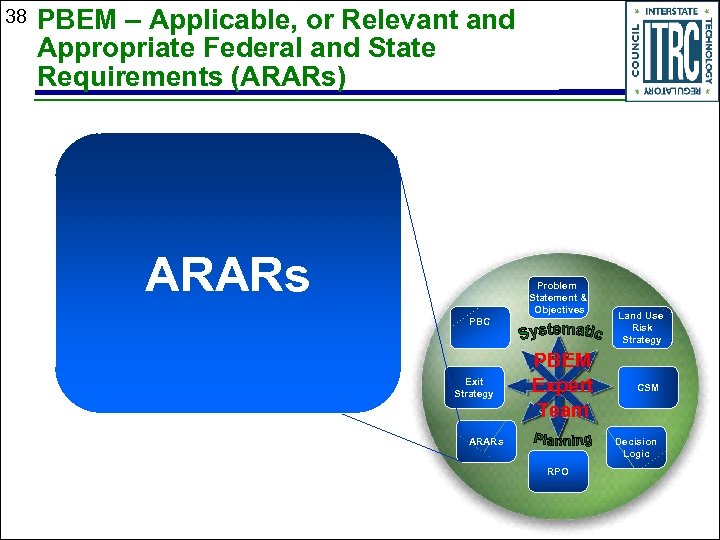 38 PBEM – Applicable, or Relevant and Appropriate Federal and State Requirements (ARARs) ARARs Problem Statement & Objectives PBC Exit Strategy PBEM Expert Team Land Use Risk Strategy CSM Decision Logic ARARs RPO
 39 PBEM – ARARs u Regulatory requirements assessment • Applicable, or relevant and appropriate federal and state requirements (ARARs) must be considered initially during remedy selection and periodically revised New Jersey’s N. J. A. C. 7: 26 E Technical Requirements for Site Remediation ("Tech Rule") California’s Code of Regulations (CCR), Title 22, Division 4. 5 South Carolina’s Hazardous Waste Regulations, Reg. 61 -79 (RCRA)
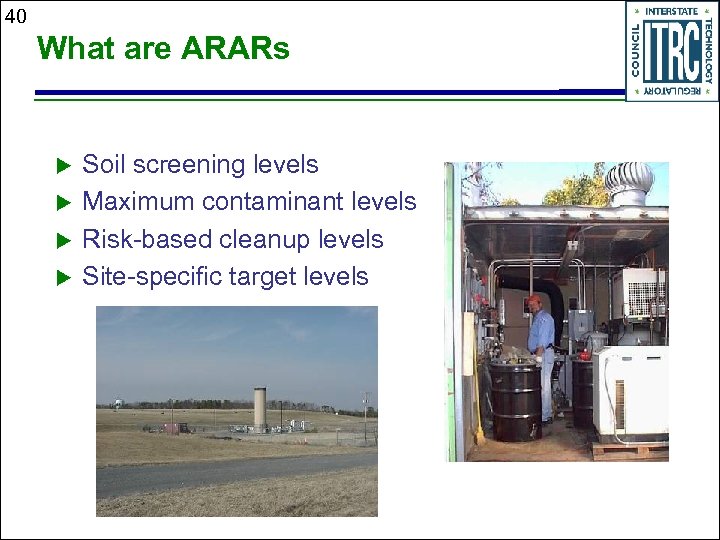 40 What are ARARs u u Soil screening levels Maximum contaminant levels Risk-based cleanup levels Site-specific target levels
 41 Performance-Based Environmental Management (PBEM) Questions and Answers
 42 Performance-Based Environmental Management (PBEM) Presentation Overview Introduction PBEM Components • Problem Statement • Land Use Risk Strategy • Conceptual Site Model • Decision Logic • RPO • ARARs • Exit Strategy • PBCs PBEM Implementation and Case Studies Q&A Continue with the last two components
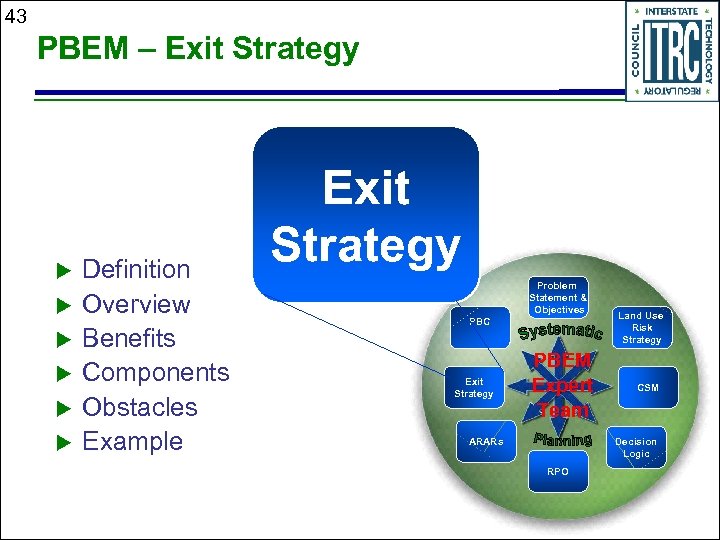 43 PBEM – Exit Strategy u u u Definition Overview Benefits Components Obstacles Example Exit Strategy Problem Statement & Objectives PBC Exit Strategy PBEM Expert Team Land Use Risk Strategy CSM Decision Logic ARARs RPO
 44 Exit Strategy: Definition Detailed plan of why actions will be taken u Specifies goals, schedules and metrics u Documents the pathway leading to no further action status u Identifies milestones and alternative actions u A multi-site facility should develop an exit strategy for each site and a comprehensive exit strategy for the facility
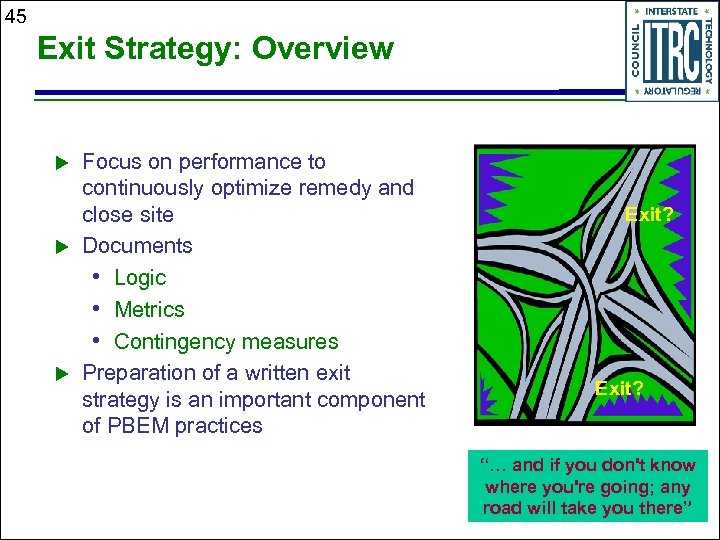 45 Exit Strategy: Overview u u u Focus on performance to continuously optimize remedy and close site Documents • Logic • Metrics • Contingency measures Preparation of a written exit strategy is an important component of PBEM practices Exit? “… and if you don't know where you're going; any road will take you there”
 46 Exit Strategy: Benefits u u u Allows understanding of the site and goals by all stakeholders Provides basis for effective decisions Accelerates risk reduction while maximizing restoration resources Promotes dynamic system optimization through performance tracking Part of good management planning for facility
 47 Exit Strategy: Components u u u Description of the planned remedial components and actions that are planned Remediation and monitoring schedule List of metrics to be used to measure progress Description of potential contingency measures Description of conditions required for site closure Written or graphical summary of the decision logic
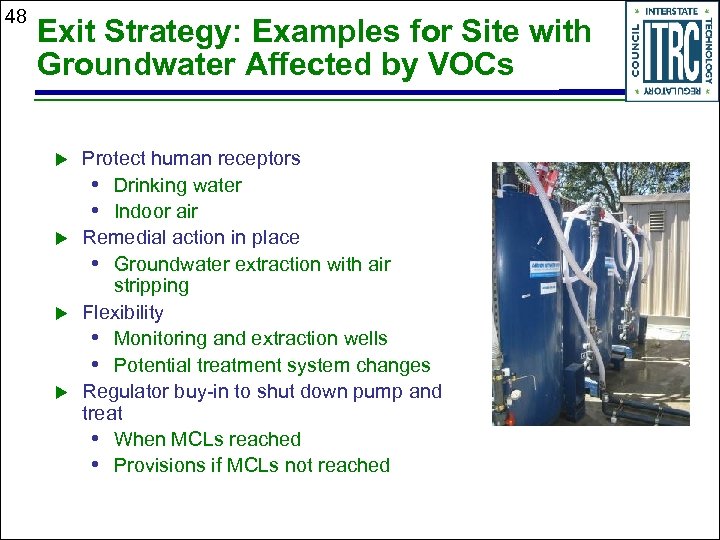 48 Exit Strategy: Examples for Site with Groundwater Affected by VOCs u u Protect human receptors • Drinking water • Indoor air Remedial action in place • Groundwater extraction with air stripping Flexibility • Monitoring and extraction wells • Potential treatment system changes Regulator buy-in to shut down pump and treat • When MCLs reached • Provisions if MCLs not reached
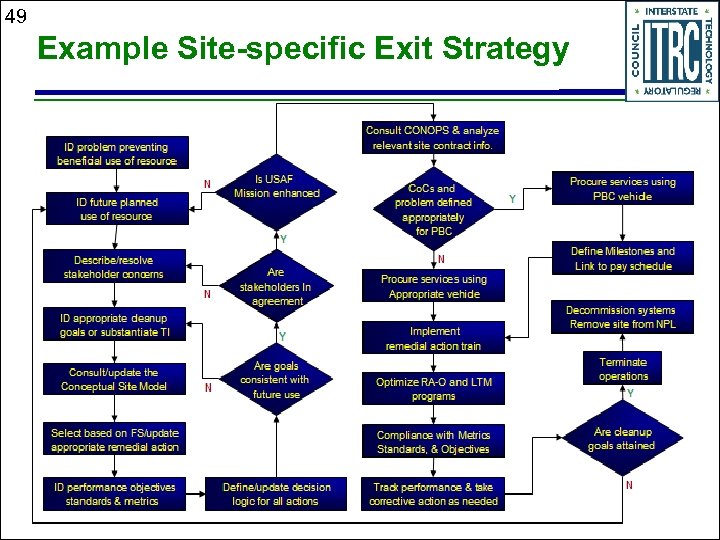 49 Example Site-specific Exit Strategy
 50 Exit Strategy: Obstacles u Inadequate conceptual site models (CSMs) • May require modification of exit strategy as additional data become available u Improper remedial action objectives (RAOs) • Not necessary to protect human health and the environment • Not achievable • If the remedy is impracticable or infeasible
 51 Exit Strategy: Obstacles (continued) u u u Performance metrics unclear Performance monitoring plan inadequate Decision logic not well defined
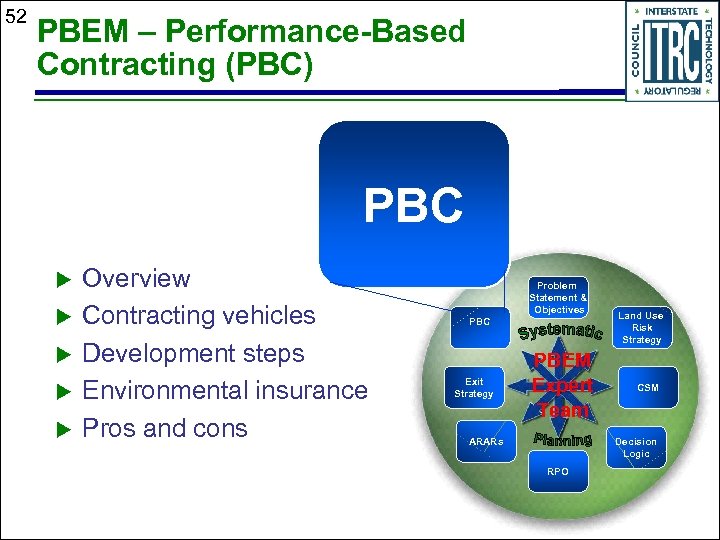 52 PBEM – Performance-Based Contracting (PBC) PBC u u u Overview Contracting vehicles Development steps Environmental insurance Pros and cons Problem Statement & Objectives PBC Exit Strategy PBEM Expert Team Land Use Risk Strategy CSM Decision Logic ARARs RPO
 53 PBC: Overview u u u Clearly defined cleanup goals and milestones Incentives for performance Allowances for flexibility Caution: PBCs do not fit all cases u A typical PBC involves • Definition of the scope • Selection criteria for the PBC contractor • Implementation schedule
 54 PBC: Contracting Vehicles u Fixed-price • Includes lump-sum contracts and fixed unit-price contracts • For services that can be reasonably defined in the solicitation • Risk of performance is manageable u Cost-plus • Also known as cost-reimbursement contracts • Used where costs cannot be determined due to uncertainties in the extent or duration of work • Different variations include cost-plus-fixed fee and cost-reimbursement incentive contracts.
 55 Fixed-price Contracts u Lump-sum contract • Contractor performs work for a predetermined price, not subject to adjustment for contractor’s actual costs u Unit-price contract • Prices of specified units of work are fixed and the cost will vary with actual quantities of units put in place
 56 Fixed-price Contracts (continued) u Places more cost responsibility on contractor • Profit is function of contractor’s ability to control costs and perform effectively u u u Minimum administrative and risk burden on owner May have incentive for contractor to reduce quality of labor or materials to increase profit Places owner-contractor in adversarial roles Difficult to make adjustments due to unforeseen difficulties Permits overall cost to be predetermined
 57 Cost-plus Contracts u u Contract allows for payment of incurred direct expenses at actual costs with a fixed or variable amount covering profit and home-office costs Cost-plus-fixed fee • Fixed fee to cover profit and general and administrative costs with direct costs reimbursable u u Cost-reimbursement guaranteed maximum • Reimbursable up to a not-to-exceed maximum price Cost-reimbursement incentive fee • Some or all of the fee dependent upon achieving certain goals
 58 Cost-plus Contracts (continued) u u u Requires more oversight by owner to provide assurance that efficient methods and effective cost controls are used Contractors profit is fixed but price of contract is not Allows contractor to adjust quickly to unforeseen changes Minimizes adversarial relationship between ownercontractor Costs not known until work almost complete
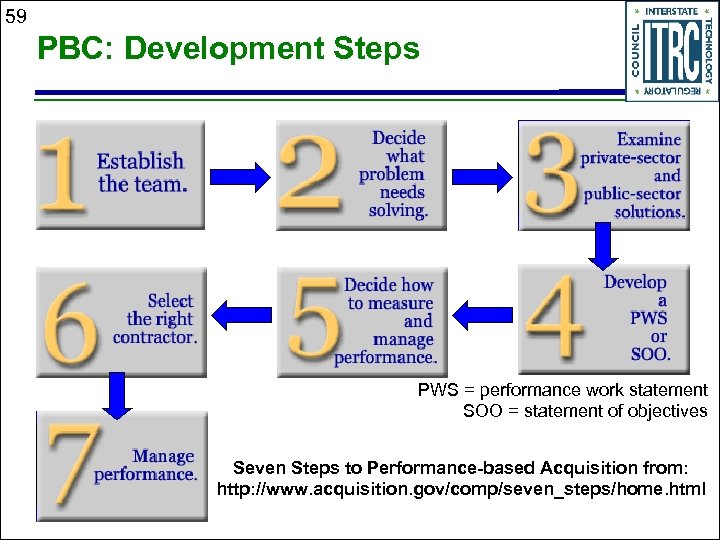 59 PBC: Development Steps PWS = performance work statement SOO = statement of objectives Seven Steps to Performance-based Acquisition from: http: //www. acquisition. gov/comp/seven_steps/home. html
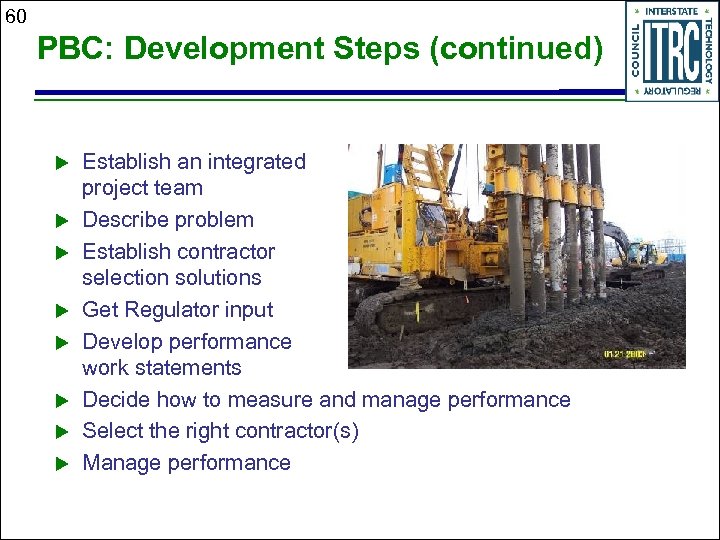 60 PBC: Development Steps (continued) u u u u Establish an integrated project team Describe problem Establish contractor selection solutions Get Regulator input Develop performance work statements Decide how to measure and manage performance Select the right contractor(s) Manage performance
 61 PBC: Environmental Insurance u u Dozens of types of environmental insurance available Often cost cap insurance used Also Pollution Liability and Lender Pollution Liability Insurance Expensive
 62 PBC: Pros and Cons From the Regulator’s view point: u Pros • Schedule set up front • Better managed, faster and cost effective cleanups u Cons • Perceived loss of control by regulators • Significant up front time on the part of the regulator u u Key is how well the problem is defined Need to learn from successes and failures
 63 Performance-Based Environmental Management (PBEM) Presentation Overview Introduction PBEM Components PBEM Implementation and Case Studies Q&A
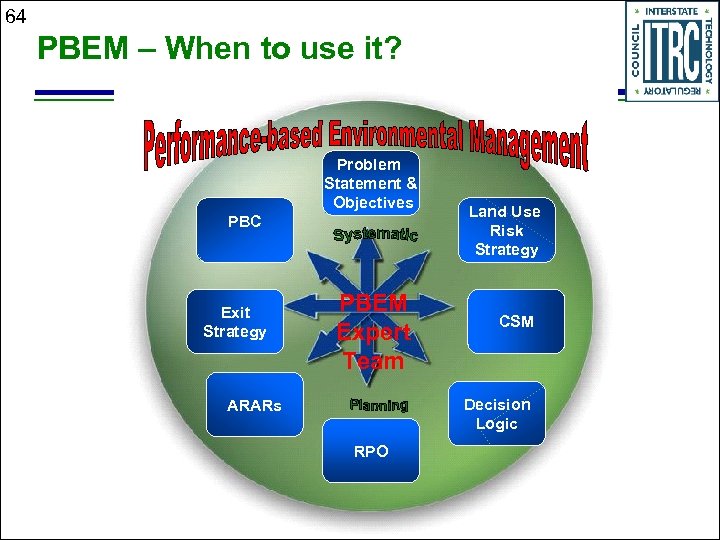 64 PBEM – When to use it? Problem Statement & Objectives PBC RP O Exit Strategy PBEM Expert Team Land Use Risk Strategy CSM Decision Logic ARARs RPO
 65 Federal Agency Implementation u u Department of Defense (Do. D) mandated clean up performance goals Also implementing PBEM process • Department of Energy (DOE) • Environmental Protection Agency (EPA) • Other federal agencies u Federal Acquisition Regulations provide implementing guidance • http: //www. acquisition. gov/comp/ seven_steps/home. html
 66 PBEM – When to use it? u Only during the beginning of a new project? • No, all phases u Only at huge – superfund like sites? • No, all sites u Sites where we know that we will be successful? • No, but … u Do we have to do all components? • No u Sites with no controversies and limited public interest? • Not always
 67 PBEM – Case Studies u u u Programmatic • Federal programs • State programs Project-specific • Sites within a complex Lessons learned • Early completion incentives
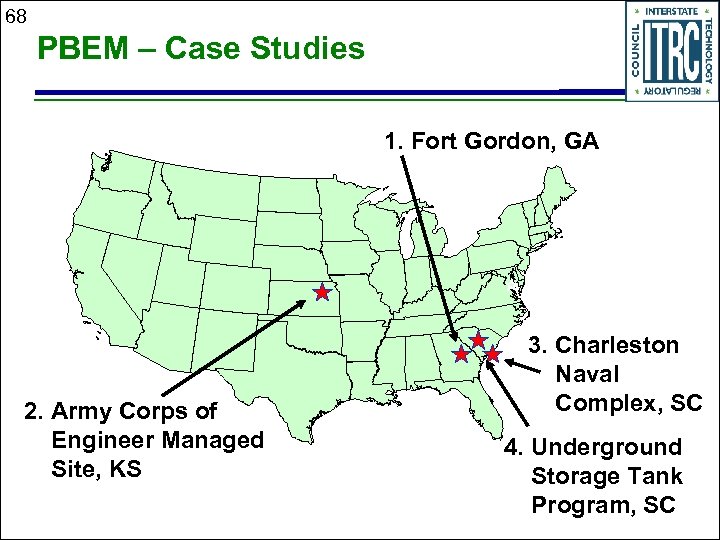 68 PBEM – Case Studies 1. Fort Gordon, GA 2. Army Corps of Engineer Managed Site, KS 3. Charleston Naval Complex, SC 4. Underground Storage Tank Program, SC
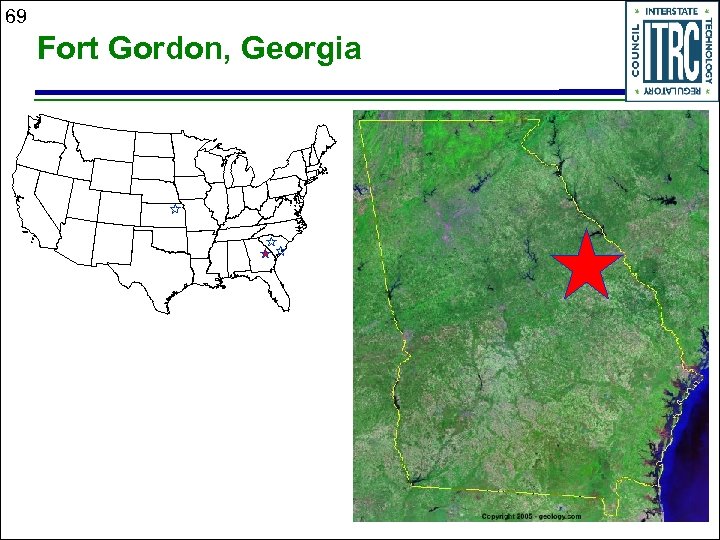 69 Fort Gordon, Georgia
 70 PBEM – Case Studies Ft. Gordon u u u Guaranteed fixed price with insurance Award period: about $20 M awarded in 2002 Site information • 26 of 35 active solid waste management units (SWMUs) • Most of the units were in site investigation phase • Groundwater and soil impacted u What went right • Single contractor to interact with all sites • 20 of 26 received no further action by 2006 u What went wrong • Contractor’s expectations of expedited regulatory response beyond the capabilities of agency
 71 PBEM – Case Studies Ft. Gordon u Advantages of PBC • Contractor was motivated to meet performance goals u Disadvantage of PBC • Contractor had a dedicated group for PBC and expected the state to have similar group • State regulators were burdened with increased expectations u Lessons learned • Define clearly expectations for Do. D, contractor, and state agency well in advance • Build the PBC process around the state agency limitations
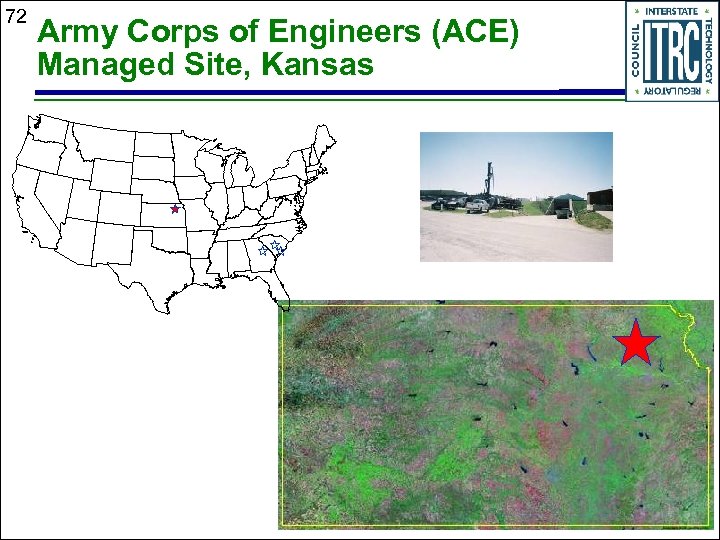 72 Army Corps of Engineers (ACE) Managed Site, Kansas
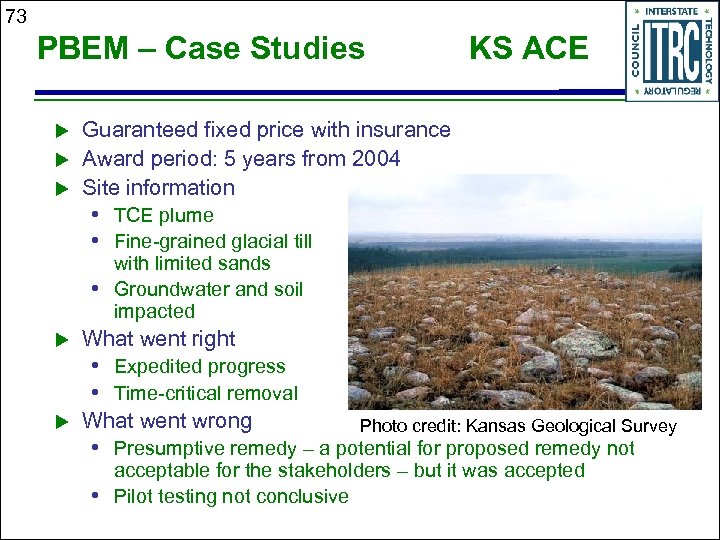 73 PBEM – Case Studies u u u KS ACE Guaranteed fixed price with insurance Award period: 5 years from 2004 Site information • TCE plume • Fine-grained glacial till with limited sands • Groundwater and soil impacted u What went right • Expedited progress • Time-critical removal u What went wrong Photo credit: Kansas Geological Survey • Presumptive remedy – a potential for proposed remedy not acceptable for the stakeholders – but it was accepted • Pilot testing not conclusive
 74 PBEM – Case Studies u KS ACE Advantages of PBC • Strong motivation to make progress at the site u Disadvantage of PBC • Potential to circumvent public participation required by CERCLA • Contractor pursuing a technology that was not quite unequivocal in producing results • Potential for residual risk for responsible parties u Lessons learned • Consider time-frame for complete cleanup – including potential rebound • Include pilot testing in the process and for bid • Include room for public participation
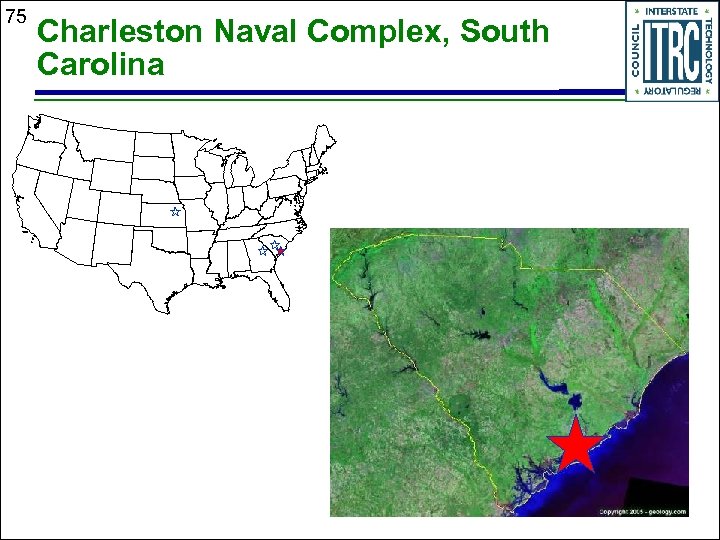 75 Charleston Naval Complex, South Carolina
 76 PBEM – Case Studies u u SC Do. D Charleston Naval Complex • • • Closed in 1996 – Base Realignment and closure (BRAC) site 1500 acres prime real estate Fixed-price remediation with insurance contract in April 2000 Over 400 soil samples and 1500 wells >170 RCRA and >70 UST sites Variety of chemicals – solvents, metals, PCBs, lead-acid, fuel/petroleum oils and lubricants (POL) sites, landfills, etc. Goals • Divest property quickly • Cap environmental liabilities • Fund liabilities within current budgets – BRAC, ER (Environmental Restoration)
 77 PBEM – Case Studies u u SC Do. D Challenges • • Sites not fully characterized Extensive documents to be reviewed Remedies not selected or approved Long-term liabilities > 20 years Keys to expediting process • High performance team concept • Use of organizational tools to expedite decision-making process • Implemented public relations plan • Geographical Information System (GIS) and Environmental Visualization Software (EVS) system to manage and visualize massive data • Developed decision-making flow charts with stakeholders input
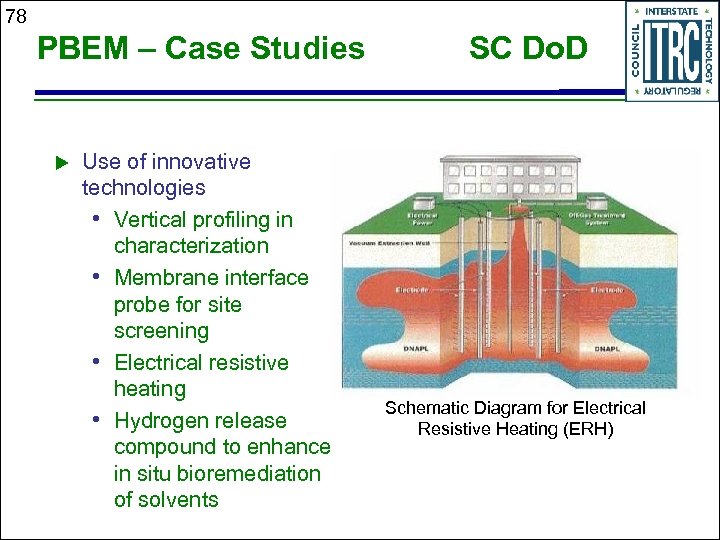 78 PBEM – Case Studies u Use of innovative technologies • Vertical profiling in characterization • Membrane interface probe for site screening • Electrical resistive heating • Hydrogen release compound to enhance in situ bioremediation of solvents SC Do. D Schematic Diagram for Electrical Resistive Heating (ERH)
 79 PBEM – Case Studies u SC Do. D Lessons learned • Involve regulators early • Plan enough time for regulatory processes • Engage in open discussions with contractors and insurers • Flexible solicitations for bids • Allow sufficient time for data transfer to new management system
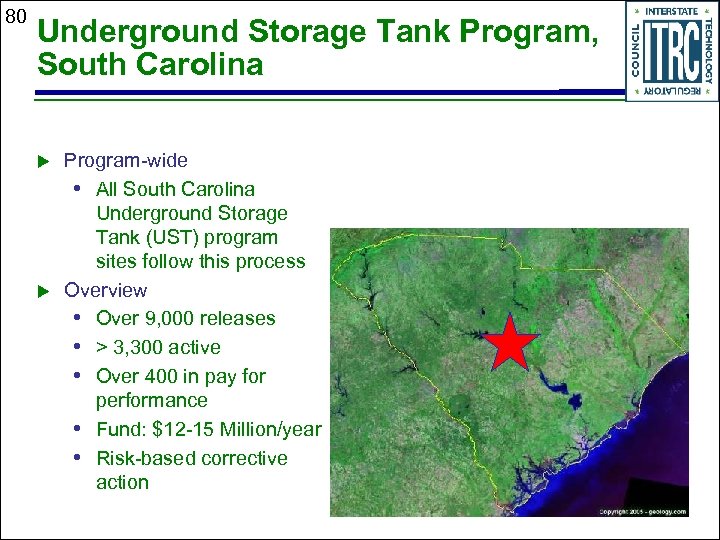 80 Underground Storage Tank Program, South Carolina u u Program-wide • All South Carolina Underground Storage Tank (UST) program sites follow this process Overview • Over 9, 000 releases • > 3, 300 active • Over 400 in pay for performance • Fund: $12 -15 Million/year • Risk-based corrective action
 81 PBEM – Case Studies u Tiered approach to remedial investigations • • u SC UST Tier I (standard plan) Tier II (site specific) Tier III (detailed, if needed) Complete vertical and horizontal characterization Risk-based corrective action • • • Vapor, soil, groundwater Risk is based on the receptors Modeling Verification Conditional no further action (CNFA)
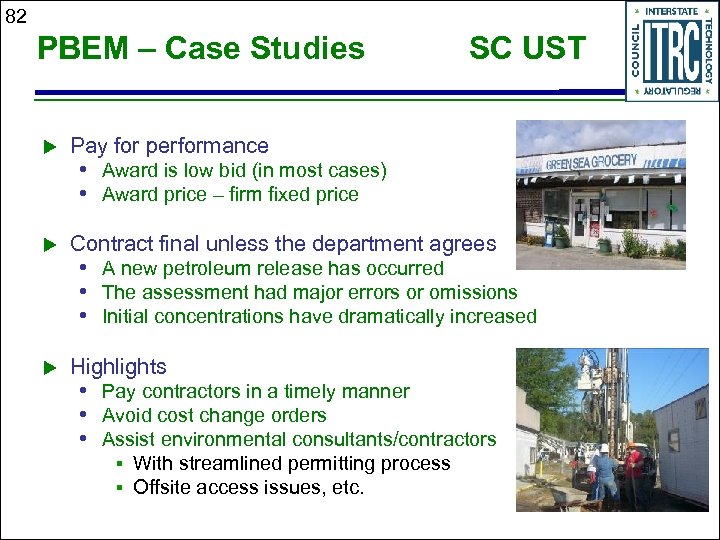 82 PBEM – Case Studies SC UST u Pay for performance u Contract final unless the department agrees u Highlights • Award is low bid (in most cases) • Award price – firm fixed price • A new petroleum release has occurred • The assessment had major errors or omissions • Initial concentrations have dramatically increased • Pay contractors in a timely manner • Avoid cost change orders • Assist environmental consultants/contractors § With streamlined permitting process § Offsite access issues, etc.
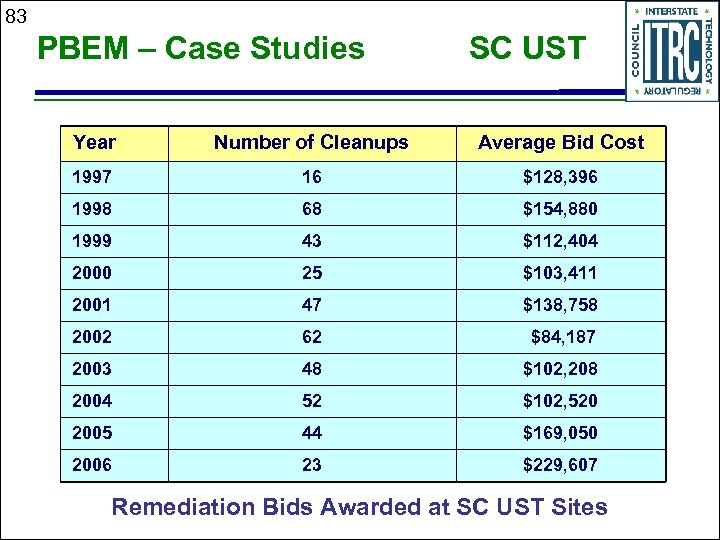 83 PBEM – Case Studies SC UST Year Number of Cleanups Average Bid Cost 1997 16 $128, 396 1998 68 $154, 880 1999 43 $112, 404 2000 25 $103, 411 2001 47 $138, 758 2002 62 $84, 187 2003 48 $102, 208 2004 52 $102, 520 2005 44 $169, 050 2006 23 $229, 607 Remediation Bids Awarded at SC UST Sites
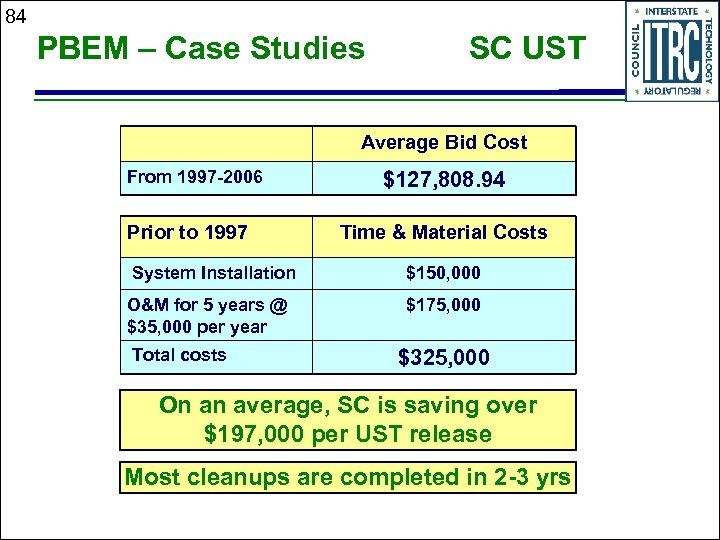 84 PBEM – Case Studies SC UST Average Bid Cost From 1997 -2006 Prior to 1997 $127, 808. 94 Time & Material Costs System Installation $150, 000 O&M for 5 years @ $35, 000 per year $175, 000 Total costs $325, 000 On an average, SC is saving over $197, 000 per UST release Most cleanups are completed in 2 -3 yrs
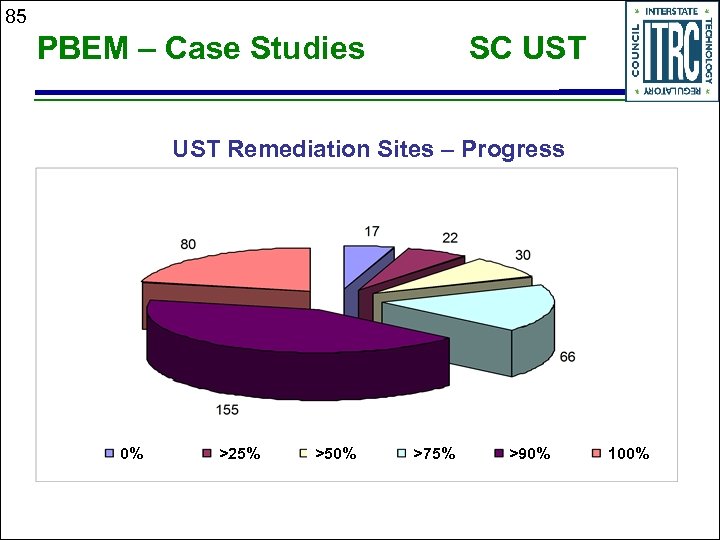 85 PBEM – Case Studies SC UST Remediation Sites – Progress Toward Cleanup Goals 0% >25% >50% >75% >90% 100%
 86 PBEM – Case Studies u SC UST Early completion incentive • A bonus of 10% of the contract money if they finish cleanup within an established time period • Based on the risk priority ranking of the release, a site incentive period is set by the Department and is included in the bid solicitation
 87 Case Studies – Lessons Learned SC UST u u u Success of a PBC depends on how well the contract is written A well defined contract requires complete site assessment Other important issues • • Be flexible Provide incentives Insurance Contingencies § What if… § How to pay for failure
 88 Performance-Based Environmental Management Summary and Conclusions u u u u Regulators will receive proposals with some form of PBEM Concepts of PBEM – systematic planning, exit strategy, CSM, RPO, PBC, etc. Other businesses/industries outside the environmental world Examples from federal programs State programs – South Carolina CERCLA, RCRA, UST Programs, Brownfields, etc. A better management practice RPO Team as a resource
 89 Thank You for Participating u Links to additional resources at: • http: //www. clu-in. org/conf/itrc/pbem/resource. cfm u 2 nd question and answer session Problem Statement & Objectives PBC Exit Strategy PBEM Expert Team Land Use Risk Strategy CSM Decision Logic ARARs RPO