


 Скачать презентацию 1 Premises Decisions Actions Direction Actions
934fd9d956beabb897df82d399b860b2.ppt
- Количество слайдов: 137
 1
1
 Premises

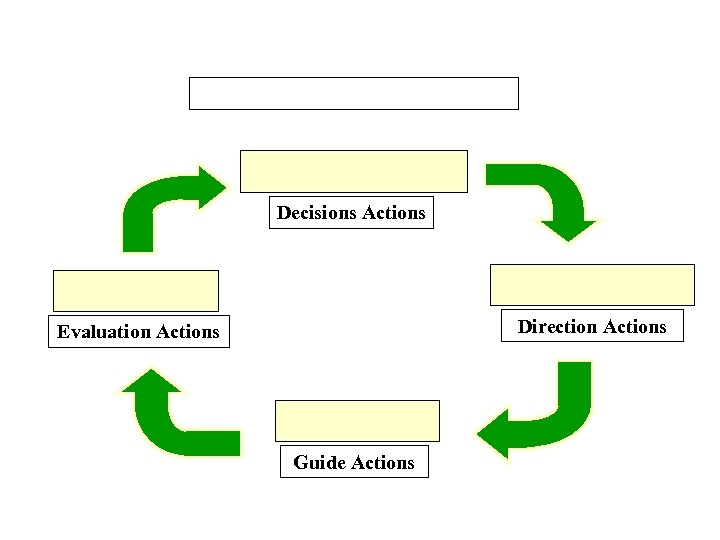 Decisions Actions Direction Actions Evaluation Actions Guide Actions

 The Enterprise works as a system, constituted from several elements that act for a common purpose, coordinated by means of the accomplishment of specialistic functions and oriented to the attainment of a final (survival) goal.
 The planning (or re-planning) of the Organization demands the assumption of a set of decisions:

 Themes 16
 Purchases/Supply
 Purchases/Supply
 Purchases/Supply
 Purchases/Supply
 Purchases/Supply
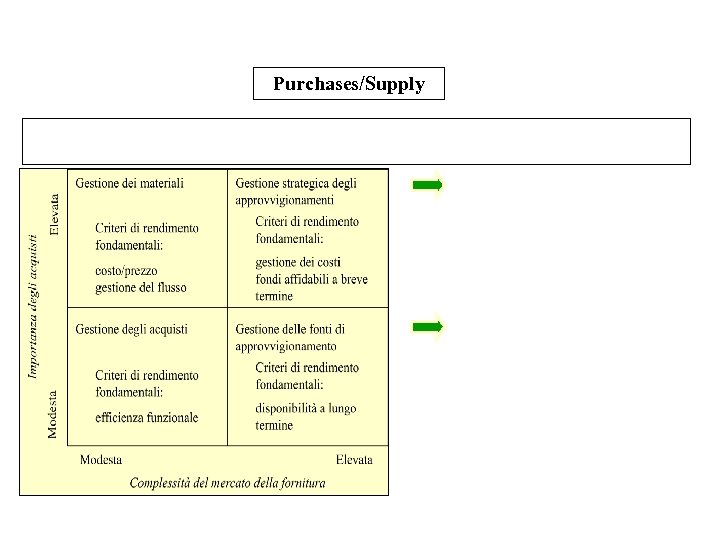
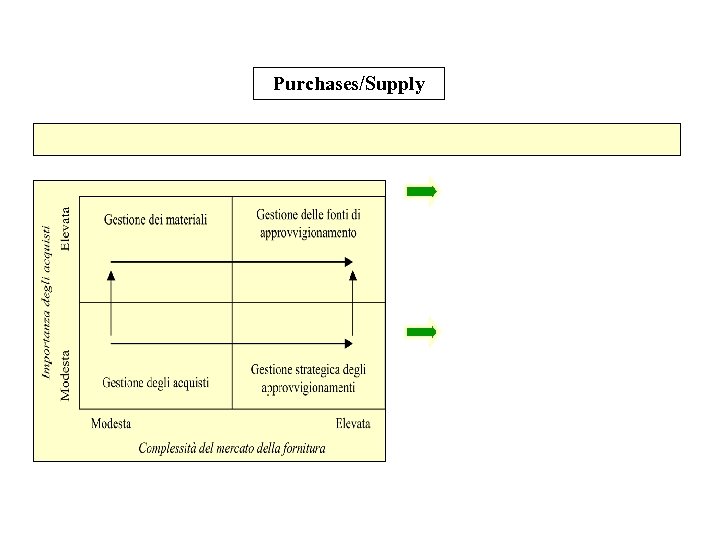
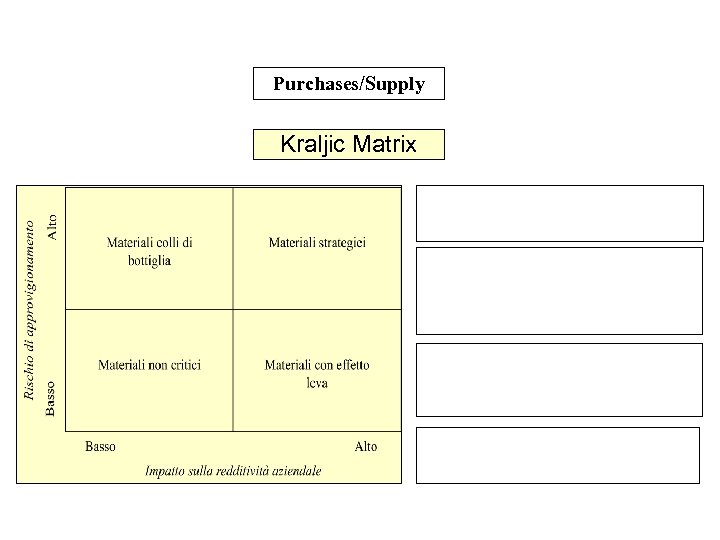 Purchases/Supply Kraljic Matrix
 Purchases/Supply
 Purchases/Supply The evaluation of outsourcing choices considers:
 Purchases/Supply
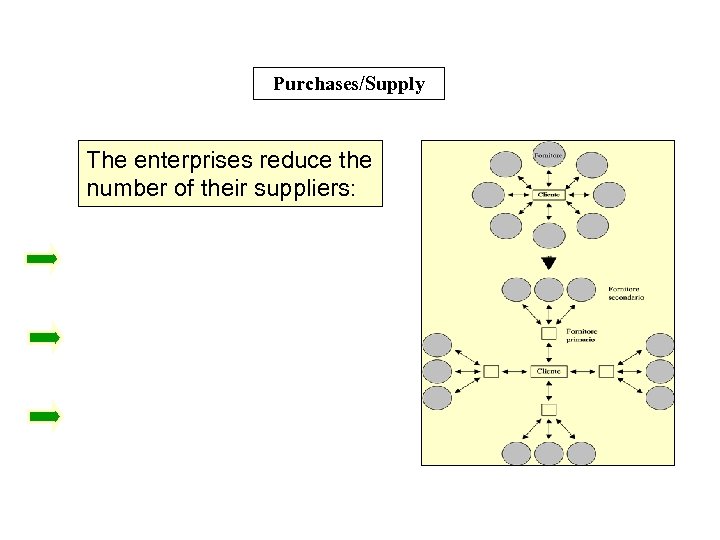 Purchases/Supply The enterprises reduce the number of their suppliers:
 Purchases/Supply
 Purchases/Supply The consolidation of suppliers relationship requires:


 Topics 38
 Production 39
 Production
 Production 41
 Production 42
 Production 43
 Production plants 44
 Production 45
 Production 46
 Production 47
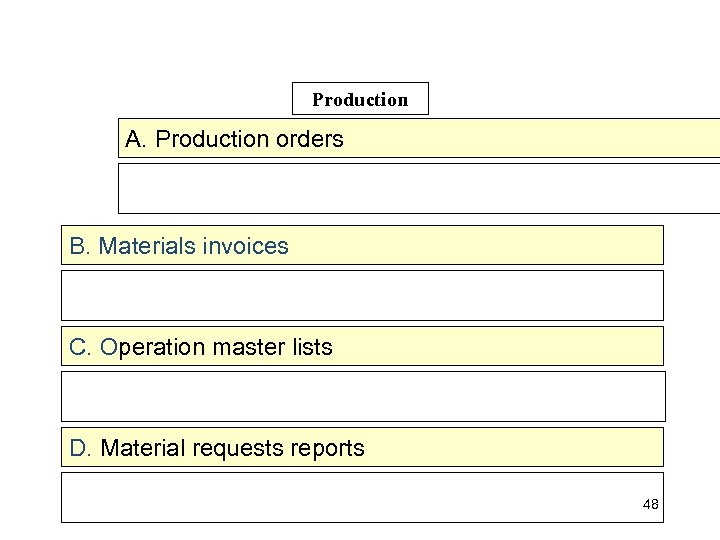 Production A. Production orders B. Materials invoices C. Operation master lists D. Material requests reports 48
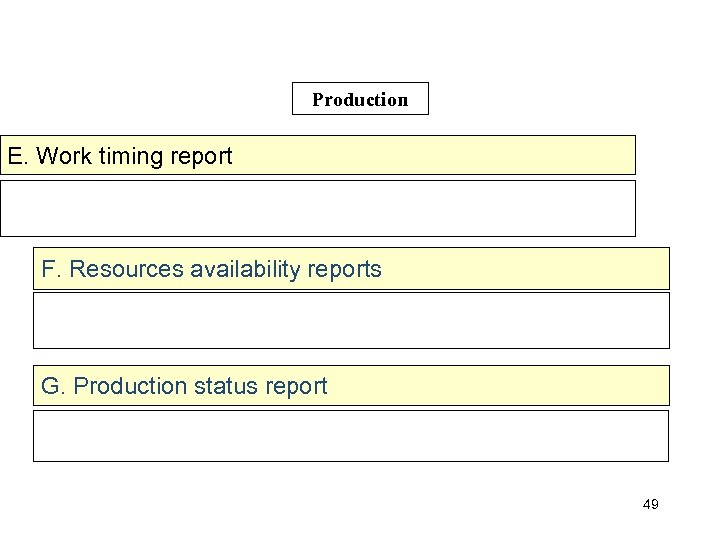 Production E. Work timing report F. Resources availability reports G. Production status report 49
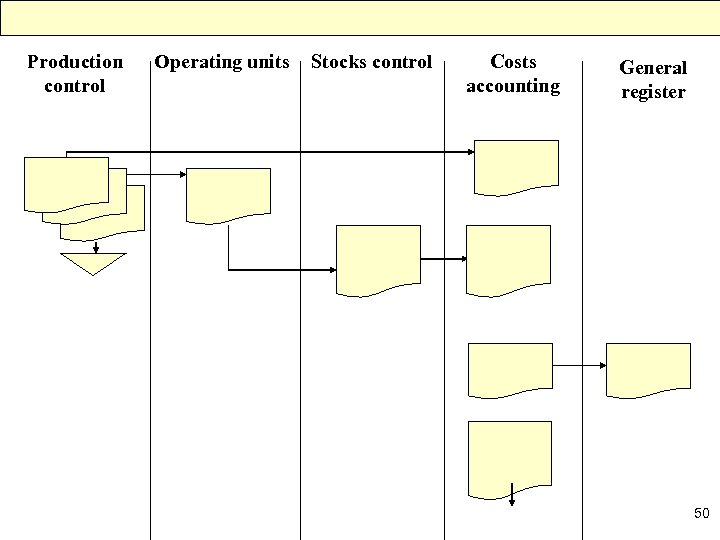 Production control Operating units Stocks control Costs accounting General register 50
 Production Just-In-Time Production 51
 Production 52
 Production 53
 Production 54
 Production 55
 Production planning 56
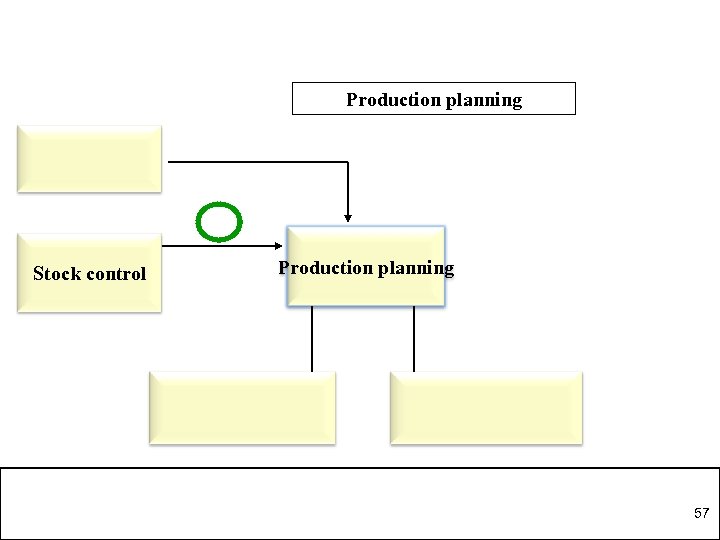 Production planning Stock control Production planning 57
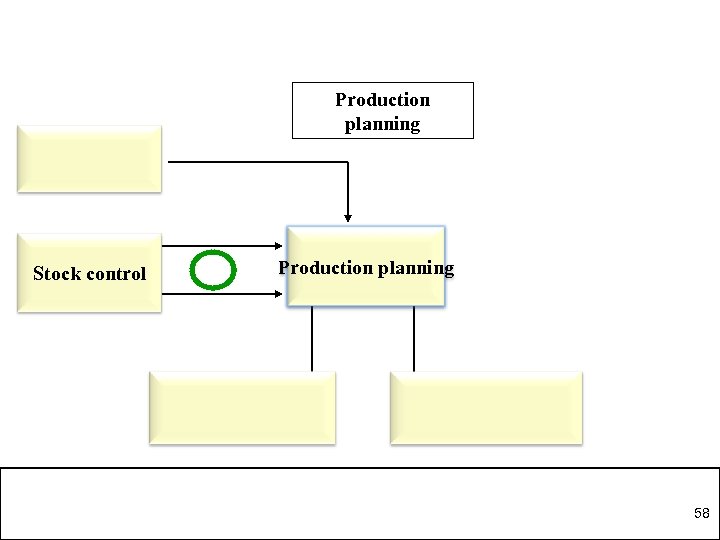 Production planning Stock control Production planning 58
 Production planning Stock control Production planning 59
 Production planning Stock control Production planning 60
 Production 61
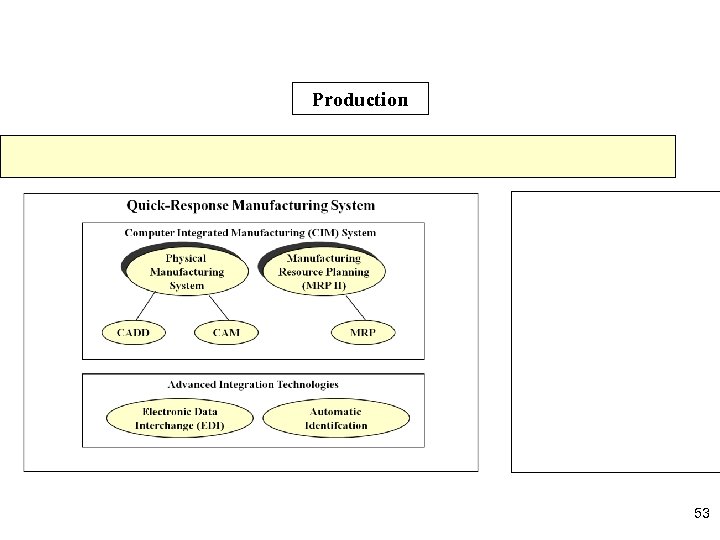
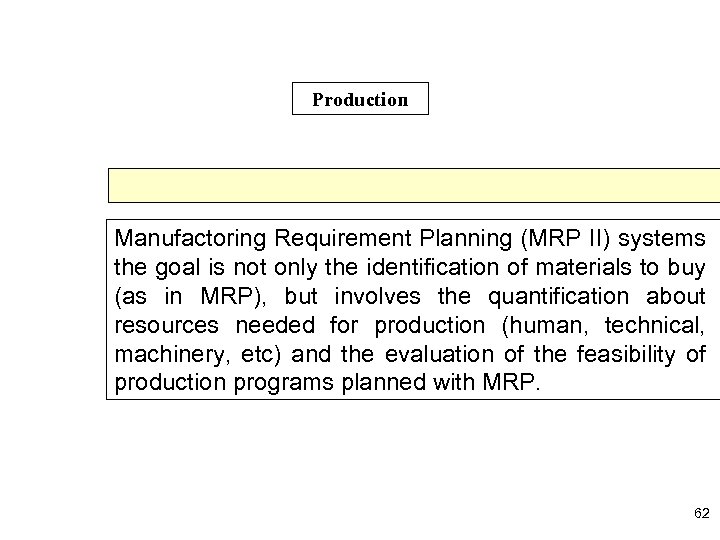 Production Manufactoring Requirement Planning (MRP II) systems the goal is not only the identification of materials to buy (as in MRP), but involves the quantification about resources needed for production (human, technical, machinery, etc) and the evaluation of the feasibility of production programs planned with MRP. 62
 Production 63
 Themes 64
 Marketing Process with which a business studies its market, trends, concurrency searching for opportunities and hints for production related to potential buyers, creating demand for new products and delivering these through the new selected distribution flows. 65
 Marketing 66
 Marketing 67
 Marketing 68
 Marketing 69
 Marketing 70
 Marketing Selling Cycle 71
 Marketing 72
 Marketing 73
 Marketing 74
 Marketing 75
 Marketing 76
 Marketing 77
 Marketing 78
 Marketing
 Marketing 80
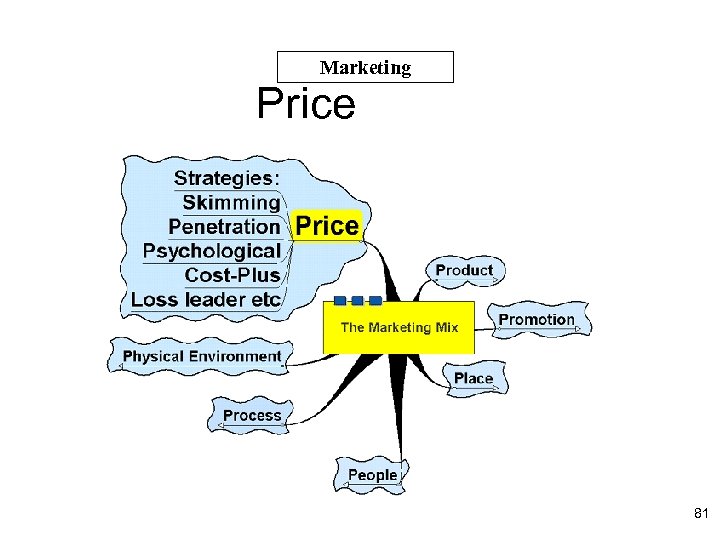 Marketing Price 81
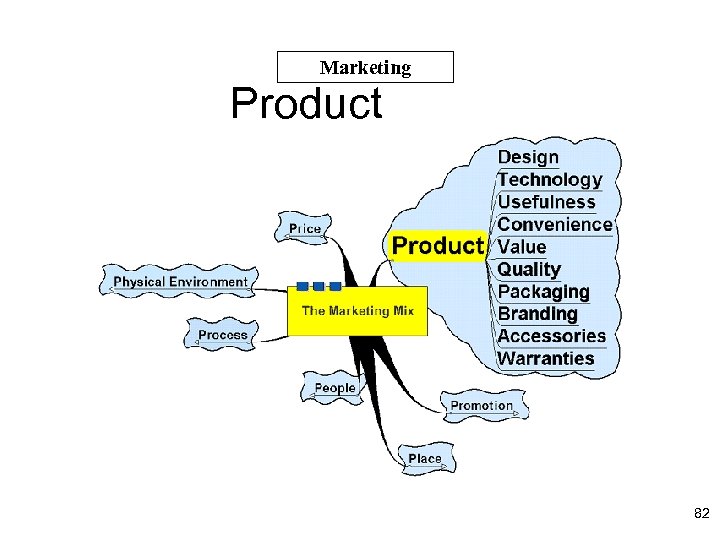 Marketing Product 82
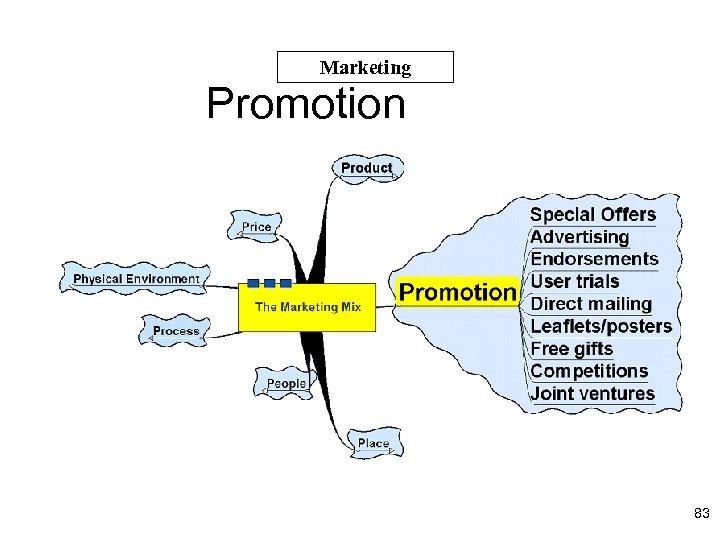 Marketing Promotion 83
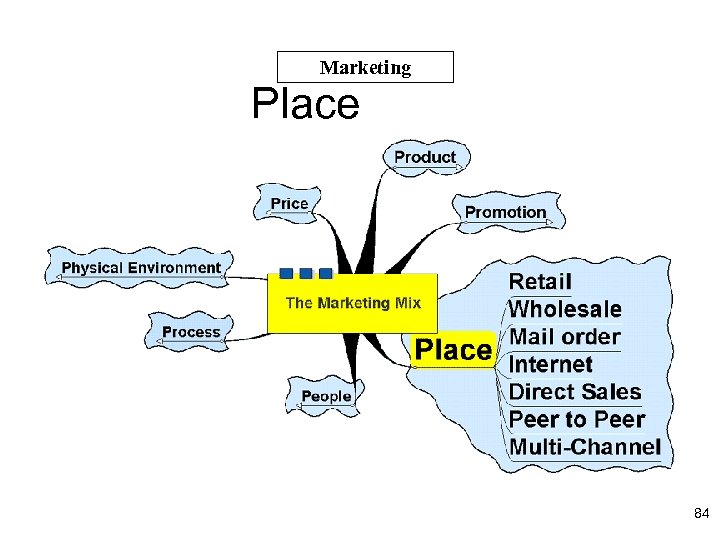 Marketing Place 84
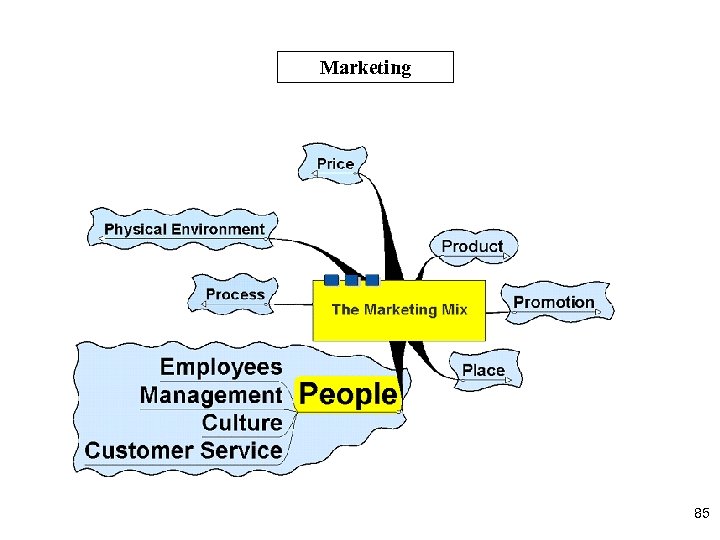 Marketing 85
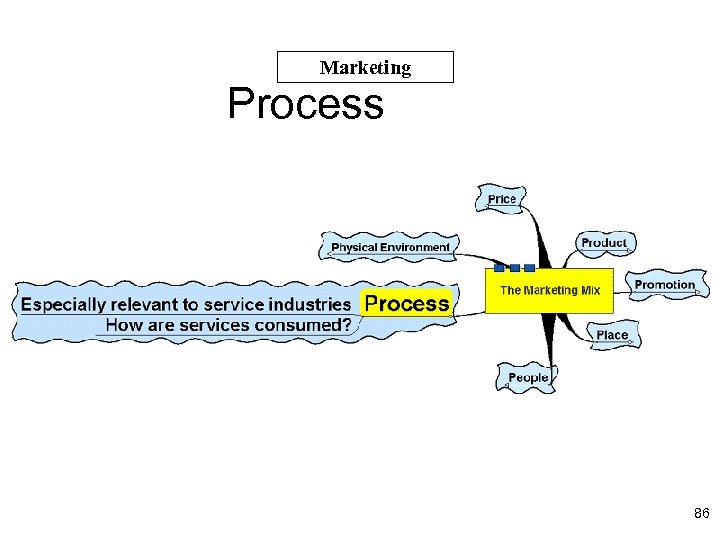 Marketing Process 86
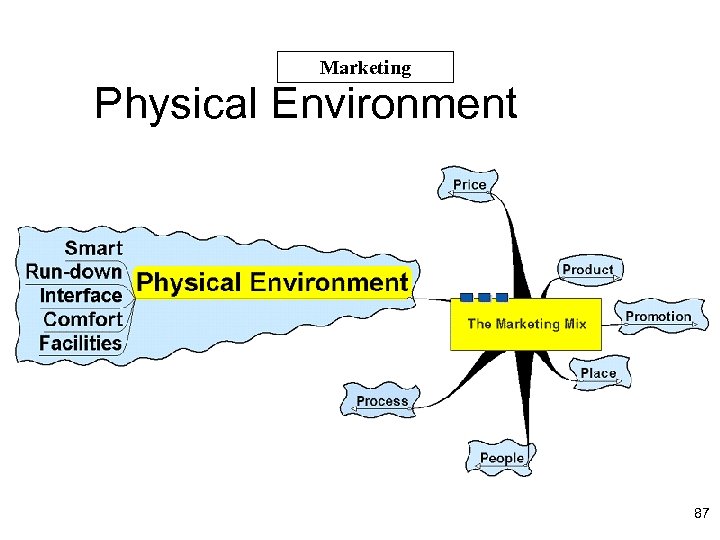 Marketing Physical Environment 87
 Marketing 88
 Marketing 89
 Marketing 90
 Marketing goal becomes to keep clients loyal, rather than to increase the market, not caring about the offered service quality. Business capacity to stabilize relationships with clients thought a reciprocal exchange and fulfillment of promises. 91
 Marketing 92
 Marketing 93
 Marketing 94
 Marketing 95
 Themes 96
 Quality
 Quality
 Quality
 Quality
 Quality
 Quality
 Quality
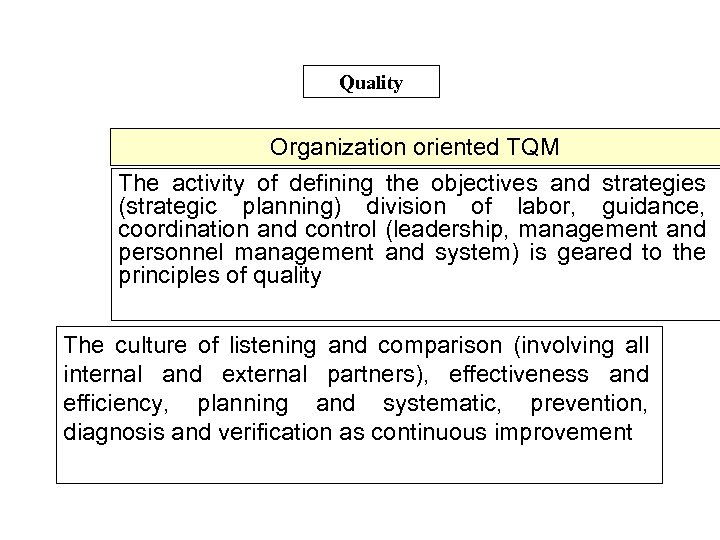 Quality Organization oriented TQM The activity of defining the objectives and strategies (strategic planning) division of labor, guidance, coordination and control (leadership, management and personnel management and system) is geared to the principles of quality The culture of listening and comparison (involving all internal and external partners), effectiveness and efficiency, planning and systematic, prevention, diagnosis and verification as continuous improvement
 Quality
 Quality
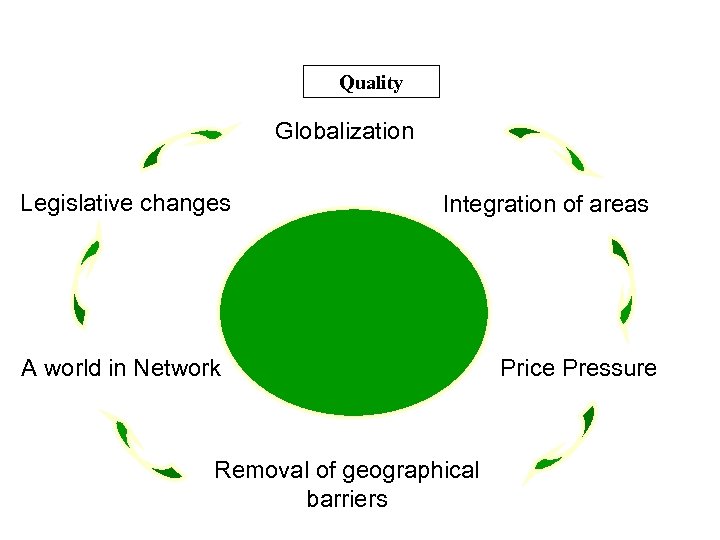 Quality Globalization Legislative changes Integration of areas A world in Network Removal of geographical barriers Price Pressure
 Quality
 Quality
 Quality
 Research and Development 112
 Research and Development
 Research and Development
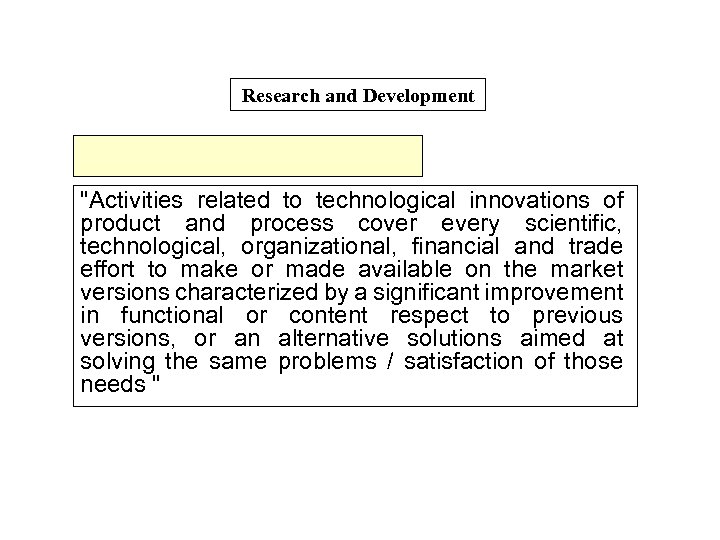 Research and Development "Activities related to technological innovations of product and process cover every scientific, technological, organizational, financial and trade effort to make or made available on the market versions characterized by a significant improvement in functional or content respect to previous versions, or an alternative solutions aimed at solving the same problems / satisfaction of those needs "
 Research and Development
 Research and Development
 Research and Development
 Research and Development
 Research and Development
 Research and Development
 Research and Development
 Research and Development
 Research and Development
 Research and Development
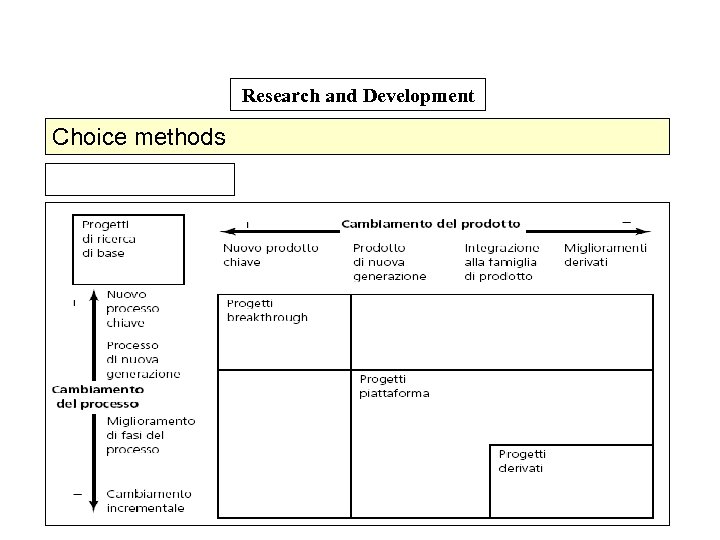
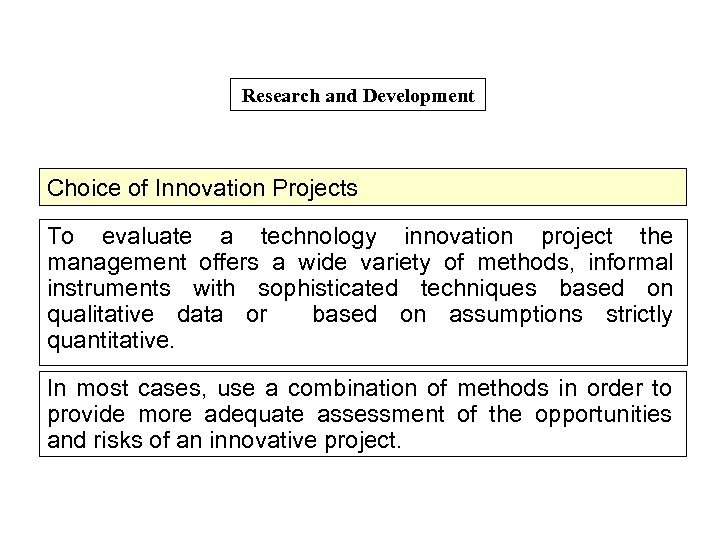 Research and Development Choice of Innovation Projects To evaluate a technology innovation project the management offers a wide variety of methods, informal instruments with sophisticated techniques based on qualitative data or based on assumptions strictly quantitative. In most cases, use a combination of methods in order to provide more adequate assessment of the opportunities and risks of an innovative project.
 Research and Development The development budget
 Research and Development Choice methods
 Research and Development Choice methods
 Research and Development Choice methods
 Research and Development Choice methods
 Research and Development Choice methods
 Research and Development Choice methods
 Research and Development Choice methods
 Research and Development Choice methods
 Research and Development Team work
 Research and Development