 Скачать презентацию 1 Commercial Business Interests U S Foreign Investments 1869
f64ab126e83d85c4b3b06588ce5a22a4.ppt
- Количество слайдов: 50



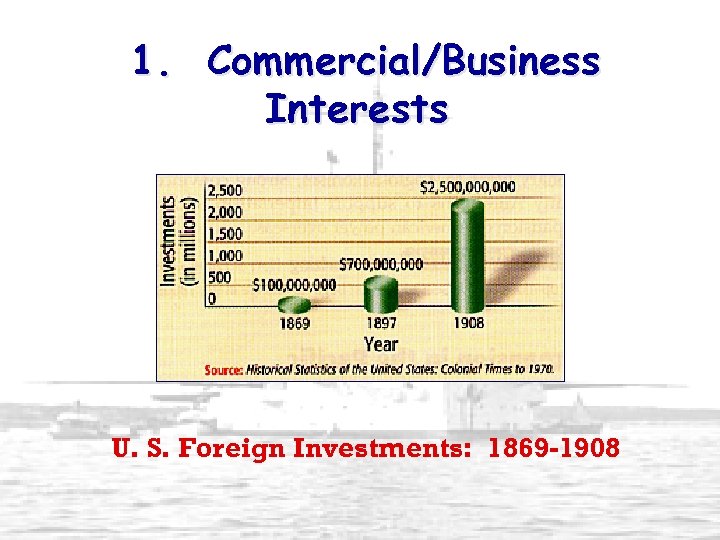
1. Commercial/Business Interests U. S. Foreign Investments: 1869 -1908
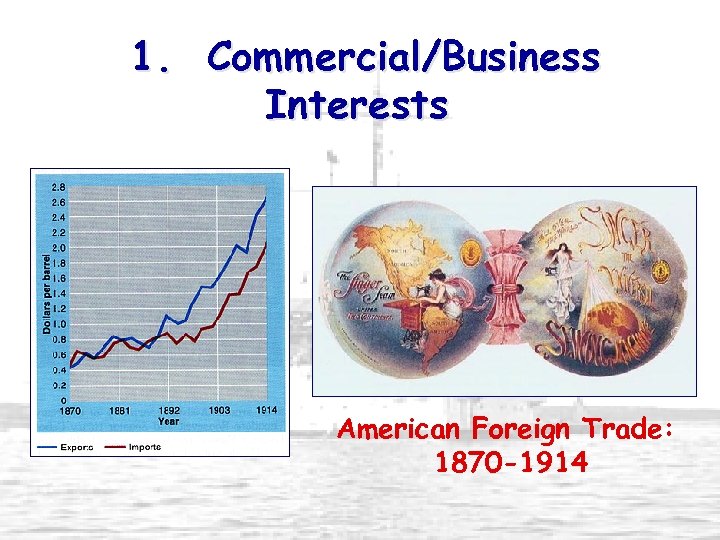
1. Commercial/Business Interests American Foreign Trade: 1870 -1914
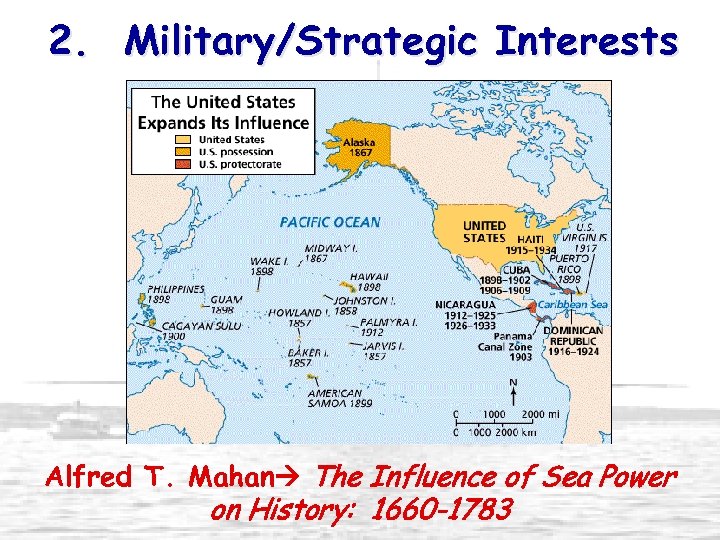
2. Military/Strategic Interests Alfred T. Mahan The Influence of Sea Power on History: 1660 -1783
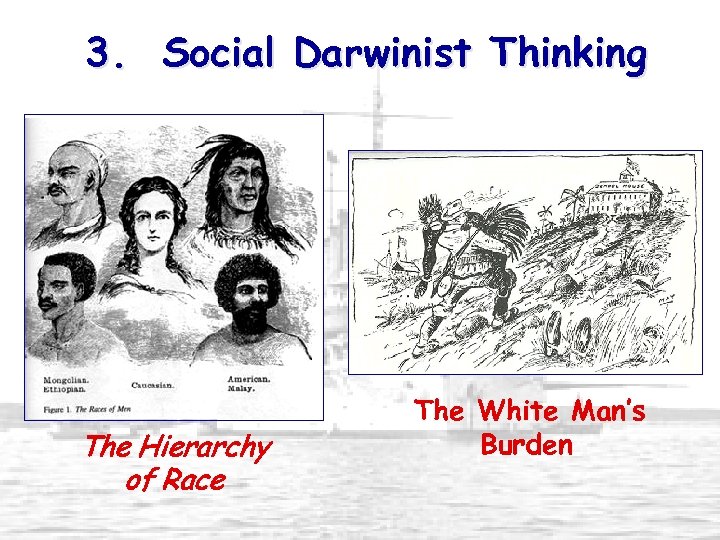
3. Social Darwinist Thinking The Hierarchy of Race The White Man’s Burden
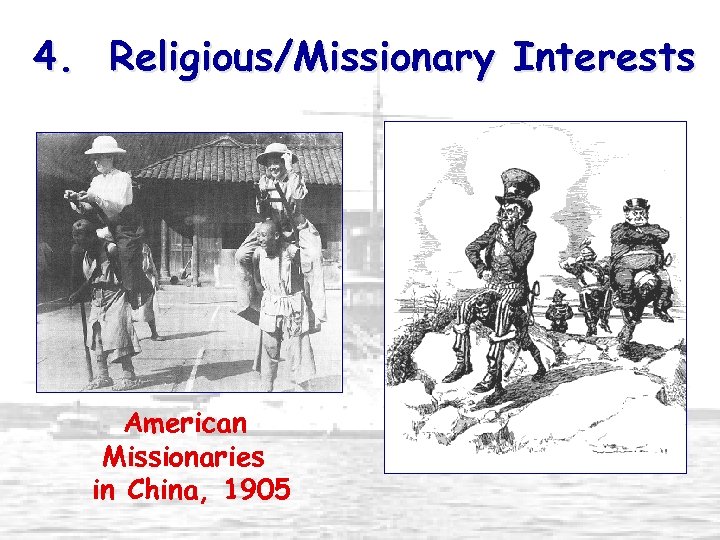
4. Religious/Missionary Interests American Missionaries in China, 1905
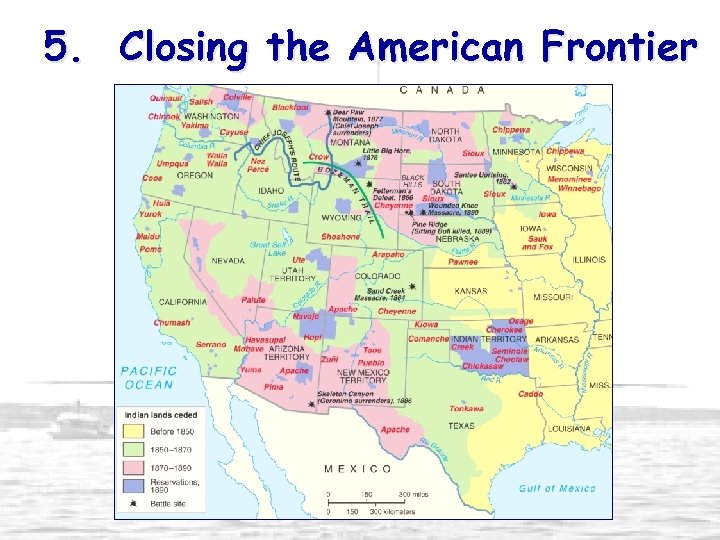
5. Closing the American Frontier
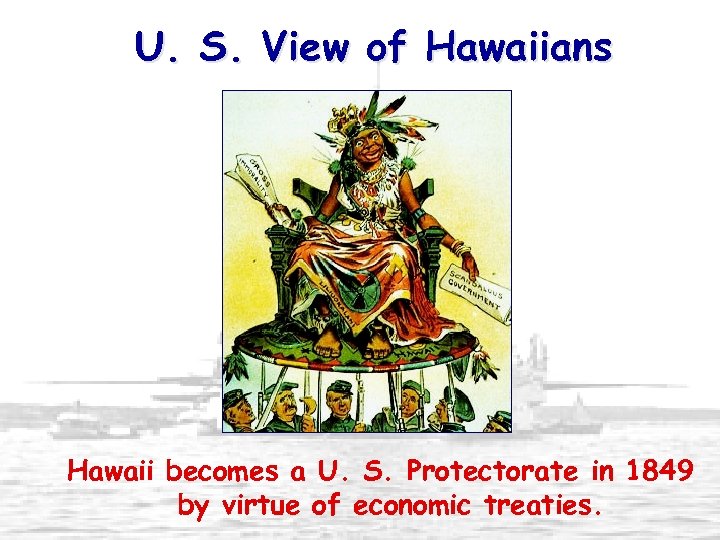
U. S. View of Hawaiians Hawaii becomes a U. S. Protectorate in 1849 by virtue of economic treaties.
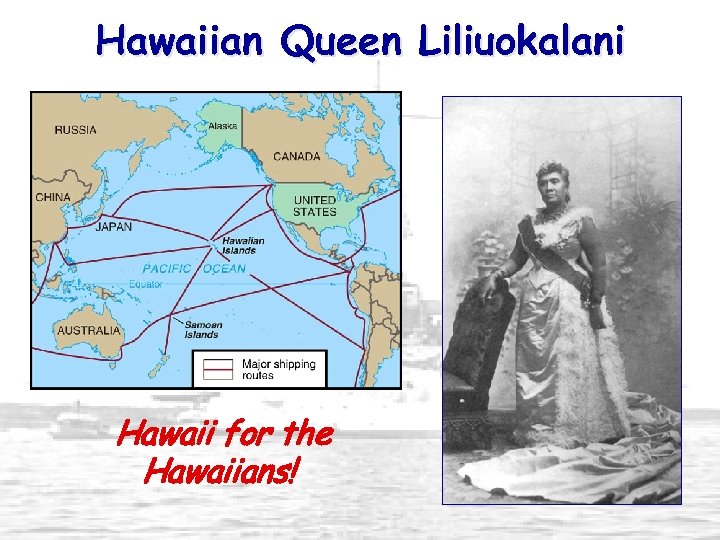
Hawaiian Queen Liliuokalani Hawaii for the Hawaiians!
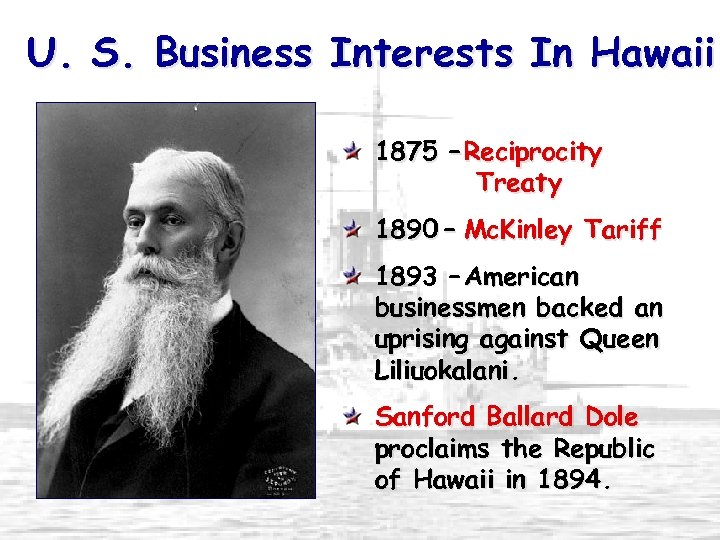
U. S. Business Interests In Hawaii 1875 – Reciprocity Treaty 1890 – Mc. Kinley Tariff 1893 – American businessmen backed an uprising against Queen Liliuokalani. Sanford Ballard Dole proclaims the Republic of Hawaii in 1894.
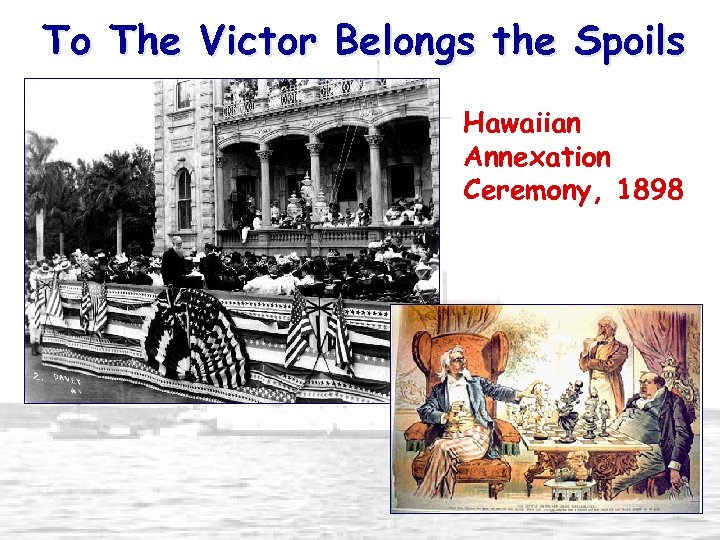
To The Victor Belongs the Spoils Hawaiian Annexation Ceremony, 1898
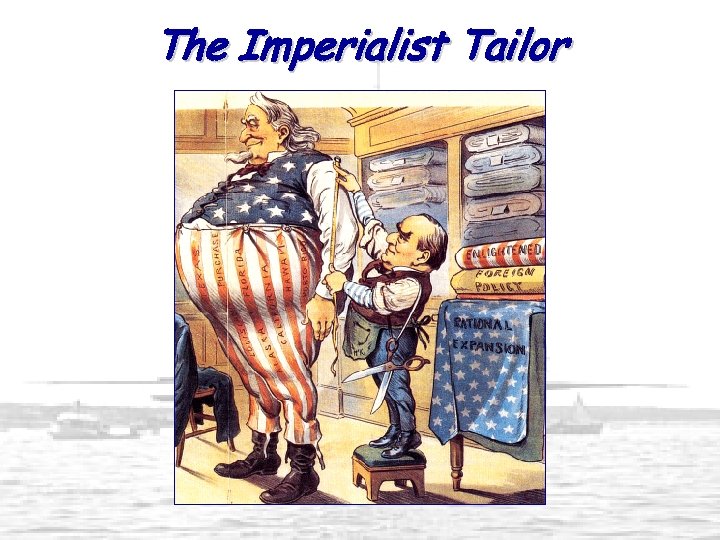
The Imperialist Tailor
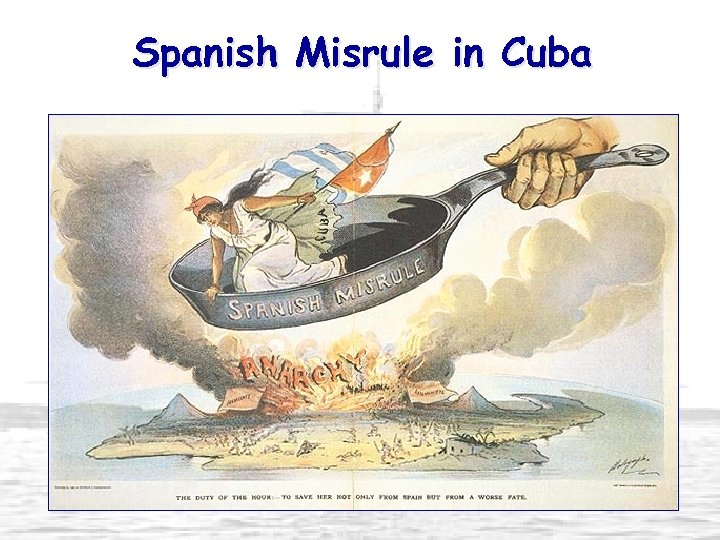
Spanish Misrule in Cuba
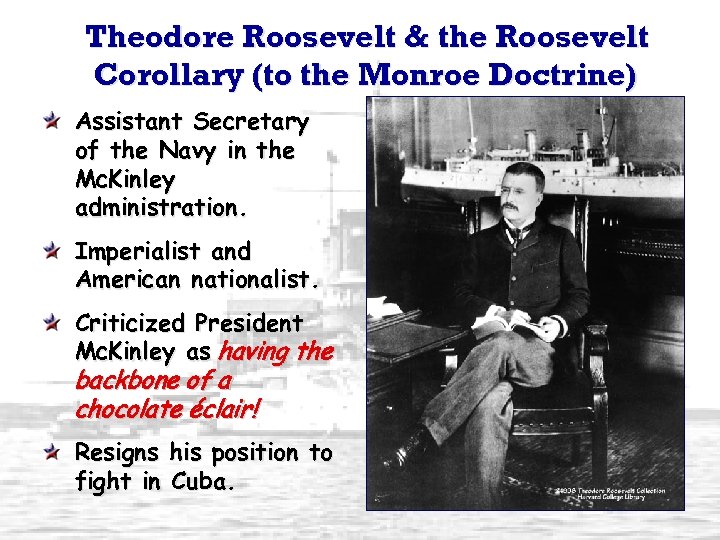
Theodore Roosevelt & the Roosevelt Corollary (to the Monroe Doctrine) Assistant Secretary of the Navy in the Mc. Kinley administration. Imperialist and American nationalist. Criticized President Mc. Kinley as having the backbone of a chocolate éclair! Resigns his position to fight in Cuba.
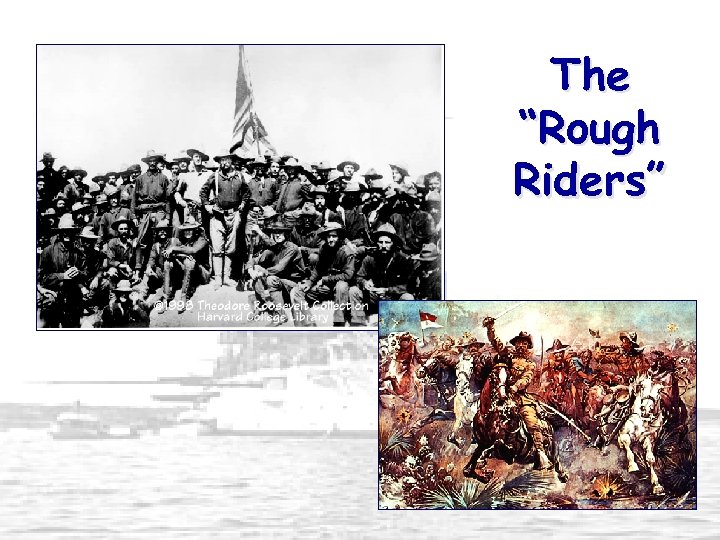
The “Rough Riders”
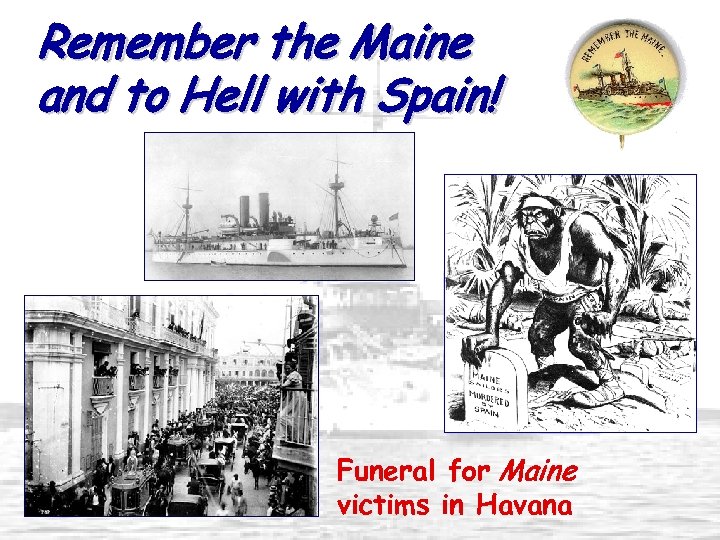
Remember the Maine and to Hell with Spain! Funeral for Maine victims in Havana
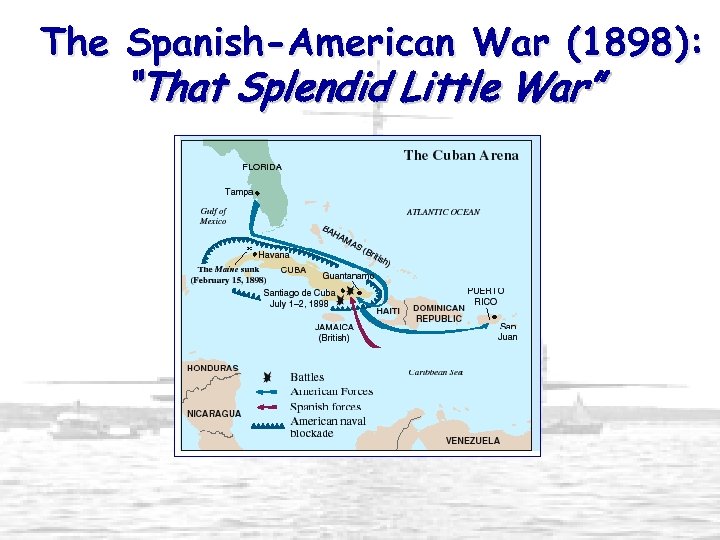
The Spanish-American War (1898): “That Splendid Little War”
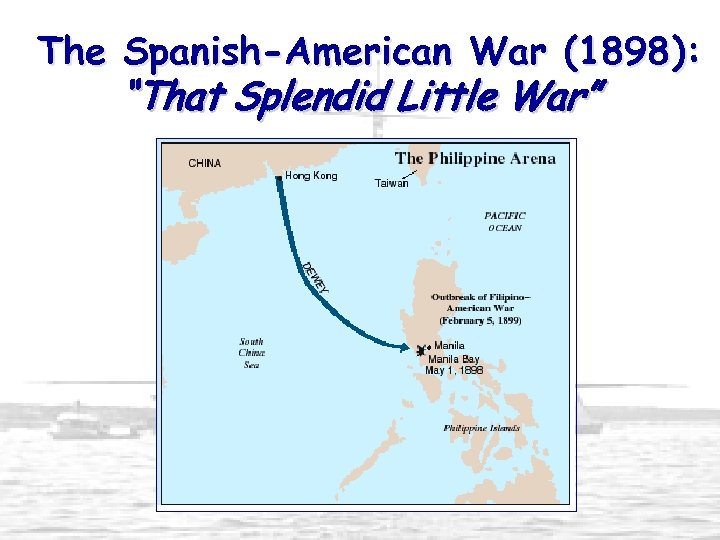
The Spanish-American War (1898): “That Splendid Little War”
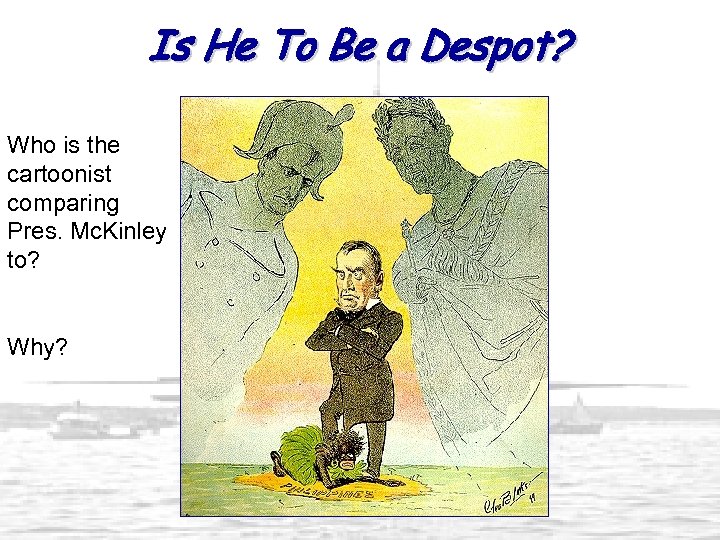
Is He To Be a Despot? Who is the cartoonist comparing Pres. Mc. Kinley to? Why?
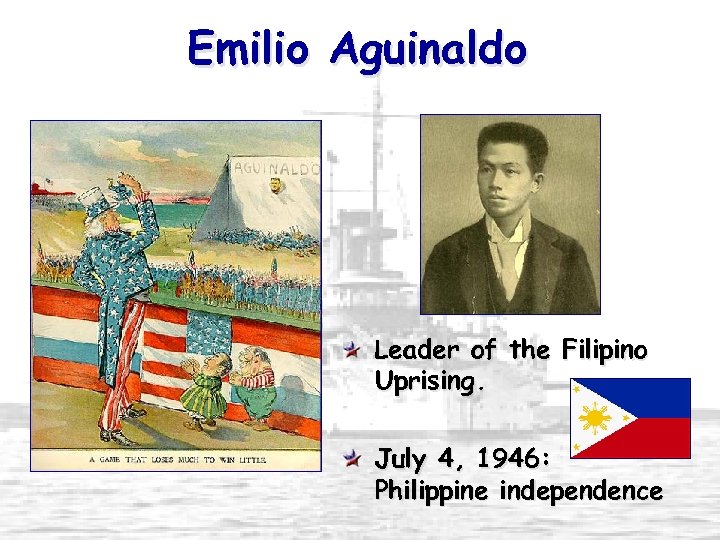
Emilio Aguinaldo Leader of the Filipino Uprising. July 4, 1946: Philippine independence
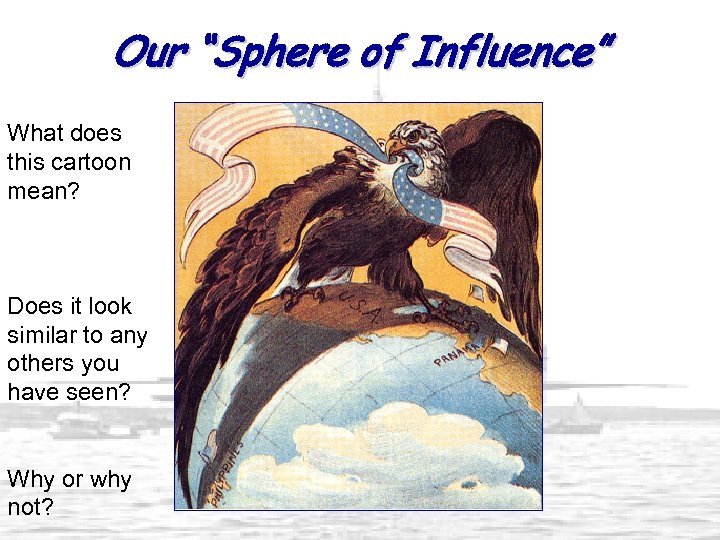
Our “Sphere of Influence” What does this cartoon mean? Does it look similar to any others you have seen? Why or why not?
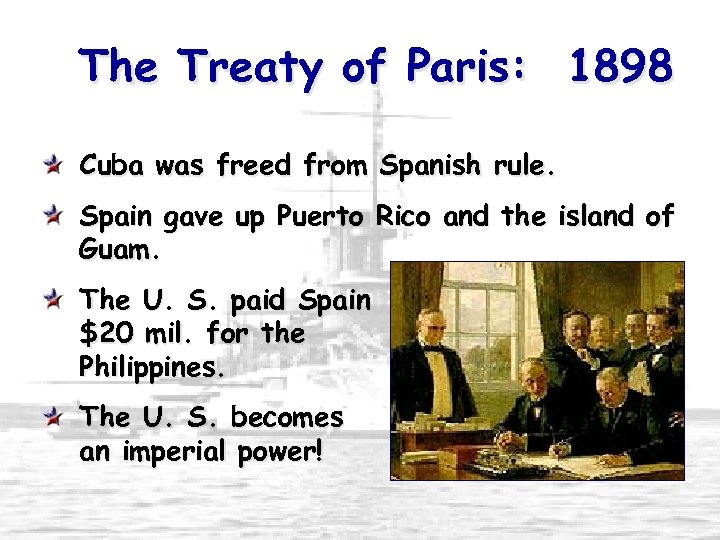
The Treaty of Paris: 1898 Cuba was freed from Spanish rule. Spain gave up Puerto Rico and the island of Guam. The U. S. paid Spain $20 mil. for the Philippines. The U. S. becomes an imperial power!
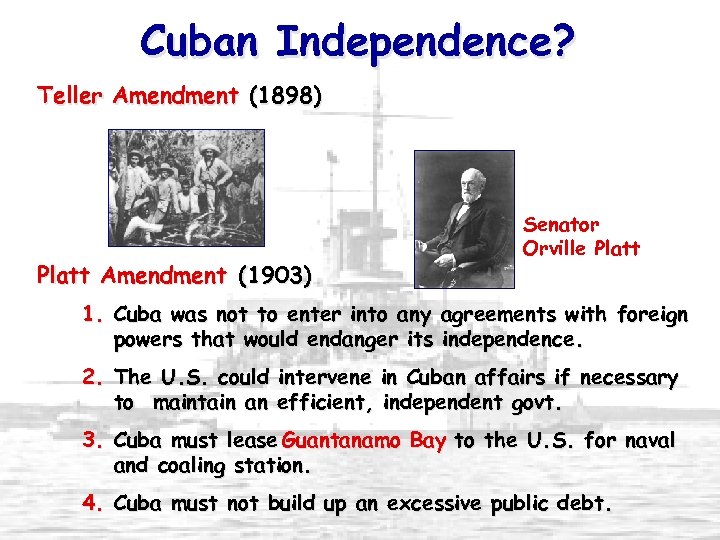
Cuban Independence? Teller Amendment (1898) Platt Amendment (1903) Senator Orville Platt 1. Cuba was not to enter into any agreements with foreign powers that would endanger its independence. 2. The U. S. could intervene in Cuban affairs if necessary to maintain an efficient, independent govt. 3. Cuba must lease Guantanamo Bay to the U. S. for naval and coaling station. 4. Cuba must not build up an excessive public debt.
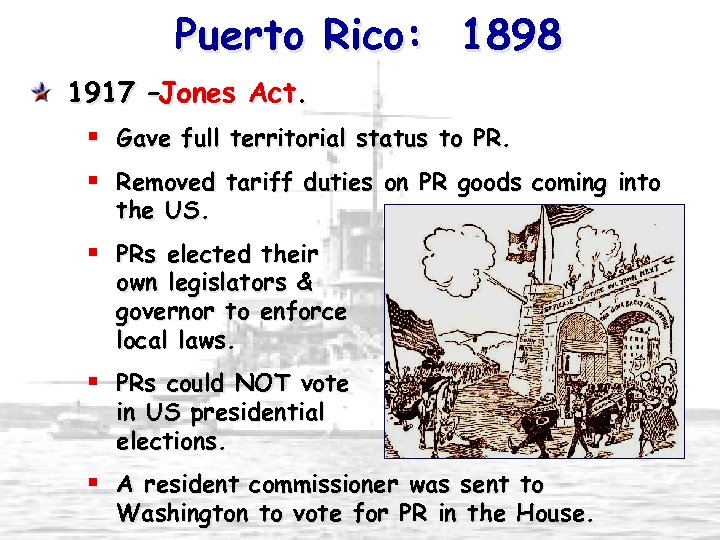
Puerto Rico: 1898 1917 –Jones Act. § Gave full territorial status to PR. § Removed tariff duties on PR goods coming into the US. § PRs elected their own legislators & governor to enforce local laws. § PRs could NOT vote in US presidential elections. § A resident commissioner was sent to Washington to vote for PR in the House.
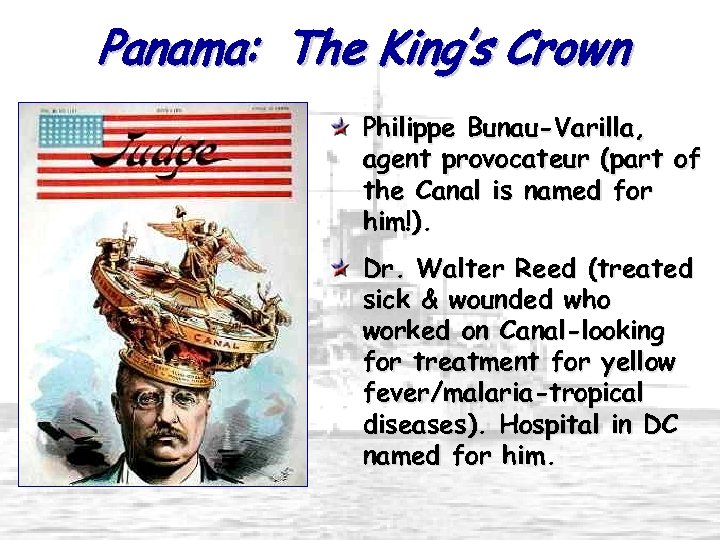
Panama: The King’s Crown Philippe Bunau-Varilla, agent provocateur (part of the Canal is named for him!). Dr. Walter Reed (treated sick & wounded who worked on Canal-looking for treatment for yellow fever/malaria-tropical diseases). Hospital in DC named for him.
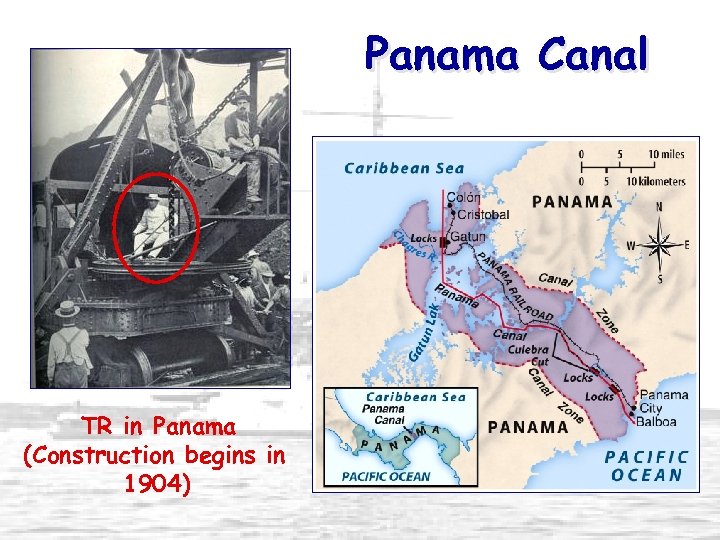
Panama Canal TR in Panama (Construction begins in 1904)
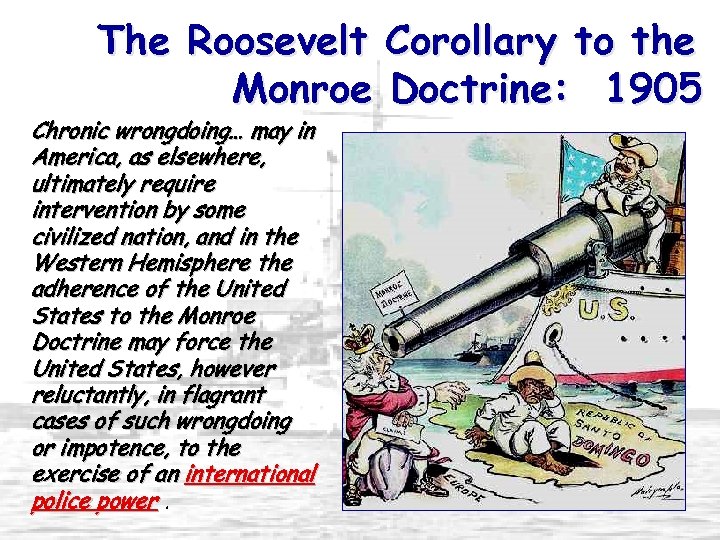
The Roosevelt Corollary to the Monroe Doctrine: 1905 Chronic wrongdoing… may in America, as elsewhere, ultimately require intervention by some civilized nation, and in the Western Hemisphere the adherence of the United States to the Monroe Doctrine may force the United States, however reluctantly, in flagrant cases of such wrongdoing or impotence, to the exercise of an international police power.
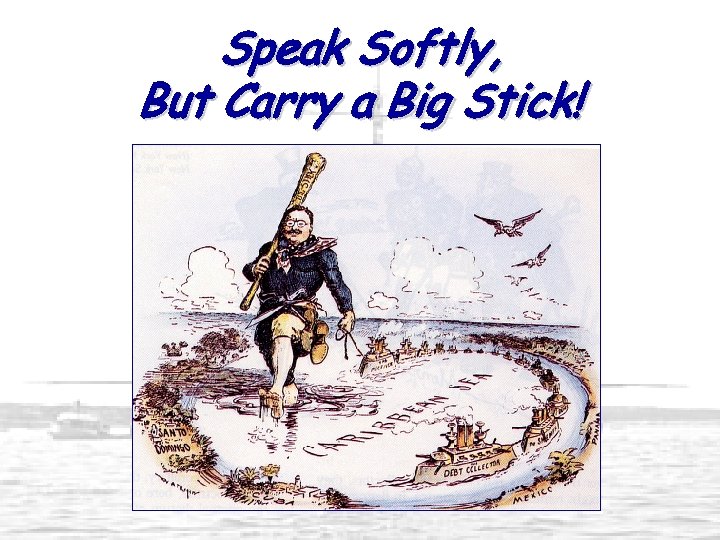
Speak Softly, But Carry a Big Stick!
![Stereotypes of the Chinese Immigrant Oriental [Chinese] Exclusion Act, 1887](https://present5.com/presentation/f64ab126e83d85c4b3b06588ce5a22a4/image-37.jpg "Stereotypes of the Chinese Immigrant Oriental [Chinese] Exclusion Act, 1887")
Stereotypes of the Chinese Immigrant Oriental [Chinese] Exclusion Act, 1887
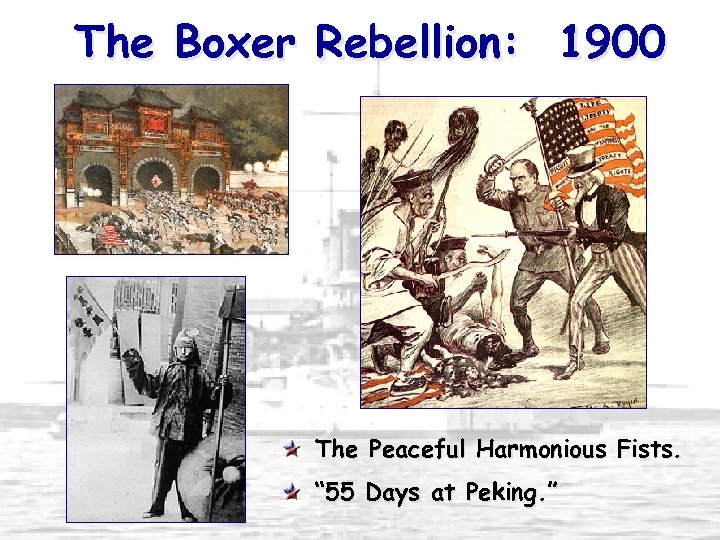
The Boxer Rebellion: 1900 The Peaceful Harmonious Fists. “ 55 Days at Peking. ”
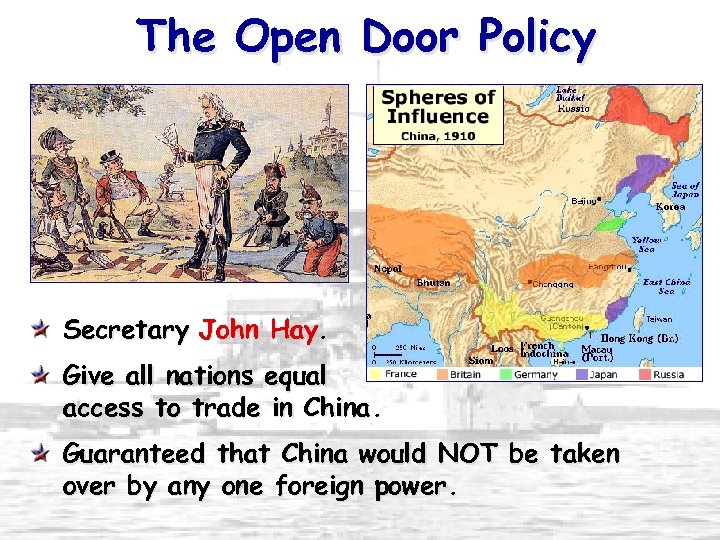
The Open Door Policy Secretary John Hay. Give all nations equal access to trade in China. Guaranteed that China would NOT be taken over by any one foreign power.
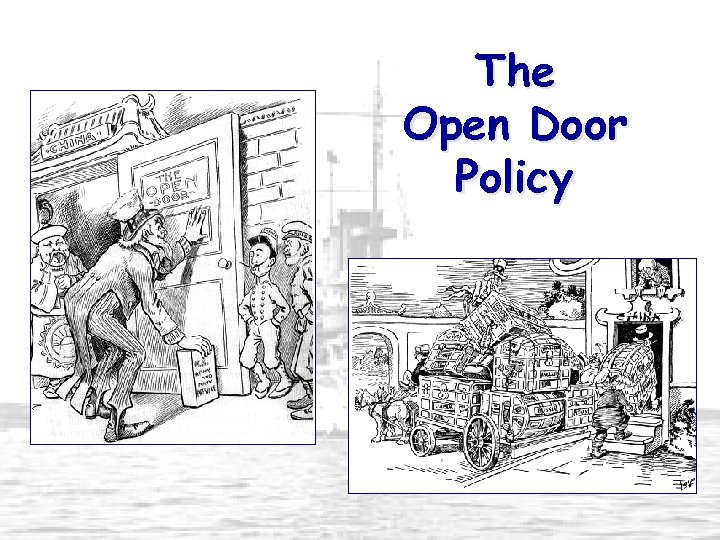
The Open Door Policy
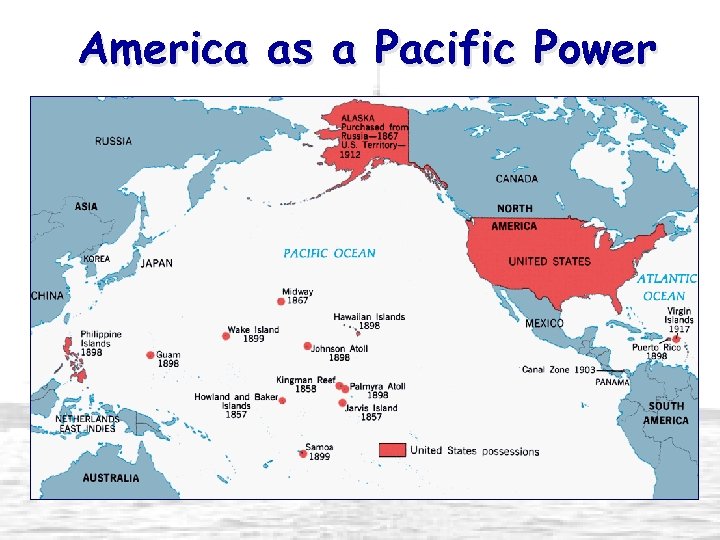
America as a Pacific Power
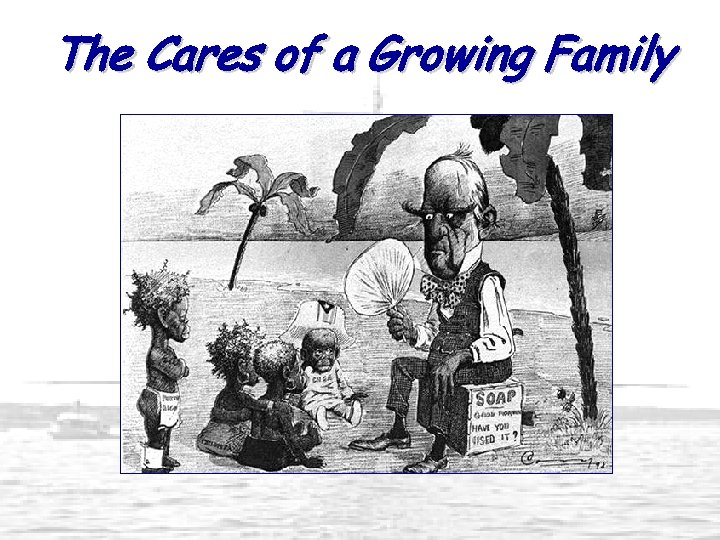
The Cares of a Growing Family
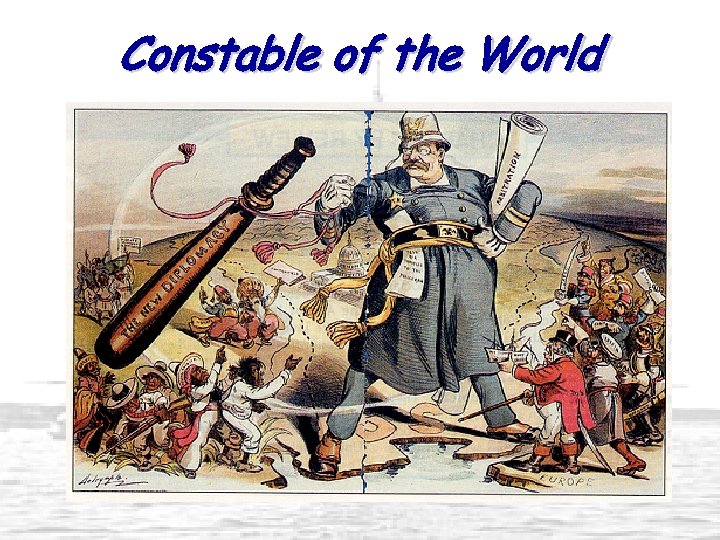
Constable of the World
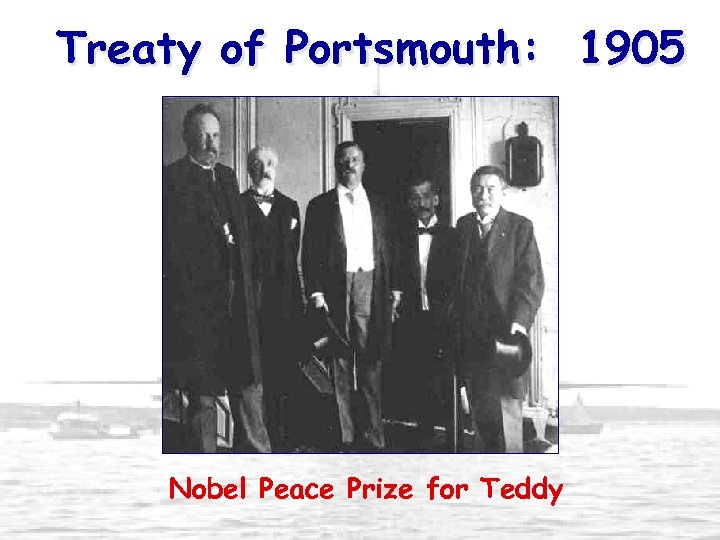
Treaty of Portsmouth: 1905 Nobel Peace Prize for Teddy
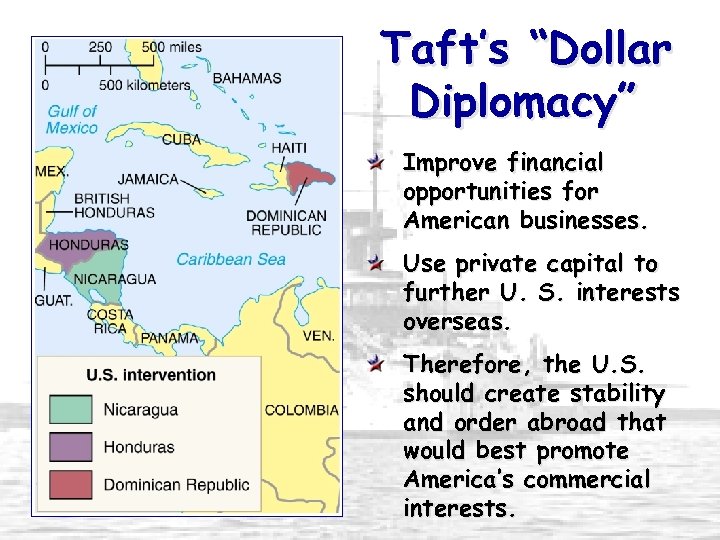
Taft’s “Dollar Diplomacy” Improve financial opportunities for American businesses. Use private capital to further U. S. interests overseas. Therefore, the U. S. should create stability and order abroad that would best promote America’s commercial interests.
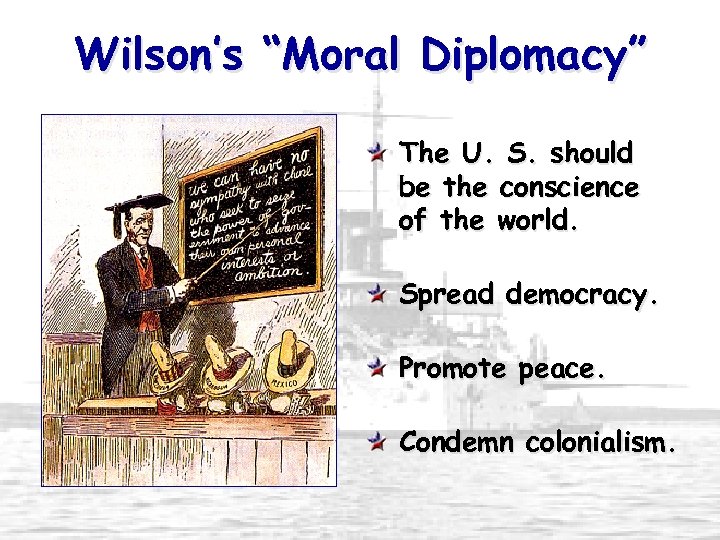
Wilson’s “Moral Diplomacy” The U. S. should be the conscience of the world. Spread democracy. Promote peace. Condemn colonialism.
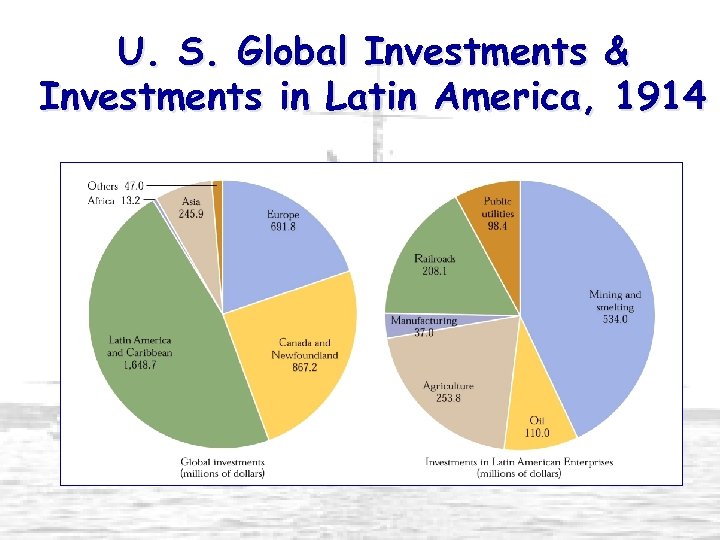
U. S. Global Investments & Investments in Latin America, 1914
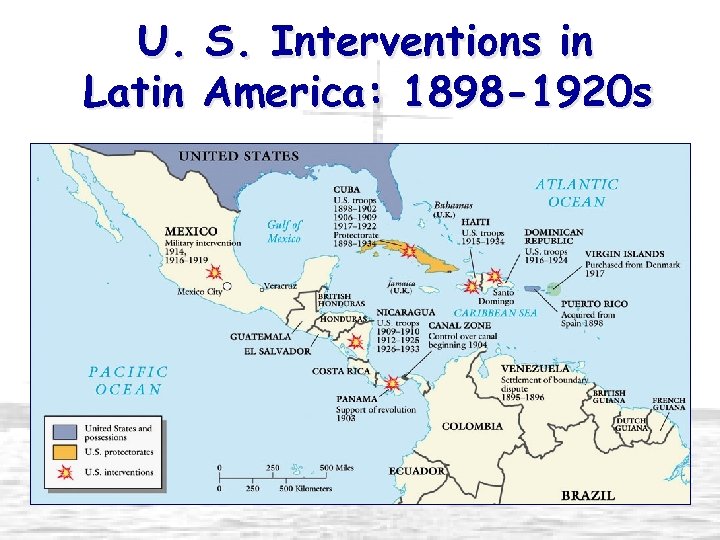
U. S. Interventions in Latin America: 1898 -1920 s
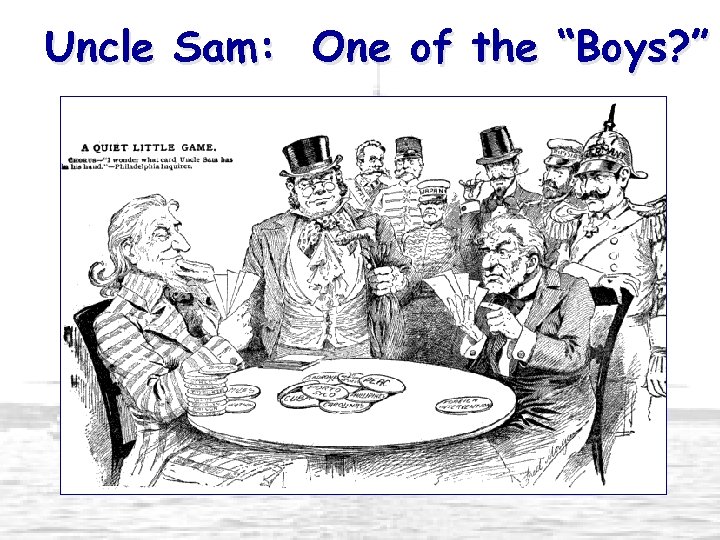
Uncle Sam: One of the “Boys? ”
Скачать презентацию 1 Commercial Business Interests U S Foreign Investments 1869
f64ab126e83d85c4b3b06588ce5a22a4.ppt