


 Скачать презентацию 1 A Two-Party Stalemate 2 Intense Voter
8b40e7a7d7b99dfaa1bef70e5147c390.ppt
- Количество слайдов: 38
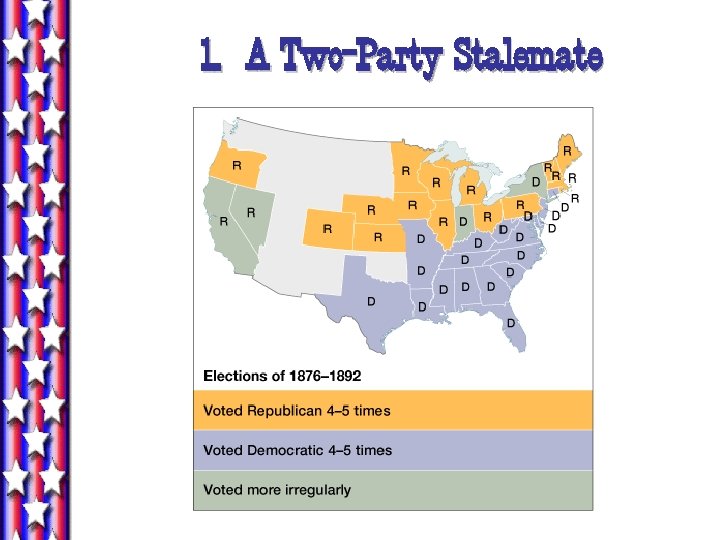 1. A Two-Party Stalemate
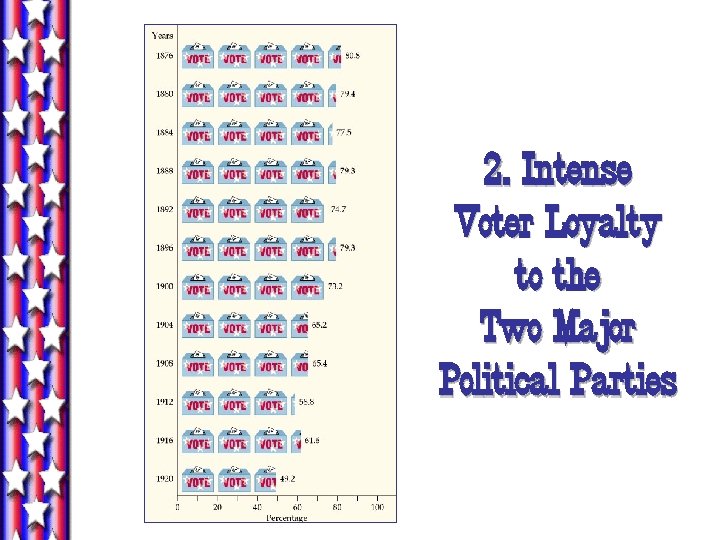 2. Intense Voter Loyalty to the Two Major Political Parties
 3. Well-Defined Voting Blocs Democratic Bloc Republican Bloc
 Opposing Political Parties
 4. Very Laissez Faire Federal Govt.
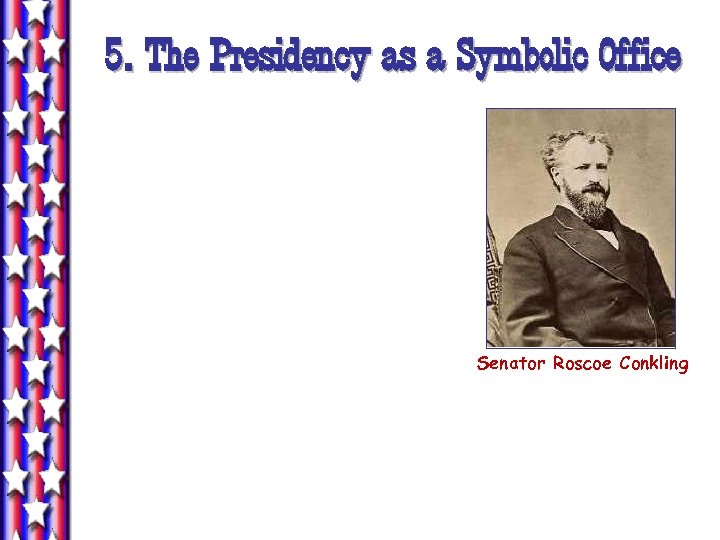 5. The Presidency as a Symbolic Office Senator Roscoe Conkling
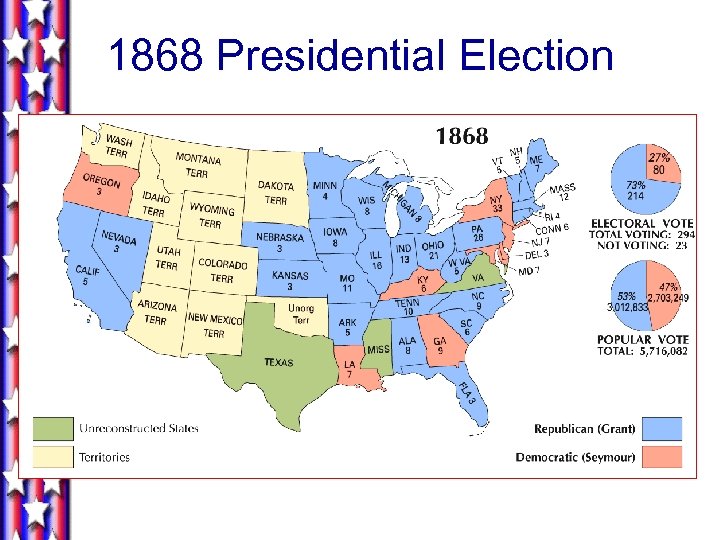 1868 Presidential Election
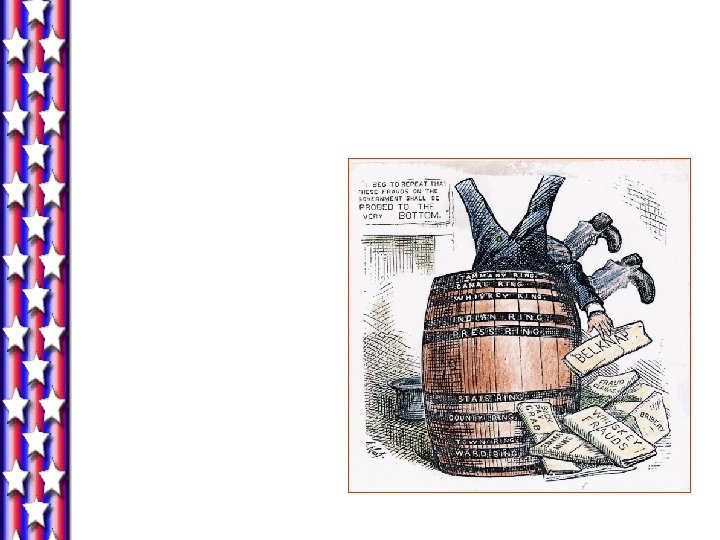
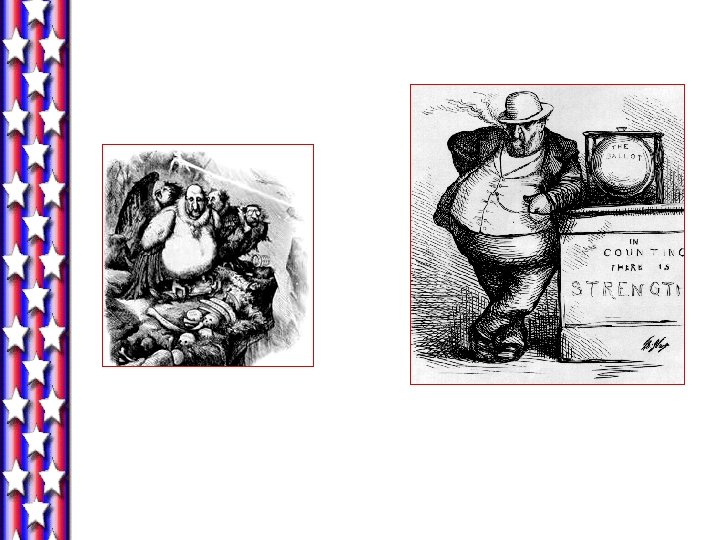
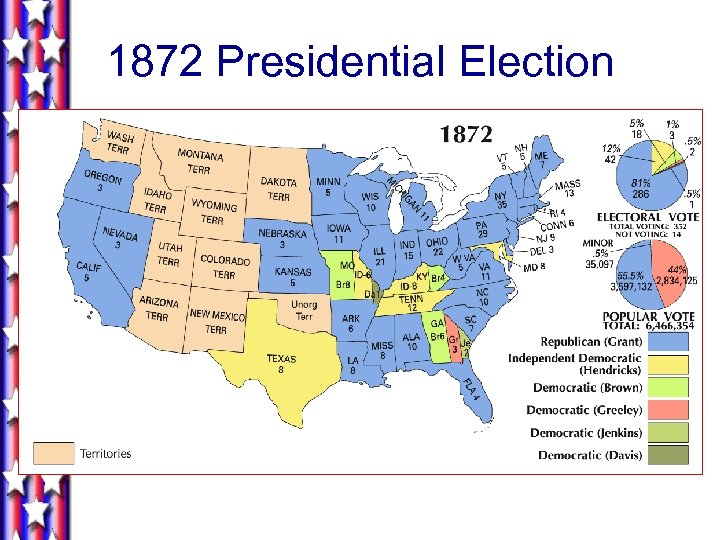 1872 Presidential Election
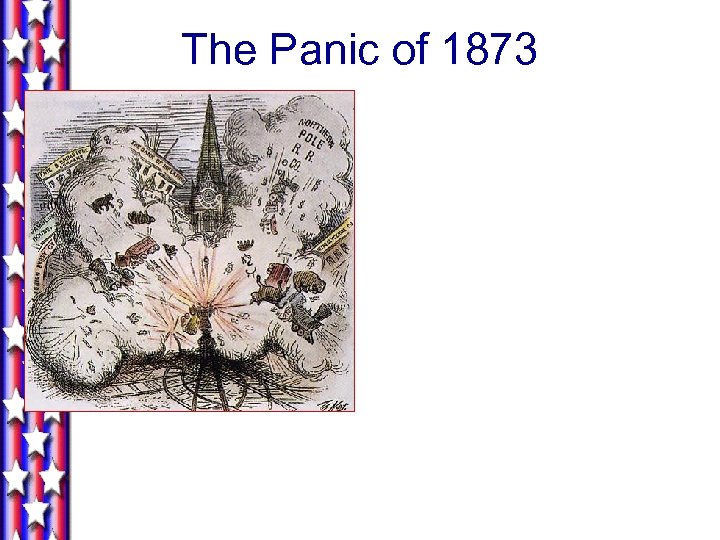 The Panic of 1873
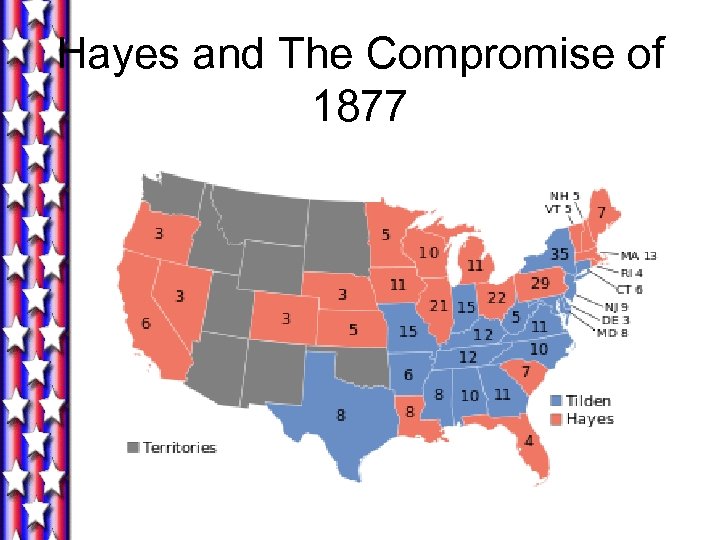 Hayes and The Compromise of 1877
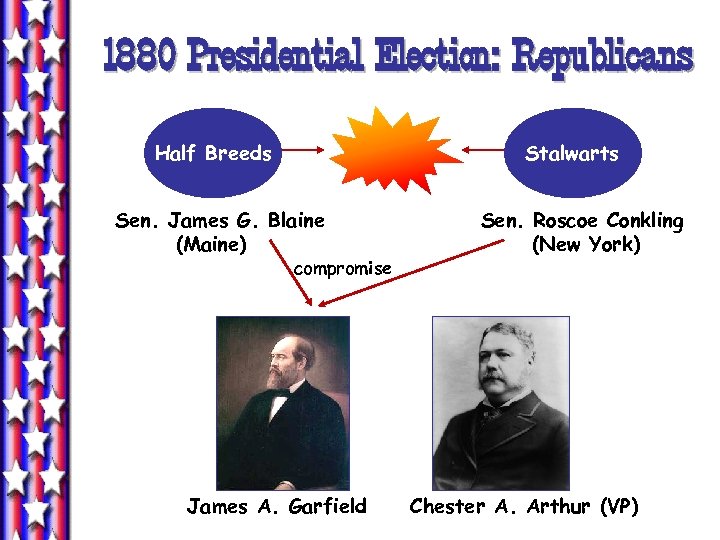 1880 Presidential Election: Republicans Half Breeds Stalwarts Sen. James G. Blaine (Maine) compromise James A. Garfield Sen. Roscoe Conkling (New York) Chester A. Arthur (VP)
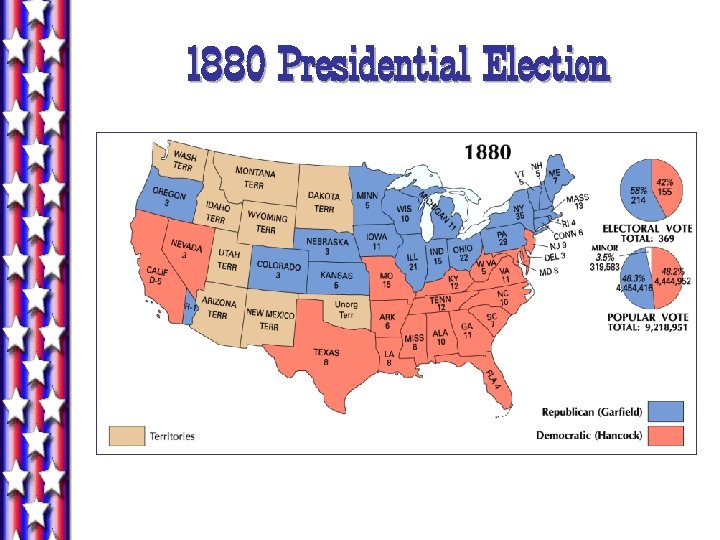 1880 Presidential Election
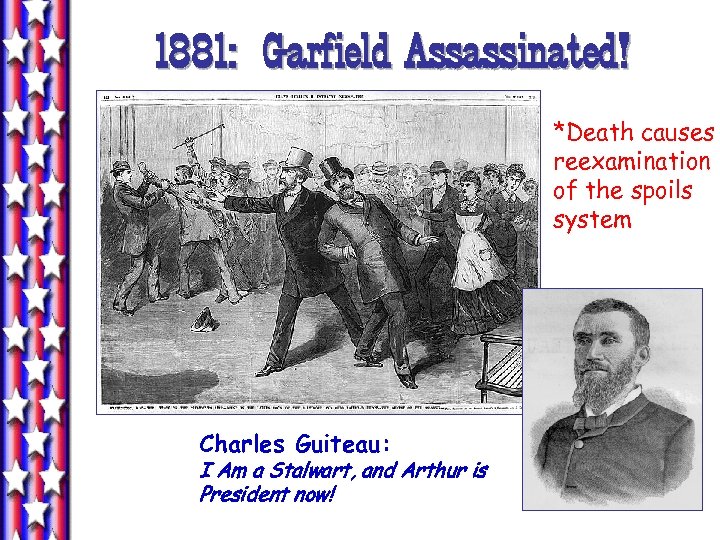 1881: Garfield Assassinated! *Death causes reexamination of the spoils system Charles Guiteau: I Am a Stalwart, and Arthur is President now!
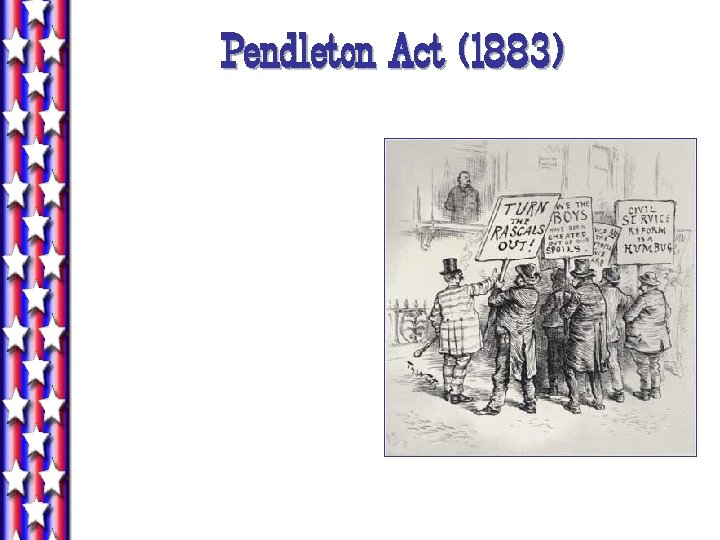 Pendleton Act (1883)
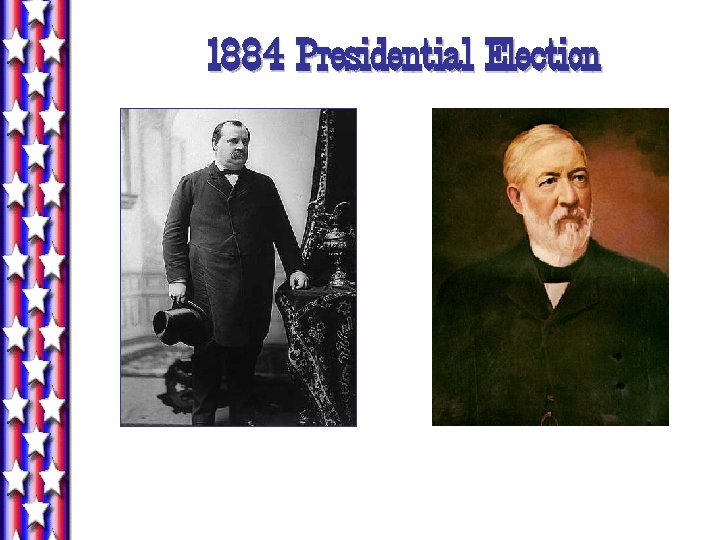 1884 Presidential Election
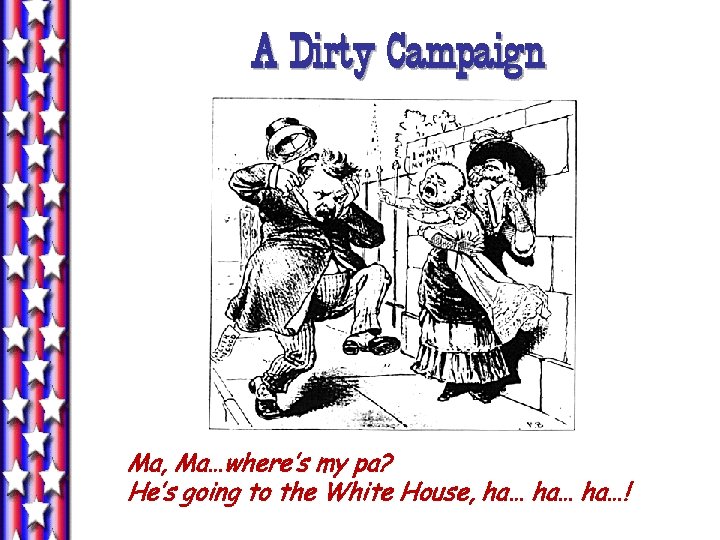 A Dirty Campaign Ma, Ma…where’s my pa? He’s going to the White House, ha… ha…!
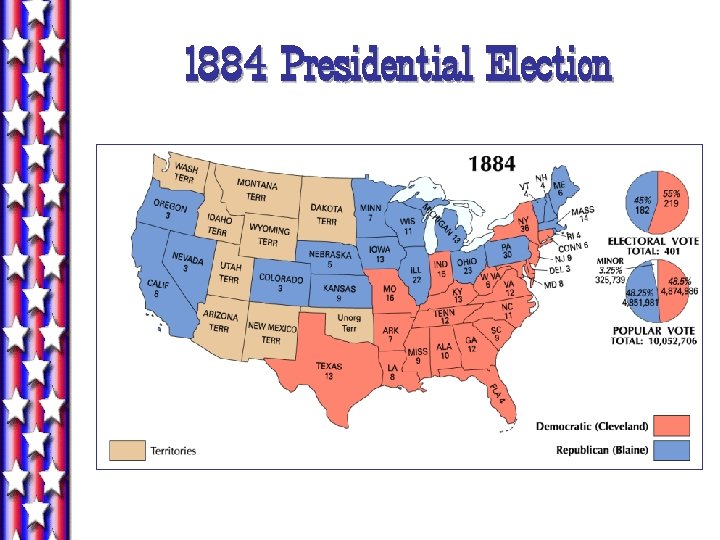 1884 Presidential Election
 Cleveland’s First Term
 The Tariff Issue
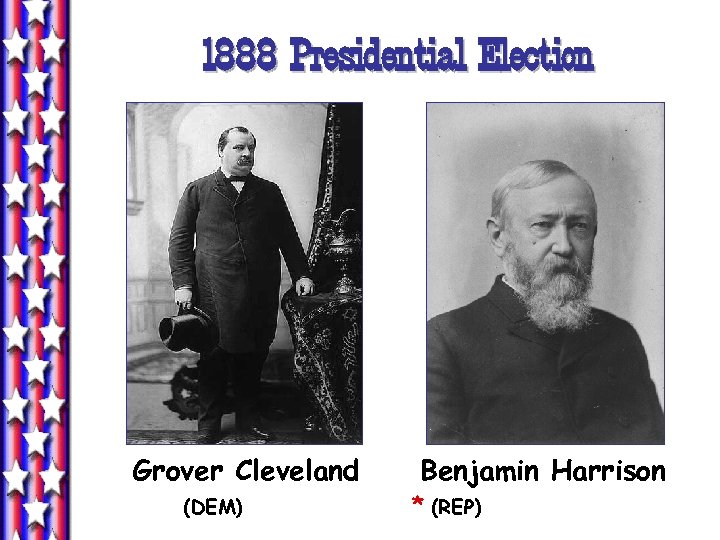 1888 Presidential Election Grover Cleveland (DEM) Benjamin Harrison * (REP)
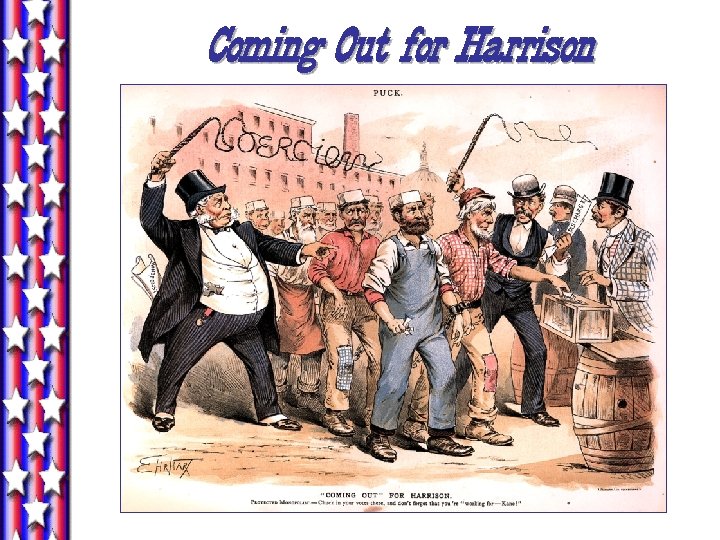 Coming Out for Harrison
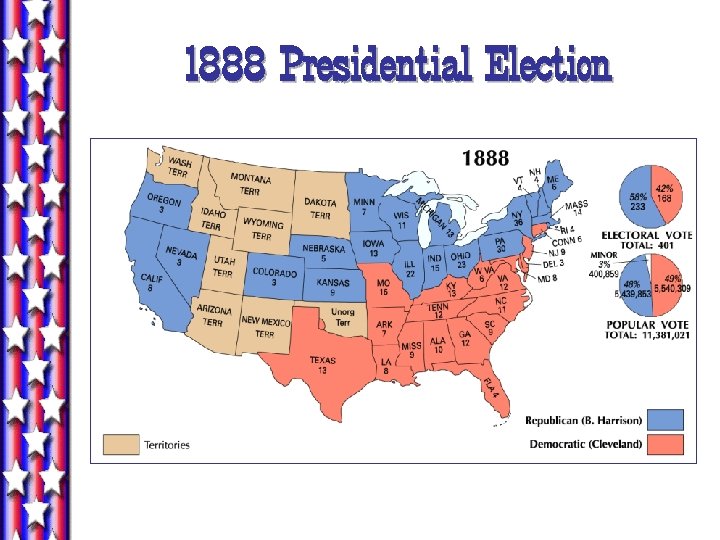 1888 Presidential Election
 Changing Public Opinion
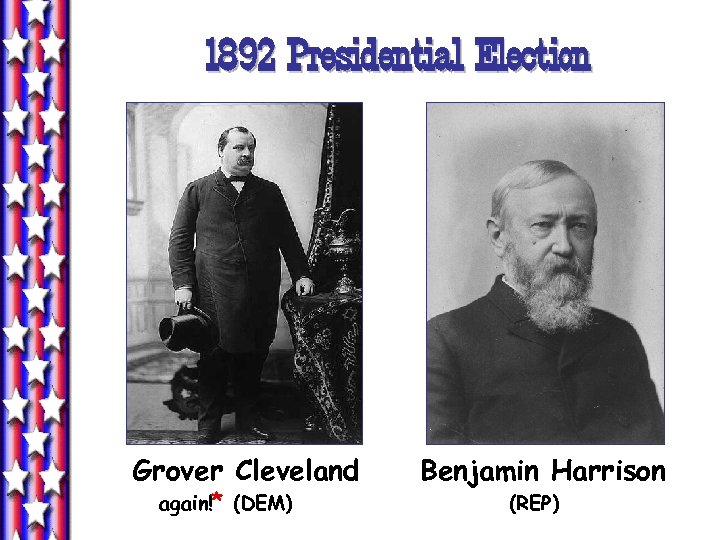 1892 Presidential Election Grover Cleveland again!* (DEM) Benjamin Harrison (REP)
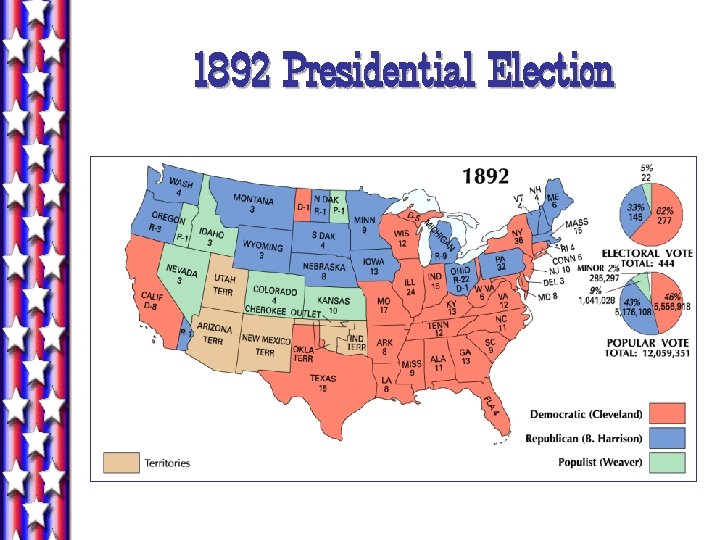 1892 Presidential Election
 Cleveland Loses Support Fast!
 Gilded Age Presidents in a Nutshell “The Forgettable “Presidents”
 • 23 rd-Benjamin Harrison (1889 -1893) • Signed Sherman Anti-Trust Act • Approves high tariffs – Hurts economy; dips too deep into treasury to pay pensions
 Writing Prompt • Evaluate the success of the political system during the Gilded age. (USE SFI)?