



 1
1
 2
2
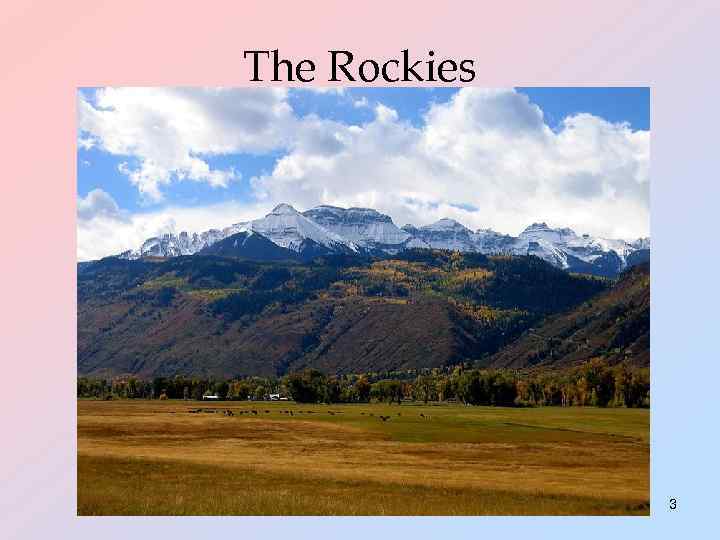 The Rockies 3
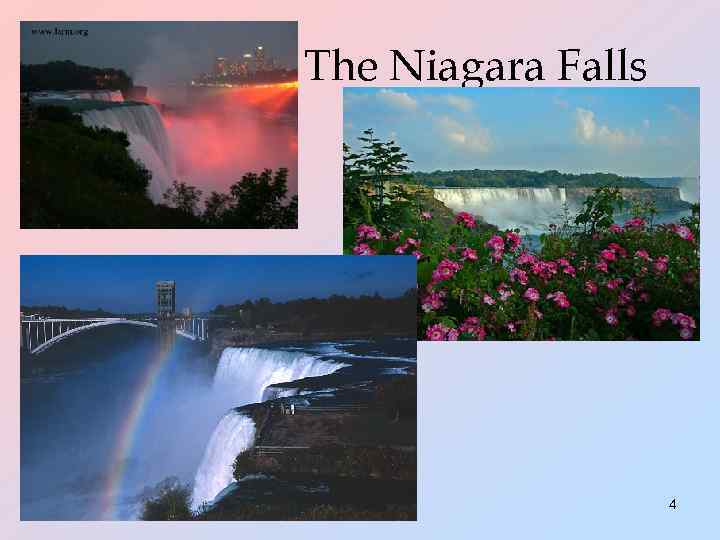 The Niagara Falls 4
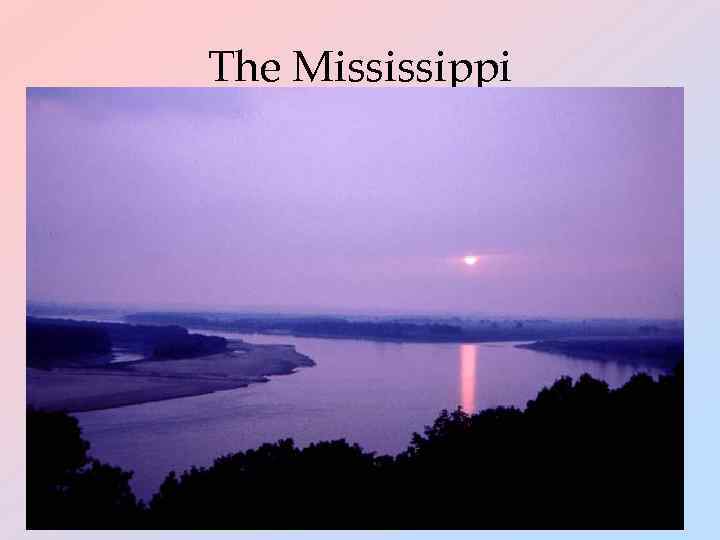 The Mississippi 5
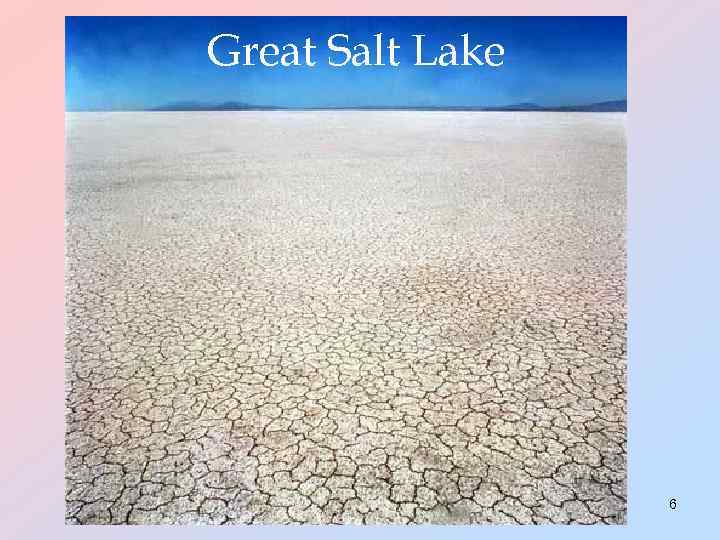 Great Salt Lake 6
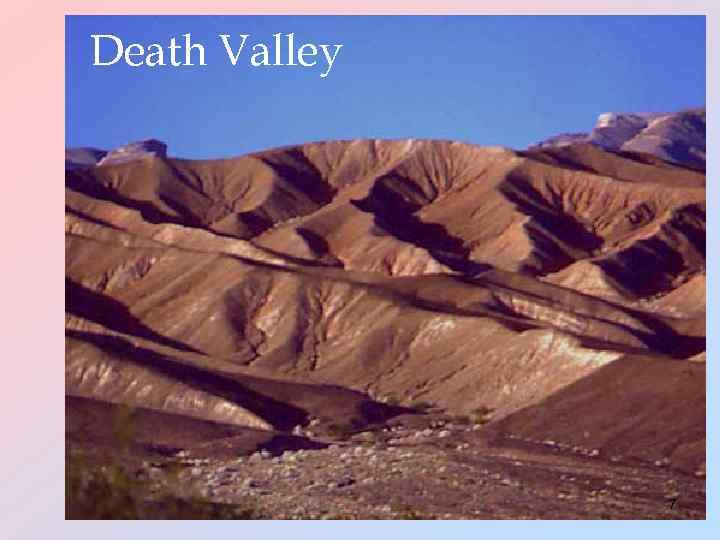 Death Valley 7
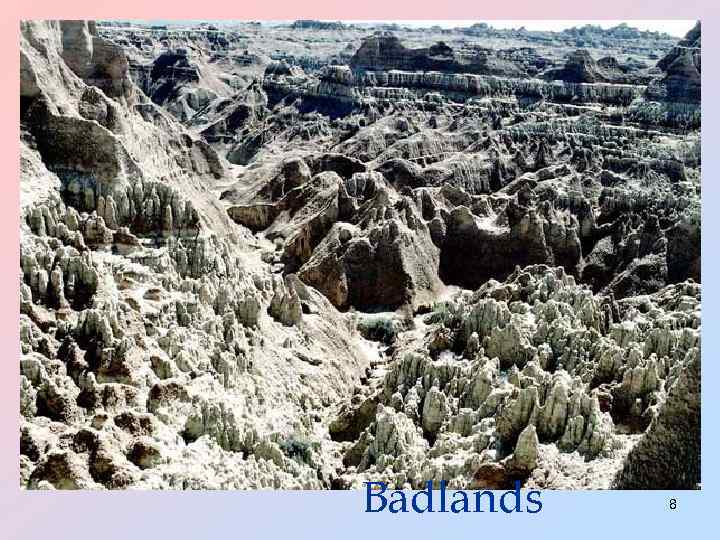 Badlands 8
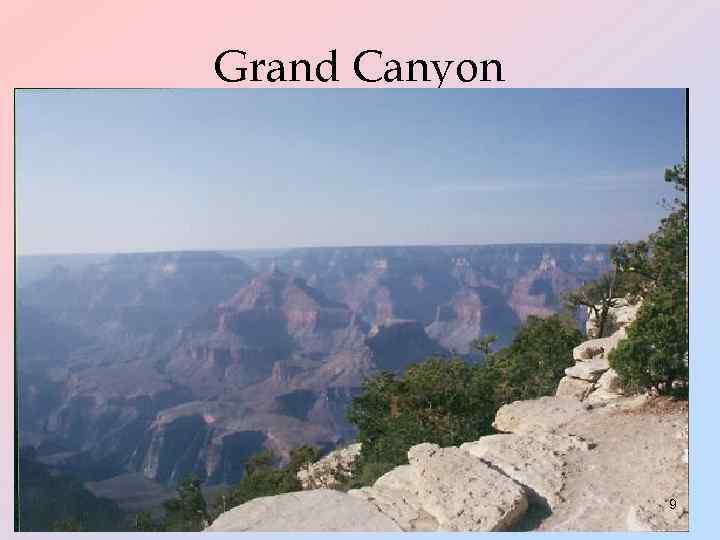 Grand Canyon 9
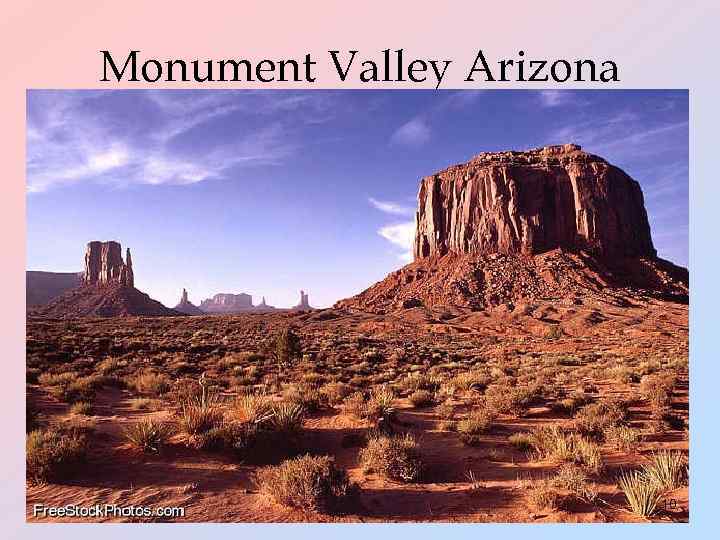 Monument Valley Arizona 10
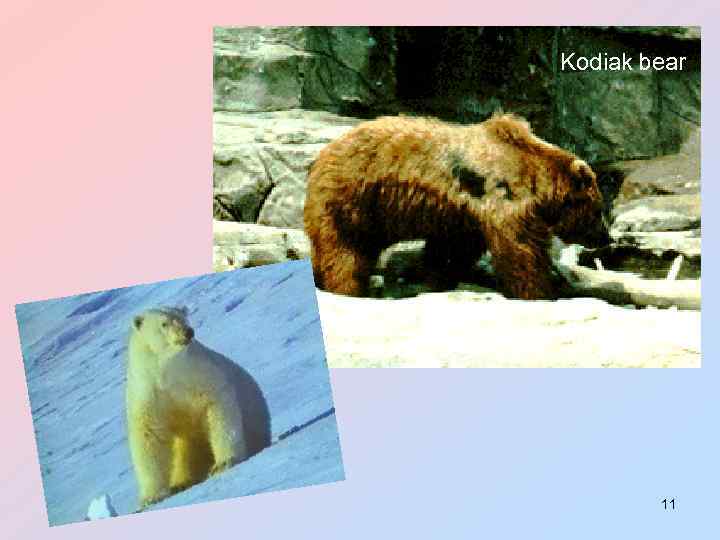 Kodiak bear 11
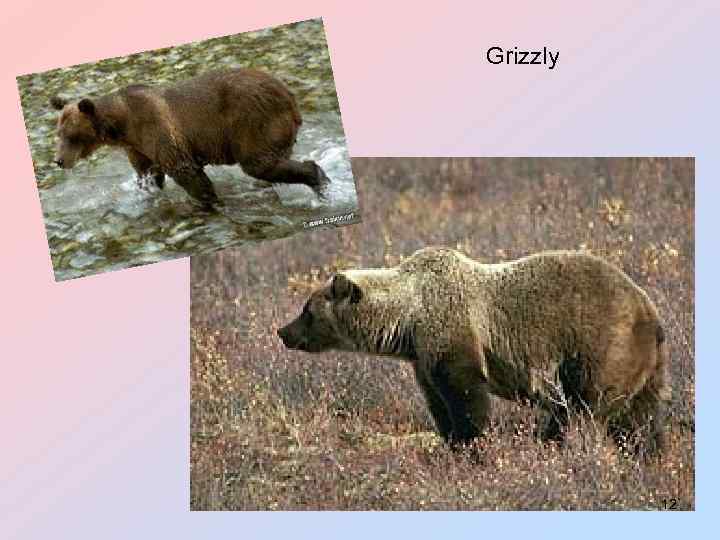 Grizzly 12
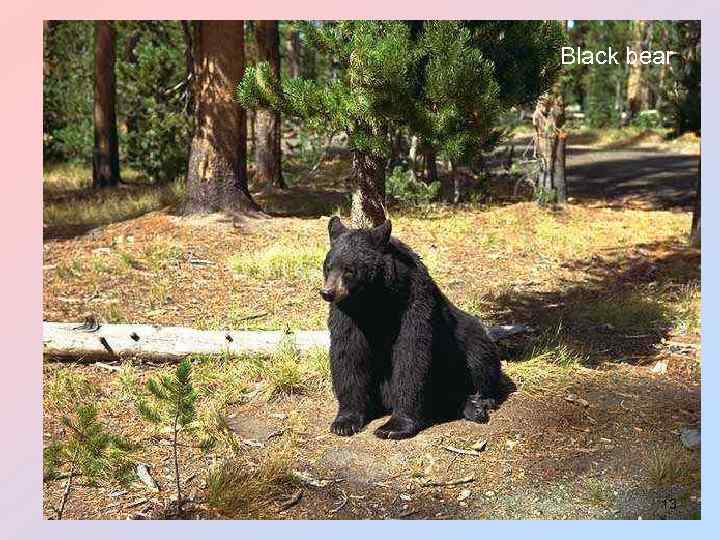 Black bear 13
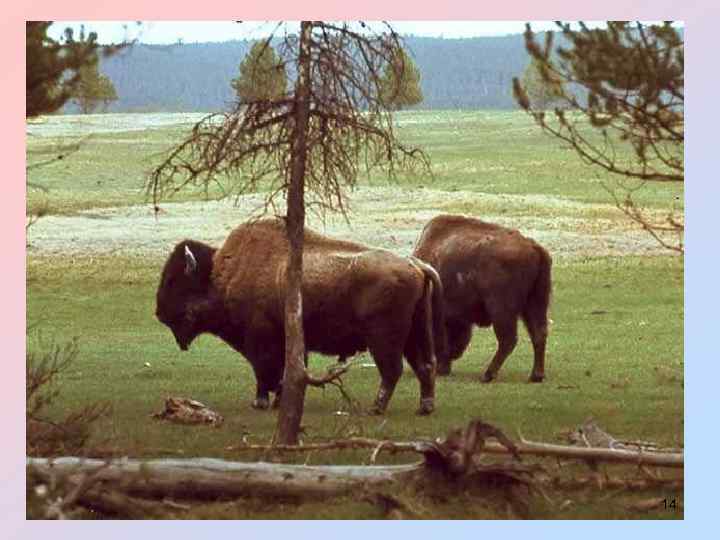 14
14
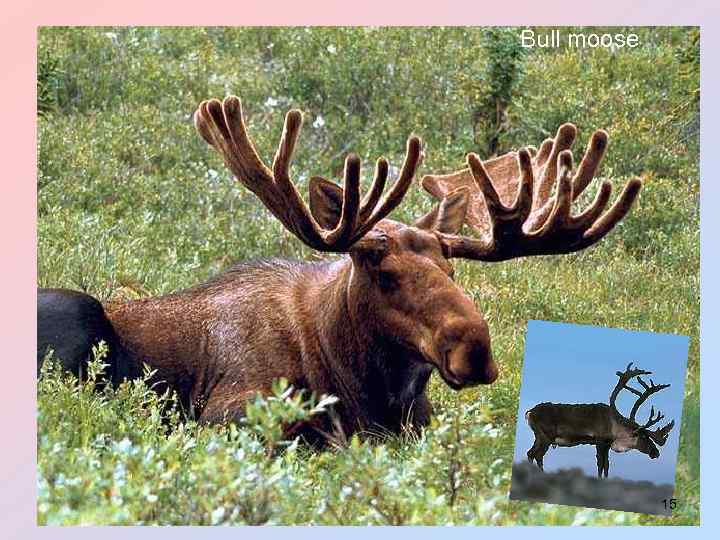 Bull moose 15
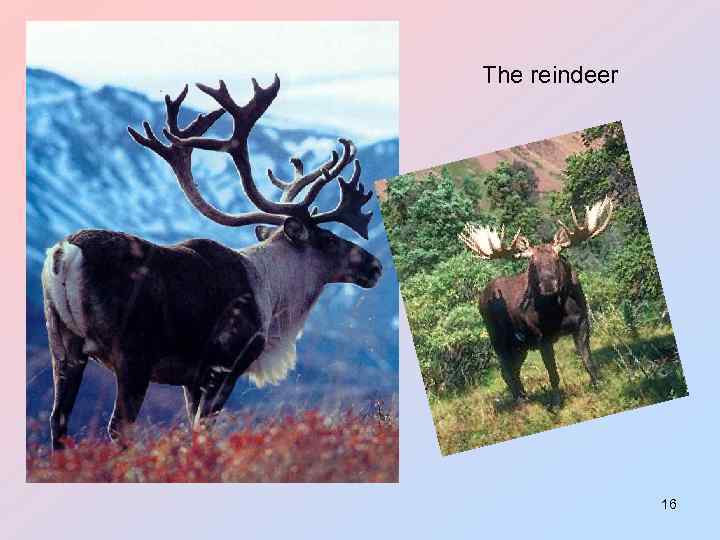 The reindeer 16
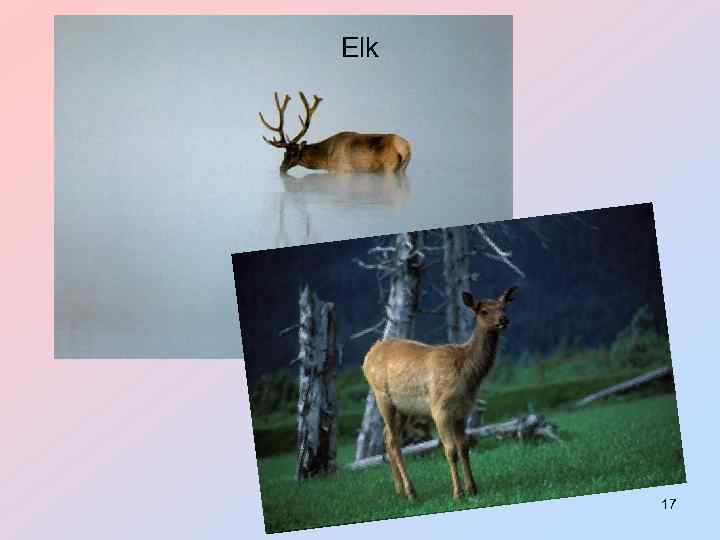 Elk 17
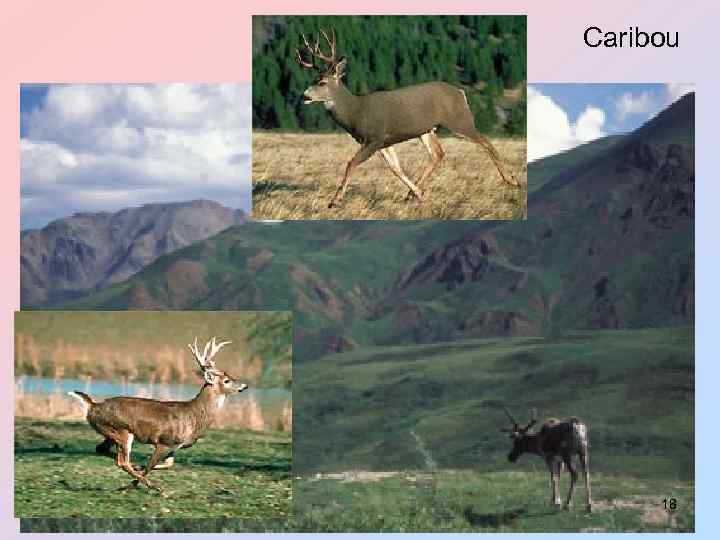 Caribou 18
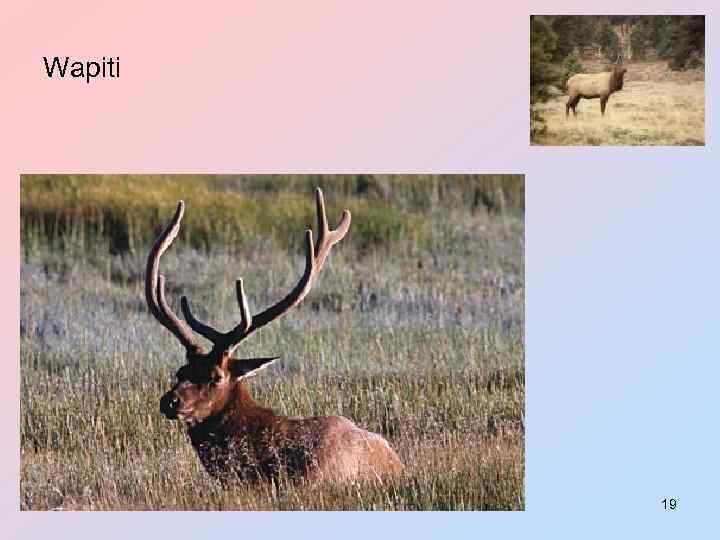 Wapiti 19
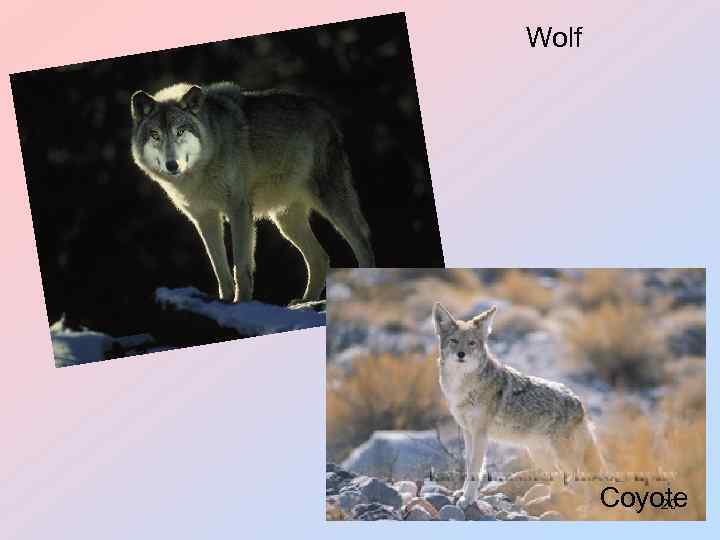 Wolf Coyote 20
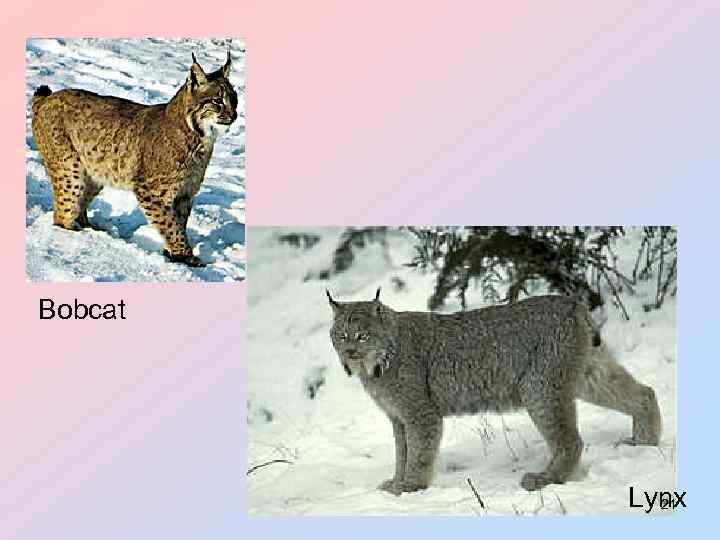 Bobcat Lynx 21
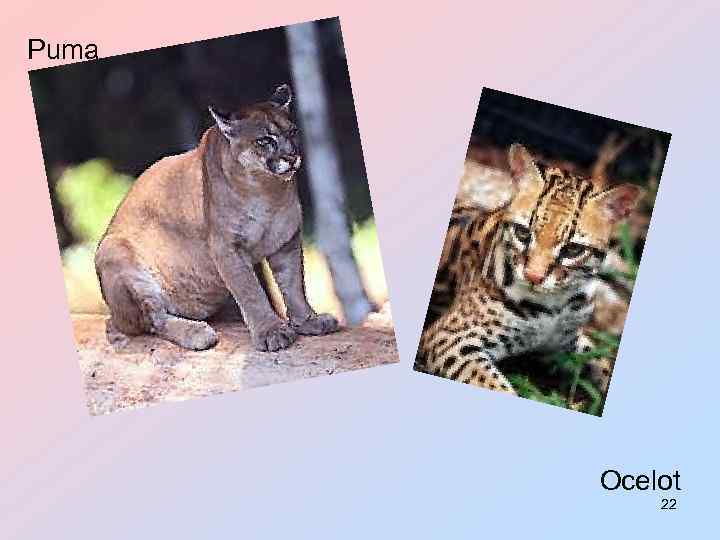 Puma Ocelot 22
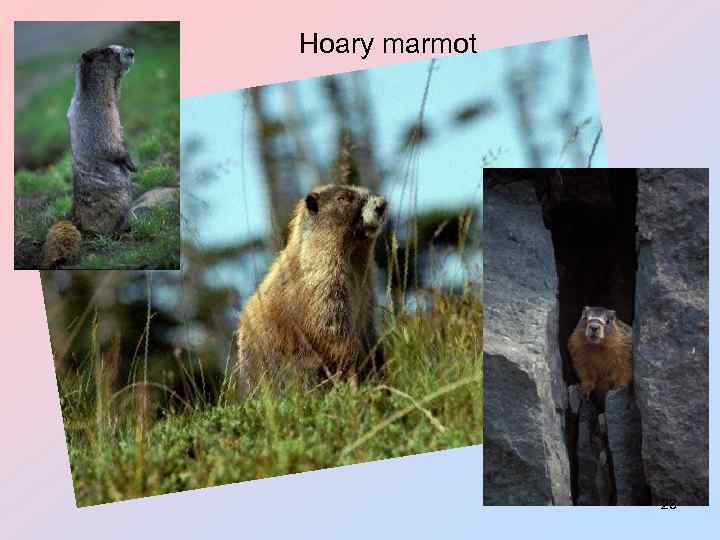 Hoary marmot 23
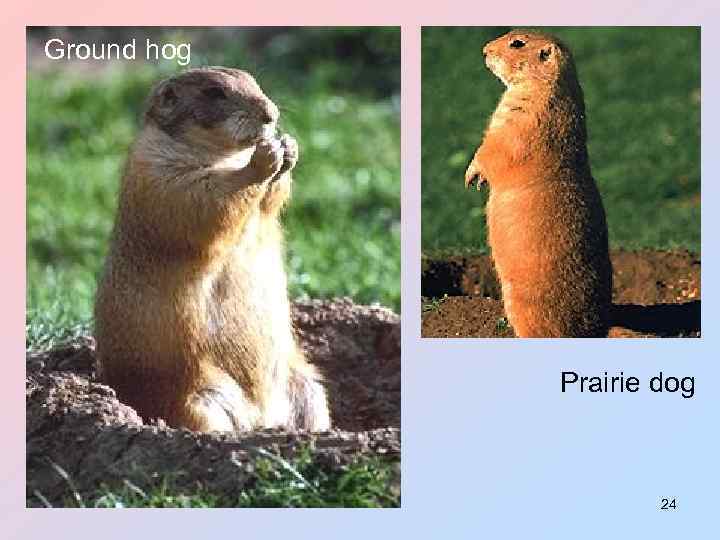 Ground hog Prairie dog 24
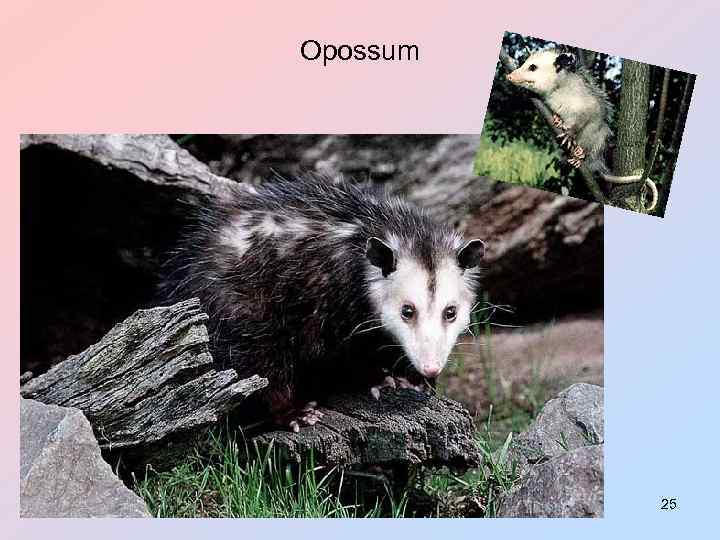 Opossum 25
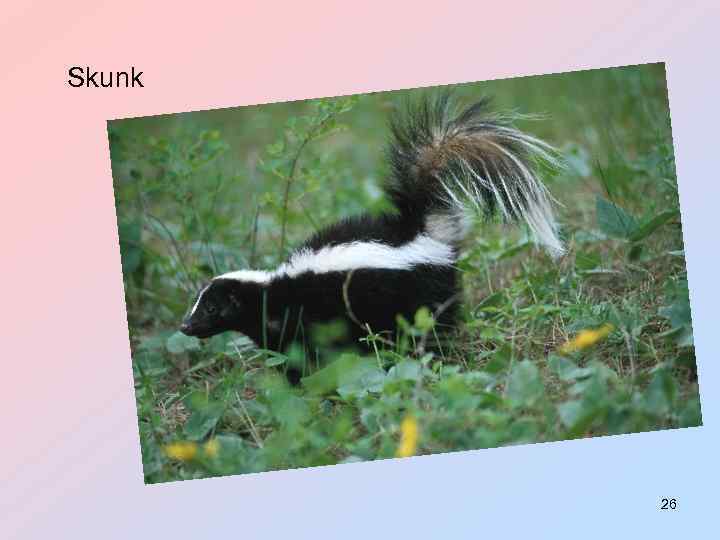 Skunk 26
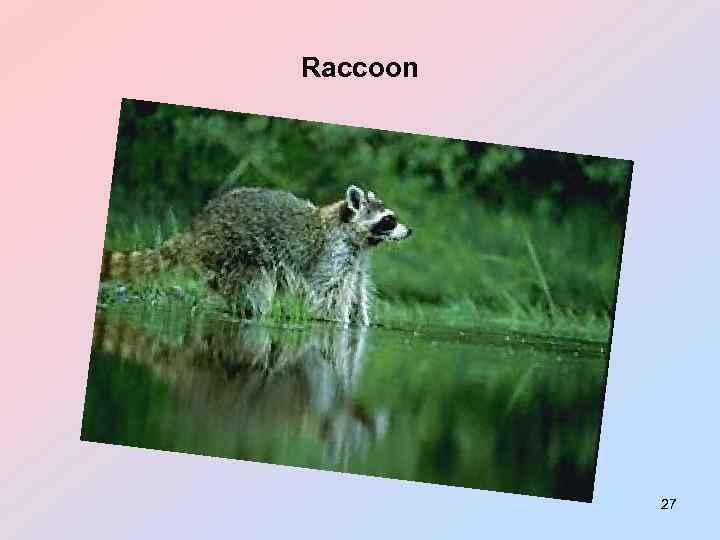 Raccoon 27
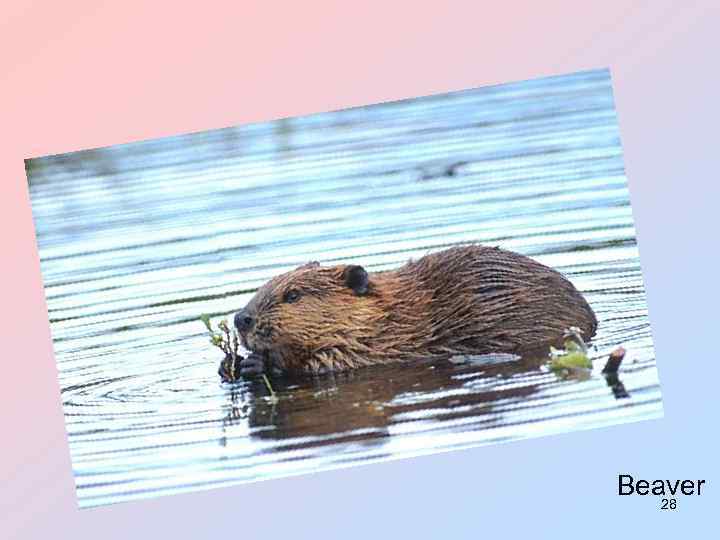 Beaver 28
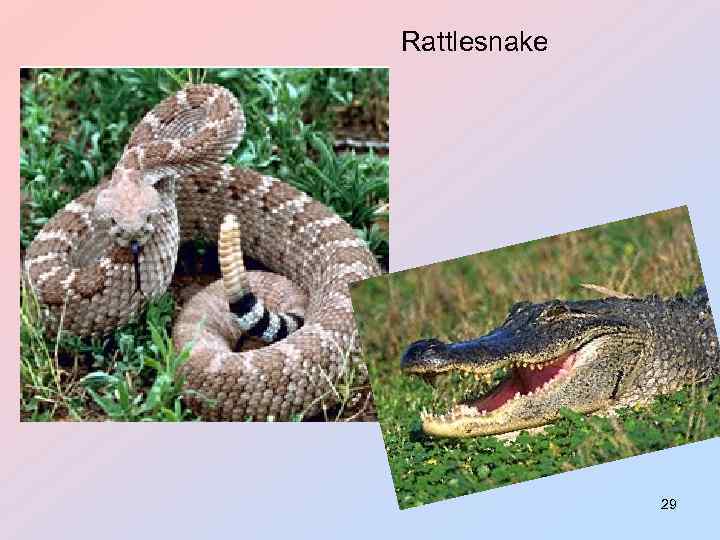 Rattlesnake 29
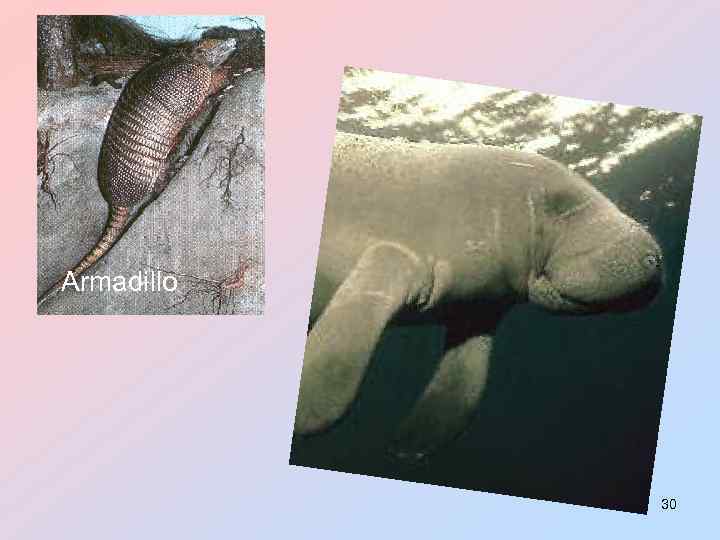 Armadillo 30
 31
31
 32
32
 Heron 33
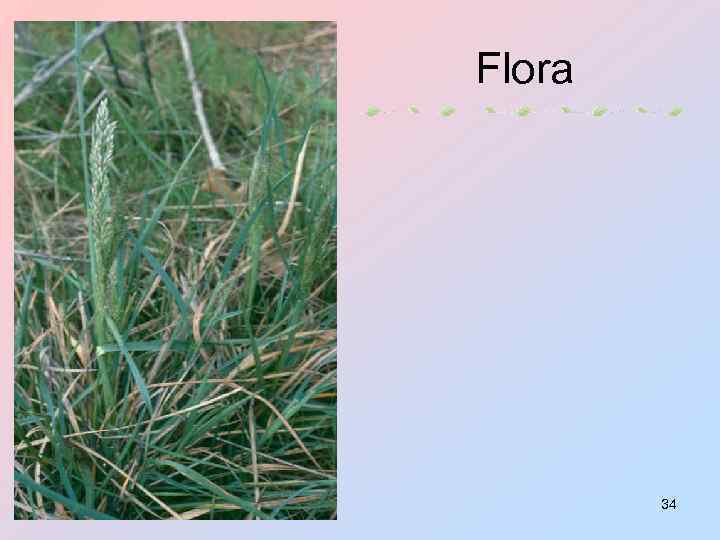 Flora 34
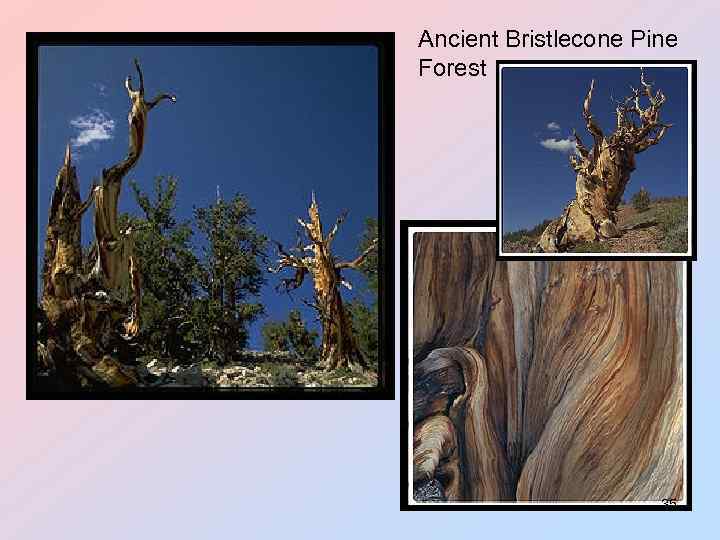 Ancient Bristlecone Pine Forest 35
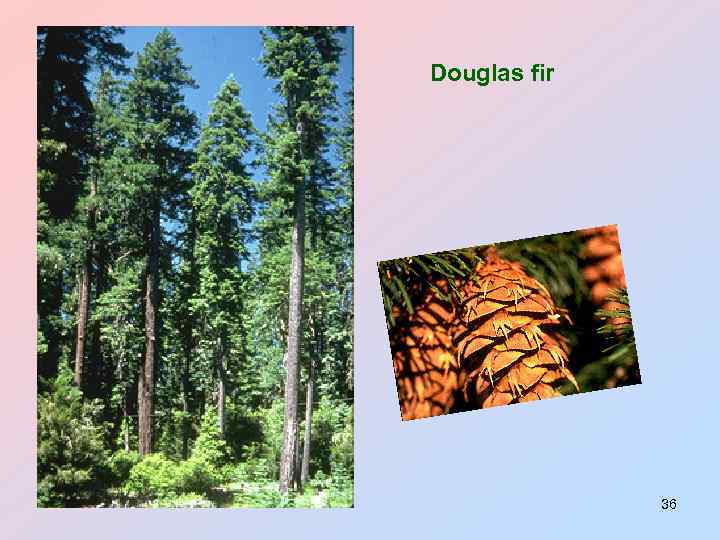 Douglas fir 36
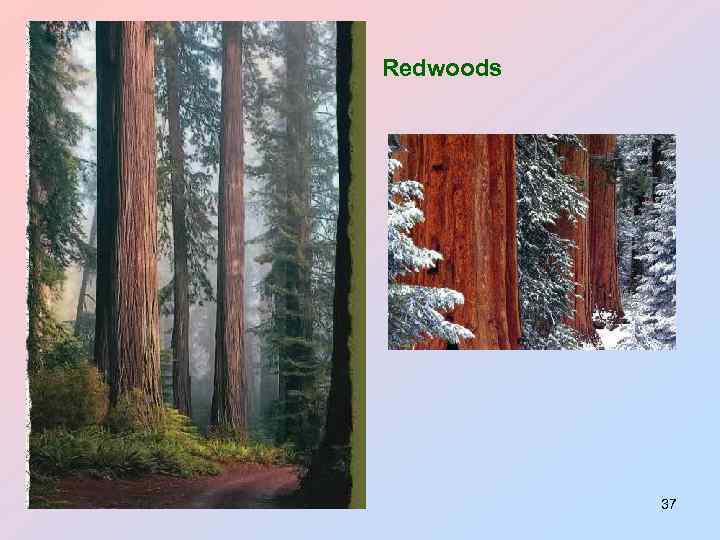 Redwoods 37
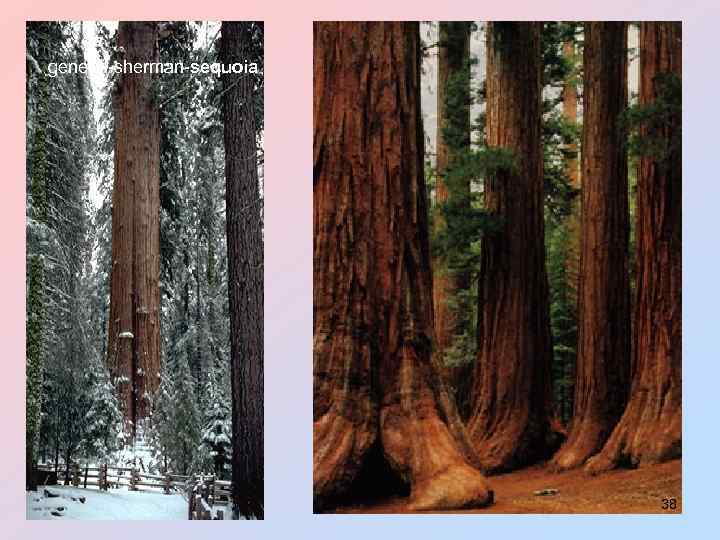 general-sherman-sequoia 38
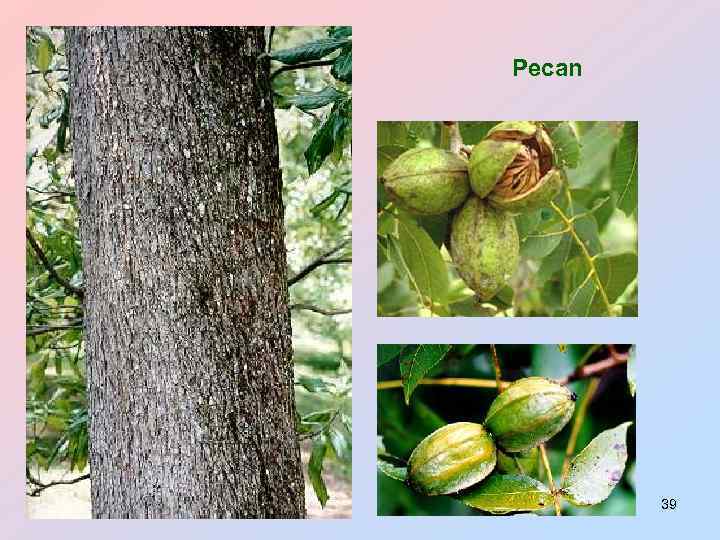 Pecan 39
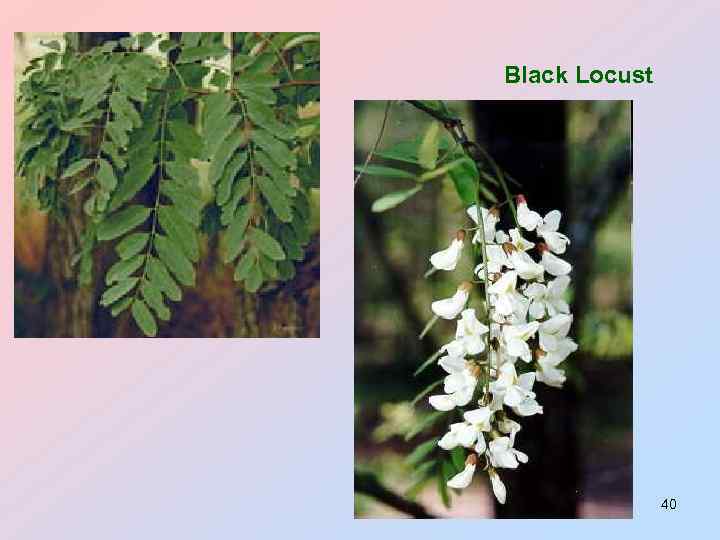 Black Locust 40
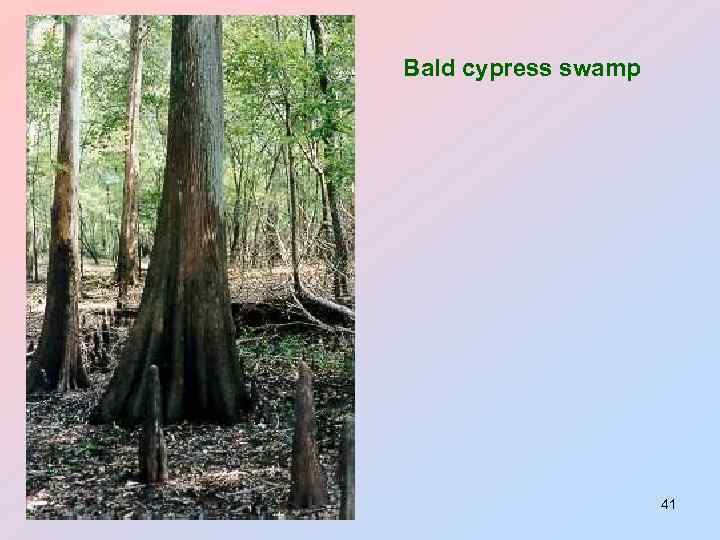 Bald cypress swamp 41
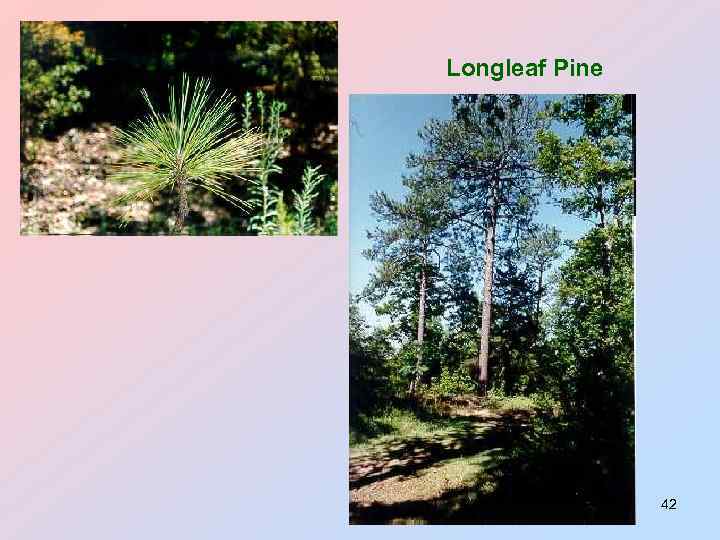 Longleaf Pine 42
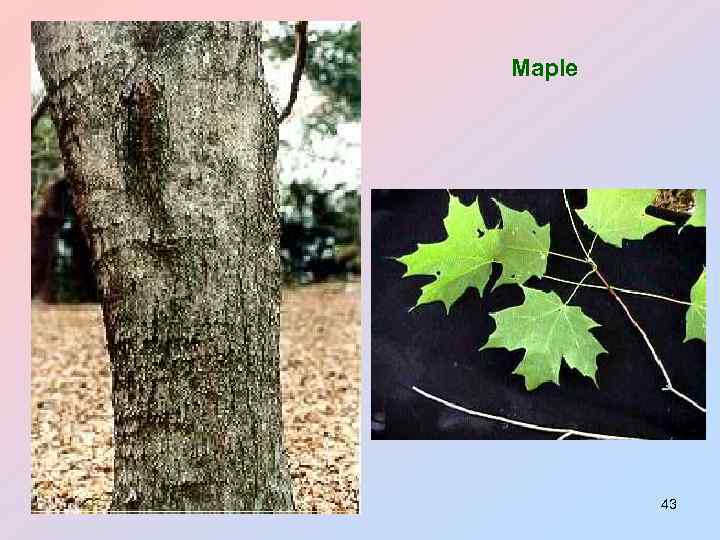 Maple 43
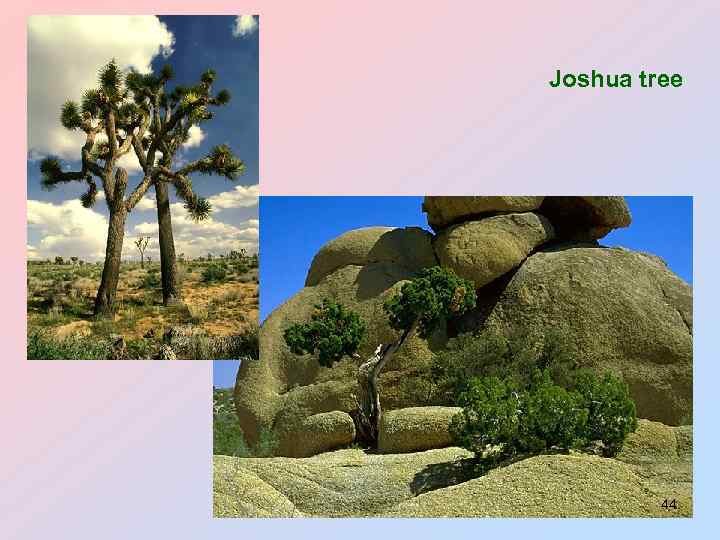 Joshua tree 44
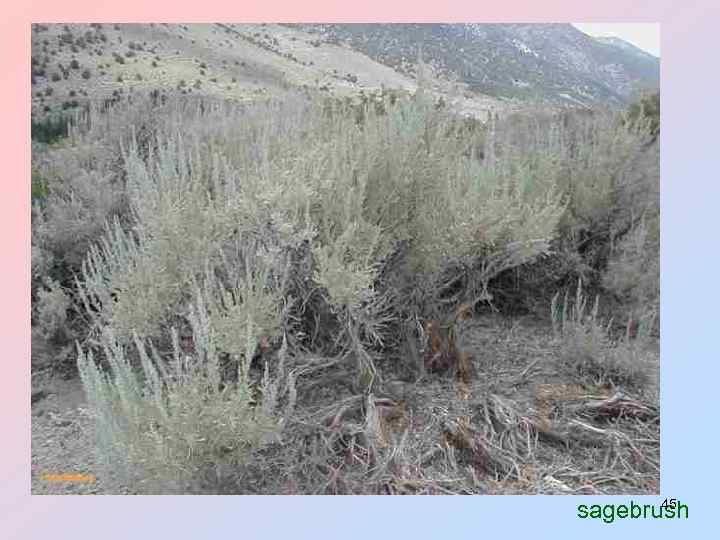 45 sagebrush
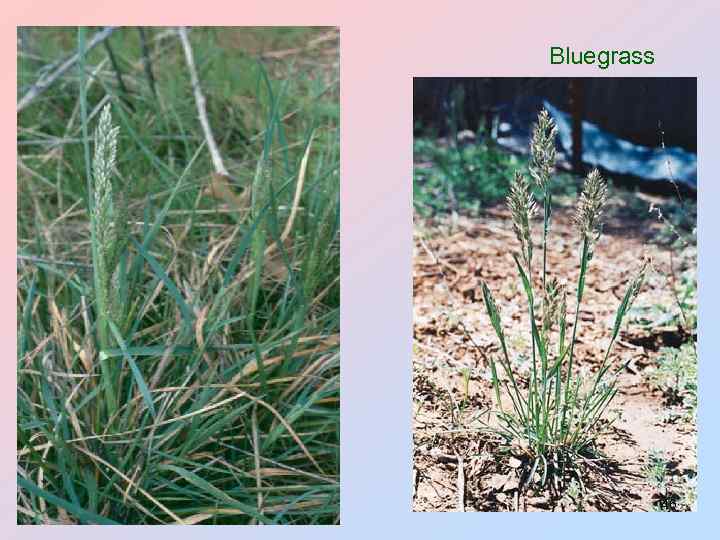 Bluegrass 46
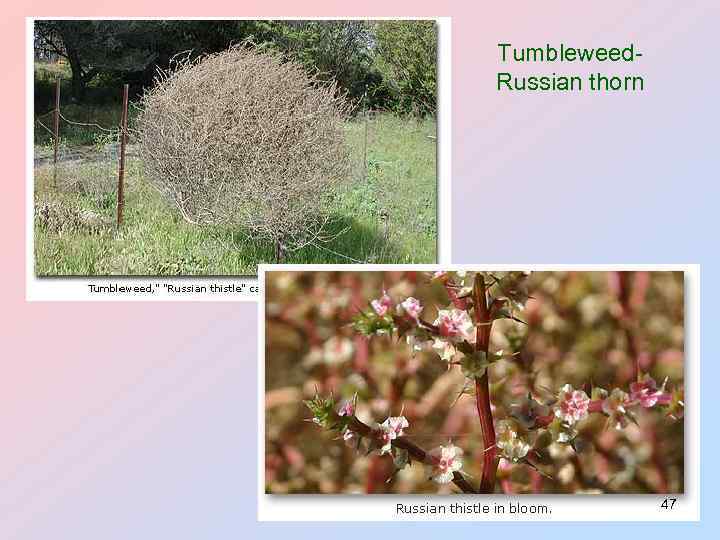 Tumbleweed- Russian thorn 47
 48
48
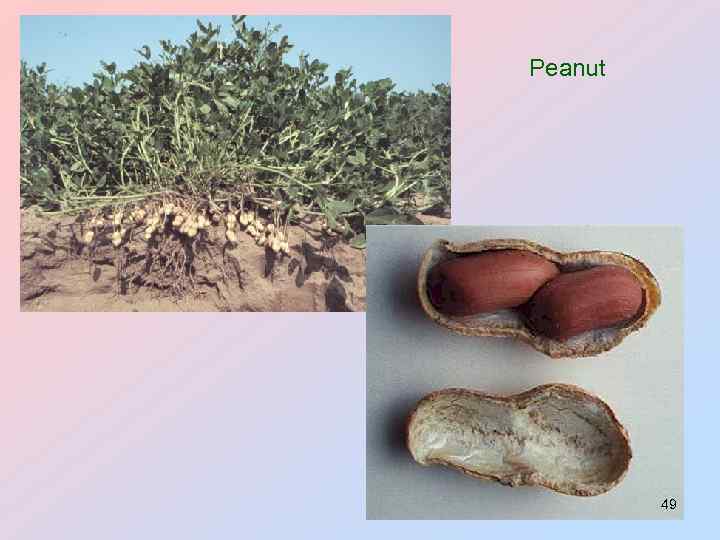 Peanut 49
 National Parks 50
 51
51
 52
52
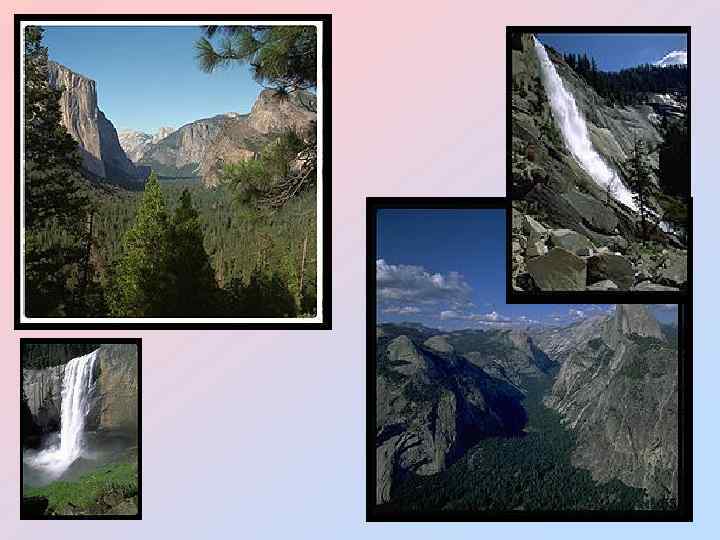 53
53
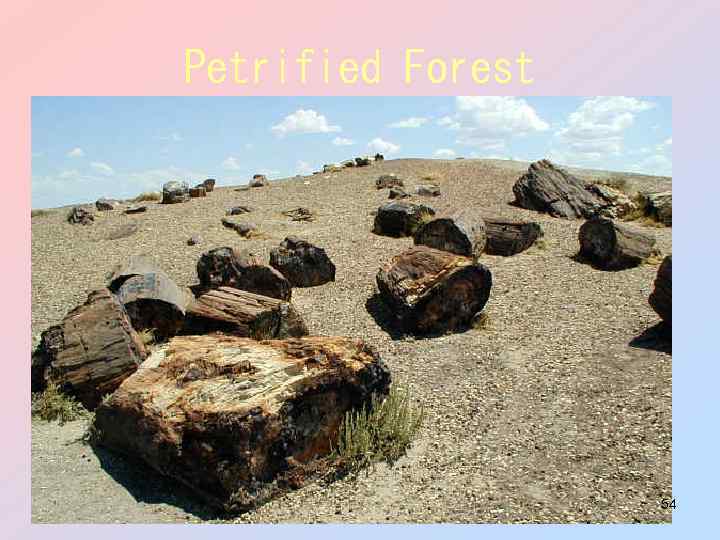 Petrified Forest 54
 55
55
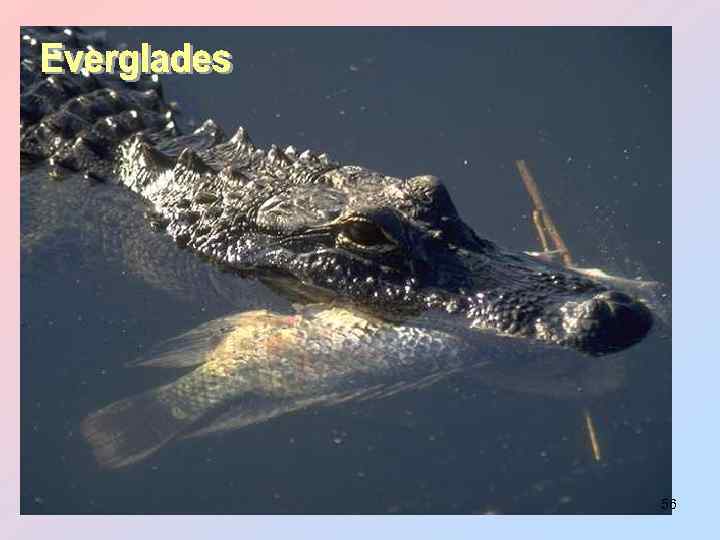 56
56
 57
57
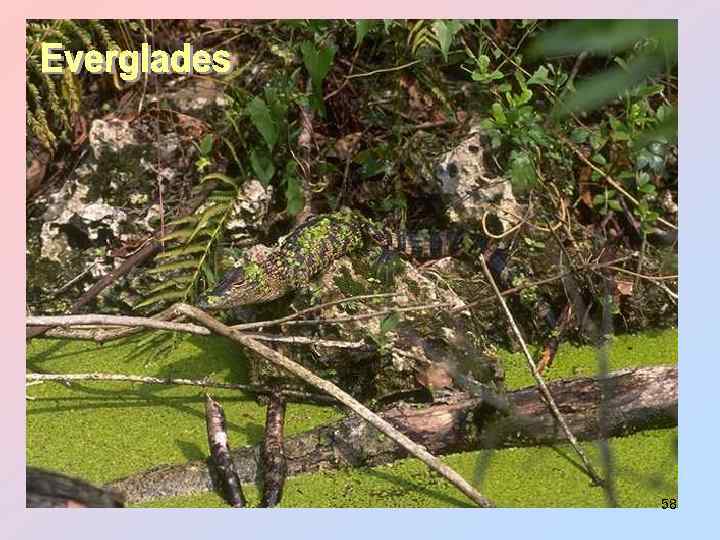 58
58
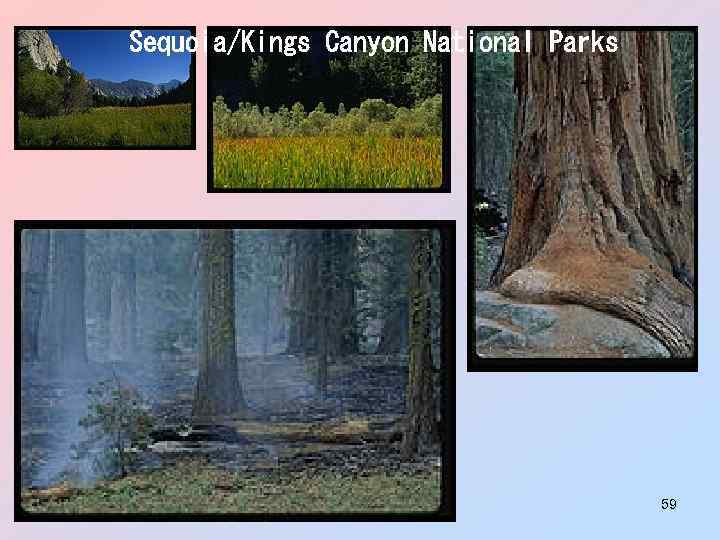 Sequoia/Kings Canyon National Parks 59
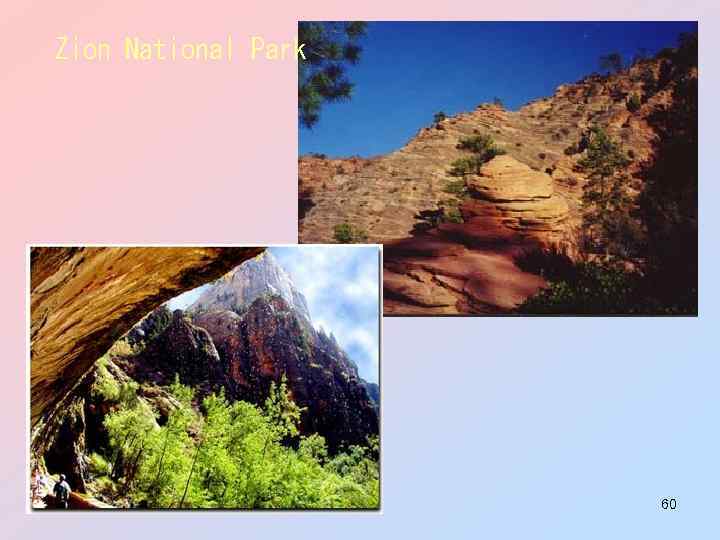 Zion National Park 60
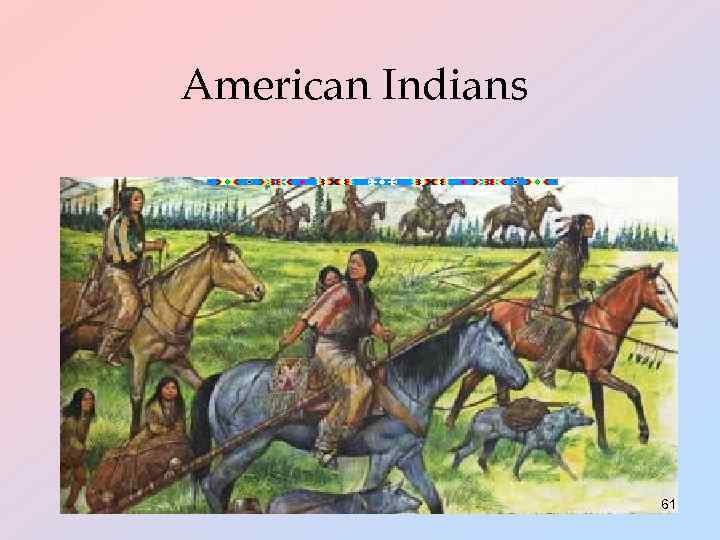 American Indians 61
 62
62
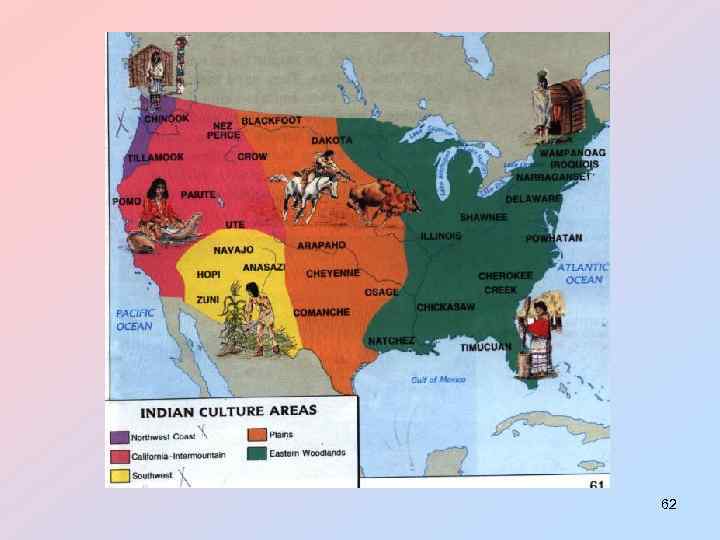
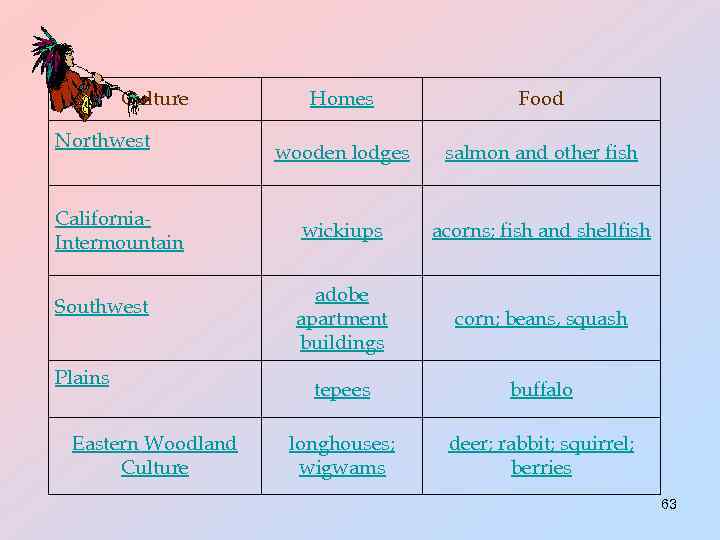 Culture Homes Food wooden lodges salmon and other fish California. Intermountain wickiups acorns; fish and shellfish Southwest adobe apartment buildings corn; beans, squash tepees buffalo longhouses; wigwams deer; rabbit; squirrel; berries Northwest Plains Eastern Woodland Culture 63
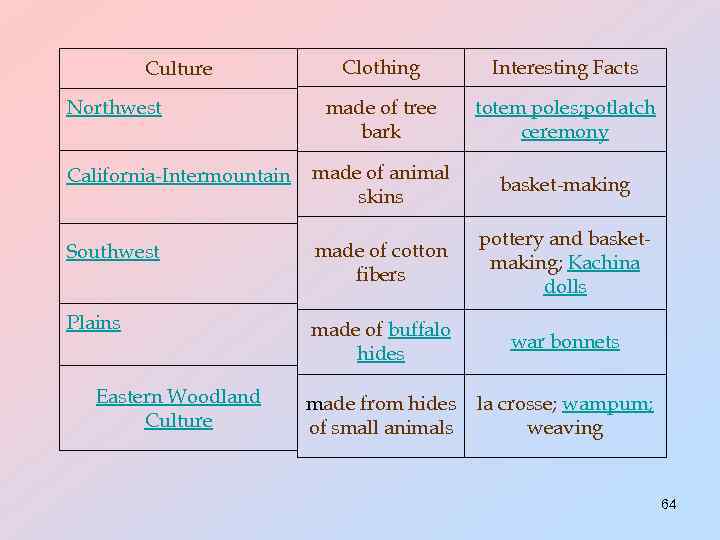 Clothing Interesting Facts made of tree bark totem poles; potlatch ceremony California-Intermountain made of animal skins basket-making Southwest made of cotton fibers pottery and basketmaking; Kachina dolls Plains made of buffalo hides war bonnets made from hides of small animals la crosse; wampum; weaving Culture Northwest Eastern Woodland Culture 64
 65
65
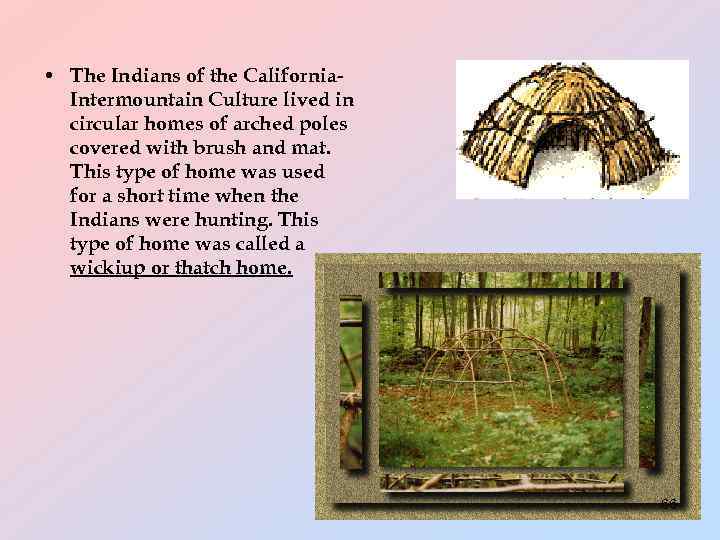 • The Indians of the California. Intermountain Culture lived in circular homes of arched poles covered with brush and mat. This type of home was used for a short time when the Indians were hunting. This type of home was called a wickiup or thatch home. 66
 Native Housing Aboriginal Americans, otherwise known as Indians, developed seven main styles of the house: the Wickiup; the Wigwam; the Longhouse; the Tipi; the Hogan; the Dugout; and the Pueblo. Several of these are enhanced or extended versions of another style, but the degree of development has led them to be considered as separate styles. The main form, a light weight, portable version is called a "wickiup" and the permanent, much more solidly built, version is called a "wigwam". Following are a few graphics depicting these two styles from different Indian groups around the country. 67
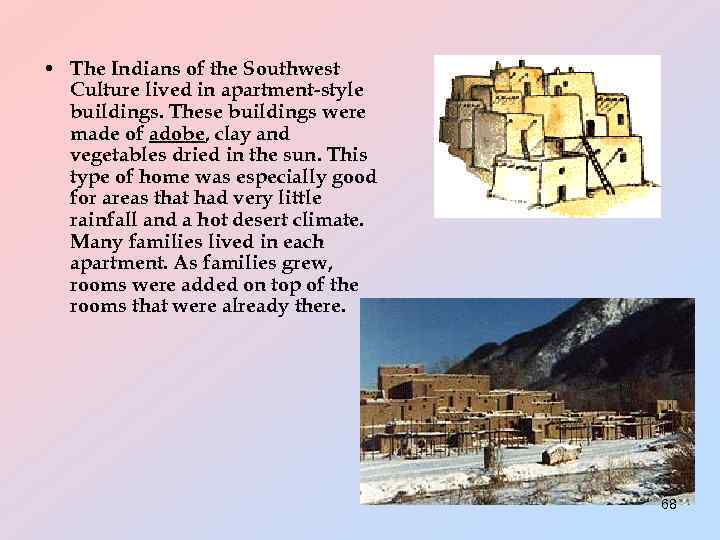 • The Indians of the Southwest Culture lived in apartment-style buildings. These buildings were made of adobe, clay and vegetables dried in the sun. This type of home was especially good for areas that had very little rainfall and a hot desert climate. Many families lived in each apartment. As families grew, rooms were added on top of the rooms that were already there. 68
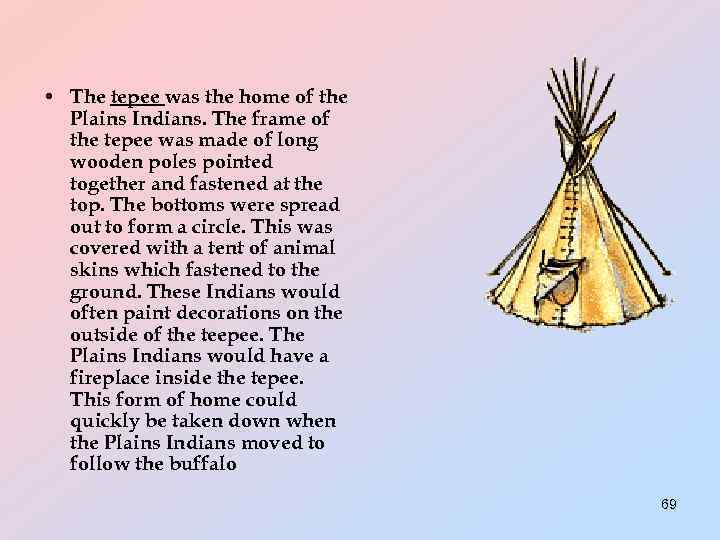 • The tepee was the home of the Plains Indians. The frame of the tepee was made of long wooden poles pointed together and fastened at the top. The bottoms were spread out to form a circle. This was covered with a tent of animal skins which fastened to the ground. These Indians would often paint decorations on the outside of the teepee. The Plains Indians would have a fireplace inside the tepee. This form of home could quickly be taken down when the Plains Indians moved to follow the buffalo 69
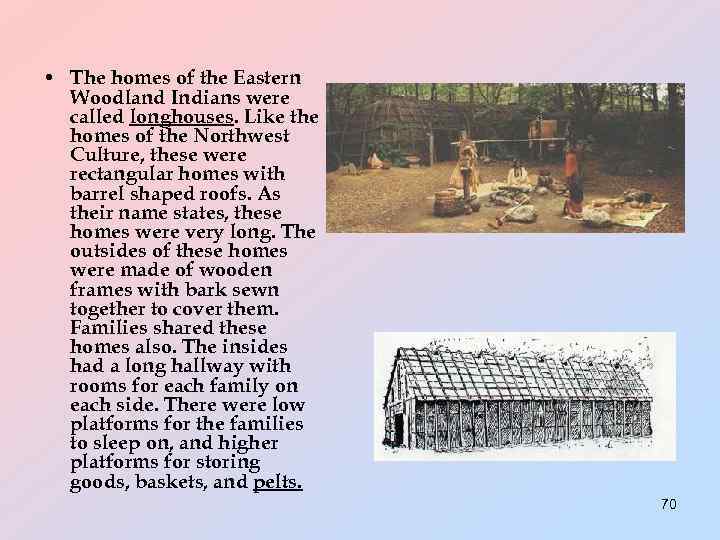 • The homes of the Eastern Woodland Indians were called longhouses. Like the homes of the Northwest Culture, these were rectangular homes with barrel shaped roofs. As their name states, these homes were very long. The outsides of these homes were made of wooden frames with bark sewn together to cover them. Families shared these homes also. The insides had a long hallway with rooms for each family on each side. There were low platforms for the families to sleep on, and higher platforms for storing goods, baskets, and pelts. 70
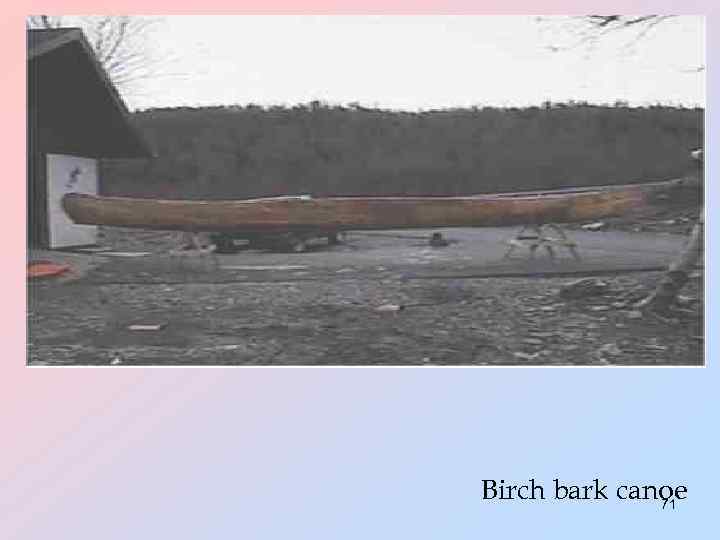 Birch bark canoe 71
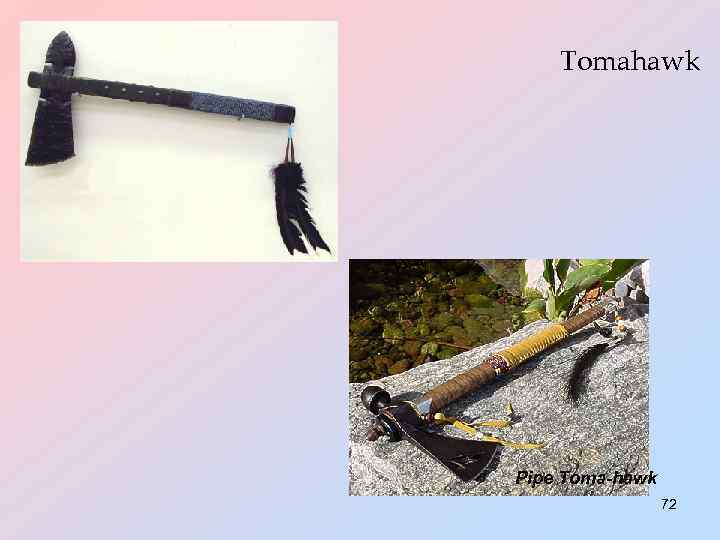 Tomahawk Pipe Toma-hawk 72
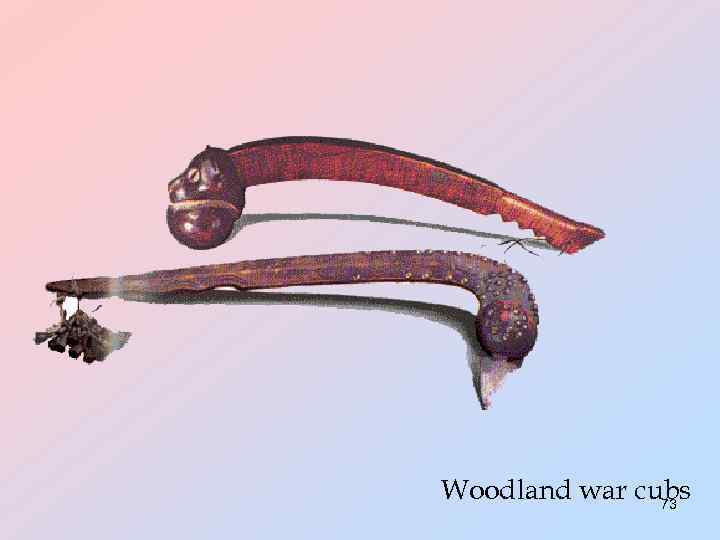 Woodland war cubs 73
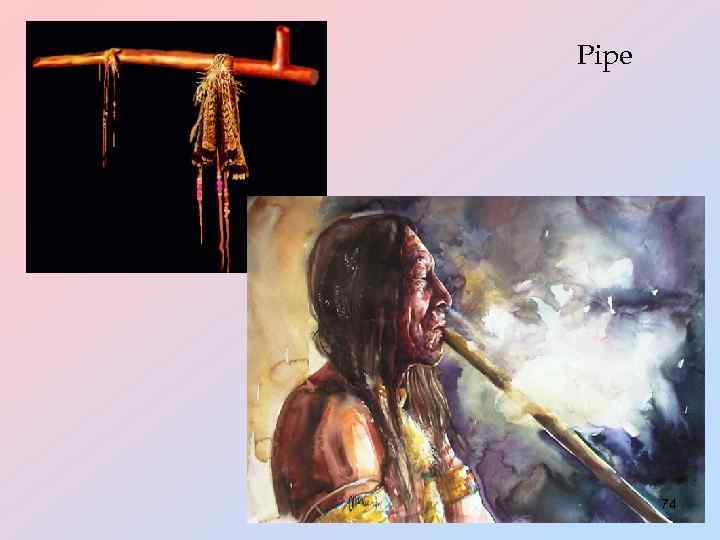 Pipe 74
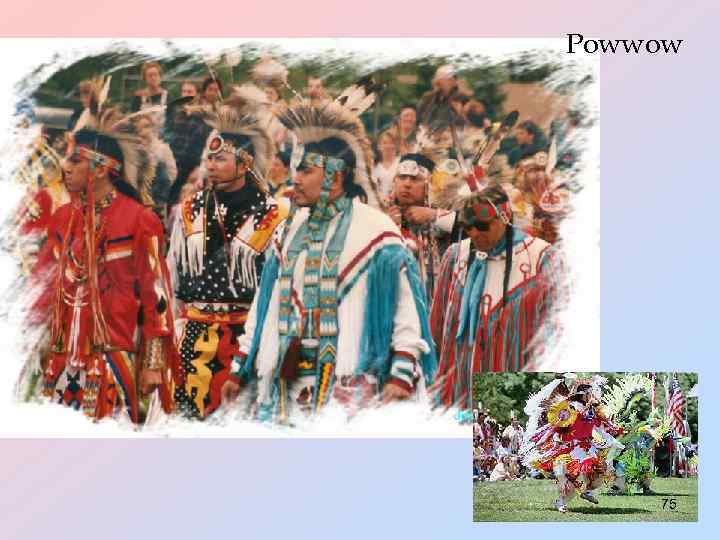 Powwow 75
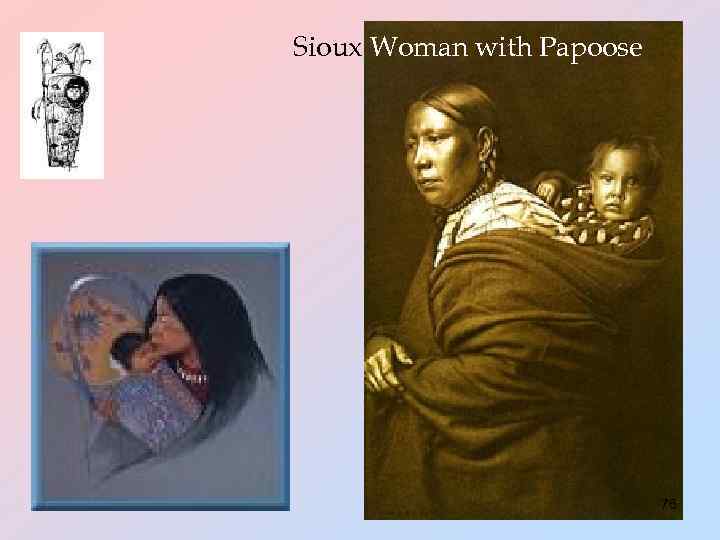 Sioux Woman with Papoose 76
 77
77
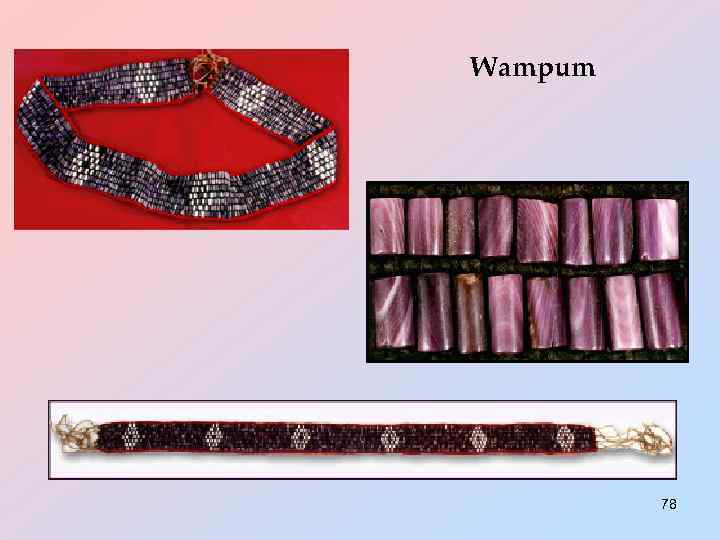 Wampum 78
 79
79
 Succotash 80