


 Скачать презентацию 03 IAT 102 Graphic Design 03 Typography
12f3ff3f83c188b609d17431aacf85bb.ppt
- Количество слайдов: 59
 03 IAT 102 Graphic Design
 03 Typography: European Books Industrial Revolution + Victorian Era Break Design Basics
 European Books Content and images taken from: Megg’s History of Graphic Design and Jubert’s Typography and Graphic Design
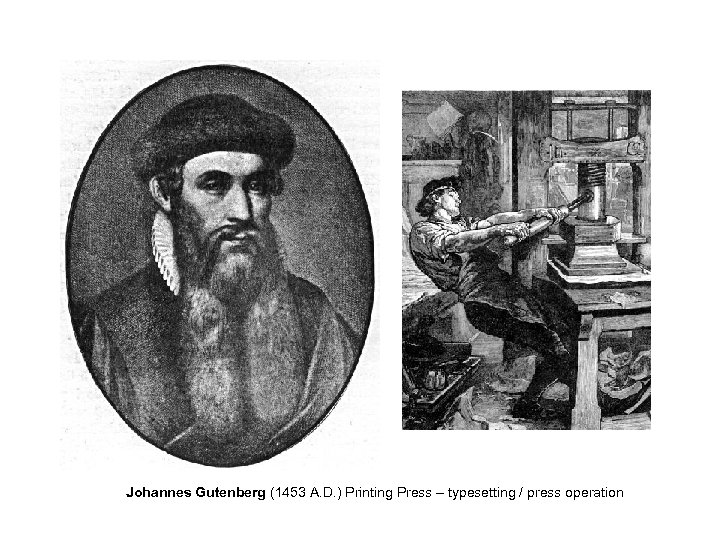 Johannes Gutenberg (1453 A. D. ) Printing Press – typesetting / press operation
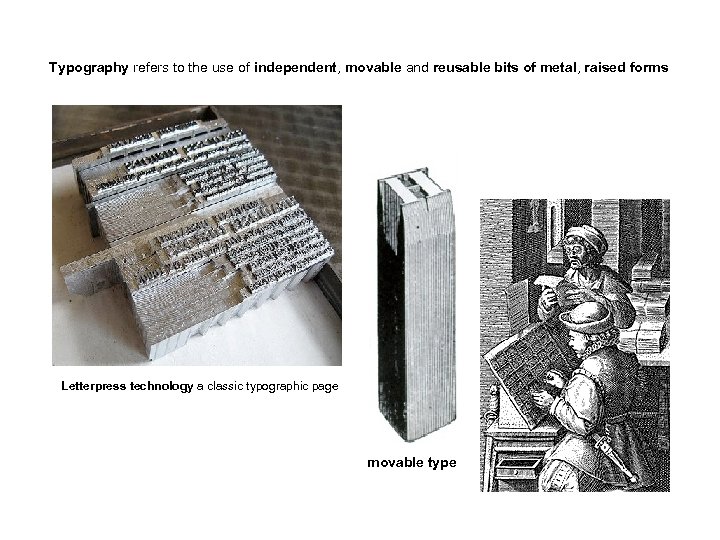 Typography refers to the use of independent, movable and reusable bits of metal, raised forms Letterpress technology a classic typographic page movable type
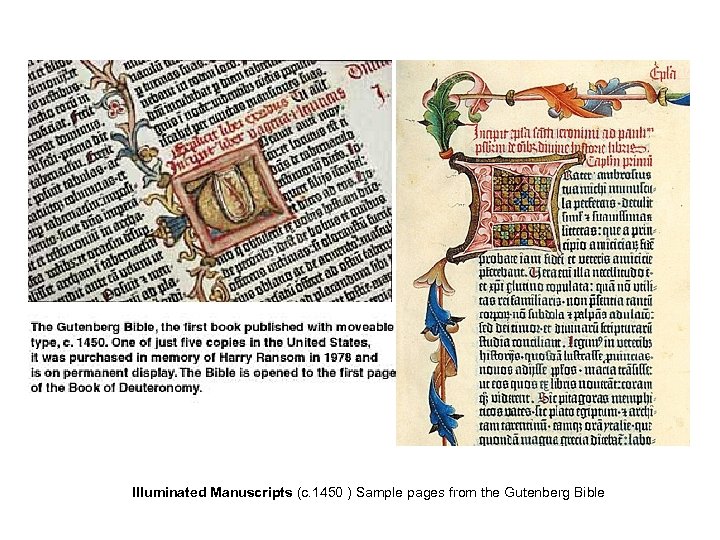 Illuminated Manuscripts (c. 1450 ) Sample pages from the Gutenberg Bible
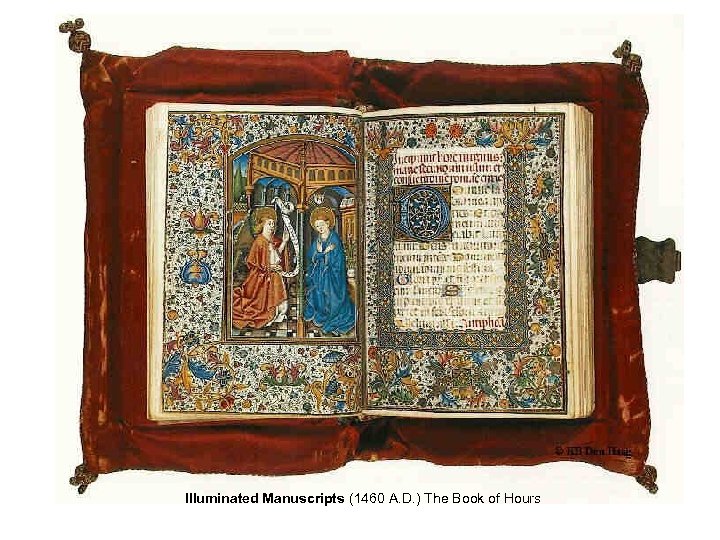 Illuminated Manuscripts (1460 A. D. ) The Book of Hours
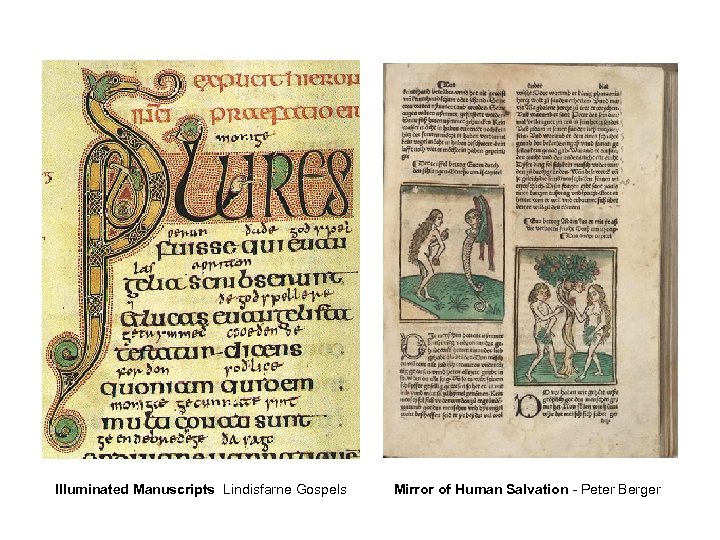 Illuminated Manuscripts Lindisfarne Gospels Mirror of Human Salvation - Peter Berger
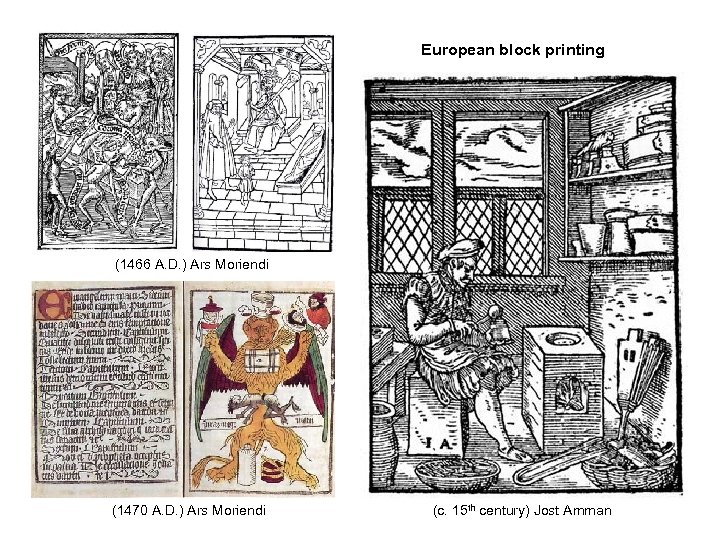 European block printing (1466 A. D. ) Ars Moriendi (1470 A. D. ) Ars Moriendi (c. 15 th century) Jost Amman
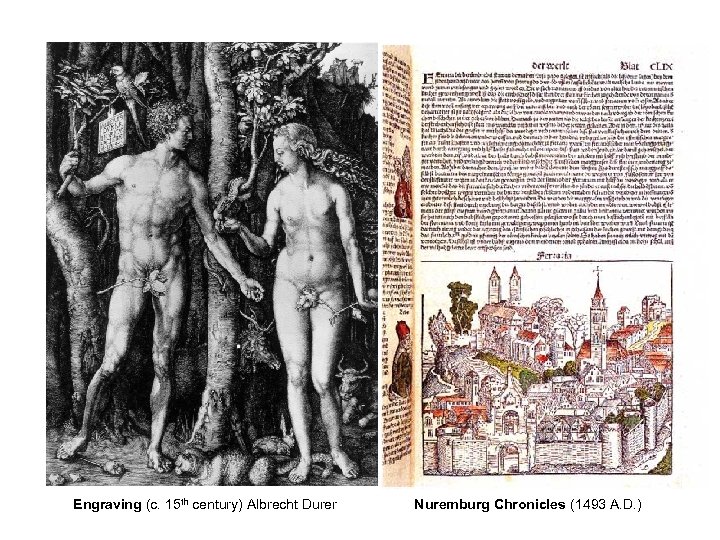 Engraving (c. 15 th century) Albrecht Durer x Nuremburg Chronicles (1493 A. D. )
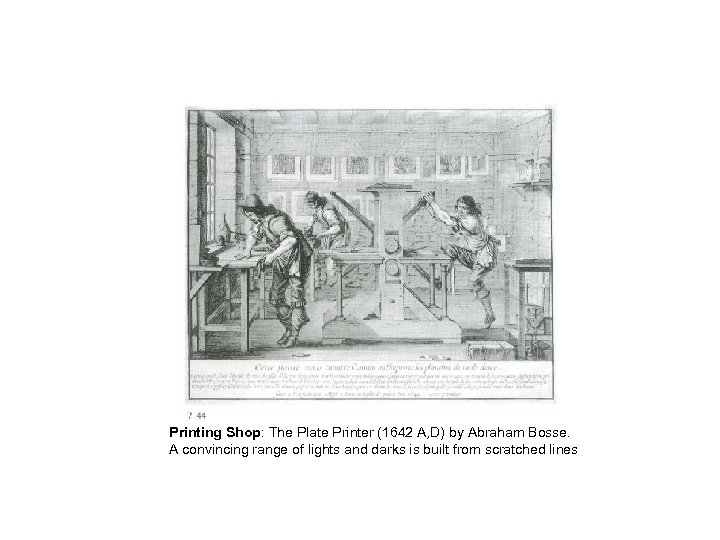 Printing Shop: The Plate Printer (1642 A, D) by Abraham Bosse. A convincing range of lights and darks is built from scratched lines
 Victorian Era
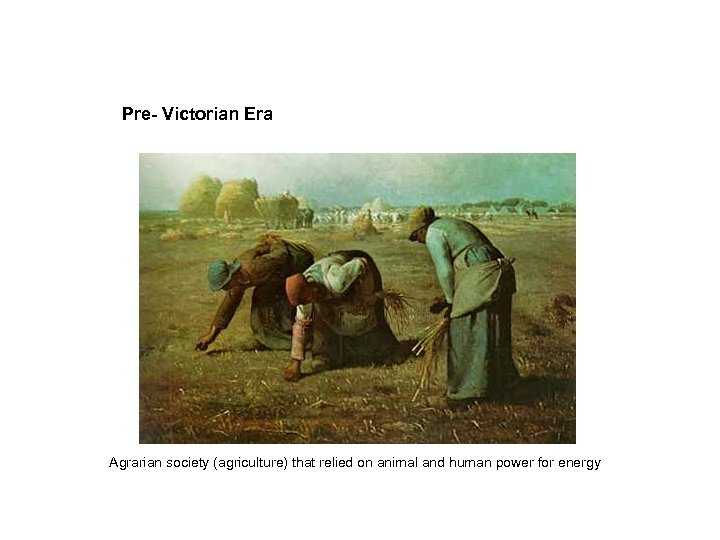 Pre- Victorian Era Agrarian society (agriculture) that relied on animal and human power for energy
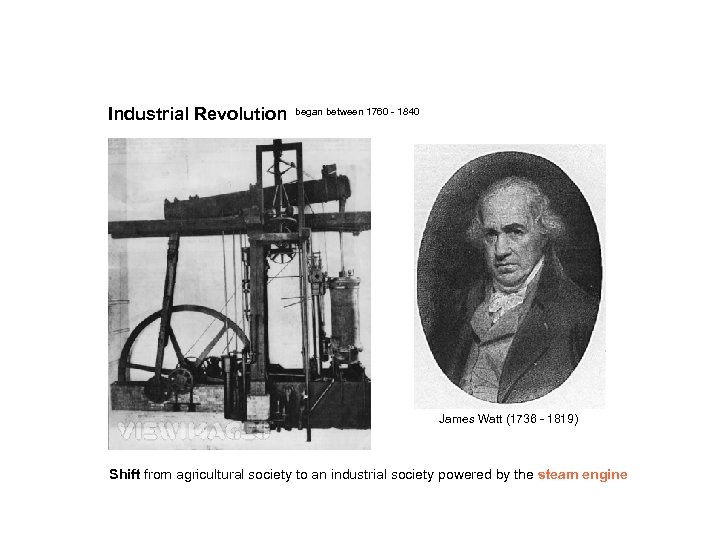 Industrial Revolution began between 1760 - 1840 James Watt (1736 - 1819) Shift from agricultural society to an industrial society powered by the steam engine
 Scientific knowledge enabled… - factory system w/ machine manufacturing - division of labour - assembly line - growing urban population - mass production (material goods) - graphics - marketing factory output - travel - electricity + gas-fueled engines (last 3 decades of 1800 s) Train powered by steam engine
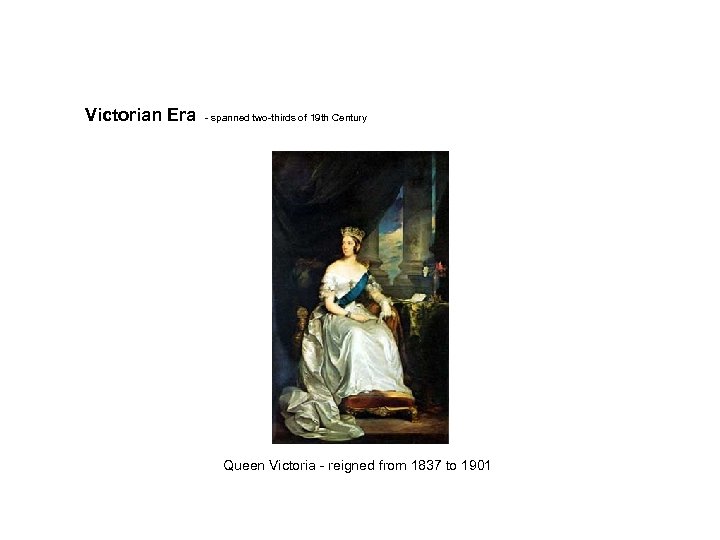 Victorian Era - spanned two-thirds of 19 th Century Queen Victoria - reigned from 1837 to 1901
 The word ‘Victorian’ began to be used to express a new consciousness of the industrial era’s spirit, culture and moral standards.
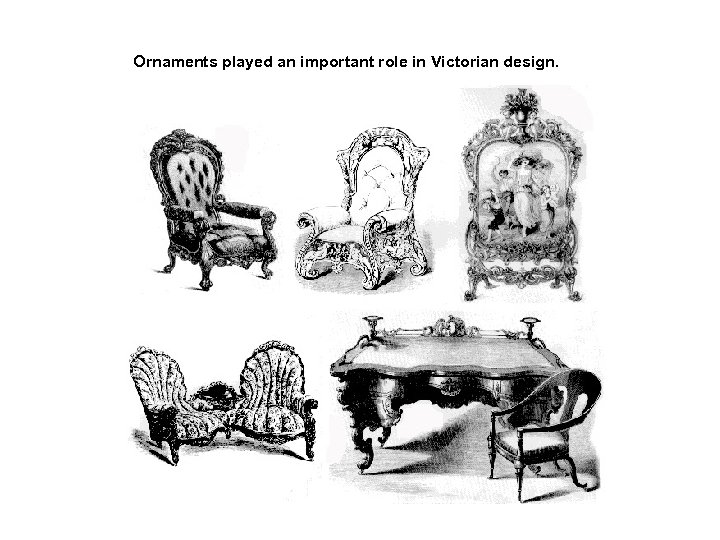 Ornaments played an important role in Victorian design.
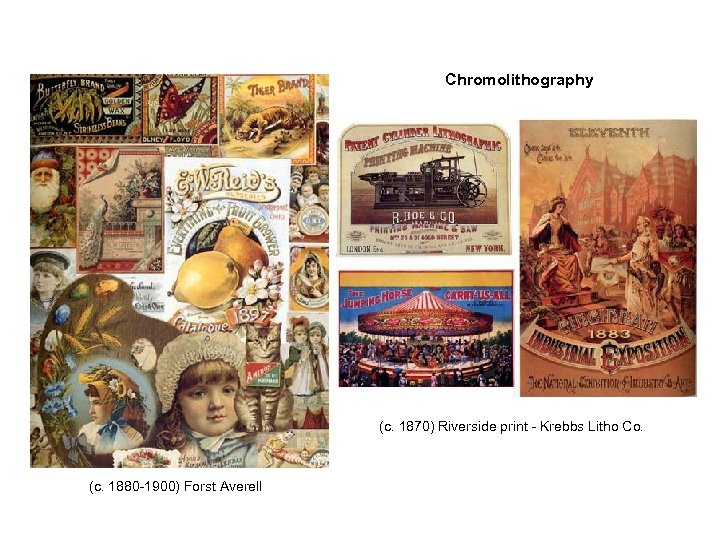 Chromolithography (c. 1870) Riverside print - Krebbs Litho Co. (c. 1880 -1900) Forst Averell
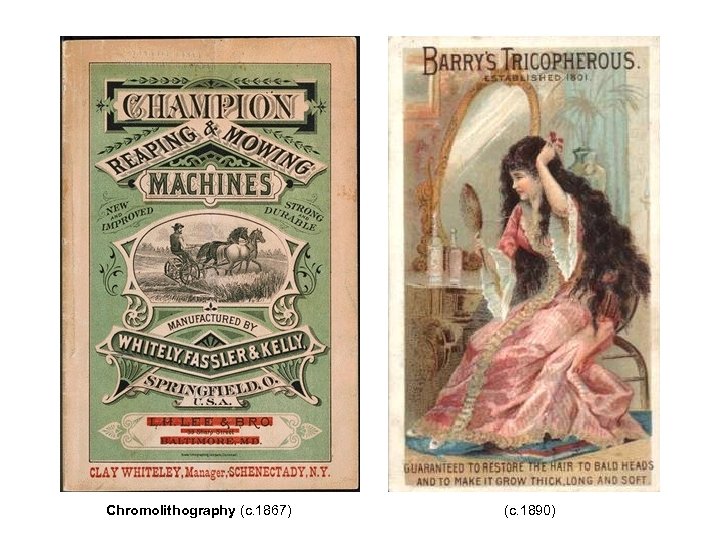 Chromolithography (c. 1867) (c. 1890)
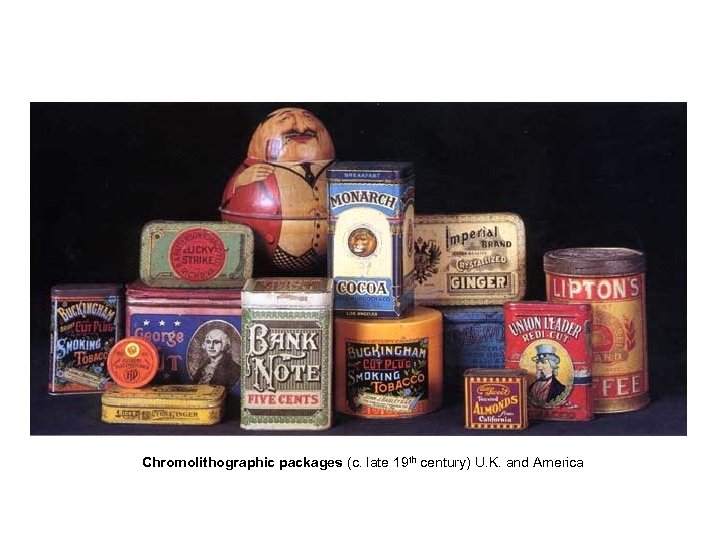 Chromolithographic packages (c. late 19 th century) U. K. and America
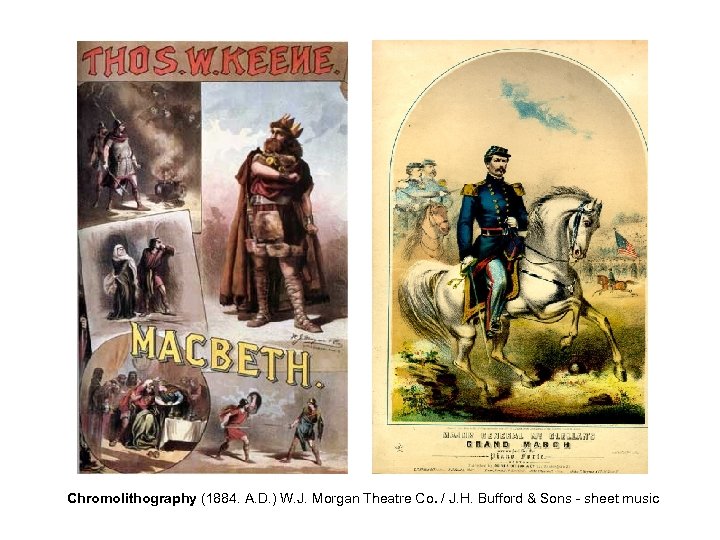 Chromolithography (1884. A. D. ) W. J. Morgan Theatre Co. / J. H. Bufford & Sons - sheet music
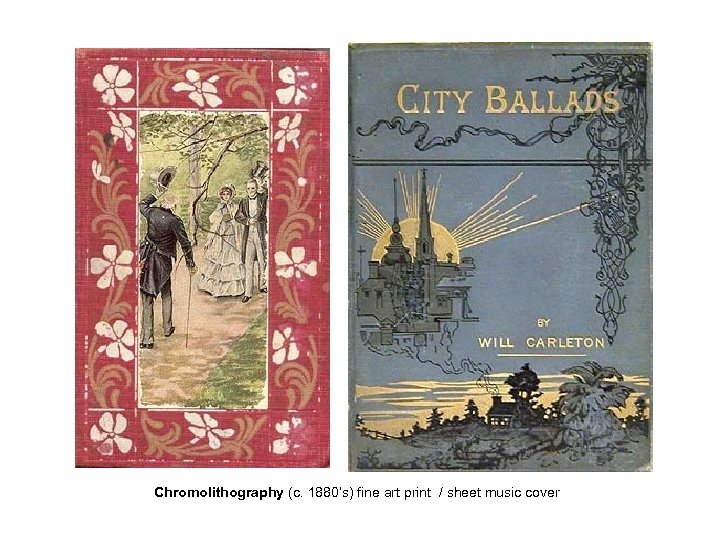 Chromolithography (c. 1880’s) fine art print / sheet music cover
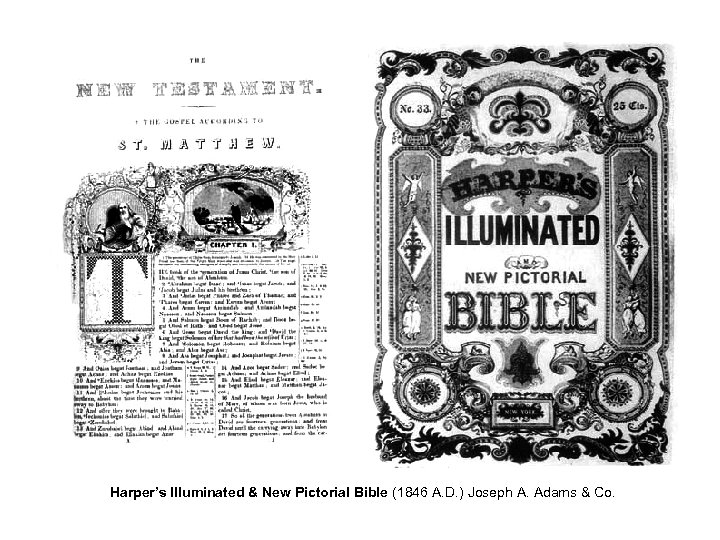 Harper’s Illuminated & New Pictorial Bible (1846 A. D. ) Joseph A. Adams & Co.
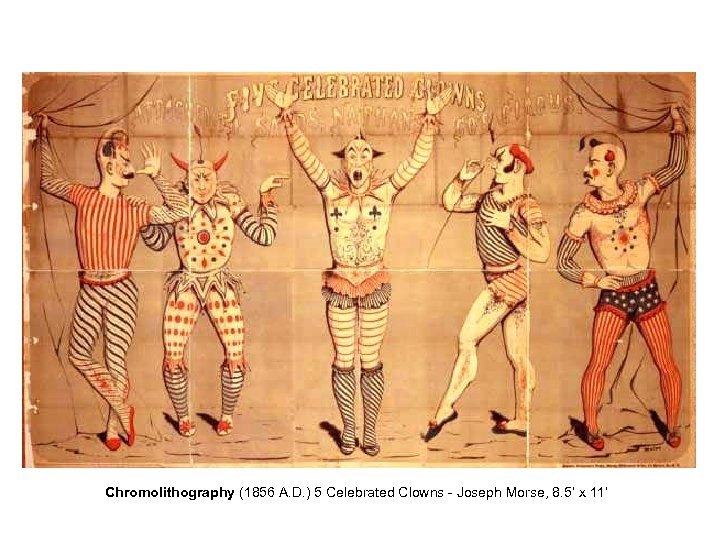 Chromolithography (1856 A. D. ) 5 Celebrated Clowns - Joseph Morse, 8. 5’ x 11’
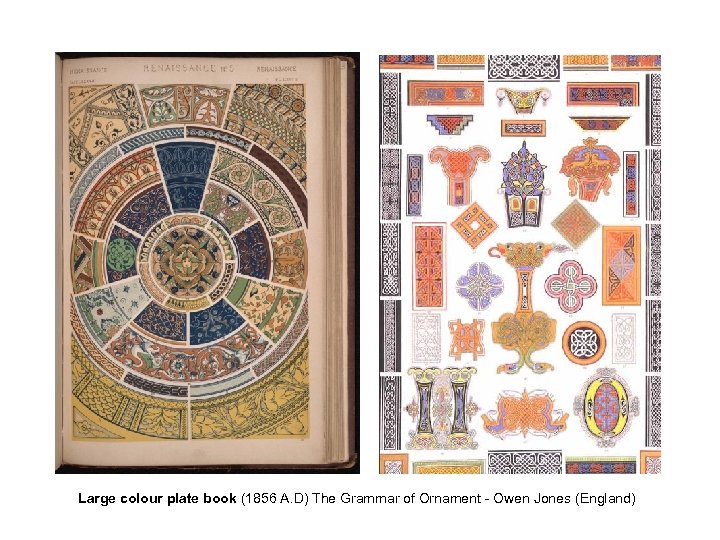 Large colour plate book (1856 A. D) The Grammar of Ornament - Owen Jones (England)
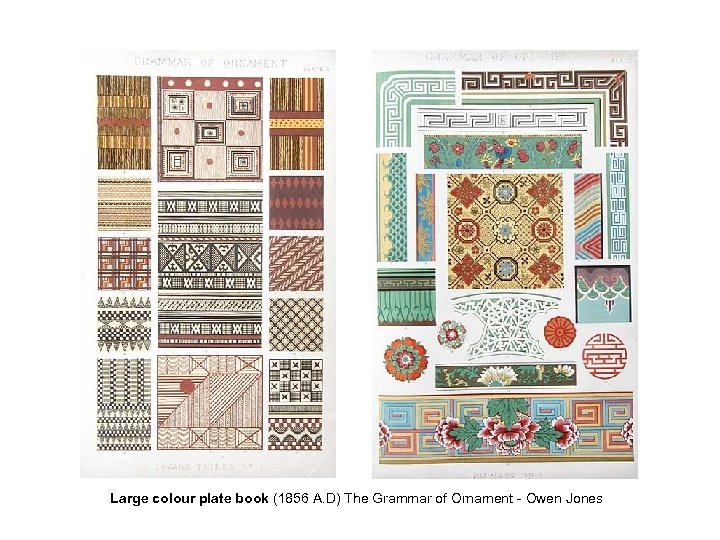 Large colour plate book (1856 A. D) The Grammar of Ornament - Owen Jones
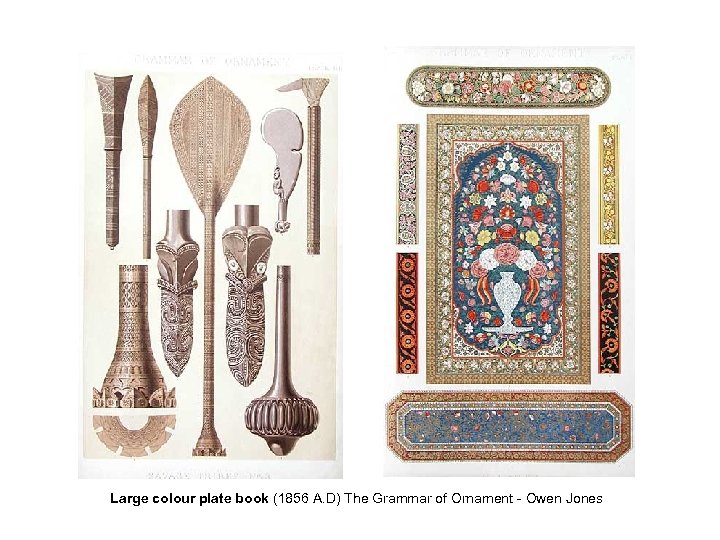 Large colour plate book (1856 A. D) The Grammar of Ornament - Owen Jones
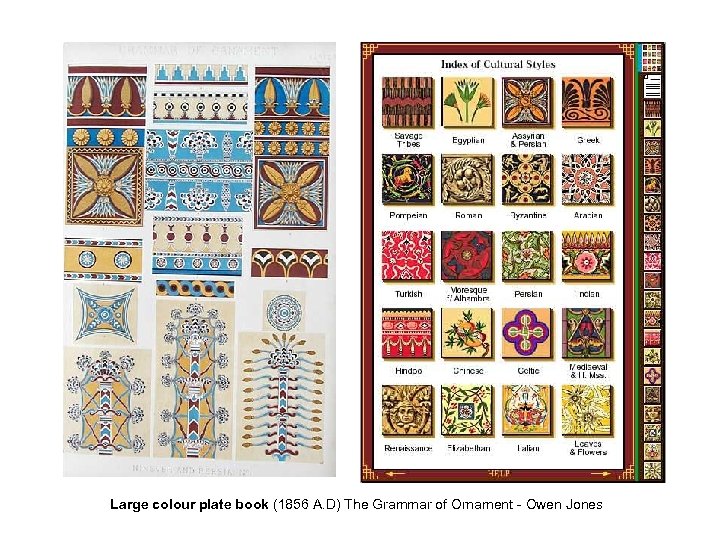 Large colour plate book (1856 A. D) The Grammar of Ornament - Owen Jones
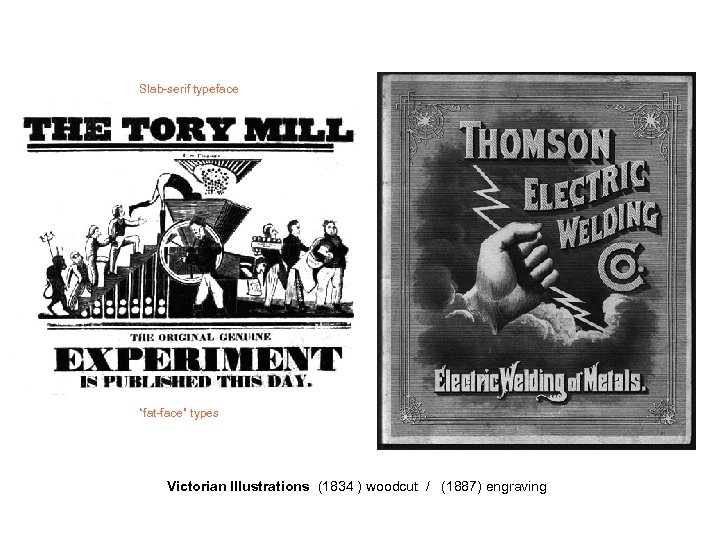 Slab-serif typeface “fat-face” types Victorian Illustrations (1834 ) woodcut / (1887) engraving
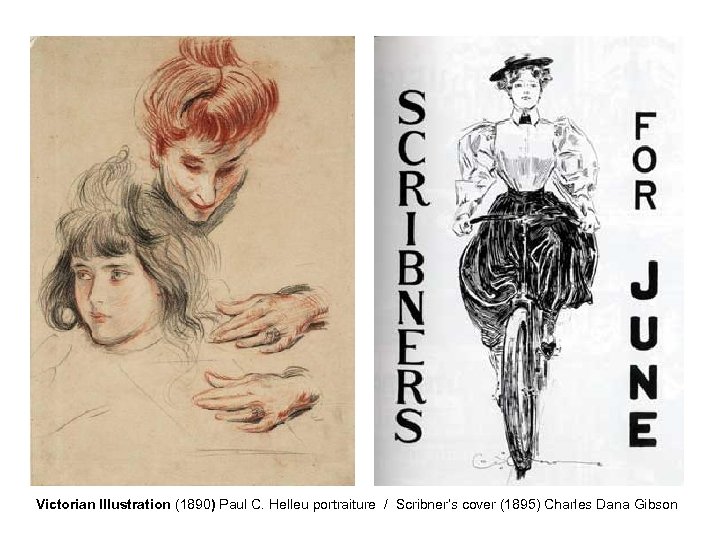 Victorian Illustration (1890) Paul C. Helleu portraiture / Scribner’s cover (1895) Charles Dana Gibson
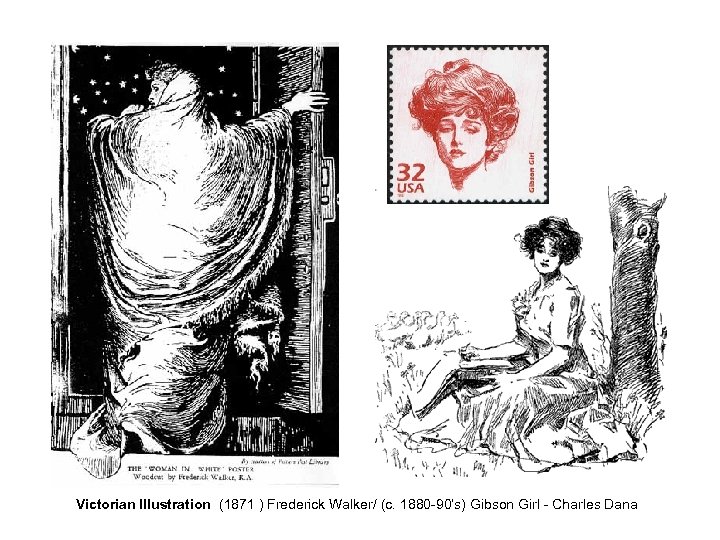 Victorian Illustration (1871 ) Frederick Walker/ (c. 1880 -90’s) Gibson Girl - Charles Dana
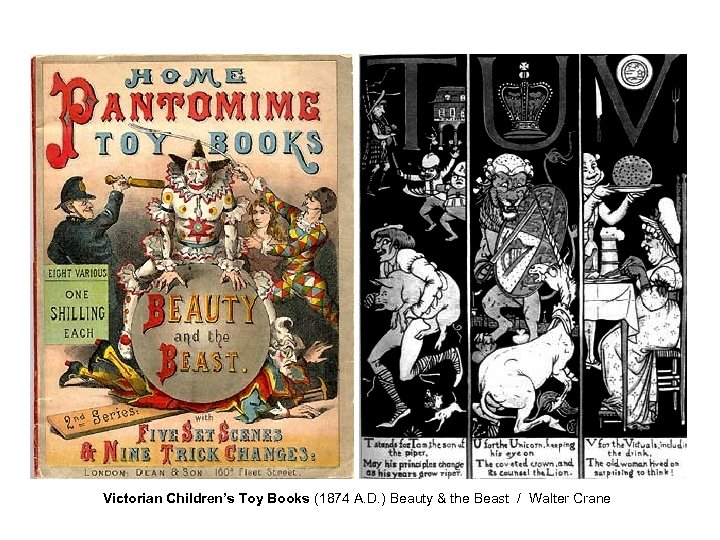 Victorian Children’s Toy Books (1874 A. D. ) Beauty & the Beast / Walter Crane
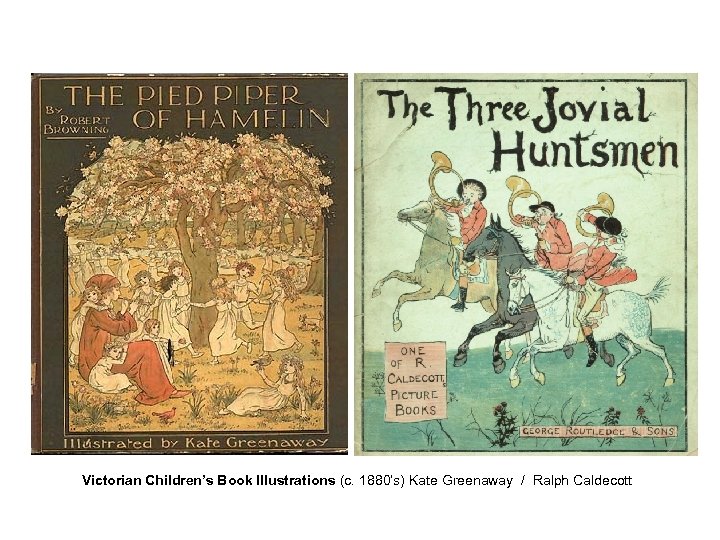 Victorian Children’s Book Illustrations (c. 1880’s) Kate Greenaway / Ralph Caldecott
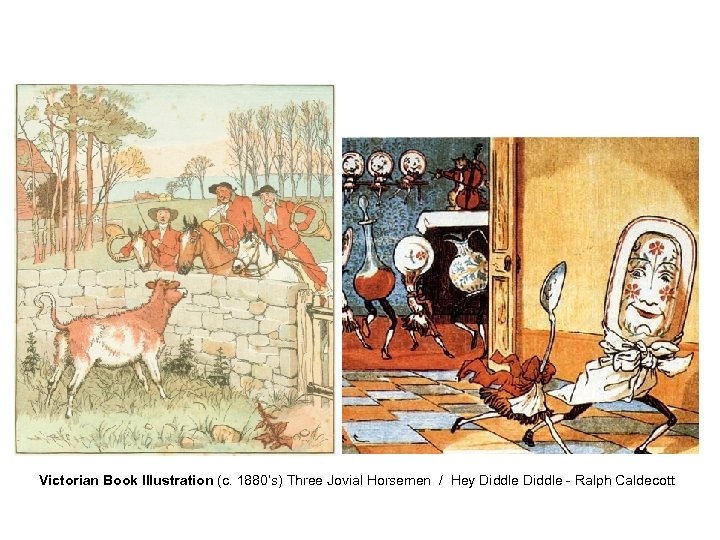 Victorian Book Illustration (c. 1880’s) Three Jovial Horsemen / Hey Diddle - Ralph Caldecott
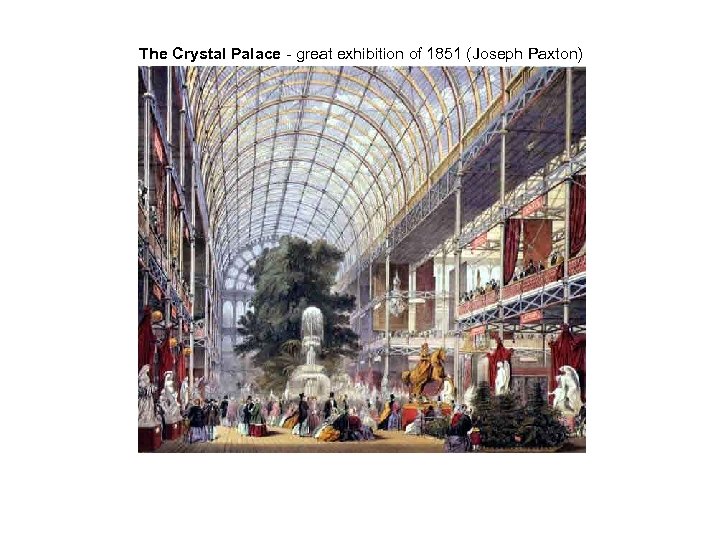 The Crystal Palace - great exhibition of 1851 (Joseph Paxton)
 Surprise
 Design Tools
 How do you lead users through information by visual means?
 Some well-accepted principles of graphic design Alignment Golden Rectangle Balance Consistency / Repetition Contrast Proximity White space Gestalt
 What is the most important information? What should you see first? Second? hierarchy
 Design fundamentals that help provide visual contrast are: Scale (size) Weight Figure/ground White space Position Texture Colour Value
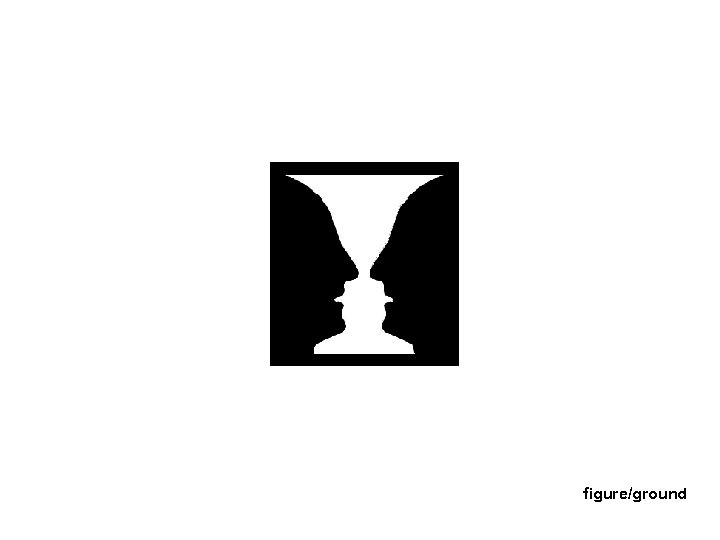 figure/ground
 figure/ground
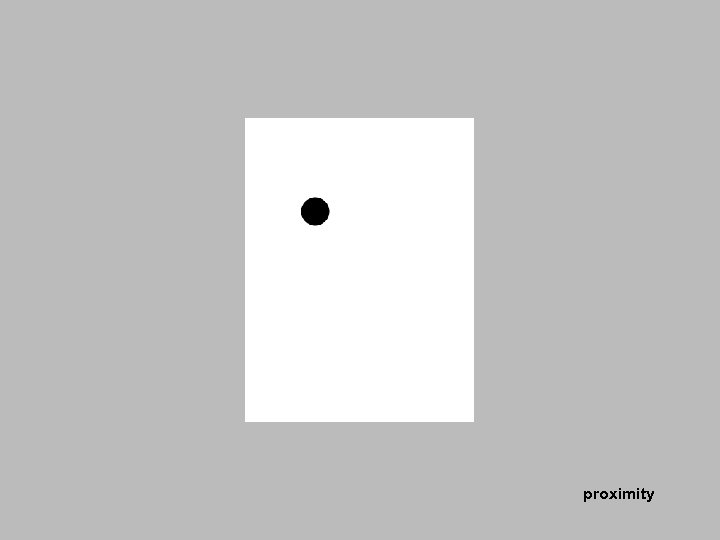 proximity
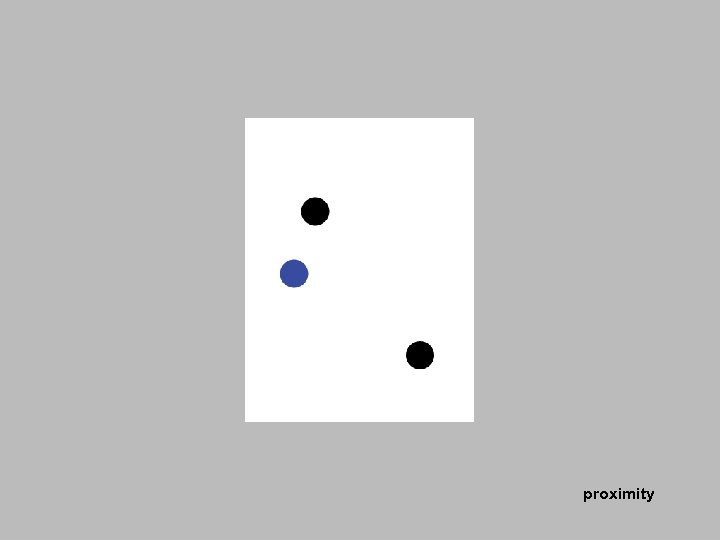 proximity
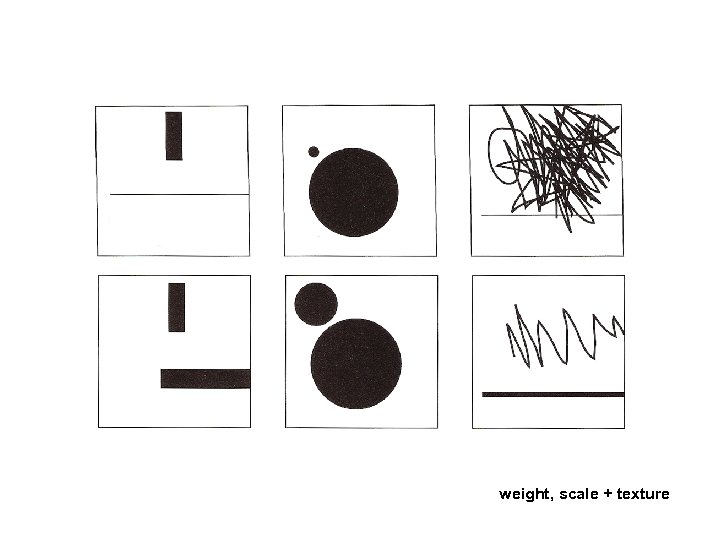 weight, scale + texture
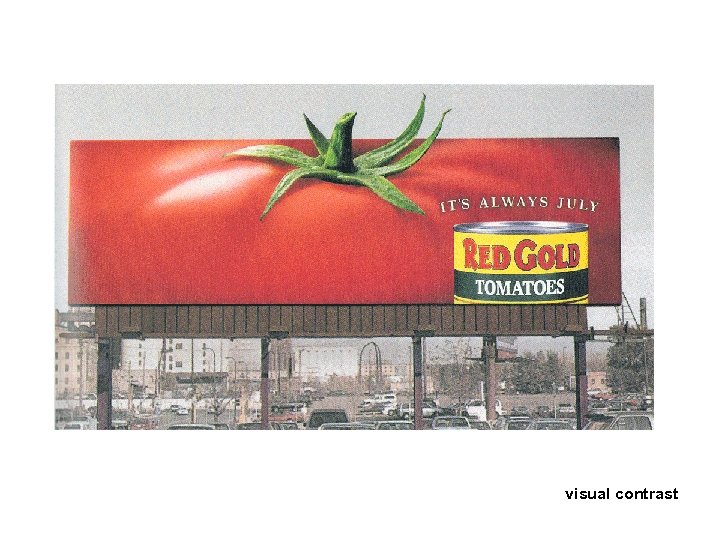 visual contrast
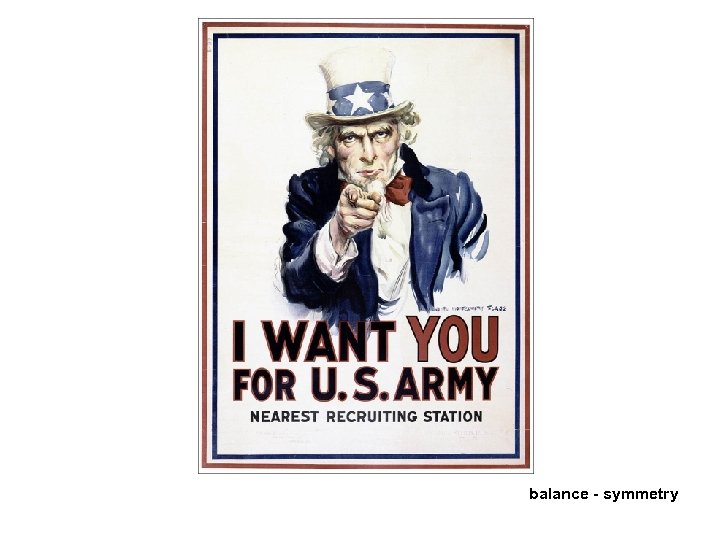 balance - symmetry
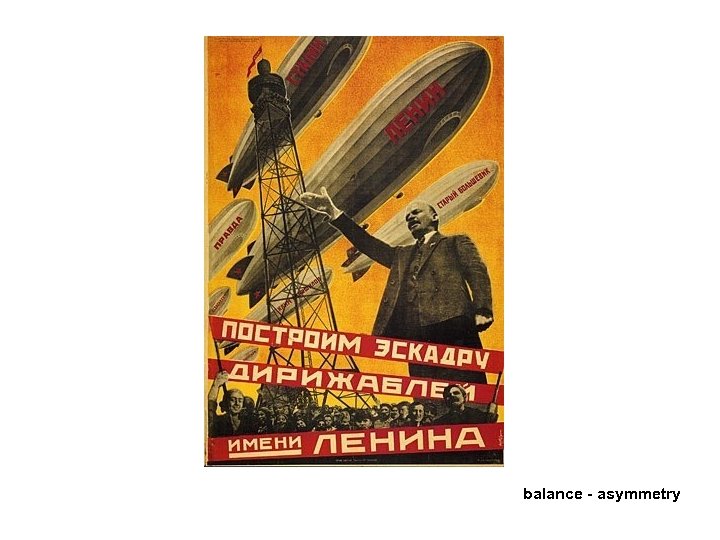 balance - asymmetry
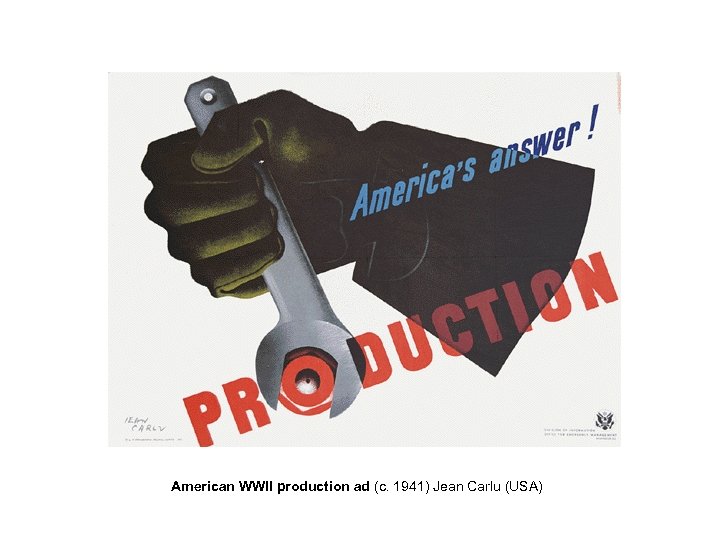 American WWII production ad (c. 1941) Jean Carlu (USA)
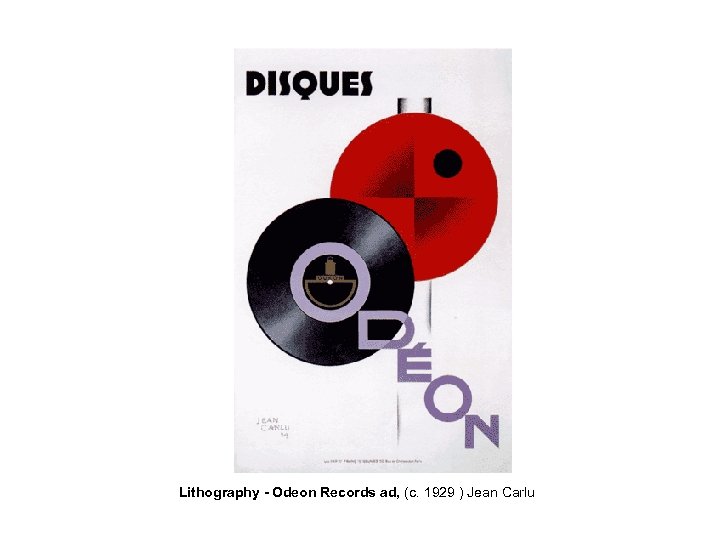 Lithography - Odeon Records ad, (c. 1929 ) Jean Carlu
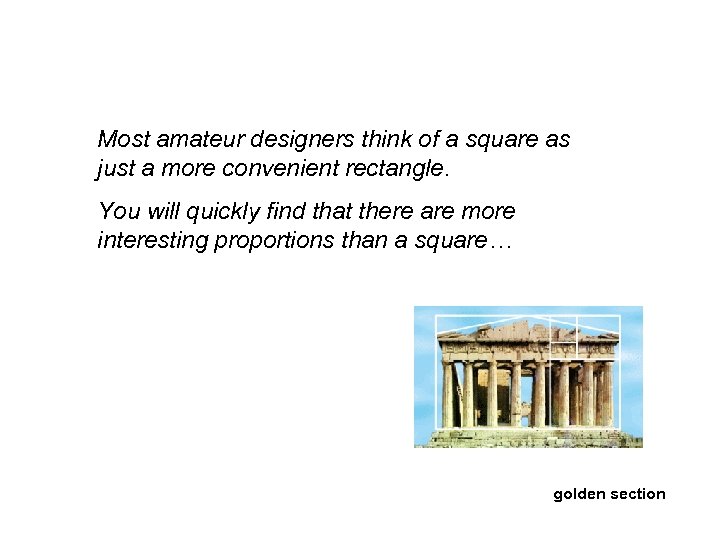 Most amateur designers think of a square as just a more convenient rectangle. You will quickly find that there are more interesting proportions than a square… golden section
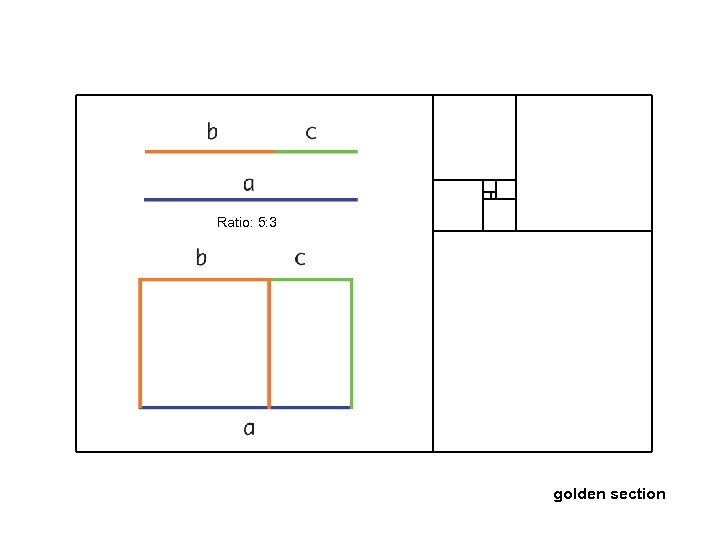 Ratio: 5: 3 golden section
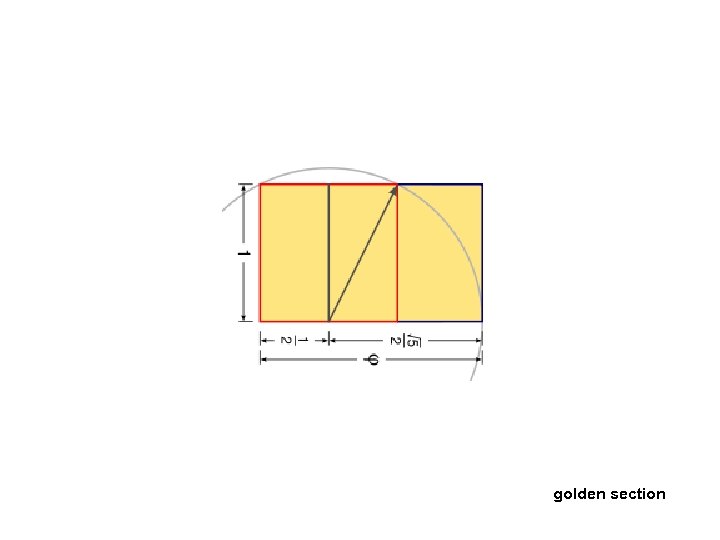 golden section
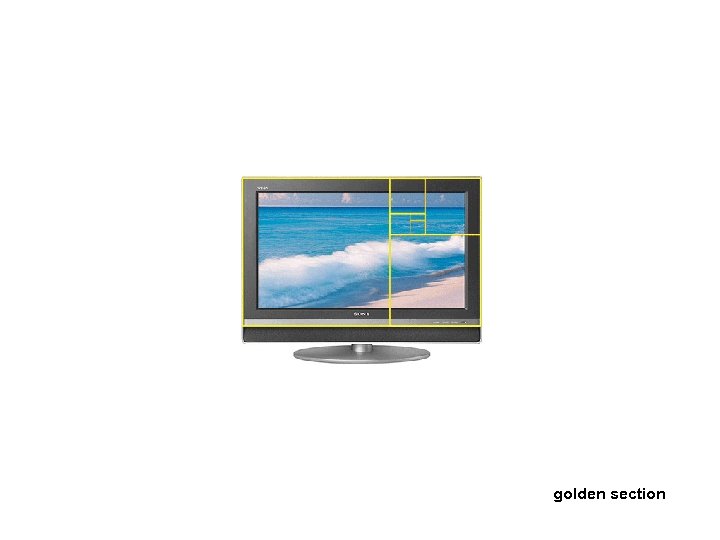 golden section
 rule of thirds
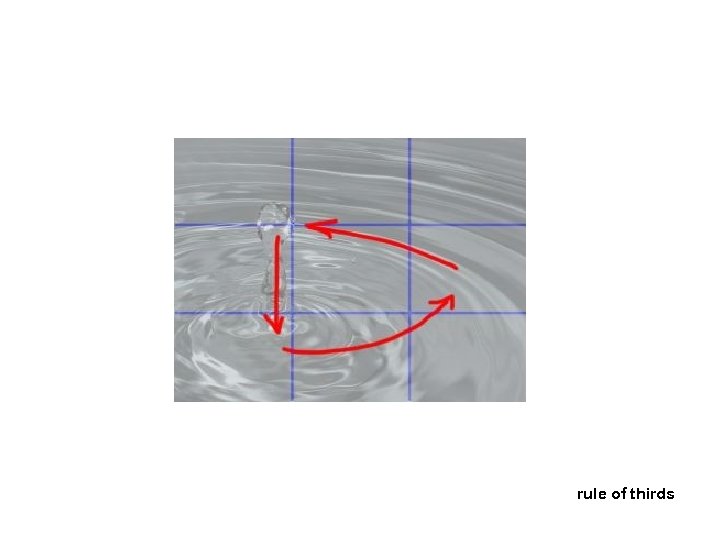 rule of thirds
 fin
fin