 Скачать презентацию ﻗﺮﺍﺀﺍﺕ ﻭﻣﺼﻄﻠﺤﺎﺕ ﻟﻐﻮﻳﺔ ﺗﺨﺼﺼﻴﺔ e A
729d6ca7f6c6598c1261b09c2440c59f.ppt
- Количество слайдов: 144



ﻗﺮﺍﺀﺍﺕ ﻭﻣﺼﻄﻠﺤﺎﺕ ﻟﻐﻮﻳﺔ ﺗﺨﺼﺼﻴﺔ ) )(e. A ﺃﺢ 193( ﻼﺙ( ﻭﺣﺪﺍﺕ 3) ﺛ & Biological terminologies literature ) (Bio 391) (e. A 3 (three) Units ﺃ. ﺩ. ﺍﻟﻔﺎﺗﺢ ﻣﺤﻤﺪ ﻣﻬﺪﻱ ﺩ. ﻧﺎﺻﺮ ﺍﻟﺸﺒﻠﻲ
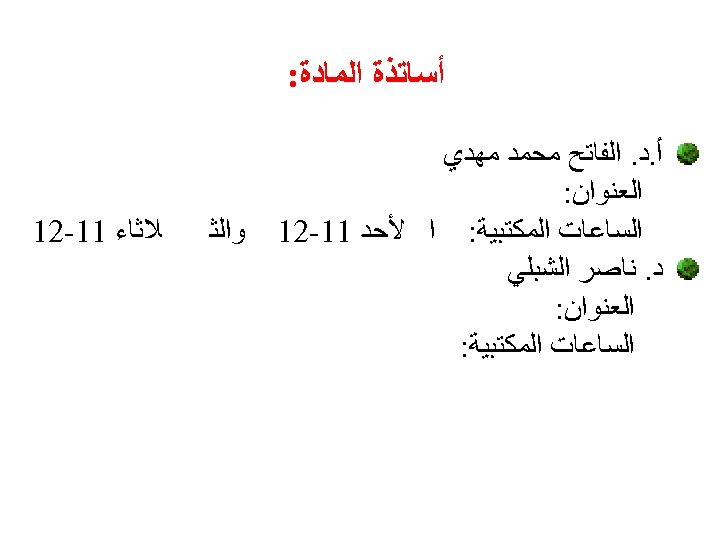
ﺃﺴﺎﺗﺬﺓ ﺍﻟﻤﺎﺩﺓ: ﺃ. ﺩ. ﺍﻟﻔﺎﺗﺢ ﻣﺤﻤﺪ ﻣﻬﺪﻱ ﺍﻟﻌﻨﻮﺍﻥ: ﺍﻟﺴﺎﻋﺎﺕ ﺍﻟﻤﻜﺘﺒﻴﺔ: ﺍ ﻷﺤﺪ 11 -21 ﺩ. ﻧﺎﺻﺮ ﺍﻟﺸﺒﻠﻲ ﺍﻟﻌﻨﻮﺍﻥ: ﺍﻟﺴﺎﻋﺎﺕ ﺍﻟﻤﻜﺘﺒﻴﺔ: ﻭﺍﻟﺜ ﻼﺛﺎﺀ 11 -21
ﺍﻟﻤﺮﺍﺟﻊ • ﻣﻮﺍﻗﻊ ﺇﻟﻴﻜﺘﺮﻭﻧﻴﺔ ﻭﺃﻮﺭﺍﻕ ﻋﻠﻤﻴﺔ ﺗﺴﻠﻢ ﺧﻼﻝ ﺍﻟﻤﺤﺎﺿﺮﺍﺕ
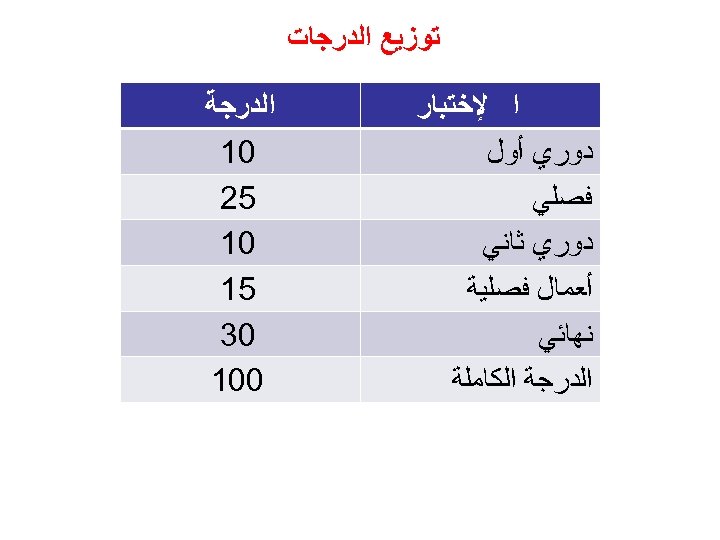
ﺗﻮﺯﻳﻊ ﺍﻟﺪﺭﺟﺎﺕ ﺍ ﻹﺧﺘﺒﺎﺭ ﺩﻭﺭﻱ ﺃﻮﻝ ﻓﺼﻠﻲ ﺩﻭﺭﻱ ﺛﺎﻧﻲ ﺃﻌﻤﺎﻝ ﻓﺼﻠﻴﺔ ﻧﻬﺎﺋﻲ ﺍﻟﺪﺭﺟﺔ ﺍﻟﻜﺎﻣﻠﺔ ﺍﻟﺪﺭﺟﺔ 01 52 01 51 03 001
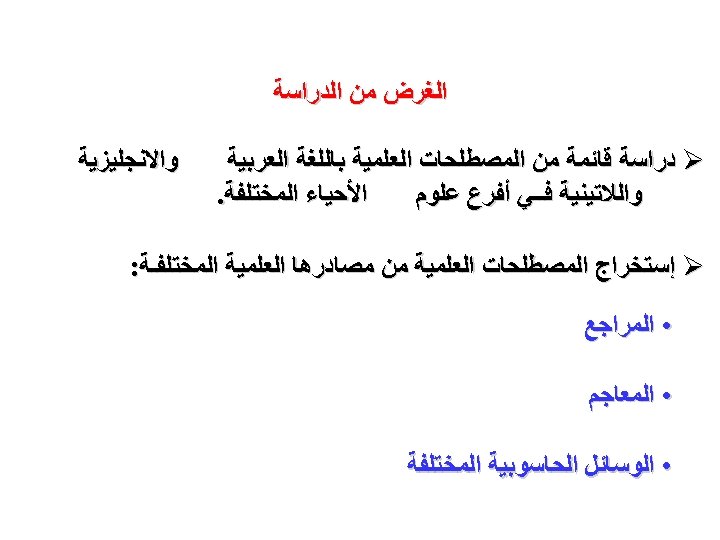
ﺍﻟﻐﺮﺽ ﻣﻦ ﺍﻟﺪﺭﺍﺳﺔ Ø ﺩﺭﺍﺳﺔ ﻗﺎﺋﻤﺔ ﻣﻦ ﺍﻟﻤﺼﻄﻠﺤﺎﺕ ﺍﻟﻌﻠﻤﻴﺔ ﺑﺎﻟﻠﻐﺔ ﺍﻟﻌﺮﺑﻴﺔ ﺍﻷﺤﻴﺎﺀ ﺍﻟﻤﺨﺘﻠﻔﺔ. ﻭﺍﻟﻼﺗﻴﻨﻴﺔ ﻓــﻲ ﺃﻔﺮﻉ ﻋﻠﻮﻡ ﻭﺍﻻﻧﺠﻠﻴﺰﻳﺔ Ø ﺇﺳﺘﺨﺮﺍﺝ ﺍﻟﻤﺼﻄﻠﺤﺎﺕ ﺍﻟﻌﻠﻤﻴﺔ ﻣﻦ ﻣﺼﺎﺩﺭﻫﺎ ﺍﻟﻌﻠﻤﻴﺔ ﺍﻟﻤﺨﺘﻠﻔـﺔ: • ﺍﻟﻤﺮﺍﺟﻊ • ﺍﻟﻤﻌﺎﺟﻢ • ﺍﻟﻮﺳﺎﺋﻞ ﺍﻟﺤﺎﺳﻮﺑﻴﺔ ﺍﻟﻤﺨﺘﻠﻔﺔ
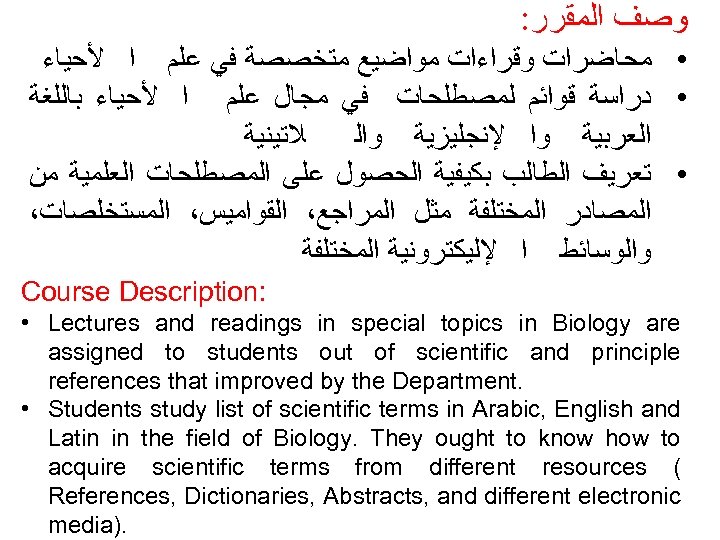
: ﻭﺻﻒ ﺍﻟﻤﻘﺮﺭ • ﻣﺤﺎﺿﺮﺍﺕ ﻭﻗﺮﺍﺀﺍﺕ ﻣﻮﺍﺿﻴﻊ ﻣﺘﺨﺼﺼﺔ ﻓﻲ ﻋﻠﻢ ﺍ ﻷﺤﻴﺎﺀ • ﺩﺭﺍﺳﺔ ﻗﻮﺍﺋﻢ ﻟﻤﺼﻄﻠﺤﺎﺕ ﻓﻲ ﻣﺠﺎﻝ ﻋﻠﻢ ﺍ ﻷﺤﻴﺎﺀ ﺑﺎﻟﻠﻐﺔ ﻼﺗﻴﻨﻴﺔ ﺍﻟﻌﺮﺑﻴﺔ ﻭﺍ ﻹﻧﺠﻠﻴﺰﻳﺔ ﻭﺍﻟ • ﺗﻌﺮﻳﻒ ﺍﻟﻄﺎﻟﺐ ﺑﻜﻴﻔﻴﺔ ﺍﻟﺤﺼﻮﻝ ﻋﻠﻰ ﺍﻟﻤﺼﻄﻠﺤﺎﺕ ﺍﻟﻌﻠﻤﻴﺔ ﻣﻦ ، ﺍﻟﻤﺼﺎﺩﺭ ﺍﻟﻤﺨﺘﻠﻔﺔ ﻣﺜﻞ ﺍﻟﻤﺮﺍﺟﻊ، ﺍﻟﻘﻮﺍﻣﻴﺲ، ﺍﻟﻤﺴﺘﺨﻠﺼﺎﺕ ﻭﺍﻟﻮﺳﺎﺋﻂ ﺍ ﻹﻟﻴﻜﺘﺮﻭﻧﻴﺔ ﺍﻟﻤﺨﺘﻠﻔﺔ Course Description: • Lectures and readings in special topics in Biology are assigned to students out of scientific and principle references that improved by the Department. • Students study list of scientific terms in Arabic, English and Latin in the field of Biology. They ought to know how to acquire scientific terms from different resources ( References, Dictionaries, Abstracts, and different electronic media).
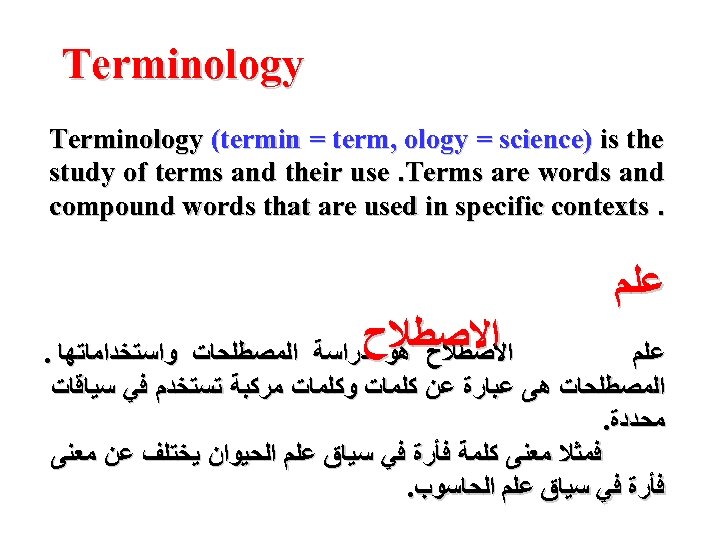
Terminology (termin = term, ology = science) is the study of terms and their use. Terms are words and . compound words that are used in specific contexts ﻋﻠﻢ ﺍﻻﺻﻄﻼﺡ ﻫﻮ ﺩﺭﺍﺳﺔ ﺍﻟﻤﺼﻄﻠﺤﺎﺕ ﻭﺍﺳﺘﺨﺪﺍﻣﺎﺗﻬﺎ. ﻋﻠﻢ ﺍﻟﻤﺼﻄﻠﺤﺎﺕ ﻫﻰ ﻋﺒﺎﺭﺓ ﻋﻦ ﻛﻠﻤﺎﺕ ﻭﻛﻠﻤﺎﺕ ﻣﺮﻛﺒﺔ ﺗﺴﺘﺨﺪﻡ ﻓﻲ ﺳﻴﺎﻗﺎﺕ ﻣﺤﺪﺩﺓ. ﻓﻤﺜﻼ ﻣﻌﻨﻰ ﻛﻠﻤﺔ ﻓﺄﺮﺓ ﻓﻲ ﺳﻴﺎﻕ ﻋﻠﻢ ﺍﻟﺤﻴﻮﺍﻥ ﻳﺨﺘﻠﻒ ﻋﻦ ﻣﻌﻨﻰ ﻓﺄﺮﺓ ﻓﻲ ﺳﻴﺎﻕ ﻋﻠﻢ ﺍﻟﺤﺎﺳﻮﺏ.
ﺍﻟﺒﺎﺩﺋﺎﺕ ﻭﺍﻟﻠﻮﺍﺣﻖ prefixes and suffixes
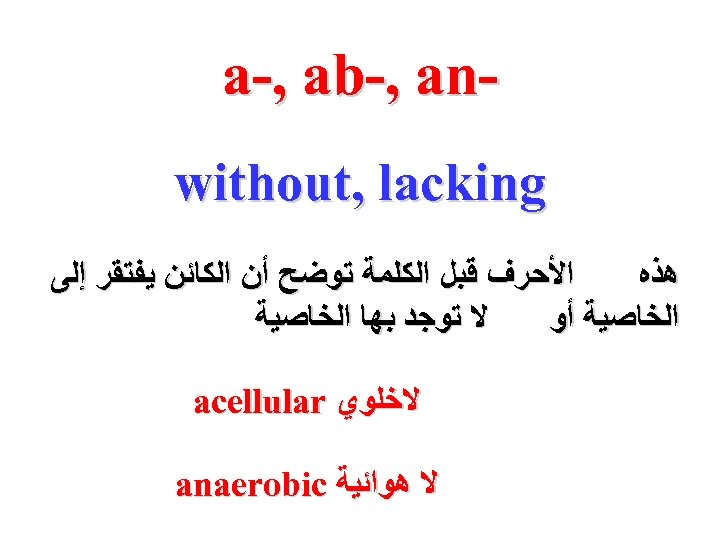
a-, ab-, an without, lacking ﺍﻷﺤﺮﻑ ﻗﺒﻞ ﺍﻟﻜﻠﻤﺔ ﺗﻮﺿﺢ ﺃﻦ ﺍﻟﻜﺎﺋﻦ ﻳﻔﺘﻘﺮ ﺇﻟﻰ ﻫﺬﻩ ﻻ ﺗﻮﺟﺪ ﺑﻬﺎ ﺍﻟﺨﺎﺻﻴﺔ ﺃﻮ ﻻﺧﻠﻮﻱ acellular ﻻ ﻫﻮﺍﺋﻴﺔ anaerobic
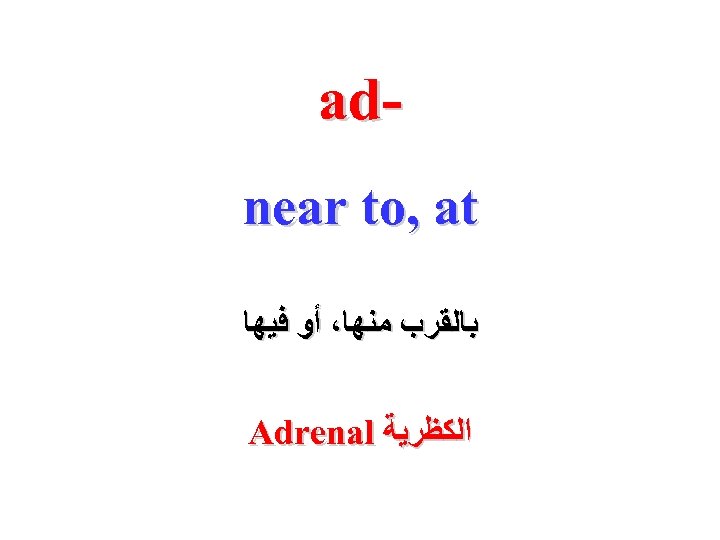
ad near to, at ﺑﺎﻟﻘﺮﺏ ﻣﻨﻬﺎ، ﺃﻮ ﻓﻴﻬﺎ ﺍﻟﻜﻈﺮﻳﺔ Adrenal
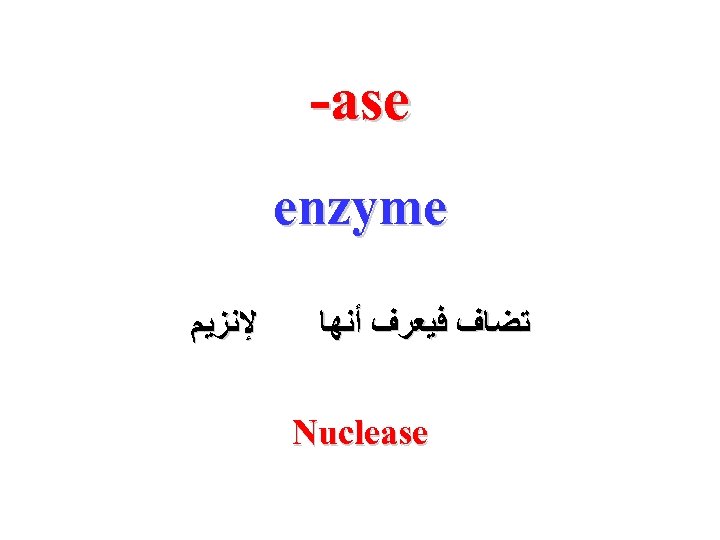
-ase enzyme ﺗﻀﺎﻑ ﻓﻴﻌﺮﻑ ﺃﻨﻬﺎ Nuclease ﻹﻧﺰﻳﻢ
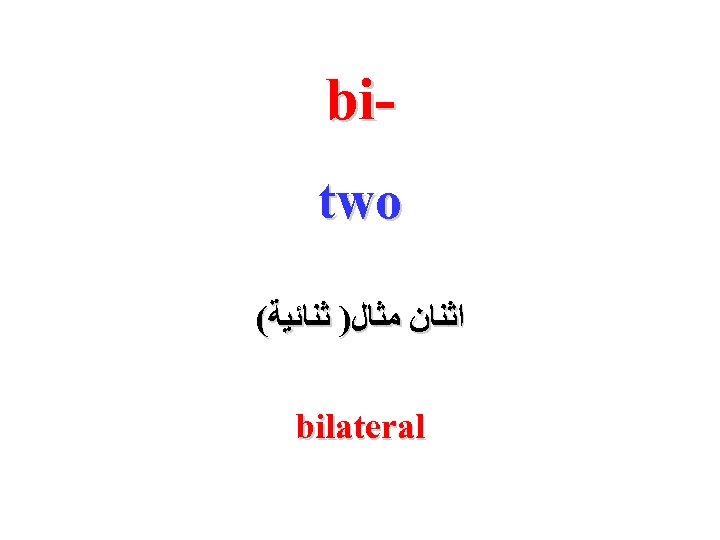
bi two ﺍﺛﻨﺎﻥ ﻣﺜﺎﻝ) ﺛﻨﺎﺋﻴﺔ( bilateral
bio life ﺍﻟﺤﻴﺎﺓ – ﺍﻟﺤﻲ ﺍﻟﻜﻴﻤﻴﺎﺀ ﺍﻟﺤﻴﻮﻳﺔ Biochemistry
chlor Green or or pertaining to chlorine ﺍﻷﺨﻀﺮ، ﺃﻮ ﺍﻟﺘﻲ ﺗﺘﻌﻠﻖ ﺑﺎﺳﺘﺨﺪﺍﻡ ﻏﺎﺯ ﺍﻟﻜﻠﻮﺭﻭﺑﻼﺳﺖ ﺃﻮ ﺍﻟﻜﻠﻮﺭﺍﻳﺪ hloroplast, chloride
chromcolored ﺍﻟﻤﻠﻮﻧﺔ chromosome ﺍﻟﻜﺮﻭﻣﻮﺳﻮﻡ
cyto cell ﺍﻟﺨﻠﻮﻱ ، ﺍﻟﺨﻠﻴﻮﻱ ﺍﻟﺴﻴﺘﻮﺑﻼﺯﻡ cytoplasm
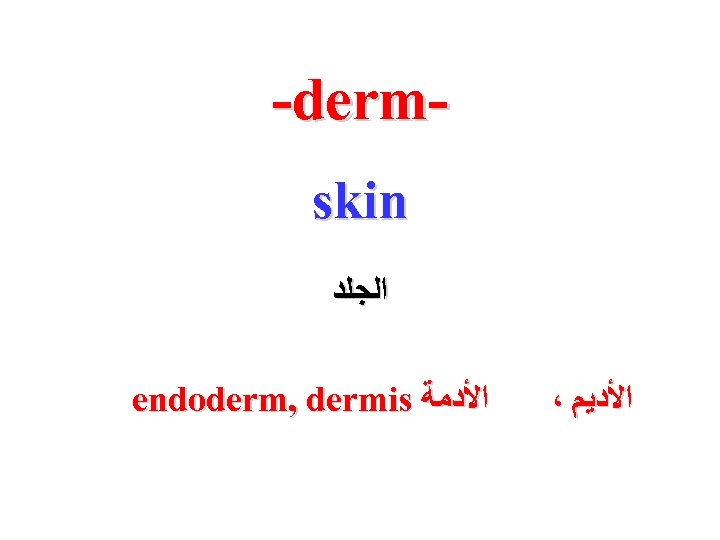
-dermskin ﺍﻟﺠﻠﺪ endoderm, dermis ﺍﻷﺪﻣﺔ ، ﺍﻷﺪﻳﻢ
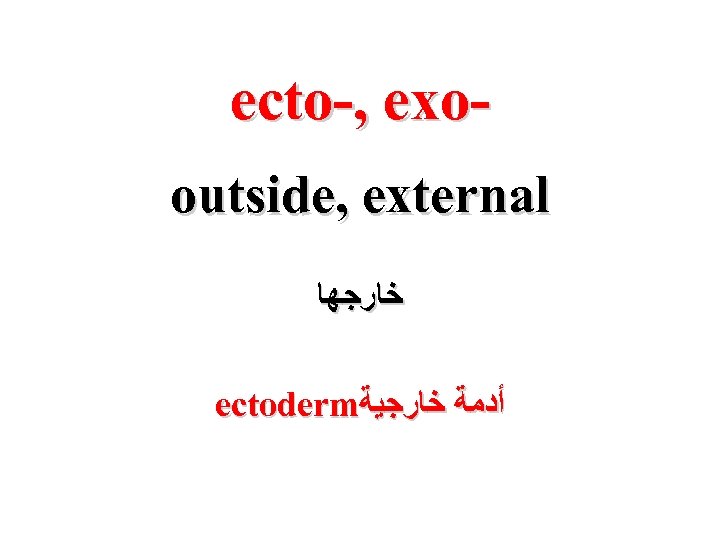
ecto-, exooutside, external ﺧﺎﺭﺟﻬﺎ ectoderm ﺃﺪﻣﺔ ﺧﺎﺭﺟﻴﺔ
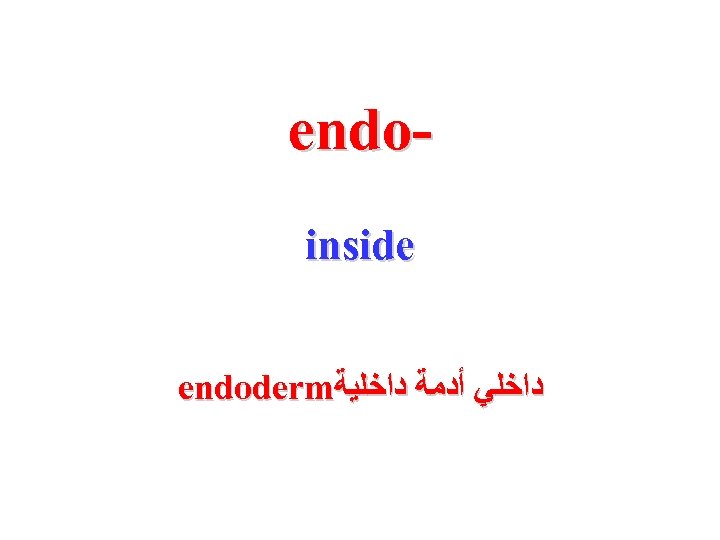
endoinside endoderm ﺩﺍﺧﻠﻲ ﺃﺪﻣﺔ ﺩﺍﺧﻠﻴﺔ
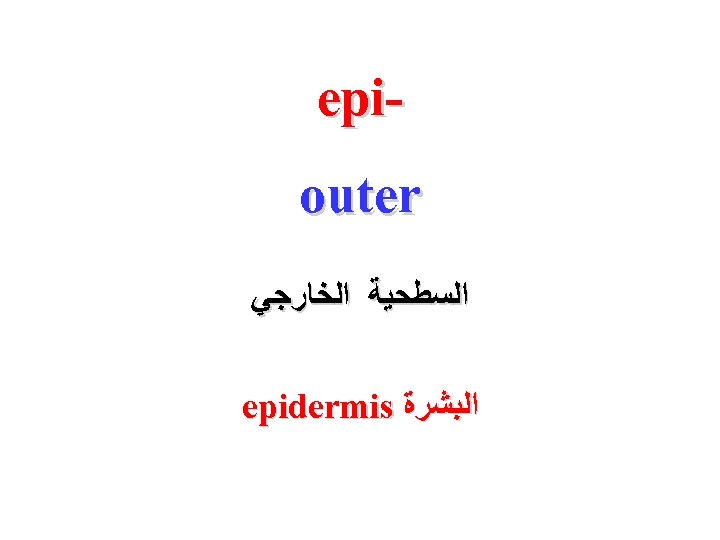
epi outer ﺍﻟﺴﻄﺤﻴﺔ ﺍﻟﺨﺎﺭﺟﻲ ﺍﻟﺒﺸﺮﺓ epidermis
histtissue ﺍﻷﻨﺴﺠﺔ Histology ﺍﻻﻧﺴﺠﺔ ﻋﻠﻢ
megalarge ﻛﺒﻴﺮ megaspore
microsmall ﺩﻗﻴﻖ microorganism ﻛﺎﺋﻨﺎﺕ ﺩﻗﻴﻘﺔ ﺻﻐﻴﺮ
Zoology (zoo = animal, ology = science) is the branch of biology that relates to the animal kingdom, including the structure, embryology, evolution, classification, habits and distribution of all animals , both living and extinct. ﻋﻠﻢ ﺍﻟﺤﻴﻮﺍﻥ ﺍﻷﺤﻴﺎﺀ ﺍﻟﺘﻲ ﺗﺘﻌﻠﻖ ﻋﻠﻢ ﺍﻟﺤﻴﻮﺍﻥ ﻫﻮ ﻓﺮﻉ ﻣﻦ ﻓﺮﻭﻉ ﻋﻠﻢ ، ﺑﺎﻟﻤﻤﻠﻜﺔ ﺍﻟﺤﻴﻮﺍﻧﻴﺔ، ﺑﻤﺎ ﻓﻲ ﺫﻟﻚ ﻫﻴﻜﻠﻬﺎ، ﻭﻋﻠﻢ ﺃﺠﻨﺘﻬﺎ، ﻭﺗﻄﻮﺭﻫﺎ ﻭﺗﺼﻨﻴﻔﻬﺎ، ﻭﻋﺎﺩﺗﻬﺎ ﺍﻟﻤﻌﻴﺸﻴﺔ ﻭﺗﻮﺯﻳﻊ ﺟﻤﻴﻊ ﺃﻨﻮﺍﻋﻬﺎ ﻣﻦ ﺍﻟﺤﻴﺔ ﻭﺍﻟﻤﻨﻘﺮﺿﺔ
Botany plant science is a branch of biology that involves the scientific study of plant life. Botany covers a wide range of scientific disciplines including structure, growth, reproduction, metabolism. ﻋﻠﻢ ﺍﻟﻨﺒﺎﺕ ﺍﻷﺤﻴﺎﺀ ﻳﻘﻮﻡ ﺑﺪﺭﺍﺳﺔ ﺣﻴﺎﺓ ﺍﻟﻨﺒﺎﺕ ﻋﻠﻢ ﺍﻟﻨﺒﺎﺕ ﻳﻌﺘﺒﺮ ﺃﺤﺪ ﻓﺮﻭﻉ ﻋﻠﻢ ﻭﺍﺳﻌ ﻣﻦ ﺍﻟﻔﺮﻭﻉ ﺍﻟﻌﻠﻤﻴﺔ ﺍﻟﺘﻲ ﺗﺸﺘﻤﻞ ﻋﻠﻰ ﻣﺠﺎﻻ ﻭﻳﻐﻄﻲ . ﺗﺮﻛﻴﺐ، ﻧﻤﻮ، ﺗﻜﺎﺛﺮ، ﻭﺍﻳﺾ
Entomology (entomo = insect, ology = science) is the scientific study of insects. ﻋﻠﻢ ﺍﻟﺤﺸﺮﺍﺕ ﻫﻮ ﻓﺮﻉ ﺭﺋﻴﺴﻲ ﻣﻦ ﻋﻠﻢ ﺍﻟﺤﻴﻮﺍﻥ ﻳﺨﺘﺺ ﺑﺪﺭﺍﺳﺔ ﺍﻟﺤﺸﺮﺍﺕ
Microbiology ) Microbiology (micro = small, bio = life, ology = science is the study of microorganisms, which includes eukaryotes such as fungi and prokaryotes such as . bacteria ﺍﻷﺤﻴﺎﺀ ﻋﻠﻢ ﺍﻟﺪﻗﻴﻘﺔ ﺍﻷﺤﻴﺎﺀ ﺍﻟﺪﻗﻴﻘﺔ ﺃﻮ ﻋﻠﻢ ﺍﻟﺠﺮﺍﺛﻴﻢ ﻫﻮ ﺍﻟﻌﻠﻢ ﺍﻟﺬﻱ ﻳﺨﺘﺺ ﺑﺪﺭﺍﺳﺔ ﻋﻠﻢ ﺍﻷﺤﻴﺎﺀ ﺍﻟﺪﻗﻴﻘﺔ ﺑﻤﺎ ﻓﻴﻬﺎ ﺑﻌﺾ ﺣﻘﻴﻘﻴﺎﺕ ﺍﻟﻨﻮﻯ ﻣﺜﻞ ﺍﻟﻔﻄﺮﻳﺎﺕ ﺑﺎﻹﺿﺎﻓﺔ ﺇﻟﻰ ﺑﺪﺍﺋﻴﺎﺕ ﺍﻟﻨﻮﻯ ﻣﺜﻞ ﺍﻟﺒﻜﺘﻴﺮﻳﺎ.
Bacteriology (bacter = small, ology = science) is the study of bacteria. ﻋﻠﻢ ﺍﻟﺒﻜﺘﺮﻳﺎ ﻫﻮ ﻋﻠﻢ ﺩﺭﺍﺳﺔ ﺍﻟﺒﻜﺘﺮﻳﺎ
Mycology (myco = fungus, ology = science) is the branch of biology concerned with the study of fungi, including their genetic and biochemical properties, their taxonomy and their use to humans as a source for medicines (penicillin), food (cheese and edible mushrooms) and as well as their dangers, such as poisoning or infection ﻋﻠﻢ ﺍﻟﻔﻄﺮﻳﺎﺕ ﺍﻷﺤﻴﺎﺀ ﺍﻟﻤﻌﻨﻴﺔ ﺑﺪﺭﺍﺳﺔ ﻋﻠﻢ ﺍﻟﻔﻄﺮﻳﺎﺕ ﻫﻮ ﻓﺮﻉ ﻣﻦ ﻓﺮﻭﻉ ﻋﻠﻢ ، ﺍﻟﻔﻄﺮﻳﺎﺕ، ﺑﻤﺎ ﻓﻲ ﺫﻟﻚ ﺧﺼﺎﺋﺼﻬﺎ ﺍﻟﻮﺭﺍﺛﻴﺔ ﻭﺍﻟﺒﻴﻮﻛﻴﻤﻴﺎﺋﻴﺔ ، ﻭﺗﺼﻨﻴﻔﻬﺎ ﻭﺍﺳﺘﺨﺪﺍﻣﻬﺎ ﻟﻠﺒﺸﺮ ﻛﻤﺼﺪﺭ ﻟﻠﺪﻭﺍﺀ( ﺍﻟﺒﻨﺴﻠﻴﻦ( ﻭﺍﻟﻐﺬﺍﺀ )ﺍﻟﺠﺒﻦ ﻭﻋﻴﺶ . ﺍﻹﺻﺎﺑﺔ ﻭﻓﻀﻼ ﻋﻦ ﺍﻟﻤﺨﺎﻃﺮ، ﻣﺜﻞ ﺍﻟﺘﺴﻤﻢ ﺃﻮ ( ﺍﻟﻐﺮﺍﺏ
Phycology (phycos = seaweed, ology = science) is the science that studies the algae, a plant-like organisms. Most types of algae are unicellular, but some are large and multicellular. Algae are different from protozoa in that they are autotrophic. ﻋﻠﻢ ﺍﻟﻄﺤﺎﻟﺐ ﻫﻮ ﺍﻟﻌﻠﻢ ﺍﻟﺬﻯ ﻳﺪﺭﺱ ﺍﻟﻄﺤﺎﻟﺐ، ﻭﻫﻰ ﻛﺎﺋﻨﺎﺕ ﺣﻴﺔ ﺷﺒﻴﻬﺔ ﺑﺎﻟﻨﺒﺎﺕ. ﻣﻌﻈﻢ ﺃﻨﻮﺍﻉ ﺍﻟﻄﺤﺎﻟﺐ ﺗﻘﺮﻳﺒﺎ ﺃﺤﺎﺩﻳﺔ ﺍﻟﺨﻠﻴﺔ، ﻟﻜﻦ ﺑﻌﻀﻬﺎ ﻛﺒﻴﺮ ﺍﻷﻮﻟﻴﺎﺕ ﻣﻦ ﺣﻴﺚ ﺍﻟﺨﻼﻳﺎ. ﺗﺨﺘﻠﻒ ﺍﻟﻄﺤﺎﻟﺐ ﻋﻦ ﺍﻟﺤﺠﻢ ﻭﻋﺪﻳﺪ . ﺃﻨﻬﺎ ﺫﺍﺗﻴﺔ ﺍﻟﺘﻐﺬﻳﺔ
Parasitology (para = beside, sitos = food, ology = science) is the science that studies the relationship between two organism, one feeds the other and is called the host and the other is called the parasite and the relationship between them is called parasitism ﻋﻠﻢ ﺍﻟﻄﻔﻴﻠﻴﺎﺕ ﻋﻨﻰ ﺑﺪﺭﺍﺳﺔ ﺍﻟﻄﻔﻴﻠﻴﺎﺕ ﻋﻠﻢ ﺍﻟﻄﻔﻴﻠﻴﺎﺕ ﻫﻮ ﺍﻟﻌﻠﻢ ﺍﻟﺬﻱ ﻭﻋﻼﻗﺘﻬﺎ ﻣﻊ ﺍﻟﺠﺴﻢ ﺍﻟﻤﻀﻴﻒ. ﻋﻠﻢ ﺍﻟﻄﻔﻴﻠﻴﺎﺕ ﻫﻮ ﺍﻟﻌﻠﻢ ﺍﻟﺬﻱ ﻳﺪﺭﺱ ﺍﻷﺨﺮ ﻭﻳﺴﻤﻰ ﺍﻟﻌﺎﺋﻞ ﺍﻟﻌﻼﻗﻪ ﺑﻴﻦ ﻛﺎﺋﻨﻴﻦ ﺃﺤﺪﻫﻤﺎ ﻳﺘﻐﺬﻯ ﻋﻠﻰ ﺍﻟﻌﻼﻗﻪ ﺑﻴﻨﻬﻤﺎ ﺑﺎﻟﺘﻄﻔﻞ ﻭﺍﻷﺨﺮ ﻳﺴﻤﻰ ﺍﻟﻜﺎﺋﻦ ﺍﻟﻤﻀﻴﻒ ﻭﺗﺴﻤﻰ
Virology (virus = poison, ology = science) is the study of viruses and virus-like agents: their structure, classification and evolution, their ways to infect and exploit cells for virus reproduction, the diseases they cause, the techniques to isolate and culture them, and their use in research and therapy. ﻋﻠﻢ ﺍﻟﻔﻴﺮﻭﺳﺎﺕ ﻫﻮ ﺍﻟﻌﻠﻢ ﺍﻟﻤﺨﺘﺺ ﺑﺪﺭﺍﺳﺔ ﺍﻟﻔﻴﺮﻭﺳﺎﺕ ﻭﺍﻟﺠﺴﻴﻤﺎﺕ ﺍﻟﺸﺒﻴﻬﺔ ﺑﺎﻟﻔﻴﺮﻭﺳﺎﺕ ﻣﻦ ﺣﻴﺚ: ﺍﻟﺒﻨﻴﺔ، ﺍﻟﺘﺼﻨﻴﻒ، ﺍﻟﺘﻄﻮﺭ، ﻃﺮﻳﻘﺔ ﻋﺪﻭﻯ ﺍﻟﺨﻠﻴﺔ ﺍﻷﻤﺮﺍﺽ ﺍﻟﺘﻲ ﺗﺴﺒﺒﻬﺎ، ﻃﺮﻕ ﺍﻟﻌﺰﻝ ، ﻭﺍﺳﺘﻐﻼﻟﻬﺎ ﻟﺘﻮﺍﻟﺪ ﺍﻟﻔﻴﺮﻭﺱ . ﻭﺍﻟﻌﻼﺝ ﻭﺍﻟﺰﺭﻉ، ﻭﺇﻣﻜﺎﻧﻴﺎﺕ ﺍﺳﺘﺨﺪﺍﻣﻬﺎ ﻓﻲ ﺍﻟﺒﺤﺚ
Pathology (pathos = suffering, ology = science) is the science that studies the biological processes that lead to the disease and other forms of disturbances and pain, the harmful distortions, and disabilities. ﺍﻷﻤﺮﺍﺽ ﻋﻠﻢ ﺍﻷﻤﺮﺍﺽ ﺃﻮ ﺍﻟﺒﺎﺛﻮﻟﻮﺟﻴﺎ ﻫﻮ ﺍﻟﻌﻠﻢ ﺍﻟﺬﻱ ﻳﺪﺭﺱ ﺍﻟﻌﻤﻠﻴﺎﺕ ﻋﻠﻢ ﺍﻟﺤﻴﻮﻳﺔ ﺍﻟﺘﻲ ﺗﺆﺪﻱ ﻟﺤﺪﻭﺙ ﺍﻟﻤﺮﺽ ﻭﻏﻴﺮﻩ ﻣﻦ ﺃﺸﻜﺎﻝ ، ﻭﺍﻵﻼﻡ، ﻭﺍﻟﺘﺸﻮﻫﺎﺕ ﺍﻟﻤﺆﺬﻳﺔ ﺍﻻﺿﻄﺮﺍﺑﺎﺕ . ﻭﺍﻹﻋﺎﻗﺎﺕ
Immunology is a broad branch of biomedical science that covers the study of all aspects of the immune system in all organisms. It deals with the physiological functioning of the immune system in states of both health and diseases, malfunctions of the immune system in immunological disorders (autoimmune diseases , hypersensitivities, immune deficiency, and transplant rejection). ﻋﻠﻢ ﺍﻟﻤﻨﺎﻋﺔ ﻫﻮ ﺃﺤﺪ ﺍﻟﻔﺮﻭﻉ ﺍﻟﻄﺒﻴﺔ ﺍﻟﺤﻴﻮﻳﺔ ﺍﻟﻮﺍﺳﻌﺔ ﻭﻳﻐﻄﻲ ﺟﻤﻴﻊ ﻣﻨﺎﺣﻲ ﺍﻟﺠﻬﺎﺯ ﺍﻟﻤﻨﺎﻋﻲ ﻓﻲ ﺟﻤﻴﻊ ﺍﻟﻌﻀﻴﺎﺕ. ﻭﻳﺘﻌﺎﻣﻞ ﻣﻊ ﺍﻟﻮﻇﺎﺋﻒ ﺍﻟﻔﻴﺰﻳﻮﻟﻮﺟﻴﺔ ﻟﻠﺠﻬﺎﺯ ﺍﻟﻤﻨﺎﻋﻲ ﺍﻷﻤﺮﺍﺽ ﺣﺎﻻﺕ ﺍﻟﺼﺤﺔ ﻭﺍﻟﻤﺮﺽ، ﺍﺿﻄﺮﺍﺑﺎﺕ ﺍﻟﺠﻬﺎﺯ ﺍﻟﻤﻨﺎﻋﻲ ﻓﻲ ﺍﻟﻤﻨﺎﻋﻴﺔ )ﺃﻤﺮﺍﺽ ﺍﻟﻤﻨﺎﻋﺔ ﺍﻟﺬﺍﺗﻴﺔ، ﺍﻟﺤﺴﺎﺳﻴﺔ ﺍﻟﻔﺎﺋﻘﺔ، ﺍﻟﻌﺠﺰ ﺍﻟﻤﻨﺎﻋﻲ، ﻭﺭﻓﺾ . ( ﺍﻻﻋﻀﺎﺀ ﺯﺭﻉ
Ecology (eco = house, ology = science) is the scientific study of the relations that living organisms have with . respect to each other and their natural environment ﻋﻠﻢ ﺍﻟﺒﻴﺌﺔ ﻫﻮ ﺍﻟﺪﺭﺍﺳﺔ ﺍﻟﻌﻠﻤﻴﺔ ﻟﺘﻮﺯﻉ ﺑﻴﺌﺎﺗﻬﺎ ﺍﻟﻤﺤﻴﻄﺔ ﻭﻛﻴﻒ ﺗﺘﺄﺜﺮ ﻫﺬﻩ ﺍﻟﻜﺎﺋﻨﺎﺕ ﺍﻷﺤﻴﺎﺀ ﻛﺎﻓﺔ ﻭﺑﻴﻦ ﺑﻴﺌﺎﺗﻬﺎ ﺍﻟﻤﺤﻴﻄﺔ. ﻭﺗﻼﺅﻢ ﺍﻟﻜﺎﺋﻨﺎﺕ ﺍﻟﺤﻴﺔ ﻣﻊ ﺑﺎﻟﻌﻼﻗﺎﺕ ﺍﻟﻤﺘﺒﺎﺩﻟﺔ ﺑﻴﻦ
Morphology (morph = shape, ology = science) is a branch of bioscience dealing with the study of the form and structure of organisms and their specific structural features. This includes aspects of the outward appearance (shape, structure, colour), as well as the form and structure of the internal parts like bones and organs. ﻋﻠﻢ ﺍﻟﺸﻜﻞ ﺍﻟﻈﺎﻫﺮﻯ ﻫﻮ ﻓﺮﻉ ﻣﻦ ﺍﻟﻌﻠﻮﻡ ﺍﻟﺤﻴﻮﻳﺔ ﺍﻟﺘﻲ ﺗﺘﻌﺎﻣﻞ ﻣﻊ ﺩﺭﺍﺳﺔ ﺷﻜﻞ ﻭﺑﻨﻴﺔ ﺍﻟﻜﺎﺋﻨﺎﺕ ﺍﻟﺤﻴﺔ ﻭﺳﻤﺎﺗﻬﺎ ﺍﻟﻬﻴﻜﻠﻴﺔ ﺍﻟﻤﺤﺪﺩﺓ. ﻭﻫﺬﺍ ﻳﺸﻤﻞ ﺟﻮﺍﻧﺐ ﻓﻀﻼ ﻋﻦ ﺷﻜﻞ ،( ﻣﻦ ﺍﻟﻤﻈﻬﺮ ﺍﻟﺨﺎﺭﺟﻲ )ﺍﻟﺸﻜﻞ ﻭﺍﻟﻬﻴﻜﻞ ﻭﺍﻟﻠﻮﻥ . ﻭﺍﻷﻌﻀﺎﺀ ﺍﻷﺠﺰﺍﺀ ﺍﻟﺪﺍﺧﻠﻴﺔ ﻣﺜﻞ ﺍﻟﻌﻈﺎﻡ ﻭﻫﻴﻜﻞ
Anatomy (ana = separate, temnein = cut open) is a branch of biology that is the consideration of the structure of living things. It is a general term that includes human anatomy, animal anatomy (zootomy) and plant anatomy (phytotomy). ﺍﻟﺘﺸﺮﻳﺢ ﺍﻷﺤﻴﺎﺀ ﺍﻟﺬﻱ ﻳﺘﻨﺎﻭﻝ ﺩﺭﺍﺳﺔ ﺑﻨﻴﺔ ﺍﻟﺘﺸﺮﻳﺢ ﻫﻮ ﺃﺤﺪ ﻓﺮﻭﻉ ﻋﻠﻢ ﻭﺗﻨﻈﻴﻢ ﺍﻟﻜﺎﺋﻨﺎﺕ ﺍﻟﺤﻴﺔ ﻭﺗﺮﻛﻴﺐ ﺃﻌﻀﺎﺋﻬﺎ ﺍﻟﻤﺘﻨﻮﻋﺔ. ﻳﻤﻜﻦ ﺗﻘﺴﻴﻤﻪ . ﺇﻟﻰ ﺗﺸﺮﻳﺢ ﺑﺸﺮﻯ ﻭﺗﺸﺮﻳﺢ ﺣﻴﻮﺍﻧﻲ ﻭﺗﺸﺮﻳﺢ ﻧﺒﺎﺗﻲ
Histology (histo = tissue, ology = science) is the study of the microscopic anatomy of cells and tissues of plants and animals. It is performed by examining a thin slice (section) of tissue under a light microscope or electron microscope. ﺍﻷﻨﺴﺠﺔ ﻋﻠﻢ ﻟﻠﺨﻼﻳﺎ ﻭﺃﻨﺴﺠﺔ ﺍﻷﻨﺴﺠﺔ ﻫﻮ ﺩﺭﺍﺳﺔ ﺍﻟﺘﺸﺮﻳﺢ ﺍﻟﻤﺠﻬﺮﻱ ﻋﻠﻢ ﺍﻟﻨﺒﺎﺗﺎﺕ ﻭﺍﻟﺤﻴﻮﺍﻧﺎﺕ. ﻭﻫﻮ ﻳﻘﻮﻡ ﻋﻠﻲ ﻓﺤﺺ ﺷﺮﻳﺤﺔ ﺭﻗﻴﻘﺔ )ﻗﺴﻢ( ﻣﻦ . ﺍﻟﻨﺴﻴﺞ ﺗﺤﺖ ﺿﻮﺀ ﺍﻟﻤﺠﻬﺮ ﺃﻮ ﻋﻠﻲ ﻣﺠﻬﺮ ﺇﻟﻜﺘﺮﻭﻧﻲ
Cytology (kytos = a hollow, ology = science) is that branch of life science, which deals with the study of cells in terms of structure, function and chemistry. ﺍﻟﺨﻼﻳﺎ ﻫﻮ ﺫﻟﻚ ﺍﻟﻔﺮﻉ ﻣﻦ ﻋﻠﻮﻡ ﺍﻟﺤﻴﺎﺓ، ﻭﺍﻟﺬﻱ ﻳﺘﻨﺎﻭﻝ . ﺍﻟﺨﻼﻳﺎ ﻣﻦ ﺣﻴﺚ ﺍﻟﺒﻨﻴﺔ ﻭﺍﻟﻮﻇﻴﻔﺔ ﻭﺍﻟﻜﻴﻤﻴﺎﺀ ﻋﻠﻢ ﺩﺭﺍﺳﺔ
Embryology (embryo = unborn, ology = science) is a science which is about the development of an embryo from the fertilization of the ovum to the fetus stage. ﺍﻷﺠﻨﺔ ﻋﻠﻢ ﺍﻷﺠﻨﺔ ﻫﻮ ﺍﻟﻌﻠﻢ ﺍﻟﺬﻱ ﻳﺪﻭﺭ ﺣﻮﻝ ﺗﻄﻮﺭ ﺍﻟﺠﻨﻴﻦ ﻣﻦ ﺗﻠﻘﻴﺢ ﻋﻠﻢ ﺍﻟﺒﻮﻳﻀﺔ ﺣﺘﻰ ﻣﺮﺣﻠﺔ ﺗﻜﻮﻳﻦ ﺍﻟﺠﻨﻴﻦ
Taxonomy (arrangement) is the practice and science of classification or the result of it. Taxonomy uses taxonomic units, known as taxa, singular taxon. ﻋﻠﻢ ﺍﻟﺘﺼﻨﻴﻒ ﻳﻬﺘﻢ ﺑﺘﺼﻨﻴﻒ ﺍﻟﻜﺎﺋﻨﺎﺕ ﺍﻟﺤﻴﺔ ﺑﺸﻜﻞ ﻣﺘﺮﺍﺑﻂ. ﻭﻳﺮﺗﺒﻂ ﻋﻠﻢ ﺍﻟﺘﺼﻨﻴﻒ ﺑﺸﻜﻞ ﻭﺛﻴﻖ ﺑﻤﺎ ﻳﺴﻤﻰ ﺍﻟﺘﺼﻨﻴﻒ ﺍﻟﻌﻠﻤﻲ . ﻟﻸﺤﻴﺎﺀ
Physiology is the science of the function of living systems. This includes how organisms, organ systems, organs, cells and biomolecules carry out the chemical or physical functions that exist in a living system. ﺍﻷﻌﻀﺎﺀ ﻋﻠﻢ ﻭﻇﺎﺋﻒ ﺍﻷﻌﻀﺎﺀ ﻫﻮ ﺩﺭﺍﺳﺔ ﺍﻟﻮﻇﺎﺋﻒ ﺍﻟﺤﻴﻮﻳﺔ ﻟﻠﻜﺎﺋﻨﺎﺕ ﺍﻟﺤﻴﺔ ﻋﻠﻢ ﻭﻇﺎﺋﻒ . ﺳﻮﺍﺀ ﻛﺎﻧﺖ ﻃﺒﻴﻌﺘﻬﺎ ﻛﻴﻤﻴﺎﺋﻴﺔ ﺣﻴﻮﻳﺔ ﺃﻮ ﻓﻴﺰﻳﺎﺋﻴﺔ ﺃﻮ ﻣﻴﻜﺎﻧﻴﻜﻴﺔ
Molecular biology is the branch of biology that deals with the molecular basis of biological activity. This field overlaps with other areas of biology and chemistry, particularly genetics and biochemistry. Molecular biology chiefly concerns itself with understanding and the interactions between the various systems of a cell, including the interactions between the different types of DNA, RNA and protein biosynthesis as well as learning how these interactions are regulated. ﻋﻠﻢ ﺍﻟﺒﻴﻮﻟﻮﺟﻴﺎ ﺍﻟﺠﺰﻳﺌﻴﺔ ﺍﻷﺤﻴﺎﺀ ﻋﻠﻰ ﺍﻟﻤﺴﺘﻮﻯ ﺍﻟﺠﺰﻳﺌﻲ، ﻟﺬﻟﻚ ﻓﻬﻮ ﻋﻠﻢ ﺍﻟﺒﻴﻮﻟﻮﺟﻴﺎ ﺍﻟﺠﺰﻳﺌﻴﺔ ﻳﻘﻮﻡ ﺑﺪﺭﺍﺳﺔ ﺍﻷﺤﻴﺎﺀ ﻭﺍﻟﻜﻴﻤﻴﺎﺀ ﻓﻲ ﻋﺪﺓ ﻓﺮﻭﻉ ﻭﻳﺘﻘﺎﻃﻊ ﻣﻊ ﺍﻟﻜﻴﻤﻴﺎﺀ ﻛﻼ ﻣﻦ ﻋﻠﻢ ﻳﺘﺪﺍﺧﻞ ﻣﻊ ﺍﻟﺤﻴﻮﻳﺔ ﻭﻋﻠﻢ ﺍﻟﻮﺭﺍﺛﺔ ﻓﻲ ﻋﺪﺓ ﻣﻨﺎﻃﻖ ﻭﺗﺨﺼﺼﺎﺕ. ﺗﻬﺘﻢ ﺍﻟﺒﻴﻮﻟﻮﺟﻴﺎ ﺍﻟﺠﺰﻳﺌﻴﺔ ﺑﺪﺭﺍﺳﺔ ﺍﻷﻨﻈﻤﺔ ﺍﻟﺨﻠﻮﻳﺔ ﻭﺑﺨﺎﺻﺔ ﺍﻟﻌﻼﻗﺎﺕ ﺍﻟﻤﺘﺒﺎﺩﻟﺔ ﺑﻴﻦ ﻛﺎﻓﺔ ﻣﺨﺘﻠﻒ ﺍﻟﻌﻼﻗﺎﺕ ﺑﻴﻦ ﺍﻟﺪﻧﺎ ﻭﺍﻟﺮﻧﺎ ﻭﻋﻤﻠﻴﺔ ﺍﺍﻟﺒﻨﺎﺀ ﺍﻟﺒﺮﻭﺗﻴﻨﻲ ﺇﺿﺎﻓﺔ ﺇﻟﻰ آﻠﻴﺎﺕ ﺗﻨﻈﻴﻢ ﻫﺬﻩ . ﺍﻟﻌﻤﻠﻴﺔ ﻭﻛﺎﻓﺔ ﺍﻟﻌﻤﻠﻴﺎﺕ ﺍﻟﺤﻴﻮﻳﺔ
abiotic stress The effect of non-living factors which can harm living organisms. These non-living factors include drought, extreme temperatures, pollutants, etc ﻼﺃﺤﻴﺎﺋﻲ ﺍﻟ ﺍ ﻹﺟﻬﺎﺩ . ﺗﺄﺜﻴﺮ ﺍﻟﻌﻮﺍﻣﻞ ﻏﻴﺮ ﺍﻟﺤﻴﺔ ﺍﻟﺘﻲ ﻳﻤﻜﻦ ﺍﻥ ﺗﻀﺮ ﺍﻟﻜﺎﺋﻨﺎﺕ ﺍﻟﺤﻴﺔ ﻫﺬﻩ ﺍﻟﻌﻮﺍﻣﻞ ﻏﻴﺮ ﺍﻟﺤﻴﺔ ﻭﺗﺸﻤﻞ ﺍﻟﺠﻔﺎﻑ ﻭﺩﺭﺟﺎﺕ ﺍﻟﺤﺮﺍﺭﺓ ﺍﻟﻘﺼﻮﻯ، ﻭﺍﻟﻤﻠﻮﺛﺎﺕ. . . ﺍﻟﺦ
biotic stress Stress resulting from attack by pathogenic organisms. ﺍ ﻷﺤﻴﺎﺋﻲ ﺍ ﻹﺟﻬﺎﺩ ﺇﺟﻬﺎﺩ ﻧﺎﺗﺞ ﻣﻦ ﺍﻟﻜﺎﺋﻨﺎﺕ ﺍﻟﻤﻤﺮﺿﺔ
Acclimatization The adaptation of a living organism (plant, animal or micro-organism) to a changed environment that subjects it to physiological stress. Acclimatization should not be confused with adaptation : ﺍﻟﺘﺄﻘﻠﻢ ﻭﺍﻟﺘﻜﻴﻒ ﺗﺄﻘﻠﻢ ﻭﻣﻮﺍﺋﻤﺔ ﺍﻟﻜﺎﺋﻨﺎﺕ ﺍﻟﺤﻴﺔ )ﺍﻟﻨﺒﺎﺗﻴﺔ ﻭﺍﻟﺤﻴﻮﺍﻧﻴﺔ ﺃﻮ ﺍﻟﺠﺮﺍﺛﻴﻢ ﻻ . ﻺﺟﻬﺎﺩ ﺍﻟﻔﺴﻴﻮﻟﻮﺟﻴﺔ ﻟﺘﻐﻴﺮ ﺍﻟﺒﻴﺌﺔ ﻣﻤﺎ ﻳﻌﺮﺿﻪ ﻟ ﻳﻨﺒﻐﻲ ﺍﻟﺨﻠﻂ ﺑﻴﻨﻪ ﻭﺑﻴﻦ ﺍﻟﺘﺄﻘﻠﻢ ﺍﻟﺘﻜﻴﻒ
Adaptation Adjustment of a population to changed environment over generations, associated (at least in part) with genetic changes resulting from selection imposed by the changed environment. Not acclimatization ﺍﻟﺘﻜﻴﻒ ﺗﻤﻜﻦ ﺍﻟﻌﺸﻴﺮﺓ ﻟﻠﺘﻮﺍﺋﻢ ﻣﻊ ﺗﻐﻴﺮﺍﺕ ﺍﻟﺒﻴﺌﺔ ﻋﻠﻰ ﻣﺪﻯ ﺃﺠﻴﺎﻝ، ﻣﺮﺗﺒﻄﺎ )ﻋﻠﻰ ﺍ ﻷﻘﻞ ﺟﺰﺋﻴﺎ( ﻣﻊ ﺍﻟﺘﻐﻴﺮﺍﺕ ﺍﻟﻮﺭﺍﺛﻴﺔ ﺍﻟﻨﺎﺟﻤﺔ ﻋﻦ . ﺍ ﻻﺧﺘﻴﺎﺭ ﺍﻟﺬﻱ ﺗﻔﺮﺿﻪ ﺍﻟﺒﻴﺌﺔ ﺍﻟﻤﺘﻐﻴﺮﺓ. ﻭﻫﻲ ﻟﻴﺴﺖ ﺗﻌﻨﻲ ﺍﻟﺘﺄﻘﻠﻢ
Adaptation traits In An. GR : The complex of traits related to reproduction and survival of the individual in a particular production environment. Adaptation traits contribute to individual fitness; they are the traits subjected to selection during the evolution of animal genetic resources. By definition, these traits are also important to the ability of the animal genetic resource to be sustained in the production environment. (Based on FAO, 1999) ﺻﻔﺎﺕ ﺍﻟﺘﻜﻴﻒ ﻓﻲ ﺍﻟﻤﻮﺍﺭﺩ ﺍﻟﻮﺭﺍﺛﻴﺔ ﺍﻟﺤﻴﻮﺍﻧﻴﺔ ﺍﻟﺼﻔﺎﺕ ﺍﻟﻤﻌﻘﺪﺓ ﺍﻟﻤﺮﺗﺒﻄﺔ ﺑﺈﻧﺠﺎﺏ ﻭﺑﻘﺎﺀ ﺍﻟﻔﺮﺩ ﻓﻲ ﺑﻴﺌﺔ ﺇﻧﺘﺎﺟﻴﺔ ﻣﻌﻴﻨﺔ. ﺻﻔﺎﺕ ﻺﻧﺘﺨﺎﺏ ﺍﻟﺘﻜﻴﻒ ﺗﺴﻬﻢ ﻓﻲ ﺣﻴﻮﻳﺔ ﺍﻟﻔﺮﺩ، ﺑﻞ ﻫﻲ ﺻﻔﺎﺕ ﺗﺨﻀﻊ ﻟ ﻼﻝ ﺗﻄﻮﺭ ﺍﻟﻤﻮﺍﺭﺩ ﺍﻟﺤﻴﻮﺍﻧﻴﺔ ﺍﻟﻮﺭﺍﺛﻴﺔ. ﺑﺤﻜﻢ ﺍﻟﺘﻌﺮﻳﻒ، ﻫﺬﻩ ﺍﻟﺼﻔﺎﺕ ﺧ . ﻹﺳﺘﺪﺍﻣﺔ ﺍﻟﻤﻮﺍﺭﺩ ﺍﻟﻮﺭﺍﺛﻴﺔ ﺍﻟﺤﻴﻮﺍﻧﻴﺔ ﻓﻲ ﺑﻴﺌﺔ ﺍ ﻹﻧﺘﺎﺝ ﻫﻲ ﺃﻴﻀﺎ ﻣﻬﻤﺔ (1999 ، )ﺇﺳﺘﻨﺎﺩﺍ ﻟﻤﻨﻈﻤﺔ ﺍ ﻷﻐﺬﻳﺔ ﻭﺍﻟﺰﺭﺍﻋﺔ
Adaptive radiation The evolution of new forms, sub-species or species from one species of plant or animal in order to exploit new habitats or food sources. a. k. a. divergent evolution. ﺍﻟﺘﻜﻴﻒ ﺍﻟﺘﻔﺮﻋﻲ ﺗﻄﻮﺭ ﺃﺸﻜﺎﻝ ﺟﺪﻳﺪﺓ ﻭﺃﻨﻮﺍﻉ ﻓﺮﻋﻴﺔ ﺃﻮ ﺃﻨﻮﺍﻉ ﻣﻦ ﻧﻮﻉ ﻭﺍﺣﺪ ﻣﻦ ﺍﻟﻨﺒﺎﺕ ﺃﻮ ﻼﻝ ﻣﻮﺍﺋﻞ ﺟﺪﻳﺪﺓ ﺃﻮ ﻣﺼﺎﺩﺭ ﺍﻟﻐﺬﺍﺀ. ﺗﻄﻮﺭ ﺍﻟﺤﻴﻮﺍﻥ ﻣﻦ ﺃﺠﻞ ﺍﺳﺘﻐ ﻣﺘﺒﺎﻳﻦ ﺃﻮ ﻣﻨﻔﺘﺢ
acquired Developed in response to the environment, not inherited, such as a character trait (acquired characteristic) resulting from environmental effect(s). cf acclimatization ﻣﻜﺘﺴﺐ ﺍﻟﻨﻤﻮ ﺇﺳﺘﺠﺎﺑﺔ ﻟﻠﺒﻴﺌﺔ ﻭﻟﻴﺲ ﻧﺎﺗﺞ ﻣﻦ ﺍﻟﺘﻮﺭﻳﺚ ، ﻣﺜﻞ ﺳﻤﺔ ﺻﻔﺔ )ﺻﻔﺔ ﻣﻜﺘﺴﺒﺔ( ﻧﺎﺗﺠﺔ ﻋﻦ ﺍﻟﺘﺄﺜﻴﺮ ﺍﻟﺒﻴﺌﻲ ﻣﺜﻞ ﺍ ﻷﻘﻠﻤﺔ
active collection In PGR Defined in the International Undertaking on Plant Genetic Resources (FAO, 1983) as a collection which complements a base collection (q. v. ) and is a collection from which seed samples are drawn for distribution, exchange and other purposes such as multiplication and evaluation ﻣﺠﻤﻮﻋﺔ ﻧﺸﻄﺔ ﻓﻲ ﺍﻟﻤﻮﺍﺭﺩ ﺍﻟﻮﺭﺍﺛﻴﺔ ﺍﻟﻨﺒﺎﺗﻴﺔ (FAO, : ﺗﻢ ﺗﻌﺮﻳﻔﻬﺎ ﻓﻲ ﺍﻟﻤﺆﺘﻤﺮ ﺍﻟﺪﻭﻟﻲ ﻟﻤﻌﺎﻫﺪﺓ ﺍﻟﻤﻮﺍﺭﺩ ﺍﻟﻮﺭﺍﺛﻴﺔ ﺍﻟﻨﺒﺎﺗﻴﺔ )3891ﻛﺎﻟﻤﺠﻤﻮﻋﺔ ﺍﻟﺘﻲ ﺗﻜﻤﻞ ﺍﻟﻤﺠﻤﻮﻋﺔ ﺍﻟﻘﺎﻋﺪﻳﺔ ﻭﻫﻲ ﻋﺒﺎﺭﺓ ﻋﻦ ﻣﺠﻤﻮﻋﺔ ﻷﻐﺮﺍﺽ ﻣﻦ ﺍﻟﻌﻴﻨﺎﺕ ﺍﻟﺘﻲ ﻳﺘﻢ ﺳﺤﺐ ﺑﺬﻭﺭﻫﺎ ﻭﺗﻮﺯﻳﻌﻬﺎ ﺃﻮ ﺇﺳﺘﺨﺪﺍﻣﻬﺎ ﺃﺨﺮﻱ ﻣﺜﻞ ﺍ ﻹﻛﺜﺎﺭ ﻭﺍﻟﺘﻘﻴﻴﻢ
activator 1. A substance or physical agent that stimulates transcription of a specific gene or operon. 2. A compound that, by binding to an allosteric site on an enzyme, enables the active site of the enzyme to bind to the substrate. : ﻣﻨﺸﻂ 1 ﻣﺎﺩﺓ ﺃﻮ ﻋﺎﻣﻞ ﻃﺒﻴﻌﻲ ﻳﺤﻔﺰ ﻋﻠﻰ ﻧﺴﺦ ﻣﻮﺭﺙ )ﺟﻴﻦ( ﻣﻌﻴﻦ ﺃﻮ ﺃﻮﺑﻴﺮﻭﻥ operon. ﺍ ﻷﻨﺰﻳﻢ 2 ﻣﺮﻛﺐ ﺑﺈﺭﺗﺒﺎﻃﻪ ﺇﻟﻰ ﻣﻮﻗﻊ ﺗﻔﺎﺭﻏﻲ ﻳﻤﻜﻦ ﺍﻟﻤﻮﻗﻊ ﺍﻟﻨﺸﻂ ﻣﻦ ﻺﺭﺗﺒﺎﻁ ﻣﻊ ﺍﻟﻤﺎﺩﺓ ﺍﻟﻤﺴﺘﻬﺪﻓﺔ ﻟ
active site 1. A site on the surface of a catalyst at which activity occurs. 2. The site on the surface of an enzyme molecule that binds the substrate molecule. ﺍﻟﻤﻮﻗﻊ ﺍﻟﻨﺸﻂ . 1 ﻣﻮﻗﻊ ﻋﻠﻰ ﺳﻄﺢ ﺍﻟﻌﺎﻣﻞ ﺍﻟﻤﺴﺎﻋﺪ )ﺍﻟﺤﺎﻓﺰ( ﺍﻟﺬﻱ ﻳﻘﻊ ﻓﻴﻪ ﺍﻟﻨﺸﺎﻁ 2 ﻣﻮﻗﻊ ﻋﻠﻰ ﺳﻄﺢ ﺟﺰﻳﺀ ﺍ ﻻﻧﺰﻳﻢ ﺍﻟﺬﻱ ﻳﺮﺗﺒﻂ ﻓﻴﻪ ﻣﻊ ﺟﺰﺉ ﺍﻟﻤﺎﺩﺓ ﺍﻟﻤﺴﺘﻬﺪﻓﺔ
addendum (pl: addenda) In formulation of tissue culture media: an item or a constituent substance to be added ﺇﺿﺎﻓﺔ )ﺟﻤﻊ ﺇﺿﺎﻓﺎﺕ(: ﻓﻲ ﺗﺤﻀﻴﺮ ﺍ ﻷﻮﺳﺎﻁ ﺍﻟﻐﺬﺍﺋﻴﺔ ﻟﺰﺭﺍﻋﺔ . ﺍ ﻷﻨﺴﺠﺔ ﺍﻟﻨﺒﺎﺗﻴﺔ ﻣﺎﺩﺓ ﺃﻮ ﻣﻜﻮﻥ ﻳﻀﺎﻑ ﻟﻠﻤﻮﺳﻂ ﺍﻟﻐﺬﺍﺋﻲ
additive allelic effects Effects of alleles at a locus, where the heterozygote is exactly intermediate between the two homozygotes. ﻼﺕ ﺇﺛﺮ ﻷﻠﻴ ﺍ ﺍ ﻹﺿﺎﻓﻲ ﻼﺕ ﻓﻲ ﻣﻮﺿﻊ، ﺣﻴﺚ ﺍﻟﺰﺍﻳﺠﻮﺕ ﺍﻟﻤﺨﺘﻠﻒ ﺃﺜﺮ ﻷﻠﻴ ﺍ . (homozygotes) ( ﻭﺳﻴﻂ ﺑﻴﻦ ﺍﻟﺰﺍﻳﺠﻮﺗﺎﺕ ﺍﻟﻤﺘﺸﺎﺑﻬﺔ heterozygote)
additive gene effects Additive allelic effects summed across all the loci that contribute to genetic variation in a quantitative trait. ﺍ ﻹﺿﺎﻓﻲ ﺇﺛﺮ ﺍﻟﺠﻴﻨﺎﺕ ﻼﺕ ﺗﺠﻤﻊ ﻋﺒﺮ ﻛﻞ ﺍﻟﻤﻮﺍﺿﻊ ﺍﻟﺘﻲ ﻸ ﺍ ﻵﺜﺎﺭ ﺍ ﻹﺿﺎﻓﻴﺔ ﻟ ﻠﻴ . ﻼﻓﺎﺕ ﺍﻟﻮﺭﺍﺛﻴﺔ ﻓﻲ ﺍﻟﺼﻔﺎﺕ ﺍﻟﻜﻤﻴﺔ ﻳﻤﻜﻦ ﺃﻦ ﺗﺴﻬﻢ ﻓﻲ ﻹﺧﺘ ﺍ
adsorbent Noun: A substance to which compounds adhere. In tissue culture, an adsorbent is added to the culture medium to adsorb compounds released by cultured cells or tissues, thus minimizing any adverse effect on the subsequent growth in culture. A common adsorbent in tissue culture is activated charcoal ﺍﻟﻤﻤﺘﺰ )ﺇﺳﻢ(. ﺍﻟﻤﺎﺩﺓ ﺍﻟﺘﻲ ﺗﻠﺘﺼﻖ ﻋﻠﻴﻬﺎ ﺍﻟﻤﺮﻛﺒﺎﺕ. ﻓﻲ ﻣﺠﺎﻝ ﺯﺭﺍﻋﺔ ﺍ ﻷﻨﺴﺠﺔ ﺍﻟﻨﺒﺎﺗﻴﺔ، ﺗﻀﺎﻑ ﺍﻟﻤﺎﺩﺓ ﺍﻟﻤﻤﺘﺰﺓ ﺇﻟﻰ ﺍ ﻷﻮﺳﺎﻁ ﺍﻟﻐﺬﺍﺋﻴﺔ ﻟﺘﻤﺘﺰ ﺍﻟﻤﻮﺍﺩ ﺗﻔﺮﺯ ( ﻼﻳﺎ ﻭﺍ ﻷﻨﺴﺠﺔ ﻭﺍﻟﺘﻲ ﺭﺑﻤﺎ ﻳﻜﻮﻥ ﻟﻬﺎ ﺗﺄﺜﻴﺮ ﺳﻠﺒﻲ )ﺳﻴﺊ ﻣﻦ ﺍﻟﺨ ﻋﻠﻰ ﻧﻤﻮ ﺍﻟﺰﺭﺍﻋﺎﺕ. ﺍﻟﻤﺎﺩﺓ ﺍﻟﻤﻤﺘﺰﺓ ﺍﻟﺘﻲ ﺗﺴﺘﺨﺪﻡ ﻋﺎﺩﺓ ﻓﻲ ﺯﺭﺍﻋﻴﺔ ﺍ ﻷﻨﺴﺠﺔ ﺍﻟﻨﺒﺎﺗﻴﺔ ﺍﻟﻔﺤﻢ ﻟﻨﺒﺎﺗﻲ ﺍﻟﻤﻨﺸﻂ
adsorption The formation of a layer of gas, liquid or solid on the surface of a solid. ﺍ ﻻﻣﺘﺰﺍﺯ . ﺗﺸﻜﻴﻞ ﻃﺒﻘﺔ ﻣﻦ ﻣﺎﺩﺓ ﻏﺎﺯﻳﺔ، ﺳﺎﺋﻠﺔ ﺃﻮ ﺻﻠﺒﺔ ﻋﻠﻰ ﺳﻄﺢ ﺻﻠﺐ
activated charcoal; activated carbon Charcoal which has been treated to remove hydrocarbons and to increase its adsorptive properties. It acts by condensing and holding a gas or solute onto its surface; thus inhibitory substances in nutrient medium may be adsorbed to charcoal included in the medium. Rooting factors such as phenolamines present as contaminants in charcoal may stimulate growth in vitro. Its addition to rooting medium may stimulate root initiation in some plant species. Activated charcoal may differ in origin and in composition.
ﺍﻟﻔﺤﻢ ﺍﻟﻤﻨﺸﻂ ، ﺍﻟﻜﺮﺑﻮﻥ ﺍﻟﻤﻨﺸﻂ: ﺍﻟﻔﺤﻢ ﺍﻟﺬﻱ ﻋﻮﻟﺞ ﻹﺯﺍﻟﺔ ﺍﻟﻬﻴﺪﺭﻭﻛﺮﺑﻮﻧﺎﺕ ﻟﺰﻳﺎﺩﺓ ﺧﺎﺻﻴﺔ ﺍﻹﻣﺘﺰﺍﺯ. ﻳﻌﻤﻞ ﻋﻠﻰ ﺍﻟﺘﻜﺜﻴﻒ ﻭﺍﻹﺭﺗﺒﻂ ﺑﺎﻟﻐﺎﺯﺍﺕ ﻭﺍﻟﻤﻮﺍﺩ ﺍﻟﺬﺍﺋﺒﺔ ﺃﻮ ﻋﻠﻰ ﺳﻄﺤﻪ، ﻭﻳﻤﻜﻦ ﺑﺎﻟﺘﺎﻟﻲ ﺃﻦ ﻳﻤﺘﺰ ﺍﻟﻤﻮﺍﺩ ﺍﻟﻤﺜﺒﻄﺔ ﻓﻲ ﺍﻟﻮﺳﻂ ﺍﻟﻐﺬﺍﺋﻲ. ﺍﻟﻤﻮﺍﺩ ﺍﻟﺘﻲ ﺗﺴﻬﻢ ﻓﻲ ﺍﻟﺘﺠﺬﻳﺮ ﻣﺜﻞ ﺃﻤﻴﻨﺎﺕ ﺍﻟﻔﻴﻨﻮﻝ ﺍﻟﺘﻲ ﺗﻌﺘﺒﺮ ﻣﻦ ﺍﻟﻤﻠﻮﺛﺎﺕ ﻓﻲ ﺍﻟﻔﺤﻢ ﺭﺑﻤﺎ ﺗﺤﻔﺰ ﺍﻟﻨﻤﻮ ﺧﺎﺭﺝ ﺍﻟﺠﺴﻢ ﺍﻟﺤﻲ. ﺇﺿﺎﻓﺔ ﺍﻟﻔﺤﻢ ﻓﻲ ﻭﺳﻂ ﺍﻟﺘﺠﺬﻳﺮ ﻳﺴﺎﻋﺪ ﻓﻲ ﺗﻜﻮﻳﻦ ﺍﻟﺠﺬﻭﺭ ﻓﻲ ﺑﻌﺾ ﺍﻷﻨﻮﺍﻉ ﺍﻟﻨﺒﺎﺗﻴﺔ. ﻳﺨﺘﻠﻒ ﺍﻟﻔﺤﻢ ﺍﻟﻤﻨﺸﻂ ﻓﻲ ﺍﻷﺼﻞ ﻭﺍﻟﺘﻜﻮﻳﻦ.
adhesion (L. adhaerere, to stick to) The attraction of dissimilar molecules for each other. A sticking together of unlike substances, such as soil and water. ﺍﻟﺘﺼﺎﻕ ﺗﻌﻨﻲ ﺍﻟﺘﻤﺴﻚ( ﺟﺬﺏ adhaerere ﻼﺗﻴﻨﻴﺔ )ﻓﻲ ﺍﻟ ﺟﺰﻳﺌﺎﺕ ﺗﺨﺘﻠﻒ ﻋﻦ ﺑﻌﻀﻬﺎ ﺍﻟﺒﻌﺾ. ﺇﻟﺘﺼﺎﻕ ﻣﻮﺍﺩ ﻏﻴﺮ . ﻣﺘﺸﺎﺑﻬﺔ ﻣﺜﻞ ﺍﻟﺘﺮﺑﺔ ﻭﺍﻟﻤﺎﺀ
adventitious (L. adventitius, not properly belonging to) A structure arising at sites other than the usual ones, e. g. , shoots from roots or leaves, and embryos from any cell other than a zygote. ﻋﺮﺿﻲ ( ﻻ ﻳﻨﺘﻤﻲ ﺑﺸﻜﻞ ﺻﺤﻴﺢ ،(L. adventitious) ﺃﻌﻀﺎﺀ ﺗﻨﺸﺄ ﻓﻲ ﻣﻮﺍﻗﻊ ﺃﺨﺮﻯ ﻏﻴﺮ ﺗﻠﻚ ﺍﻟﻤﻌﺘﺎﺩﺓ، ﻋﻠﻰ ﺳﺒﻴﻞ ، ﺍﻟﻤﺜﺎﻝ، ﻧﺸﺄﺔ ﺍﻟﺴﻴﻘﺎﻥ ﻣﻦ ﺍﻟﺠﺬﻭﺭ ﺃﻮ ﺍ ﻷﻮﺭﺍﻕ ﻭﺍ ﻷﺠﻨﺔ ﻣﻦ ﺃﻲ ﺧﻠﻴﺔ ﺃﺨﺮﻯ ﻣﻦ ﺍﻟﺰﻳﺠﻮﺕ
aerobic bacteria Bacteria that can live in the presence of oxygen. ﺍﻟﺒﻜﺘﻴﺮﻳﺎ ﺍﻟﻬﻮﺍﺋﻴﺔ ﻫﻲ ﺍﻟﺒﻜﺘﺮﻳﺎ ﺍﻟﺘﻲ ﻳﻤﻜﻦ ﺃﻦ ﺗﻌﻴﺶ ﻓﻲ ﻭﺟﻮﺩ . ﺍ ﻷﻜﺴﺠﻴﻦ
aerobic respiration A type of respiration in which food stuffs are completely oxidized to carbon dioxide and water, with the release of chemical energy, in a process requiring atmospheric oxygen. ﺍﻟﺘﻨﻔﺲ ﺍﻟﻬﻮﺍﺋﻲ ﻧﻮﻉ ﻣﻦ ﺍﻟﺘﻨﻔﺲ ﺍﻟﺘﻲ ﺗﺘﺄﻜﺴﺪ ﺍﻟﻤﻮﺍﺩ ﺍﻟﻐﺬﺍﺋﻴﺔ ﺗﻤﺎﻣﺎ ﺇﻟﻰ ﺛﺎﻧﻲ ﺃﻜﺴﻴﺪ ﻼﻕ ﻃﺎﻗﺔ ﻛﻴﻤﻴﺎﺋﻴﺔ ﻓﻲ ﻋﻤﻠﻴﺔ ﺍﻟﻜﺮﺑﻮﻥ ﻭﺍﻟﻤﺎﺀ، ﻣﻊ ﺇﻃ . ﺗﺘﻄﻠﺐ ﺍ ﻷﻮﻛﺴﺠﻴﻦ ﺍﻟﺠﻮﻱ
aerobic Active in the presence of free oxygen : ﻫﻮﺍﺋﻲ . ﺍ ﻷﻜﺴﺠﻴﻦ ﺍﻟﺤﺮ ﻧﺸﻂ ﻓﻲ ﻭﺟﻮﺩ
agar A polysaccharide solidifying agent used in nutrient media preparations and obtained from certain types of red algae (Rhodophyta). Both the type of agar and its concentration can affect the growth and appearance of cultured explants آﺠﺎﺭ ﻣﺎﺩﺓ ﻣﻦ ﻋﺪﻳﺪﺓ ﺍﻟﺴﻜﺮﻳﺎﺕ ﺗﺴﺘﺨﺪﻡ ﻓﻲ ﺗﺠﻬﻴﺰ ﻭﺗﺼﻠﺐ ﺍ ﻷﻮﺳﺎﻁ ﻼﻣﻲ. ﺗﺴﺘﺨﺮﺝ ﻣﻦ ﺃﻨﻮﺍﻉ ﻣﻌﻴﻨﺔ ﻣﻦ ﺍﻟﻐﺬﺍﺋﻴﺔ ﻓﻲ ﺷﻜﻞ ﻫ (. ﺇﻥ ﻛﻞ ﻣﻦ ﻧﻮﻉ ﺍ ﻵﺠﺎﺭ Rhodophyta) ﺍﻟﻄﺤﺎﻟﺐ ﺍﻟﺤﻤﺮﺍﺀ ﻭﻛﻤﻴﺘﻪ )ﺗﺮﻛﻴﺰﻩ( ﻓﻲ ﺍﻟﻮﺳﻂ ﺍﻟﻐﺬﺍﺋﻲ ﻳﺆﺜﺮ ﻋﻠﻰ ﻧﻤﻮ ﻭﺗﺸﻜﻞ ﺍﻟﺠﺰﺀ . ﺍﻟﻨﺒﺎﺗﻲ ﺍﻟﻤﻨﻔﺼﻞ
agarose The main constituent of agar : ﺃﺠﺎﺭﻭﺯ . ﻸﺠﺎﺭ ﻟ ﺍﻟﻤﻜﻮﻥ ﺍﻟﺮﺋﻴﺴﻲ
agarose gel electrophoresis A process in which a matrix composed of a highly purified form of agar is used to . separate larger DNA and RNA molecules ﻫ ﻼﻡ ﻃﺮﻳﻘﺔ ﺍﻟﻔﺼﻞ ﺍﻟﻜﻬﺮﺑﺎﺋﻲ ﺑﻮﺍﺳﻄﺔ ﺍ ﻷﺠﺎﺭﻭﺯ: ﻋﻤﻠﻴﺔ ﻓﺼﻞ ﺟﺰﻳﺌﺎﺕ ﻛﺒﻴﺮﺓ ﻣﻦ ﺍﻟﺤﻤﺾ ﺍﻟﻨﻮﻭﻱ ﺍﻟﺮﻳﺒﻲ RNA ﻭﺍﻟﺤﻤﺾ ﺍﻟﻨﻮﻭﻱ ﺍﻟﺮﻳﺒﻲ ﻣﻨﻘﻮﺹ ﺍ ﻷﻮﻛﺴﺠﻴﻦ DNA ﺑﻤﺼﻔﻮﻓﺔ ﺗﺘﻜﻮﻥ ﻣﻦ ﺷﻜﻞ ﻋﺎﻟﻲ ﺍﻟﻨﻘﺎﺀ ﻣﻦ ﺍ ﻵﺠﺎﺭ.
agonist A drug, hormone or transmitter substance that forms a complex with a receptor site that is capable of triggering an active response from a cell ( ﻣﺎﺩﺓ ﻧﺎﻫﻀﺔ )ﻧﺸﻄﺔ ﻣﺎﺩﺓ ﺩﻭﺍﺋﻴﺔ ﺃﻮ ﻣﺨﺪﺭ، ﻫﺮﻣﻮﻥ ﺃﻮ ﻣﺎﺩﺓ ﺇﺭﺳﺎﻝ ﺗﺸﻜﻞ ﻣﺮﻛﺐ ﻣﻌﻘﺪ ﻼﺕ ﻗﺎﺩﺭﺓ ﻋﻠﻰ ﺇﺣﺪﺍﺙ ﺍﺳﺘﺠﺎﺑﺔ ﻧﺸﻄﺔ ﻣﻦ ﻣﻊ ﻣﻮﻗﻊ ﻣﺴﺘﻘﺒ ﺧﻠﻴﺔ
Agrobacterium A genus of bacteria that includes several plant pathogenic species, causing tumour-like . symptoms ﺃﺠﺮﻭﺑﺎﻛﺘﺮ )ﺃﺠﺮﻋﻴﺔ(: ﺍ ﻷﻨﻮﺍﻉ ﺍﻟﻤﺴﺒﺒﺔ ﺟﻨﺲ ﻣﻦ ﺍﻟﺒﻜﺘﻴﺮﻳﺎ ﻳﺸﻤﻞ ﺍﻟﻌﺪﻳﺪ ﻣﻦ ﻸﻤﺮﺍﺽ ﺍﻟﻨﺒﺎﺗﻴﺔ ﺑﺈﺣﺪﺍﺙ ﺃﻌﺮﺍﺽ ﻭﺭﻡ ﺷﺒﻴﻪ ﺑﺎﻟﻮﺭﻡ ﺍﻟﺴﺮﻃﺎﻧﻲ. ﻟ
Agrobacterium tumefaciens A bacterium that causes crown gall disease in some plants. The bacterium infects a wound, and injects a short stretch of DNA into some of the cells around the wound. The DNA comes from a large plasmid - the Ti (tumour induction) plasmid - a short region of which (called T-DNA, = transferred DNA) is transferred to the plant cell, where it causes the cell to grow into a tumour-like structure. The T-DNA contains genes which inter alia allows the infected plant cells to make two unusual compounds, nopaline and octopine, that are characteristic of transformed cells. The cells form a gall, which hosts the bacterium. This DNA-transfer mechanism is exploited in the genetic engineering of plants. The Ti plasmid is modified so that a foreign gene is transferred into the plant cell along with or instead of the nopaline synthesis genes. When the bacterium is cultured with isolated plant cells or with wounded plant tissues, the "new" gene is injected into the cells and ends up integrated into the chromosomes of the plant.
ﺃﺠﺮﻭﺑﺎﻛﺘﺮ ﺍﻟﻮﺭﻡ ) ﺍ ﻷﺠﺮﻋﻴﺔ ﺍﻟﻤﻮﺭﻣﺔ(: ﺑﻜﺘﻴﺮﻳﺎ ﺗﺴﺒﺐ ﻣﺮﺽ ﺍﻟﺘﻮﺭﻡ ﺍﻟﻘﻤﻲ ﻓﻲ ﺑﻌﺾ ﺍﻟﻨﺒﺎﺗﺎﺕ. ﺑﻜﺘﻴﺮﻳﺎ ﺗﺼﻴﺐ ﺍﻟﺠﺮﺡ ﻭﺗﺤﻘﻦ ﺇﻣﺘﺪﺍﺩ ﻗﺼﻴﺮ ﻣﻦ ﺍﻟﺤﻤﺾ ﻼﻳﺎ ﺣﻮﻝ ﺍﻟﻨﻮﻭﻱ ﺍﻟﺮﻳﺒﻲ ﻣﻨﻘﻮﺹ ﺍ ﻷﻮﻛﺴﺠﻴﻦ DNA ﻓﻲ ﺑﻌﺾ ﺍﻟﺨ ﺍﻟﺠﺮﺡ. ﻳﺄﺘﻲ ﺍﻟﺤﻤﺾ ﺍﻟﻨﻮﻭﻱ ﺍﻟﺮﻳﺒﻲ ﻣﻨﻘﻮﺹ ﺍ ﻷﻮﻛﺴﺠﻴﻦ DNA ﻣﻦ ﻼﺯﻣﻴﺪ ﺍﻟﻤﺤﻔﺰ ﻼﺯﻣﻴﺪ ﻛﺒﻴﺮ )Ti ﺍﻟﺤﺎﺙ ﻟﻠﻮﺭﻡ ﺃﻮ ﻣﺤﻔﺰ ﺍﻟﻮﺭﻡ(. ﺍﻟﺒ ﺑ ﻟﻠﻮﺭﻡ –Ti plasmid ﻭﻫﻮ ﻣﻨﻄﻘﺔ ﻗﺼﻴﺮﺓ ﺗﺴﻤﻰ ﺍﻟﺤﻤﺾ ﺍﻟﻨﻮﻭﻱ ﻣﻨﻘﻮﺹ ) (T-DNA, = transferred DNA ﻳﻨﺘﻘﻞ ﺇﻟﻰ ﺍ ﻷﻮﻛﺴﺠﻴﻦ ﺍﻟﻨﺎﻗﻞ ﻼﻳﺎ ﻓﻲ ﺷﻜﻞ ﻭﺭﻡ ﺳﺮﻃﺎﻧﻲ. ﻼﻳﺎ ﺍﻟﻨﺒﺎﺗﻴﺔ ﺣﻴﺚ ﻳﺘﺴﺒﺐ ﻓﻲ ﻧﻤﻮ ﺍﻟﺨ ﺍﻟﺤﻤﺾ ﺍﻟﻨﻮﻭﻱ ﺍﻟﺮﻳﺒﻲ ﻣﻨﻘﻮﺹ ﺍ ﻷﻮﻛﺴﺠﻴﻦ ﺍﻟﻨﺎﻗﻞ ) (T-DNA ﻳﺤﺘﻮﻱ ﻋﻠﻰ ﻼﻳﺎ ﺍﻟﻨﺒﺎﺗﻴﺔ ﻟﺘﻜﻮﻥ ﻣﺮﻛﺒﻴﻦ ﻏﻴﺮ ﻋﺎﺩﻳﻴﻦ ﻫﻤﺎ ﻣﻮﺭﺛﺎﺕ ﻓﻲ ﻣﺠﻤﻠﻬﺎ ﺗﺼﻴﺐ ﺍﻟﺨ ﻭﺍ ﻷﻜﺘﻮﺑﻴﻦ ) (nopaline and octopine ﻭﻫﻲ ﺳﻤﺔ ﻣﻦ ﺍﻟﻨﻮﺑﺎﻟﻴﻦ ﻼﻳﺎ ﻭﺭﻡ ﻳﺴﺘﻀﻴﻒ ﺍﻟﺒﻜﺘﺮﻳﺎ. ﻫﺬﺍ ﺍﻟﺤﻤﺾ ﻼﻳﺎ ﺍﻟﻤﺘﺤﻮﻟﺔ. ﺗﻜﻮﻥ ﺍﻟﺨ ﺍﻟﻨﻮﻭﻱ ﺍﻟﺮﻳﺒﻲ ﻣﻨﻘﻮﺹ ﺍ ﻷﻮﻛﺴﺠﻴﻦ ﺍﻟﻨﺎﻗﻞ ) (T-DNA ﻳﺴﺘﺨﺪﻡ ﻓﻲ ﺍﻟﻬﻦﺳﺔ ﻼﺯﻣﻴﺪ ﺍﻟﻤﺤﻔﺰ ﻟﻠﻮﺭﻡ ) (Ti plasmid ﺍﻟﻮﺭﺍﺛﻴﺔ ﺍﻟﻨﺒﺎﺗﻴﺔ. ﻭﻗﺪ ﺗﻢ ﺗﺤﻮﻳﺮ ﺍﻟﺒ ﻻ ﻼﻳﺎ ﺍﻟﻨﺒﺎﺗﻴﺔ ﻣﻊ ﺑﺪ ﺃﻮ ﺑﻄﺮﻳﻘﺔ ﺗﻤﻜﻦ ﻣﻦ ﺇﻧﺘﻘﺎﻝ ﺍﻟﻤﻮﺭﺙ ﺍ ﻷﺠﻨﺒﻲ ﻟﻠﺨ ﻋﻦ ﻣﻮﺭﺙ ﺗﺼﻨﻴﻊ ﺍﻟﻨﻮﺑﺎﻟﻴﻦ. ﻳﻨﺘﻘﻞ ﺃﻮ ﻳﺤﻘﻦ ﺍﻟﻤﻮﺭﺙ ﺍﻟﺠﺪﻳﺪ ﻭﻳﺘﻜﺎﻣﻞ ﻣﻊ ﺍﻟﻜﺮﻭﻣﻮﺳﻮﻡ
Agrobacterium tumefaciens-mediated transformation A naturally occurring process of DNA transfer from the bacterium A. tumefaciens to plants. : ﺍ ﻷﺠﺮﻭﺑﺎﻛﺘﺮ ﻣﺴﺒﺒﺔ ﺍﻟﻮﺭﻡ DNA ﺍ ﻷﻜﺴﺠﻴﻦ ﺍﻟﺘﺤﻮﻝ ﺑﻮﺍﺳﻄﺔ ﻋﻤﻠﻴﺔ ﺇﻧﺘﻘﺎﻝ ﺍﻟﺤﻤﺾ ﺍﻟﻨﻮﻭﻳﺎﻟﺮﻳﺒﻲ ﻣﻨﻘﻮﺹ . ﻣﻦ ﺍﻟﺒﻜﺘﺮﻳﺎ ﻣﺴﺒﺒﺔ ﺍﻟﺘﻮﺭﻡ ﺇﻟﻰ ﺍﻟﻨﺒﺎﺕ
agrobiodiversity; agricultural biological diversity That component of biodiversity that is relevant to food and agriculture production. The term agrobiodiversity encompasses within-species, species and ecosystem diversity. (Based on FAO, 1999) ﺍﻟﺘﻨﻮﻉ ﺍﻟﺤﻴﻮﻱ ﺍﻟﺰﺭﺍﻋﻲ . ﻋﻨﺼﺮ ﻣﻦ ﻋﻨﺎﺻﺮ ﺍﻟﺘﻨﻮﻉ ﺍﻟﺤﻴﻮﻱ ﻟﻪ ﺻﻠﺔ ﺑﺎ ﻹﻧﺘﺎﺝ ﺍﻟﻐﺬﺍﺋﻲ ﻭﺍﻟﺰﺭﺍﻋﻲ ﻭﻳﺸﻤﻞ ﻣﺼﻄﻠﺢ ﺍﻟﺘﻨﻮﻉ ﺍﻟﺤﻴﻮﻱ ﺍﻟﺰﺭﺍﻋﻲ، ﺍﻟﺘﻨﻮﻉ ﺩﺍﺧﻞ ﺍ ﻷﻨﻮﺍﻉ ، ﻭﺍ ﻷﻨﻮﺍﻉ ﻭﺍﻟﻨﻈﻢ ﺍﻟﺒﻴﺌﻴﺔ. )ﺇﺳﺘﻨﺎﺩﺍ ﻋﻠﻰ ﻣﻨﻈﻤﺔ ﺍ ﻷﻐﺬﻳﺔ ﻭﺍﻟﺰﺭﺍﻋﺔ
aerate To supply with or mix with air or gas. The process is aeration ﺗﻬﻮﻳﺔ ﻟﻠﺘﺰﻭﻳﺪ ﺃﻮ ﺍﻟﺨﻠﻂ ﻣﻊ ﺍﻟﻬﻮﺍﺀ ﺃﻮ ﺍﻟﻐﺎﺯ. ﺗﺴﻤﻰ ﺍﻟﻌﻤﻠﻴﺔ ﺍﻟﺘﻬﻮﻳﺔ
aerobe A micro-organism that grows in the presence of oxygen. Opposite: anaerobe. ﺍﻟﻤﻴﻜﺮﻭﺏ ﺍﻟﻬﻮﺍﺋﻲ . ﺍ ﻷﻜﺴﺠﻴﻦ ﻛﺎﺋﻨﺎﺕ ﺩﻗﻴﻘﺔ ﺗﻨﻤﻮ ﻓﻲ ﻭﺟﻮﺩ ﻻ ﻫﻮﺍﺋﻲ ﺍﻟﻌﻜﺲ
Aerobe An organism that grows in the presence of O 2; may be facultative or obligate ﻫﻮﺍﺋﻰ . ﺍﻻﻛﺴﺠﻴﻦ. ﻭﻗﺪ ﻳﻜﻮﻥ ﺍﺧﺘﻴﺎﺭﻯ ﺍﻭ ﺍﺟﺒﺎﺭﻯ ﻛﻞ ﻛﺎﺋﻦ ﻳﻨﻤﻮ ﻓﻰ ﻭﺟﻮﺩ
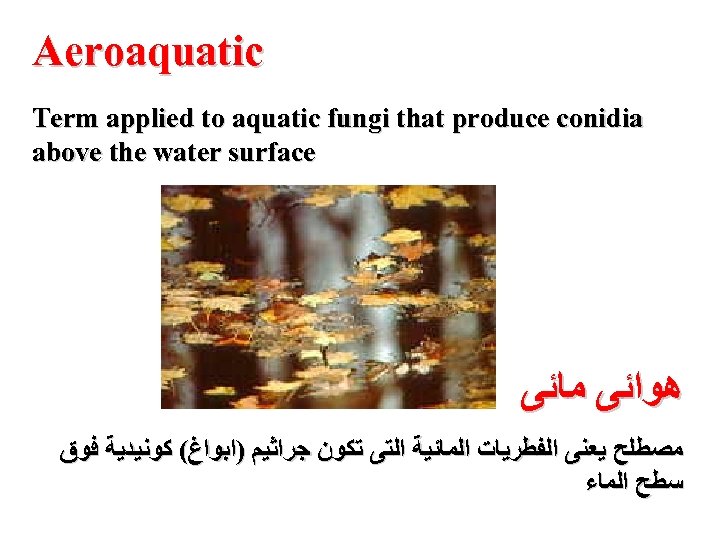
Aeroaquatic Term applied to aquatic fungi that produce conidia above the water surface ﻫﻮﺍﺋﻰ ﻣﺎﺋﻰ ﻣﺼﻄﻠﺢ ﻳﻌﻨﻰ ﺍﻟﻔﻄﺮﻳﺎﺕ ﺍﻟﻤﺎﺋﻴﺔ ﺍﻟﺘﻰ ﺗﻜﻮﻥ ﺟﺮﺍﺛﻴﻢ )ﺍﺑﻮﺍﻍ( ﻛﻮﻧﻴﺪﻳﺔ ﻓﻮﻕ ﺳﻄﺢ ﺍﻟﻤﺎﺀ
Aerosol Suspension of particles in airborne water droplets. ﻫﺒﺎﺀ ﺟﻮﻯ . ﺟﺴﻴﻤﺎﺕ ﻣﻌﻠﻘﺔ ﻓﻰ ﻗﻄﻴﺮﺍﺕ ﺍﻟﻤﺎﺀ ﻭﻳﺤﻤﻠﻬﺎ ﺍﻟﻬﻮﺍﺀ
airlift fermenter A cylindrical fermentation vessel in which the cells are mixed by air introduced at the base of the vessel and that rises through the column of culture medium. The cell suspension circulates around the column as a consequence of the gradient of air bubbles in different parts of the reactor : ﻣﺨﻤﺮ ﺑﺮﻓﻊ ﺍﻟﻬﻮﺍﺀ ﻼﻳﺎ ﻋﻦ ﻃﺮﻳﻖ ﺍﻟﻬﻮﺍﺀ ﻭﻋﺎﺀ ﺗﺨﻤﻴﺮ ﺍﺳﻄﻮﺍﻧﻲ ﺗﻤﺘﺰﺝ ﻓﻴﻪ ﺍﻟﺨ ﻳﺪﺧﻞ ﻗﺎﻋﺪﺓ ﺍﻟﻮﻋﺎﺀ ﻭﻳﺮﺗﻔﻊ ﻋﻦ ﻃﺮﻳﻖ ﻋﻤﻮﺩ ﺍﻟﻮﺳﻂ ﺍﻟﺰﺭﺍﻋﻲ. ﺗﺪﻭﺭ ﻼﻳﺎ ﺍﻟﻤﻌﻠﻘﺔ ﺣﻮﻝ ﺍﻟﻌﻤﻮﺩ ﻧﺘﻴﺠﺔ ﻟﺘﺪﺭﺝ ﻓﻘﺎﻋﺎﺕ ﺍﻟﻬﻮﺍﺀ ﻓﻲ ﺍﻟﺨ . ﺍ ﻷﺠﺰﺍﺀ ﺍﻟﻤﺨﺘﻠﻔﺔ ﻣﻦ ﺍﻟﻤﻔﺎﻋﻞ
β-DNA The normal form of DNA found in biological systems. It exists as a right-handed helix ﺍﻟﺤﻤﺾ ﺍﻟﻨﻮﻭﻱ ﺍﻟﺮﻳﺒﻲ ﻣﻨﻘﻮﺹ : (DNA ﺍ ﻷﻮﻛﺴﺠﻴﻦ ﺑﻴﺘﺎ )- β ﺍﻟﻨﻤﻮﺫﺝ ﺍﻟﻌﺎﺩﻱ ﻣﻦ ﺍﻟﺤﻤﺾ ﺍﻟﻨﻮﻭﻱ ﺍﻟﺮﻳﺒﻲ ﻣﻨﻘﻮﺹ ﺍ ﻷﻮﻛﺴﺠﻴﻦ ) (DNA ﺍﻟﻤﻮﺟﻮﺩ ﻓﻲ ﺍﻟﻨﻈﻢ ﺍﻟﺒﻴﻮﻟﻮﺟﻴﺔ. ﻳﻮﺟﺪ ﻓﻲ ﺍﻟﺠﺰﺀ ﺍ ﻷﻴﻤﻦ ﻣﻦ ﺍﻟﺤﻠﺰﻭﻥ.
binding The ability of molecules to stick to each other because of the exact shape and chemical nature of parts of their surfaces. Many biological molecules bind extremely tightly and specifically to other molecules: enzymes to their substrates; antibodies to their antigens; DNA strands to their complementary strands; and so on. Binding can be characterized by a binding constant or association constant (Ka), or its inverse, the dissociation constant (Kd). : ( ﺍ ﻹﺭﺗﺒﺎﻁ )ﻣﻠﺰﻣﺔ ﻗﺪﺭﺓ ﺍﻟﺠﺰﻳﺌﺎﺕ ﺍ ﻹﻟﺘﺼﺎﻕ ﺑﺒﻌﻀﻬﺎ ﺍﻟﺒﻌﺾ ﺑﺴﺒﺐ ﺍﻟﺸﻜﻞ ﺍﻟﺨﺎﺹ ﻻﺟﺰﺍﺀ ﻣﻦ ﺳﻄﺤﻬﺎ. ﺍﻟﻌﺪﻳﺪ ﻣﻦ ﺍﻟﺠﺰﻳﺌﺎﺕ ﺍﻟﺒﻴﻮﻟﻮﺟﻴﺔ ﻭﺍﻟﻄﺒﻴﻌﺔ ﺍﻟﻜﻴﻤﻴﺎﺋﻴﺔ ﺗﺮﺗﺒﻂ ﺑﺈﺣﻜﺎﻡ ﻭﺑﺸﻜﻞ ﻣﺤﺪﺩ ﺑﺠﺰﻳﺌﺎﺕ ﺃﺨﺮﻯ: ﺍ ﻷﻨﺰﻳﻤﺎﺕ ﺗﺮﺗﺒﻂ ﺑﺮﻛﺎﺋﺰﻫﺎ )ﻣﻮﺍﺩﻫﺎ(؛ ﺍ ﻷﺠﺴﺎﻡ ﺍﻟﻤﻀﺎﺩﺓ ﺑﻤﺴﺘﻀﺪﺍﺗﻬﺎ؛ ﺧﻴﻮﻁ ﺍﻟﺤﻤﺾ ﺍﻟﻨﻮﻭﻱ ( ﺑﺎﻟﺨﻴﻮﻁ ﺍﻟﺘﻜﻤﻴﻠﻴﺔ، ﻭﻫﻠﻢ DNA) ﺍﻟﻨﻮﻭﻱ ﺍﻟﺮﻳﺒﻲ ﻣﻨﻘﻮﺹ ﺍ ﻷﻮﻛﺴﺠﻴﻦ ،(Ka) ﺟﺮﺍ. ﺍ ﻹﺭﺗﺒﺎﻁ ﻳﺘﺼﻒ ﺑﺜﺎﺑﺖ ﺍ ﻹﺭﺗﺒﺎﻁ ﺃﻮ ﺛﺎﺑﺖ ﺍ ﻹﺗﺤﺎﺩ
bio-assay A procedure for the assessment of a substance by measuring its effect in living cells or on organisms. Animals have been used extensively in drug research in bio-assays for the pharmacological activity of drugs. However, bio-assays are now usually developed using bacteria or animal or plant cells, as these are usually much easier to handle than whole animals or plants, are cheaper to make and keep, and avoid the ethical problems associated with testing of animals. Sometimes used to detect minute amounts of substances that influence or are essential to growth.
ﻣﻘﺎﻳﺴﺔ ﺣﻴﻮﻳﺔ: ﻼﻳﺎ ﺍﻟﺤﻴﺔ ﺃﻮ ﻋﻠﻰ ﻋﻤﻠﻴﺔ ﺗﻘﻴﻴﻢ ﻣﺎﺩﺓ ﻋﻦ ﻃﺮﻳﻖ ﻗﻴﺎﺱ ﺗﺄﺜﻴﺮﻫﺎ ﻓﻲ ﺍﻟﺨ ﺍﻟﻜﺎﺋﻨﺎﺕ ﺍﻟﺤﻴﺔ. ﻭﻗﺪ ﺍﺳﺘﺨﺪﻣﺖ ﺍﻟﺤﻴﻮﺍﻧﺎﺕ ﻋﻠﻰ ﻧﻄﺎﻕ ﻭﺍﺳﻊ ﻓﻲ ﻣﺠﺎﻝ ﺑﺤﻮﺙ ﻻ ﺃﻨﻪ ﻓﻲ ﺍﻟﻮﻗﺖ ﺍﻟﻌﻘﺎﻗﻴﺮ ﻟﻠﻤﻘﺎﻳﺴﺔ ﺍﻟﺤﻴﻮﻳﺔ ﻟﻠﻨﺸﺎﻁ ﺍﻟﺪﻭﺍﺋﻲ ﻟﻠﻌﻘﺎﻗﻴﺮﺇ. ﻼﻳﺎ ﻣﻦ ﺍﻟﺤﺎﻟﻲ ﺗﻢ ﺗﻄﻮﻳﺮ ﺍﻟﻤﻘﺎﻳﺴﺎﺕ ﺍﻟﺤﻴﻮﻳﺔ ﺑﺎﺳﺘﺨﺪﺍﻡ ﺍﻟﺒﻜﺘﺮﻳﺎ ﺃﻮ ﺧ ﺍﻟﺤﻴﻮﺍﻧﺎﺕ ﻭﺍﻟﻨﺒﺎﺗﺎﺕ، ﻭﻫﺬﻩ ﻋﺎﺩﺓ ﻣﺎ ﺗﻜﻮﻥ ﺃﺴﻬﻞ ﺑﻜﺜﻴﺮ ﻣﻦ ﺍﻟﺘﻌﺎﻣﻞ ﻣﻊ ﺣﻴﻮﺍﻧﺎﺕ ﺃﻮ ﻧﺒﺎﺕ ﻛﺎﻣﻞ، ﻭﺃﺮﺧﺺ ﺍﻟﻌﻤﻞ ﻭﺍﻟﺘﺨﺰﻳﻦ، ﻭﺗﺠﻨﺐ ﺍﻟﻤﺸﺎﻛﻞ ﻼﻗﻴﺔ ﺍﻟﻤﺮﺗﺒﻄﺔ ﺑﺎﺧﺘﺒﺎﺭ ﺍﻟﺤﻴﻮﺍﻧﺎﺕ. ﺃﺤﻴﺎﻧﺎ ﺗﺴﺘﺨﺪﻡ ﻟﻠﻜﺸﻒ ﻋﻦ ﻷﺨ ﺍ ﻛﻤﻴﺎﺕ ﺿﺌﻴﻠﺔ ﻣﻦ ﺍﻟﻤﻮﺍﺩ ﺍﻟﺘﻲ ﺗﺆﺜﺮ ﺃﻮ ﺿﺮﻭﺭﻳﺔ ﻟﻠﻨﻤﻮ.
biodegradation The breakdown by living organisms of a compound to its chemical constituents. Materials that can be easily biodegraded are colloquially termed biodegradable : ﺍﻟﺘﺪﻫﻮﺭ )ﺍﻟﺘﺤﻠﻞ( ﺍﻟﺒﻴﻮﻟﻮﺟﻲ . ﺗﻜﺴﻴﺮ ﺃﻮ ﺗﺤﻠﻴﻞ ﺍﻟﻤﺮﻛﺒﺎﺕ ﺑﺎﻟﻜﺎﺋﻨﺎﺕ ﺍﻟﺤﻴﺔ ﺍﻟﻰ ﻣﻜﻮﻧﺎﺗﻬﺎ ﺍﻟﻜﻴﻤﻴﺎﺋﻴﺔ ﺍﻟﻤﻮﺍﺩ ﺍﻟﺘﻲ ﻳﻤﻜﻦ ﺗﺤﻠﻴﻠﻬﺎ ﺇﺣﻴﺎﺋﻴﺎ ﺑﺴﻬﻮﻟﺔ ﺗﺴﻤﻰ ﺑﺎﻟﻌﺎﻣﻴﺔ ﺍﻟﻘﺎﺑﻠﺔ . ﻟﻠﺘﺤﻠﻞ
bio-ethics The branch of ethics that deals with the life sciences and their potential impact on society. At one extreme, it can be enormously useful in focusing attention on problems that need to be confronted; at the other extreme, it can become a namecalling argument between the "pro-biotechnology" and "antibiotechnology" schools of thought. : ﻼﻗﻴﺎﺕ ﺍﻟﺤﻴﻮﻳﺔ ﻷﺨ ﻼﻕ ﺍﻟﺘﻲ ﺗﺘﻌﺎﻣﻞ ﻣﻊ ﻋﻠﻮﻡ ﺍﻟﺤﻴﺎﺓ ﻭﺗﺄﺜﻴﺮﻫﺎ ﺍﻟﻤﺤﺘﻤﻞ ﻋﻠﻰ ﻓﺮﻉ ﻷﺨ ﺍ ﺍﻟﻤﺠﺘﻤﻊ. ﻓﻲ ﺟﺎﻧﺐ ﻳﻤﻜﻦ ﺃﻦ ﺗﻜﻮﻥ ﻣﻔﻴﺪﺓ ﻟﻠﻐﺎﻳﺔ ﻓﻲ ﺗﺮﻛﻴﺰ ﺍ ﻻﻫﺘﻤﺎﻡ ﻋﻠﻰ ﺍﻟﻤﺸﺎﻛﻞ ﺍﻟﺘﻲ ﺗﺤﺘﺎﺝ ﻟﻤﻮﺍﺟﻬﺔ ﻭﻓﻲ ﺟﺎﻧﺐ آﺨﺮ، ﻳﻤﻜﻦ ﺃﻦ ﺗﺼﺒﺢ ﻣﺎﺩﺓ ﻼﻑ ﻭﺍﻟﺸﺘﺎﺋﻢ ﺑﻴﻦ "ﺍﻟﻤﻮﺍﻳﻠﻦ ﻭﺍﻟﻤﻌﺘﺮﺿﻴﻦ ﻋﻠﻰ ﺍﻟﺘﻜﻨﻮﻟﻮﺟﻴﺎ ﻟﻠﺨ . ﺍﻟﺤﻴﻮﻳﺔ ﺍ
albinism Hereditary absence of pigment in an organism. Albino animals have no colour in their skin, hair and eyes. The term is also used for absence of chlorophyll in plants : ﺍﻟﻤﻬﻖ ﻸﺼﺒﺎﻍ ﻓﻲ ﺍﻟﻜﺎﺋﻦ ﺍﻟﺤﻲ. ﻓﻤﺜﻞ ﻫﺬﻩ ﺍﻟﺤﻴﻮﺍﻧﺎﺕ ﻟﻴﺲ ﻟﻬﺎ ﺍﻟﻐﻴﺎﺏ ﺍﻟﻮﺭﺍﺛﻲ ﻟ ﻟﻮﻥ ﻓﻲ ﺍﻟﺸﻌﺮ ﻭﺍﻟﺠﻠﺪ ﻭﺍﻟﻌﻴﻮﻥ. ﻭﻳﺴﺘﺨﺪﻡ ﺍﻟﻤﺼﻄﻠﺢ ﻟﻌﺪﻡ ﻭﺟﻮﺩ ﻣﺎﺩﺓ ﺍﻟﻜﻠﻮﺭﻭﻓﻴﻞ ﻓﻲ . ﺍﻟﻨﺒﺎﺗﺎﺕ albino 1. An organism lacking pigmentation, due to genetic factors. The condition is albinism, 2. A conspicuous plastome (plastid) mutant involving loss of chlorophyll. : ﺍﻟﺒﻴﻨﻮ . 1 ﻛﺎﺋﻦ ﺣﻲ ﻳﻔﺘﻘﺮ ﺇﻟﻰ ﺍ ﻷﺼﺒﺎﻍ ﻟﻌﻮﺍﻣﻞ ﻭﺭﺍﺛﻴﺔ. ﺣﺎﻟﺔ ﺍﻟﻤﻬﻖ ﻼﺳﺘﻴﺪﺍﺕ ﺑﻔﻘﺪﺍﻥ ﺍﻟﻴﺨﻀﻮﺭ -2 ﻃﻔﺮﺓ ﻭﺍﺿﺤﺔ ﻓﻲ ﺍﻟﺒ
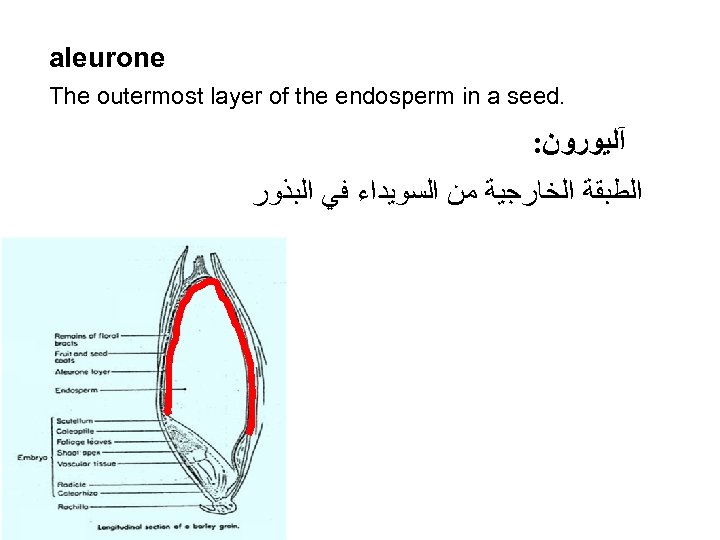
aleurone The outermost layer of the endosperm in a seed. : آﻠﻴﻮﺭﻭﻥ ﺍﻟﻄﺒﻘﺔ ﺍﻟﺨﺎﺭﺟﻴﺔ ﻣﻦ ﺍﻟﺴﻮﻳﺪﺍﺀ ﻓﻲ ﺍﻟﺒﺬﻭﺭ
algal biomass Single-celled plants, such as Chlorella spp. and Spirulina spp. , are grown commercially in ponds to make feed materials. Chlorella is grown commercially to make into fish food: it is fed to zooplankton, and these in turn are harvested as feed for fish farms. This is a means of converting sunlight into food in a way more convenient and controllable than normal farming : ﺍﻟﻜﺘﻠﺔ ﺍﻟﺤﻴﻮﻳﺔ ﻟﻠﻄﺤﺎﻟﺐ Spirulina ﻭ Chlorella spp. ﺍﻟﻄﺤﺎﻟﺐ ﻧﺒﺎﺗﺎﺕ ﻭﺣﻴﺪﺓ ﺍﻟﺨﻠﻴﺔ، ﻣﺜﻞ ﻧﻮﻉ ﺍﻟﻠﺬﺍﻥ ﻳﺰﺭﻋﺎﻥ ﺗﺠﺎﺭﻳﺎ ﻓﻲ ﺃﺤﻮﺍﺽ ﻛﻤﻮﺍﺩ ﻋﻠﻒ ﻟﻠﺘﻐﺬﻳﺔ. ﺗﺰﺭﻉ spp. ﻼ ﺗﺠﺎﺭﻳﺎ ﻟﻔﻲ ﺍ ﻷﺤﻮﺍﺽ ﻟﺠﻌﻞ ﺍﻟﻤﻮﺍﺩ ﺍﻟﻌﻠﻔﻴﺔ. ﻭﺗﺰﺭﻉ ﺍﻟﺸﻠﻮﺭﻳ ﻼ ﺗﺠﺎﺭﻳﺎ ﻟﺘﺘﺼﻨﻴﻊ ﻏﺬﺍﺀ ﺍ ﻷﺴﻤﺎﻙ ﺣﻴﺚ ﺗﻐﺬﻯ ﺑﻪ ﺍﻟﻌﻮﺍﻟﻖ ﺷﻠﻮﺭﻳ ﺍﻟﺤﻴﻮﺍﻧﻴﺔ ﺍﻟﺘﻲ ﺑﺪﻭﺭﻫﺎ ﺗﺤﺼﺪ ﻛﻌﻠﻒ ﻟﻠﻤﺰﺍﺭﻉ ﺍﻟﺴﻤﻜﻴﺔ. ﻫﺬﻩ ﻭﺳﻴﻠﺔ ﻟﺘﺤﻮﻳﻞ ﻼﺀﻣﺔ ﻭﻳﻤﻜﻦ ﺍﻟﺴﻴﻄﺮﺓ ﻋﻠﻴﻬﺎ ﺿﻮﺀ ﺍﻟﺸﻤﺲ ﺇﻟﻰ ﻏﺬﺍﺀ ﺑﻄﺮﻳﻘﺔ ﺃﻜﺜﺮ ﻣ
allele (Gr. allelon, of one another, mutually each other); allelomorph (adj: allelic, allelomorphic). One of a pair, or series, of variant forms of a gene that occur at a given locus in a chromosome. Alleles are symbolized with the same basic symbol (e. g. , B for dominant and b for recessive); B 1, B 2, . . . , Bn for n additive alleles at a locus). In a normal diploid cell there are two alleles of any one gene (one from each parent), which occupy the same relative position (locus) on homologous chromosomes. Within a population there may be more than two alleles of a gene. See multiple alleles
ﺃﻠﻴﻞ )ﻣﻀﺎﺩ- ﻣﻘﺎﺑﻞ- ﺑﺪﻳﻞ(: ﻵﺨﺮ، ﻣﺘﺒﺎﺩﻝ ﻣﻊ ﺍ ﻵﺨﺮ(؛ ﺗﻄﻠﻖ )ﺃﺼﻞ ﺇﻏﺮﻳﻘﻲ = allelon ﻣﻦ ﻭﺍﺣﺪ ﻋﻠﻰ ﺍ ﻷﺸﻜﺎﻝ ﺍﻟﺒﺪﻳﻠﺔ ﻣﻦ ﺍﻟﺠﻴﻨﺎﺕ )ﺍﻟﻤﻮﺭﺛﺎﺕ(. ﺗﻌﺪﺩ ﺷﻜﻞ ﺍ ﻷﻠﻴﻞ: )ﺻﻔﺔ : ﺍ ﻷﻠﻴﻠﻲ(. ﺃﺤﺪ ﺃﺰﺍﻭﺝ، ﺃﻮ ﺳﻠﺴﻠﺔ ﻣﻦ ﺍ ﻷﺸﻜﺎﻝ ﺍﻟﻤﺨﺘﻠﻔﺔ ﻣﻦ ﺍﻟﺠﻴﻨﺎﺕ ﺍﻟﺘﻲ ﺗﻜﻮﻥ ﻓﻲ ﻣﻮﺿﻊ ﻣﻌﻴﻦ ﻓﻲ ﺍﻟﻜﺮﻭﻣﻮﺳﻮﻡ. ﻭﻳﺮﻣﺰ ﻼﺕ ﺑﺎﻟﺮﻣﺰ )ﺍﻟﺤﺮﻑ( ﺍ ﻷﺴﺎﺳﻲ )ﻣﺜﻞ ﺍﻟﺤﺮﻑ ﺍﻟﻜﺒﻴﺮ B ﻸ ﻟ ﻠﻴ ﻟﻠﺼﻔﺎﺕ ﺍﻟﺴﺎﺋﺪﺓ ﻭﺍﻟﺼﻐﻴﺮ b ﻟﻠﺼﻔﺎﺕ ﺍﻟﻤﺘﻨﺤﻴﺔ( ﻭﺗﻜﻮﻥ 1. . . ،B 2 ،) B ﻼﻥ ﻟﻜﻞ ﻣﻮﺭﺙ ﻓﻲ ﻼﺕ ﺍﻟﻤﻀﺎﻓﺔ ﻓﻲ ﺍﻟﻤﻮﺿﻊ. ﻳﻮﺟﺪ ﺃﻠﻴ ﻸ ﻟ ﻠﻴ ﺍﻟﺨﻠﻴﺔ ﺛﻨﺎﺋﻴﺔ ﺍﻟﺼﺒﻐﻴﺎﺕ ﺍﻟﻌﺎﺩﻳﺔ )ﻭﺍﺣﺪ ﻣﻦ ﻛﻞ ﻣﻦ ﺍﻟﻮﺍﻟﺪﻳﻦ( ﻭﻳﺸﻐﻞ ﺍﻟﻤﻮﺿﻊ ﺍﻟﻨﺴﺒﻲ ﻓﻲ ﺍﻟﻜﺮﻭﻣﻮﺳﻮﻣﺎﺕ ﺍﻟﻤﺘﺸﺎﺑﻬﺔ ﻳﻤﻜﻦ ﺃﻦ ﻳﻜﻮﻥ ﻫﻨﺎﻟﻚ ﺃﻜﺜﺮ ﻣﻦ ﺃﻠﻴﻞ ﻓﻲ ﺍﻟﻤﻮﺭﺙ ﺩﺍﺧﻞ ﺍﻟﻌﺸﻴﺮﺓ
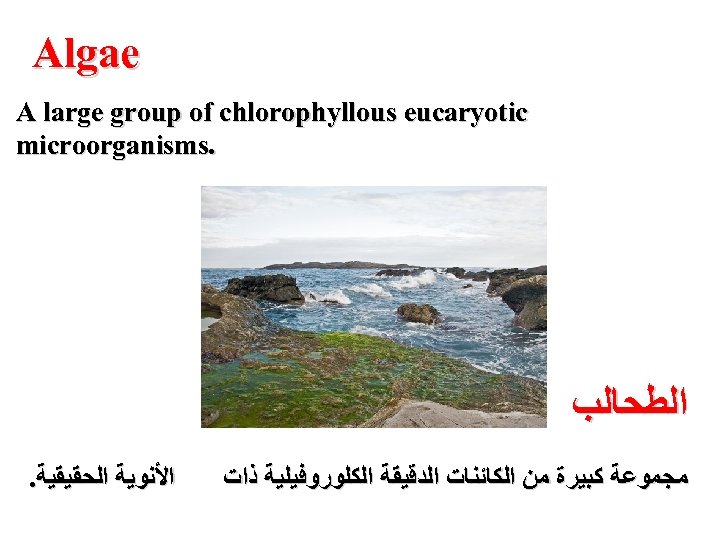
Algae A large group of chlorophyllous eucaryotic . microorganisms ﺍﻟﻄﺤﺎﻟﺐ ﻣﺠﻤﻮﻋﺔ ﻛﺒﻴﺮﺓ ﻣﻦ ﺍﻟﻜﺎﺋﻨﺎﺕ ﺍﻟﺪﻗﻴﻘﺔ ﺍﻟﻜﻠﻮﺭﻭﻓﻴﻠﻴﺔ ﺫﺍﺕ ﺍﻷﻨﻮﻳﺔ ﺍﻟﺤﻘﻴﻘﻴﺔ.
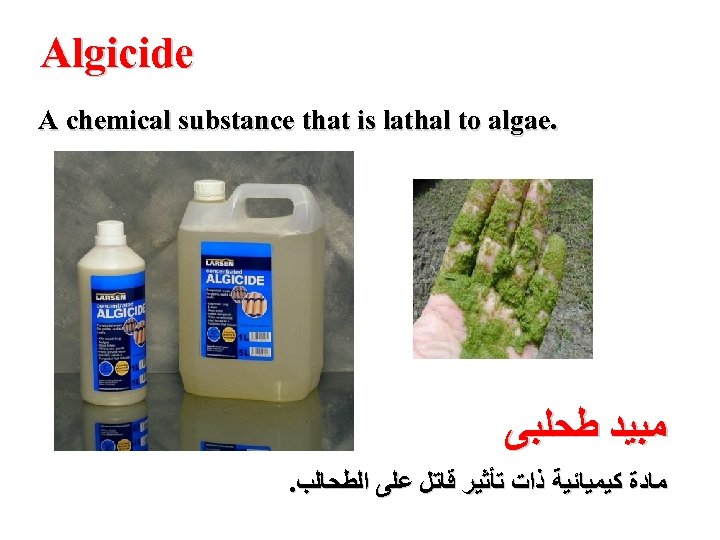
Algicide A chemical substance that is lathal to algae. ﻣﺒﻴﺪ ﻃﺤﻠﺒﻰ . ﻣﺎﺩﺓ ﻛﻴﻤﻴﺎﺋﻴﺔ ﺫﺍﺕ ﺗﺄﺜﻴﺮ ﻗﺎﺗﻞ ﻋﻠﻰ ﺍﻟﻄﺤﺎﻟﺐ
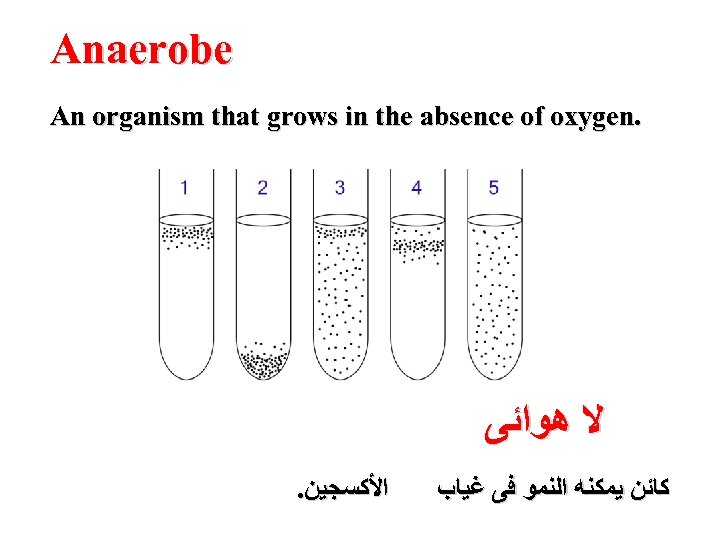
Anaerobe An organism that grows in the absence of oxygen. ﻻ ﻫﻮﺍﺋﻰ . ﺍﻷﻜﺴﺠﻴﻦ ﻛﺎﺋﻦ ﻳﻤﻜﻨﻪ ﺍﻟﻨﻤﻮ ﻓﻰ ﻏﻴﺎﺏ
Antiactinomycetal Substance that links or inhibits the growth of the prokaryotic microorganisms (Actinomycetes). ﻟﻸﻜﺘﻴﻨﻮﻣﻴﺴﻴﺘﺎﺕ . ( ﺍﻷﻜﺘﻴﻨﻮﻣﻴﺴﻴﺘﺎﺕ ﻣﻀﺎﺩ ) ﻣﺎﺩﺓ ﺗﻘﺘﻞ ﺃﻮ ﺗﺜﺒﻂ ﻧﻤﻮ ﺍﻟﻜﺎﺋﻨﺎﺕ ﺫﺍﺕ ﺍﻟﻨﻮﺍﺓ ﺍﻟﺒﺪﺍﺋﻴﺔ
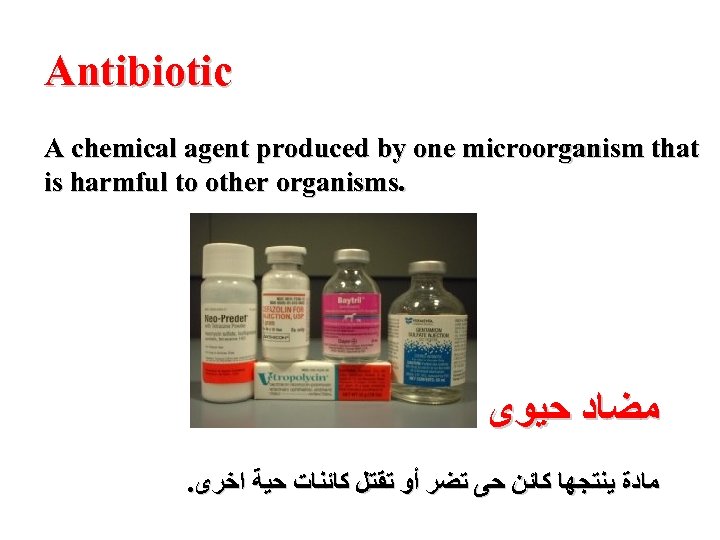
Antibiotic A chemical agent produced by one microorganism that is harmful to other organisms. ﻣﻀﺎﺩ ﺣﻴﻮﻯ . ﻣﺎﺩﺓ ﻳﻨﺘﺠﻬﺎ ﻛﺎﺋﻦ ﺣﻰ ﺗﻀﺮ ﺃﻮ ﺗﻘﺘﻞ ﻛﺎﺋﻨﺎﺕ ﺣﻴﺔ ﺍﺧﺮﻯ
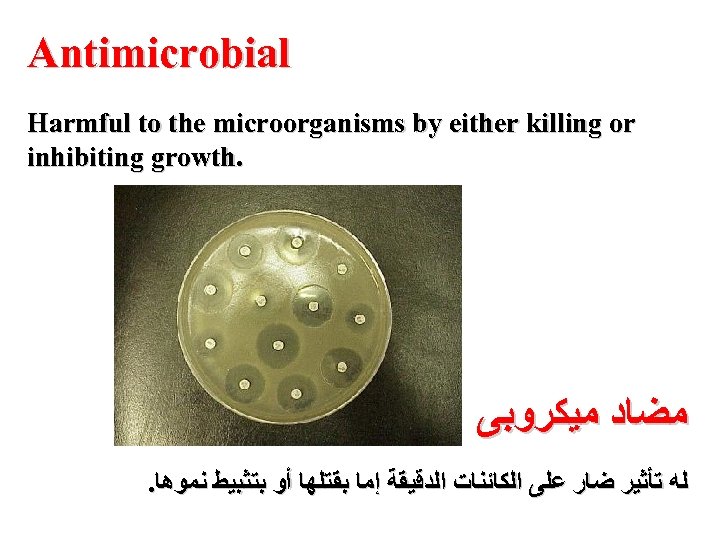
Antimicrobial Harmful to the microorganisms by either killing or inhibiting growth. ﻣﻀﺎﺩ ﻣﻴﻜﺮﻭﺑﻰ . ﻟﻪ ﺗﺄﺜﻴﺮ ﺿﺎﺭ ﻋﻠﻰ ﺍﻟﻜﺎﺋﻨﺎﺕ ﺍﻟﺪﻗﻴﻘﺔ ﺇﻣﺎ ﺑﻘﺘﻠﻬﺎ ﺃﻮ ﺑﺘﺜﺒﻴﻂ ﻧﻤﻮﻫﺎ
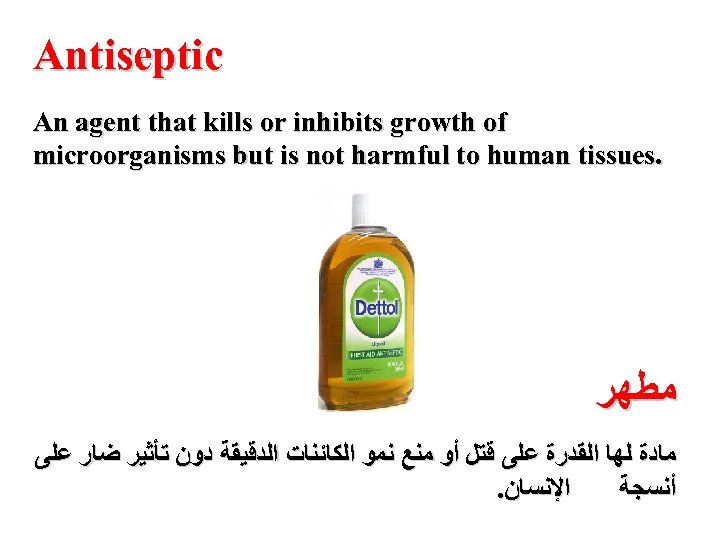
Antiseptic An agent that kills or inhibits growth of microorganisms but is not harmful to human tissues. ﻣﻄﻬﺮ ﻣﺎﺩﺓ ﻟﻬﺎ ﺍﻟﻘﺪﺭﺓ ﻋﻠﻰ ﻗﺘﻞ ﺃﻮ ﻣﻨﻊ ﻧﻤﻮ ﺍﻟﻜﺎﺋﻨﺎﺕ ﺍﻟﺪﻗﻴﻘﺔ ﺩﻭﻥ ﺗﺄﺜﻴﺮ ﺿﺎﺭ ﻋﻠﻰ . ﺍﻹﻧﺴﺎﻥ ﺃﻨﺴﺠﺔ
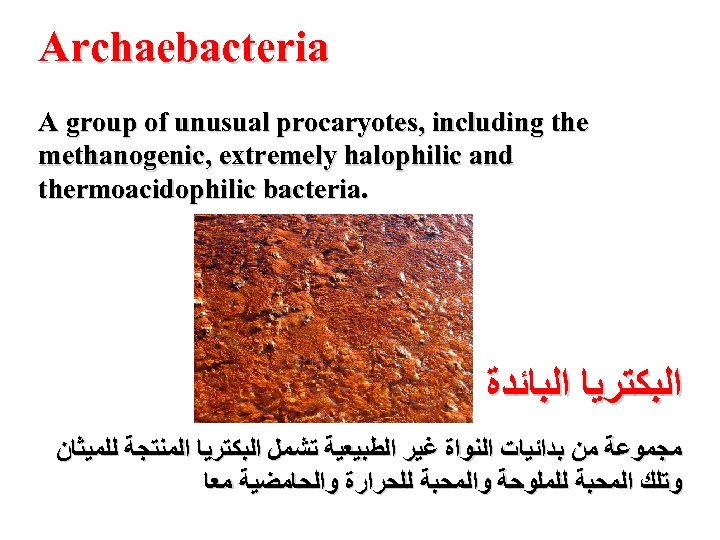
Archaebacteria A group of unusual procaryotes, including the methanogenic, extremely halophilic and . thermoacidophilic bacteria ﺍﻟﺒﻜﺘﺮﻳﺎ ﺍﻟﺒﺎﺋﺪﺓ ﻣﺠﻤﻮﻋﺔ ﻣﻦ ﺑﺪﺍﺋﻴﺎﺕ ﺍﻟﻨﻮﺍﺓ ﻏﻴﺮ ﺍﻟﻄﺒﻴﻌﻴﺔ ﺗﺸﻤﻞ ﺍﻟﺒﻜﺘﺮﻳﺎ ﺍﻟﻤﻨﺘﺠﺔ ﻟﻠﻤﻴﺜﺎﻥ ﻭﺗﻠﻚ ﺍﻟﻤﺤﺒﺔ ﻟﻠﻤﻠﻮﺣﺔ ﻭﺍﻟﻤﺤﺒﺔ ﻟﻠﺤﺮﺍﺭﺓ ﻭﺍﻟﺤﺎﻣﻀﻴﺔ ﻣﻌﺎ
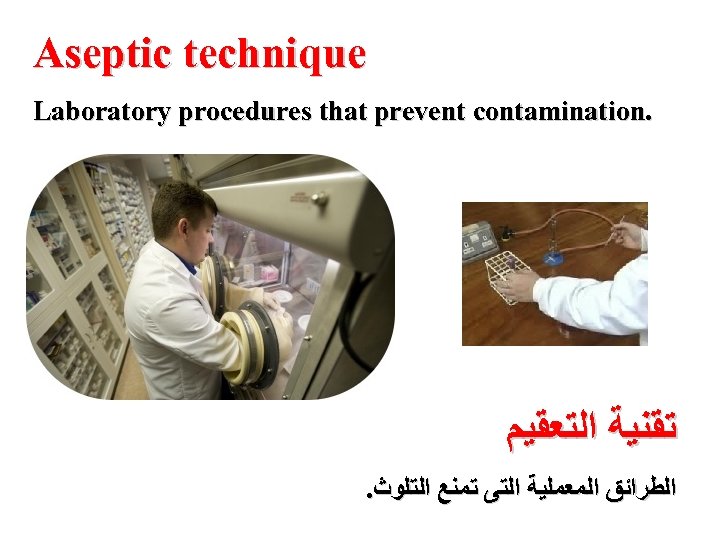
Aseptic technique Laboratory procedures that prevent contamination. ﺗﻘﻨﻴﺔ ﺍﻟﺘﻌﻘﻴﻢ . ﺍﻟﻄﺮﺍﺋﻖ ﺍﻟﻤﻌﻤﻠﻴﺔ ﺍﻟﺘﻰ ﺗﻤﻨﻊ ﺍﻟﺘﻠﻮﺙ
Autolysis Spontaneous lysis due to action of own enzymes self dissolution of tissue which undergoes after death of their cells. ﺗﺤﻠﻞ ﺫﺍﺗﻰ ﺗﺤﻠﻞ ﻣﻔﺎﺟﺊ ﺗﻘﻮﻡ ﺑﻪ ﺍﻧﺰﻳﻤﺎﺕ ﺫﺍﺗﻴﺔ ﺍﻟﺬﻭﺑﺎﻥ ﺍﻟﺬﺍﺗﻰ ﻟﻠﻨﺴﻴﺞ ﻭﺍﻟﺬﻯ ﻳﺘﻢ . ﺧﻼﻳﺎﻩ ﻣﺒﺎﺷﺮﺓ ﺑﻌﺪ ﻣﻮﺕ
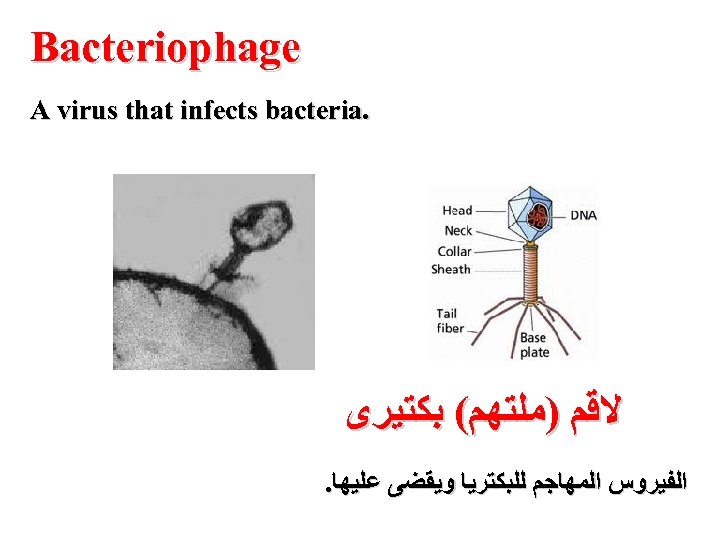
Bacteriophage . A virus that infects bacteria ﻻﻗﻢ )ﻣﻠﺘﻬﻢ( ﺑﻜﺘﻴﺮﻯ ﺍﻟﻔﻴﺮﻭﺱ ﺍﻟﻤﻬﺎﺟﻢ ﻟﻠﺒﻜﺘﺮﻳﺎ ﻭﻳﻘﻀﻰ ﻋﻠﻴﻬﺎ.
bacteriophage A virus that infects bacteria. Also called simply phage. Altered forms are used in DNA cloning work, where they are convenient vectors. The bacteriophages most used are derived from two "wild" phages, called M 13 and lambda ( ). Lambda phages are used to clone segments of DNA in the range of around 10 -20 kb. They are lytic phages, i. e. , they replicate by lysing their host cell and releasing more phages. On a bacteriological plate, this results in a small clear zone - a plaque. Some lambda vectors have also been developed which are expression vectors. The M 13 system can grow inside a bacterium, so that it does not destroy the cell it infects but causes it to make new phages continuously. It is a singlestranded DNA phage, and is used for the Sanger di-deoxy DNA sequencing method Both of these phages grow on Escherichia coli as a host bacterium
ﻻﻗﻢ )ﻣﻠﺘﻬﻢ( ﺍﻟﺒﻜﺘﺮﻳﺎ: ﺗﺴﻤﻰ ﺇﺧﺘﺼﺎﺭﺍ ﺍﻟﻤﻠﺘﻬﻢ ﺃﻮ ﺍﻟﻌﺎﺛﻴﺔ. ﺗﺴﺘﺨﺪﻡ ﺍ ﻷﺸﻜﺎﻝ ﺍﻟﻤﺤﻮﺭﺓ ﻓﻲ ﺍﺳﺘﻨﺴﺎﺥ ﻷﻨﻬﺎ ﺗﻌﺘﺒﺮ ﺍﻟﺤﻤﺾ ﺍﻟﻨﻮﻭﻱ ﺍﻟﺮﻳﺒﻲ ﻣﻨﻘﻮﺹ ﺍ ﻷﻮﻛﺴﺠﻴﻦ ) (DNA ﻻﻗﻢ ﺍﻟﺒﻜﺘﻴﺮﻳﺎ ﺍ ﻷﻜﺜﺮ ﺍﺳﺘﺨﺪﺍﻣﺎ ﻣﻦ ﺍﺛﻨﺎﻥ ﻣﻦ ﺍﻟﻨﻮﺍﻗﻞ ﺍﻟﻤﻨﺎﺳﺒﺔ. ﻳﺴﺘﻤﺪ ﺍﻟﻌﺎﺛﻴﺎﺕ ) " (phages ﺍﻟﺒﺮﻳﺔ" ﻡ 31 )31 (M ﻭ ﻻﻣﺒﺪﺍ ) . ( ﻳﺴﺘﺨﺪﻡ ﻻﻣﺒﺪﺍ ﻓﻲ ﺇﺳﺘﻨﺴﺎﺥ ﺃﺠﺰﺍﺀ ﻣﻦ ﺍﻟﺤﻤﺾ ﺍﻟﻨﻮﻭﻱ ﺍﻟﺮﻳﺒﻲ ﻣﻨﻘﻮﺹ ﻻﻗﻢ ﺍ ﻷﻮﻛﺴﺠﻴﻦ ) (DNA ﻓﻲ ﺣﺠﻢ 01 -02 ﻛﻴﻠﻮﺑﻴﺰ )00001 -00002 ﻼﻳﺎ ﺍﻟﻤﻀﻴﻔﺔ ﻼﻗﻢ ﺗﺤﻠﻴﻠﻲ ﺃﻲ ﺃﻨﻪ ﻳﺘﻜﺮﺭ ﺑﺘﺤﻠﻴﻞ ﺍﻟﺨ ﻗﺎﻋﺪﺓ(. ﺇﻥ ﺍﻟ ﻻﻗﻤﺎﺕ ﺃﻜﺜﺮ، ﻭﻳﻨﺘﺞ ﻋﻦ ﺫﻟﻚ ﻣﻨﻄﻘﺔ ﺻﻐﻴﺮﺓ ﻭﺍﺿﺤﺔ ﻋﻠﻰ ﻟﻮﺣﺔ ﻭﺗﻜﻮﻳﻦ ﻻﻣﺒﺪﺍ ﺍﻟﻤﻄﻮﺭﺓ ﻫﻲ ﻧﻮﺍﻗﻞ ﺗﻌﺒﻴﺮ. ﻳﻤﻜﻦ ﺃﻦ ﺍﻟﺒﺎﻛﺘﺮﻳﻮﻟﻮﺟﻲ. ﺑﻌﺾ ﻧﻮﺍﻗﻞ ﻻ ﻳﺪﻣﺮ ﺍﻟﺨﻠﻴﺔ ﻳﻨﻤﻮ ﻧﻈﺎﻡ ﻡ 31 )31 (M ﺩﺍﺧﻞ ﺍﻟﺒﻜﺘﻴﺮﻳﺎ ﺑﺤﻴﺚ ﺃﻨﻪ ﻼﻗﻢ ﻻﻗﻤﺎﺕ ﺟﺪﻳﺪﺓ. ﺍﻟ ﺍﻟﻤﺼﺎﺑﺔ ﻭﻟﻜﻦ ﺗﺆﺪﻱ ﺇﻟﻰ ﺇﺳﺘﻤﺮﺍﺭﻳﺔ ﺗﻜﻮﻳﻦ ﻋﺒﺎﺭﺓ ﻋﻦ ﺧﻴﻂ ﻭﺍﺣﺪ ﻣﻦ ﺍﻟﺤﻤﺾ ﺍﻟﻨﻮﻭﻱ ﻣﻨﻘﻮﺹ ﺍ ﻷﻮﻛﺴﺠﻴﻦ ﻭﻳﺴﺘﺨﺪﻡ ﻟﺘﺴﻠﺴﻞ ﺍﻟﺤﻤﺾ ﺍﻟﻨﻮﻭﻱ ﺍﻟﺮﻳﺒﻲ ﻣﻨﻘﻮﺹ ﺍ ﻷﻮﻛﺴﺠﻴﻦ ﺑﻄﺮﻳﻘﺔ ﺳﺎﻧﺠﺮ. ﻼﻗﻤﻴﻦ ﻓﻲ ﺑﻜﺘﺮﻳﺎ ﺍﻟﻘﻮﻟﻮﻥ ) (Escherichia coli ﻛﺒﻜﺘﺮﻳﺎ ﻳﻨﻤﻮ ﺍﻟ
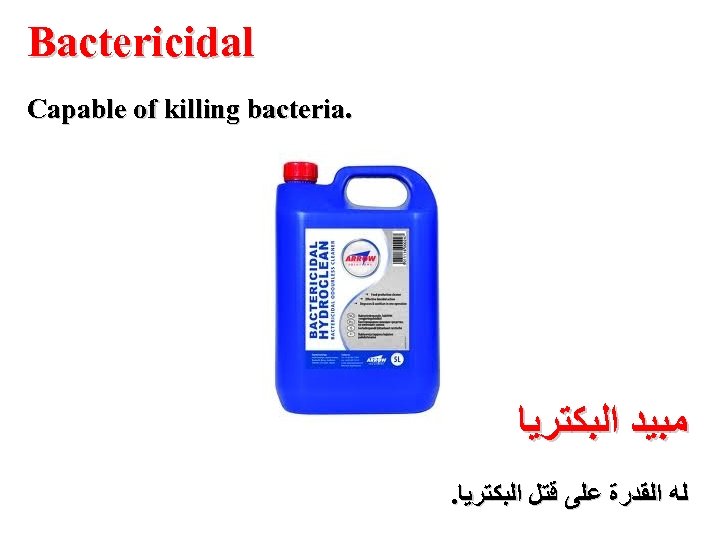
Bactericidal Capable of killing bacteria. ﻣﺒﻴﺪ ﺍﻟﺒﻜﺘﺮﻳﺎ . ﻟﻪ ﺍﻟﻘﺪﺭﺓ ﻋﻠﻰ ﻗﺘﻞ ﺍﻟﺒﻜﺘﺮﻳﺎ
Bacteriostatic Capable of inhibiting bacterial growth without killing it. ﻣﺜﺒﻂ ﻟﻨﻤﻮ ﺍﻟﺒﻜﺘﺮﻳﺎ . ﻟﻪ ﺍﻟﻘﺪﺭﺓ ﻋﻠﻰ ﺗﺜﺒﻴﻂ ﻧﻤﻮ ﺍﻟﺒﻜﺘﺮﻳﺎ ﺩﻭﻥ ﻗﺘﻠﻬﺎ
batch culture A suspension culture in which cells grow in a finite volume of liquid nutrient medium and follow a sigmoid pattern of growth. cf continuous culture; batch fermentation : ﺯﺭﺍﻋﺔ ﺍﻟﻤﺠﻤﻮﻋﺔ ﻼﻳﺎ ﺇﻟﻰ ﺣﺠﻢ ﻼﻳﺎ ﺍﻟﻤﻌﻠﻘﺔ ﺍﻟﺘﻲ ﺗﻨﻤﻮ ﻓﻴﻬﺎ ﺍﻟﺨ ﺯﺭﺍﻋﺔ ﺍﻟﺨ ﻣﺤﺪﻭﺩ ﻓﻲ ﻭﺳﻂ ﻏﺬﺍﺋﻲ ﺳﺎﺋﻞ ﺑﻨﻤﻂ ﺍﻟﻨﻤﻮ ﺍﻟﺴﻴﻨﻲ. ﺭﺍﺟﻊ ﺍﻟﺰﺭﺍﻋﺔ ﺍﻟﻤﺴﺘﻤﺮﺓ؛ . ﺍﻟﺘﺨﻤﻴﺮ ﺍﻟﺪﻓﻌﻲ
batch fermentation A process in which cells or micro-organisms are grown for a limited time. At the beginning of the fermentation, an inoculum is introduced into fresh medium, with no addition or removal of medium for the duration of the process. : ﺍﻟﺘﺨﻤﺮ ﺍﻟﺪﻓﻌﻲ ﻼﻳﺎ ﺃﻮ ﺍﻟﻜﺎﺋﻨﺎﺕ ﺍﻟﺤﻴﺔ ﺍﻟﺪﻗﻴﻘﺔ ﻟﻔﺘﺮﺓ ﺯﻣﻨﻴﺔ ﺍﻟﻌﻤﻠﻴﺔ ﺍﻟﺘﻲ ﺗﺰﺭﻉ ﻓﻴﻬﺎ ﺍﻟﺨ ﻣﺤﺪﻭﺩﺓ. ﻳﺴﺘﺨﺪﻡ ﻟﻘﺎﺡ ﻓﻲ ﻭﺳﻂ ﻏﺬﺍﺋﻲ ﻃﺎﺯﺝ ﻓﻲ ﺑﺪﺍﻳﺔ ﺍﻟﺘﺨﻤﺮ ﺩﻭﻥ ﺇﺿﺎﻓﺔ ﻼﻝ ﺍﻟﻌﻤﻠﻴﺔ ﺃﻮ ﺇﺯﺍﻟﺔ ﺍﻟﻮﺳﻂ ﺧ
ﻣﻘﺎﻳﺴﺔ ﺣﻴﻮﻳﺔ: ﻼﻳﺎ ﺍﻟﺤﻴﺔ ﺃﻮ ﻋﻠﻰ ﻋﻤﻠﻴﺔ ﺗﻘﻴﻴﻢ ﻣﺎﺩﺓ ﻋﻦ ﻃﺮﻳﻖ ﻗﻴﺎﺱ ﺗﺄﺜﻴﺮﻫﺎ ﻓﻲ ﺍﻟﺨ ﺍﻟﻜﺎﺋﻨﺎﺕ ﺍﻟﺤﻴﺔ. ﻭﻗﺪ ﺍﺳﺘﺨﺪﻣﺖ ﺍﻟﺤﻴﻮﺍﻧﺎﺕ ﻋﻠﻰ ﻧﻄﺎﻕ ﻭﺍﺳﻊ ﻓﻲ ﻣﺠﺎﻝ ﺑﺤﻮﺙ ﻻ ﺃﻨﻪ ﻓﻲ ﺍﻟﻮﻗﺖ ﺍﻟﻌﻘﺎﻗﻴﺮ ﻟﻠﻤﻘﺎﻳﺴﺔ ﺍﻟﺤﻴﻮﻳﺔ ﻟﻠﻨﺸﺎﻁ ﺍﻟﺪﻭﺍﺋﻲ ﻟﻠﻌﻘﺎﻗﻴﺮﺇ. ﻼﻳﺎ ﻣﻦ ﺍﻟﺤﺎﻟﻲ ﺗﻢ ﺗﻄﻮﻳﺮ ﺍﻟﻤﻘﺎﻳﺴﺎﺕ ﺍﻟﺤﻴﻮﻳﺔ ﺑﺎﺳﺘﺨﺪﺍﻡ ﺍﻟﺒﻜﺘﺮﻳﺎ ﺃﻮ ﺧ ﺍﻟﺤﻴﻮﺍﻧﺎﺕ ﻭﺍﻟﻨﺒﺎﺗﺎﺕ، ﻭﻫﺬﻩ ﻋﺎﺩﺓ ﻣﺎ ﺗﻜﻮﻥ ﺃﺴﻬﻞ ﺑﻜﺜﻴﺮ ﻣﻦ ﺍﻟﺘﻌﺎﻣﻞ ﻣﻊ ﺣﻴﻮﺍﻧﺎﺕ ﺃﻮ ﻧﺒﺎﺕ ﻛﺎﻣﻞ، ﻭﺃﺮﺧﺺ ﺍﻟﻌﻤﻞ ﻭﺍﻟﺘﺨﺰﻳﻦ، ﻭﺗﺠﻨﺐ ﺍﻟﻤﺸﺎﻛﻞ ﻼﻗﻴﺔ ﺍﻟﻤﺮﺗﺒﻄﺔ ﺑﺎﺧﺘﺒﺎﺭ ﺍﻟﺤﻴﻮﺍﻧﺎﺕ. ﺃﺤﻴﺎﻧﺎ ﺗﺴﺘﺨﺪﻡ ﻟﻠﻜﺸﻒ ﻋﻦ ﻷﺨ ﺍ ﻛﻤﻴﺎﺕ ﺿﺌﻴﻠﺔ ﻣﻦ ﺍﻟﻤﻮﺍﺩ ﺍﻟﺘﻲ ﺗﺆﺜﺮ ﺃﻮ ﺿﺮﻭﺭﻳﺔ ﻟﻠﻨﻤﻮ.
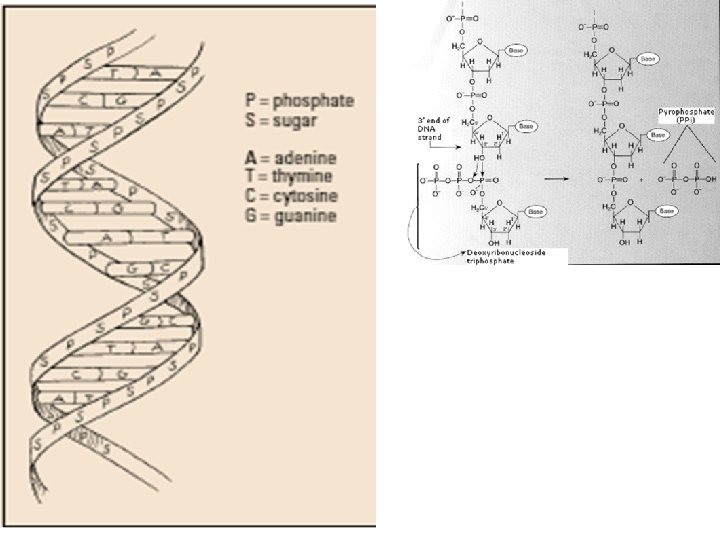
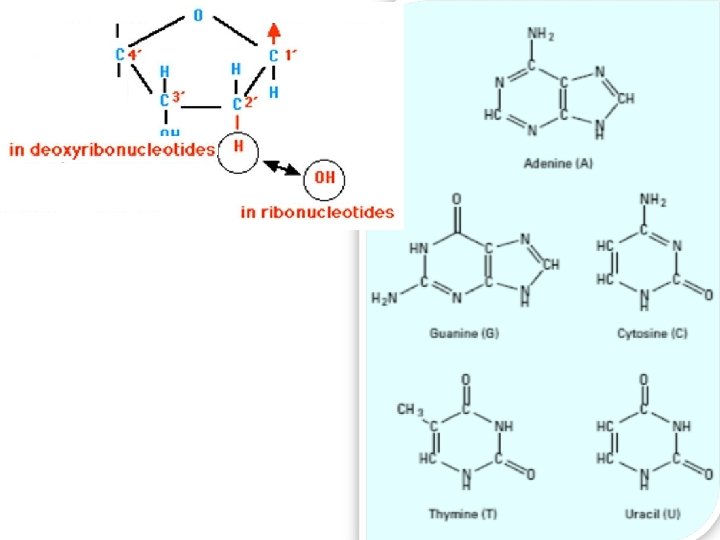
base pair (bp) The two strands that constitute DNA are held together by specific hydrogen bonding between purines and pyrimidines (A pairs with T; and G pairs with C). The size of a nucleic acid molecule is often described in terms of the number of base pairs (symbol: bp) or thousand base pairs (kilobase pairs; symbol: kb; a more convenient unit) it contains. : ﺯﻭﺝ ﺍﻟﻘﺎﻋﺪﺓ ﺧﻴﻄﺎ ﺍﻟﺤﻤﺾ ﺍﻟﻨﻮﻭﻱ ﺍﻟﺮﻳﺒﻲ ﻳﺮﺗﺒﻄﺎﻥ ﺑﺮﻭﺍﺑﻂ ﻫﻴﺪﺭﻭﺟﻴﻨﻴﺔ ﺑﻴﻦ ﺍﻟﺒﻴﻮﺭﻳﻨﺎﺕ . ﻳﻮﺻﻒ ﺟﺰﻳﺊ ﺍﻟﺤﻤﺾ C ﻣﻊ G ﻭ T ﻣﻊ A ﻭﺍﻟﺒﻴﺮﻳﻤﻴﺪﻳﻨﺎﺕ ﺣﻴﺚ ﻳﺮﺗﺒﻂ ﻼﻑ ﻣﻦ ﺃﺰﻭﺍﺝ ( ﺃﻮ آ bp) ﺍﻟﻨﻮﻭﻱ ﻋﺎﺩﺓ ﺑﻌﺪﺩ ﺃﺰﻭﺍﺝ ﺍﻟﻘﺎﻋﺪﺓ ﻭﻳﺮﻣﺰ ﻟﻪ ( ﺍﻟﺘﻲ ﺗﺤﺘﻮﻳﻬﺎ kilobase pairs< kb>) ﺍﻟﻘﻮﺍﻋﺪ ﻛﻴﻠﻮ ﻗﺎﻋﺪﺓ
Biodegradable Capable of being broken down by living organisms, usually used in reference to artificial organic compounds such as pesticides. ﻗﺎﺑﻠﻴﺔ ﺍﻟﺘﻜﺴﻴﺮ ﺑﻴﻮﻟﻮﺟﻴﺎ ﺍﻟﻘﺪﺭﺓ ﻋﻠﻰ ﺍﻟﺘﺤﻠﻞ ﺑﻮﺍﺳﻄﺔ ﺍﻟﻜﺎﺋﻨﺎﺕ ﺍﻟﺤﻴﺔ – ﻏﺎﻟﺒﺎ ﻣﺎ ﺗﺴﺘﺨﺪﻡ ﻓﻰ . ﺣﺎﻻﺕ ﺗﻜﺴﻴﺮ ﺍﻟﻤﻮﺍﺩ ﺍﻟﻌﻀﻮﻳﺔ ﺍﻟﺼﻨﺎﻋﻴﺔ ﻣﺜﻞ ﺍﻟﻤﺒﻴﺪﺍﺕ
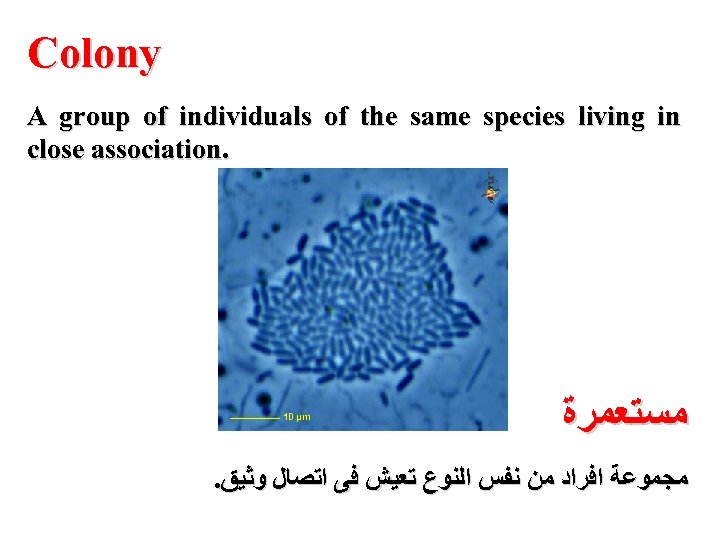
Colony A group of individuals of the same species living in close association. ﻣﺴﺘﻌﻤﺮﺓ . ﻣﺠﻤﻮﻋﺔ ﺍﻓﺮﺍﺩ ﻣﻦ ﻧﻔﺲ ﺍﻟﻨﻮﻉ ﺗﻌﻴﺶ ﻓﻰ ﺍﺗﺼﺎﻝ ﻭﺛﻴﻖ
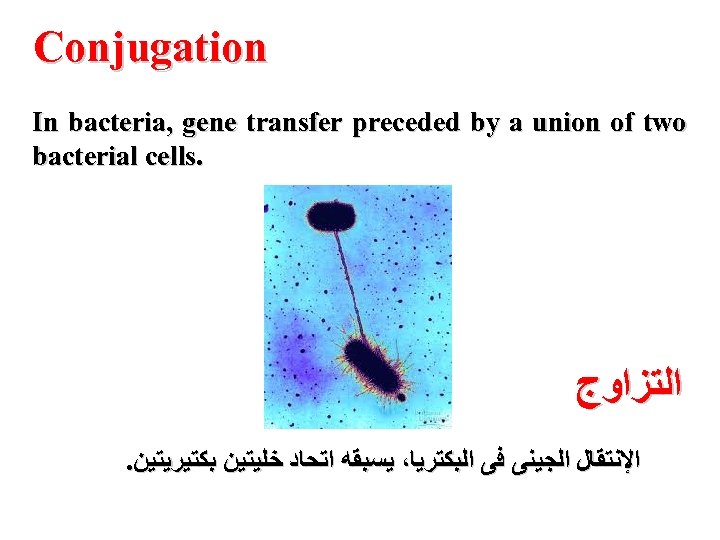
Conjugation In bacteria, gene transfer preceded by a union of two bacterial cells. ﺍﻟﺘﺰﺍﻭﺝ . ﺍﻹﻧﺘﻘﺎﻝ ﺍﻟﺠﻴﻨﻰ ﻓﻰ ﺍﻟﺒﻜﺘﺮﻳﺎ، ﻳﺴﺒﻘﻪ ﺍﺗﺤﺎﺩ ﺧﻠﻴﺘﻴﻦ ﺑﻜﺘﻴﺮﻳﺘﻴﻦ
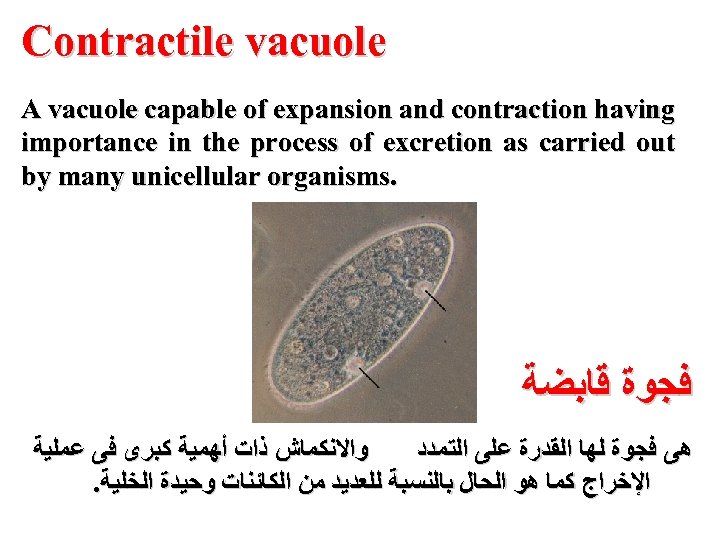
Contractile vacuole A vacuole capable of expansion and contraction having importance in the process of excretion as carried out by many unicellular organisms. ﻓﺠﻮﺓ ﻗﺎﺑﻀﺔ ﻭﺍﻻﻧﻜﻤﺎﺵ ﺫﺍﺕ ﺃﻬﻤﻴﺔ ﻛﺒﺮﻯ ﻓﻰ ﻋﻤﻠﻴﺔ ﻫﻰ ﻓﺠﻮﺓ ﻟﻬﺎ ﺍﻟﻘﺪﺭﺓ ﻋﻠﻰ ﺍﻟﺘﻤﺪﺩ . ﺍﻹﺧﺮﺍﺝ ﻛﻤﺎ ﻫﻮ ﺍﻟﺤﺎﻝ ﺑﺎﻟﻨﺴﺒﺔ ﻟﻠﻌﺪﻳﺪ ﻣﻦ ﺍﻟﻜﺎﺋﻨﺎﺕ ﻭﺣﻴﺪﺓ ﺍﻟﺨﻠﻴﺔ
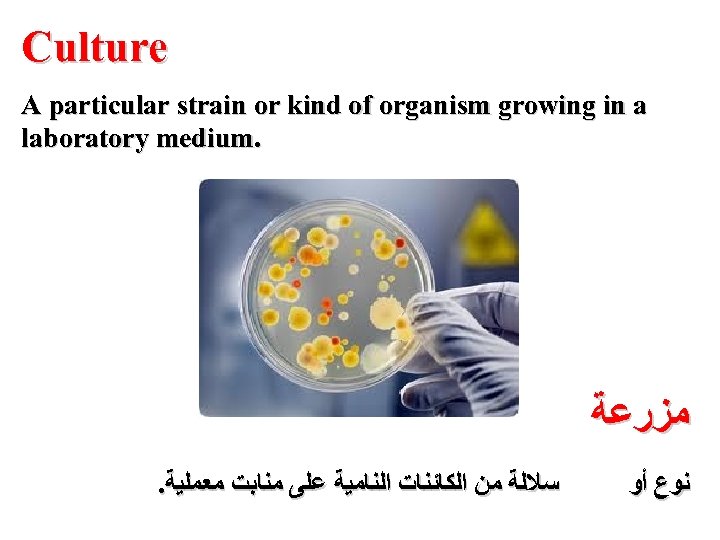
Culture A particular strain or kind of organism growing in a laboratory medium. ﻣﺰﺭﻋﺔ . ﺳﻼﻟﺔ ﻣﻦ ﺍﻟﻜﺎﺋﻨﺎﺕ ﺍﻟﻨﺎﻣﻴﺔ ﻋﻠﻰ ﻣﻨﺎﺑﺖ ﻣﻌﻤﻠﻴﺔ ﻧﻮﻉ ﺃﻮ
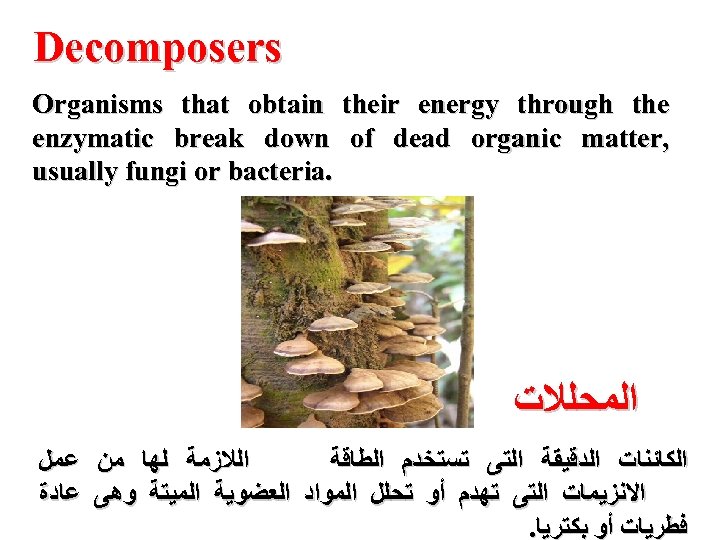
Decomposers Organisms that obtain their energy through the , enzymatic break down of dead organic matter . usually fungi or bacteria ﺍﻟﻤﺤﻠﻼﺕ ﺍﻟﻼﺯﻣﺔ ﻟﻬﺎ ﻣﻦ ﻋﻤﻞ ﺍﻟﻜﺎﺋﻨﺎﺕ ﺍﻟﺪﻗﻴﻘﺔ ﺍﻟﺘﻰ ﺗﺴﺘﺨﺪﻡ ﺍﻟﻄﺎﻗﺔ ﺍﻻﻧﺰﻳﻤﺎﺕ ﺍﻟﺘﻰ ﺗﻬﺪﻡ ﺃﻮ ﺗﺤﻠﻞ ﺍﻟﻤﻮﺍﺩ ﺍﻟﻌﻀﻮﻳﺔ ﺍﻟﻤﻴﺘﺔ ﻭﻫﻰ ﻋﺎﺩﺓ ﻓﻄﺮﻳﺎﺕ ﺃﻮ ﺑﻜﺘﺮﻳﺎ.
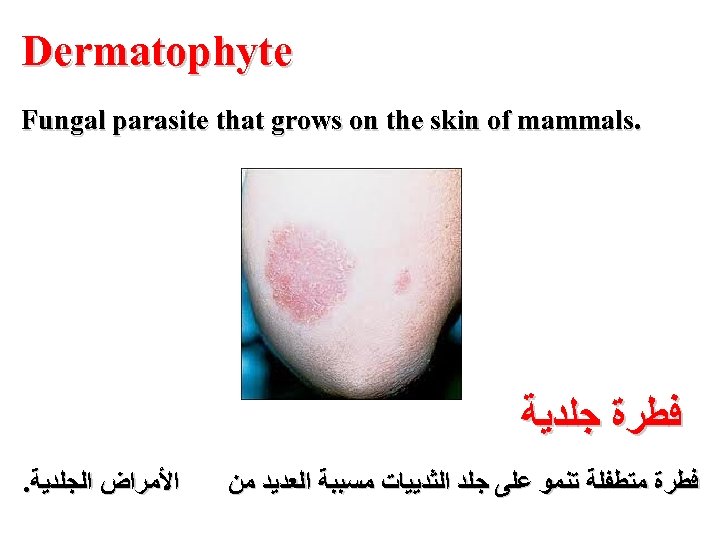
Dermatophyte . Fungal parasite that grows on the skin of mammals ﻓﻄﺮﺓ ﺟﻠﺪﻳﺔ ﻓﻄﺮﺓ ﻣﺘﻄﻔﻠﺔ ﺗﻨﻤﻮ ﻋﻠﻰ ﺟﻠﺪ ﺍﻟﺜﺪﻳﻴﺎﺕ ﻣﺴﺒﺒﺔ ﺍﻟﻌﺪﻳﺪ ﻣﻦ ﺍﻷﻤﺮﺍﺽ ﺍﻟﺠﻠﺪﻳﺔ.
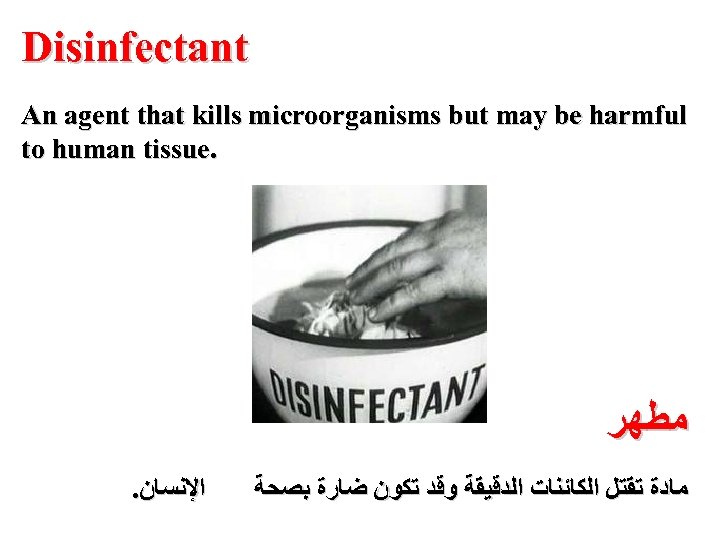
Disinfectant An agent that kills microorganisms but may be harmful to human tissue. ﻣﻄﻬﺮ . ﺍﻹﻧﺴﺎﻥ ﻣﺎﺩﺓ ﺗﻘﺘﻞ ﺍﻟﻜﺎﺋﻨﺎﺕ ﺍﻟﺪﻗﻴﻘﺔ ﻭﻗﺪ ﺗﻜﻮﻥ ﺿﺎﺭﺓ ﺑﺼﺤﺔ
Dormancy A condition in which the life processes are slowed down, usually for the purpose of temporary surviving. ﺍﻟﻜﻤﻮﻥ ﺍﻹﺑﻘﺎﺀ ﻋﻠﻰ ﺣﺎﻟﺔ ﺍﻟﺮﻛﻮﺩ ﺃﻮ ﺍﻟﺒﻄﺀ ﺍﻟﺸﺪﻳﺪ ﻓﻰ ﺍﻟﻌﻤﻠﻴﺎﺕ ﺍﻟﺤﻴﻮﻳﺔ ﺑﻐﺮﺽ . ﺍﻟﺤﻴﺎﺓ ﻣﻮﻗﺘﺎ
Endemic A disease that is constantly present in low numbers in a population. ( ﻣﺴﺘﻮﻃﻦ )ﻣﺘﻮﻃﻦ . ﻣﺮﺽ ﻳﺘﻮﺍﺟﺪ ﺩﺍﺋﻤﺎ ﺑﺄﻌﺪﺍﺩ ﻗﻠﻴﻠﺔ ﺑﻴﻦ ﺍﻟﺴﻜﺎﻥ

Epidemic A disease occurring in an unusual number of individuals in a community at the same time. ﻭﺑﺎﺋﻰ . ﻣﺮﺽ ﻳﺤﺪﺙ ﻭﻳﻨﺘﺸﺮ ﺑﻴﻦ ﺃﻌﺪﺍﺩ ﻛﺒﻴﺮﺓ ﻣﻦ ﺃﻔﺮﺍﺩ ﺍﻟﻤﺠﺘﻤﻊ ﻓﻰ ﻭﻗﺖ ﻭﺍﺣﺪ
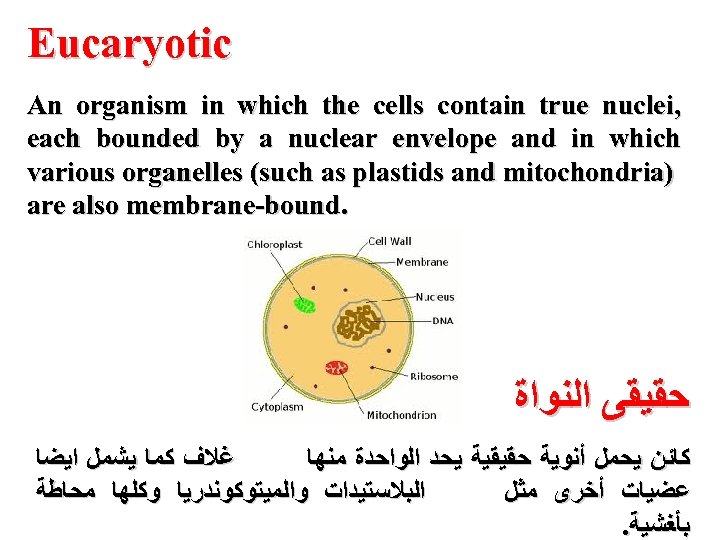
Eucaryotic An organism in which the cells contain true nuclei, each bounded by a nuclear envelope and in which various organelles (such as plastids and mitochondria) are also membrane-bound. ﺣﻘﻴﻘﻰ ﺍﻟﻨﻮﺍﺓ ﻏﻼﻑ ﻛﻤﺎ ﻳﺸﻤﻞ ﺍﻳﻀﺎ ﻛﺎﺋﻦ ﻳﺤﻤﻞ ﺃﻨﻮﻳﺔ ﺣﻘﻴﻘﻴﺔ ﻳﺤﺪ ﺍﻟﻮﺍﺣﺪﺓ ﻣﻨﻬﺎ ﺍﻟﺒﻼﺳﺘﻴﺪﺍﺕ ﻭﺍﻟﻤﻴﺘﻮﻛﻮﻧﺪﺭﻳﺎ ﻭﻛﻠﻬﺎ ﻣﺤﺎﻃﺔ ﻋﻀﻴﺎﺕ ﺃﺨﺮﻯ ﻣﺜﻞ . ﺑﺄﻐﺸﻴﺔ
Exotoxin A toxin released extracellularly. ﺳﻢ ﺧﺎﺭﺟﻰ . ﺧﻼﻳﺎ ﺍﻟﻜﺎﺋﻦ ﺍﻟﺤﻰ ﺳﻢ ﻳﻔﺮﺯ ﺧﺎﺭﺝ
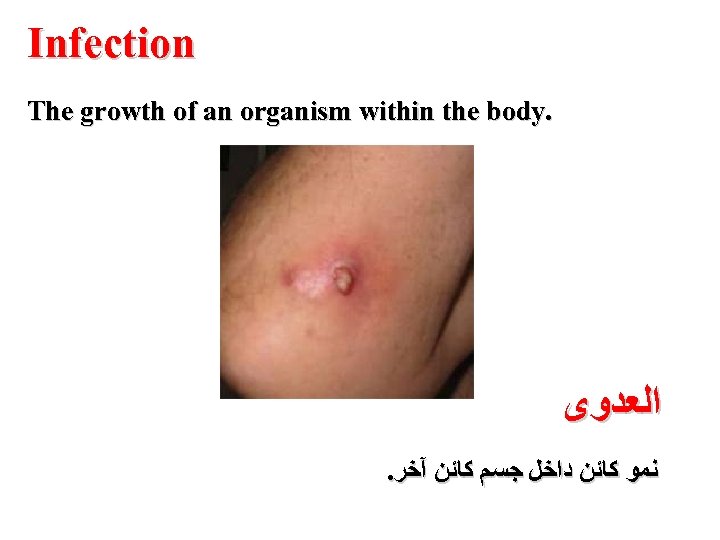
Infection The growth of an organism within the body. ﺍﻟﻌﺪﻭﻯ . ﻧﻤﻮ ﻛﺎﺋﻦ ﺩﺍﺧﻞ ﺟﺴﻢ ﻛﺎﺋﻦ آﺨﺮ
Inhibition Prevention of growth or function. ﺍﻟﺘﺜﺒﻴﻂ . ﻭﻗﻒ ﺍﻟﻨﻤﻮ ﺃﻮ ﺍﻟﻮﻇﻴﻔﺔ
Inhibitor A substance that inhibits a process. ﺛﺒﻂ . ﻣﺎﺩﺓ ﺗﻘﻠﻞ ﻣﻦ ﻣﻌﺪﻝ ﺃﻰ ﻋﻤﻠﻴﺔ
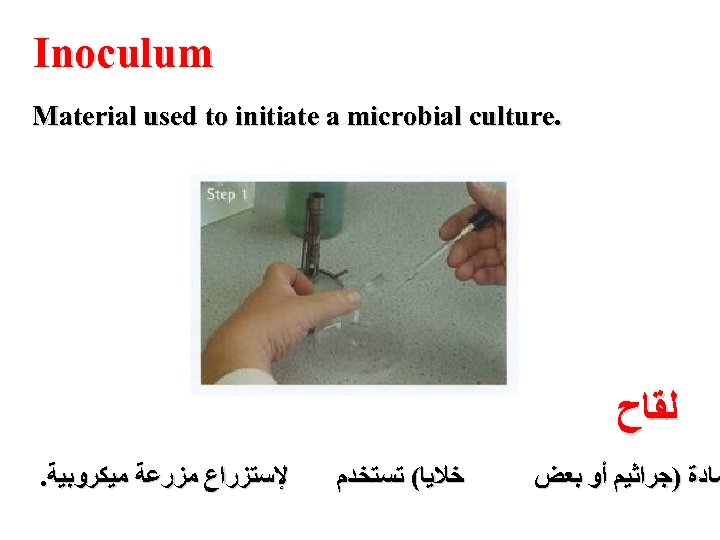
Inoculum . Material used to initiate a microbial culture ﻟﻘﺎﺡ ﻣﺎﺩﺓ )ﺟﺮﺍﺛﻴﻢ ﺃﻮ ﺑﻌﺾ ﺧﻼﻳﺎ( ﺗﺴﺘﺨﺪﻡ ﻹﺳﺘﺰﺭﺍﻉ ﻣﺰﺭﻋﺔ ﻣﻴﻜﺮﻭﺑﻴﺔ.
In vitro All of the experiments are conducted outside the body of any organism, occurring in an artificial environment. ﺧﺎﺭﺝ ﺍﻟﺠﺴﻢ ﺍﻟﺤﻰ . ﻛﻞ ﻣﺎ ﻳﺘﻢ ﺇﺟﺮﺍﺅﻪ ﻣﻦ ﺗﺠﺎﺭﺏ ﺧﺎﺭﺝ ﺟﺴﻢ ﺍﻟﻜﺎﺋﻦ ﺍﻟﺤﻰ ﺃﻰ ﻓﻰ ﻭﺳﻂ ﺻﻨﺎﻋﻰ
In vivo All of the experiments conducted in the living cells, within the living body of an organism. ﺩﺍﺧﻞ ﺍﻟﺠﺴﻢ ﺍﻟﺤﻰ . ﺍﻟﺨﻼﻳﺎ ﺍﻟﺤﻴﺔ ﺃﻮ ﺩﺍﺧﻞ ﺟﺴﻢ ﺃﻰ ﻛﺎﺋﻦ ﺟﺮﻯ ﻣﻦ ﺗﺠﺎﺭﺏ ﻋﻠﻰ ﻛﻞ ﻣﺎ
Mutation A sudden inheritable change in the phenotype of an organism. ﺍﻟﺘﻄﻔﺮ . ﺗﻐﻴﻴﺮ ﻭﺭﺍﺛﻰ ﻣﻔﺎﺟﺊ ﻓﻰ ﺍﻟﻄﺮﺍﺯ ﺍﻟﻤﻈﻬﺮﻯ ﻟﻰ ﻛﺎﺋﻦ
Mycosis Any disease induced by a fungus. ﻣﺮﺽ ﻓﻄﺮﻯ . ﺃﻰ ﻣﺮﺽ ﻳﺴﺒﺒﻪ ﺃﺤﺪ ﺍﻟﻔﻄﺮﻳﺎﺕ
Mycotoxins Organic substances produced by some fungi that are toxic to other organisms. ﻣﻴﺎﺕ ﻓﻄﺮﻳﺔ . ﺍﻷﺨﺮﻯ ﻣﻮﺍﺩ ﻋﻀﻮﻳﺔ ﺗﻨﺘﺠﻬﺎ ﺑﻌﺾ ﺍﻟﻔﻄﺮﻳﺎﺕ ﻭﺗﻌﺘﺒﺮ ﺳﺎﻣﺔ ﻟﻠﻜﺎﺋﻨﺎﺕ
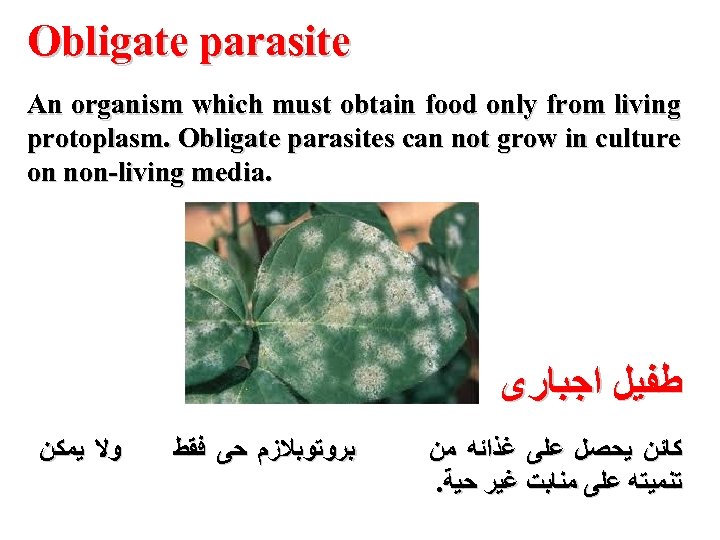
Obligate parasite An organism which must obtain food only from living protoplasm. Obligate parasites can not grow in culture on non-living media. ﻃﻔﻴﻞ ﺍﺟﺒﺎﺭﻯ ﻭﻻ ﻳﻤﻜﻦ ﺑﺮﻭﺗﻮﺑﻼﺯﻡ ﺣﻰ ﻓﻘﻂ ﻛﺎﺋﻦ ﻳﺤﺼﻞ ﻋﻠﻰ ﻏﺬﺍﺋﻪ ﻣﻦ . ﺗﻨﻤﻴﺘﻪ ﻋﻠﻰ ﻣﻨﺎﺑﺖ ﻏﻴﺮ ﺣﻴﺔ
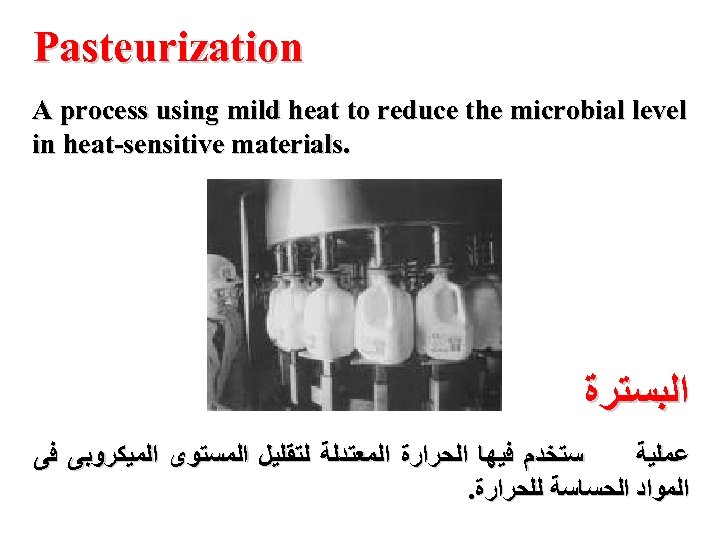
Pasteurization A process using mild heat to reduce the microbial level in heat-sensitive materials. ﺍﻟﺒﺴﺘﺮﺓ ﺳﺘﺨﺪﻡ ﻓﻴﻬﺎ ﺍﻟﺤﺮﺍﺭﺓ ﺍﻟﻤﻌﺘﺪﻟﺔ ﻟﺘﻘﻠﻴﻞ ﺍﻟﻤﺴﺘﻮﻯ ﺍﻟﻤﻴﻜﺮﻭﺑﻰ ﻓﻰ ﻋﻤﻠﻴﺔ . ﺍﻟﻤﻮﺍﺩ ﺍﻟﺤﺴﺎﺳﺔ ﻟﻠﺤﺮﺍﺭﺓ
Pathogen An organism able to inflect damage on a host it infects. ﺍﻟﻣﺮﺽ . ﻛﺎﺋﻦ ﻟﺪﻳﻪ ﺍﻟﻘﺪﺭﺓ ﻋﻠﻰ ﺇﺣﺪﺍﺙ ﺍﻟﺘﻠﻒ ﻓﻰ ﺍﻟﻌﺎﺋﻞ ﺍﻟﺬﻯ ﻳﺼﻴﺒﻪ
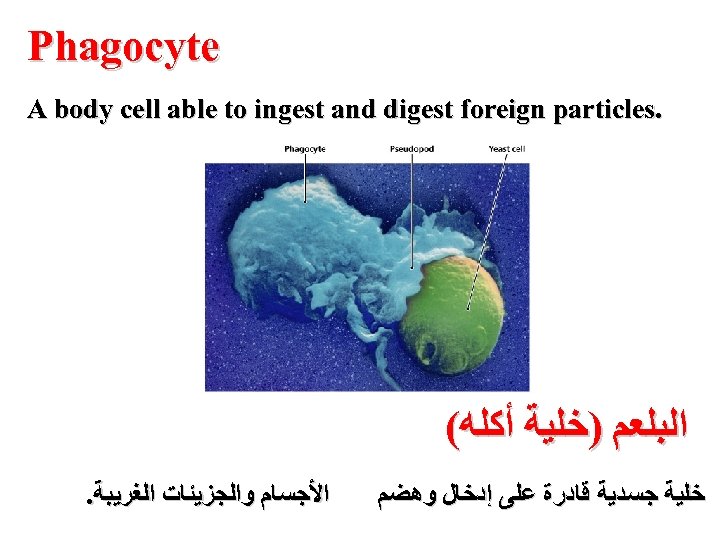
Phagocyte . A body cell able to ingest and digest foreign particles ﺍﻟﺒﻠﻌﻢ )ﺧﻠﻴﺔ ﺃﻜﻠﻪ( ﺧﻠﻴﺔ ﺟﺴﺪﻳﺔ ﻗﺎﺩﺭﺓ ﻋﻠﻰ ﺇﺩﺧﺎﻝ ﻭﻫﻀﻢ ﺍﻷﺠﺴﺎﻡ ﻭﺍﻟﺠﺰﻳﺌﺎﺕ ﺍﻟﻐﺮﻳﺒﺔ.
Phagocytosis Process of engulfing of food such as bacteria or other cells by another cell; a common practice in protozoa. ﺍﻟﺒﻠﻌﻤﺔ ﺍﻷﺨﺮﻯ ﺍﻟﺨﻼﻳﺎ . ﺍﻻﻭﻟﻴﺎﺕ ﺇﺑﺘﻼﻉ ﺍﻟﻐﺬﺍﺀ ﻣﺜﻞ ﺍﻟﺒﻜﺘﺮﻳﺎ ﺃﻮ ﻋﻤﻠﻴﺔ ﺑﻮﺍﺳﻄﺔ ﺧﻠﻴﺔ ﺃﺨﺮﻯ. ﻭﻫﻰ ﻋﻤﻠﻴﺔ ﺷﺎﺋﻌﺔ ﺑﻴﻦ
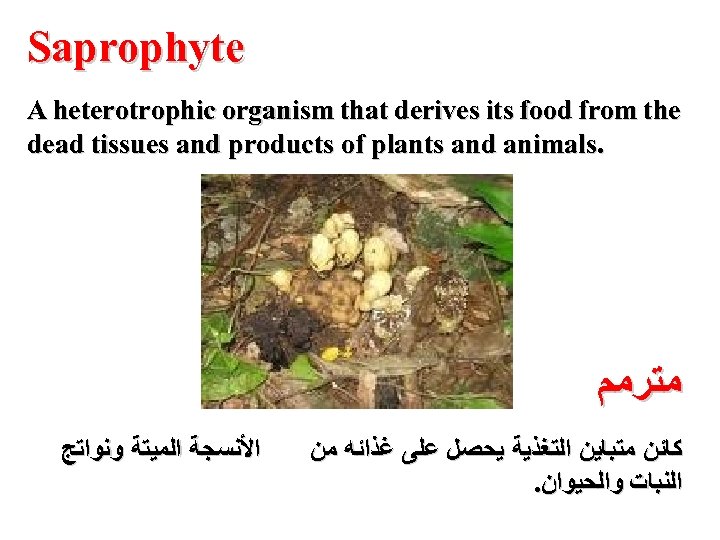
Saprophyte A heterotrophic organism that derives its food from the dead tissues and products of plants and animals. ﻣﺘﺮﻣﻢ ﺍﻷﻨﺴﺠﺔ ﺍﻟﻤﻴﺘﺔ ﻭﻧﻮﺍﺗﺞ ﻛﺎﺋﻦ ﻣﺘﺒﺎﻳﻦ ﺍﻟﺘﻐﺬﻳﺔ ﻳﺤﺼﻞ ﻋﻠﻰ ﻏﺬﺍﺋﻪ ﻣﻦ . ﺍﻟﻨﺒﺎﺕ ﻭﺍﻟﺤﻴﻮﺍﻥ
Sterile Free of living organisms. ﻋﻘﻴﻢ ﺧﺎﻟﻰ ﻣﻦ ﺍﻟﻜﺎﺋﻨﺎﺕ ﺍﻟﺤﻴﺔ
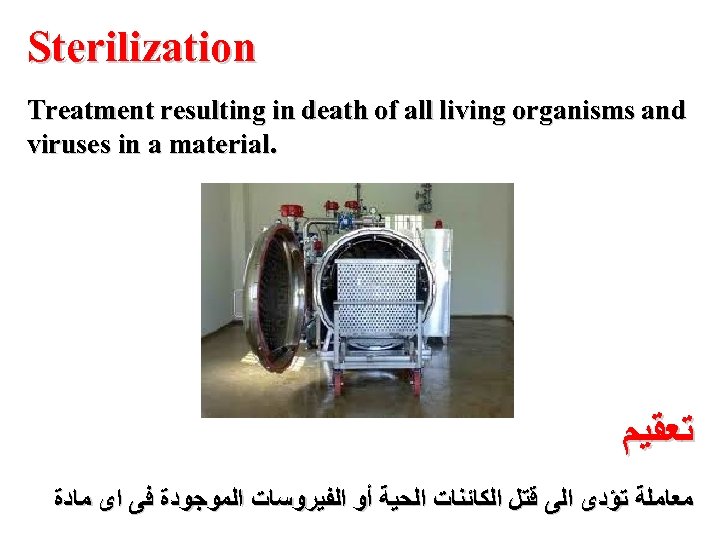
Sterilization Treatment resulting in death of all living organisms and viruses in a material. ﺗﻌﻘﻴﻢ ﻣﻌﺎﻣﻠﺔ ﺗﺆﺪﻯ ﺍﻟﻰ ﻗﺘﻞ ﺍﻟﻜﺎﺋﻨﺎﺕ ﺍﻟﺤﻴﺔ ﺃﻮ ﺍﻟﻔﻴﺮﻭﺳﺎﺕ ﺍﻟﻤﻮﺟﻮﺩﺓ ﻓﻰ ﺍﻯ ﻣﺎﺩﺓ
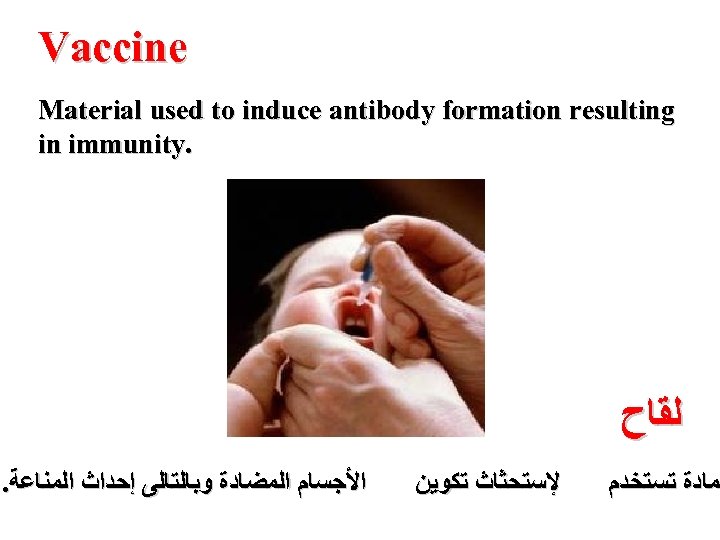
Vaccine Material used to induce antibody formation resulting in immunity. ﻟﻘﺎﺡ . ﺍﻷﺠﺴﺎﻡ ﺍﻟﻤﻀﺎﺩﺓ ﻭﺑﺎﻟﺘﺎﻟﻰ ﺇﺣﺪﺍﺙ ﺍﻟﻤﻨﺎﻋﺔ ﻹﺳﺘﺤﺜﺎﺙ ﺗﻜﻮﻳﻦ ﻣﺎﺩﺓ ﺗﺴﺘﺨﺪﻡ
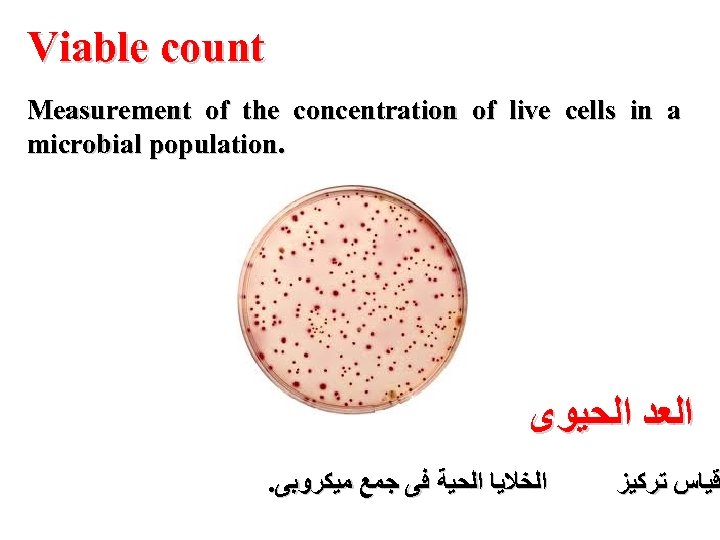
Viable count Measurement of the concentration of live cells in a microbial population. ﺍﻟﻌﺪ ﺍﻟﺤﻴﻮﻯ . ﺍﻟﺨﻼﻳﺎ ﺍﻟﺤﻴﺔ ﻓﻰ ﺟﻤﻊ ﻣﻴﻜﺮﻭﺑﻰ ﻗﻴﺎﺱ ﺗﺮﻛﻴﺰ
Скачать презентацию ﻗﺮﺍﺀﺍﺕ ﻭﻣﺼﻄﻠﺤﺎﺕ ﻟﻐﻮﻳﺔ ﺗﺨﺼﺼﻴﺔ e A
729d6ca7f6c6598c1261b09c2440c59f.ppt