 Скачать презентацию 中国的野生动 物及其保护 蒋志刚 中国科学院动物研究所 1 提纲 中国的生物地理环
ff241755448fc0e0c7a5371829efb815.ppt
- Количество слайдов: 96




中国的野生动 物及其保护 蒋志刚 中国科学院动物研究所 1

提纲 中国的生物地理环 境与野生生物 中国的生物多样 性特征 物种保护项 自然保护 区 野生生物的贸 易 2
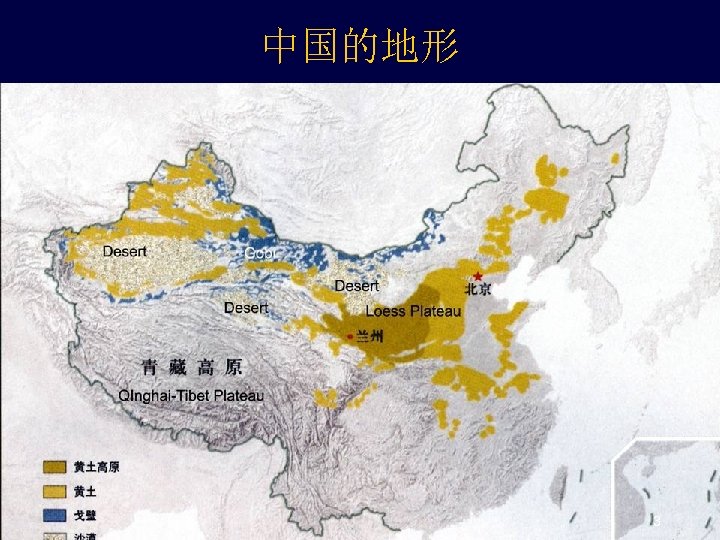
中国的地形 3
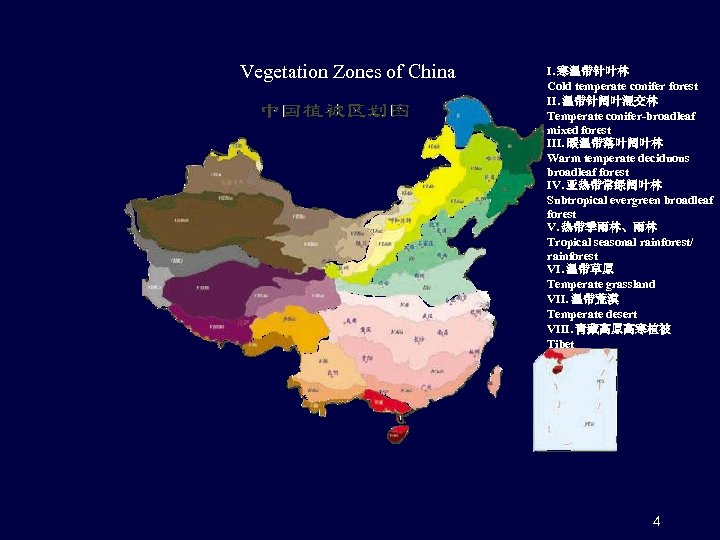
Vegetation Zones of China I. 寒温带针叶林 Cold temperate conifer forest II. 温带针阔叶混交林 Temperate conifer-broadleaf mixed forest III. 暖温带落叶阔叶林 Warm temperate deciduous broadleaf forest IV. 亚热带常绿阔叶林 Subtropical evergreen broadleaf forest V. 热带季雨林、雨林 Tropical seasonal rainforest/ rainforest VI. 温带草原 Temperate grassland VII. 温带荒漠 Temperate desert VIII. 青藏高原高寒植被 Tibet 4
中国的植物区系与动物区系由古北界与 东洋界组成。古北界与东洋界的分界线 大致位于秦岭与淮河。东洋界位于秦岭 与淮河以南和喜马拉雅山以东。中国的 国土面积辽阔、地形复杂、气候多样, 为众多的野生生物物种提供了生境,中 国拥有丰富的生物多样性. 5
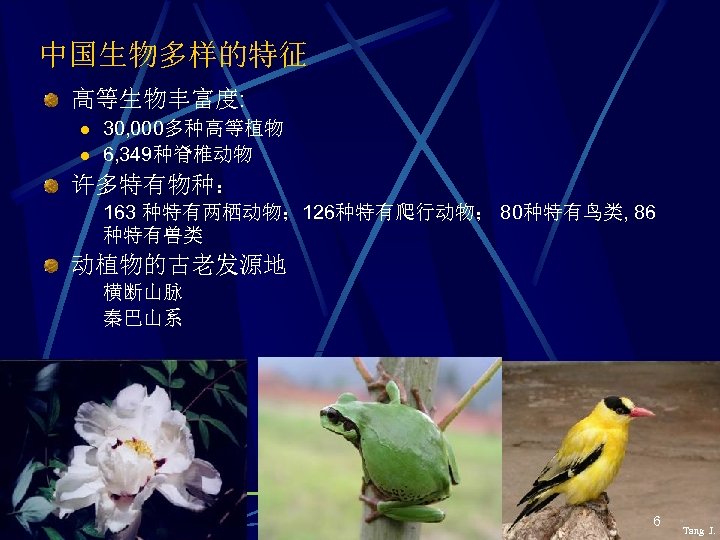
中国生物多样的特征 高等生物丰富度: l l 30, 000多种高等植物 6, 349种脊椎动物 许多特有物种: 163 种特有两栖动物; 126种特有爬行动物; 80种特有鸟类, 86 种特有兽类 动植物的古老发源地 横断山脉 秦巴山系 6 Tang J.
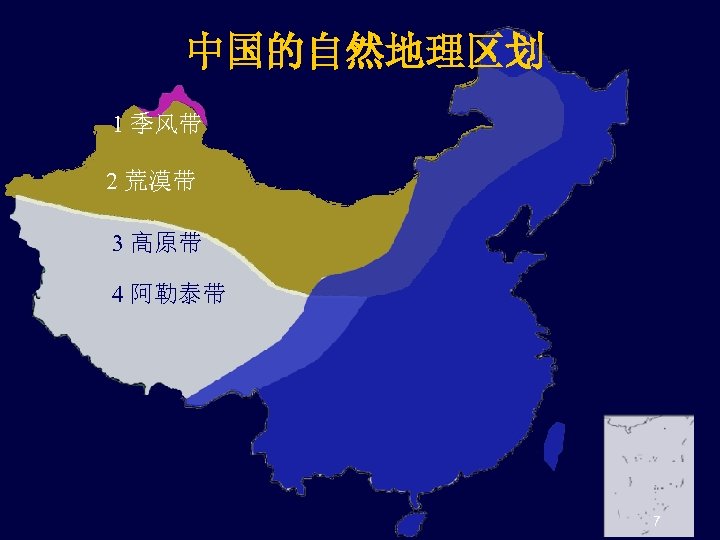
中国的自然地理区划 1 季风带 2 荒漠带 3 高原带 4 阿勒泰带 7
季风带的野生生物 中国的东部是横跨 35度维度的季风带。 由于季风的影响, 这一地理带的气候特 征为夏季炎热、冬季南北方气温相差悬殊 的潮湿气候。 季风带的野生生物主要为耐湿的动植物, 除了本地理带相对干旱的地区如东北的西 部和华北平原。本地理带的干旱区为荒漠 动植物的扩散通道。 8
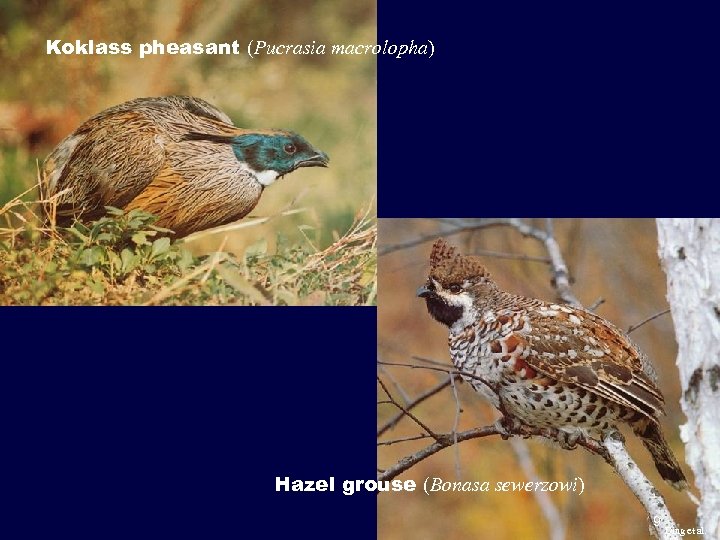
Koklass pheasant (Pucrasia macrolopha) Hazel grouse (Bonasa sewerzowi) 9 Ding et al.
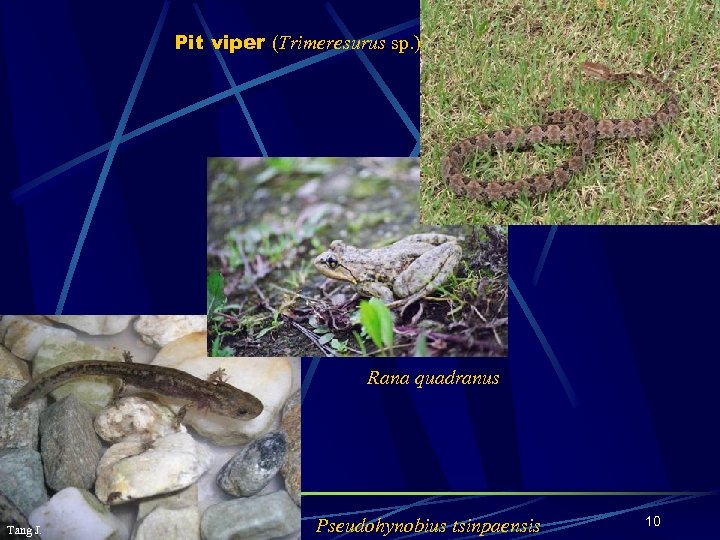
Pit viper (Trimeresurus sp. ) Rana quadranus Tang J. Pseudohynobius tsinpaensis 10
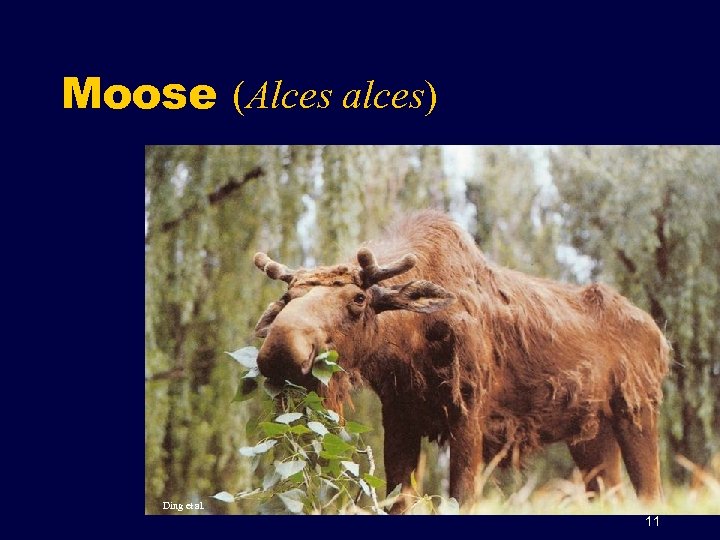
Moose (Alces alces) Ding et al. 11
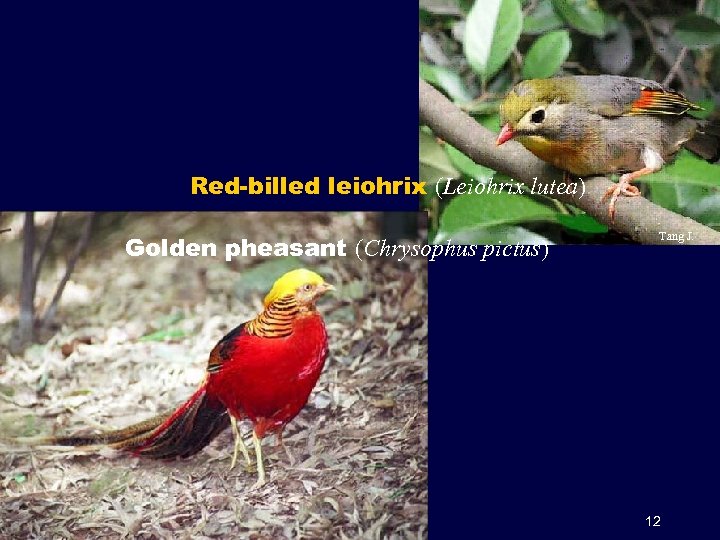
Red-billed leiohrix (Leiohrix lutea) Golden pheasant (Chrysophus pictus) Tang J. 12
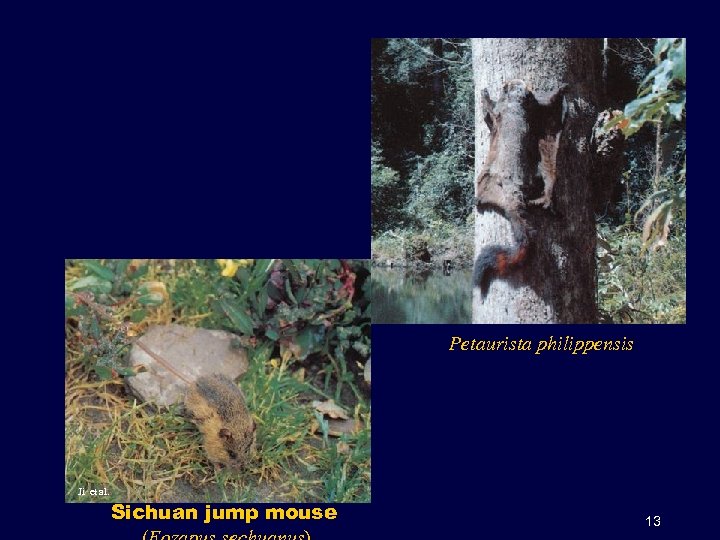
Petaurista philippensis Ji et al. Sichuan jump mouse 13
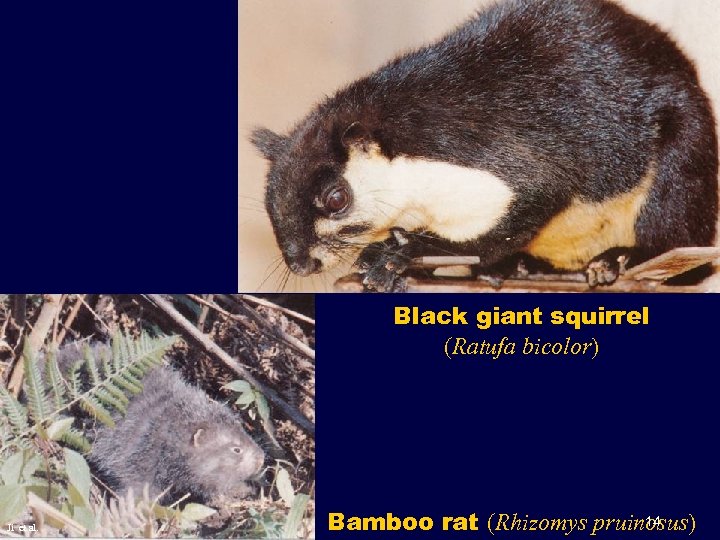
Black giant squirrel (Ratufa bicolor) Ji et al. 14 Bamboo rat (Rhizomys pruinosus)
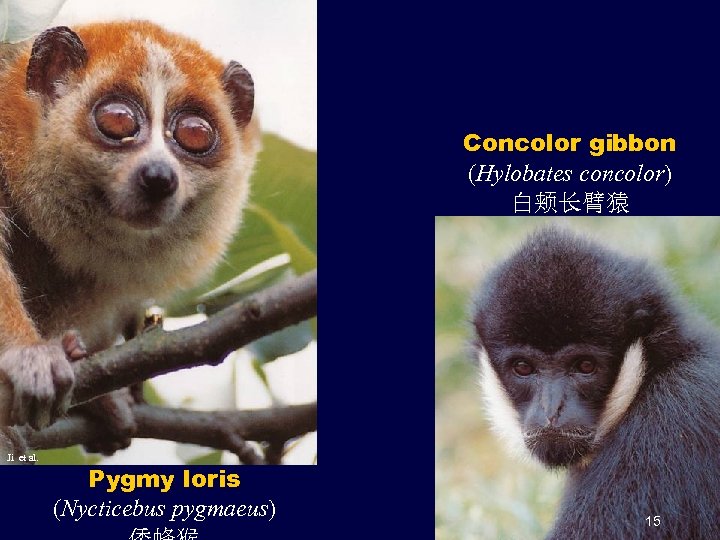
Concolor gibbon (Hylobates concolor) 白颊长臂猿 Ji et al. Pygmy loris (Nycticebus pygmaeus) 15
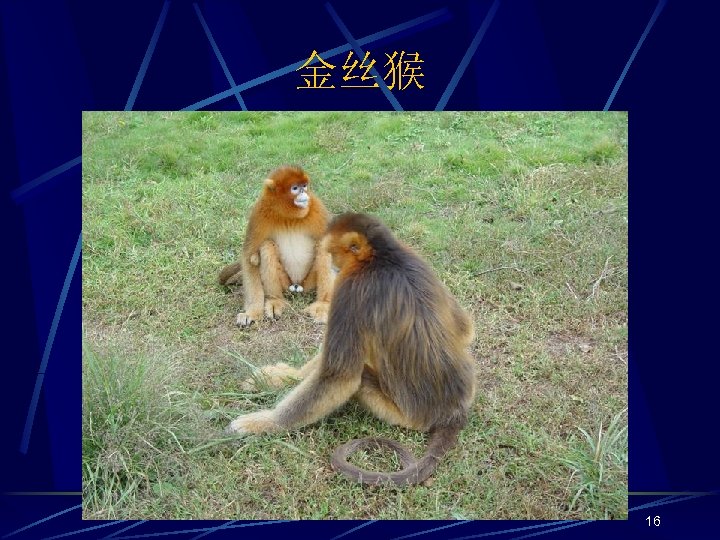
金丝猴 16
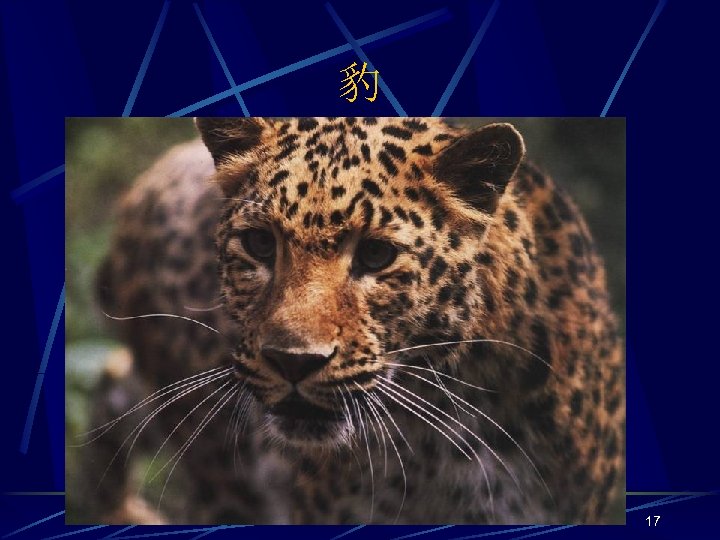
豹 17
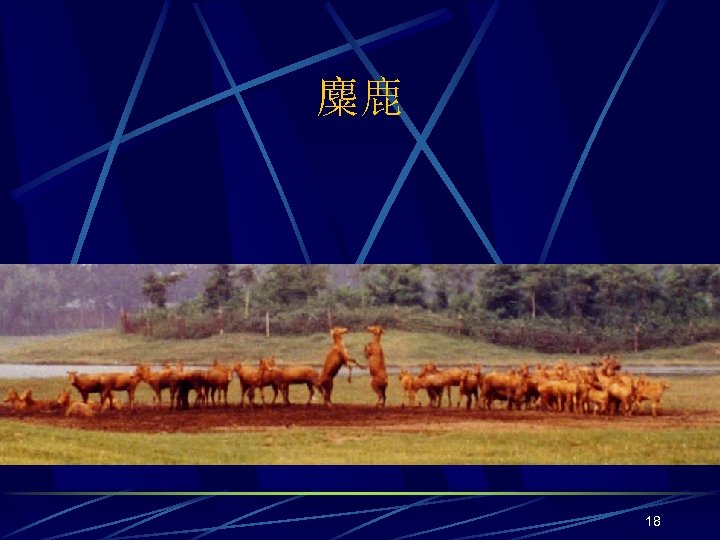
麋鹿 18
荒漠带的野生动物 中国荒漠带的东南部是半干旱区,年降雨量不 到 450 mm, 中国荒漠带的东北部是干旱区或极 度干旱区,年降雨量不到 150 mm,甚至更少. 中国荒漠带东南部的植被为草原而东北部是戈 壁荒漠植被. 在本地理区湿度对野生动物的影响比温度的影 响更强烈. 本干旱区是喜湿动物扩散的天然屏障。两栖动 物仅在本区的绿洲和湿地发现. 19
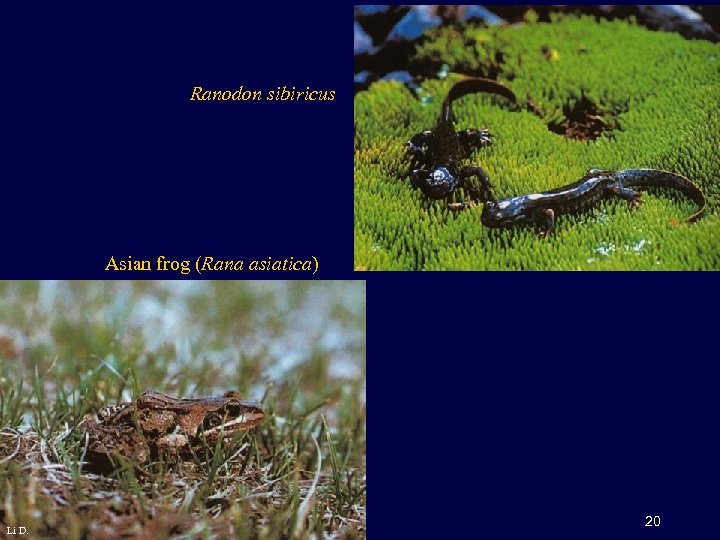
Ranodon sibiricus Asian frog (Rana asiatica) Li D. 20
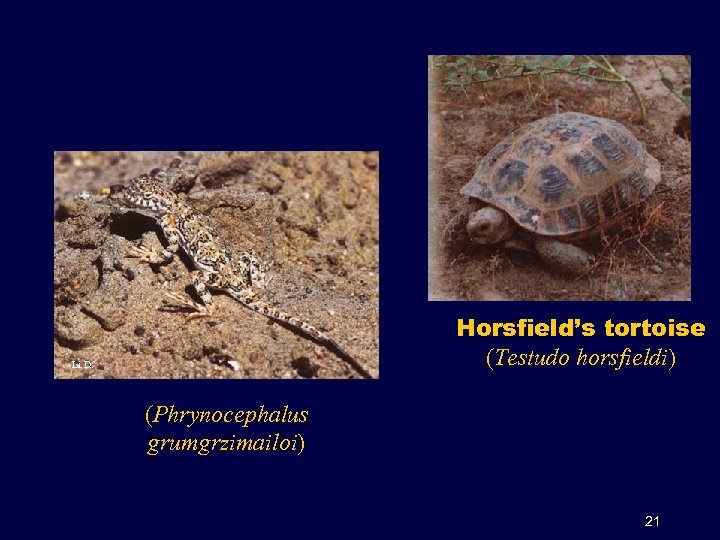
Horsfield’s tortoise (Testudo horsfieldi) Li D. (Phrynocephalus grumgrzimailoi) 21
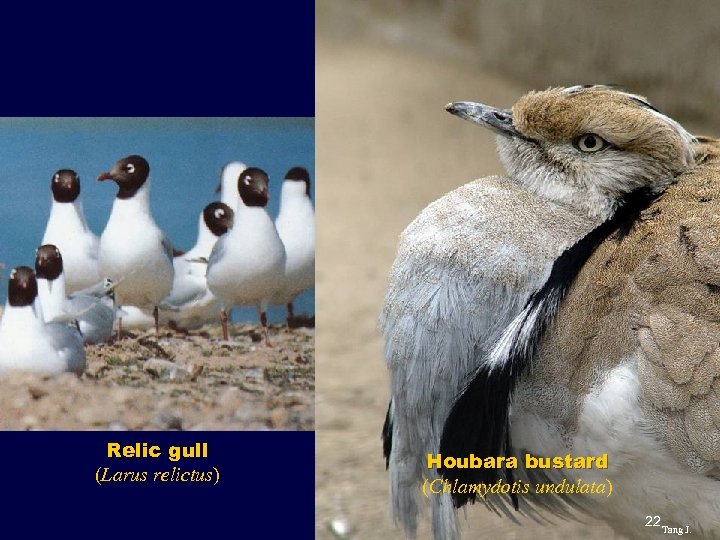
Relic gull (Larus relictus) Houbara bustard (Chlamydotis undulata) 22 Tang J.
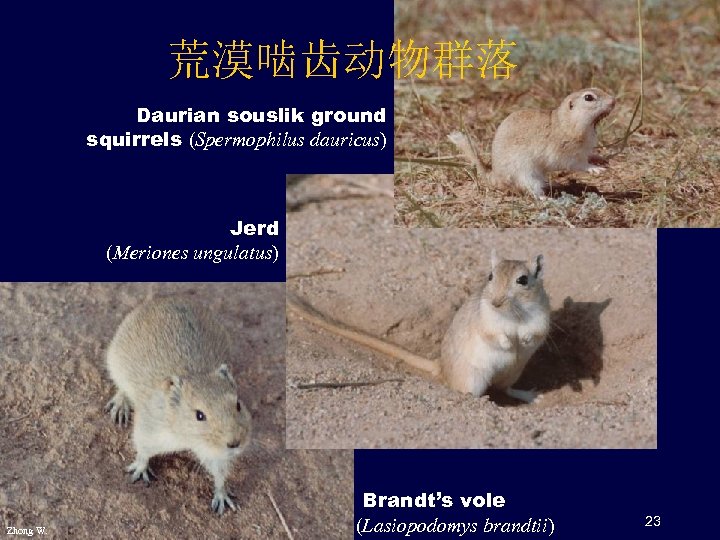
荒漠啮齿动物群落 Daurian souslik ground squirrels (Spermophilus dauricus) Jerd (Meriones ungulatus) Zhong W. Brandt’s vole (Lasiopodomys brandtii) 23
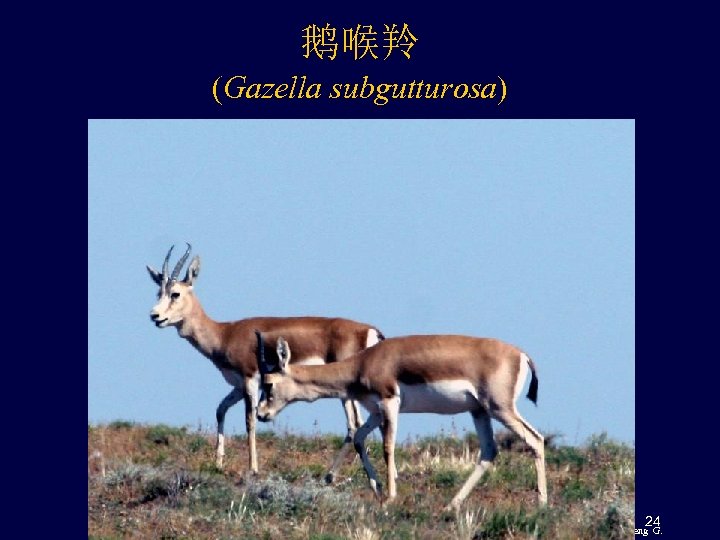
鹅喉羚 (Gazella subgutturosa) 24 Feng G.
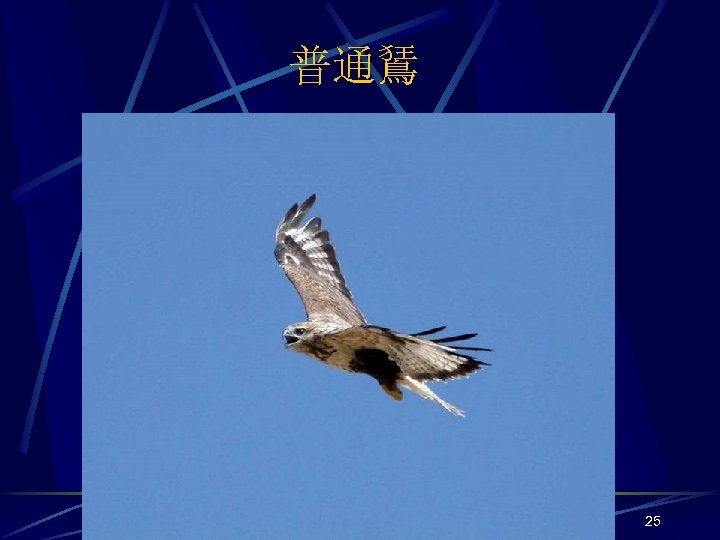
普通鵟 25
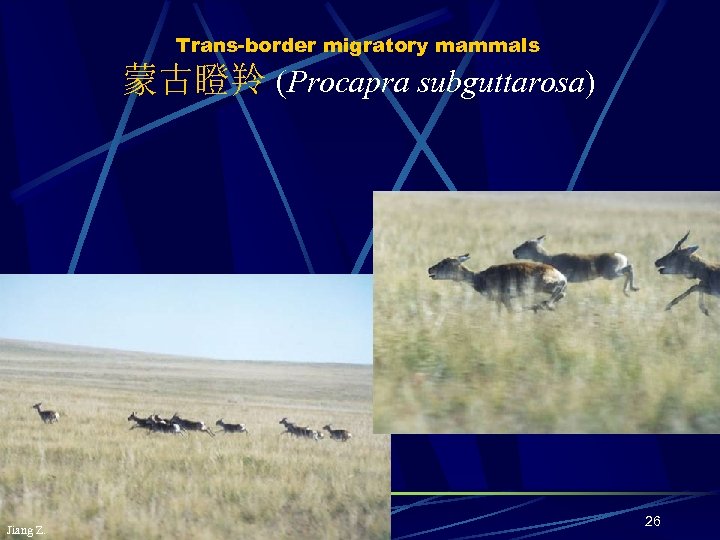
Trans-border migratory mammals 蒙古瞪羚 (Procapra subguttarosa) Jiang Z. 26
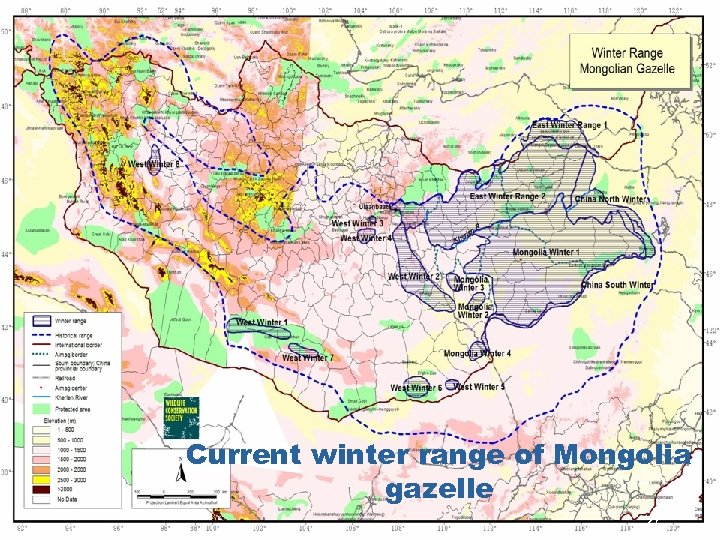
Current winter range of Mongolia gazelle 27
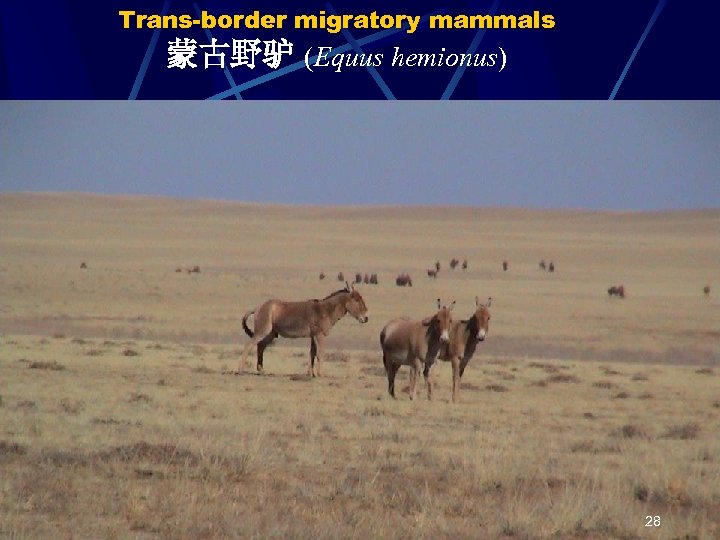
Trans-border migratory mammals 蒙古野驴 (Equus hemionus) Bi J. 28
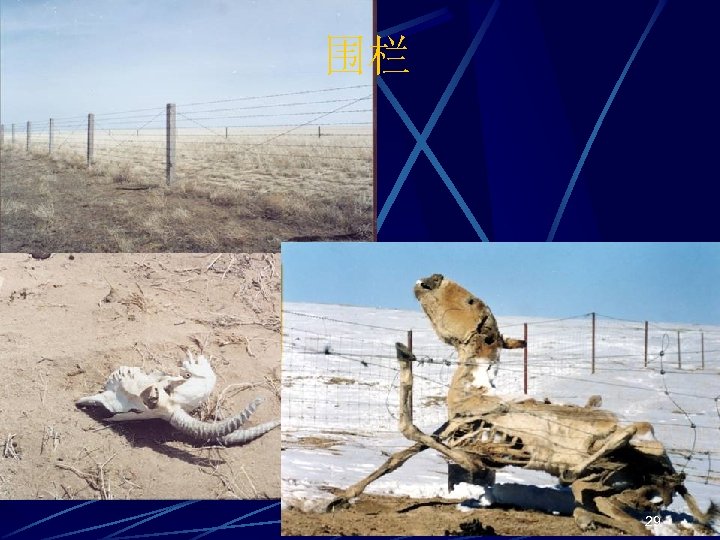
围栏 29
高原的野生动物 l 第四纪青藏高原的抬升,环境变迁导致野生动植物产 生了明显的适应。 l 这一地理区的动物种类较少,喜马拉雅山脉是本区动 物扩散的主要障碍。然而,干旱区动物可以扩散到本区 的北部,如柴达木盆地。 l 在海拔较低、 切割较深的横断山区物种较多,而青 藏高原的腹地,如可可西里地区,物种较少。 l 生活在青藏高原的许多物种与生活在周边地区的物种 不一样. 这种差异主要是种与属级水平的差异,没有达 到科级水平的差异. 有些学者认为青藏高原是一个独立 的生物界。 30
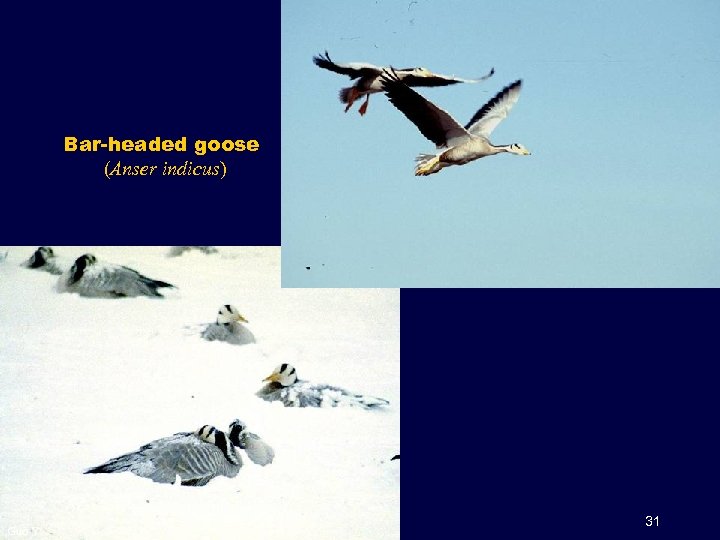
Bar-headed goose (Anser indicus) Guo Y. 31
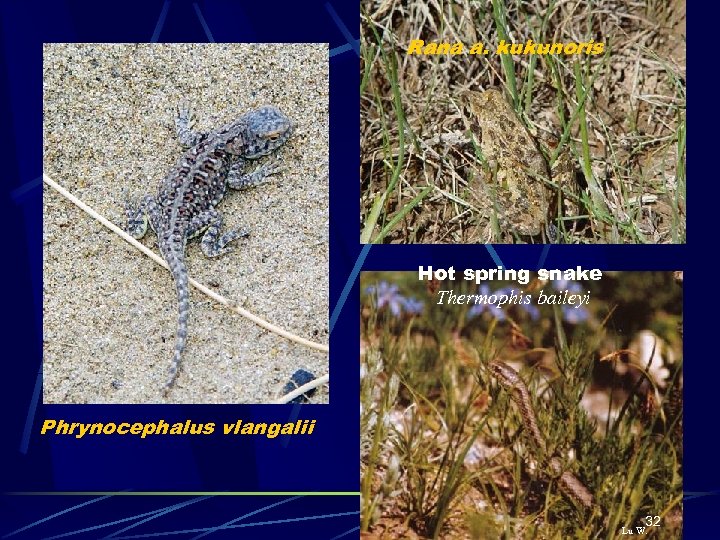
Rana a. kukunoris Hot spring snake Thermophis baileyi Phrynocephalus vlangalii 32 Lu W.
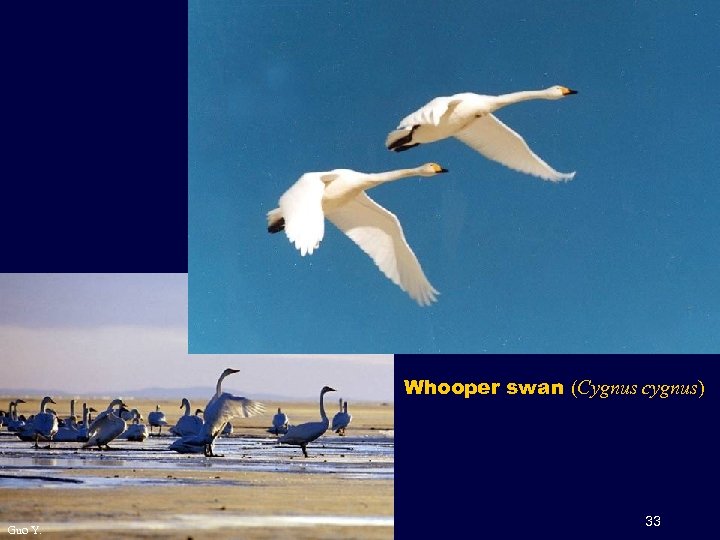
Whooper swan (Cygnus cygnus) Guo Y. 33
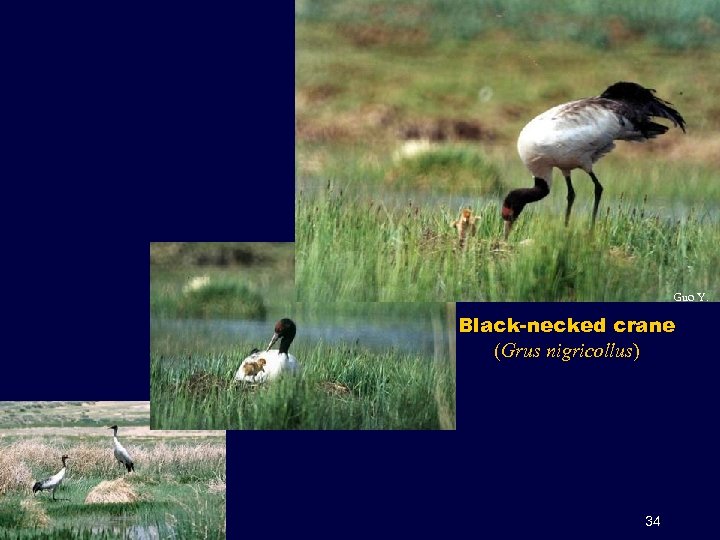
Guo Y. Black-necked crane (Grus nigricollus) 34
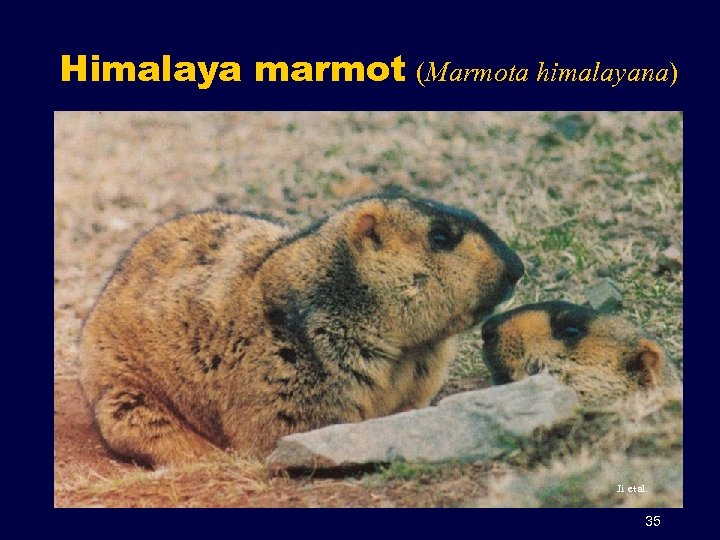
Himalaya marmot (Marmota himalayana) Ji et al. 35
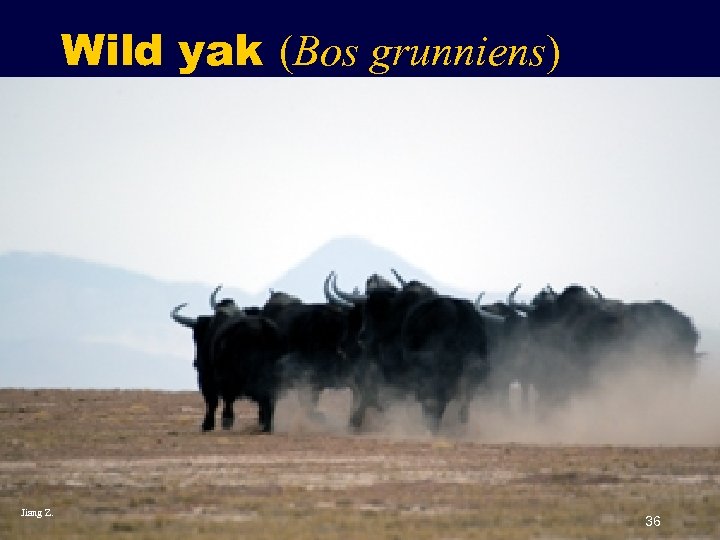
Wild yak (Bos grunniens) Jiang Z. 36
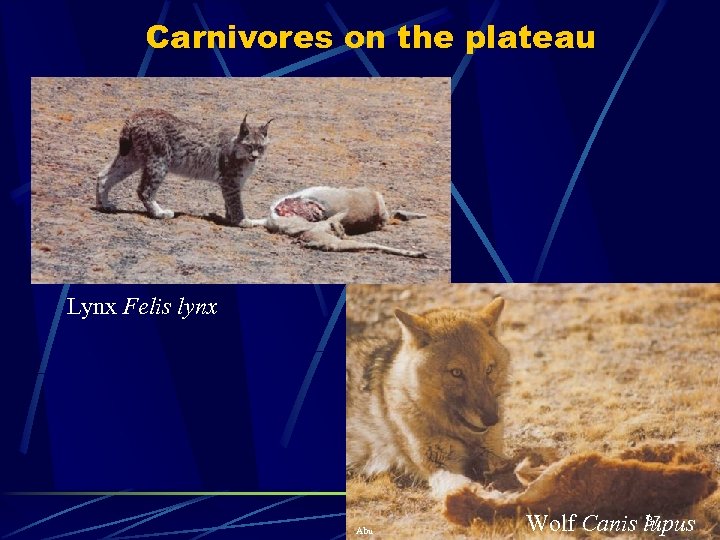
Carnivores on the plateau Lynx Felis lynx Abu 37 Wolf Canis lupus
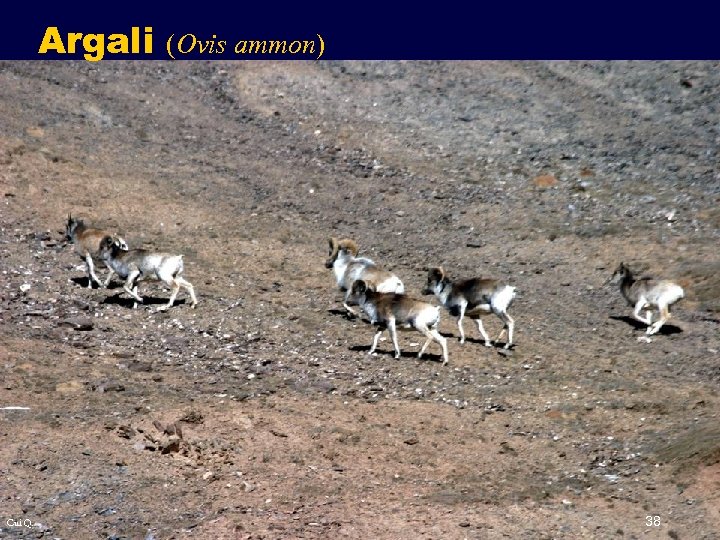
Argali Cui Q. (Ovis ammon) 38
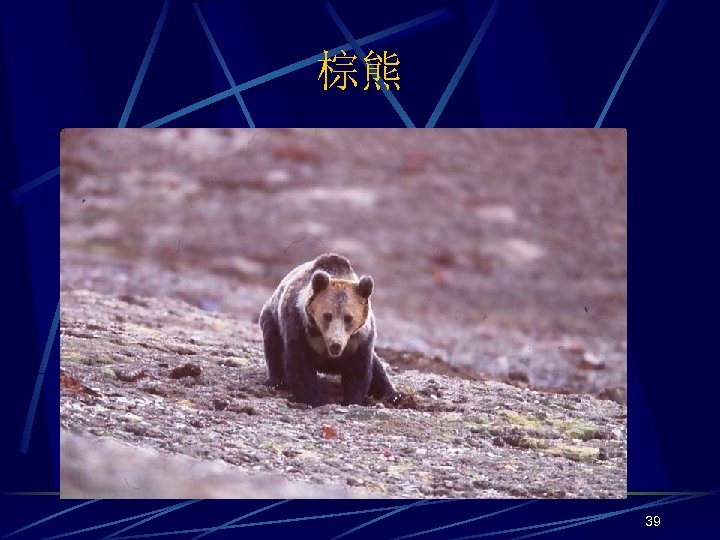
棕熊 39
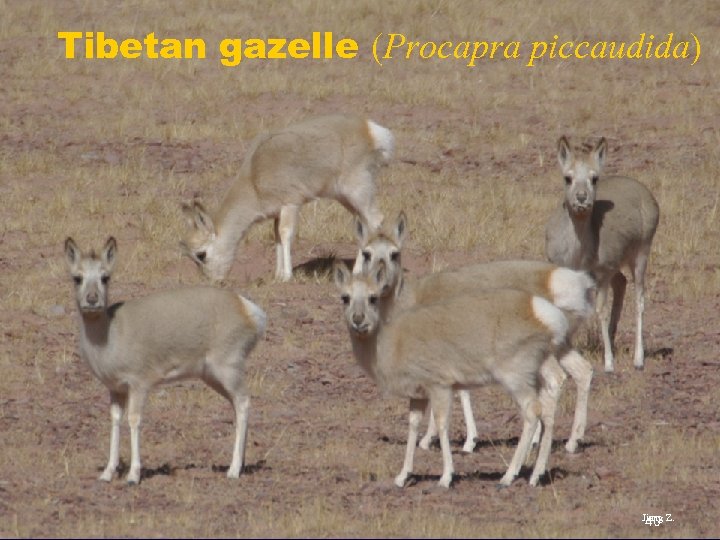
Tibetan gazelle (Procapra piccaudida) Jiang Z. 40
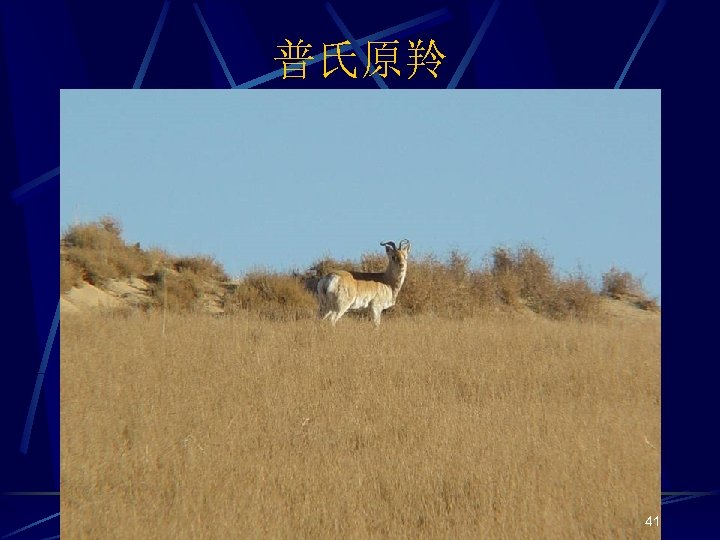
普氏原羚 41
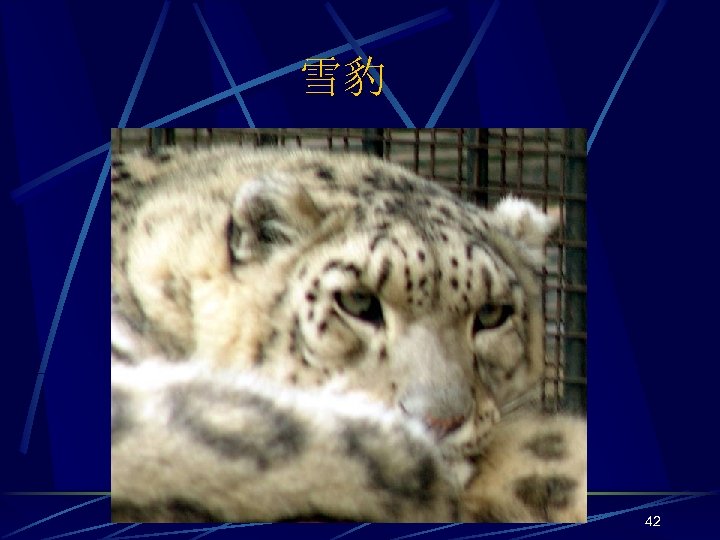
雪豹 42
提纲 中国的生物地理环 境与野生生物 中国的生物多样 性特征 物种保护项目 自然保护 区 野生生物的贸 易 43
地球环境与生态系统变化 Why there are so many endangered species? 46
Why are there so many species endangered? The ultimate cause: human population growth and industrialization 47
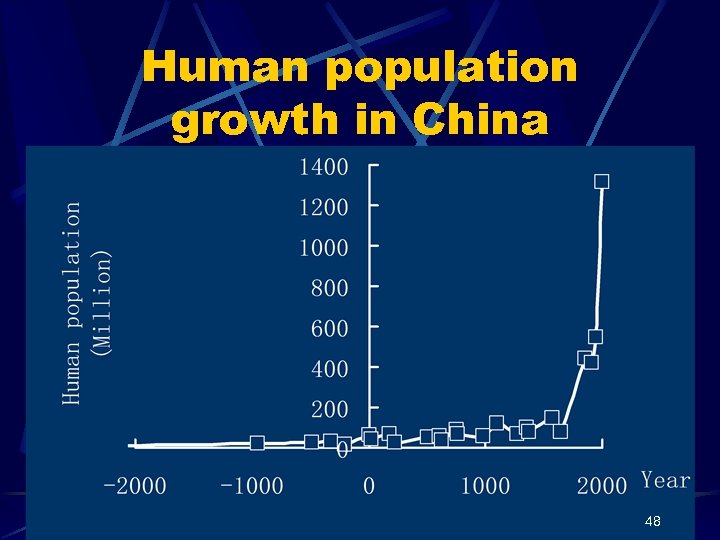
Human population growth in China 48
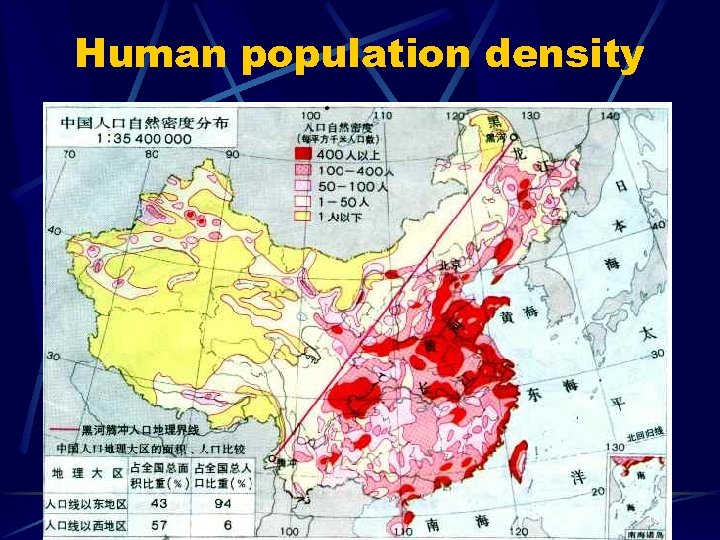
Human population density 49
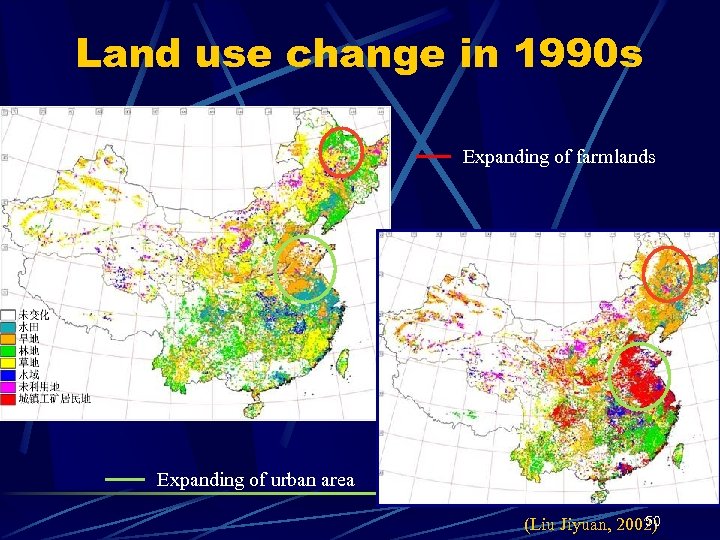
Land use change in 1990 s Expanding of farmlands Expanding of urban area 50 (Liu Jiyuan, 2002)
Why are there so many species endangered? The proximate causes: Habitat loss Over-harvesting and trade Global change Alien species 51
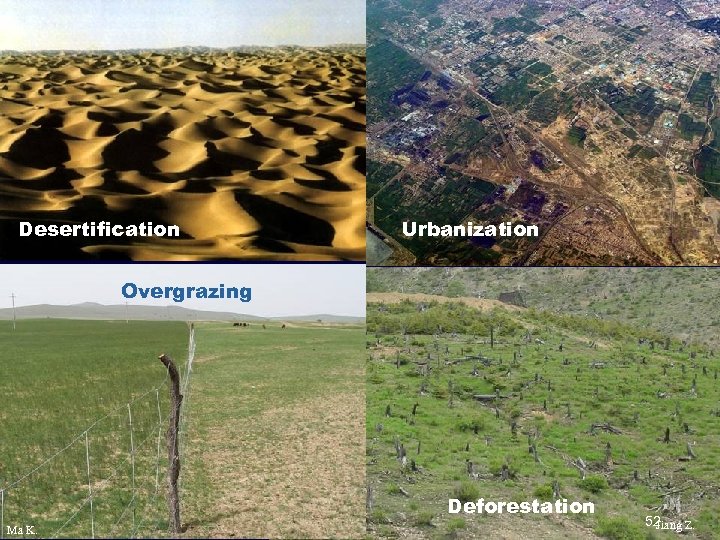
Desertification Urbanization Overgrazing Deforestation Ma K. 52 Jiang Z.
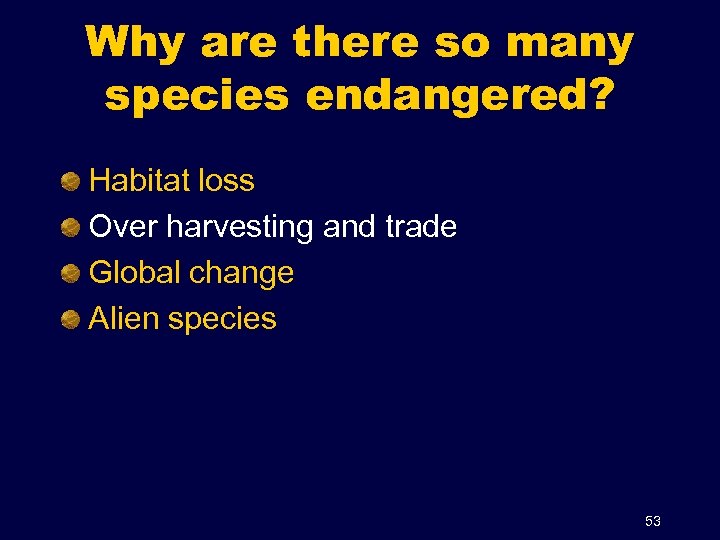
Why are there so many species endangered? Habitat loss Over harvesting and trade Global change Alien species 53

A case study: Snake in trade 54
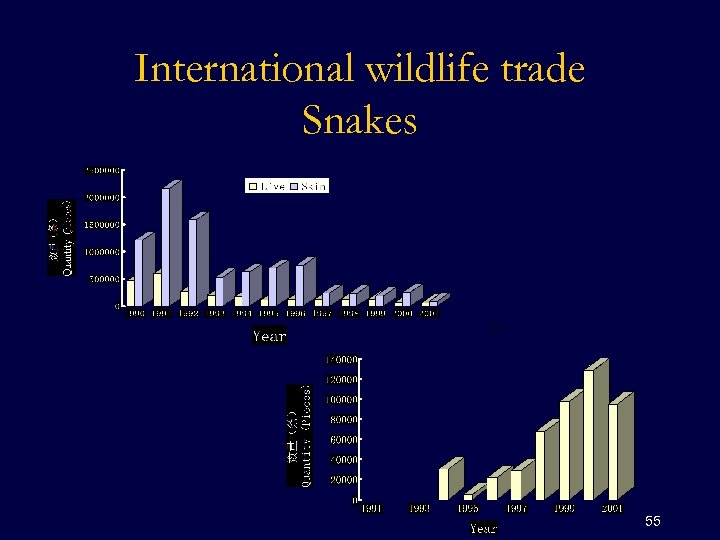
International wildlife trade Snakes 55
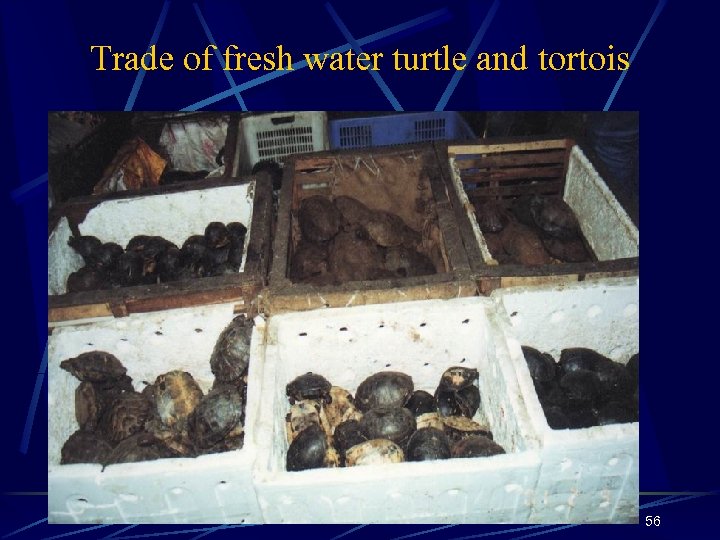
Trade of fresh water turtle and tortois 56
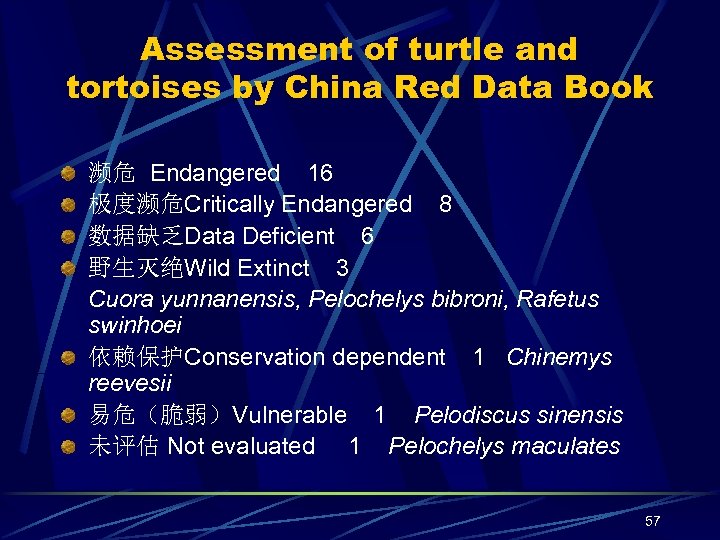
Assessment of turtle and tortoises by China Red Data Book 濒危 Endangered 16 极度濒危Critically Endangered 8 数据缺乏Data Deficient 6 野生灭绝Wild Extinct 3 Cuora yunnanensis, Pelochelys bibroni, Rafetus swinhoei 依赖保护Conservation dependent 1 Chinemys reevesii 易危(脆弱)Vulnerable 1 Pelodiscus sinensis 未评估 Not evaluated 1 Pelochelys maculates 57
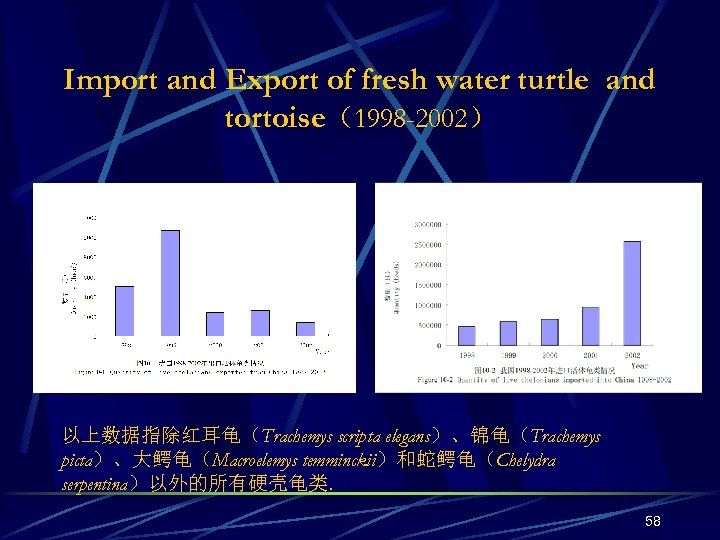
Import and Export of fresh water turtle and tortoise(1998 -2002) 以上数据指除红耳龟(Trachemys scripta elegans)、锦龟(Trachemys picta)、大鳄龟(Macroelemys temminckii)和蛇鳄龟(Chelydra serpentina)以外的所有硬壳龟类. 58
Why are there so many species endangered? Habitat loss Over harvesting and trade Global change Alien species 59
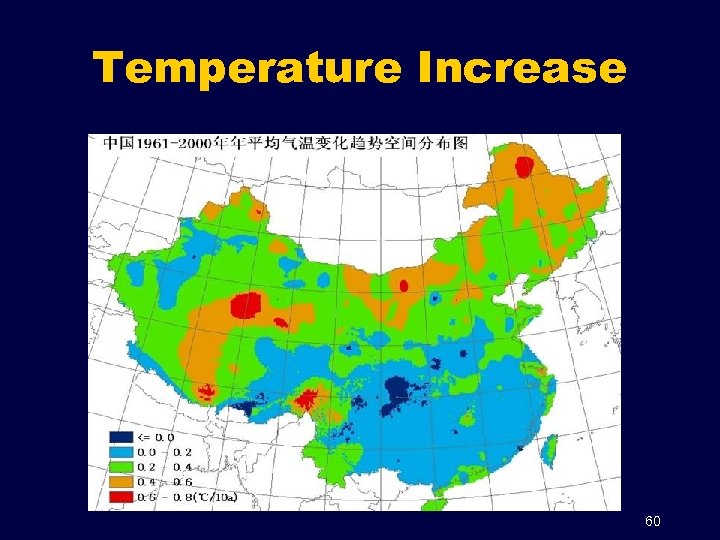
Temperature Increase 60
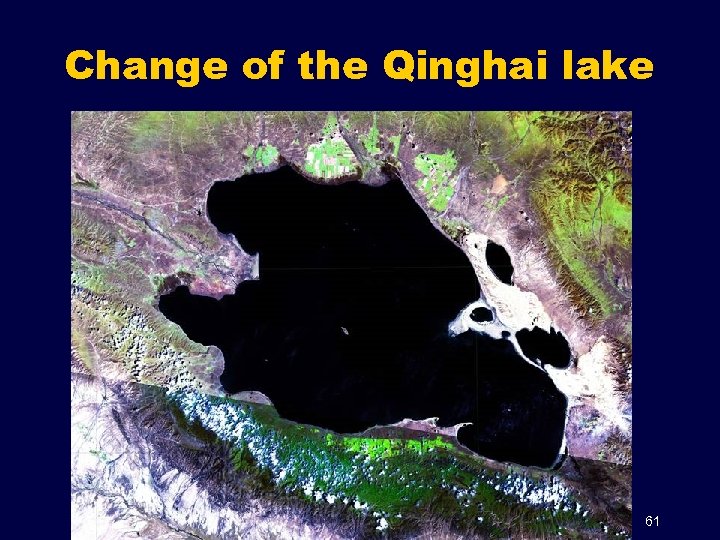
Change of the Qinghai lake 61
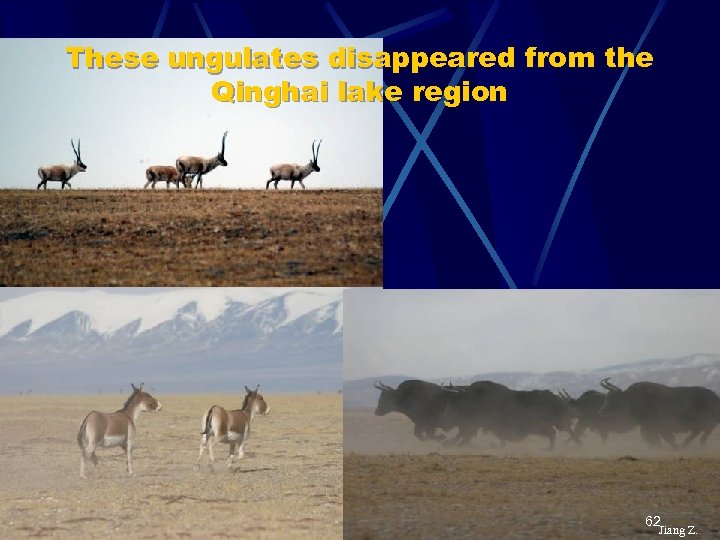
These ungulates disappeared from the Qinghai lake region 62 Jiang Z.
Why are there so many species endangered? Habitat loss Over harvesting and trade Global change Alien species 63
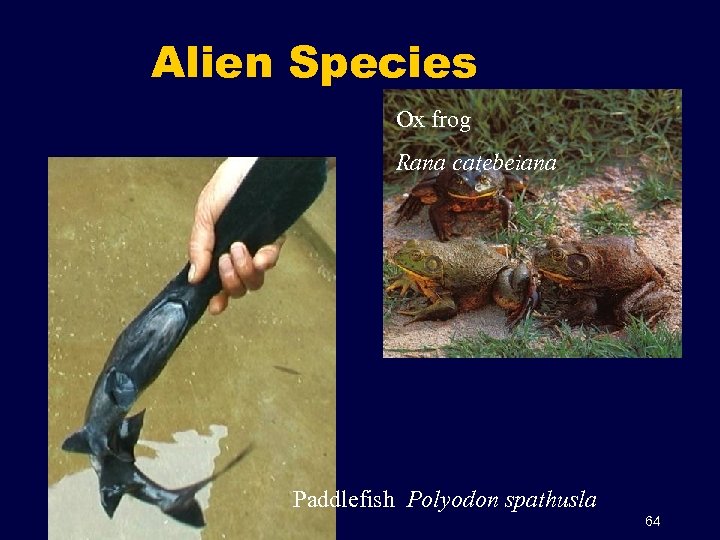
Alien Species Ox frog Rana catebeiana Paddlefish Polyodon spathusla 64
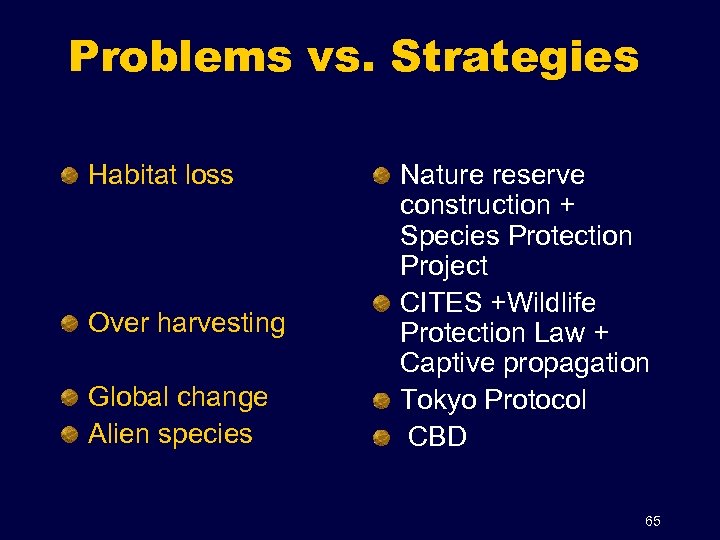
Problems vs. Strategies Habitat loss Over harvesting Global change Alien species Nature reserve construction + Species Protection Project CITES +Wildlife Protection Law + Captive propagation Tokyo Protocol CBD 65
提纲 中国的生物地理环 境 中国的生物多样 性特征 物种保护项目 自然保护 区 野生生物的贸 易 66
Policy of nature conservation in China To protect natural environment and resource To protect biodiversity To sustainable use natural resources --- China 21 st Century Agenda 67
Wildlife Species Conservation Project In the year 2000, the State Forestry Administration (SFA) launched a Wildlife Species Conservation Project, which aiming at protecting the endemic and critically endangered wildlife species. The SFA selected 15 wildlife taxa for the conservation project. We will restore habitats and populations of these endangered species with the measures of habitat restoration, establishing of natural reserve, captive propagation and field release. 68
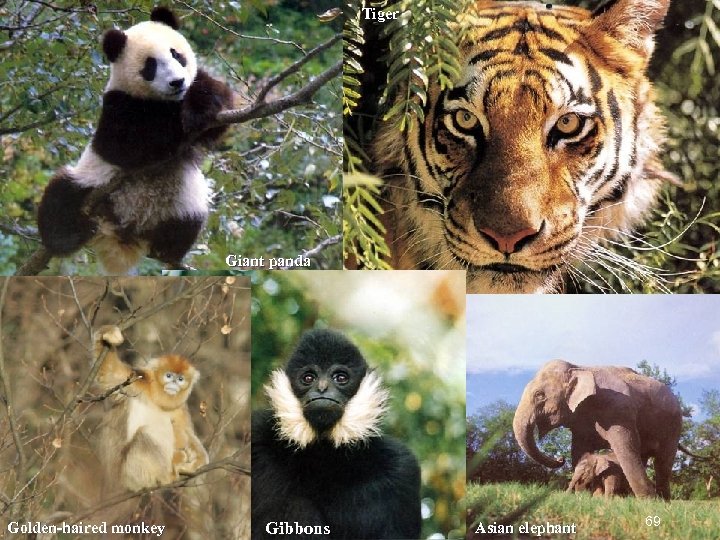
Tiger Giant panda Golden-haired monkey Gibbons Asian elephant 69
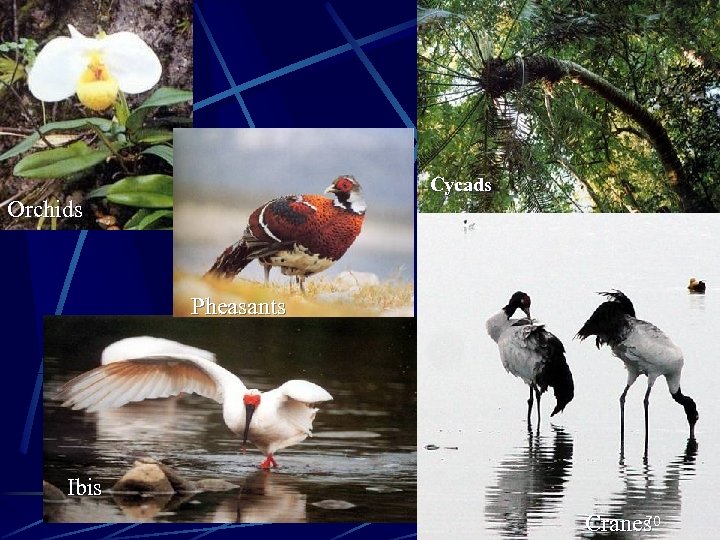
Cycads Orchids Pheasants Ibis 70 Cranes
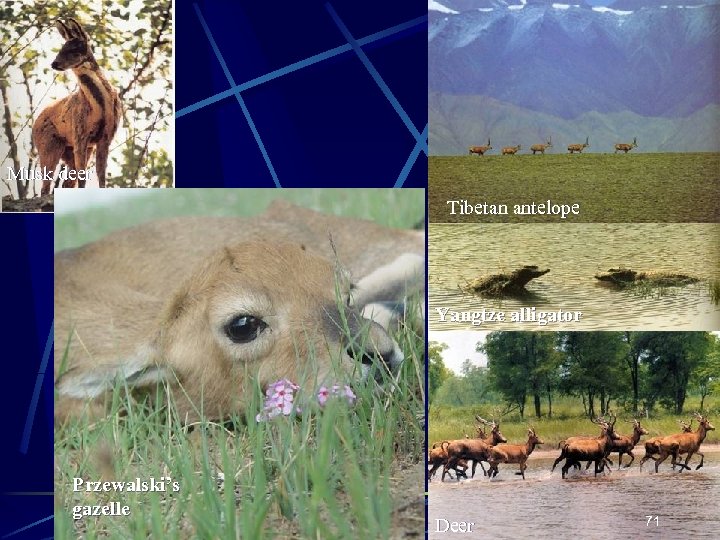
Musk deer Tibetan antelope Yangtze alligator Przewalski’s gazelle Deer 71
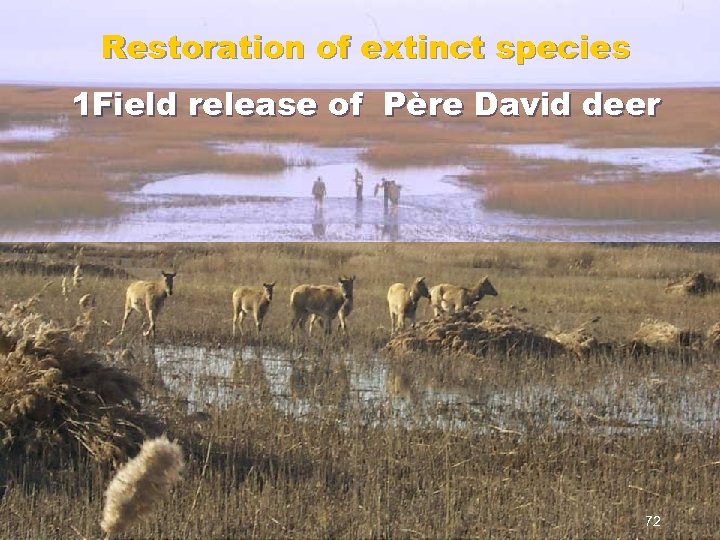
Releasing Restoration of extinct species 1 Field Trial of Père David deer release 72
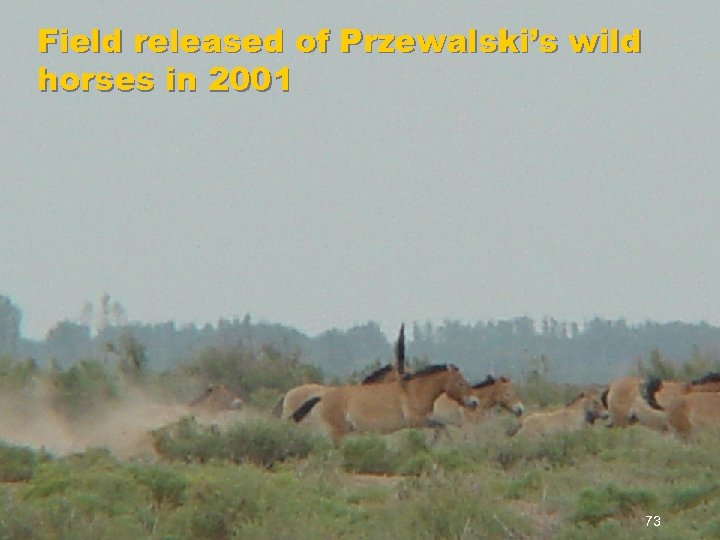
Field released of Przewalski’s wild horses in 2001 73
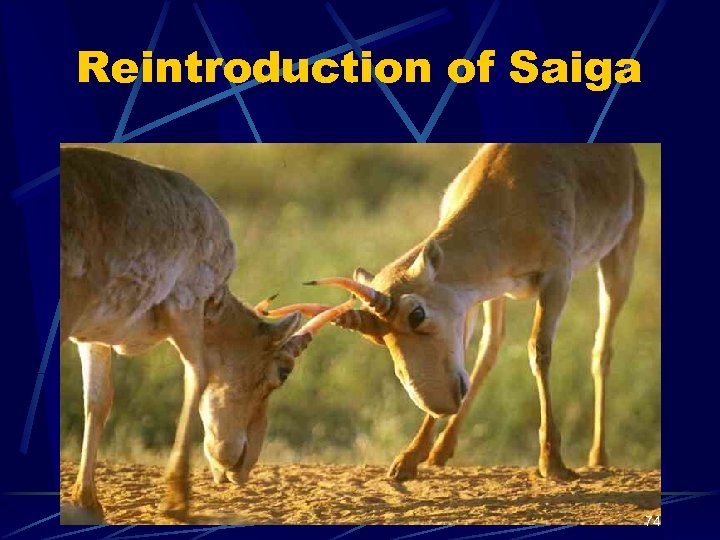
Reintroduction of Saiga 74
提纲 中国的生物地理环 境 中国的生物多样 性特征 物种保护项目 自然保护 区 野生生物的贸 易 75
Standards for natural reserve Any region which has one of the following characteristics, the authority can be considered to establish a natural reserve in that region: (1)A region with typical and representative natural ecosystems of the bio-geographical zone; (2)A region with important natural protect value but the ecosystem or biodiversity is threatened; (3)A region with full functional natural ecosystem, ecological succession stages, and abundant wildlife resource; 76
Standards for natural reserve (cont’l) (4)A region which is the main habitat of the national protected wildlife species; (5) A region with typical and unique vegetation, precious tree species or is the original habitat of plant species of special ecological and evolutionary values; (6) A region with geological relics, glaciers, hot springs, waterfalls and fossil sites. 77
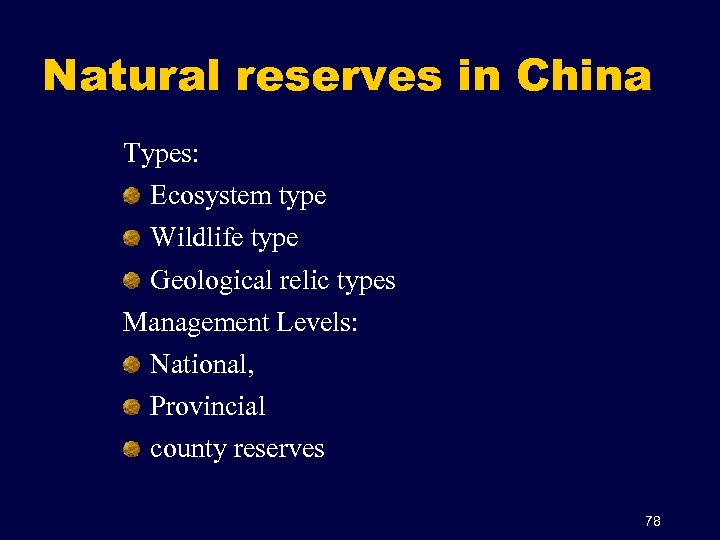
Natural reserves in China Types: Ecosystem type Wildlife type Geological relic types Management Levels: National, Provincial county reserves 78
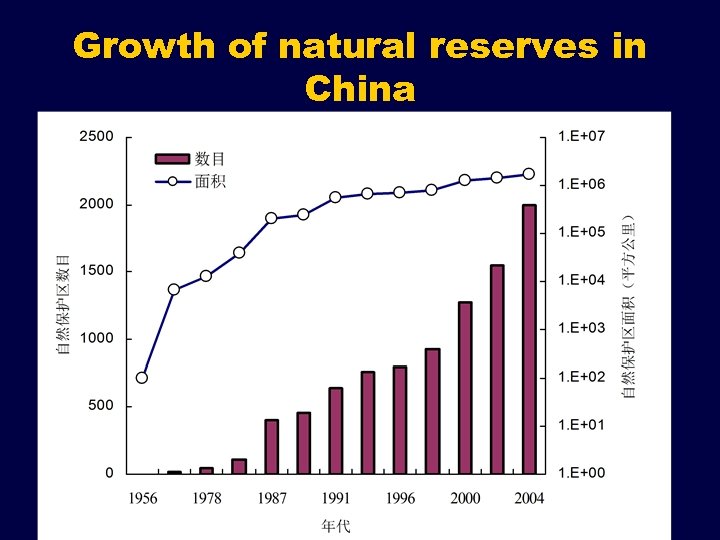
Growth of natural reserves in China 79

中国的自然保护区应当建多少? 中国多大的面积应当严格保护? 80
提纲 中国的生物地理环 境 中国的生物多样 性特征 物种保护项目 自然保护 区 野生生物的贸 易 81
CITES 为 Convention on International Trade in Endangered Species of Wild Fauna and Flora,濒危野生动植物国际贸易公约的简 CITES 公约于1973年3月3日开放签署, 1975年7月1日起生效 82
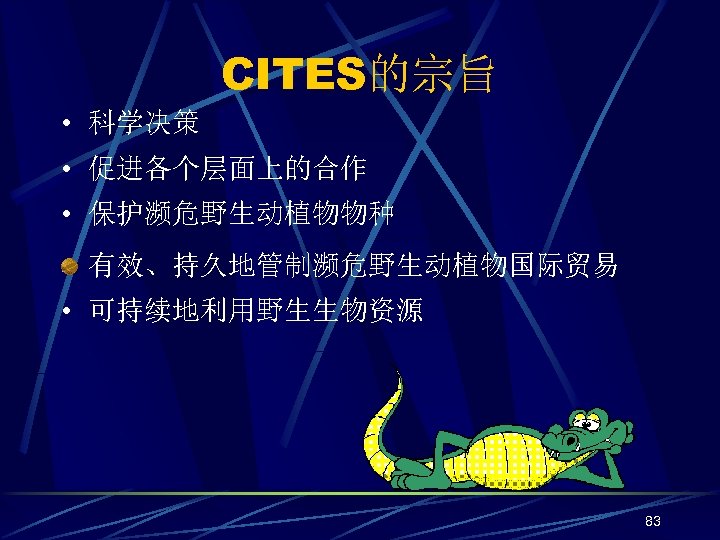
CITES的宗旨 • 科学决策 • 促进各个层面上的合作 • 保护濒危野生动植物物种 有效、持久地管制濒危野生动植物国际贸易 • 可持续地利用野生生物资源 83
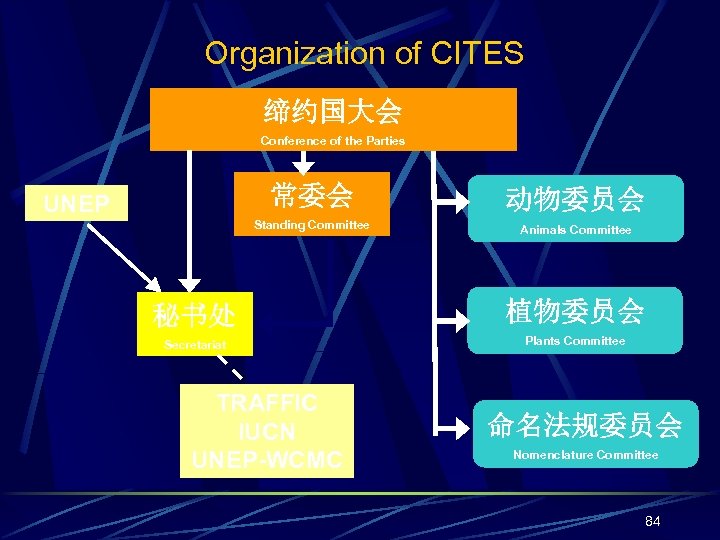
Organization of CITES 缔约国大会 Conference of the Parties 常委会 动物委员会 Standing Committee UNEP Animals Committee 秘书处 植物委员会 Secretariat Plants Committee TRAFFIC IUCN UNEP-WCMC 命名法规委员会 Nomenclature Committee 84
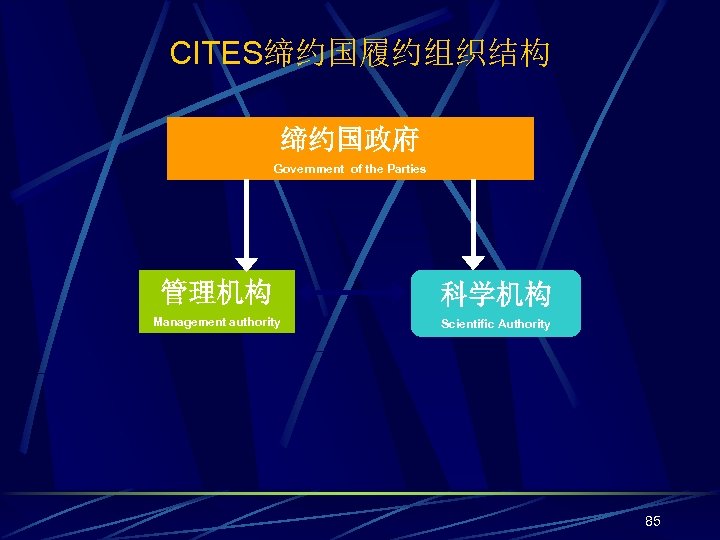
CITES缔约国履约组织结构 缔约国政府 Government of the Parties 管理机构 科学机构 Management authority Scientific Authority 85
CITES in China ratified CITES in 1980. The National CITES Authority and Natioanl Cites Scientific Authority were desiganted by the central government. China is adapting a more rigid trade policy than what CITES required 86

CITES Certificate Non CITES certificate 87
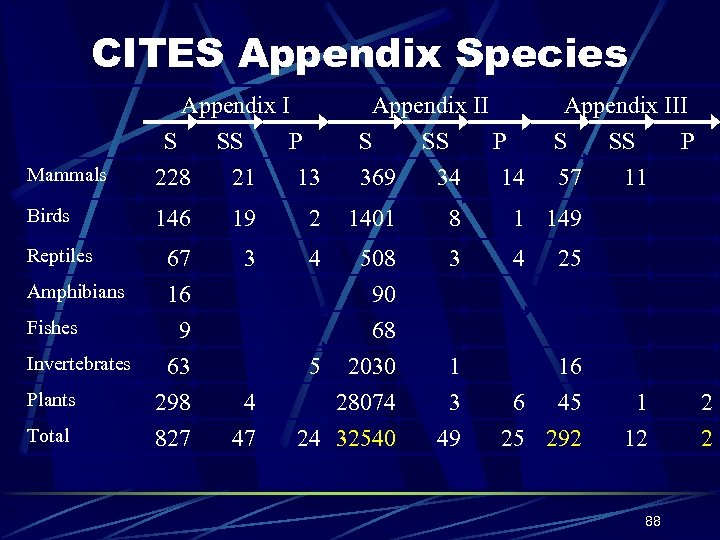
CITES Appendix Species Mammals Appendix I S SS P 228 21 13 Birds 146 19 2 67 Amphibians 16 Fishes 9 Invertebrates 63 Plants 298 Total 827 3 4 Reptiles 4 47 Appendix Ⅱ S SS P 369 34 14 Appendix III S SS P 57 11 1401 8 1 149 508 90 68 5 2030 28074 24 32540 3 4 1 3 49 25 16 6 45 25 292 1 12 88 2 2
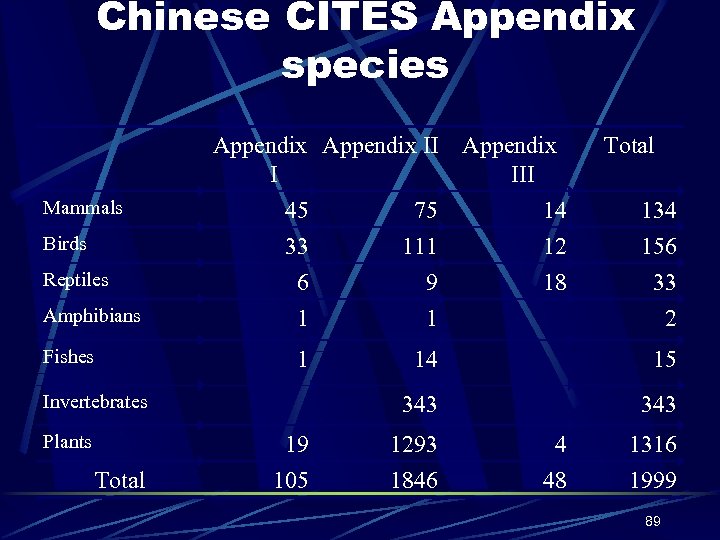
Chinese CITES Appendix species Appendix Ⅱ Appendix I III Mammals Total 45 33 75 111 14 12 134 156 9 1 18 Amphibians 6 1 33 2 Fishes 1 14 15 343 Birds Reptiles Invertebrates Plants Total 19 105 1293 1846 4 48 1316 1999 89
Control fresh water turtles and tortoises trade Since 1998, a sharp increase in importation of turtles, whereas turtle exportation decreased was found in the country. However, most fresh water turtle and tortoises are not listed in CITES Appendix, China and USA proposed to list seven turtles or tortoises in CITES Appendix at CITES COP 12. 90
Control the illegal trade of wild species by customs 91
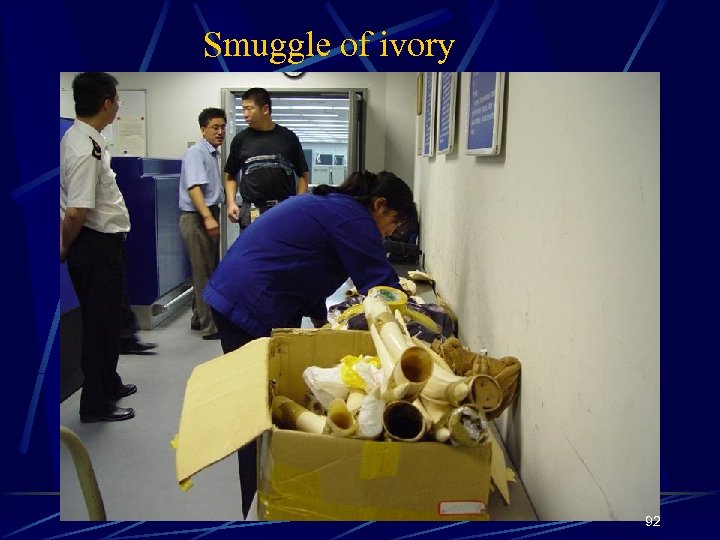
Smuggle of ivory 92
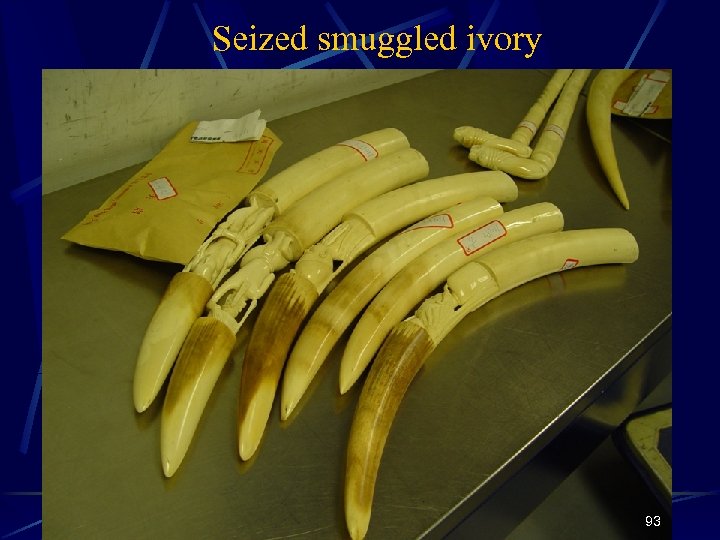
Seized smuggled ivory 93
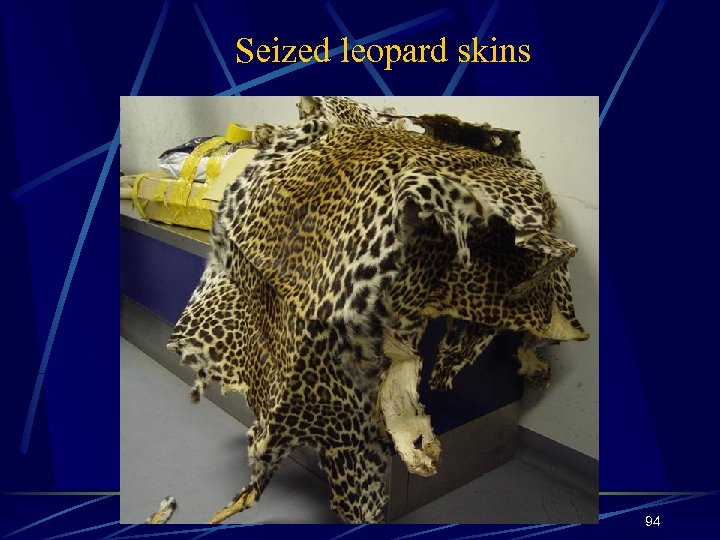
Seized leopard skins 94
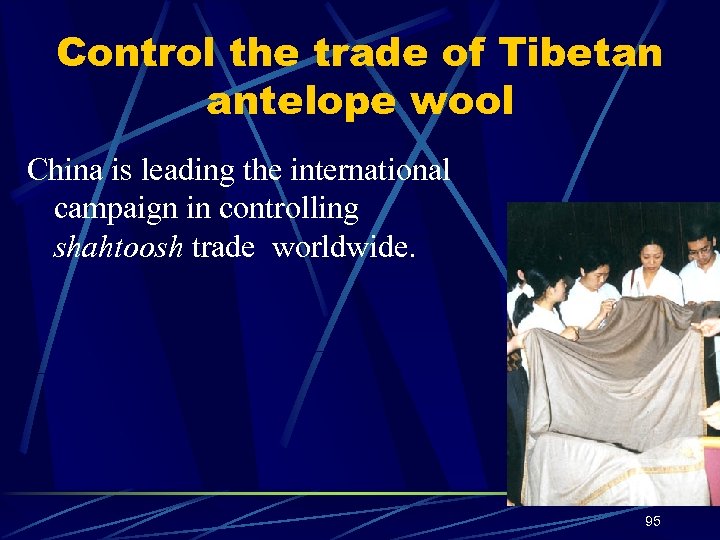
Control the trade of Tibetan antelope wool China is leading the international campaign in controlling shahtoosh trade worldwide. 95
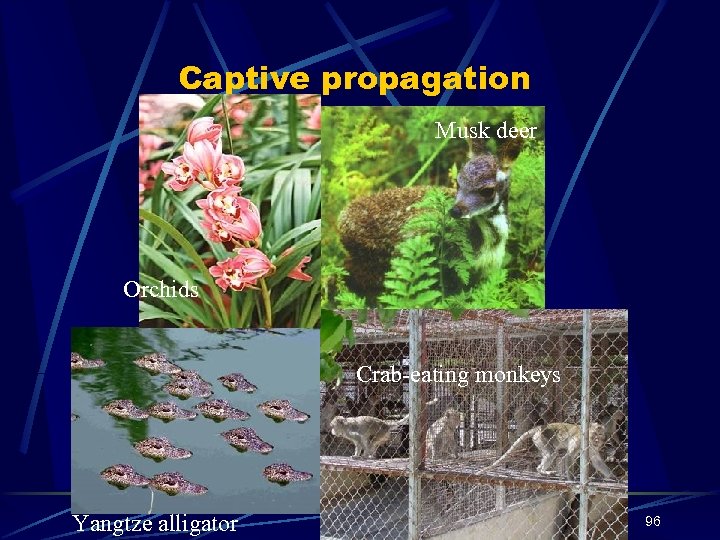
Captive propagation Musk deer Orchids Crab-eating monkeys Yangtze alligator 96
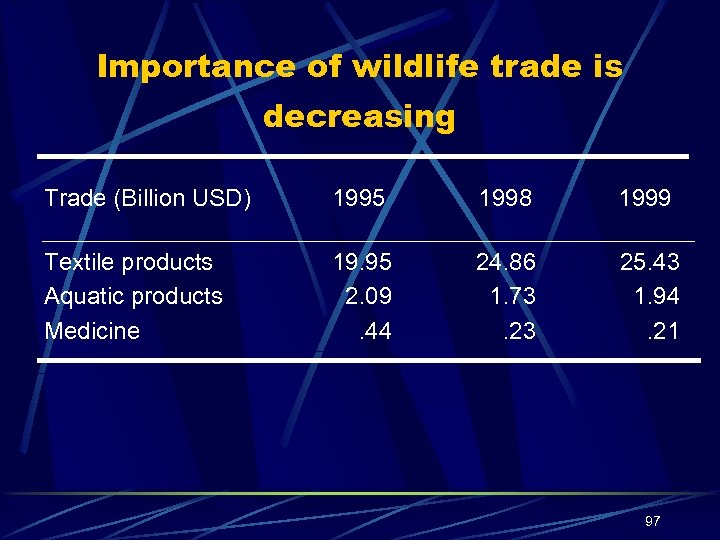
Importance of wildlife trade is decreasing Trade (Billion USD) 1995 1998 1999 Textile products Aquatic products Medicine 19. 95 2. 09. 44 24. 86 1. 73. 23 25. 43 1. 94. 21 97

THANK YOU ! 98
Скачать презентацию 中国的野生动 物及其保护 蒋志刚 中国科学院动物研究所 1 提纲 中国的生物地理环
ff241755448fc0e0c7a5371829efb815.ppt