 Скачать презентацию הטיפול הפליאטיבי כנושא דגל אומנות הרפואה עקרון
104231c0f68e62441588ef07cd00a85b.ppt
- Количество слайдов: 43




הטיפול הפליאטיבי כנושא דגל אומנות הרפואה, עקרון האוטונומיה ו - PRIMUM NON NOCERE במילניום השלישי 3 rd. MILLENIUM ? ? ? ד"ר דורון גרפינקל, מנהל מחלקת אבחון ושיקום והיחידה הפליאטיבית שהם – המרכז המשולב לרפואה גריאטרית, פרדס חנה
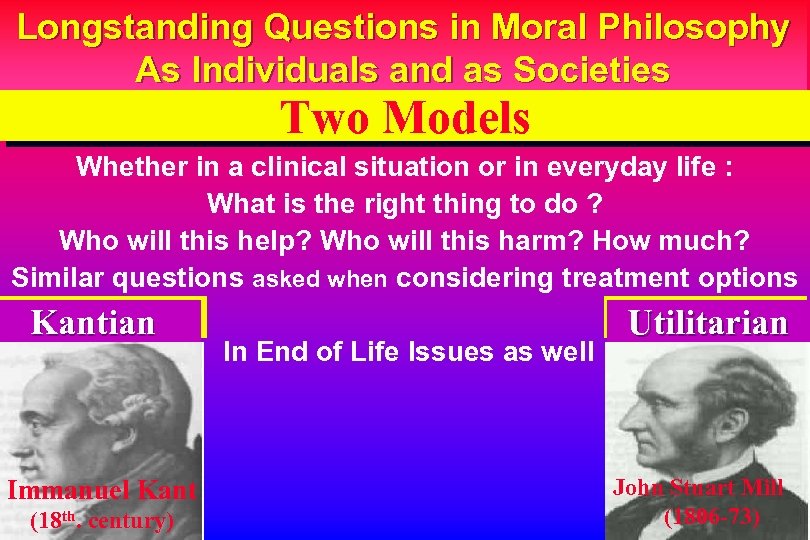
Longstanding Questions in Moral Philosophy As Individuals and as Societies Two Models Whether in a clinical situation or in everyday life : What is the right thing to do ? Who will this help? Who will this harm? How much? Similar questions asked when considering treatment options Kantian Immanuel Kant (18 th. century) In End of Life Issues as well Utilitarian John Stuart Mill (1806 -73)
The Utilitarian Model Main Tenets The right thing to do is what produces the best consequences for everyone Ø Morality is a matter of consequences Ø We must count the consequences for everyone Ø Everyone’s suffering counts equally Ø What are the relative benefits and harms of the various alternatives ? Ø Always act in a way that produces the greatest overall good & least overall bad consequences. Utilitarian are always calculating, weighing costs & benefits. . to make sure resources are allocated in the most efficacious way possible
The Utilitarian Model End of Life Issues The right thing to do is what produces the best consequences for everyone How much care should be given at the Eo. L ? Ø Inordinately high % of our health budget go to treatment in the last months of life Ø It’s not … because much money is spent, but rather because it is not being well spent in more cost-effective ways Ø Preventive medicine & wellness programs seem to offer the possibility of spending this budget in ways that have a greater overall impact on Qo. L. Ø The concept of medical futility, looks at c onsequences. Attempts to draw a clear line at that point where treatment no longer holds a reasonable hope of producing good consequences
The Kantian Model Main Tenets Emphasizes the notions of respect, autonomy, and fairness There are two classes of entities in the world: things and persons. Ø Things have a price, can be bought and sold, objects to be used. Persons cannot be treated like mere things. Ø Ø It’s precisely this moral tradition which underlies the doctrine of informed consent. Ø Key notions: Respect for Autonomy, Dignity, Rights
The Kantian Model AUTONOMY Autonomy = freedom + reason Ø From Greek words “auto” (self) & “nomos” (law). Ø Ø Ø What makes people different from things, is that they can make up their own minds. Autonomy, is the ability of a human being to freely impose the moral law upon himself / herself. To deny someone’s autonomy is to rob them of the opportunity to make their own decisions Ø Tries to avoid abusing people merely as a means, committees on use of human subjects, informed consent, advance directives are designed to protect the autonomy of patients in order to insure individual’s autonomy is respected.
The Kantian Model End of Life Issues Autonomy: The Right to Die - Who Decides ? Ø Medicine has become increasingly capable of postponing death. Ø Kantians emphasize the importance of a patient’s right to decide. Ø Increasingly, we’re forced to choose whether to allow ourselves to die. Ø Do we own our own bodies and our lives? If we do, does that give Ø us the right to do whatever we want with them? Ø Do we have a right to die? Plan our death ? Ø The right to choose: When? Where (Home Vs. Hospital)? How? Ø Isn’t it cruel to let people suffer pointlessly?
End of Life Issues What is the right thing to do ? Many of the ethical disagreements about Eo. L decisions can be seen as resulting from differing ethical frameworks, especially Kantian Vs. Utilitarian. Use these models to understand where you stand, where your patients stand, and where your organization stands in regard to Eo. L issues. Lawrence M. Hinman, ethics. sandiego. edu
הטיפול הפליאטיבי בראי ההיסטוריה לאורך ההיסטוריה המרפא האולטימטיבי בכל הדתות והמסורות. . אני האל הכול יכולו !!! היה יי רופאך )שמות ט" כו'( הנני מעלה לה ארוכה ומרפא ורפאתם )ירמיהו ו ל כ ל"ג, ו'( ספק ן ללא אמצעי הטיפול הראשון בהיסטוריה התפילה לאל PREVENTIVE - CURATIVE - PALLIATIVE

VIGELAND GARDENS, OSLO GUSTAV VIGELAND
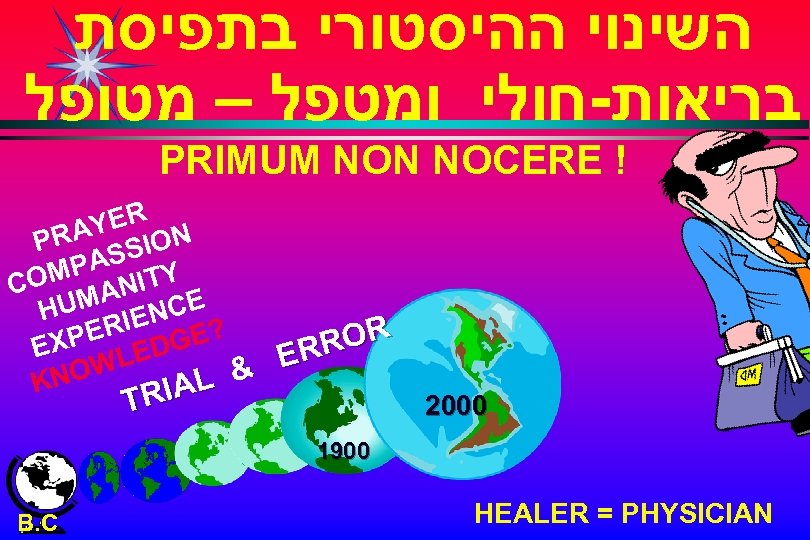
השינוי ההיסטורי בתפיסת בריאות-חולי ומטפל – מטופל PRIMUM NON NOCERE ! YER N PRA SSIO MPA ITY CO MAN NCE HU ERIE GE? XP ROR E ER LED W L & KNO IA TR I 2000 1800 1900 B. C. HEALER = PHYSICIAN
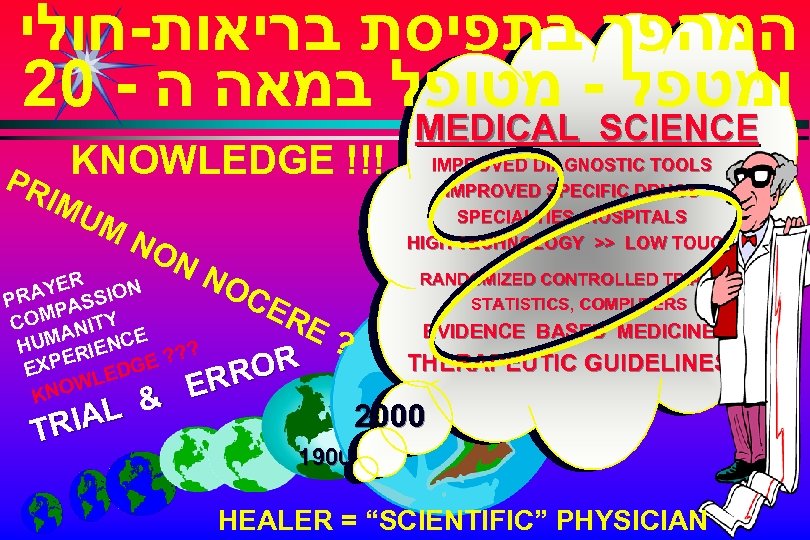
המהפך בתפיסת בריאות-חולי 20 - ומטפל - מטופל במאה ה PR KNOWLEDGE !!! IMU MN ON NO R AYE SSION CE PR PA RE ? ROR ER COM NITY A HUM RIENCE ? ? ? E EXP DGE E OWL KN L & TRIA 1800 1900 MEDICAL SCIENCE IMPROVED DIAGNOSTIC TOOLS IMPROVED SPECIFIC DRUGS SPECIALTIES, HOSPITALS HIGH TECHNOLOGY >> LOW TOUCH? RANDOMIZED CONTROLLED TRIALS STATISTICS, COMPUTERS EVIDENCE BASED MEDICINE THERAPEUTIC GUIDELINES 2000 HEALER = “SCIENTIFIC” PHYSICIAN
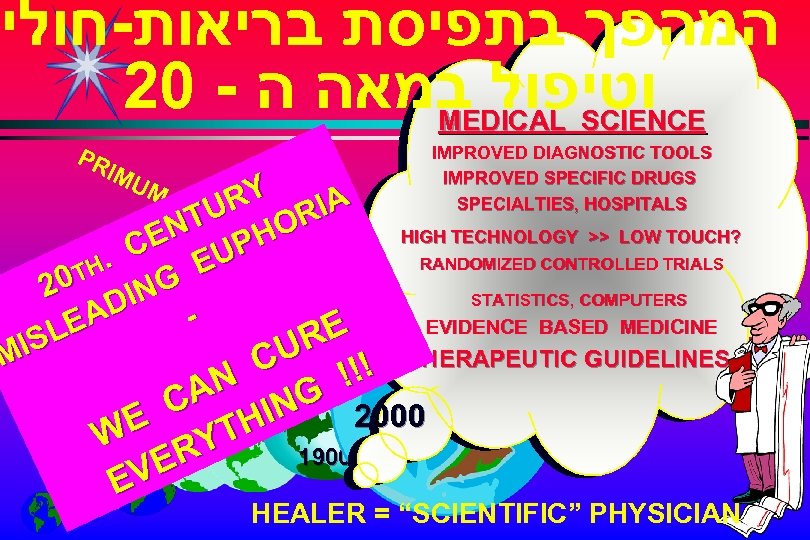
המהפך בתפיסת בריאות-חולי 20 - וטיפול במאה ה MEDICAL SCIENCE PR IMU MN RY RIA ON TU O O N N C CE UPH RE E. E TH ? 20 ING AD E ISL M IMPROVED DIAGNOSTIC TOOLS IMPROVED SPECIFIC DRUGS SPECIALTIES, HOSPITALS HIGH TECHNOLOGY >> LOW TOUCH? RANDOMIZED CONTROLLED TRIALS STATISTICS, COMPUTERS EVIDENCE BASED MEDICINE E UR ! THERAPEUTIC GUIDELINES C !! N CA ING 2000 1800 WE RYTH 1900 VE E HEALER = “SCIENTIFIC” PHYSICIAN
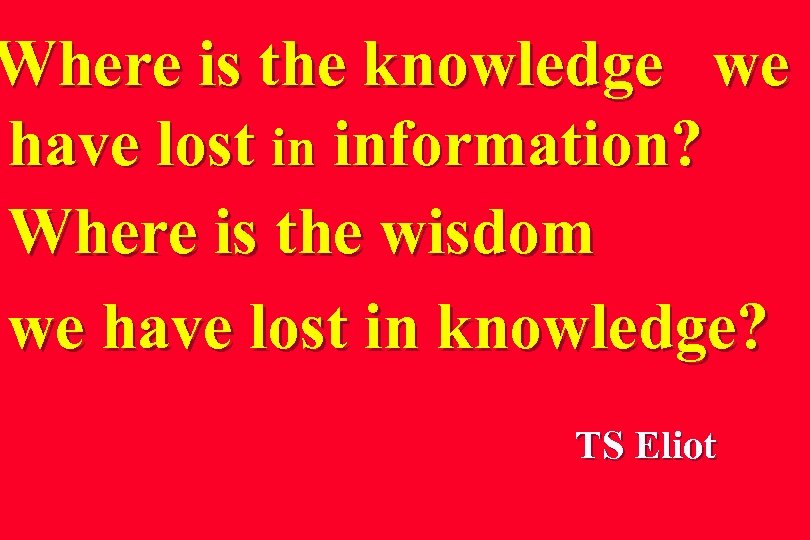
Where is the knowledge we have lost in information? Where is the wisdom we have lost in knowledge? TS Eliot
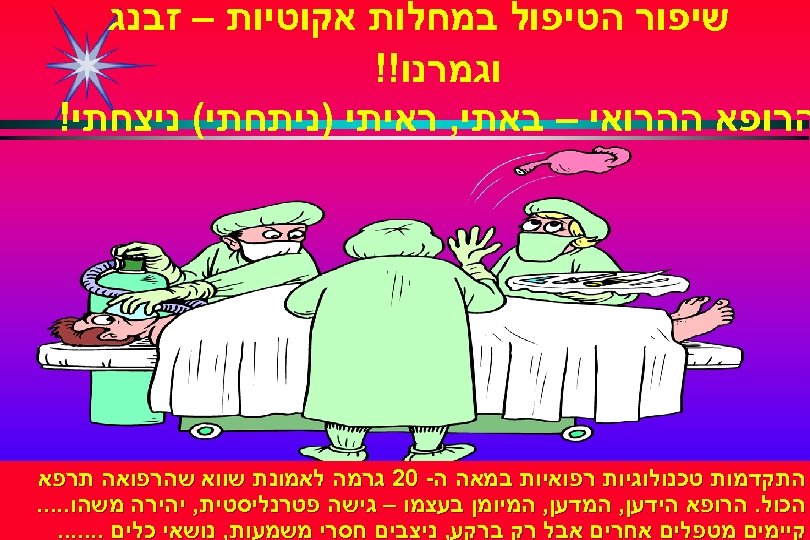
שיפור הטיפול במחלות אקוטיות – זבנג וגמרנו!! הרופא ההרואי – באתי, ראיתי )ניתחתי( ניצחתי! התקדמות טכנולוגיות רפואיות במאה ה- 02 גרמה לאמונת שווא שהרפואה תרפא הכול. הרופא הידען, המיומן בעצמו – גישה פטרנליסטית, יהירה משהו. . . קיימים מטפלים אחרים אבל רק ברקע, ניצבים חסרי משמעות, נושאי כלים. . . .
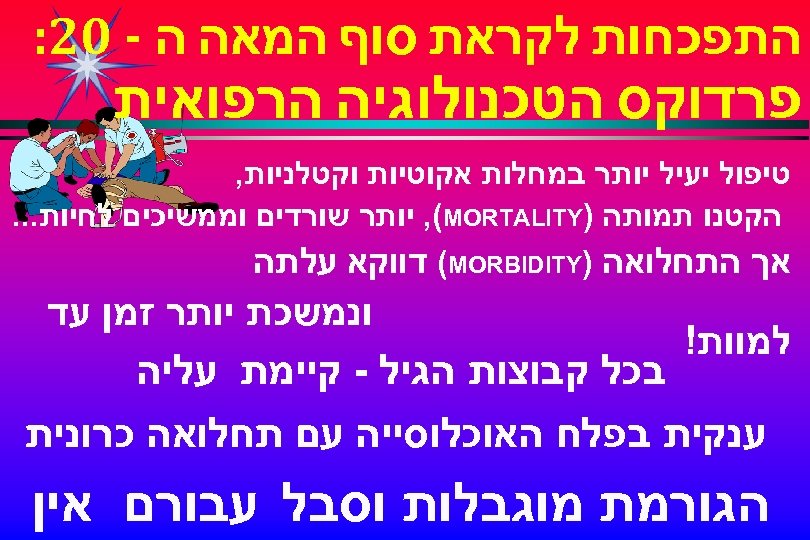
התפכחות לקראת סוף המאה ה - 02: פרדוקס הטכנולוגיה הרפואית טיפול יעיל יותר במחלות אקוטיות וקטלניות, הקטנו תמותה ) , (MORTALITY יותר שורדים וממשיכים לחיות. . . אך התחלואה ) (MORBIDITY דווקא עלתה למוות! ונמשכת יותר זמן עד בכל קבוצות הגיל - קיימת עליה ענקית בפלח האוכלוסייה עם תחלואה כרונית הגורמת מוגבלות וסבל עבורם אין
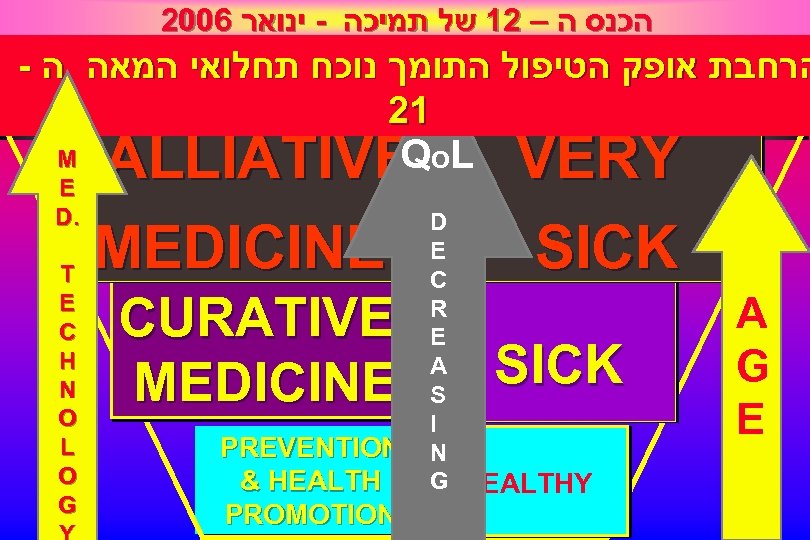
2006 הכנס ה – 21 של תמיכה - ינואר - הרחבת אופק הטיפול התומך נוכח תחלואי המאה ה 21 Q PALLIATIVE MEDICINE M E D. T E C H N O L O G CURATIVE MEDICINE PREVENTION & HEALTH PROMOTION O L VERY SICK D E C R E A S I N G HEALTHY SICK A G E
Non-Cancer Palliative Care The Political Pressure “Every person with a progressive illness has a right to palliative care” (WHO, 2004) “Lack of palliative care for non-cancer sufferers … greatest inequity of all in palliative services” (Health Committee of House of Commons, 2004) (Hughes, Robinson & Volicer, 2005)
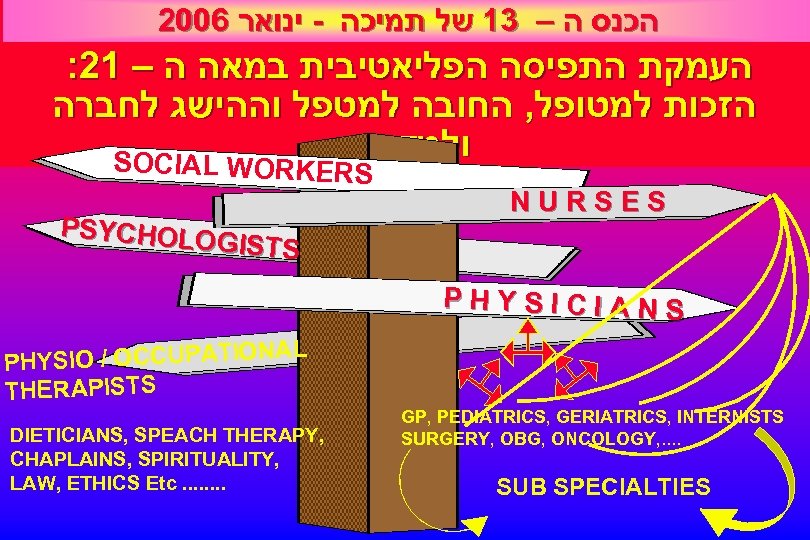
2006 הכנס ה – 31 של תמיכה - ינואר : 21 – העמקת התפיסה הפליאטיבית במאה ה הזכות למטופל, החובה למטפל וההישג לחברה ולמדינה SOCIAL WORKERS PSYCHOLO GISTS NURSES PHYSICIANS NAL PHYSIO / OCCUPATIO THERAPISTS DIETICIANS, SPEACH THERAPY, CHAPLAINS, SPIRITUALITY, LAW, ETHICS Etc. . . . GP, PEDIATRICS, GERIATRICS, INTERNISTS SURGERY, OBG, ONCOLOGY, . . SUB SPECIALTIES
התפכחות: השינוי בתפיסת סוף החיים ". . . להיות חולה ולמות", שרק לפני כמה דורות התייחס ללא יותר ממספר שבועות, בימינו שכיח כי יימשך שנים רבות. . . "סוף החיים" השכיחה הפכה להיות תקופה של חיים עם מחלות כרוניות למשך זמן רב , ולא מוות פתאומי מסיבוך או . . . AFTER AGING התדרדרות. . . . 8 -7101 : 84 ; 0002 Lynn J & Cretin S. Editorial, J Am Ger Soc

תפיסת בריאות וחולי היסטורית איכ ות חיים גרועה מצב בריאותי ואיכות חיים מוות זמן בחיים - שנים %001
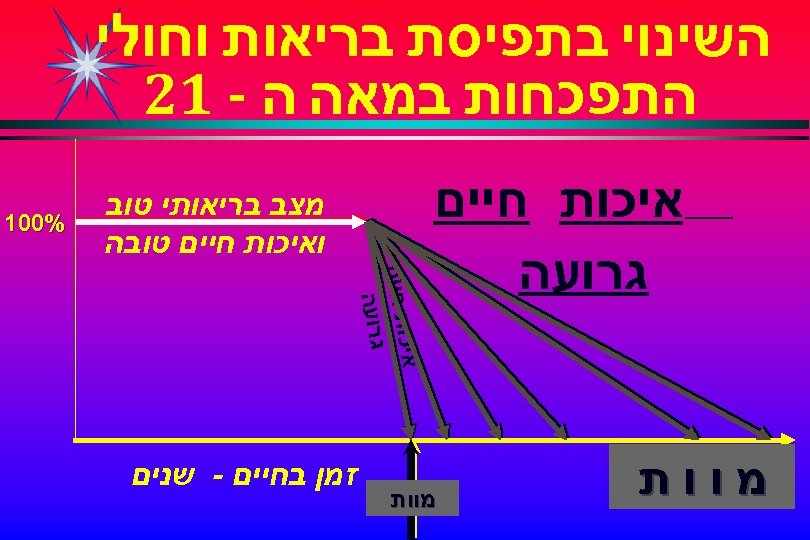
השינוי בתפיסת בריאות וחולי התפכחות במאה ה - 12 מוות איכ ות חיים גרועה . איכות חיים גרועה מצב בריאותי טוב ואיכות חיים טובה מוות זמן בחיים - שנים %001
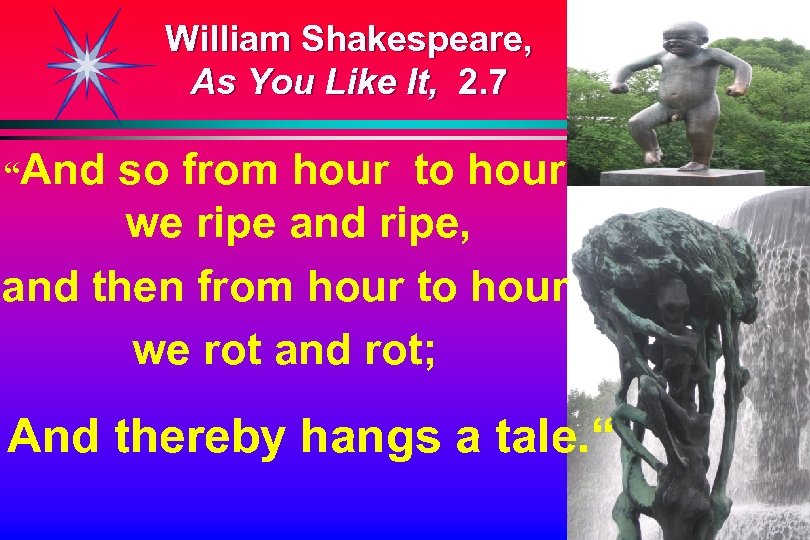
William Shakespeare, As You Like It, 2. 7 “And so from hour to hour we ripe and ripe, and then from hour to hour we rot and rot; And thereby hangs a tale. “
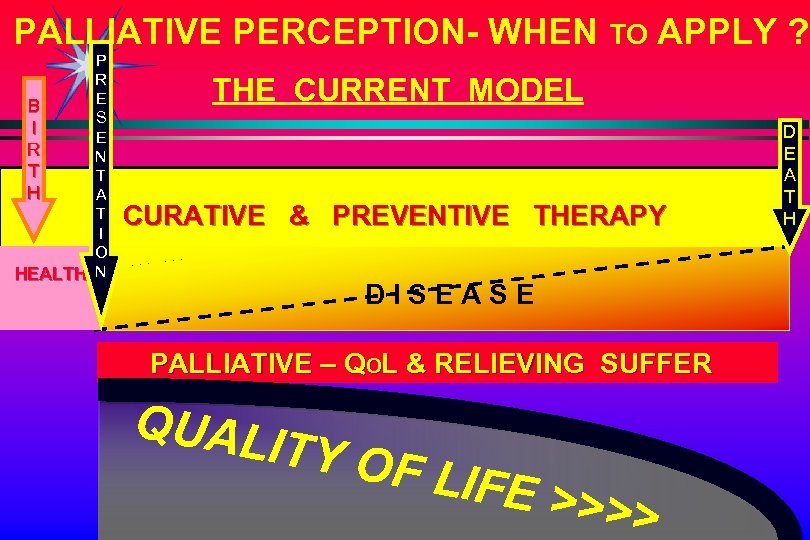
PALLIATIVE PERCEPTION- WHEN TO APPLY ? P R E B S I E R N T T H A T I O HEALTH N THE CURRENT MODEL CURATIVE & PREVENTIVE THERAPY DISEASE PALLIATIVE – QOL & RELIEVING SUFFER QUAL ITY OF LIFE > > >> D E A T H
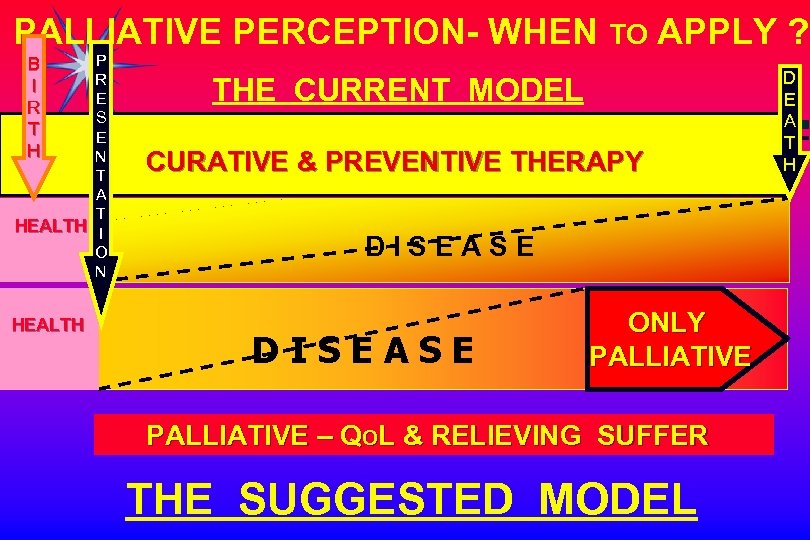
PALLIATIVE PERCEPTION- WHEN TO APPLY ? P R E S E N T A T HEALTH I O N B I R T H HEALTH THE CURRENT MODEL CURATIVE & PREVENTIVE THERAPY DISEASE ONLY PALLIATIVE – QOL & RELIEVING SUFFER THE SUGGESTED MODEL D E A T H
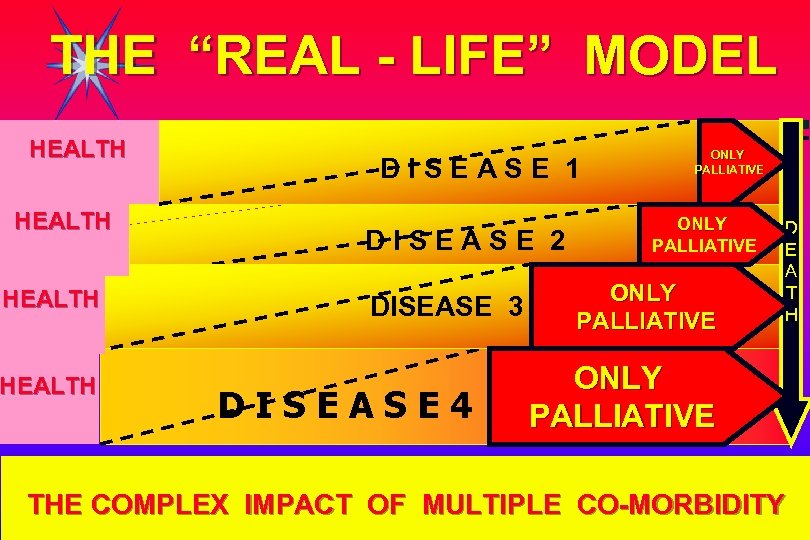
THE “REAL - LIFE” MODEL HEALTH DISEASE 1 DISEASE 2 DISEASE 3 DISEASE 4 ONLY PALLIATIVE D E A T H ONLY PALLIATIVE THE COMPLEX IMPACT OF MULTIPLE CO-MORBIDITY
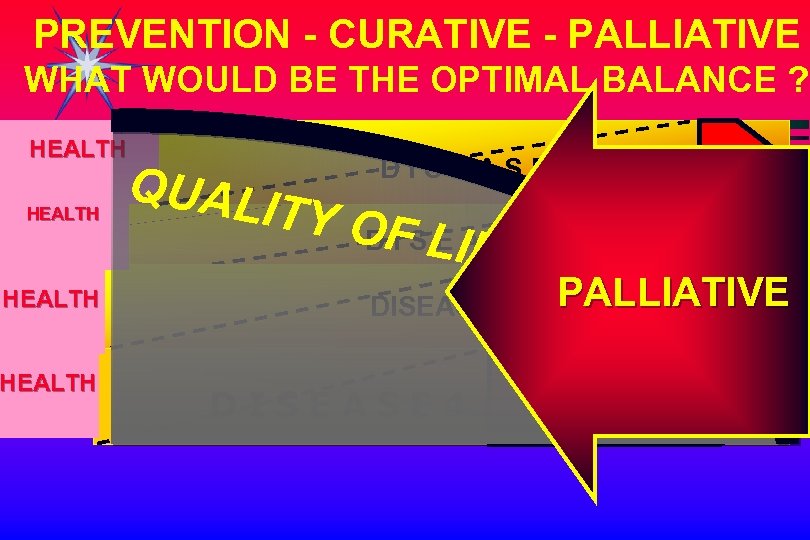
PREVENTION - CURATIVE - PALLIATIVE WHAT WOULD BE THE OPTIMAL BALANCE ? HEALTH DISEASE 1 QUAL ITY OF LIFE > DISEASE 2 HEALTH DISEASE 3 DISEASE 4 ONLY PALLIATIVE >>> ONLY PALLIATIVE ONLY PALLIATIVE
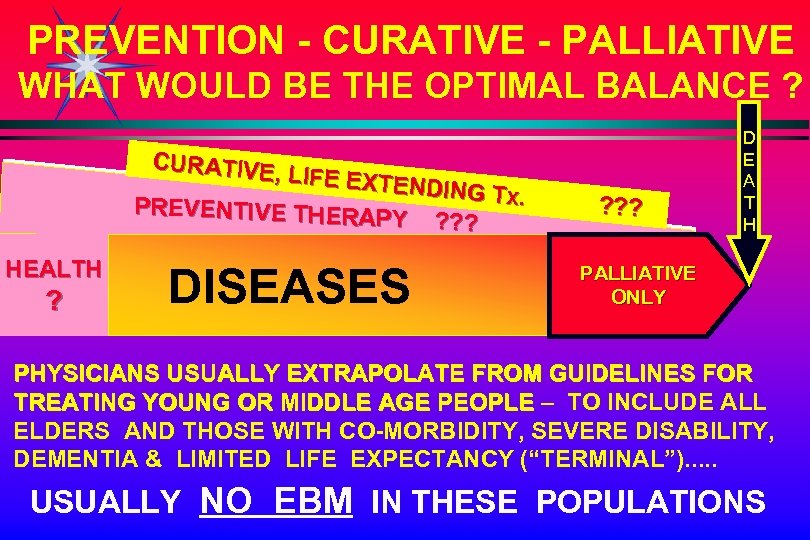
PREVENTION - CURATIVE - PALLIATIVE WHAT WOULD BE THE OPTIMAL BALANCE ? CURATIVE, LIFE EXTEN DING TX. P RE V E NT I V E T HE RA PY ? ? ? HEALTH ? DISEASES ? ? ? D E A T H PALLIATIVE ONLY PHYSICIANS USUALLY EXTRAPOLATE FROM GUIDELINES FOR TREATING YOUNG OR MIDDLE AGE PEOPLE – TO INCLUDE ALL ELDERS AND THOSE WITH CO-MORBIDITY, SEVERE DISABILITY, DEMENTIA & LIMITED LIFE EXPECTANCY (“TERMINAL”). . . USUALLY NO EBM IN THESE POPULATIONS
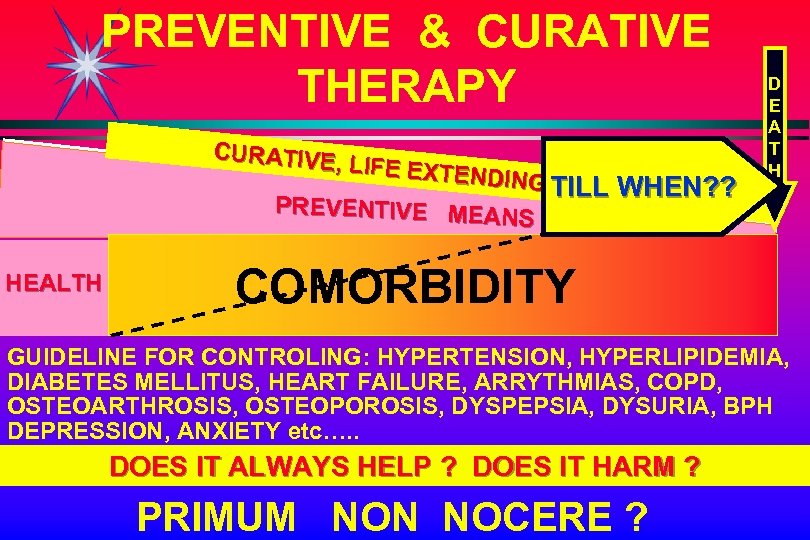
PREVENTIVE & CURATIVE THERAPY CURATIVE, LIFE EXTEN DING TILL WHEN? ? THERAPY P R E V E N T I V E ME A N S HEALTH D E A T H COMORBIDITY GUIDELINE FOR CONTROLING: HYPERTENSION, HYPERLIPIDEMIA, DIABETES MELLITUS, HEART FAILURE, ARRYTHMIAS, COPD, OSTEOARTHROSIS, OSTEOPOROSIS, DYSPEPSIA, DYSURIA, BPH DEPRESSION, ANXIETY etc…. . DOES IT ALWAYS HELP ? DOES IT HARM ? PRIMUM NON NOCERE ?
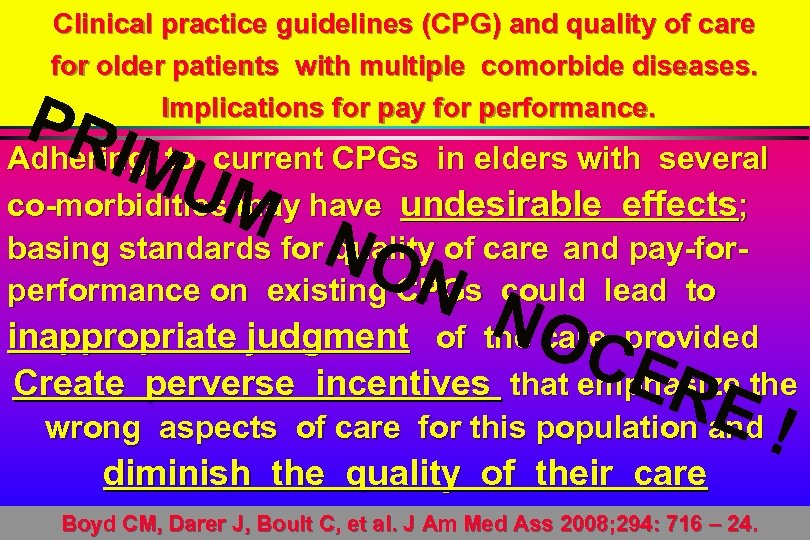
Clinical practice guidelines (CPG) and quality of care for older patients with multiple comorbide diseases. Implications for pay for performance. PR to current CPGs in elders with several Adhering IMU co-morbidities may have undesirable effects; M basing standards for. N quality of care and pay-for. ON could lead to performance on existing CPGs N care inappropriate judgment of the. O provided CE the Create perverse incentives that emphasize Rand wrong aspects of care for this population E ! diminish the quality of their care Boyd CM, Darer J, Boult C, et al. J Am Med Ass 2008; 294: 716 – 24.
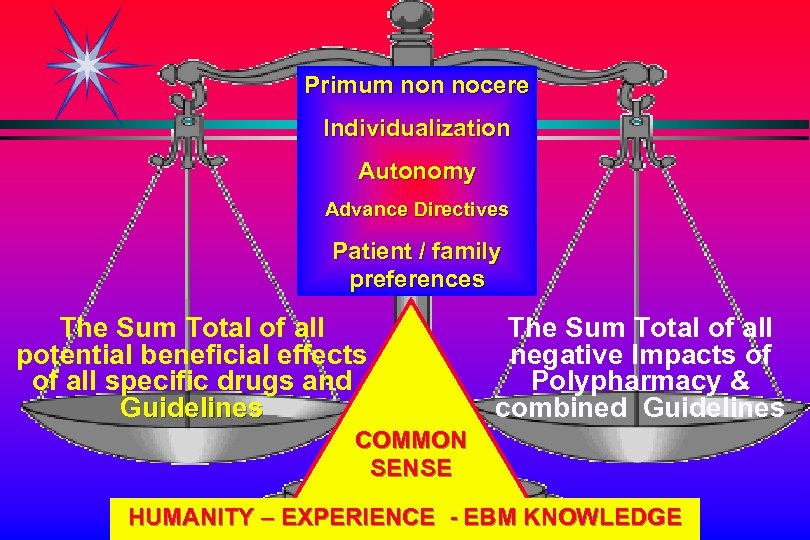
Primum non nocere Individualization Autonomy Advance Directives Patient / family preferences The Sum Total of all potential beneficial effects of all specific drugs and Guidelines The Sum Total of all negative Impacts of Polypharmacy & combined Guidelines COMMON SENSE HUMANITY – EXPERIENCE - EBM KNOWLEDGE
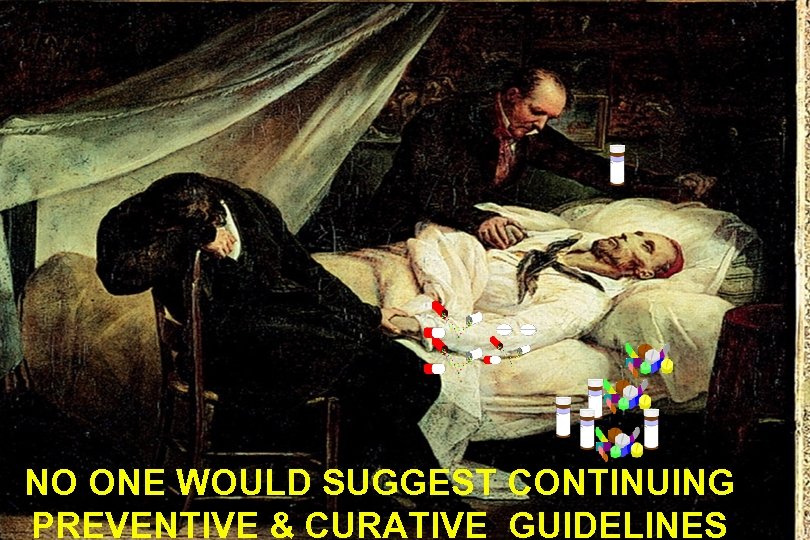
NO ONE WOULD SUGGEST CONTINUING PREVENTIVE & CURATIVE GUIDELINES
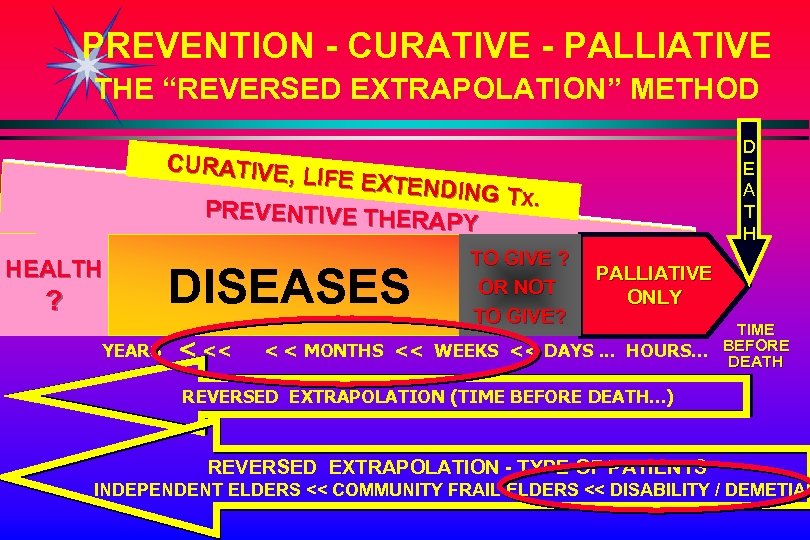
PREVENTION - CURATIVE - PALLIATIVE THE “REVERSED EXTRAPOLATION” METHOD D E A T H CURATIVE, LIFE EXTEN DING TX. P RE V E NT I V E T HE RA PY HEALTH ? YEARS DISEASES < << TO GIVE ? OR NOT TO GIVE? PALLIATIVE ONLY TIME < < MONTHS << WEEKS << DAYS. . . HOURS. . . BEFORE DEATH REVERSED EXTRAPOLATION (TIME BEFORE DEATH. . . ) REVERSED EXTRAPOLATION - TYPE OF PATIENTS INDEPENDENT ELDERS << COMMUNITY FRAIL ELDERS << DISABILITY / DEMETIA
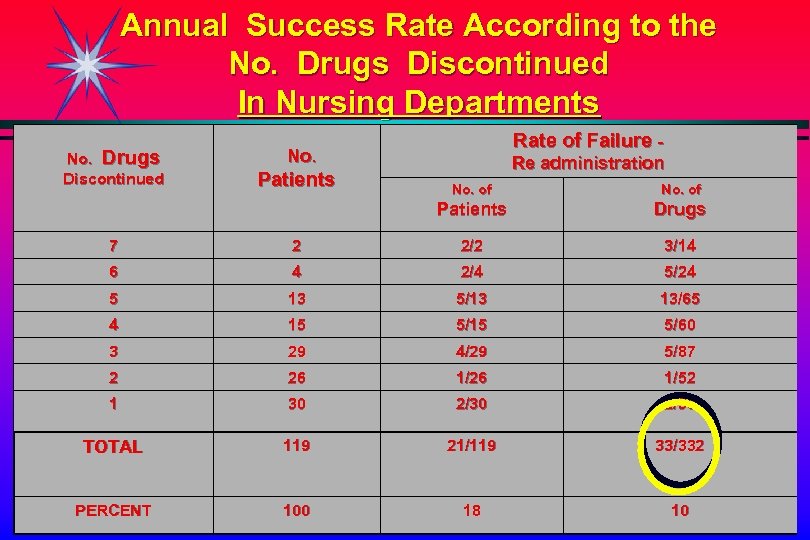
Annual Success Rate According to the No. Drugs Discontinued In Nursing Departments No. Drugs Discontinued Rate of Failure - No. Patients Re administration No. of Patients Drugs 7 2 2/2 3/14 6 4 2/4 5/24 5 13 5/13 13/65 4 15 5/60 3 29 4/29 5/87 2 26 1/52 1 30 2/30 TOTAL 119 21/119 33/332 PERCENT 100 18 10
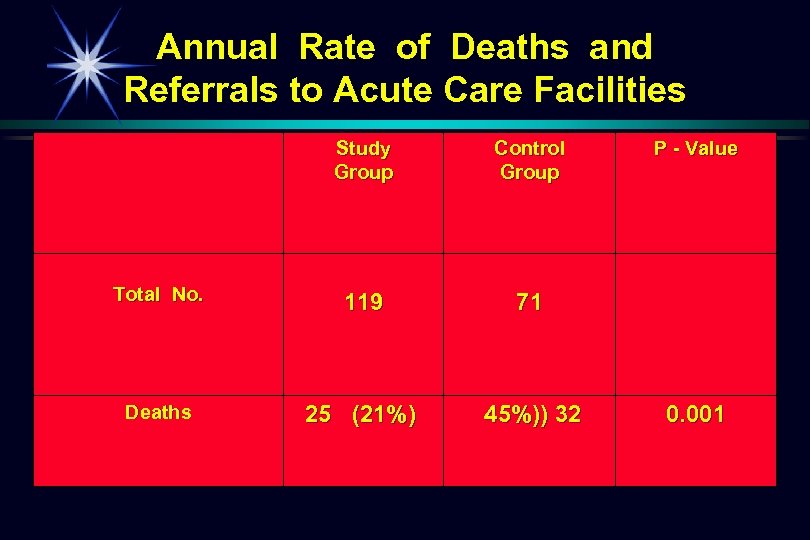
Annual Rate of Deaths and Referrals to Acute Care Facilities Study Group Control Group Total No. 119 71 Deaths 25 (21%) 45%)) 32 P - Value 0. 001
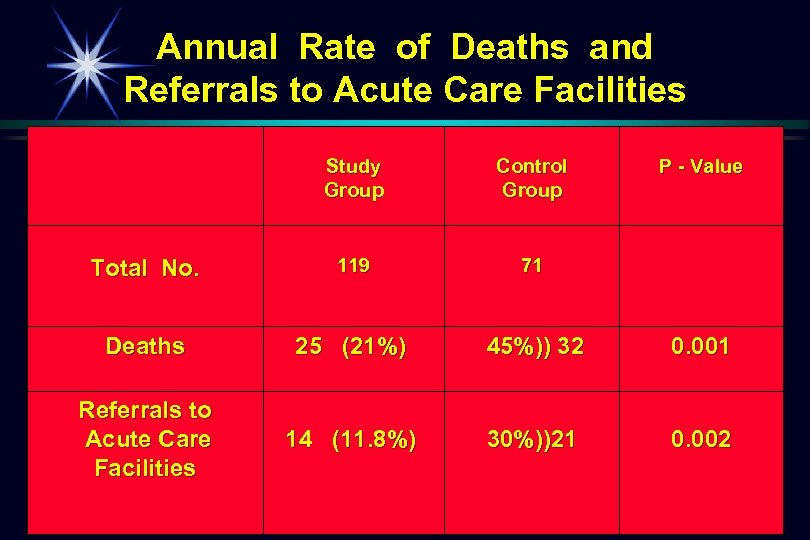
Annual Rate of Deaths and Referrals to Acute Care Facilities Study Group Control Group P - Value Total No. 119 71 Deaths 25 (21%) 45%)) 32 0. 001 Referrals to Acute Care Facilities 14 (11. 8%) 30%))21 0. 002
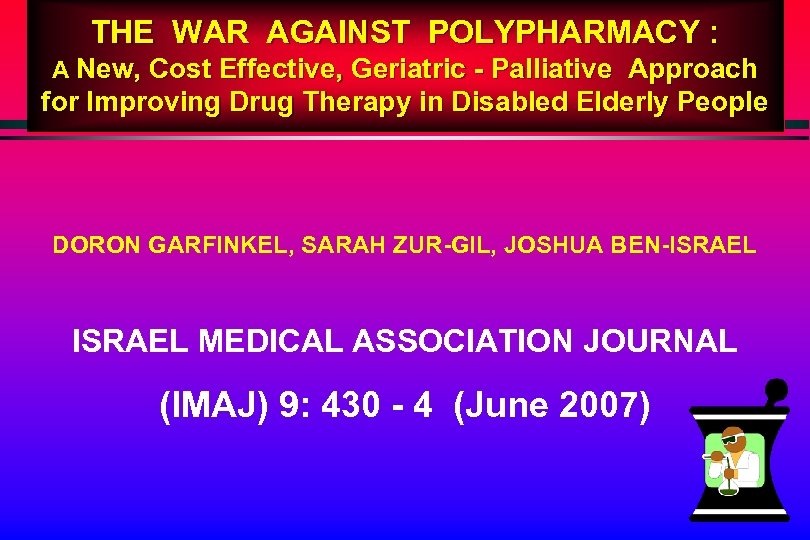
THE WAR AGAINST POLYPHARMACY : A New, Cost Effective, Geriatric - Palliative Approach for Improving Drug Therapy in Disabled Elderly People DORON GARFINKEL, SARAH ZUR-GIL, JOSHUA BEN-ISRAEL MEDICAL ASSOCIATION JOURNAL (IMAJ) 9: 430 - 4 (June 2007)
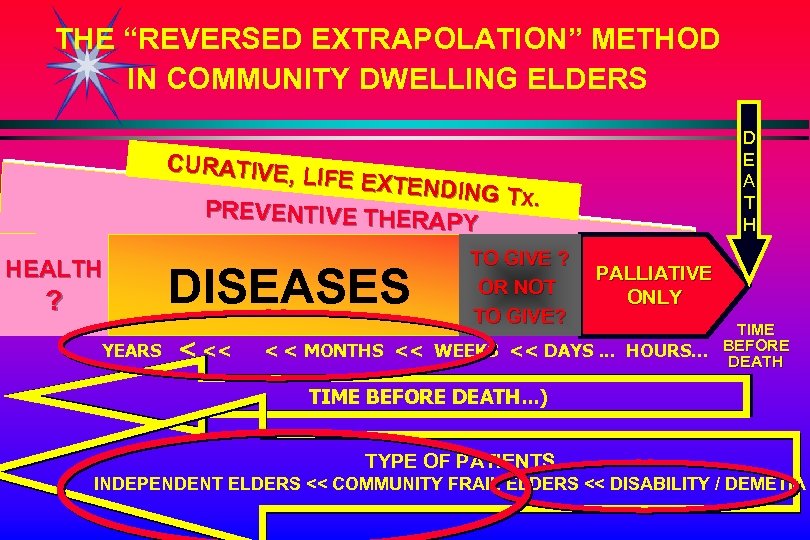
THE “REVERSED EXTRAPOLATION” METHOD IN COMMUNITY DWELLING ELDERS D E A T H CURATIVE, LIFE EXTEN DING TX. P RE V E NT I V E T HE RA PY HEALTH ? YEARS DISEASES < << TO GIVE ? OR NOT TO GIVE? PALLIATIVE ONLY TIME < < MONTHS << WEEKS << DAYS. . . HOURS. . . BEFORE DEATH TIME BEFORE DEATH. . . ) TYPE OF PATIENTS INDEPENDENT ELDERS << COMMUNITY FRAIL ELDERS << DISABILITY / DEMETIA
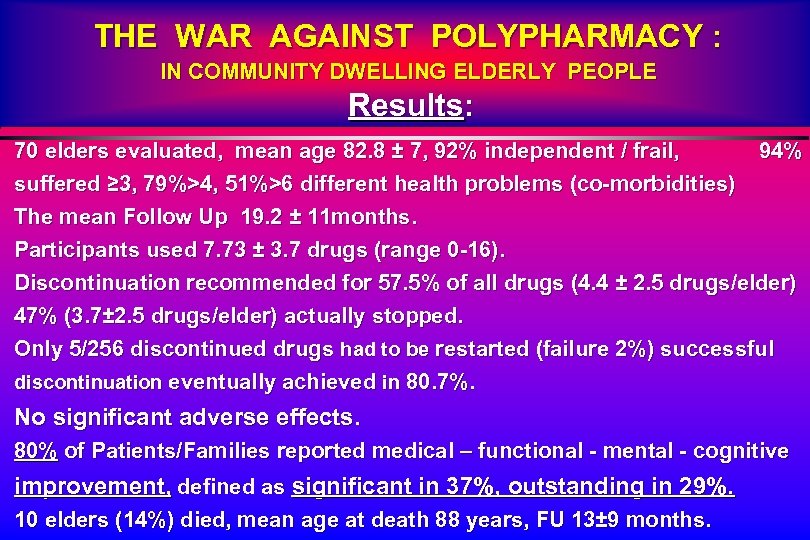
THE WAR AGAINST POLYPHARMACY : IN COMMUNITY DWELLING ELDERLY PEOPLE Results: 70 elders evaluated, mean age 82. 8 ± 7, 92% independent / frail, 94% suffered ≥ 3, 79%>4, 51%>6 different health problems (co-morbidities) The mean Follow Up 19. 2 ± 11 months. Participants used 7. 73 ± 3. 7 drugs (range 0 -16). Discontinuation recommended for 57. 5% of all drugs (4. 4 ± 2. 5 drugs/elder) 47% (3. 7± 2. 5 drugs/elder) actually stopped. Only 5/256 discontinued drugs had to be restarted (failure 2%) successful discontinuation eventually achieved in 80. 7%. No significant adverse effects. 80% of Patients/Families reported medical – functional - mental - cognitive improvement, defined as significant in 37%, outstanding in 29%. 10 elders (14%) died, mean age at death 88 years, FU 13± 9 months.
90 minute Symposium #: 445 Title: THE WAR AGAINST POLYPHARMACY RETHINKING AND RE-EVALUTION NEEDED FOR EACH AND EVERY DRUG IN THE ELDERLY
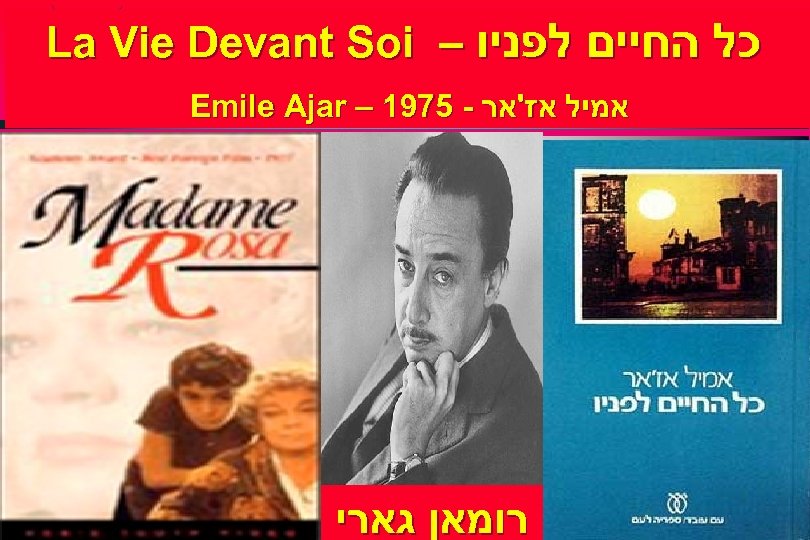
כל החיים לפניו – La Vie Devant Soi אמיל אז'אר - 5791 – Emile Ajar רומאן גארי
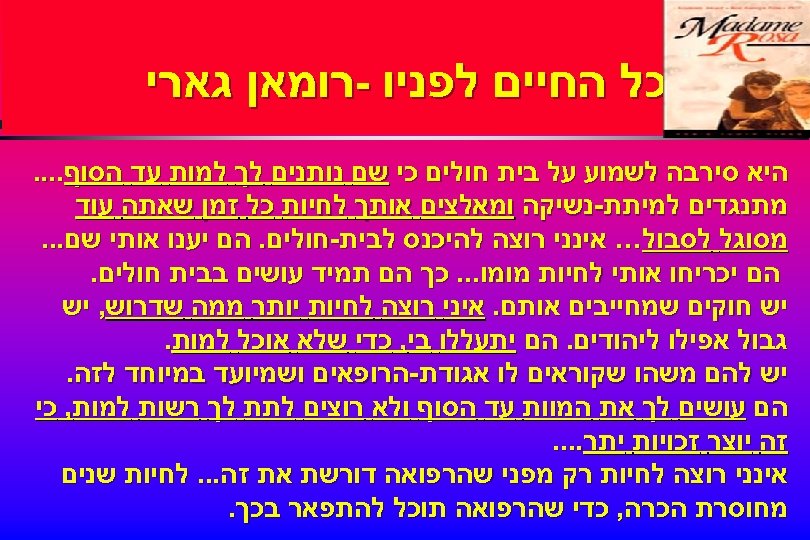
כל החיים לפניו -רומאן גארי היא סירבה לשמוע על בית חולים כי שם נותנים לך למות עד הסוף. . מתנגדים למיתת-נשיקה ומאלצים אותך לחיות כל זמן שאתה עוד מסוגל לסבול… אינני רוצה להיכנס לבית-חולים. הם יענו אותי שם. . . הם יכריחו אותי לחיות מומו. . . כך הם תמיד עושים בבית חולים. יש חוקים שמחייבים אותם. איני רוצה לחיות יותר ממה שדרוש, יש גבול אפילו ליהודים. הם יתעללו בי, כדי שלא אוכל למות. יש להם משהו שקוראים לו אגודת-הרופאים ושמיועד במיוחד לזה. הם עושים לך את המוות עד הסוף ולא רוצים לתת לך רשות למות, כי זה יוצר זכויות יתר. . אינני רוצה לחיות רק מפני שהרפואה דורשת את זה. . . לחיות שנים מחוסרת הכרה, כדי שהרפואה תוכל להתפאר בכך.

"! "האמת היא. . . שאין אמת Art--2 פרידריך ניטשה Jack Kevorkian Nearer My God to Thee
Скачать презентацию הטיפול הפליאטיבי כנושא דגל אומנות הרפואה עקרון
104231c0f68e62441588ef07cd00a85b.ppt